English
  中文
中文

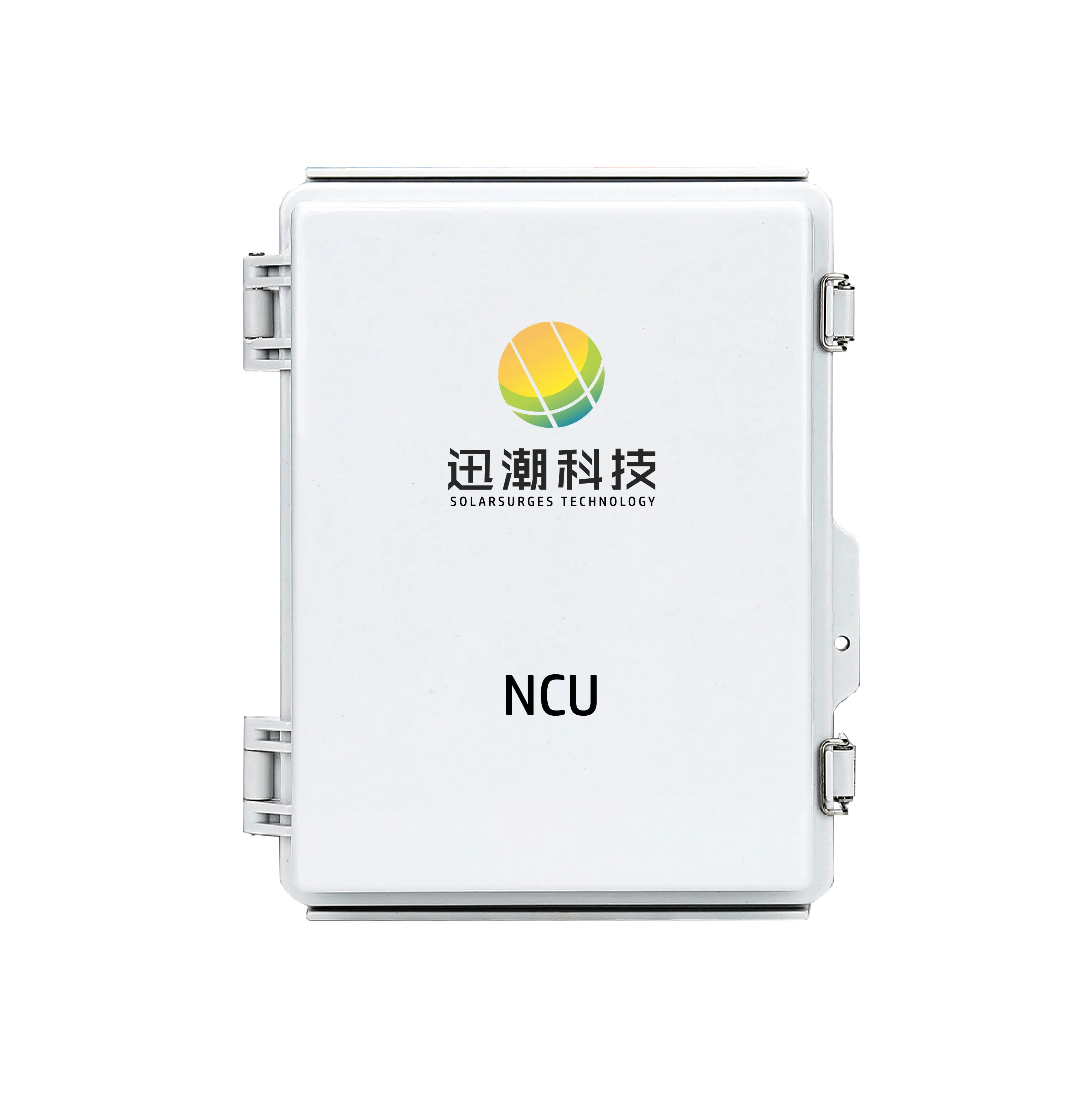
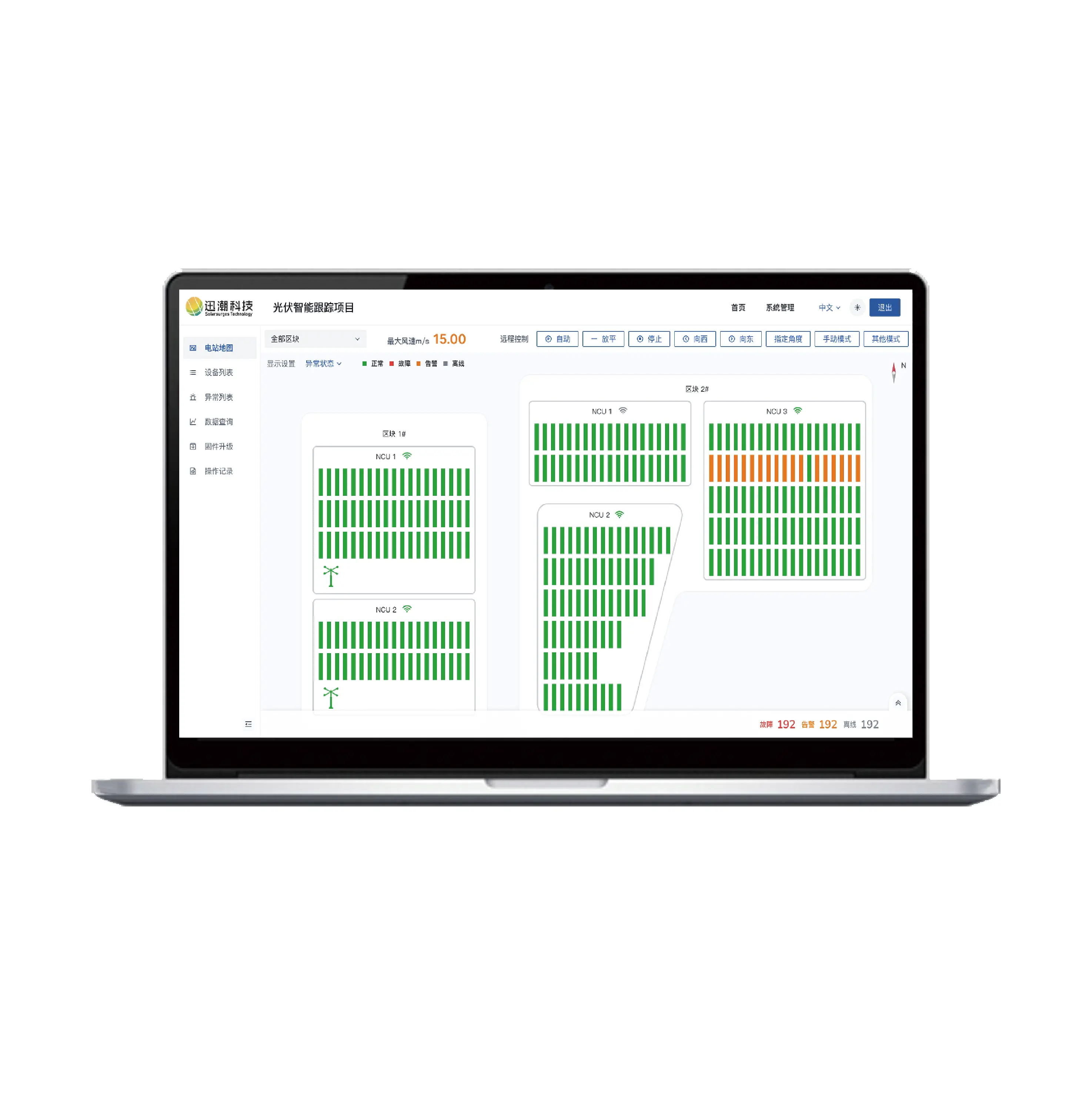

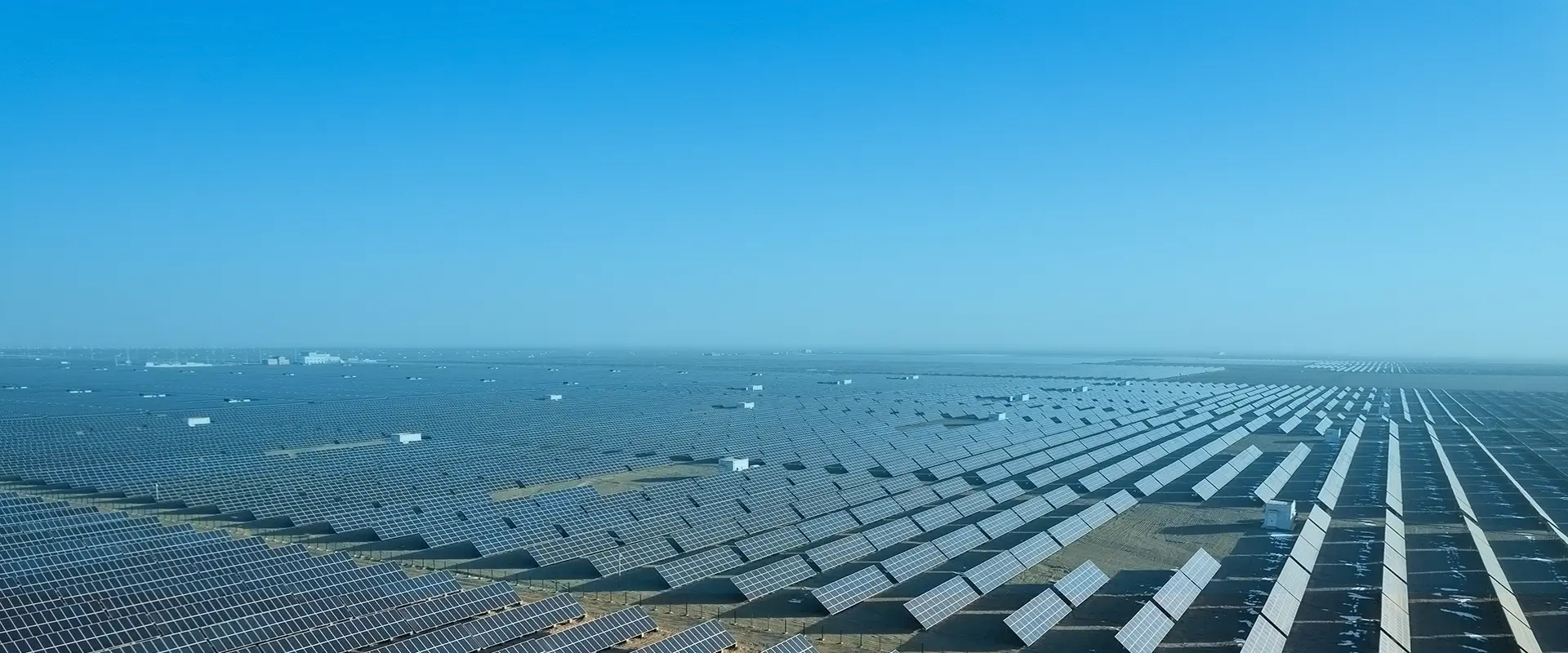
As the global transition toward renewable energy accelerates, solar power has emerged as a dominant force in clean energy production. But to harness solar energy efficiently on an industrial scale, power plants need more than just photovoltaic panels—they require smart, centralized control systems that can monitor, analyze, and optimize performance across the board. This is where the SCADA system for solar plant operations plays an essential role, ensuring peak performance, operational safety, and streamlined management.
Importance of Real-Time Monitoring in Solar Plants
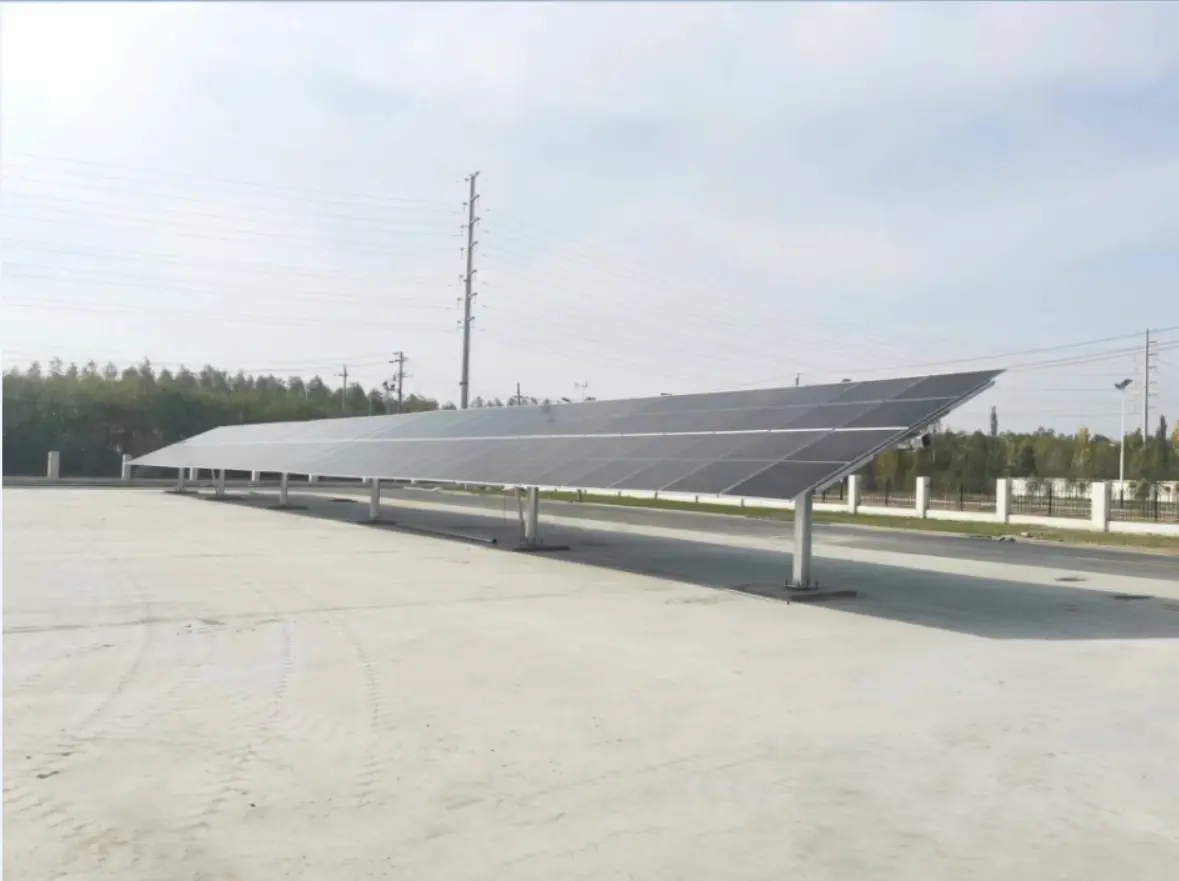
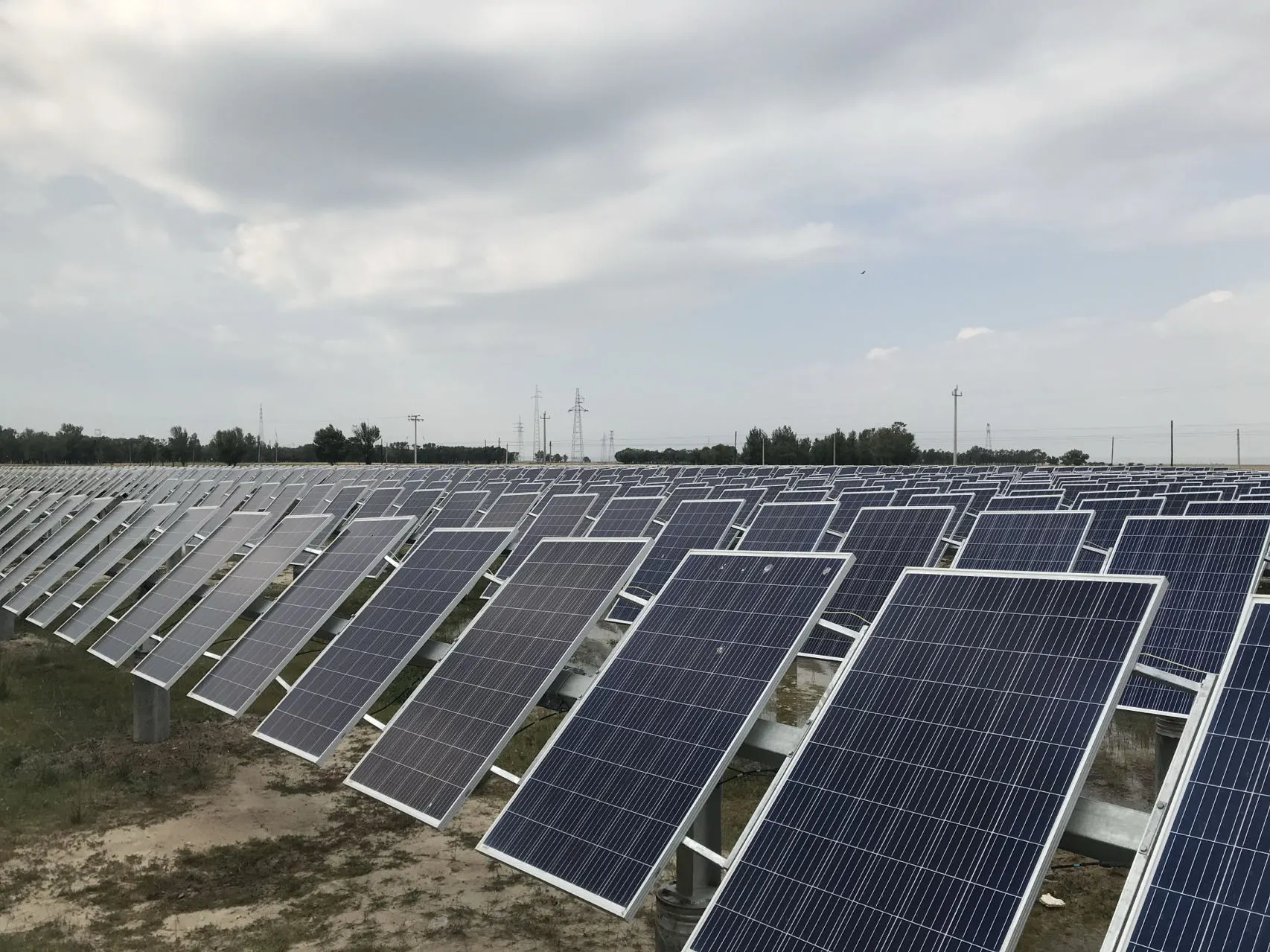
Large-scale solar farms consist of thousands of panels and associated equipment, scattered across vast areas. In such environments, manual monitoring is impractical, costly, and inefficient. A SCADA system for solar plant infrastructure enables operators to remotely monitor every component of the system, including inverters, combiner boxes, trackers, and weather stations, all from a central platform.
Solarsurges has recognized this operational challenge and addressed it through its advanced Surgetrack Solar SCADA system. Designed to support both station-level and cloud-based monitoring, the system collects real-time data and transforms it into actionable insights. This helps identify system inefficiencies, prevent downtime, and support predictive maintenance strategies.

Intelligent Control and Data Integration
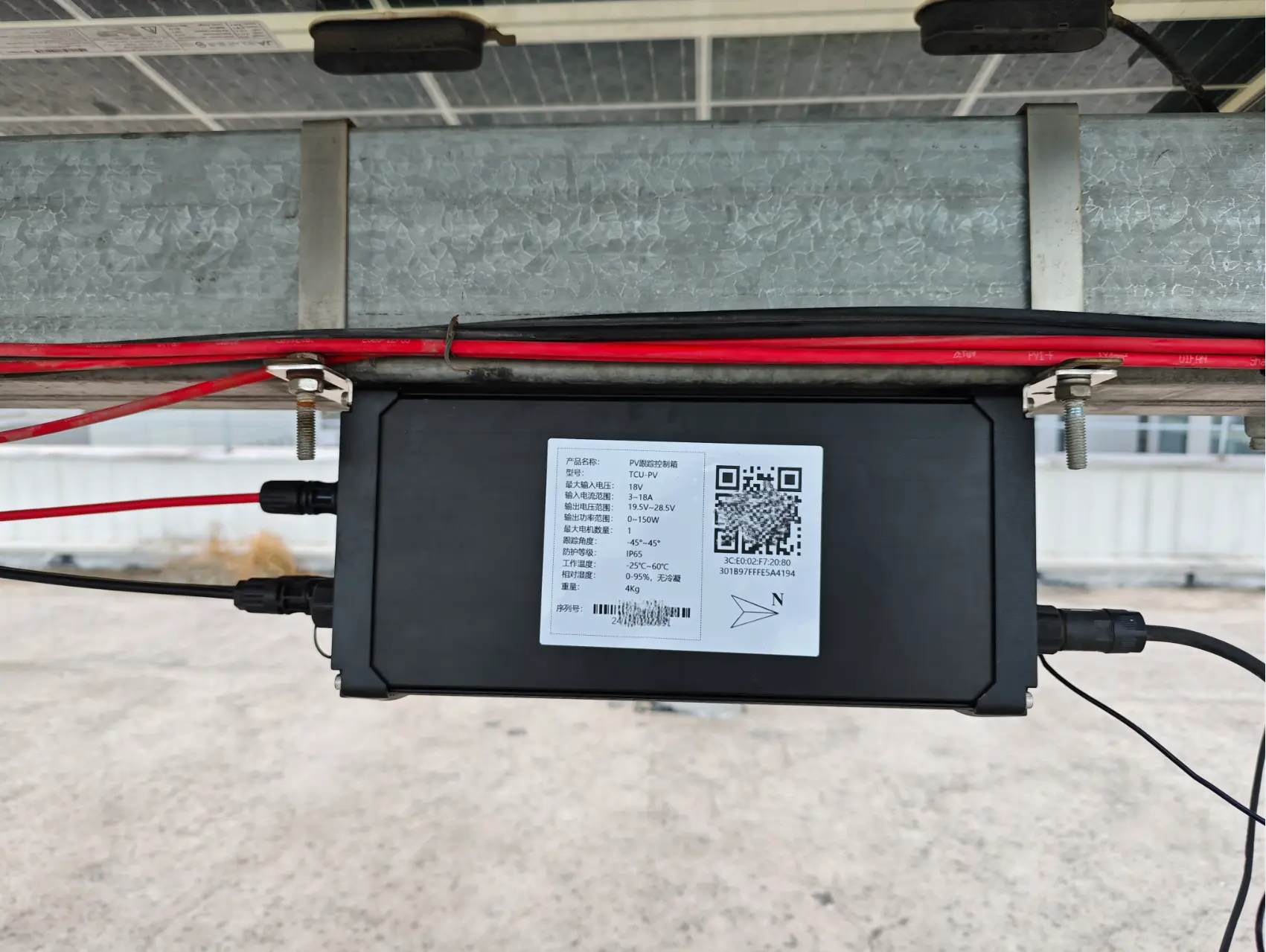
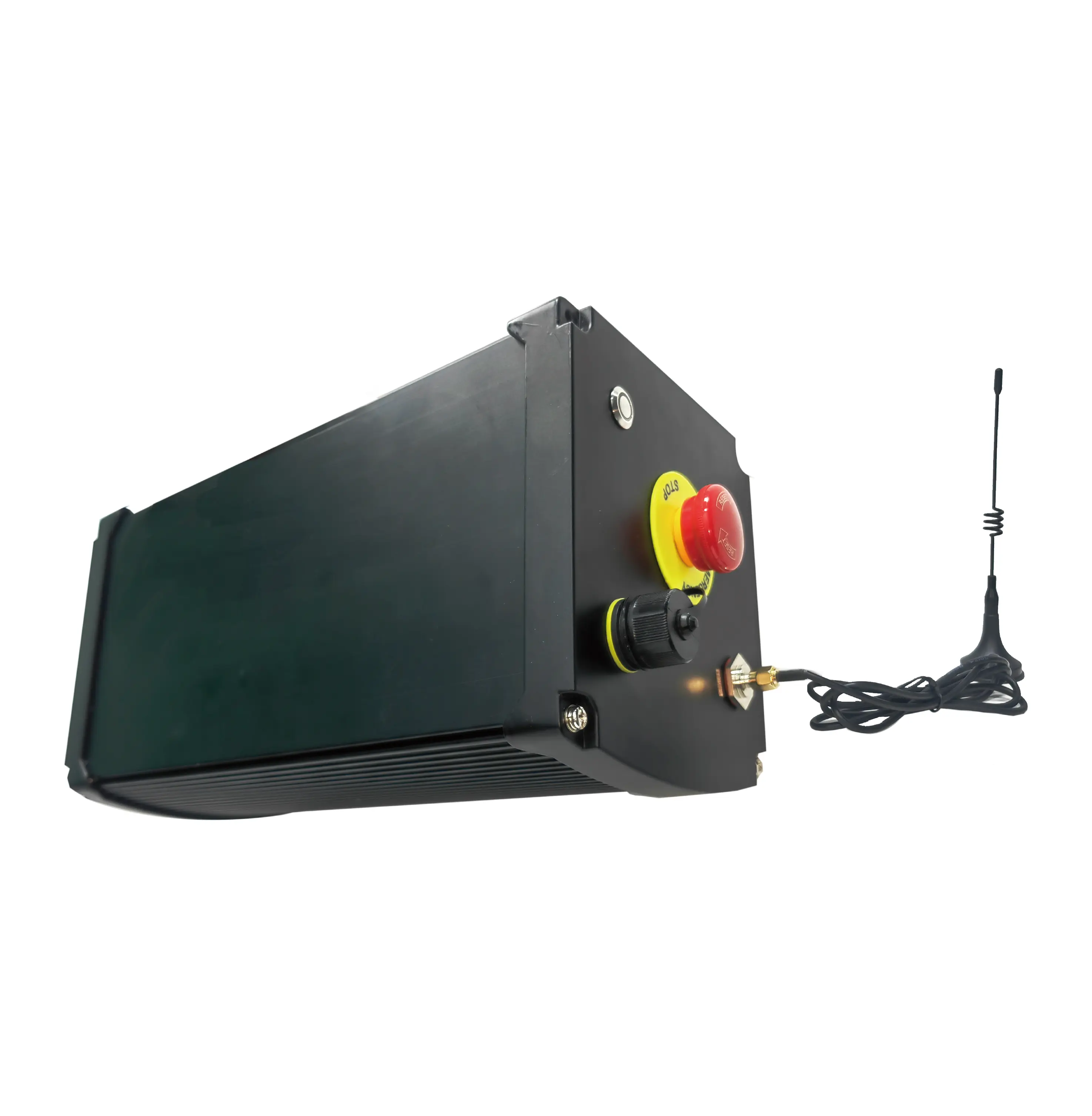
The strength of a SCADA system lies in its integration capabilities. Solarsurges' SCADA offering provides seamless compatibility with solar tracker control units, including DC Powered, String Powered, and AC Powered variants. By synchronizing tracking controllers with SCADA analytics, the system ensures optimal solar exposure for each array while also recording precise performance metrics for operators to review.
Data from multiple sensors—such as irradiance, temperature, and voltage—is consolidated into a single dashboard, making it easier for operators to make decisions. The SCADA system for solar plant also allows for historical data tracking, enabling performance comparisons over time and across different locations.

Enhancing Predictive Maintenance and Uptime
Downtime in a solar power plant translates directly to energy loss and reduced revenue. A SCADA system for solar plant helps avoid these pitfalls by facilitating predictive maintenance. Through intelligent monitoring, the system can detect unusual behavior—such as a drop in panel output or abnormal temperature fluctuations—well before a failure occurs.
Solarsurges' platform, for instance, uses trend analysis and performance benchmarks to alert technicians when a component is likely to require service. This reduces unplanned outages and allows maintenance to be scheduled during low-generation periods, minimizing operational impact.
Driving the Future of Smart Solar Operations
As solar farms continue to grow in size and complexity, centralized control systems like SCADA are no longer optional—they are foundational. A SCADA system for solar plant operations allows for unprecedented visibility, efficiency, and automation, enabling operators to make decisions faster and with greater accuracy.

Solarsurges, with its decade-long experience in the solar PV sector, is positioning its SCADA system as an indispensable tool for next-generation solar power management. By offering not only robust system architecture but also value-added services such as installation support, training, and daily operational guidance, Solarsurges is helping energy providers make the most of their solar investments.
Related Solar Tracker Products