English
  中文
中文

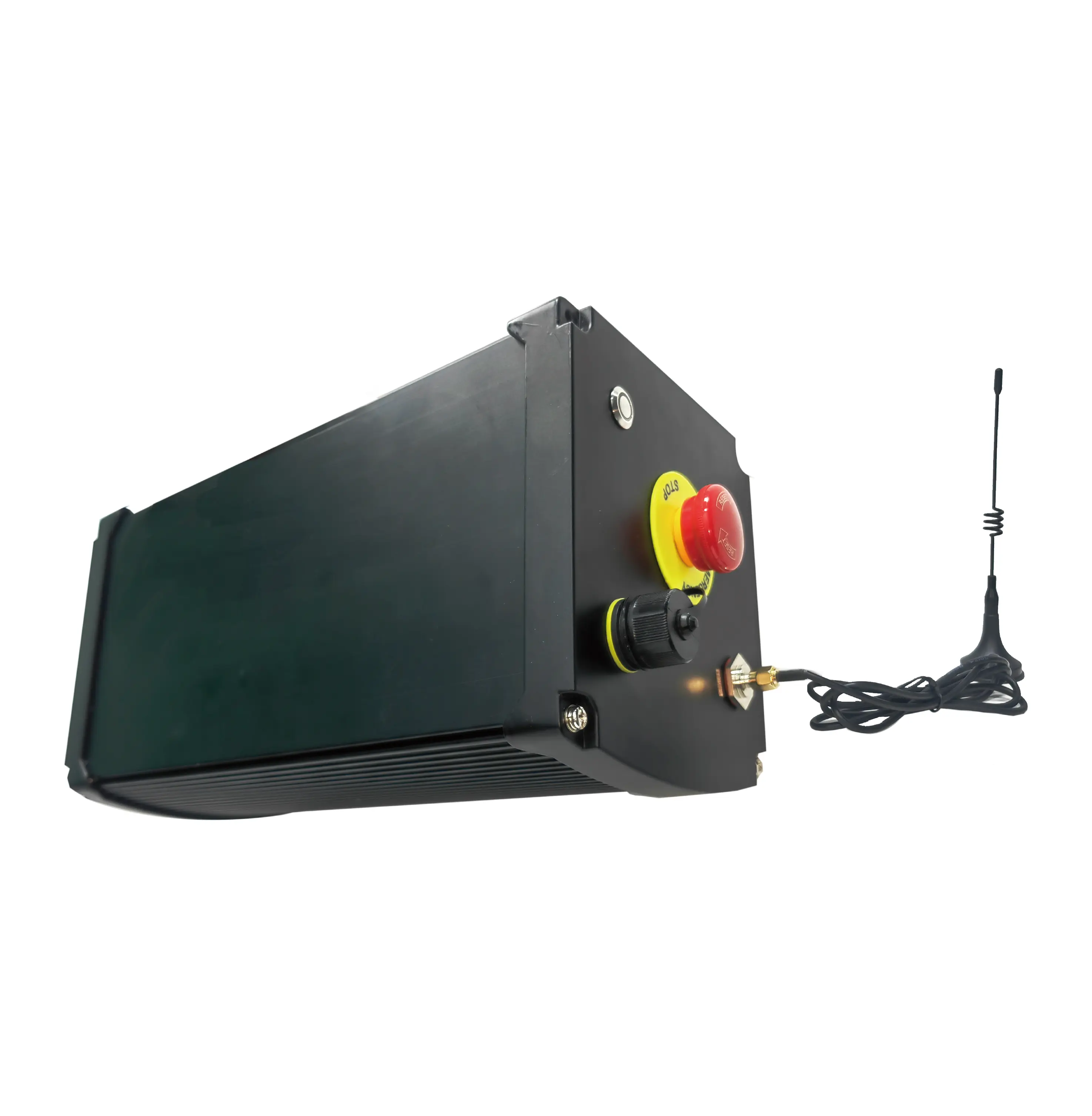

Understanding the Role of a Solar Tracker Controller in Your System
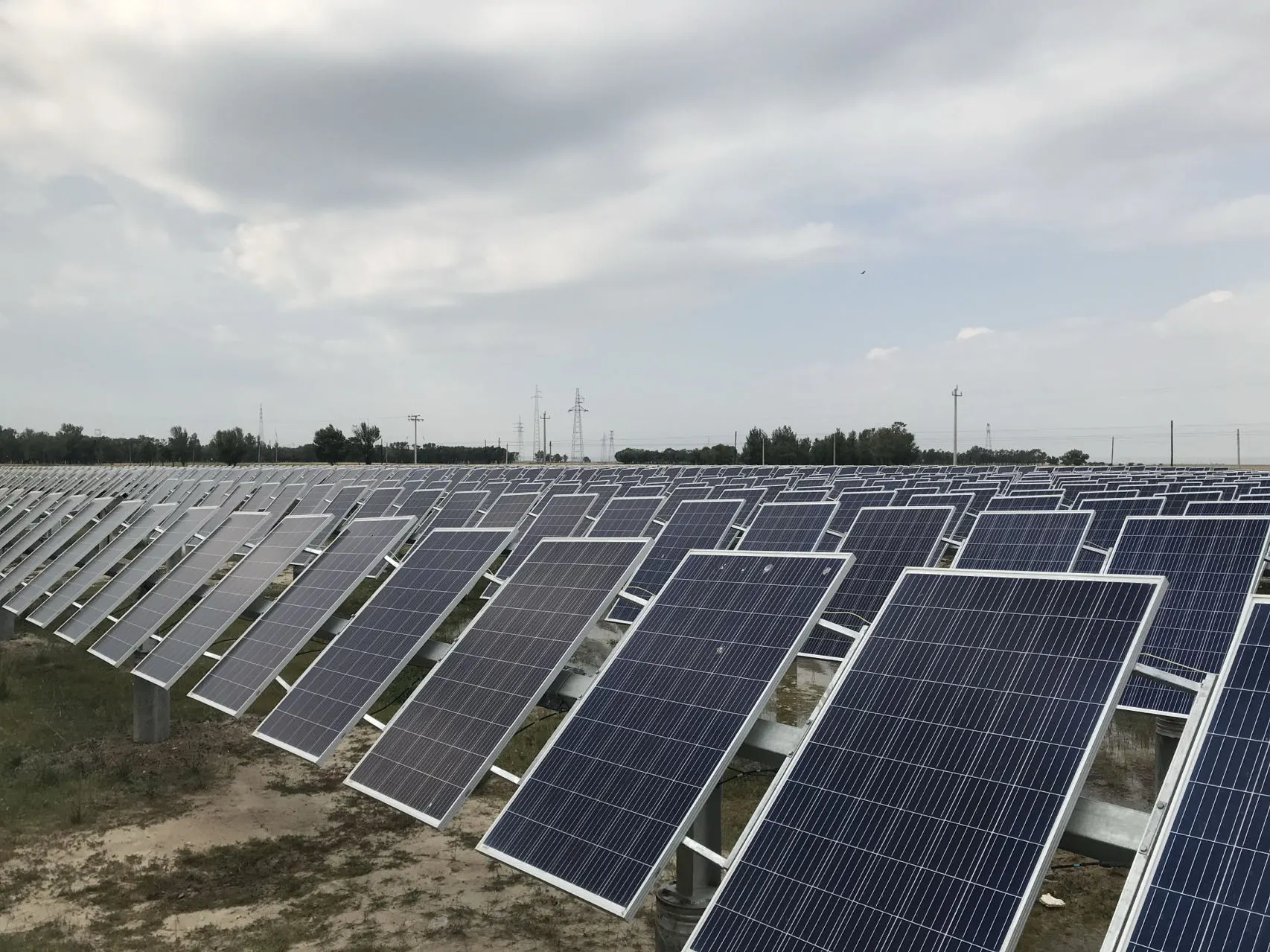
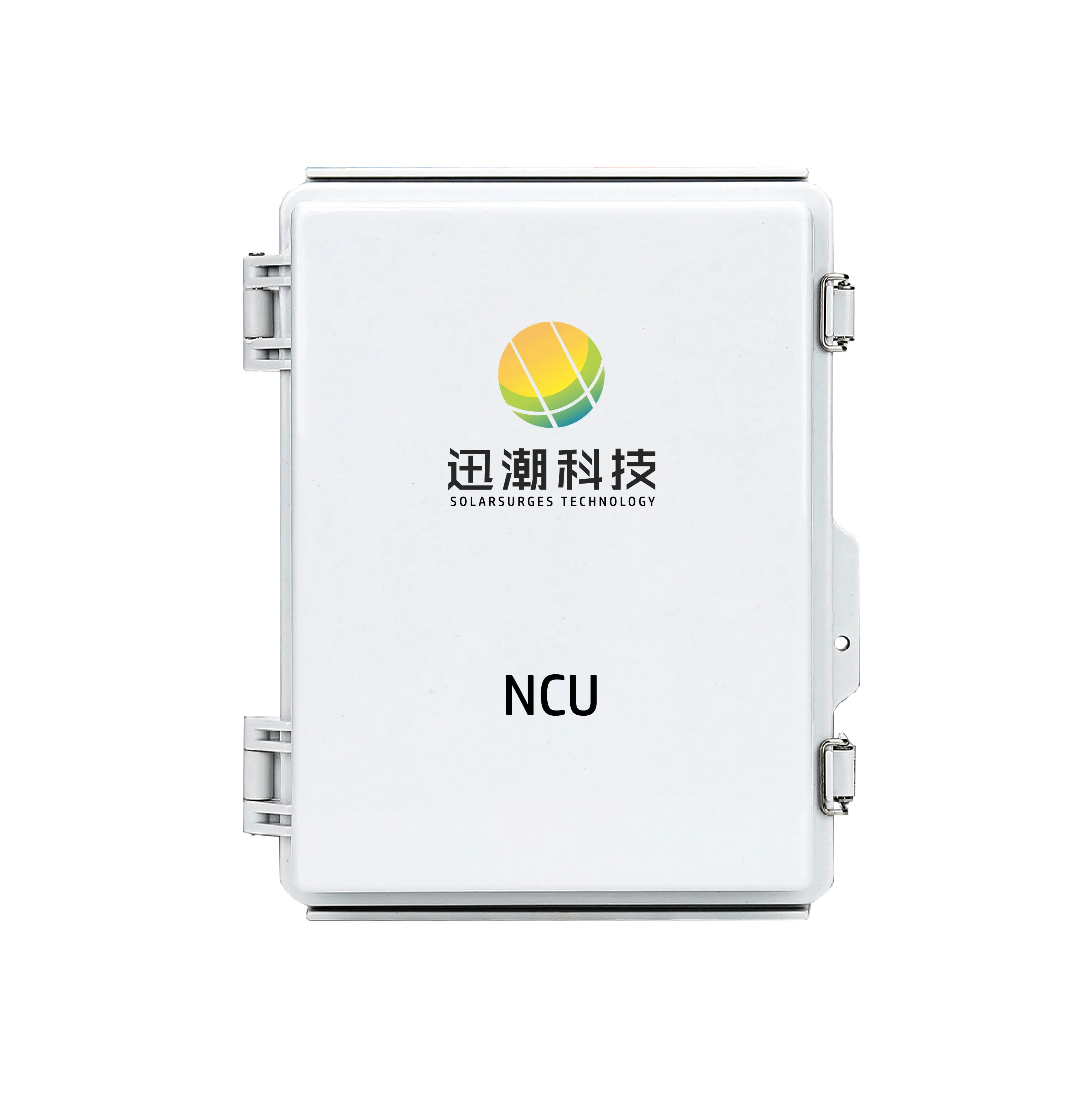
The solar tracker controller is a key component in any solar power system that uses a tracking mechanism to follow the sun throughout the day. This device ensures that solar panels are always positioned optimally to maximize energy capture. By continuously adjusting the tilt and orientation of the panels, the controller helps to increase the overall efficiency of the solar system. A solar tracker controller functions based on pre-programmed algorithms or sensor inputs to adjust the panels' angle automatically, optimizing solar exposure and maximizing the amount of energy generated. For any solar power setup, whether residential, commercial, or large-scale solar farms, choosing the right solar tracker controller is crucial to achieving the best performance. It's important to consider several factors, including system size, the type of solar tracker being used (single-axis or dual-axis), environmental conditions, and technical features when selecting the right controller for your system.
Key Features to Look for in a Solar Tracker Controller
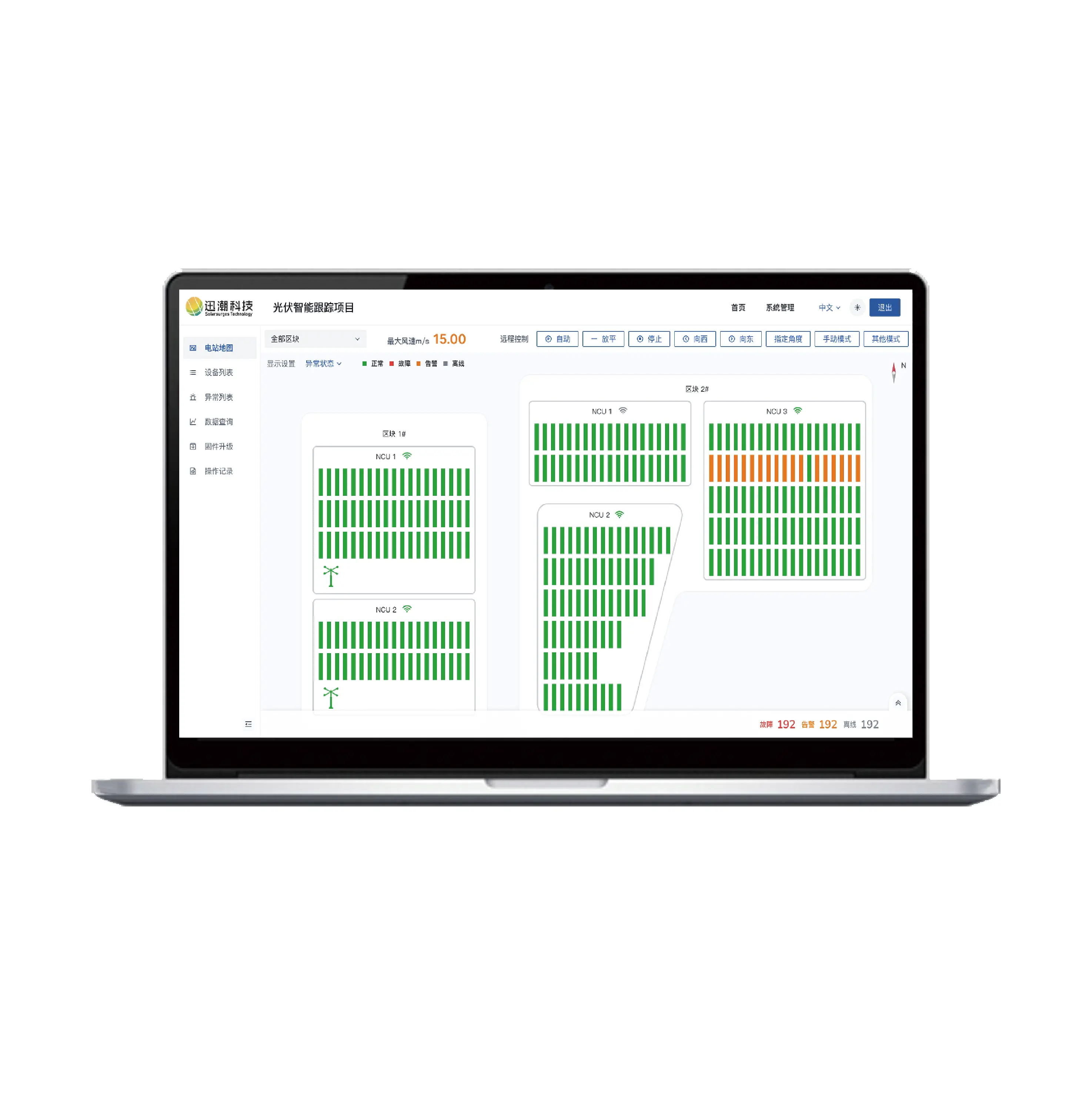
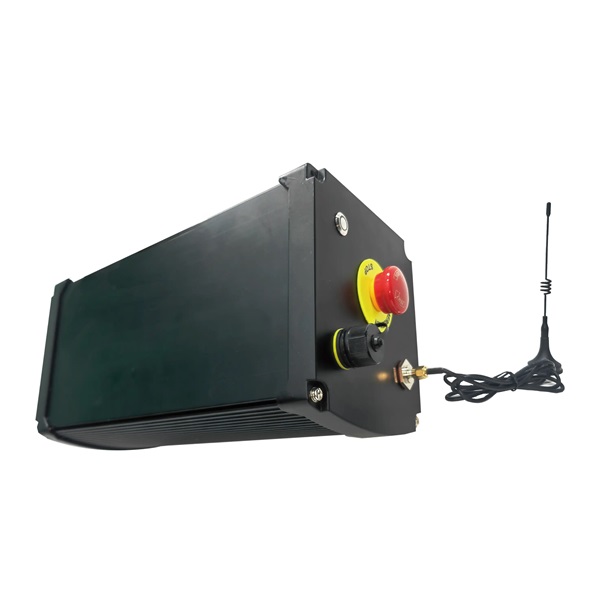
When selecting a solar tracker controller, there are several critical features to consider that directly impact the performance and reliability of your solar tracking system. One of the most important features is the controller's compatibility with the tracking mechanism. Different systems may require different types of controllers depending on whether the tracker is single-axis or dual-axis. A solar tracker controller should be able to handle the specific mechanical movements required to adjust the panels smoothly and accurately. Additionally, look for a controller that includes built-in weather resistance features. Since these controllers are often exposed to harsh outdoor conditions, the device should be durable and able to withstand extreme temperatures, humidity, and rain. Another essential feature to consider is the tracking algorithm. The controller should have an efficient algorithm that optimizes solar panel performance throughout the day by adjusting the panel's tilt based on the position of the sun. Features like remote monitoring, real-time feedback, and performance tracking are also important to help ensure the system is operating at peak efficiency, often provided by an advanced solar tracker controller manufacturer. Furthermore, an integrated fail-safe system that prevents the tracker from moving in extreme weather conditions is an important feature to ensure longevity and safety.
The Different Types of Solar Tracker Controllers
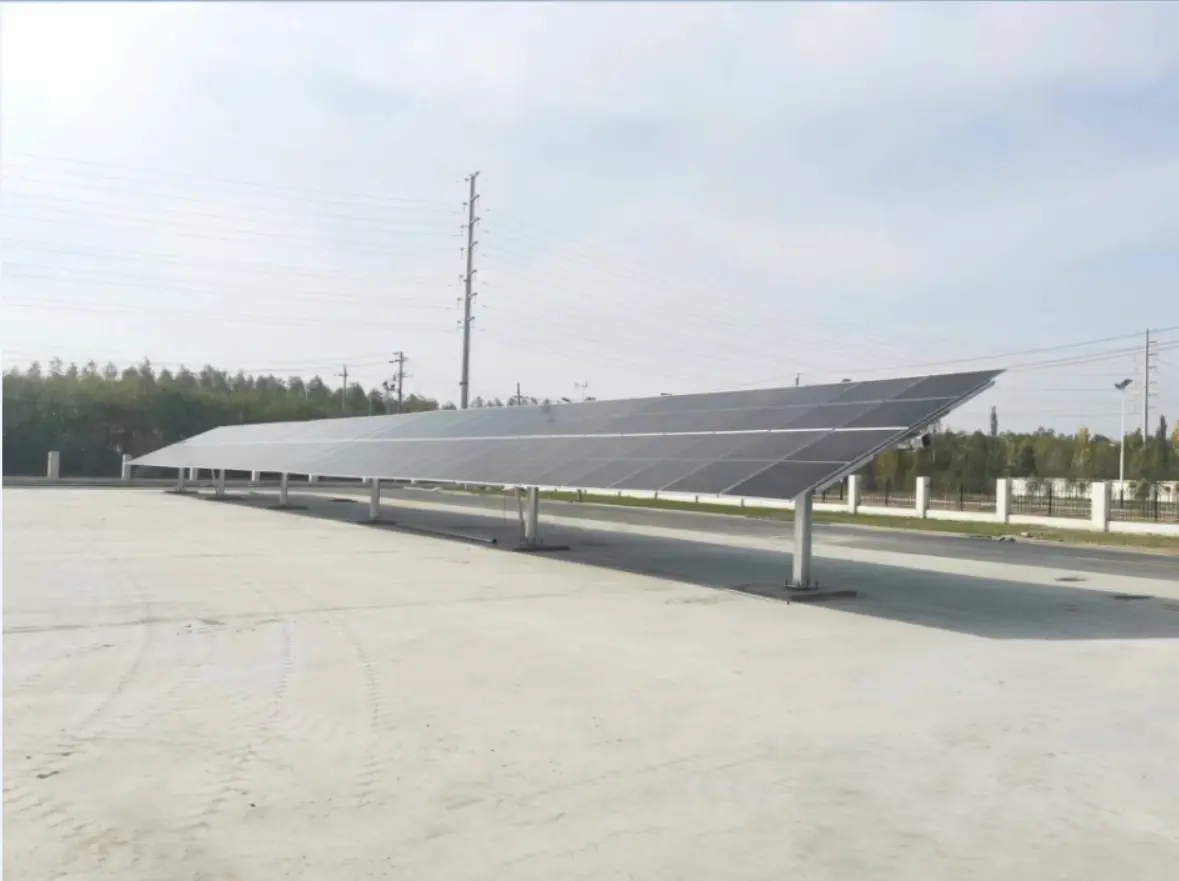
Understanding the different types of solar tracker controllers available in the market will help you make a more informed decision. Generally, there are two main types of solar tracker controllers: single-axis and dual-axis controllers. Single-axis solar tracker controllers are designed to adjust the tilt of the panels on one axis, typically following the sun from east to west throughout the day. These systems are typically simpler and more cost-effective, making them suitable for a variety of solar applications. On the other hand, dual-axis solar tracker controllers can move the panels in both the east-west direction and adjust the tilt angle as well, providing more precise tracking and maximizing energy capture throughout the day and year. Solar tracker controller manufacturers offer different models tailored for these two systems, and choosing between single or dual-axis depends on factors like the energy goals of the installation and the available budget. Dual-axis systems may be more efficient but also require more complex controllers and can be more expensive to install and maintain. It's important to understand your specific needs and assess the advantages of each tracker type before making a decision.
How to Choose the Best Solar Tracker Controller Manufacturer
Choosing a reputable solar tracker controller manufacturer is just as important as selecting the right controller for your system. A reliable manufacturer ensures that the controllers meet industry standards for durability, efficiency, and performance. When researching manufacturers, you should consider their reputation in the market and the quality of their products. Look for a manufacturer that offers controllers designed for both small and large-scale installations, ensuring scalability and versatility for different solar projects. Additionally, check if the manufacturer provides after-sales support, including technical assistance, troubleshooting, and warranty options. A good manufacturer will also offer a wide range of compatible controllers for various tracking systems, allowing you to customize your setup for maximum efficiency. When choosing a solar tracker controller manufacturer, it's also helpful to examine customer reviews and case studies to see how their products have performed in real-world conditions. This will give you insights into the long-term reliability and serviceability of their products, ensuring you make an informed choice for your solar energy system.
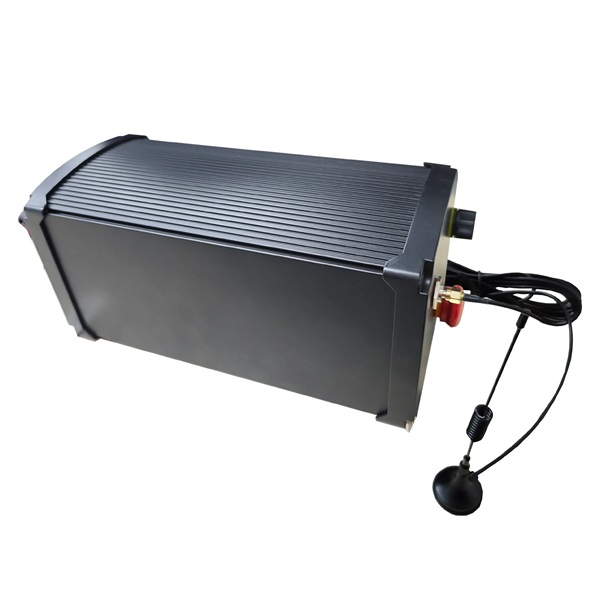
How Solar Tracker Controllers Impact the Overall Efficiency of Your Solar Power System
The solar tracker controller plays a vital role in maximizing the efficiency and performance of a solar power system. Without the proper controller, your solar panels may not be positioned correctly throughout the day, leading to a decrease in energy production. By ensuring that the solar panels follow the sun's path, a solar tracker controller increases the amount of sunlight the panels capture, especially during peak sunlight hours. In fact, using a tracker system with a reliable controller can increase the overall energy output by up to 25% compared to stationary systems. For solar farms or large installations, this can translate into significant increases in power generation. Furthermore, the ability to optimize energy capture throughout the day, including during early morning or late evening hours, makes solar tracker controllers crucial for maximizing the overall efficiency of solar energy systems. The right solar tracker controller will help reduce the amount of energy lost due to improper positioning, leading to improved overall system performance and a faster return on investment.
Conclusion
Choosing the right solar tracker controller for your system is essential to optimizing solar energy generation. With the right controller, your solar panels can track the sun's path accurately, increasing energy output and efficiency. By considering factors like system size, controller features, and environmental conditions, as well as choosing a reputable solar tracker controller manufacturer, you can ensure that your solar tracking system operates at its best. Whether you opt for a single-axis or dual-axis system, the proper controller will help improve the performance of your solar installation, providing long-term energy benefits. As solar energy continues to grow in popularity, understanding the role of the solar tracker controller in maximizing energy capture will be crucial in making the most of your solar investment.
Related Solar Tracker Products