English
  中文
中文



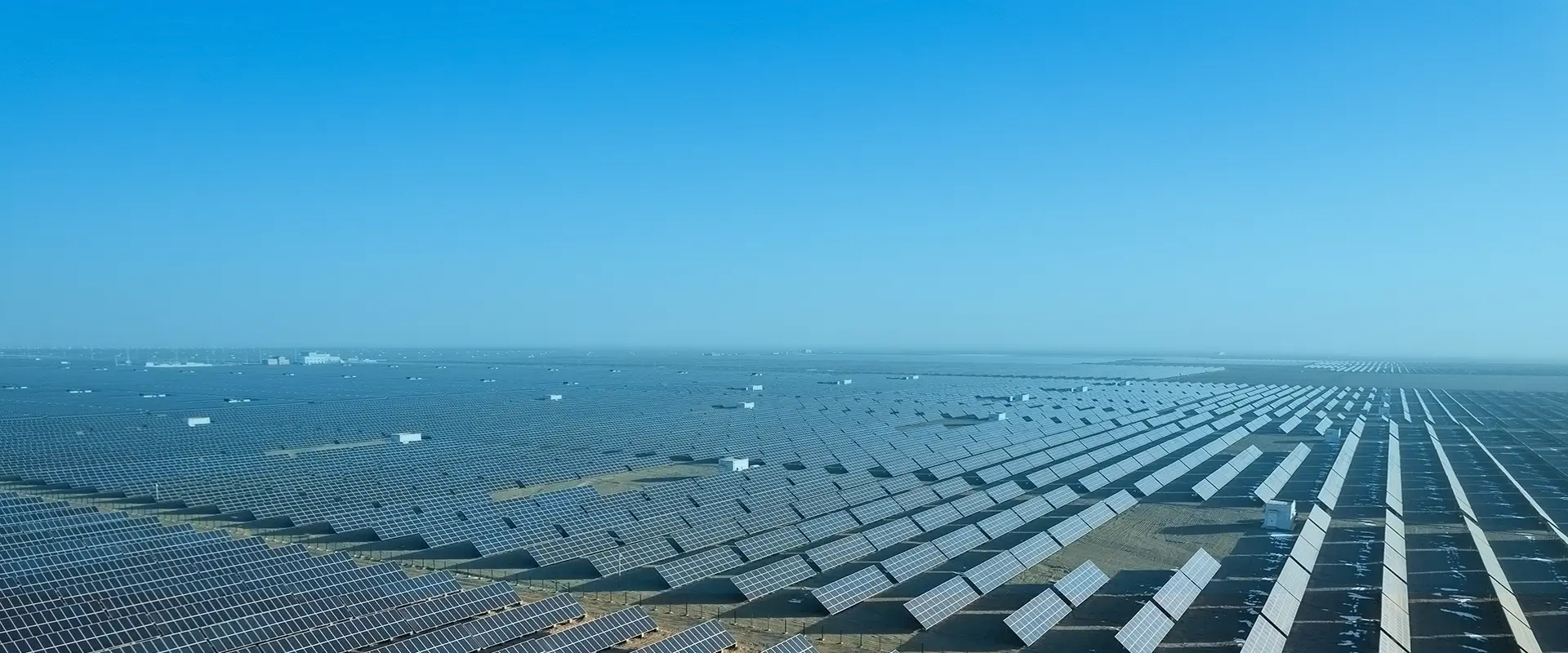
As wind and PV installations continue to scale, the "waste bill" from curtailed wind and solar power keeps growing. The root cause is not a lack of generation, but a mismatch in when and where electricity is produced. A joint research team led by Assistant Professor Zhang Fan and Professor Liu Yu from the School of Earth and Space Sciences at Peking University, in collaboration with Alibaba DAMO Academy, has now quantified—at a national scale for the first time—how wind-solar spatial coordination can break this bottleneck. The findings were published in Nature.
"We deployed DAMO Academy's proprietary AI model on a cloud computing platform to process 7.56 TB of 0.5-meter-resolution open satellite imagery covering the entire country," the team explained. "Despite the massive data volume and highly diverse terrain, we successfully located and identified 319,000 PV installations and 91,600 wind turbines across 1,915 counties."
"This is the first time we have a large-scale, high-precision national inventory of wind and solar facilities—giving us a 'god's-eye view' of China's renewable landscape."
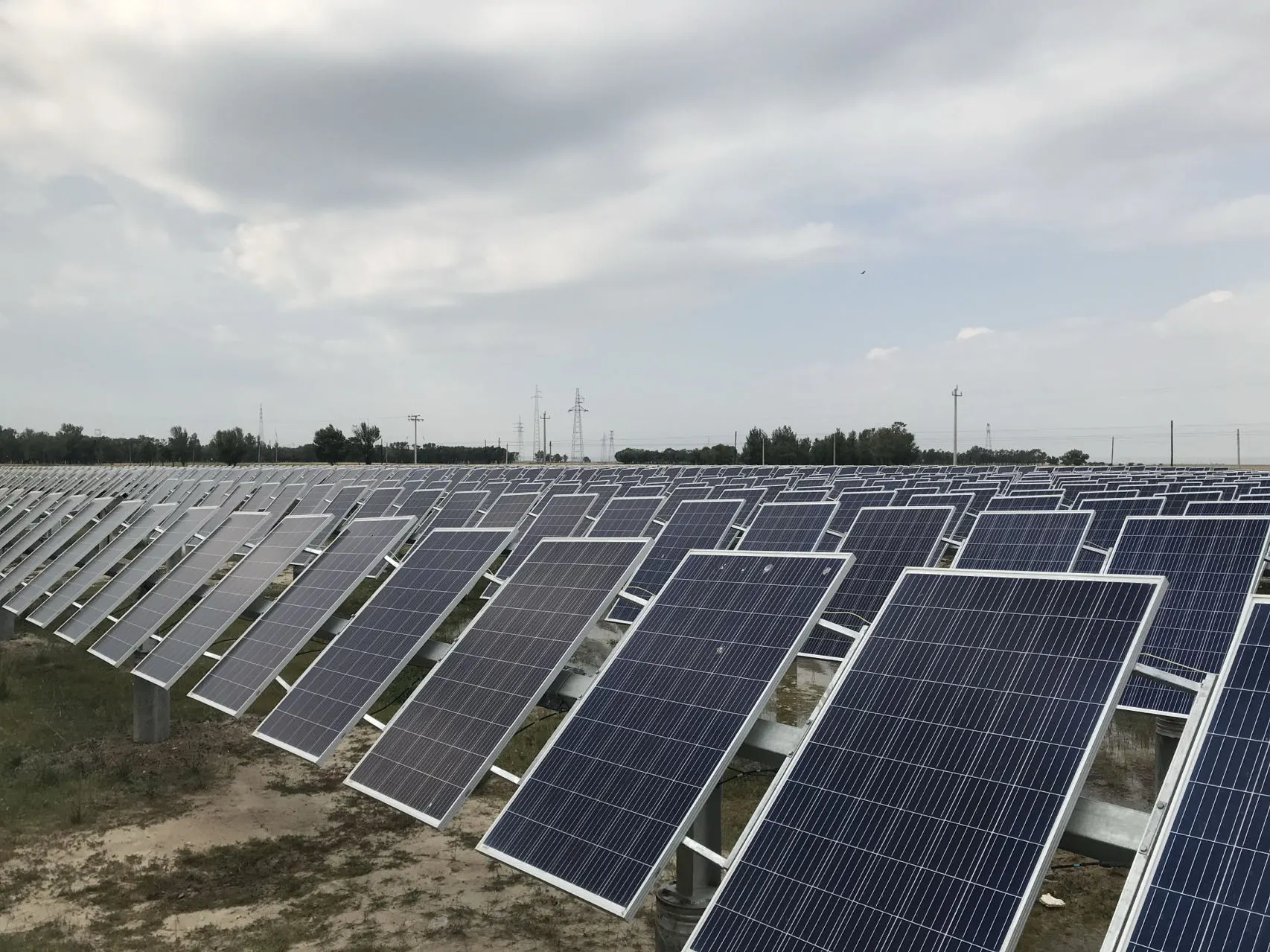
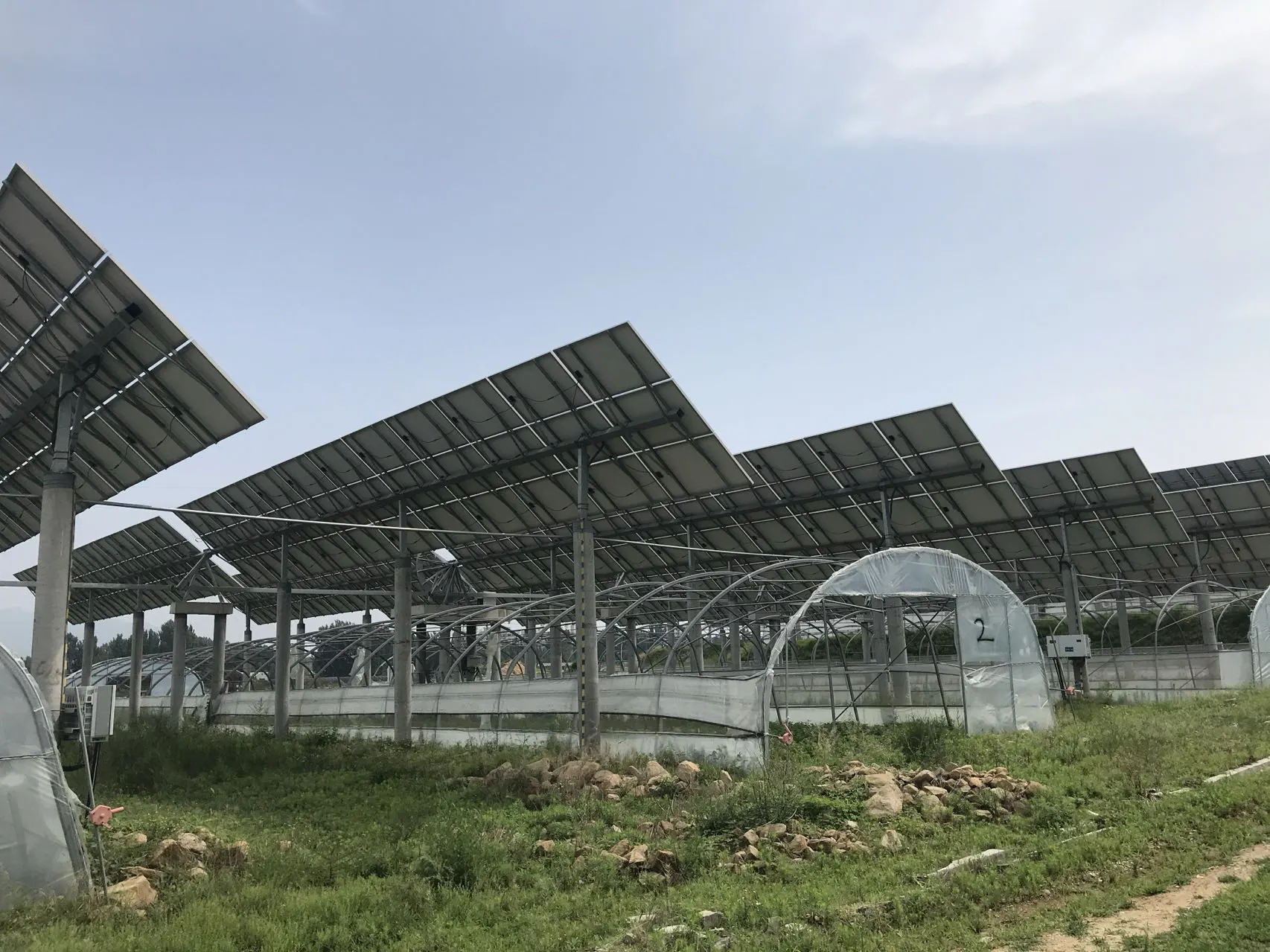
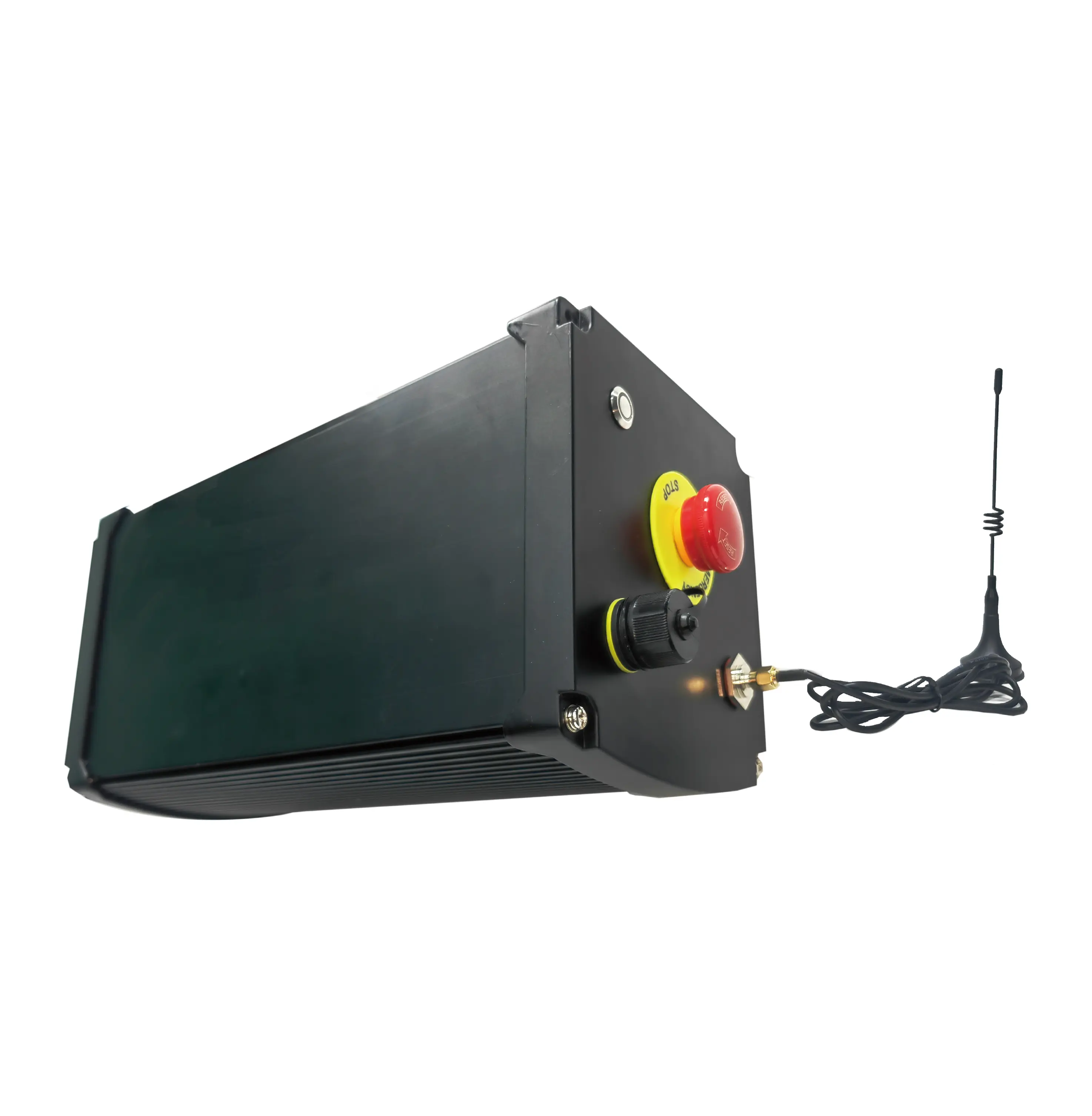
Zhang Jinhai, Deputy Chief Engineer at the Peking University Ordos Energy Research Institute, noted that the dataset enables researchers to more accurately predict wind and PV output and design complementary dispatch strategies. At the facility level, solar tracker controller systems and solar TCU (Tracker Control Unit) technology play a critical role: by precisely tracking the sun's position and synchronizing with wind generation schedules, PV tracker controller systems translate macro-scale spatial intelligence into real, site-level generation gains.
The research team found that the effectiveness of renewable complementarity depends heavily on spatial scale. If wind-solar matching is limited to within a single county, fewer than a quarter of regions achieve meaningful complementarity. But once coordination expands to a national scale, almost any location can find a distant counterpart whose generation rhythm is highly complementary to its own.
"This means that for wind and solar to truly 'pair up,' we often need to cross provincial boundaries and conduct a 'temporal-spatial marriage' over long distances," said Zhang Fan.
The returns from such cross-regional coordination far exceed expectations. The team's calculations show that even without adding new installations, optimizing spatial dispatch across provinces alone could unlock an additional ~100 billion kWh of annual renewable consumption.
"This is not electricity generated out of thin air—it is the wind and solar power that would otherwise have been curtailed, 'recovered' through smarter dispatch. Compared to simply stacking up more energy storage, this approach more effectively reduces system regulation pressure," said Liu Yu.
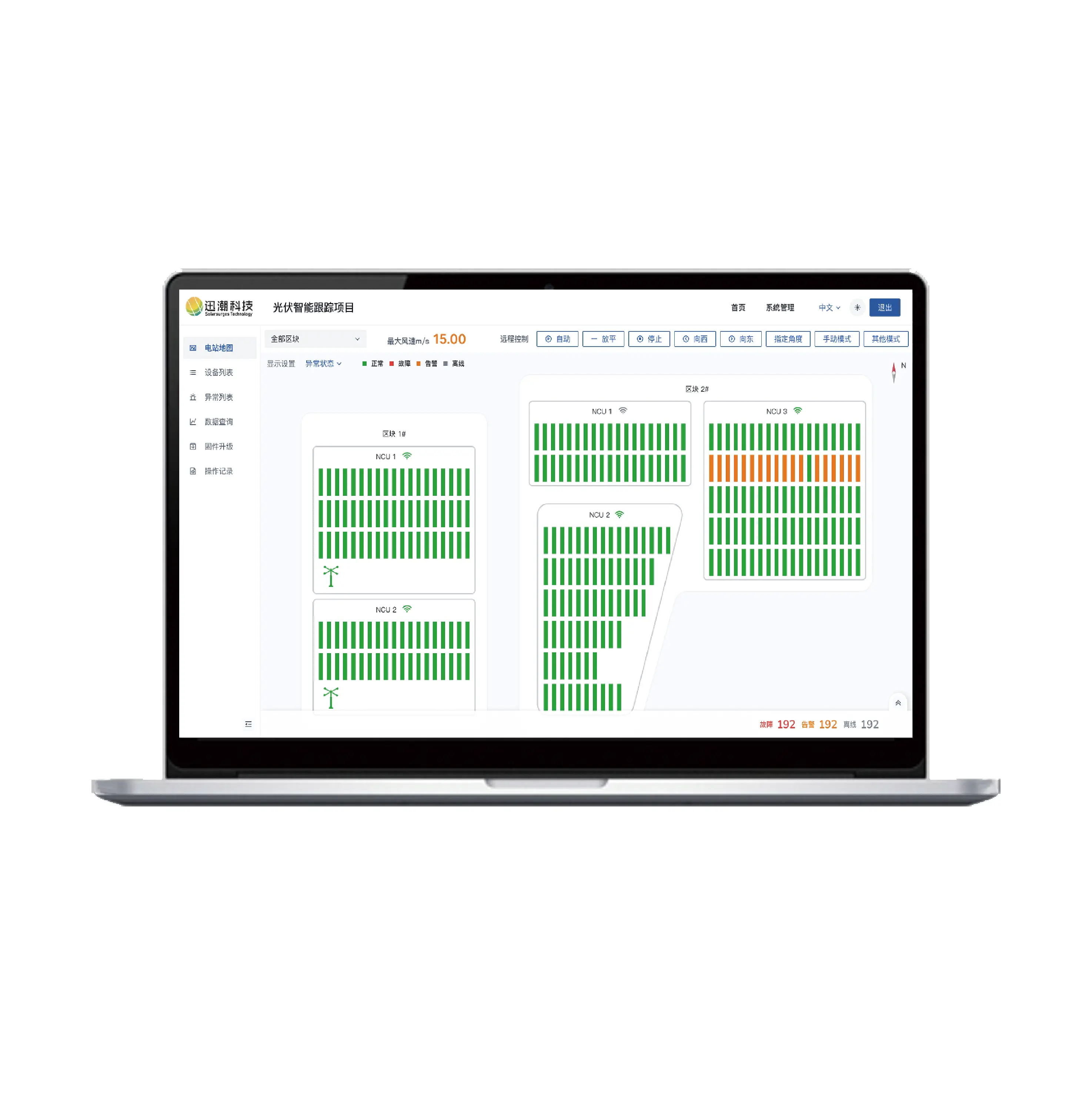
The implications for control infrastructure are significant: as solar NCU (Network Control Unit) systems coordinate thousands of PV tracker controller nodes across regions, the granularity of dispatch optimization can approach the theoretical ceiling identified in this study.
It should be noted that the facility data extracted by the research is current as of 2022. Given China's rapid green energy development in recent years—with wind and solar capacity continuing to expand—the actual benefits of spatial complementarity will be even more substantial.
Zhang Jinhai emphasized that the distribution map provides theoretical support for the construction planning of cross-regional renewable transmission and distribution lines, helping the nation more effectively enhance renewable utilization, economic efficiency, and social benefits.
The core insight is clear and powerful: the key to a high-penetration renewable power system lies not only in larger installed capacity and more storage batteries, but in a national, efficiently coordinated spatial network.
China's first national-scale, high-precision wind-solar facility distribution map was born at the Peking University Ordos Energy Research Institute. As a traditional energy hub, Ordos is leveraging digital technology to revitalize renewable potential, embodying the determination of an energy city to actively transform and go green.
This study innovatively constructed China's first high-precision geographic information database for wind and PV facilities, using spatial intelligence technology to reveal the central role of wind-solar coordination in power system optimization. The research confirms that expanding the wind-solar coordination range can nonlinearly increase consumption levels, providing an innovative pathway to breaking the curtailment bottleneck.
For the solar tracker controller and solar TCU industry, this national-scale mapping represents both a challenge and an opportunity: every additional solar NCU and PV tracker controller deployed in the field now contributes to a measurable, system-wide optimization gain. The technology stack is no longer a single-site engineering decision—it is an input to a national coordination algorithm.
Using the intelligent eyes of geospatial intelligence to conduct a "precise pairing" of wind and solar across more than half of China, a better path toward green transformation is emerging.
Related Solar Tracker Products