English
  中文
中文


Yet the true nature of this "thaw" warrants careful examination within the broader context of institutional correction and geopolitical maneuvering—particularly for companies operating in the solar tracker controller, solar TCU, and solar NCU markets.
$166 Billion in Tariff Refunds: A Landmark Judicial Correction
The legal foundation for these refunds traces back to February 20, 2026, when the U.S. Supreme Court issued a landmark 6-3 ruling declaring the Trump administration's reliance on IEEPA for tariff imposition unconstitutional.
Chief Justice John Roberts wrote in the majority opinion: "The Constitution grants the power of taxation to Congress, and the President has no inherent authority to levy taxes during peacetime." Justice Gorsuch's concurring opinion emphasized: "The executive branch has a natural tendency toward power expansion. Allowing the President to seize Congress's core powers through ambiguous legal text would fundamentally undermine the separation of powers."
One month later, the U.S. Court of International Trade ordered CBP to initiate the refund process. As of now, over 56,000 importers have completed registration, with the first batch covering $127 billion (82% of the total). The full cycle from application to disbursement is estimated at 60-90 days.
Key Insight: This refund targets American importers, not Chinese exporters. The underlying tariff barriers have not been dismantled—this is a judicial correction of executive overreach, not a liberalizing shift in U.S. trade policy.
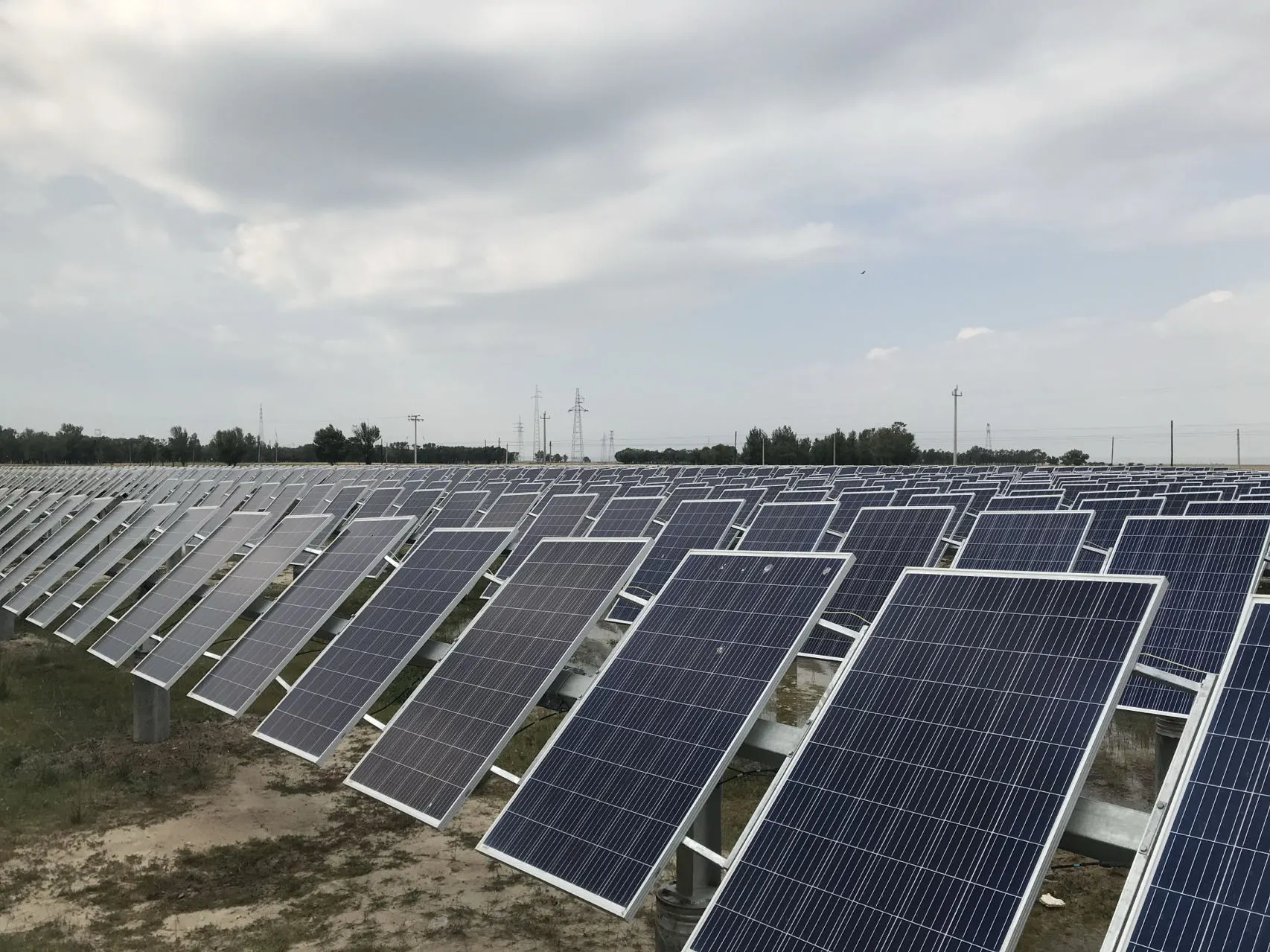
According to Reuters (May 6, 2026), White House officials confirmed that after months of stalemate, the U.S. has begun clearing Chinese solar panel imports. Industry sources have confirmed visible signs of a "thaw."
"With clearer regulatory guidance, we're seeing more shipments pass through," said White House Senior Advisor on Clean Energy, Joe Podesta. Previously, over-enforcement by customs authorities had trapped vast quantities of Chinese solar components, halting factory shipments, halting project construction, and fracturing supply chains.
Data breakdown: According to a Trina Solar U.S. spokesperson, over 900 megawatts of solar panels have cleared U.S. customs in the past four months, with less than 1% held for inspection. While this capacity can power over 150,000 households, 900 MW remains a "partial repair" rather than a solution to the supply chain crisis.
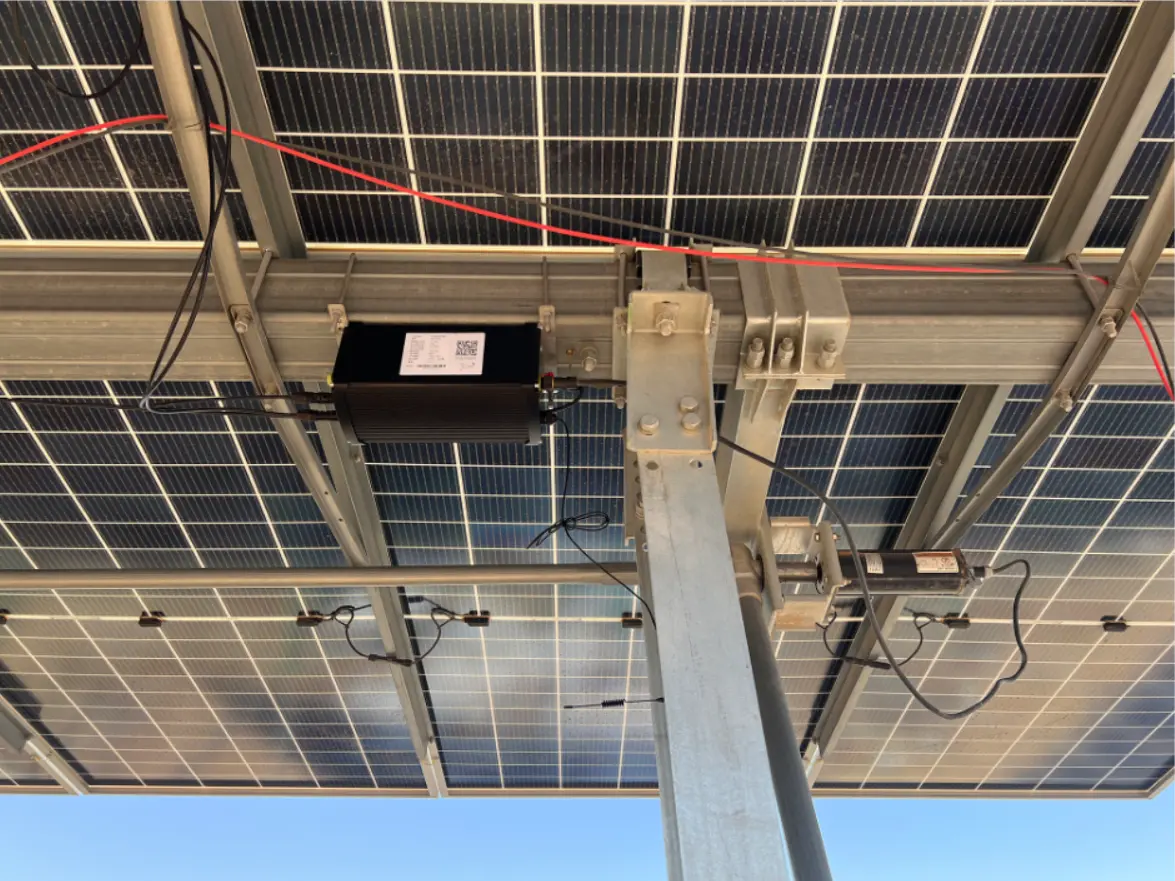
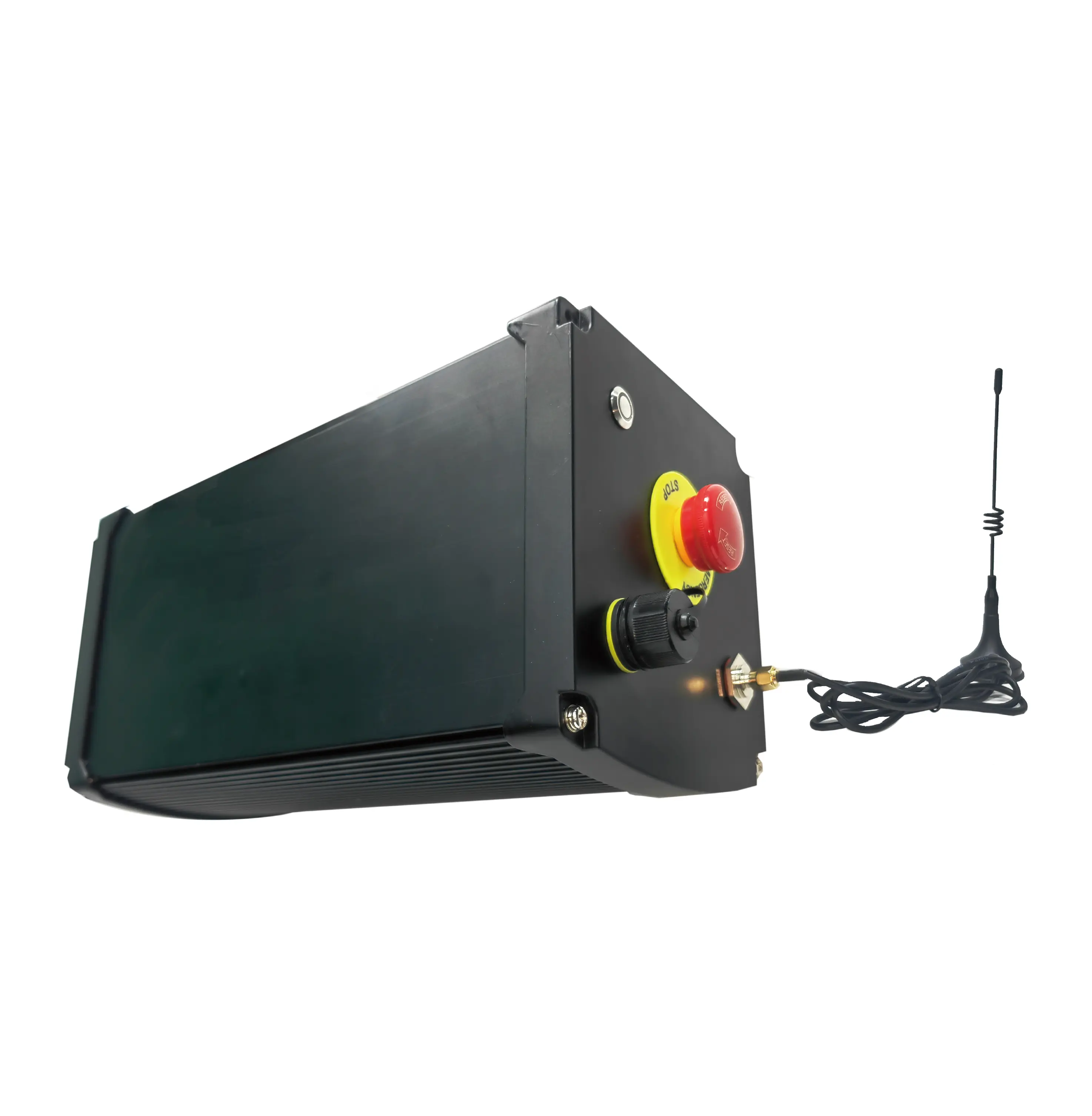
For solar tracker controller systems—which rely on precision motors, sensors, and control units often sourced from Chinese manufacturers—this clearance signals relief for project developers facing component shortages.
Industry experts note that U.S. solar manufacturing capacity is insufficient to meet domestic demand, making imports of Chinese solar products indispensable. The USTR has also extended tariff exemption periods for 14 categories of solar manufacturing equipment for another year.
From May 10-11, 2026, senior U.S. and Chinese trade officials met in Geneva, Switzerland, issuing a joint statement that cancels 91% of previously imposed additional tariffs on both sides. Both nations suspended the 24% "reciprocal tariffs" for 90 days.
Revised tariff rates:
- U.S. tariffs on Chinese goods: 145% → 30%
- Chinese tariffs on U.S. goods: 125% → 10%
President Trump is scheduled to visit Beijing on May 14-15, with trade and tariff issues expected to dominate the agenda.
First, the IEEPA refunds apply only to specific legal categories of tariff. The U.S. retains Section 301 tariffs, Section 232 steel and aluminum tariffs, high-tech export controls, investment screening, and more. Immediately following the IEEPA ruling, the Trump administration invoked Section 122 of the Trade Act of 1974 to impose a 15% global temporary tariff—demonstrating a policy pattern of "removing old taxes, adding new ones." Meanwhile, the USTR is initiating new Section 301 investigations against over 75 economies globally, laying groundwork for the next wave of industrial tariffs.
Second, the legal recipients of refunds are American importers, not Chinese exporters. Whether Chinese solar companies—particularly manufacturers of solar TCU (Tracker Control Unit), solar NCU (Network Control Unit), and solar SCADA systems—benefit depends on contract structures with their American counterparts. Headquartered firms with U.S. subsidiaries and proprietary customs channels are better positioned, while companies relying on import agents face more limited compensation.
But as the Supreme Court's ruling demonstrates, the U.S. executive branch may engage in short-term counter-cyclical policy fine-tuning—yet fundamental strategic reorientation remains structurally constrained.
The next 90 days—Trump's Beijing visit, restoration of bilateral negotiations, and intensified advancement of tariff exemptions and consultation mechanisms—will serve as the critical window for determining whether U.S.-China economic relations move toward genuine détente or slide back into attrition.
For the solar energy sector, particularly companies producing solar tracker controllers, solar TCU, solar NCU, and solar SCADA systems, this period of stabilization offers a rare opportunity to rebuild supply chain confidence and resume cross-border project planning.
$166 billion cannot cure the persistent disease of protectionism, nor resolve the deep structural issues in U.S.-China economic relations. But the restoration of multilateral dialogue, the framework of rule of law, and micro-adjustments in industrial chains provide a rational opportunity for the world's two largest economies to step toward each other—within the constraints of ceasefires and ongoing friction.
Related Solar Tracker Products