English
  中文
中文

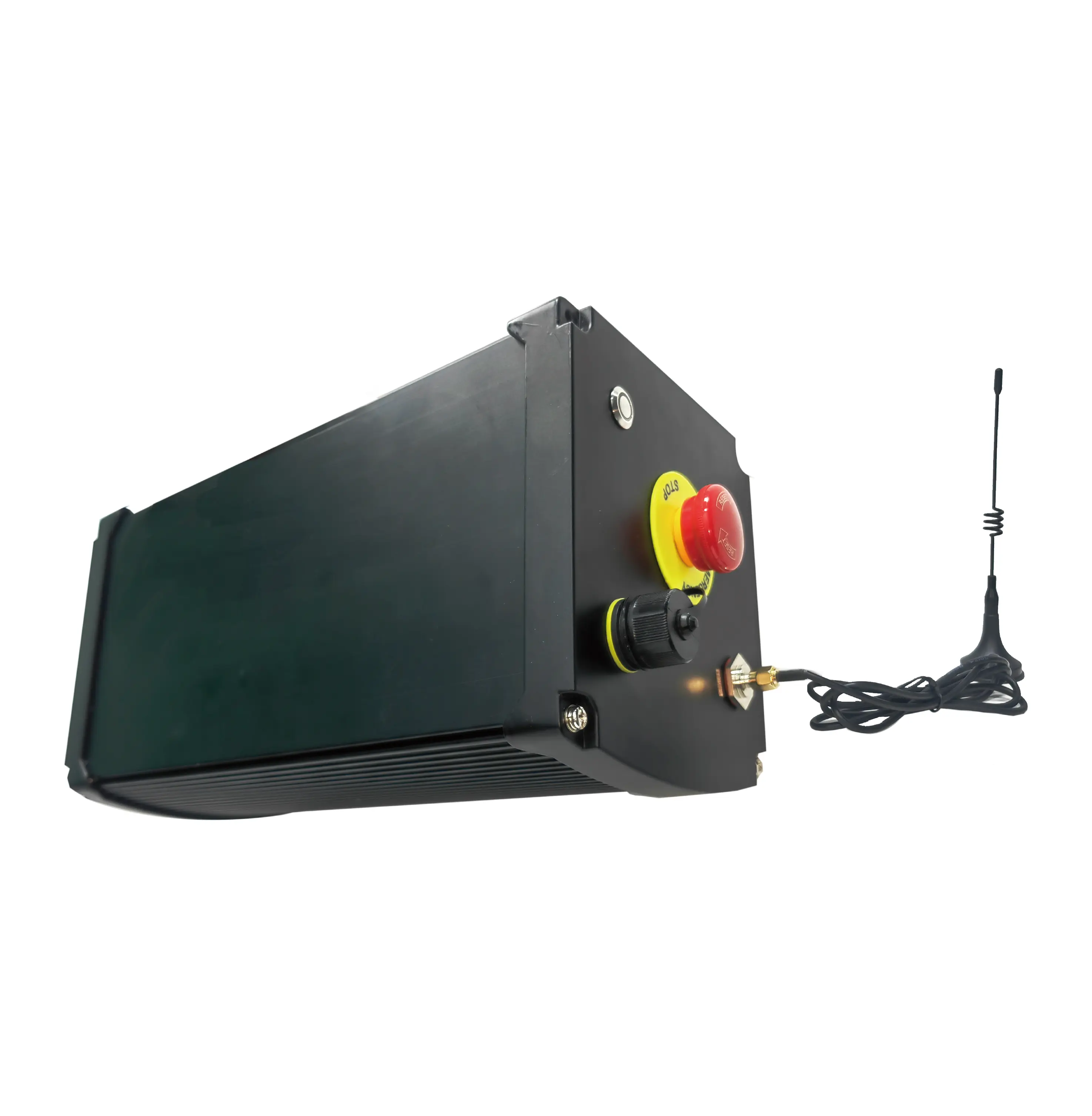
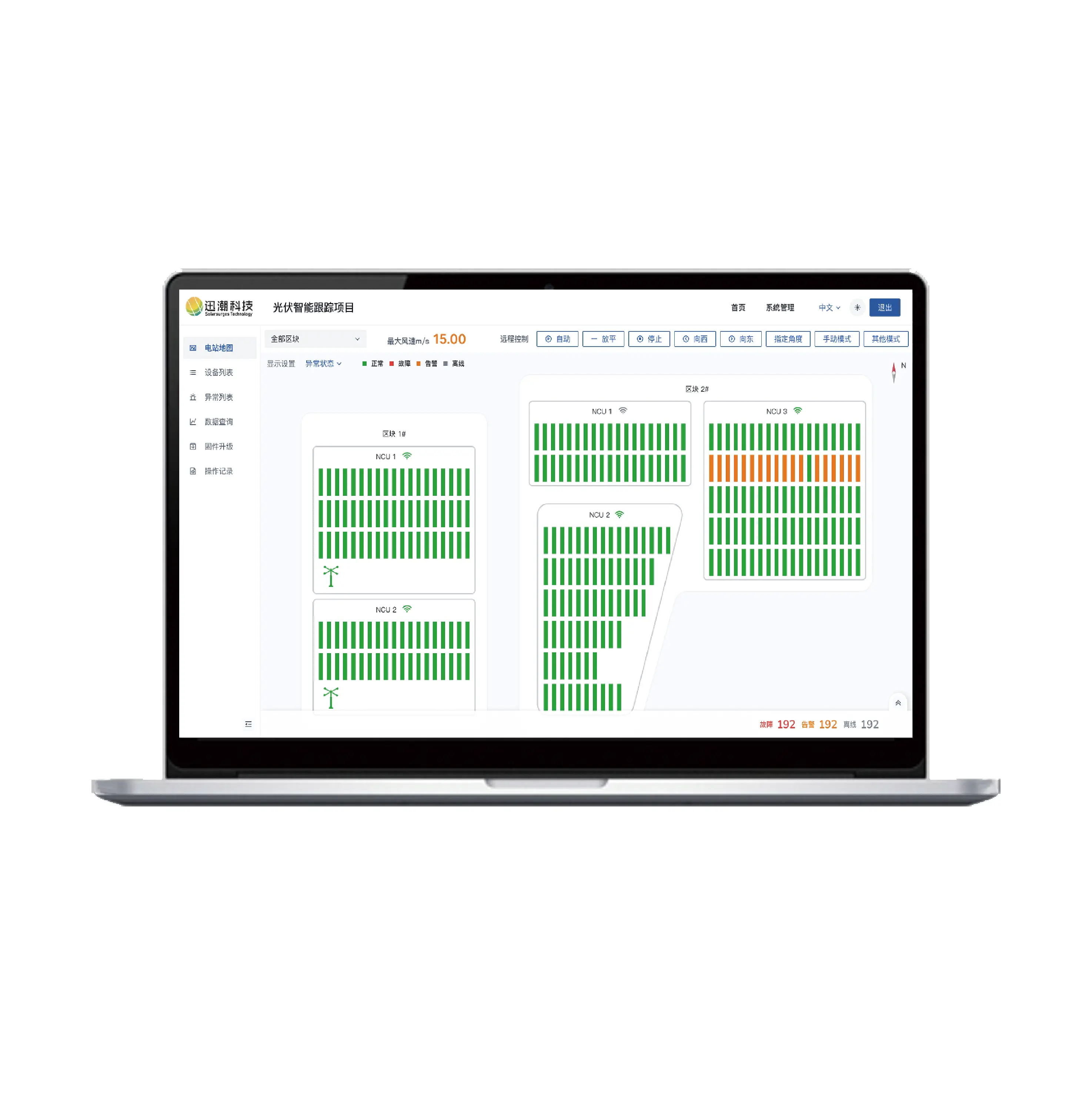

Table of Content
[Hide]
Global Solar Additions Hit Record 511 GW in 2025: What It Means for Solar Tracker Technology
511 GW: Solar's New Benchmark
Global renewable energy capacity reached 5,149 GW in 2025, with annual additions soaring to 692 GW — a 15.5% year-over-year increase — according to IRENA's 2026 Renewable Capacity Statistics report, released April 1.Solar energy led the charge. New solar PV installations hit 511 GW in 2025, a 27.2% jump from 2024, accounting for 75% of all new renewable capacity added globally. Of this, 510.3 GW came from solar photovoltaic systems. Cumulative global solar capacity reached approximately 2,392 GW — making solar the world's largest renewable energy source, surpassing total wind capacity (1,291 GW) by over 1 terawatt.
On average, the world installed ~1.4 GW of solar per day in 2025.
Wind added 159 GW (↑14%), hydropower 18.4 GW, bioenergy 3.4 GW, and off-grid solar PV 1.5 GW. Solar and wind combined accounted for 96.8% of all new renewable installations in 2025. Renewables represented 85.6% of all new global power generation capacity — and their share of total installed capacity rose from 46.3% to 49.4% in just one year.
Key takeaway: At 511 GW in a single year, solar is no longer a niche technology — it is the backbone of the global energy transition. Scaling this rapidly demands smarter, more reliable tracker control infrastructure.
Why Solar Tracker Controllers Are More Critical Than Ever
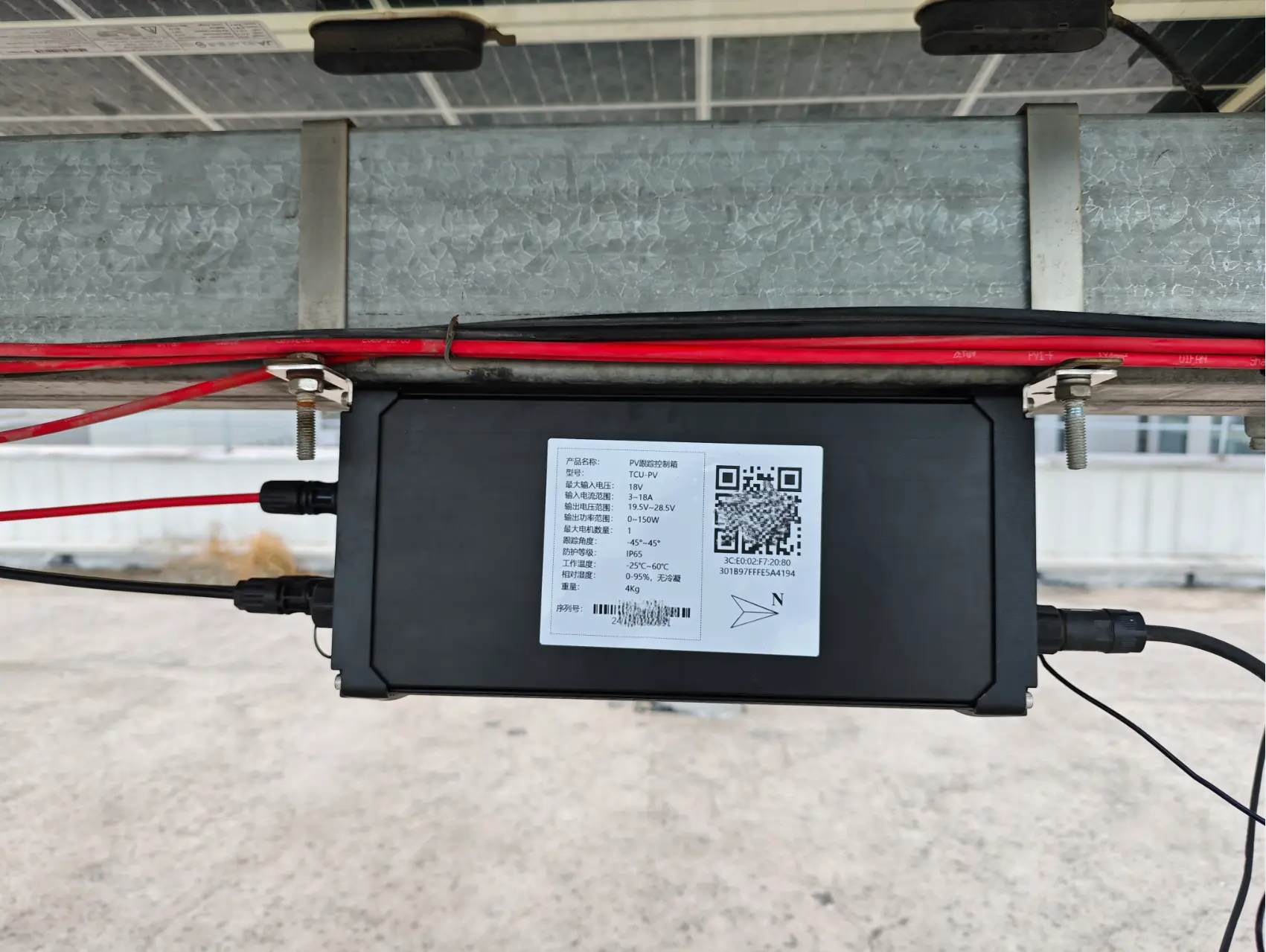
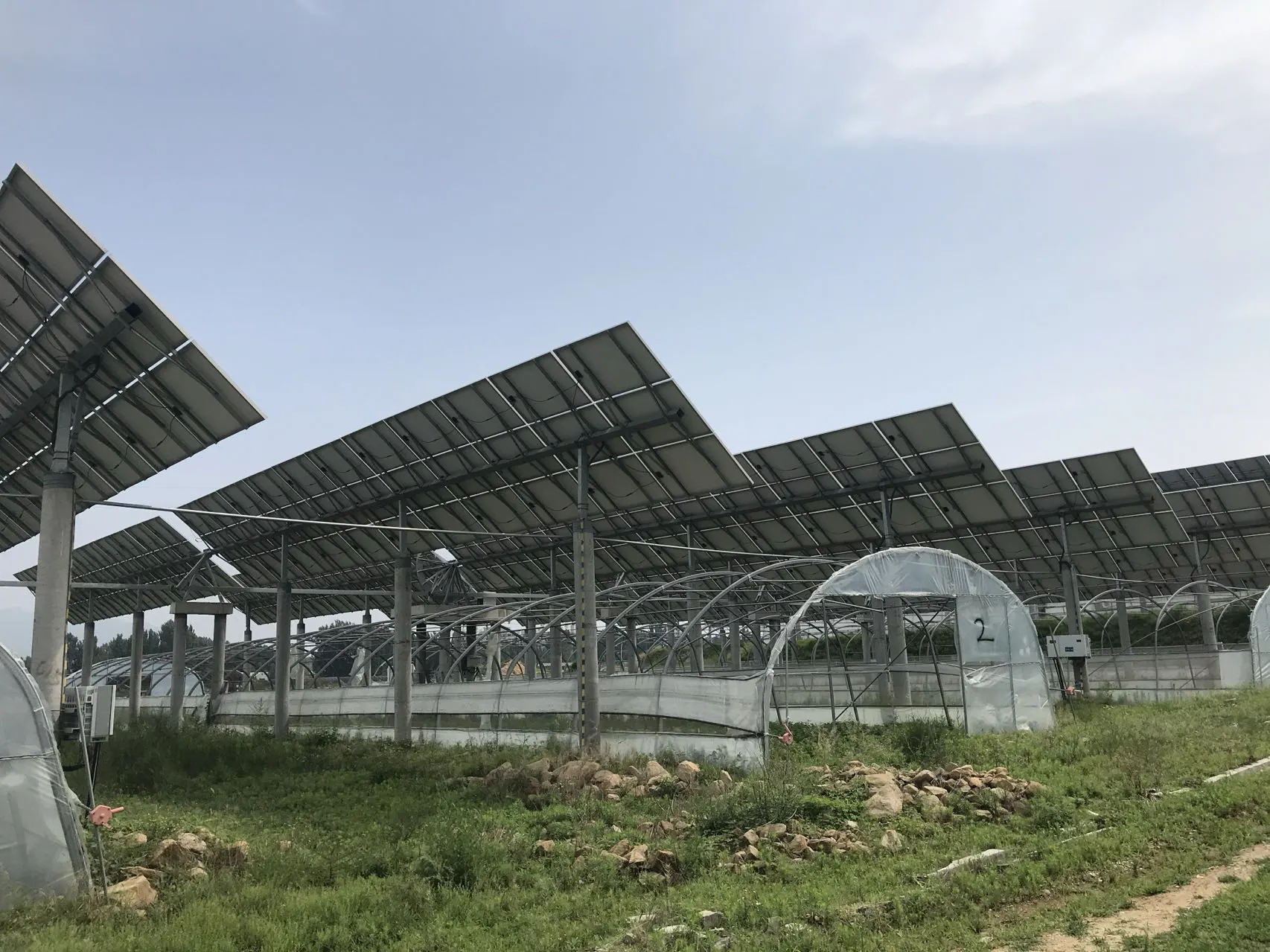
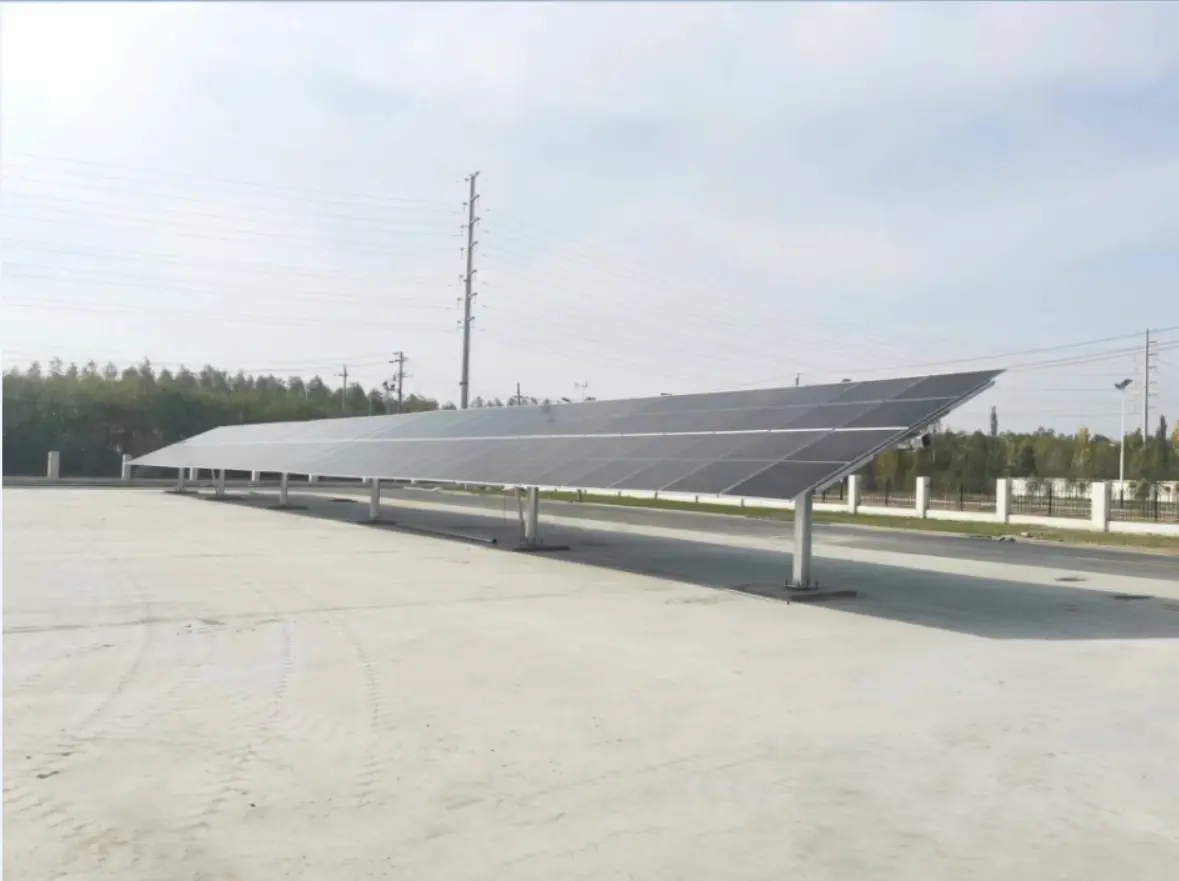
A 511 GW milestone doesn't happen by accident. Utility-scale solar projects — the kind driving these numbers — rely heavily on single-axis solar tracker systems to maximize energy yield per hectare. And at the heart of every solar tracker system is the solar tracker controller.A solar tracker controller (often referred to as a Solar TCU — Tracker Control Unit) is the embedded device that commands the tracker motor, reads light sensors or astronomical algorithms, and continuously adjusts panel orientation throughout the day. As project sizes grow and land availability shrinks, the precision and reliability of the solar tracker controller directly impacts a project's ROI.
Modern Solar TCU units are increasingly integrated with Solar SCADA (Supervisory Control and Data Acquisition) platforms, enabling:
- Real-time monitoring of thousands of tracker units across large-scale solar plants
- Fault detection and diagnostics at the individual tracker level
- Performance benchmarking and yield optimization
- Remote firmware updates and parameter configuration
China Leads, but Emerging Markets Are Catching Up
China remained the dominant force in solar expansion. Asia as a whole added 513.3 GW (↑21.6%), representing 74.2% of global new renewable capacity. China alone contributed nearly three-quarters of global wind additions (119.4 GW) and 96% of all new hydropower globally. China, the US, and the EU together accounted for 79.5% of global renewable additions.Yet the most dynamic growth stories are unfolding elsewhere:
- Africa added 11.3 GW (↑15.9%), its highest annual growth rate on record, driven by Ethiopia, South Africa, and Egypt.
- The Middle East grew 28.9%, led by Saudi Arabia, with over 12 GW of new solar installed between 2024 and 2025. The region's cumulative solar capacity has surged ~24x since 2016.
- Central America and the Caribbean, with only 21 GW of total renewable capacity, remain the most underserved markets globally.
Energy Security and the Case for Localized Solar Supply Chains
The IRENA report landed amid escalating geopolitical tensions in the Middle East, renewing focus on energy supply security and fossil fuel price volatility. IRENA Director-General Francesco La Camera noted: "In a time of uncertainty, the steady advance of renewable energy reflects not only market preference, but a compelling demonstration of renewables' resilience."The resilience argument extends to solar manufacturing and supply chains. With polysilicon prices stabilizing and global supply chains gradually healing, the cost trajectory for utility-scale solar continues to decline. A more distributed, localized supply chain for solar tracker controllers, Solar TCU modules, and Solar SCADA software will further reduce dependency on any single region.
2026 Outlook: Bigger Plants, Smarter Controllers
IRENA's figures differ slightly from energy think tank Ember, which estimated 647 GW of new solar additions and ~2.9 TW cumulative capacity in 2025 — the variance reflects differences in statistical coverage (Ember includes off-grid, non-grid-connected solar). Regardless of methodology, the direction is clear: global solar is on a historic growth trajectory.As average project sizes increase and investors demand higher yield per acre, the role of the solar tracker controller will only grow more important. Operators who invest in intelligent Solar TCU systems and integrated Solar SCADA platforms today will be best positioned to capture value as the market pushes toward 1 TW of annual solar additions — a milestone many analysts expect before the end of the decade.
References
Related Solar Tracker Products