Introduction
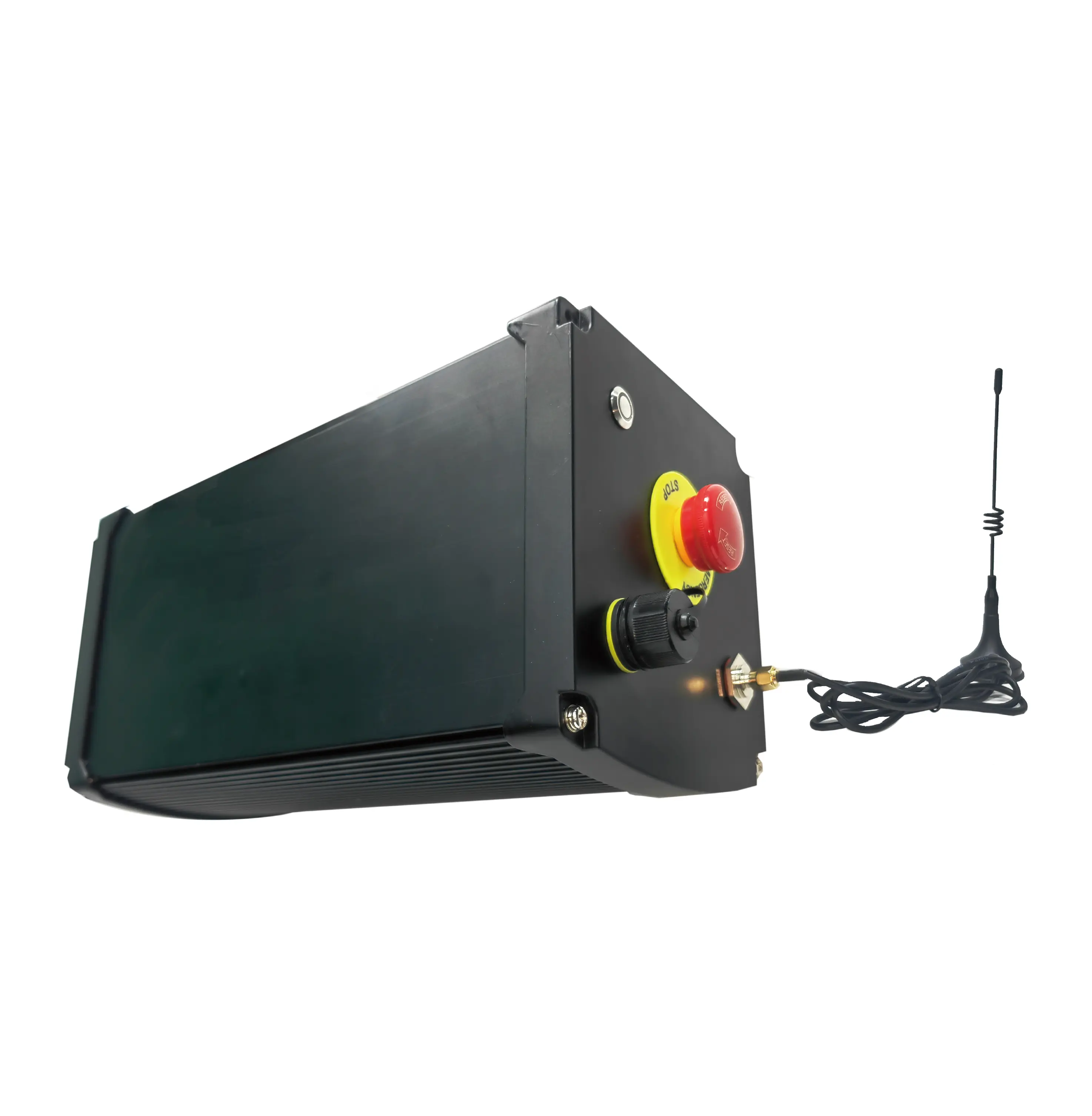
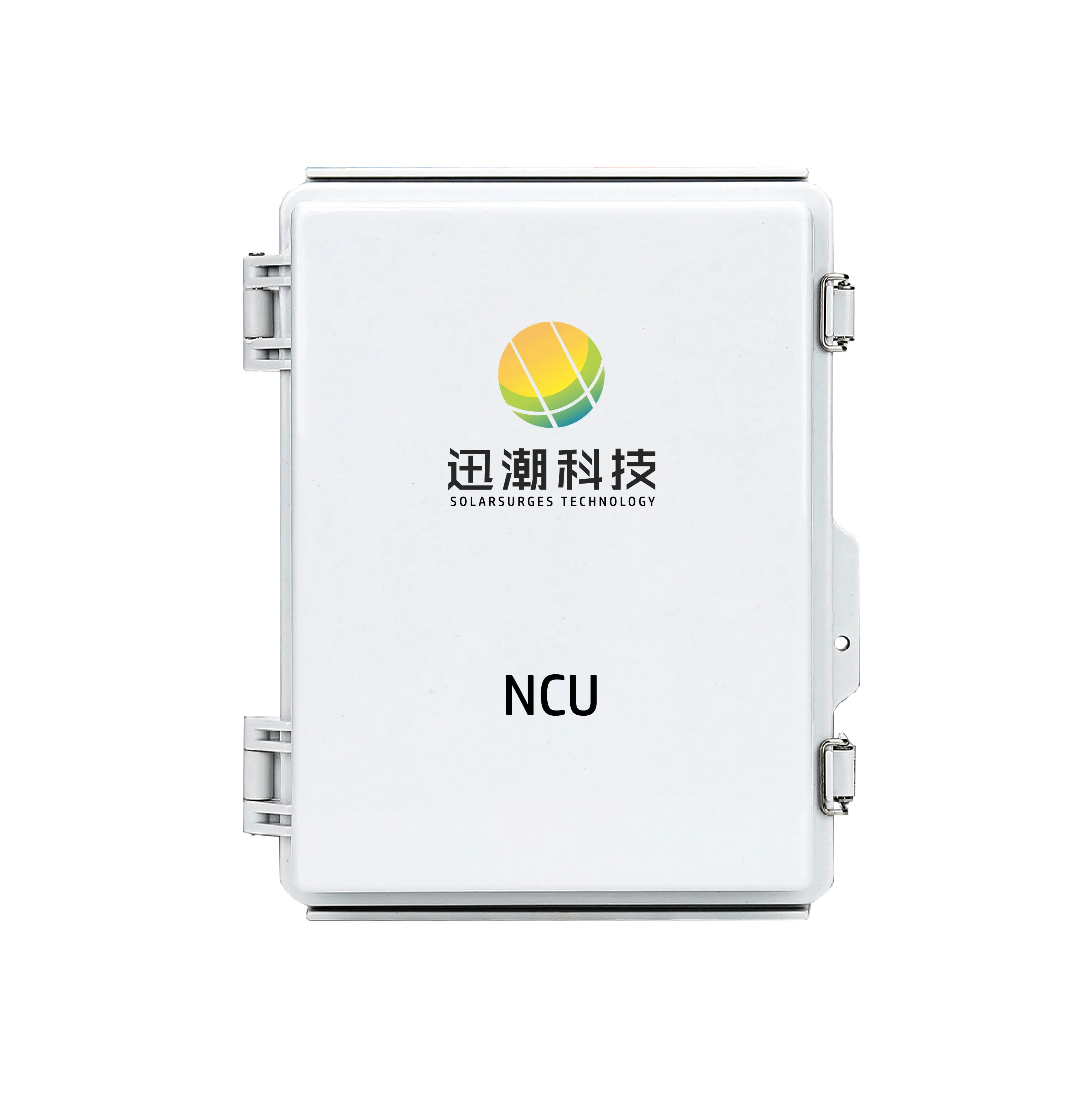
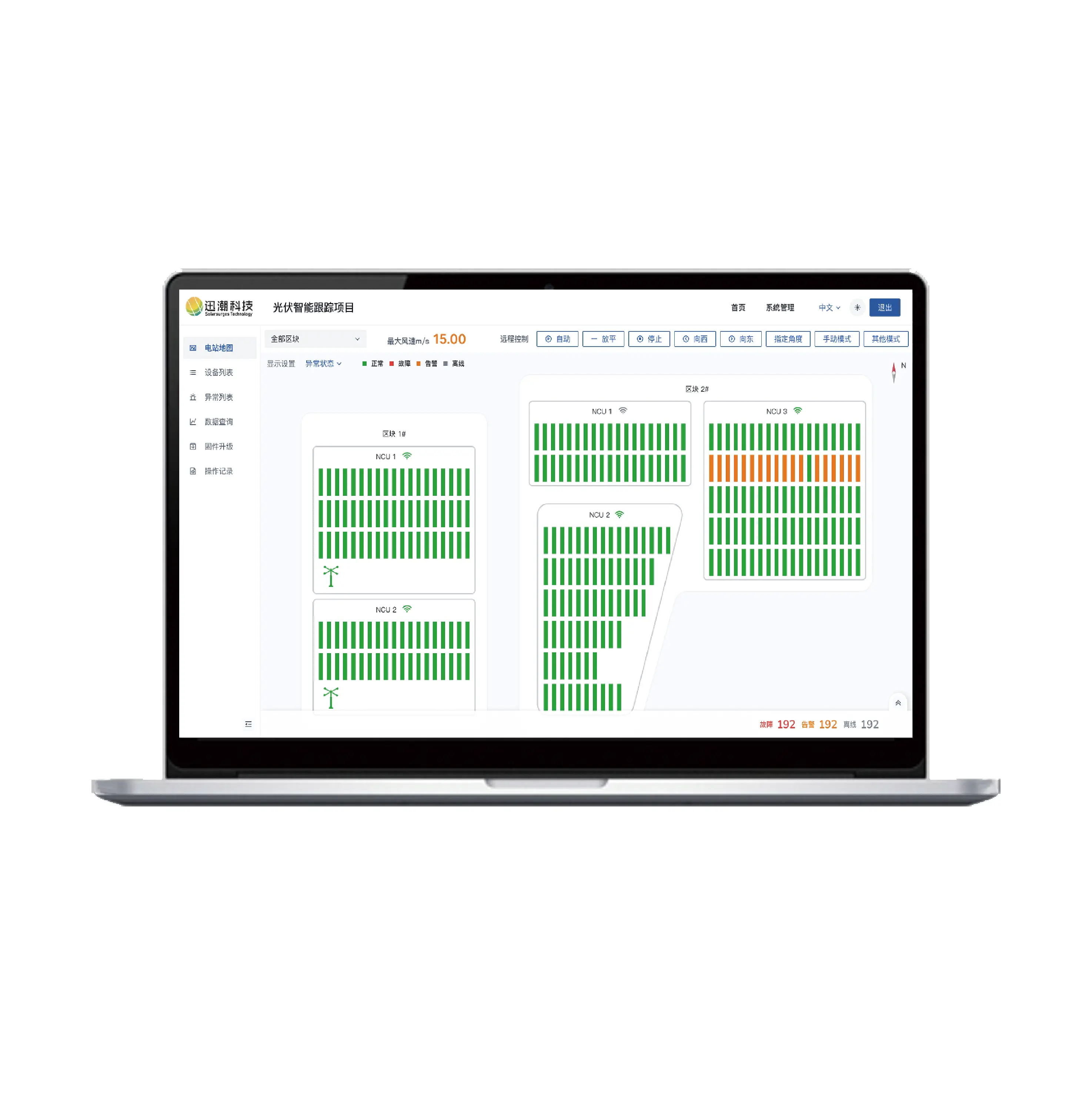
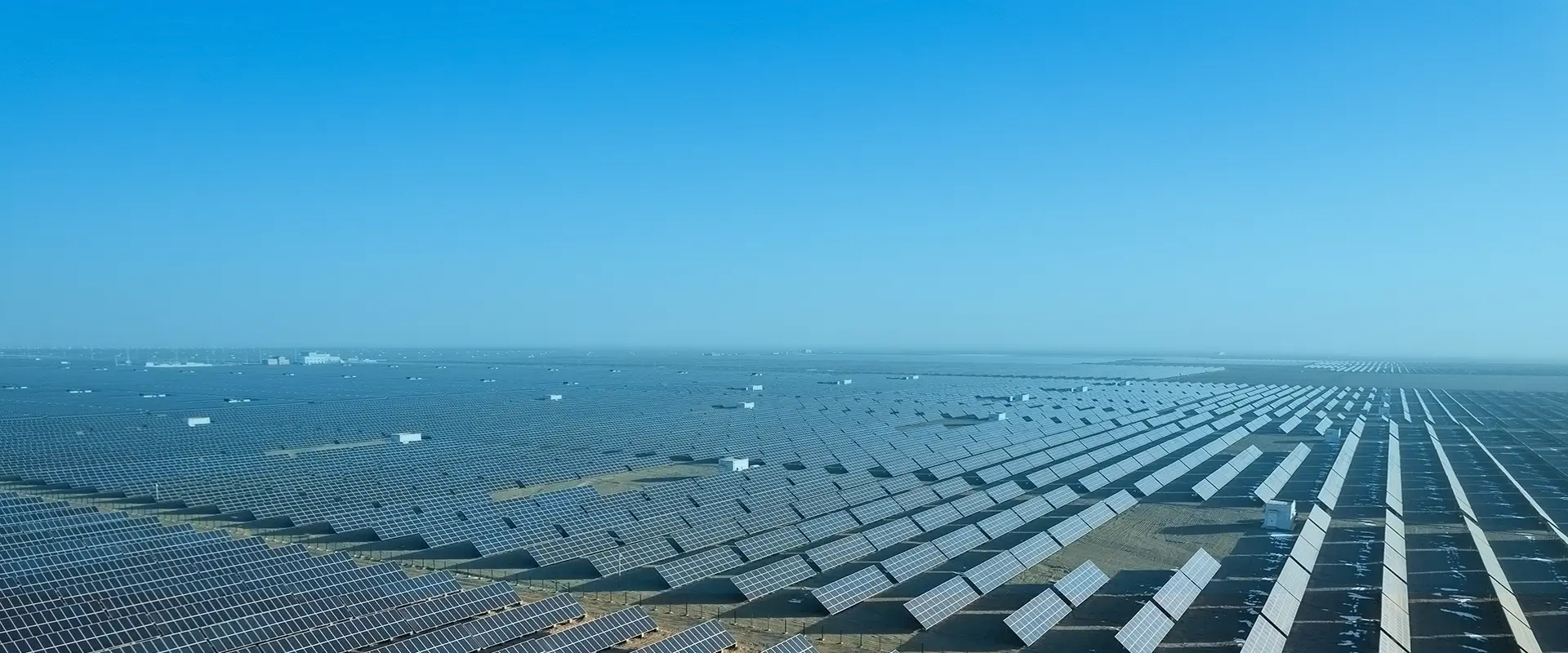
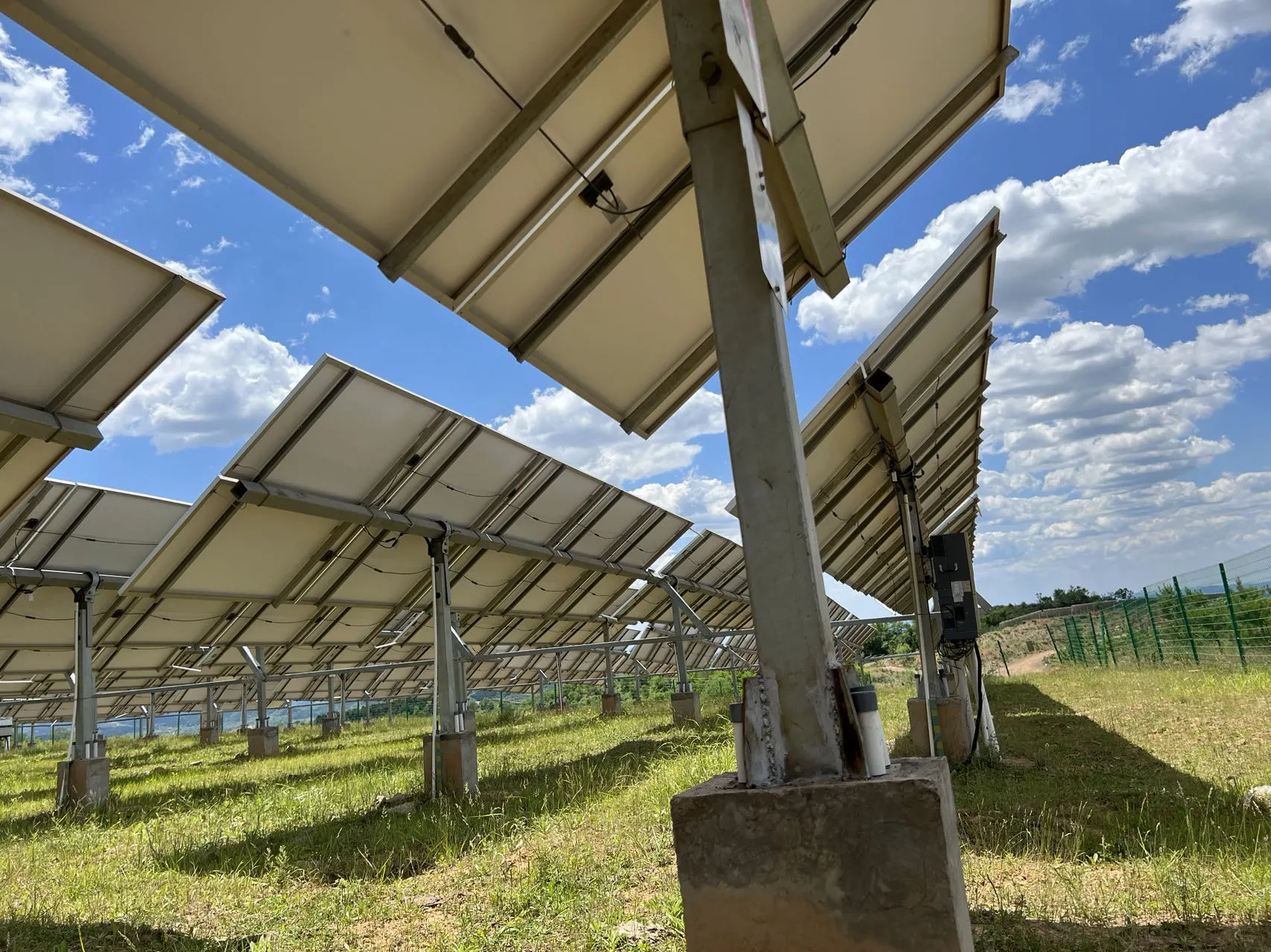
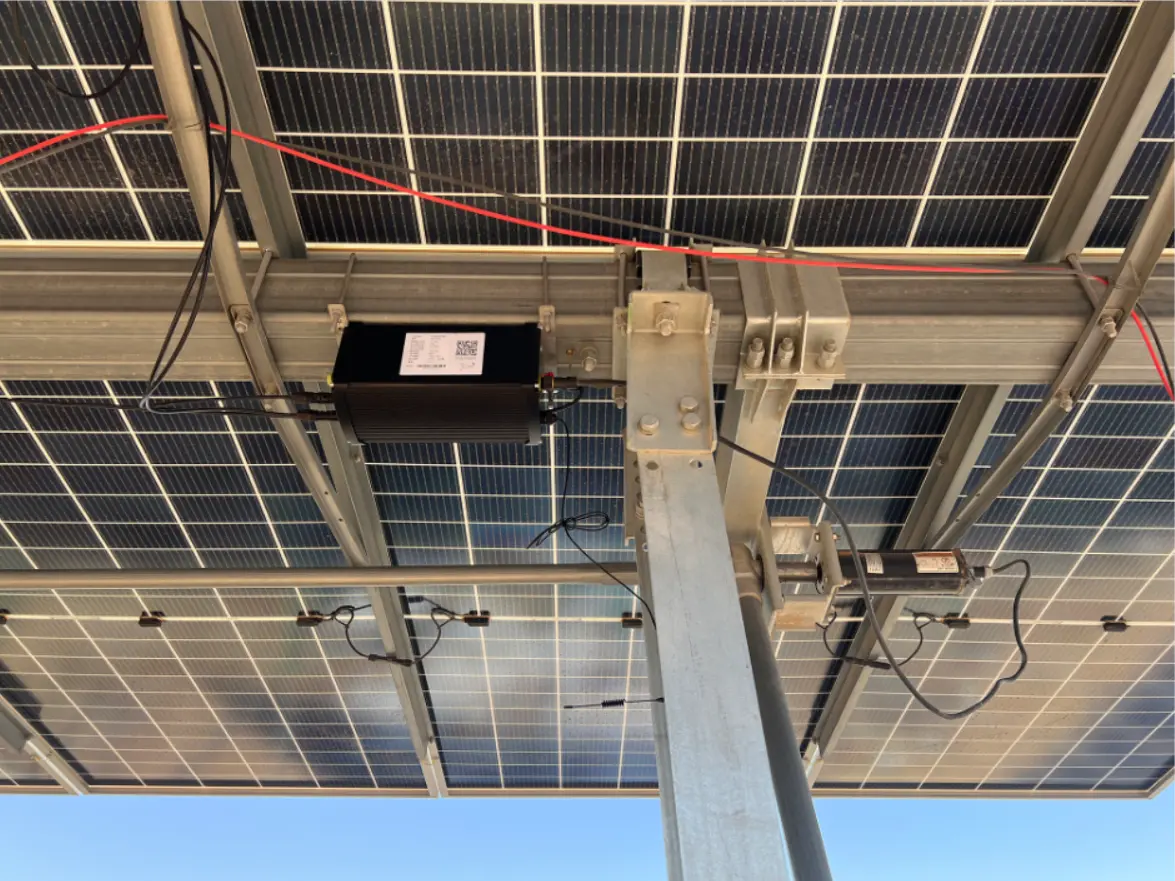
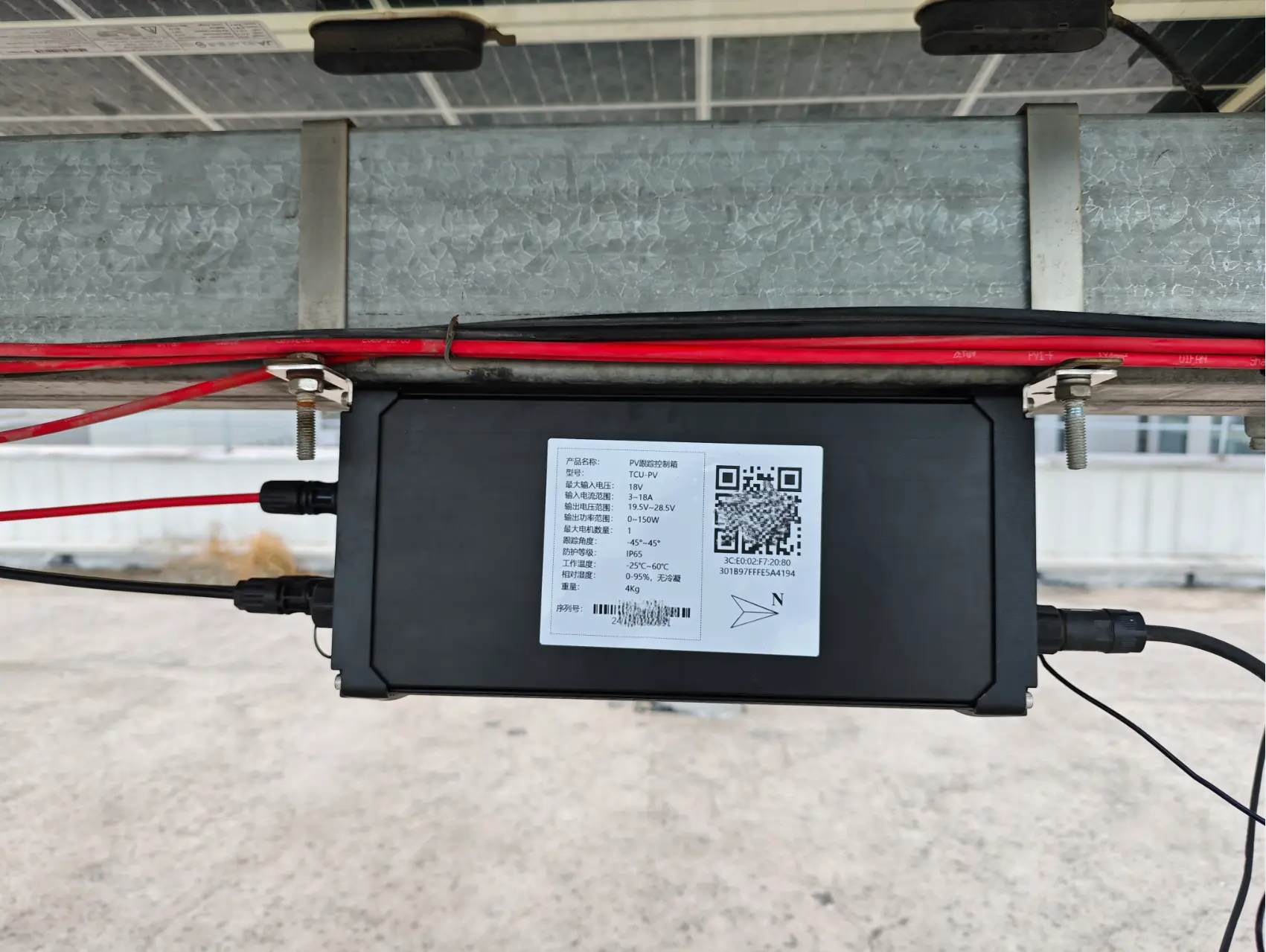
The Iran conflict that erupted in late February 2026 has ignited an unprecedented rooftop solar boom across Europe. As energy prices spiral upward, families in Germany, the United Kingdom, and the Netherlands are rushing to install photovoltaic (PV) systems to lock in lower electricity costs and reduce dependence on imported fossil fuels. The surge in home solar demand — in some cases doubling or even tripling overnight — is reshaping Europe's energy landscape and accelerating the adoption of advanced solar technologies including solar tracker controllers, solar TCU (Tracker Control Unit), solar NCU (Node Control Unit), and solar SCADA systems.According to Reuters reporting (April 23, 2026), interviews with energy equipment wholesalers and renewable energy firms across multiple European markets reveal that demand from residential customers has more than doubled since the conflict began. For a European solar market that saw its first slowdown in new installation growth last year, this geopolitical shock has arrived as a timely lifeline — and a powerful catalyst for long-term structural change.
1. Energy Price Surge Forces European Households Toward Clean Power
Following the outbreak of hostilities on February 28, 2026, global oil, gas, and electricity prices surged sharply, placing heavy cost burdens on European households and businesses. European officials have warned that the energy shock could persist for months, compounding an already fragile energy market.Against this backdrop, solar power — prized for its economic competitiveness and deployment flexibility — has quickly emerged as the preferred option for residential energy transitions. Industry data shows that European residential solar PV installations exceeded 14 GW in 2025, yet even with this scale, renewable energy accounts for only about 44% of the region's electricity mix, with solar providing roughly one-third of total generation capacity. Industry insiders widely agree that Europe still has substantial room to accelerate energy independence, and the current conflict has underscored the strategic value of distributed solar generation backed by intelligent solar SCADA monitoring and control infrastructure.
2. Country-by-Country Data: Germany Leads, UK and Netherlands Break Records
Germany: Solarhandel24 Sales Triple in March
Germany's Solarhandel24, a major PV equipment wholesaler, reported March net sales nearly three times higher than the same period last year, approaching €70 million (~$82 million). April is projected to double again year-on-year to approximately €60 million."This war has merely exposed a long-standing problem — energy dependency — that European governments have been walking into a trap on," said Janik Nolden, co-founder of Solarhandel24.
To meet surging demand, Solarhandel24 plans to hire approximately 85 new employees (a ~33% workforce increase) and has stockpiled roughly 500,000 solar panels to secure supply. The company projects 2026 net sales could grow from last year's ~€250 million to approximately €400 million.Enpal, another major German energy firm, reported March orders up 30% year-on-year to €130 million, with April expected to grow 33% to ~€120 million, driven primarily by rooftop solar installations. CEO Mario Kohle stated: "This is about European resilience — just as Europe must be able to defend itself, it must be able to supply its own energy."Modern residential solar installations increasingly rely on integrated solar TCU and solar NCU solutions to optimize panel positioning, monitor performance, and manage energy storage — driving additional demand for the industrial control systems that underpin these platforms.United Kingdom: OVO Energy April Sales ~10× Year Prior
In the UK, OVO Energy's solar and heating division expects April sales to reach approximately 10 times the same period last year. In Ireland, the Sustainable Energy Authority of Ireland reported that solar panel subsidy applications doubled following the Iran conflict outbreak.Netherlands: Holland Solar Confirms Demand Recovery
The Dutch solar industry body Holland Solar confirmed a marked demand recovery since the conflict began, with storage-related inquiries alone rising 40–50% — a testament to the growing preference for comprehensive home energy systems integrating PV, storage, and EV charging.
3. Battery Storage Demand Surges in Tandem — "Full System" Becomes the Norm
As residential solar adoption accelerates, co-located battery storage systems are experiencing equally explosive growth. Industry executives report that an increasing share of European households are opting for "full-system" installations — combining solar panels (nearly 90% sourced from China), home battery storage, and wall-box electric vehicle chargers — to store peak solar generation and draw on it during expensive peak-demand hours.E.ON, Europe's largest energy network operator, reported customer consultation volumes nearly doubling year-on-year, with company executives noting the trend cannot be explained by seasonal factors alone. The intelligence layer behind these distributed energy resources — typically managed through solar SCADA platforms and solar NCU edge controllers at the household level — is becoming a critical piece of infrastructure in its own right.
4. Policy Foundations: UK's £15 Billion "Warm Homes Plan"
Before this geopolitical trigger activated demand, European governments had already laid important policy groundwork. The UK, for example, announced a £15 billion "Warm Homes Plan" in January 2026, offering low-interest loans and subsidies to help millions of households install solar panels, battery storage, heat pumps, and insulation. The scheme provides differentiated financing for both capable households and low-income families, establishing a robust policy foundation for distributed energy systems — and creating the conditions into which the current demand surge has arrived.Germany, the Netherlands, and other EU member states have similarly expanded subsidy frameworks for residential solar and storage, reinforcing the structural shift toward home-generated electricity supported by intelligent solar tracker controllers and solar TCU platforms that maximize panel yield.
5. Capital Markets and Supply Chain Respond
The financial markets have registered the solar renaissance. SMA Solar, Germany's leading inverter manufacturer, has seen its share price rise approximately 50% since the Middle East conflict erupted — making it one of the most sensitive barometers of the solar sector's momentum.On the supply side, distributors like Solarhandel24 are building inventory ahead of sustained demand, accepting higher warehousing costs in exchange for supply security. As one industry executive noted, with projected annual sales growth from ~€250 million to ~€400 million, strategic stockpiling is a sound investment.
6. Structural Transformation: European Residential Solar Enters Sustained Acceleration
Driven by the twin forces of geopolitical energy insecurity and persistent cost pressures, the current European rooftop solar surge is elevating the continent's energy transition to a new strategic threshold — moving from policy-dependent growth to a more resilient model powered by security and price variables.OVO Energy's leadership characterized the current spike as "a structural shift accelerated by geopolitics, not a trend conjured from thin air." As the conflict's impact on energy markets extends, and as storage subsidies and financing programs in the UK, Germany, and beyond continue to expand, this structural transformation is forming a positive feedback loop: more home solar installations create greater demand for solar tracker controllers, solar TCU systems, solar NCU modules, and solar SCADA platforms — and vice versa — driving Europe toward energy independence one rooftop at a time.
Data as of April 24, 2026. Sources: Reuters, Sustainable Energy Authority of Ireland, Bloomberg Finance, Holland Solar, E.ON, and publicly available corporate disclosures. Enterprise case studies and executive quotes sourced from Reuters interviews.
 English
  中文
中文