English
  中文
中文


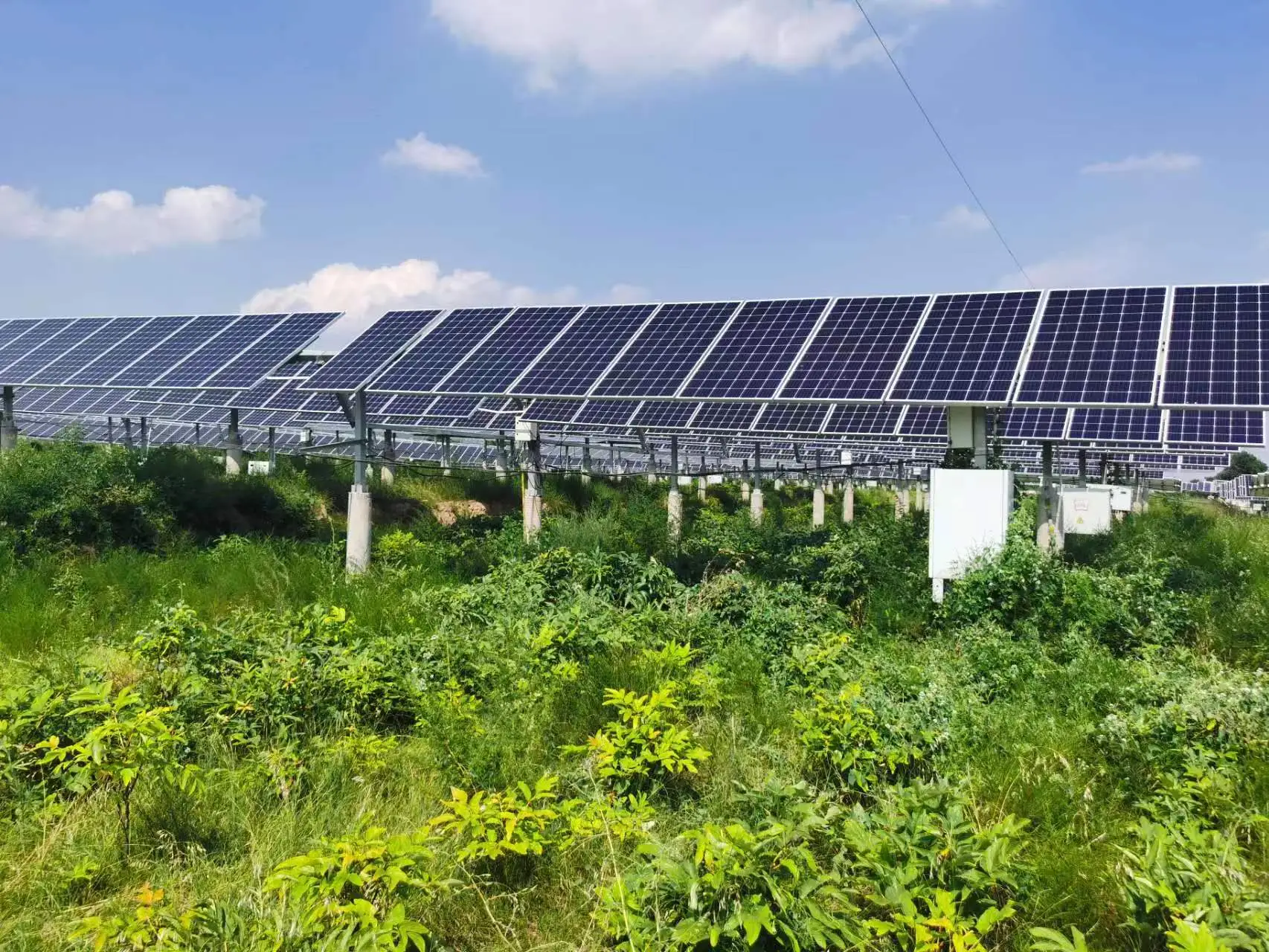
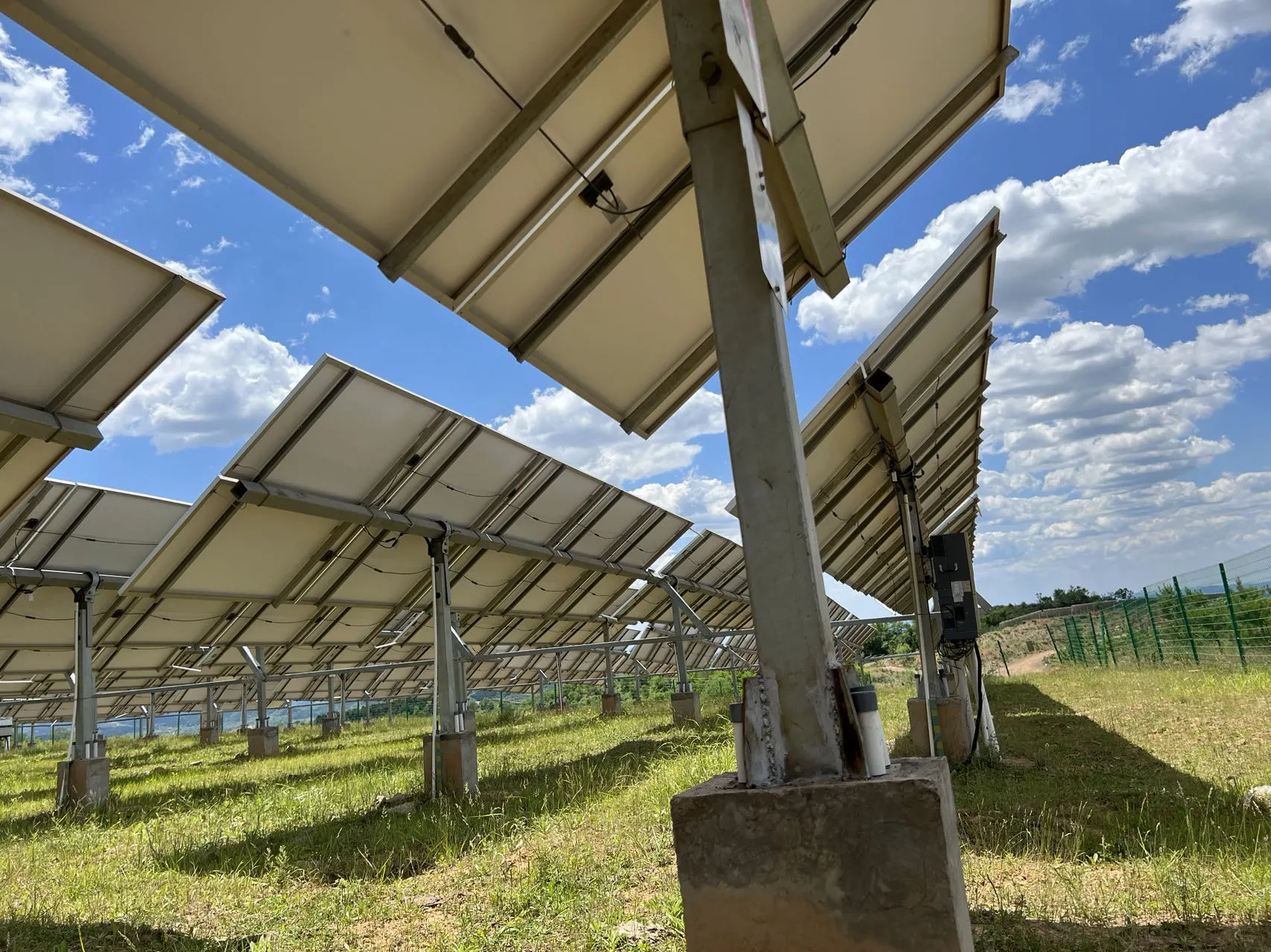
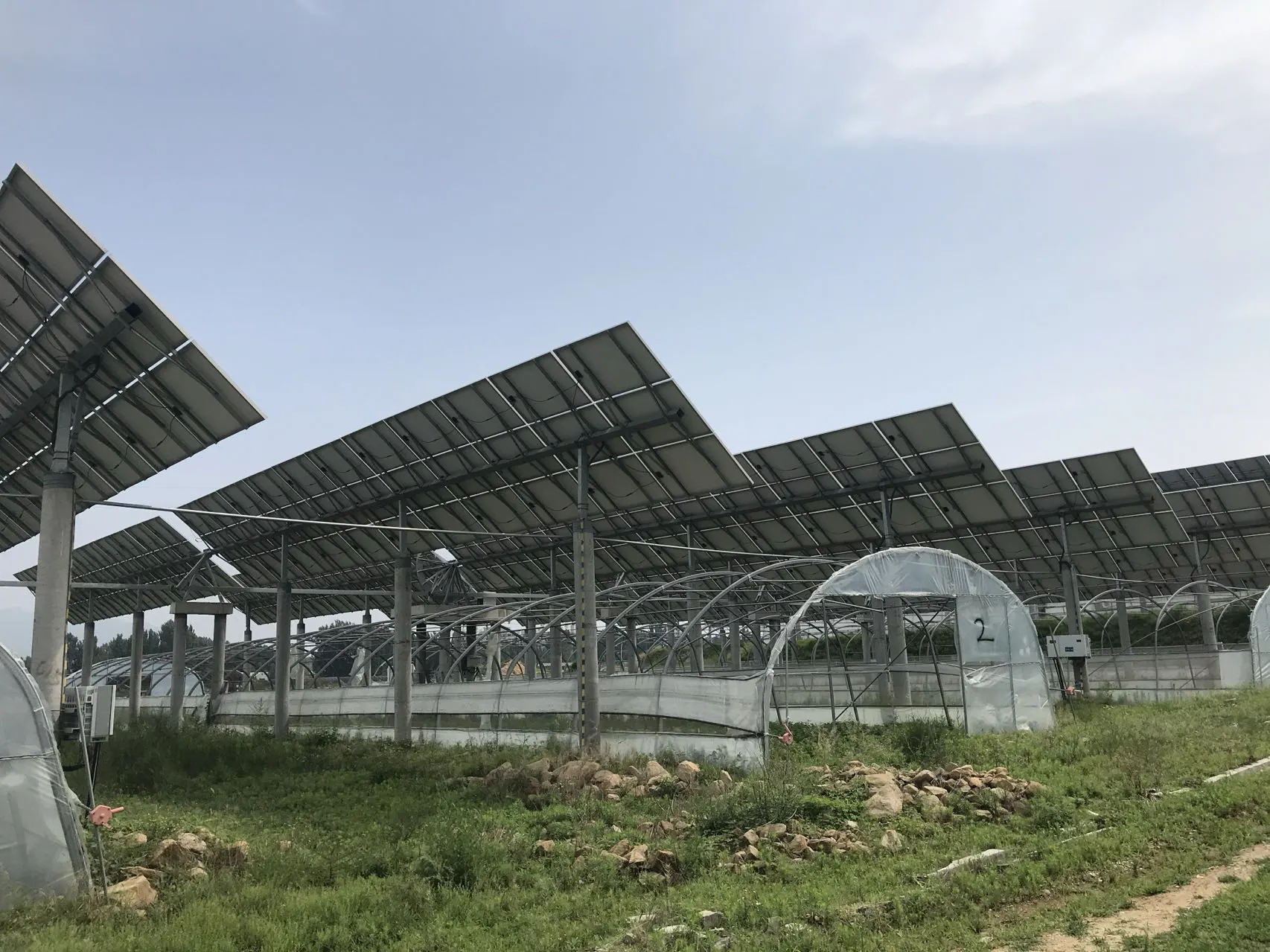
In recent years, the demand for solar energy has grown exponentially as a cleaner, more sustainable alternative to conventional power sources. A significant advancement in solar technology has been the development of solar tracking systems, which optimize the positioning of solar panels to follow the sun's path throughout the day. The single axis solar tracker controller is a key component of these systems, offering efficient tracking capabilities that help increase the energy output of solar installations.
What Is a Single Axis Solar Tracker Controller?
A single axis solar tracker controller is a device that controls the movement of a solar panel along a single axis to follow the sun as it moves across the sky. By adjusting the angle of the solar panel to face the sun directly, the single axis solar tracking controller ensures that the panel captures the maximum amount of sunlight throughout the day. Unlike fixed solar panels, which remain stationary, the single axis tracking system increases the solar panel's energy generation by up to 25% compared to traditional fixed systems.

Benefits of Using a Single Axis Solar Tracker Controller
The main benefit of using a single axis solar tracker controller is the enhanced energy efficiency it provides. By optimizing the position of solar panels, these single axis solar tracker controllers allow for better sun exposure, especially in areas where direct sunlight is crucial for maximum power generation. In addition to higher energy yields, using a tracker system also extends the lifespan of the solar panels. By reducing the angle at which sunlight hits the panels during midday hours, the panels experience less stress, thus improving their durability.
Moreover, these controllers offer automated performance, minimizing the need for manual adjustments and allowing solar installations to operate with minimal maintenance. In regions with highly variable sunlight, this automatic adjustment maximizes the performance and efficiency of the solar power system, making it an ideal solution for both residential and commercial solar power plants.

Components of a Single Axis Solar Tracker Controller System
A single axis solar tracker controller system consists of several key components that work together to provide optimal solar panel positioning. These include:
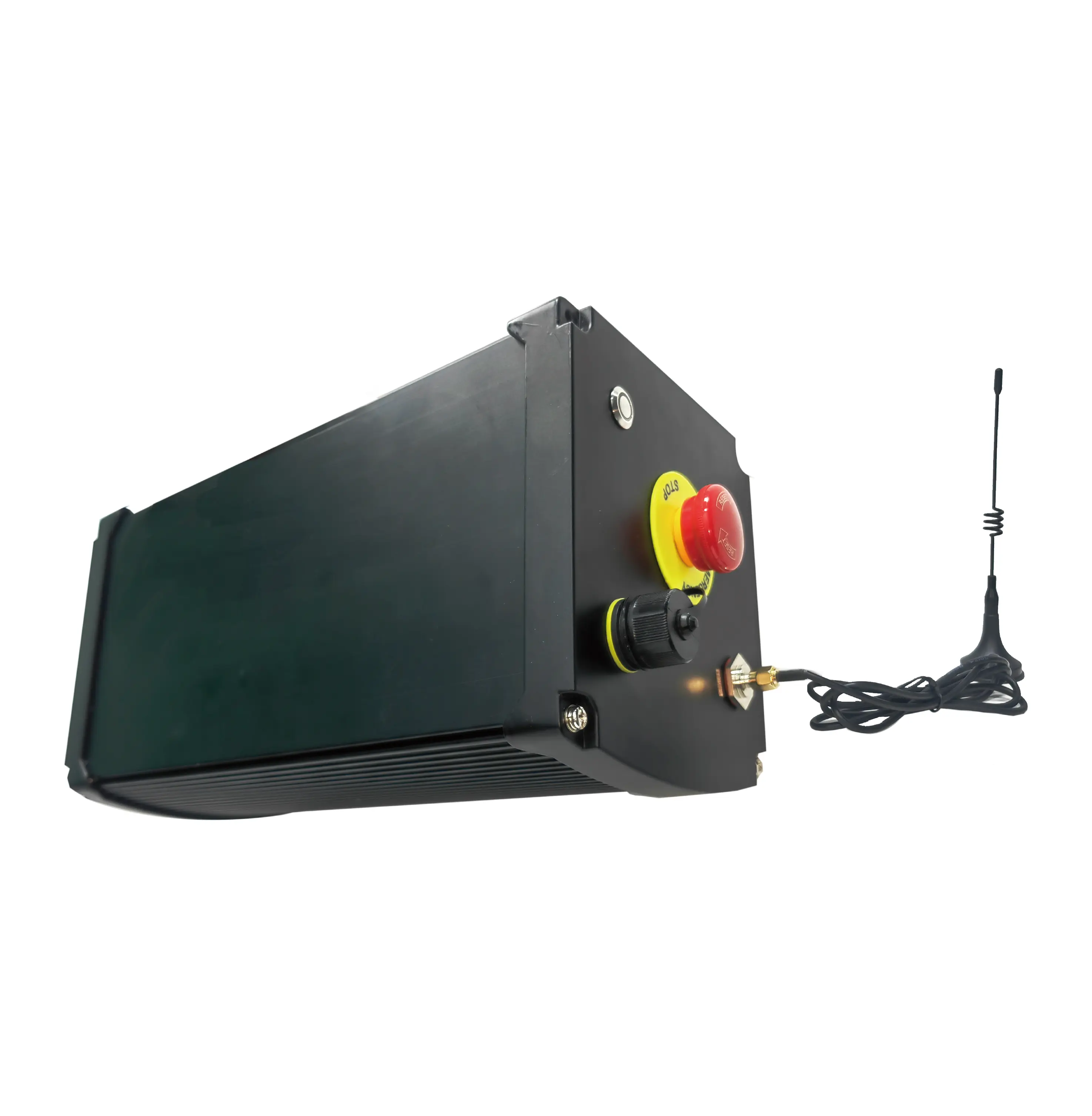
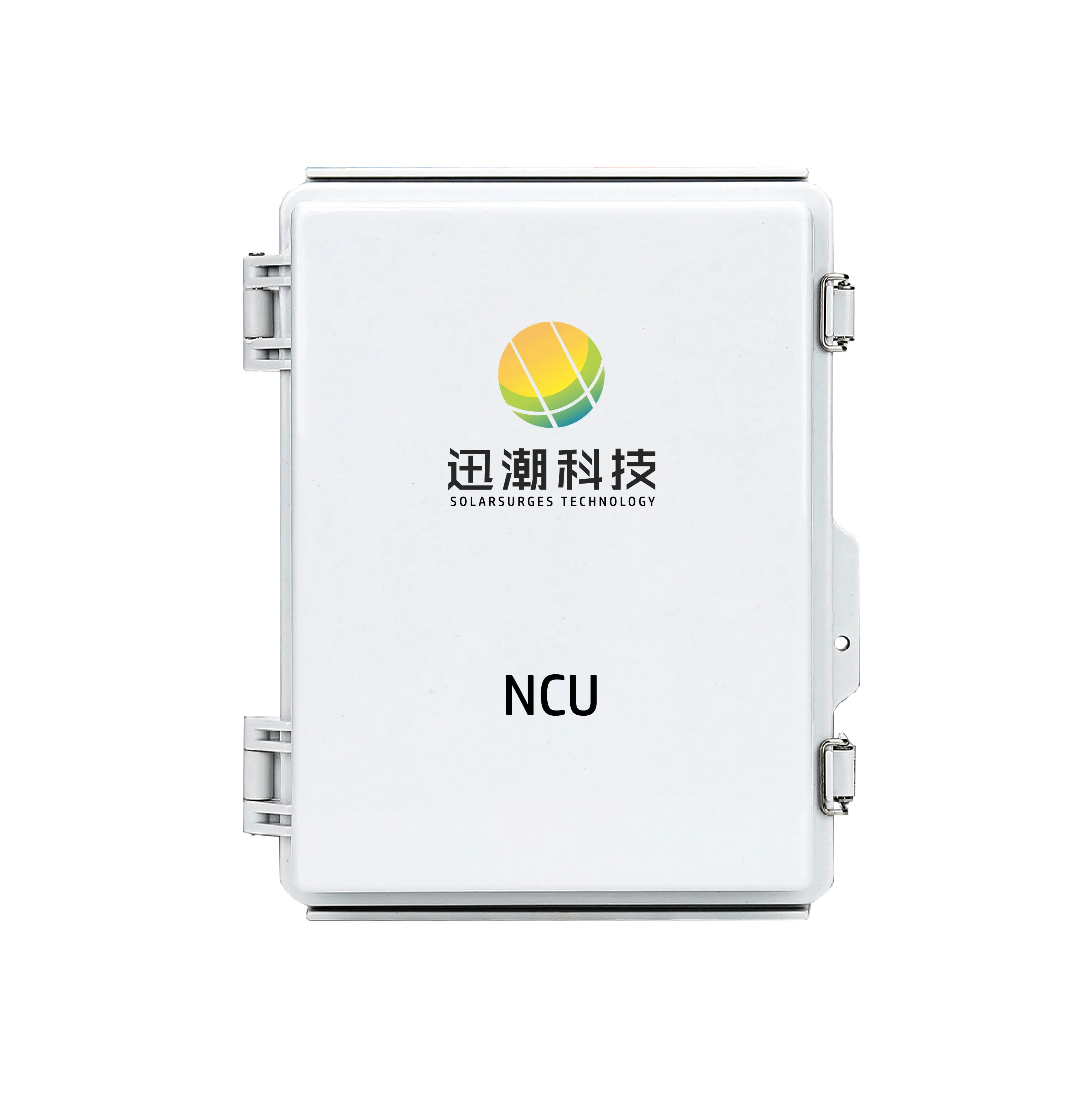
Tracker Control Unit (TCU): The central brain of the system, the TCU is responsible for receiving signals from sensors and adjusting the solar panel's position based on the sun's angle. This unit is typically powered by DC, string, or AC, depending on the system requirements.
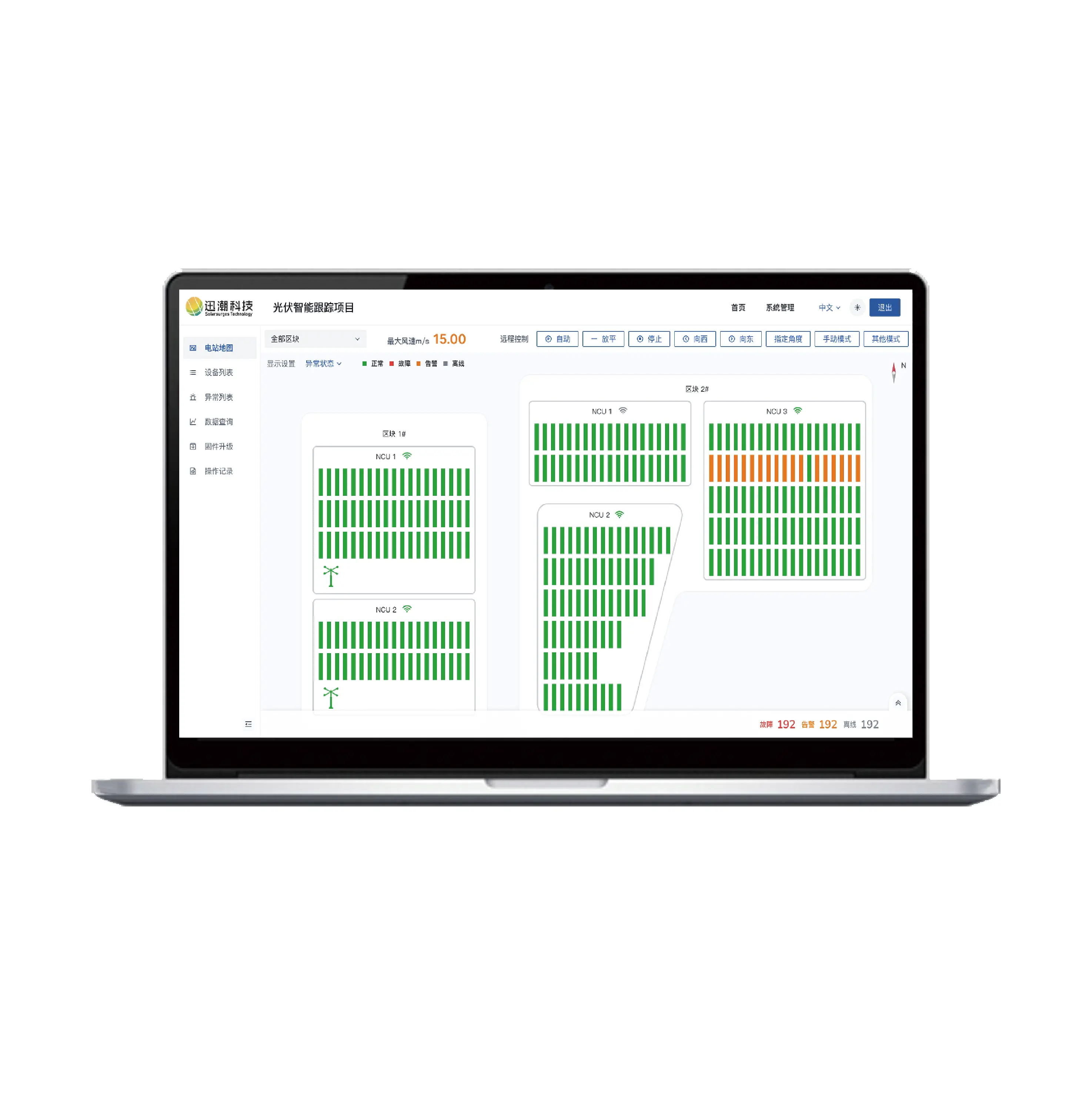
SCADA System: A supervisory control and data acquisition (SCADA) system is often integrated into tracker systems for remote monitoring and management. It helps operators oversee the performance of the solar panels, analyze energy production data, and make adjustments as needed.
Communication Equipment: This includes network control units that facilitate communication between various system components and ensure that data is transmitted in real time. Communication is vital for monitoring and maintaining system efficiency.
Comparing Single Axis Tracker with Dual Axis Trackers
Aspect | Single Axis Solar Tracker | Dual Axis Solar Tracker |
Tracking Range | Tracks the sun along one axis (East to West) | Tracks the sun along two axes (East-West & North-South) |
Energy Efficiency | 25% higher energy yield than fixed systems | Up to 40% higher energy yield than fixed systems |
Cost | More cost-effective than dual-axis systems | Higher initial cost due to more complex systems |
Complexity | Simpler system with fewer moving parts | More complex with added components and maintenance |
Applications | Suitable for most commercial and residential setups | Ideal for areas with high variation in sun angle |
The comparison table above shows the key differences between single axis and dual axis solar tracker systems. While dual axis systems offer higher energy efficiency by tracking both axes, they come with higher costs and more complex maintenance requirements. Single axis systems, on the other hand, are simpler, more affordable, and still provide significant improvements in energy yield compared to fixed panel systems.

Applications of Single Axis Solar Tracker Controller
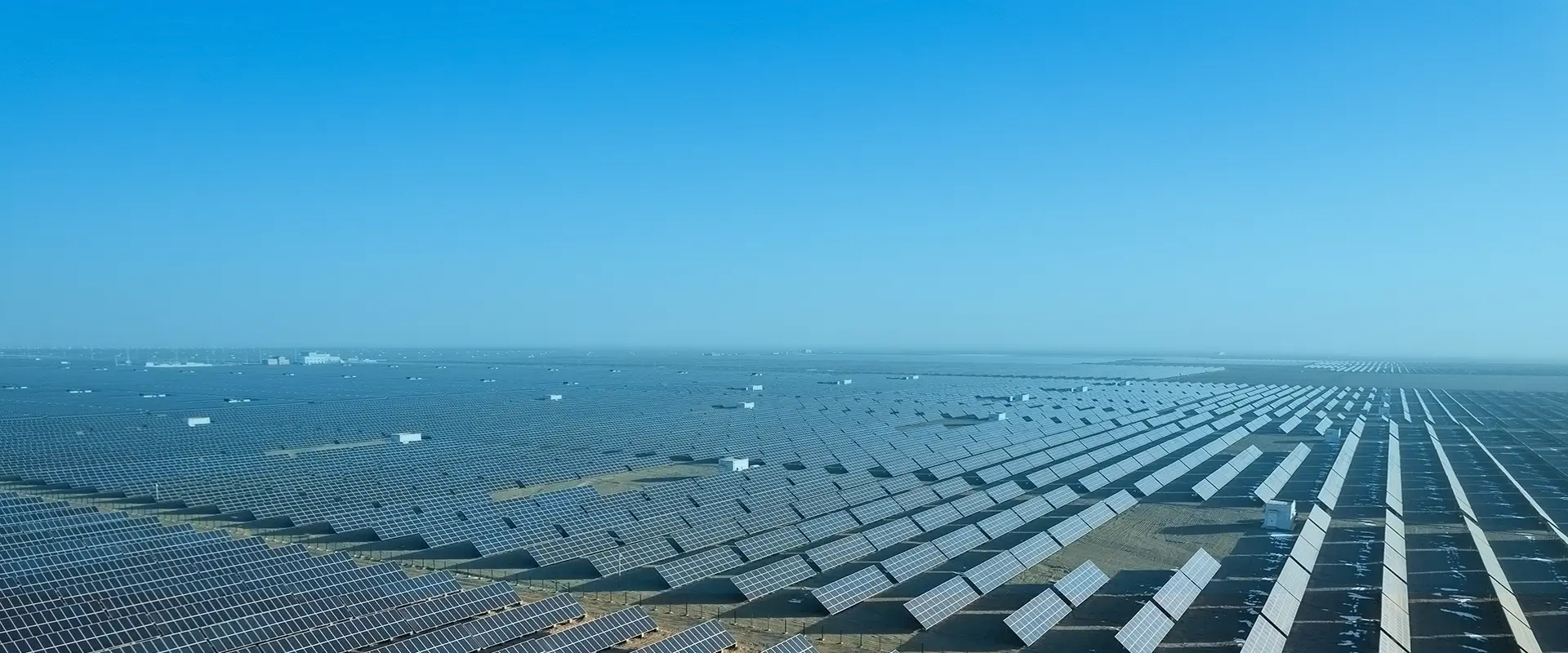
Single axis solar tracker controller is widely used in both large-scale commercial solar power plants and smaller residential solar installations. Their ability to increase energy production by up to 25% makes them highly attractive for solar energy providers looking to maximize their return on investment. These controllers are particularly effective in regions where sunlight intensity is moderate, and the cost-benefit ratio of dual axis systems doesn't justify the additional investment.
In areas where land space is limited, the use of single axis trackers enables solar energy developers to optimize energy production without significantly increasing the system's footprint. Additionally, with continuous technological advancements, the efficiency and affordability of these systems are expected to improve even further.
In conclusion, single axis solar tracker controller offers a simple yet effective solution to improve the energy efficiency of solar power systems. Whether it's for large-scale commercial applications or smaller residential installations, these controllers provide a cost-effective way to maximize solar energy generation. With the rising demand for clean energy, investing in solar tracking technology, particularly the single axis solar tracker, is a step forward in achieving sustainable energy goals.
Related Solar Tracker Products