English
  中文
中文

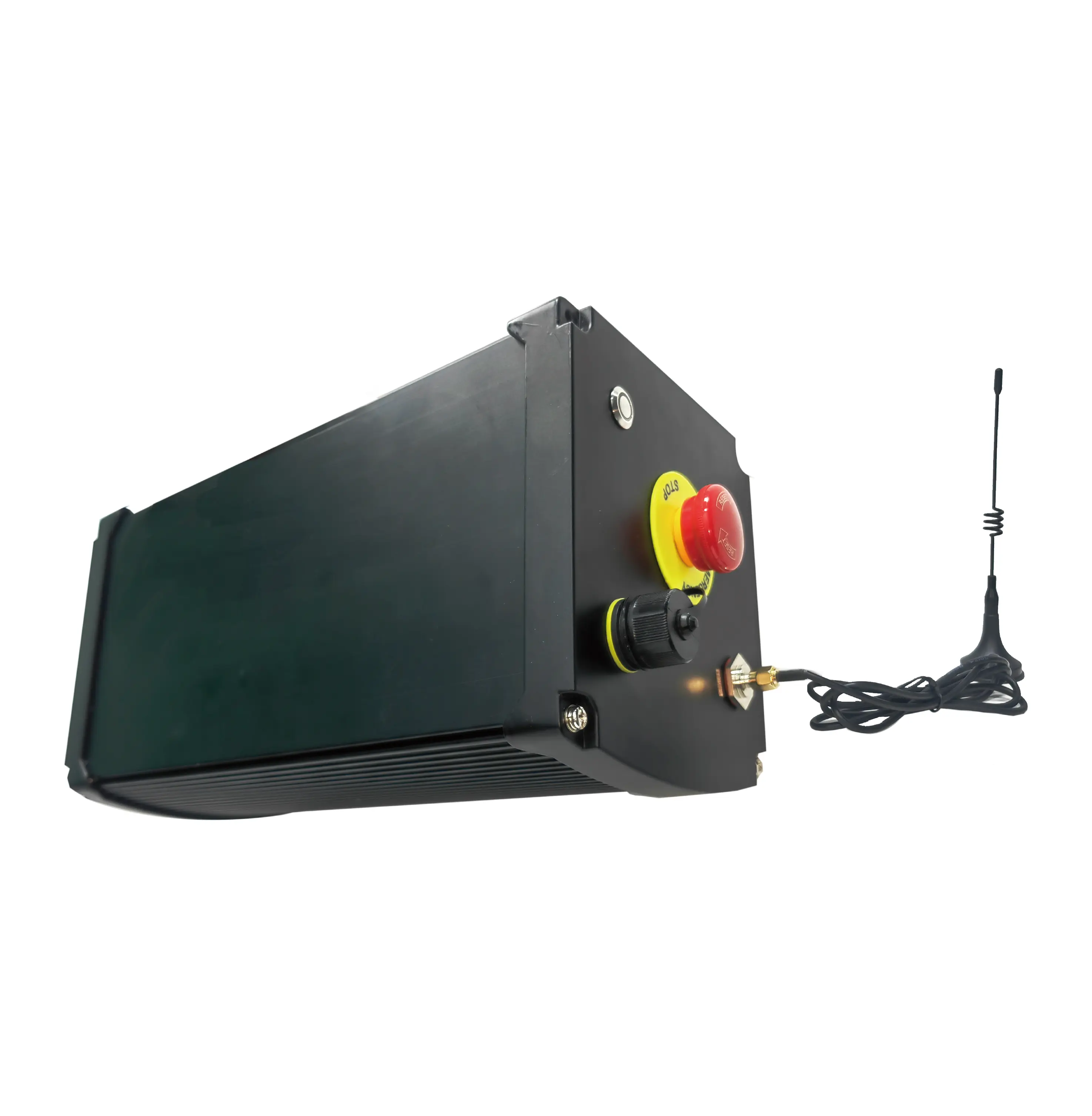
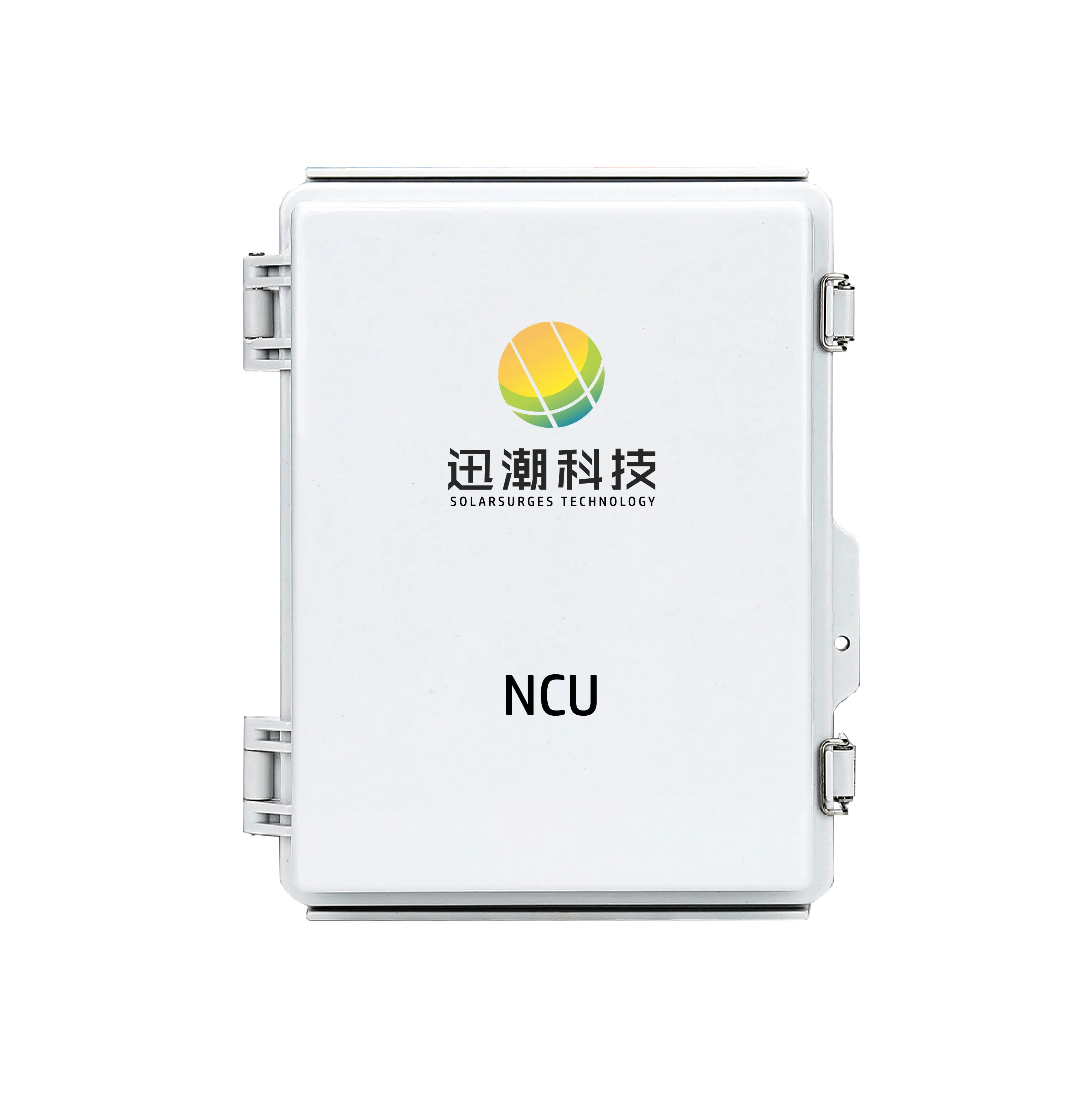

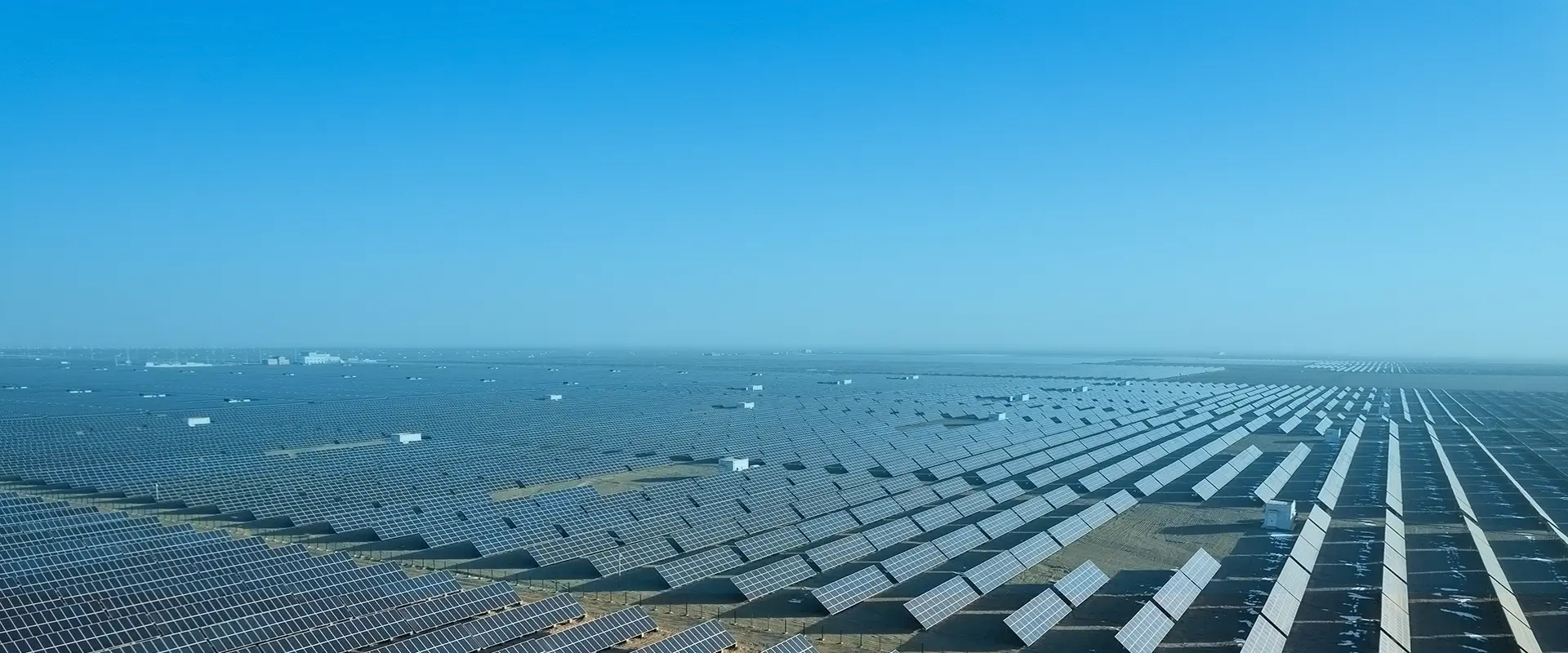
In the rapidly growing field of solar energy, maximizing efficiency is a key factor in achieving cost-effective and sustainable energy production. One of the essential components in improving the performance of solar power systems is the sun tracker controller. This technology allows solar panels to track the movement of the sun throughout the day, ensuring that they always remain in the optimal position to capture sunlight.
What is a Sun Tracker Controller?
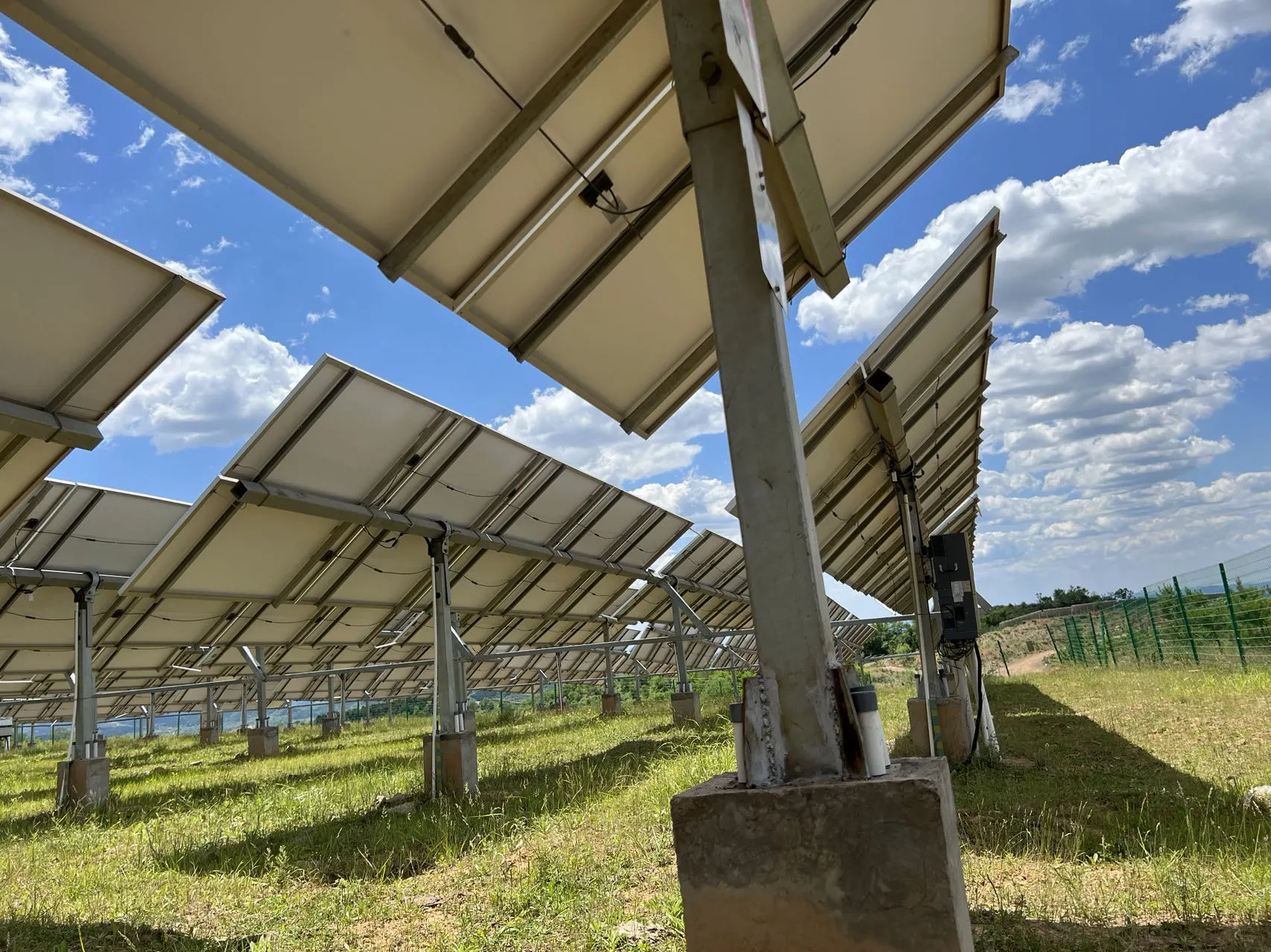
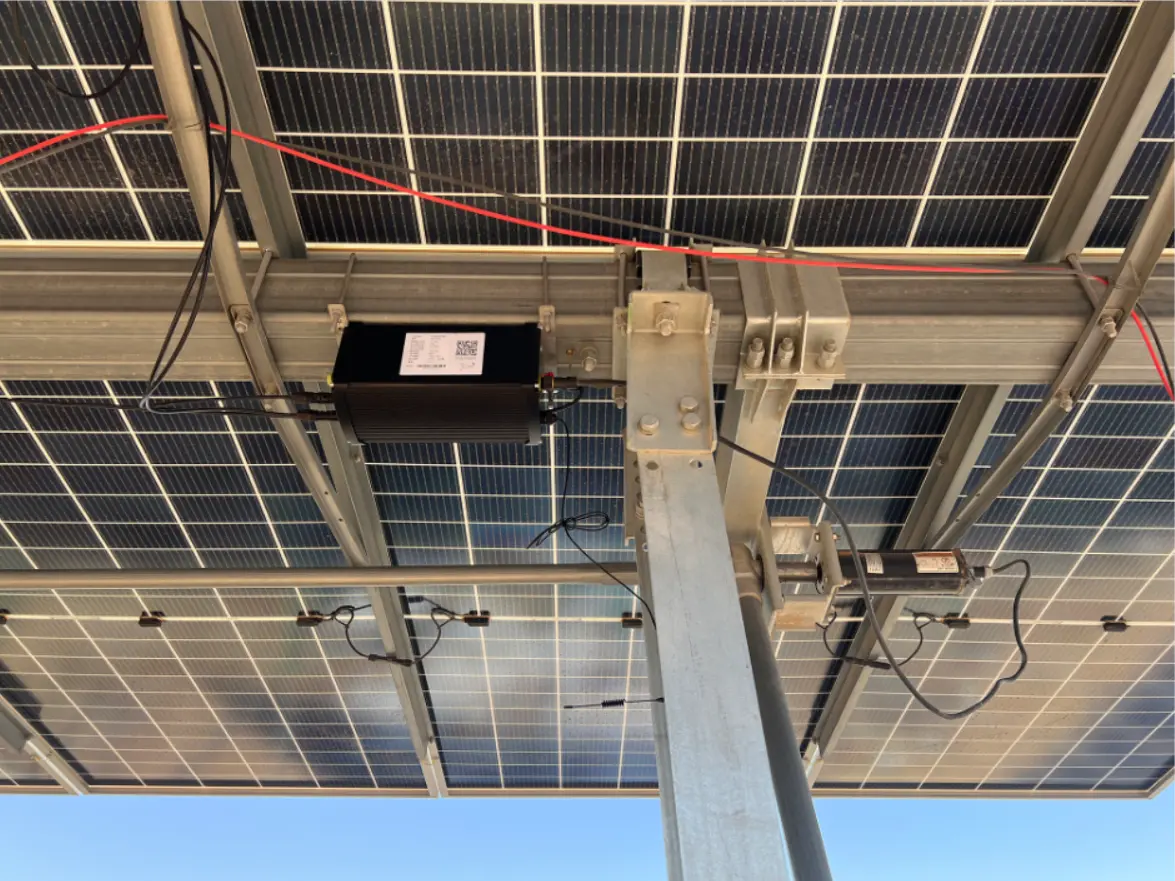
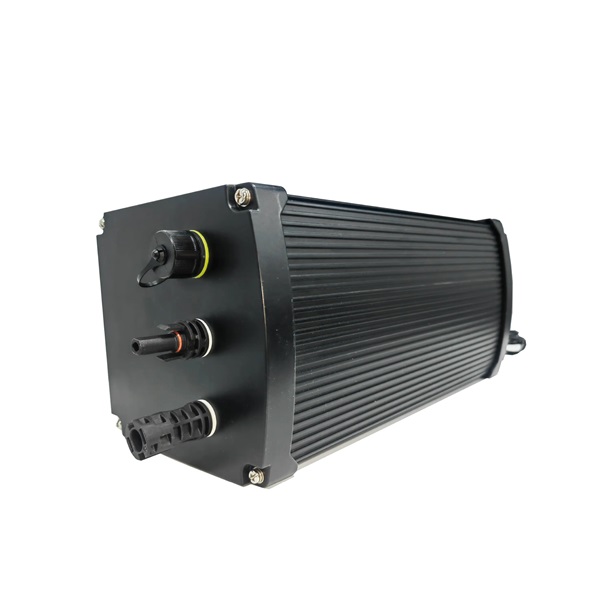
A sun tracker controller is a device that controls the movement of solar panels to track the sun's path across the sky. By adjusting the position of the panels throughout the day, the controller ensures that the panels are always oriented towards the sun. This maximizes energy production and increases the overall efficiency of solar energy systems. The sun tracker controller is a critical component in both single-axis and dual-axis tracking systems, which are designed to follow the sun's trajectory from sunrise to sunset.
Benefits of Using a Sun Tracker Controller
The primary benefit of integrating a sun tracker controller into a solar power system is the significant increase in energy output. Solar panels are most efficient when they are perpendicular to the sun's rays, which can vary throughout the day and across different seasons. A tracker ensures that the panels continuously adjust their position, maintaining optimal alignment with the sun.
Another advantage is the reduction in land use. By using a tracker, solar panels can generate more power on a smaller area of land, which is especially important in regions where space is limited or expensive.

Types of Sun Tracker Controller
There are different types of sun tracker controllers available, each with unique features that cater to various solar power systems. The main types include:
Single-Axis Trackers: These trackers move the panels along one axis, either north-south or east-west, to follow the sun's daily movement. They are more cost-effective and suitable for locations with a lower latitude.
Dual-Axis Trackers: These trackers follow both the sun's daily path and seasonal variations, allowing the solar panels to track the sun's position more accurately. This type of tracker is often used in regions with high latitudes, where the sun's angle varies significantly throughout the year.
Feature | Single-Axis Tracker | Dual-Axis Tracker |
Sun Tracking Ability | Tracks the sun along one axis (daily) | Tracks the sun along both axes (daily + seasonal) |
Energy Efficiency | Increases output by 25-35% | Increases output by 40-45% |
Cost | Lower cost, simpler technology | Higher cost, more complex design |
Installation | Easier installation with fewer components | Requires more space and installation effort |
Best For | Low-latitude regions with minimal seasonal variation | High-latitude regions with significant seasonal variation |

How Sun Tracker Controller Improve Solar Power Performance?
The primary function of a sun tracker controller is to improve the positioning of solar panels throughout the day. This dynamic adjustment helps to maximize solar exposure, resulting in a higher energy yield compared to fixed-tilt systems. In regions with ample sunlight, the use of a tracker can increase energy production by 25% to 35%, while dual-axis trackers can boost output by 40% to 45%. This increase in energy output is crucial for improving the economic feasibility of solar power projects.
Additionally, tracker systems help reduce wear and tear on the panels by preventing them from being exposed to unnecessary weather conditions or overheating. This contributes to a longer lifespan for the solar power system, making it a more reliable and cost-effective solution in the long run.

Solar Tracker Controllers and Their Role in Smart Solar Systems
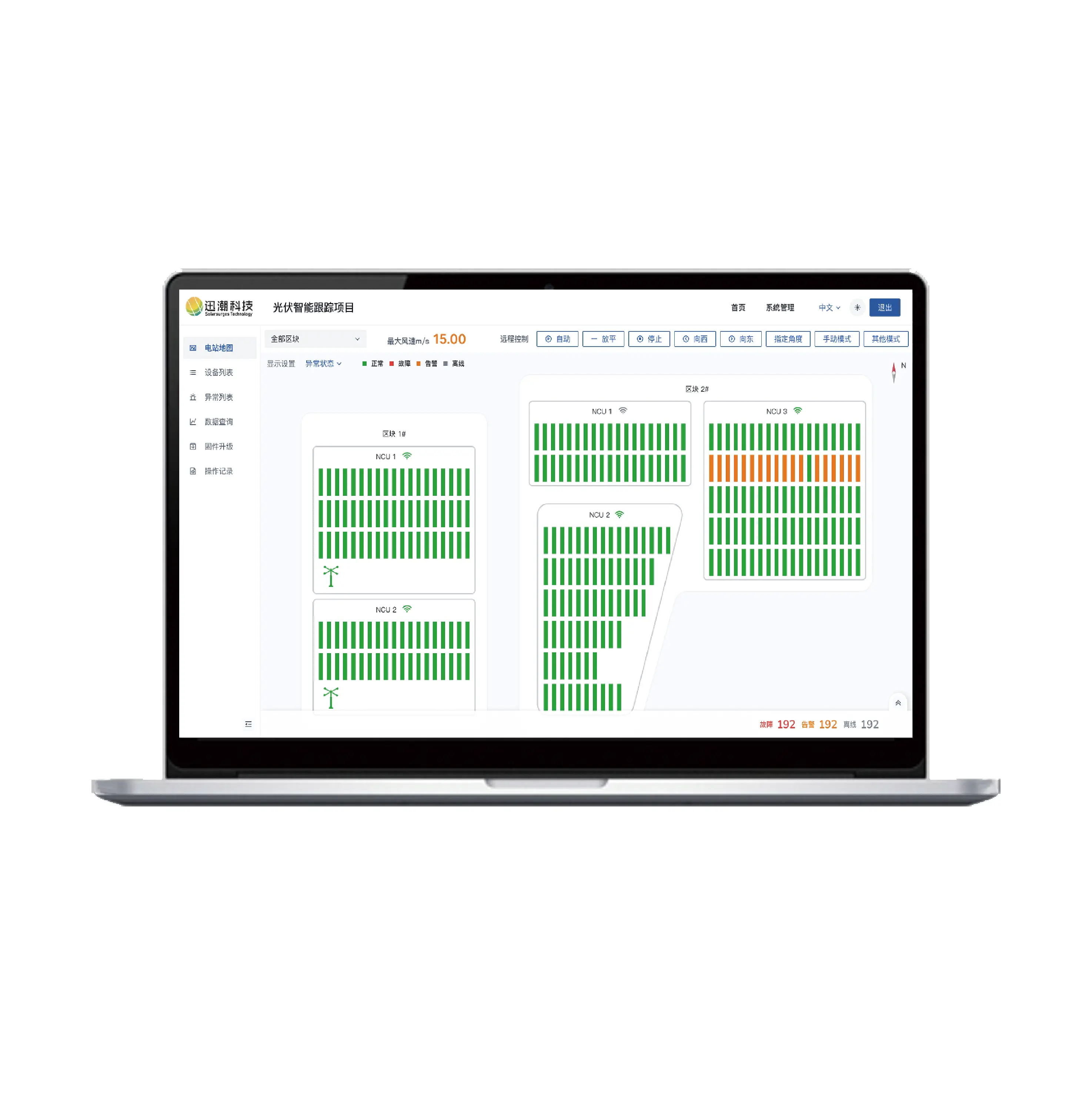
Modern solar power systems are becoming increasingly intelligent, with the integration of monitoring equipment, data analysis tools, and remote control features. The sun tracker controller plays a key role in this evolution by being part of the larger ecosystem of smart solar systems. Through SCADA (Supervisory Control and Data Acquisition) systems, solar tracker controllers can communicate with central control units to provide real-time data on the performance and status of the solar panels. This data is invaluable for system operators to monitor energy generation and optimize system performance, ensuring that the solar power system operates at its peak efficiency.
Moreover, the inclusion of cloud monitoring and remote diagnostic features ensures that system faults or inefficiencies are detected early, allowing for prompt maintenance and minimizing downtime.
Incorporating a sun tracker controller into a solar power system is a game-changer when it comes to improving efficiency and maximizing energy production. Whether using a single-axis or dual-axis tracking system, the ability to follow the sun's movement throughout the day can significantly enhance a solar system's output. By reducing land use and improving the lifespan of solar panels, sun trackers are becoming an essential component of modern solar energy systems. With the continuous advancements in tracking technology and smart solar systems, the future of solar energy looks brighter than ever.
Related Solar Tracker Products