Introduction
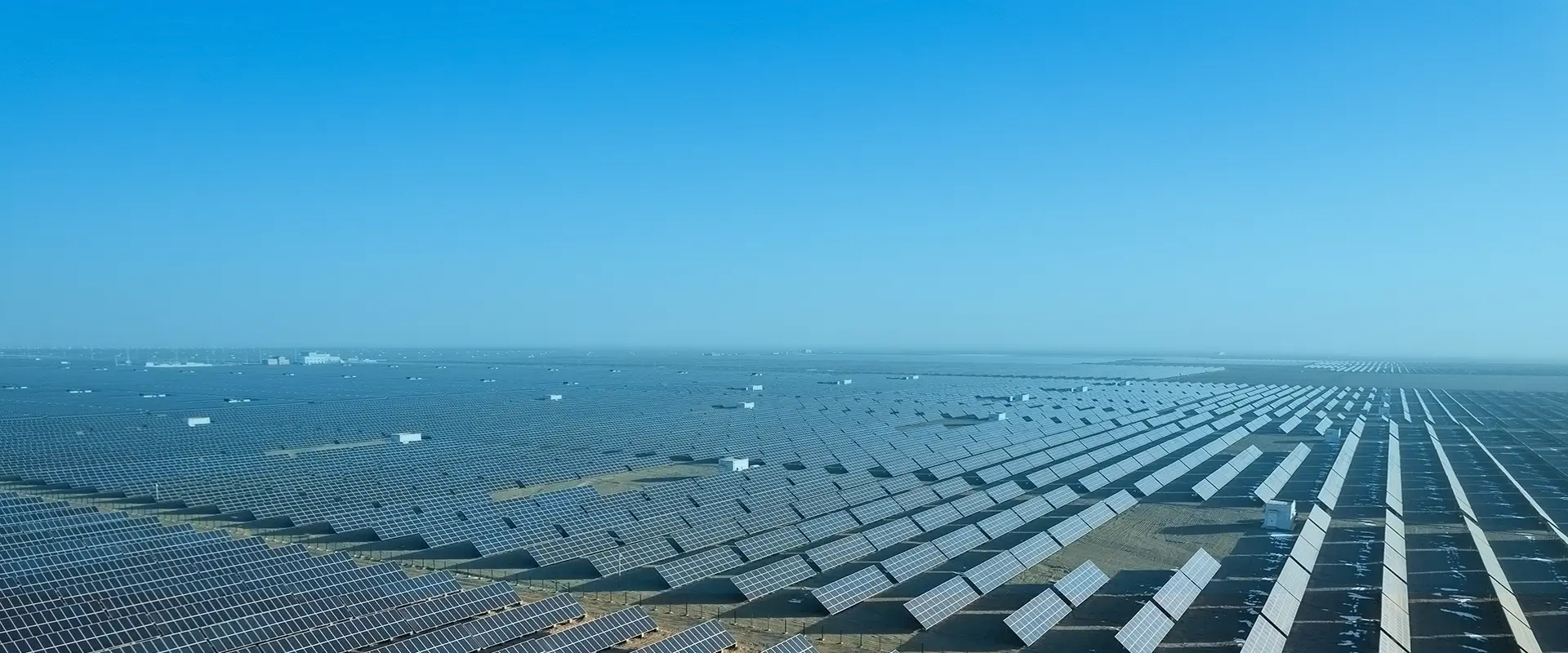
In March 2026, China's solar product exports reached an unprecedented 68 gigawatts (GW), marking a historic milestone that rewrote global energy trade records. This figure represents a month-over-month doubling and a staggering 49% above the previous all-time high set in August 2025. To put it in perspective: nearly one entire year's worth of Spain's total photovoltaic (PV) installed capacity was exported in a single month.This explosive growth is far more than a statistical anomaly. It reflects a fundamental restructuring of the global energy supply chain—one where solar tracker controllers, solar SCADA systems, and advanced solar TCU (Tracker Control Unit) and NCU (Network Control Unit) technologies are playing increasingly central roles.This article unpacks the three key dimensions of this record-breaking export surge and what it means for the future of global solar energy infrastructure.
1. Dual Engines: Policy and Geopolitics in Perfect Storm
The March 2026 solar export surge wasn't driven by a single factor. It was the convergence of two powerful forces:Policy Catalyst: Pre-Expiry Rush Before Tax Change
On April 1, 2026, China abolished its 9% value-added tax (VAT) export rebate for solar products. This deadline created a powerful incentive for international buyers to front-load their purchases in March, locking in lower costs before the rebate expiration. The result was a massive pull-forward effect that inflated export volumes to historic highs.Geopolitical Catalyst: Energy Crisis Drives Urgent Solar Adoption
The escalating tensions in the Middle East—particularly the February 2026 U.S.-Israel-Iran conflict—placed significant pressure on traditional oil and gas supply routes. Countries worldwide began treating solar energy not as a long-term climate goal, but as an urgent energy security imperative. This geopolitical shock accelerated procurement of Chinese solar equipment across both emerging and established markets.
2. The New Solar Map: Emerging Markets Lead the Charge
The 68GW export surge revealed a dramatic shift in where global solar demand is concentrated.Emerging Markets: The Fastest-Growing Solar Importers
The regions most impacted by energy instability—Asia and Africa—became the epicenter of solar demand growth:Together, Asia and Africa accounted for approximately three-quarters of the total export growth in March 2026.Traditional Markets Also Hit Records
Even mature markets set new monthly records for Chinese solar imports. Japan, Australia, and the European Union all reached all-time highs, underscoring the breadth of this global purchasing wave.
3. Value Chain Upgrade: From "Buying Products" to "Building Manufacturing"
The true significance of the 68GW milestone extends beyond raw volume—it signals a deeper transformation in how the world is building its solar manufacturing capacity.A New Global Division of Labor Is Emerging
In a landmark first, China's monthly exports of solar battery cells and wafers (36 GW) surpassed its exports of fully assembled solar modules (32 GW). This reversal indicates that many countries are no longer content to simply import finished panels. Instead, they are investing in local assembly and manufacturing infrastructure—importing intermediate products like cells and wafers to build their own solar production capabilities.This trend has direct implications for solar TCU (Tracker Control Unit) and NCU (Network Control Unit) suppliers, as local manufacturing hubs will increasingly require integrated tracking and control systems to optimize their new production lines.Complete Energy Solutions Replacing Standalone Panels
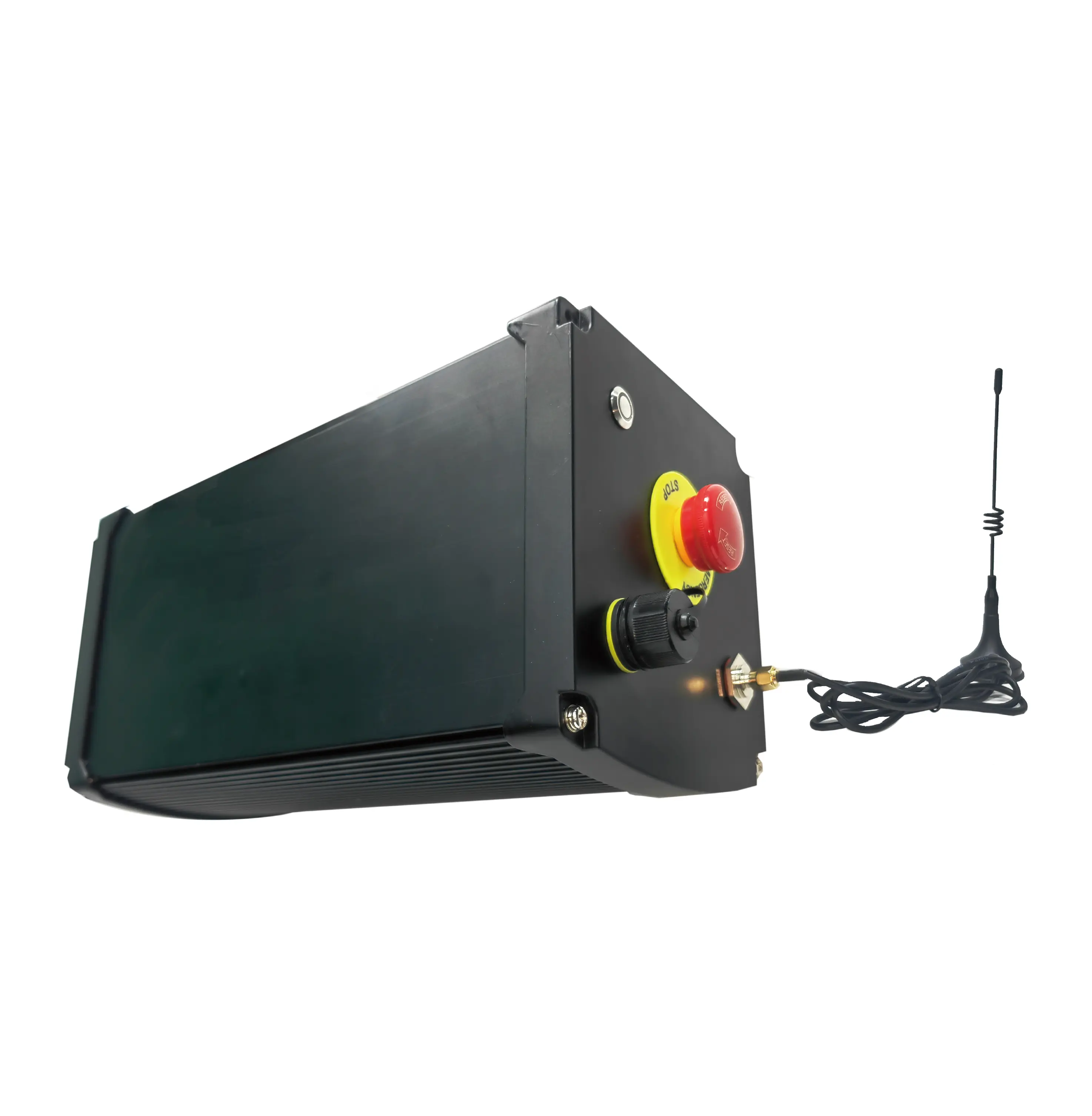
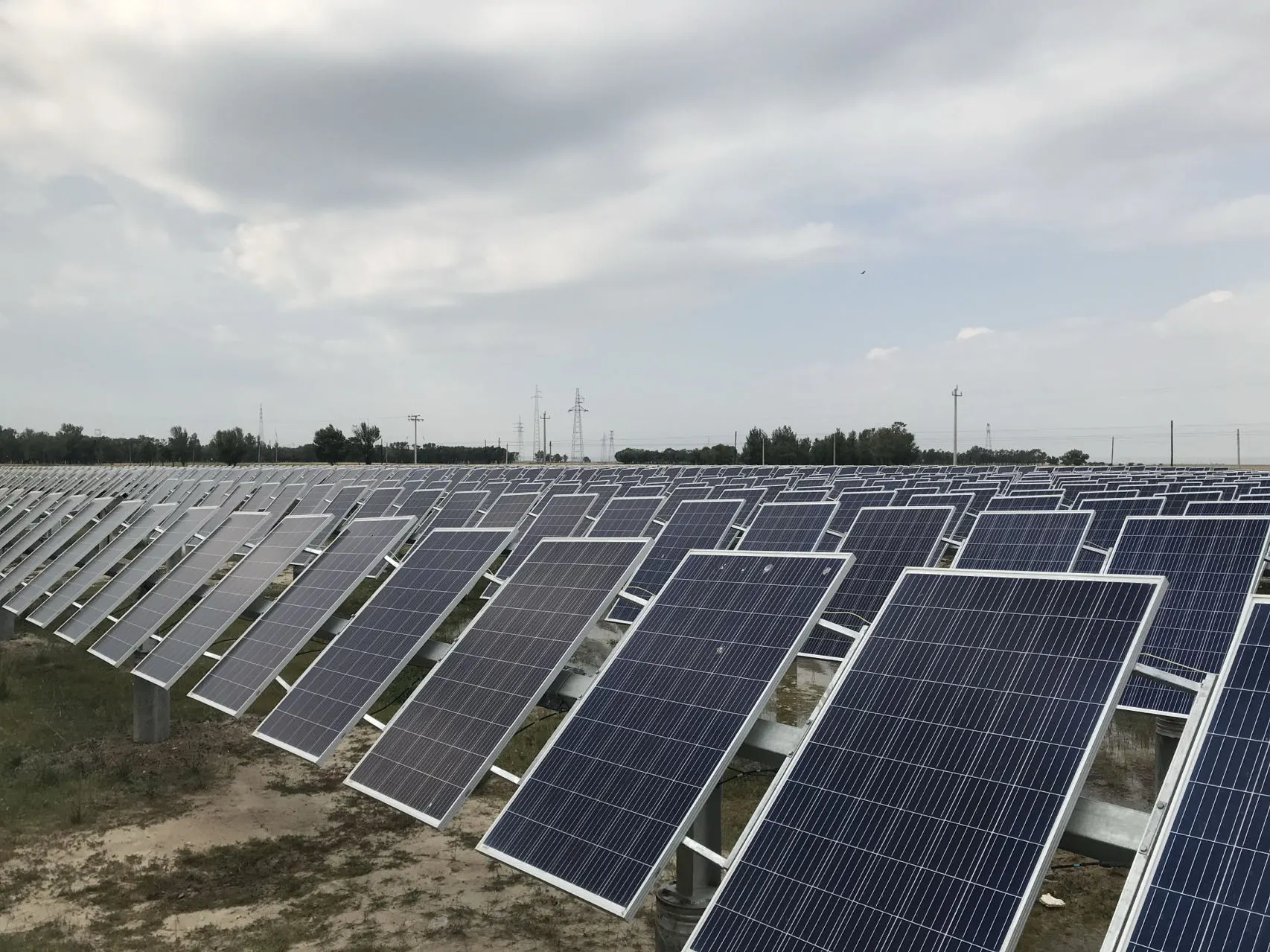
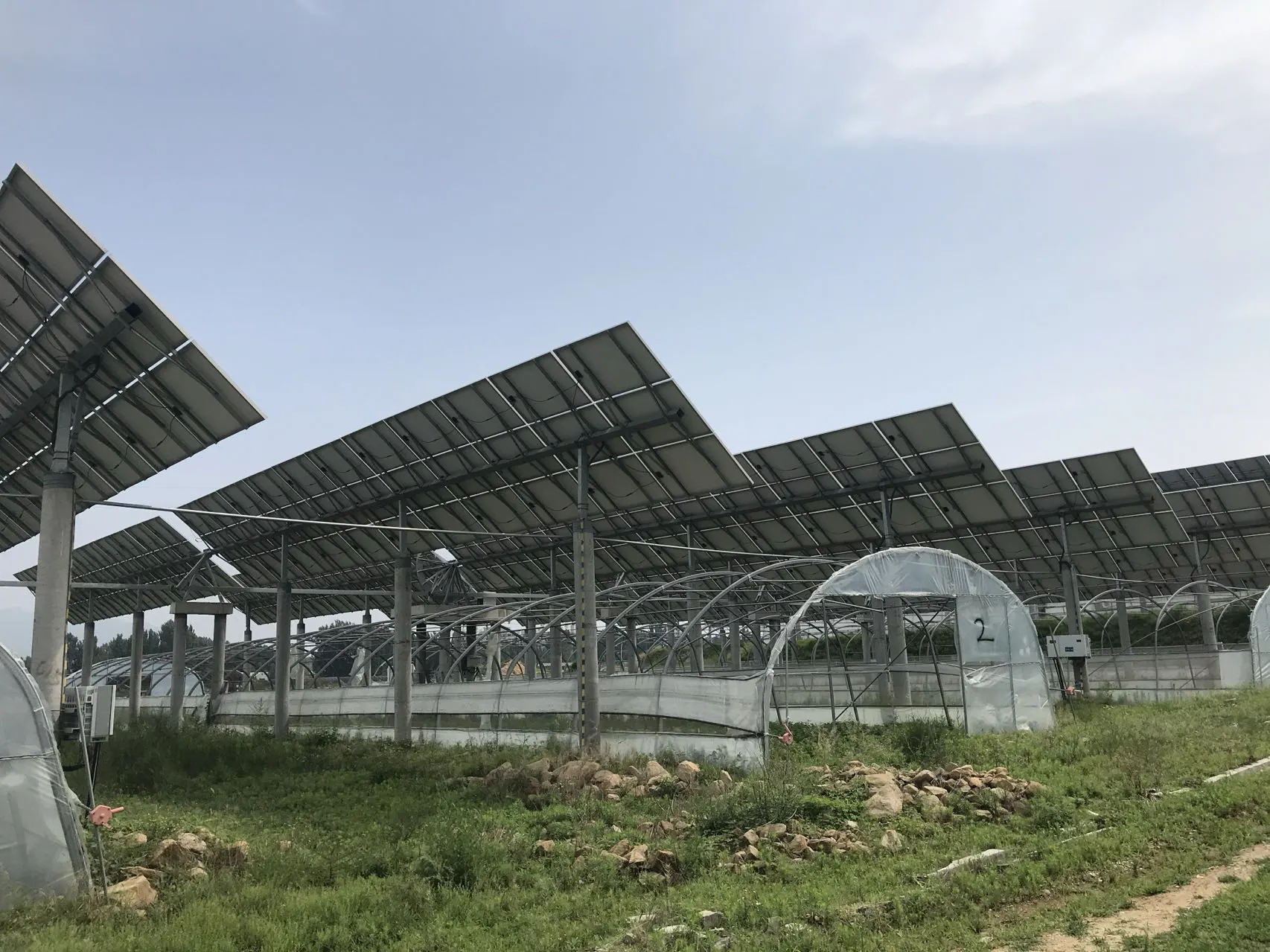
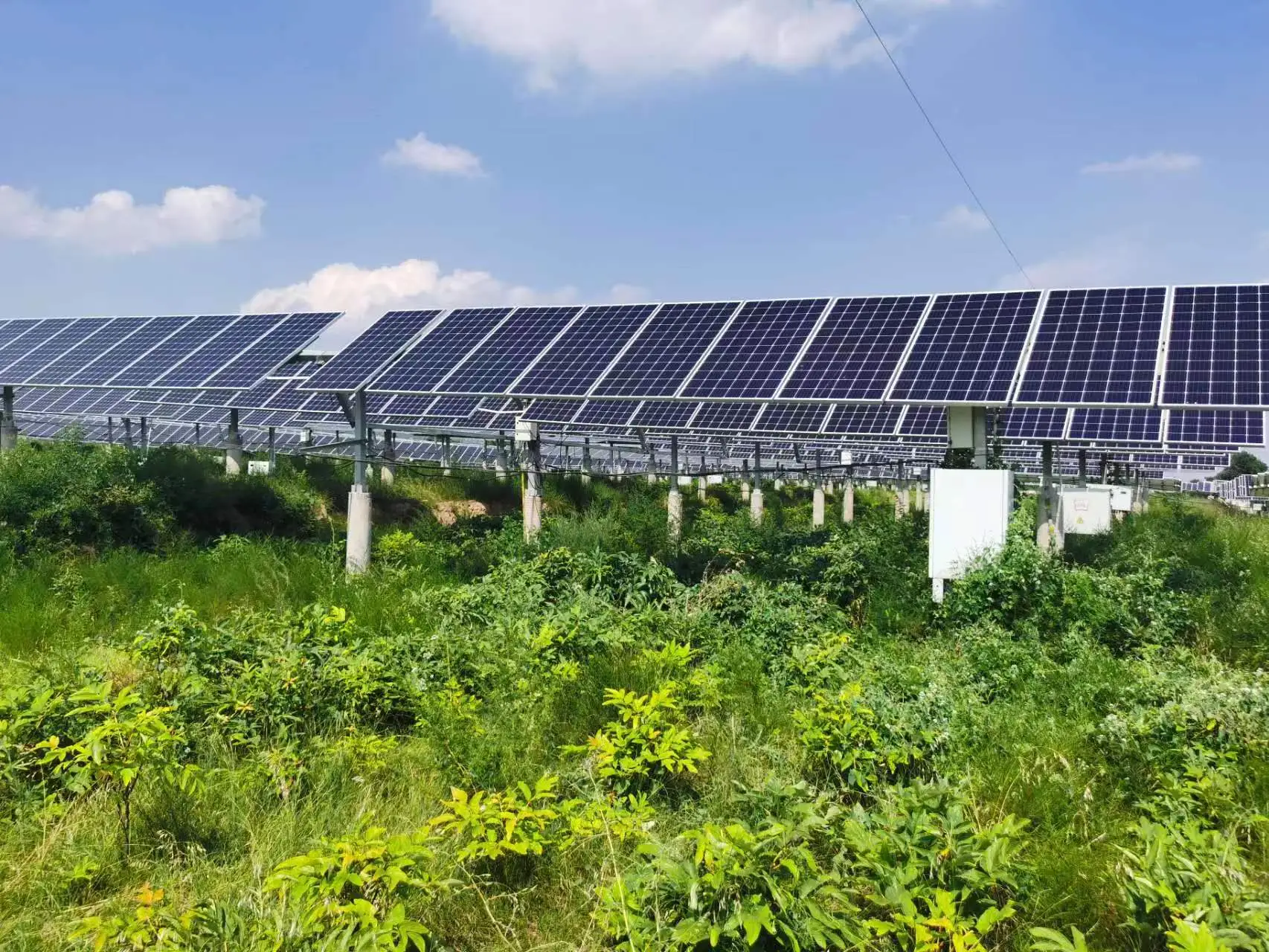
The export surge wasn't limited to solar panels. Battery exports, inverter shipments, and complete microgrid systems all posted strong gains. In March 2026 alone, China's battery exports totaled $10 billion USD, with buyers showing strong preference for complete systems that include energy storage—a trend that underscores the growing importance of solar SCADA (Supervisory Control and Data Acquisition) platforms in managing distributed, multi-component energy systems.At the heart of these modern solar installations sits the solar tracker controller—the intelligent system that adjusts panel angles throughout the day to maximize energy yield. As utility-scale solar projects scale globally, demand for reliable, precision solar tracker controllers has become a critical bottleneck in project development timelines.
Key Takeaways
68GW of Chinese solar exports in March 2026 represents a historic milestone, double the previous month's volume and 49% above the prior all-time record.
Emerging markets in Asia and Africa drove the majority of growth, accounting for roughly three-quarters of total export gains.
Battery cells and wafers (36GW) outpaced completed modules (32GW) for the first time, signaling a shift toward globalized solar manufacturing.
Complete microgrid solutions—including storage, inverters, and intelligent controls—are replacing standalone panel imports.
Solar TCU, NCU, SCADA, and solar tracker controller technologies are emerging as the nerve centers of the next-generation global solar infrastructure.
Conclusion
China's 68GW solar export milestone in March 2026 is more than a number—it is a snapshot of a world actively pivoting away from vulnerable fossil fuel supply chains toward resilient, scalable solar energy infrastructure. The surge reflects not just short-term policy and geopolitical shocks, but a structural realignment of the global solar value chain.As countries move from importing finished modules to building local manufacturing capacity, the demand for intelligent control systems—solar TCU, NCU, solar SCADA platforms, and solar tracker controllers—will only accelerate. These technologies are no longer optional accessories. They are the foundational infrastructure upon which the next generation of global solar energy systems will be built. English
  中文
中文