English
  中文
中文


Source: Compiled
On April 1, 2026, China's photovoltaic (PV) industry reached a historic milestone. According to Announcement No. 2 of 2026 issued by the Ministry of Finance and the State Taxation Administration, PV product export tax rebates were officially reduced from 9% to 0%, ending this policy subsidy that had been in place since 2013—a span of 13 years.
Simultaneously, the State Administration for Market Regulation issued a notice on March 30, designating PV as a key industry for comprehensive rectification of "involutionary" (cutthroat) competition, with targeted enforcement against below-cost pricing. The synchronized advancement of these two policies marks China's PV industry officially bidding farewell to the "subsidy export" era and embarking on a profound transformation from price-based internal competition to value-driven competition.
In 2025, the cost of this model erupted concentrated outbreak. According to the China Photovoltaic Industry Association, China's PV product exports in H1 2025 totaled $13.82 billion, a 26% year-over-year decline. Compared to the historic half-year high of $29 billion in H1 2023, the drop exceeded 50%. Research from Huaxia Energy Net showed that just nine leading PV manufacturers—Tongwei, TCL Zhonghuan, Trina Solar, Longi Green Energy, Jinko Solar, JA Solar, Aiko Solar, Jonda, and Daqo New Energy—recorded combined projected losses exceeding ¥435 billion ($60B) in 2025, with estimates as high as ¥500 billion ($69B).
"Selling more, losing more" became the industry's stark reality. In Q1–Q3 2025, 31 enterprises across the main PV production chain posted a combined net loss of ¥12.58 billion ($1.74B), with loss margins expanding 274.3% year-over-year. Wang Bohua, Honorary Chairman of the China Photovoltaic Industry Association, stated bluntly that all segments of the PV industry chain faced unprecedented scale of losses.
First: Export tax rebates reduced to zero. From April 1, PV product export tax rebates dropped directly to 0%. Battery product rebates are being adjusted in two steps—reduced from 9% to 6% from April 1 to December 31, 2026, then fully eliminated from January 1, 2027. This signals China's PV industry officially exiting the policy-driven era, pivoting toward innovation-driven development.
Second: Anti-involution regulation. On March 30, the State Administration for Market Regulation issued a notice emphasizing comprehensive rectification of "involutionary" competition, targeting PV, lithium batteries, new energy vehicles, and other key industries. It calls for precise identification and legal enforcement against platform enterprises that engage in unjustified or forced below-cost pricing.
These two policies share profound logical unity: the state refuses to continue "paying" for companies' malicious low-price competition, and also refuses to endorse "self-discipline" as a cover for monopolistic behavior. Instead, it guides the industry back to market-based competition. The essence of canceling export tax rebates is stripping away the long-standing "price illusion," forcing the industry to face true cost-profit relationships.
Short-term impact: Export tax rebate cancellation directly pressures PV companies' export product gross margins, forcing cost transmission down the supply chain. Jinko Solar raised prices for TOPCon modules above 650W on April 1, with average price increases of 30–40% from previous lows. However, according to InfoLink data, the market remains in oversupply, with actual TOPCon module delivery prices at $0.68–0.70/ watt and distributor market prices at $0.76–0.83/watt—manufacturers have not yet fully transmitted the price increase pressure to end customers.
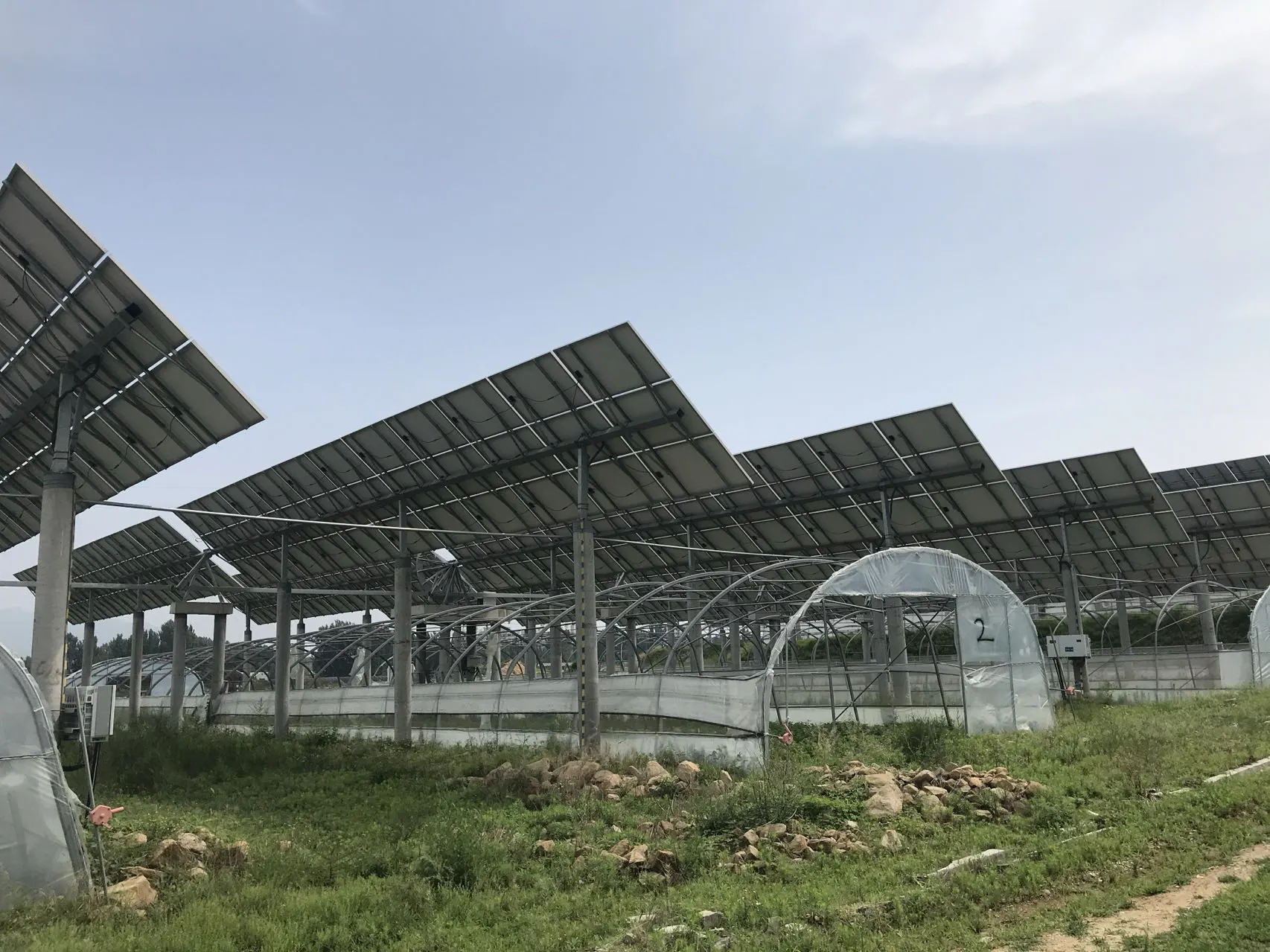
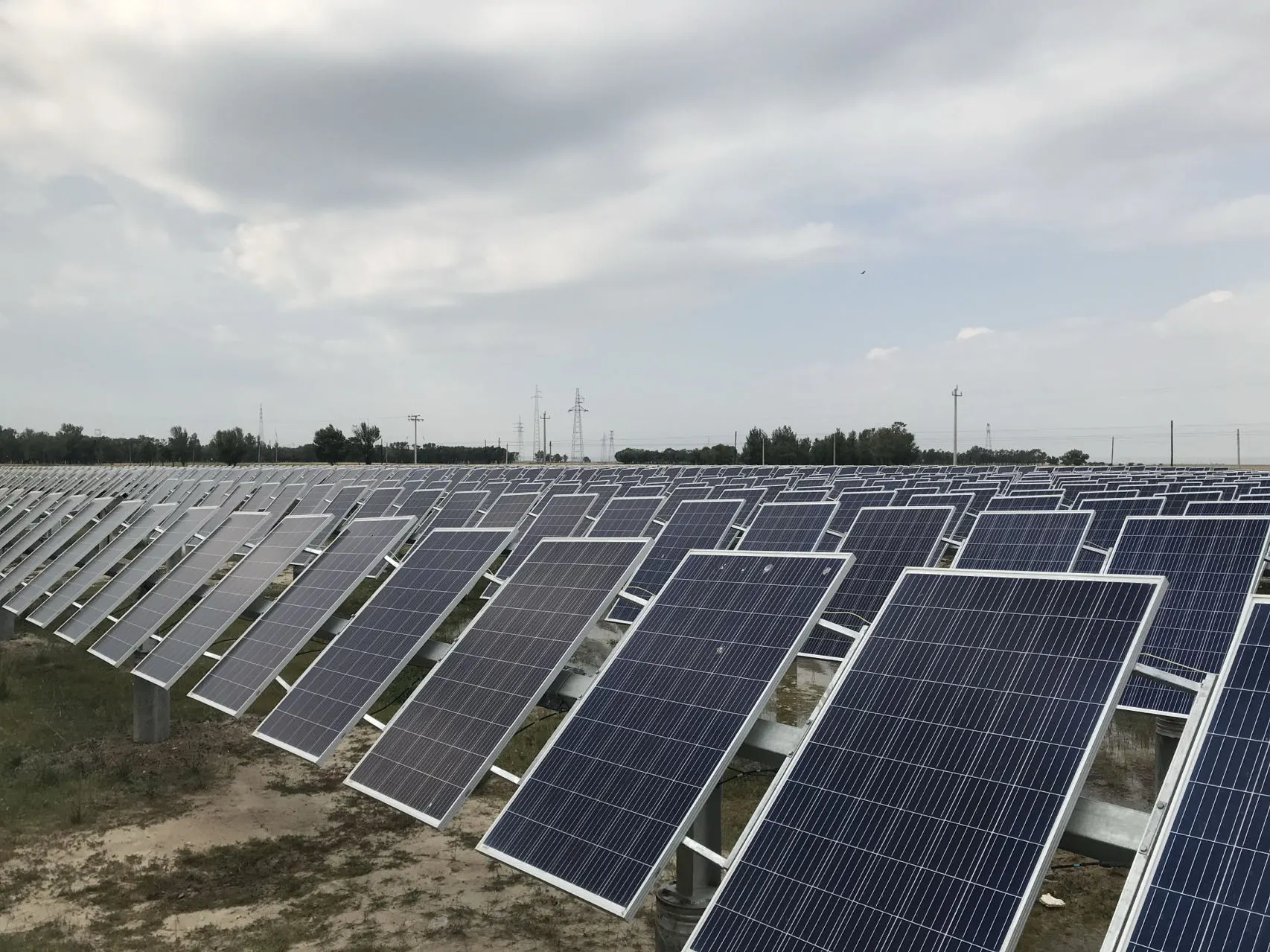
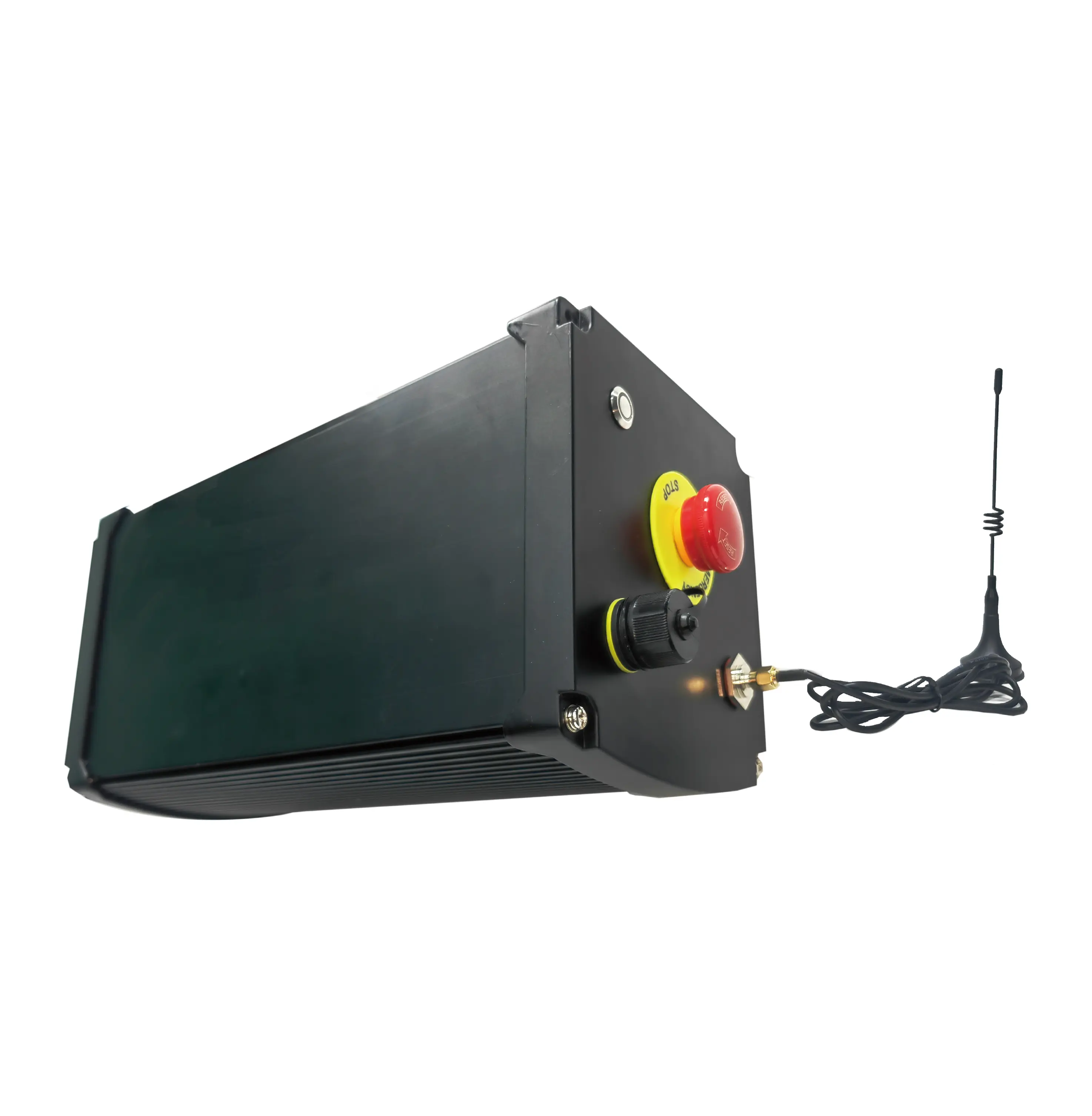
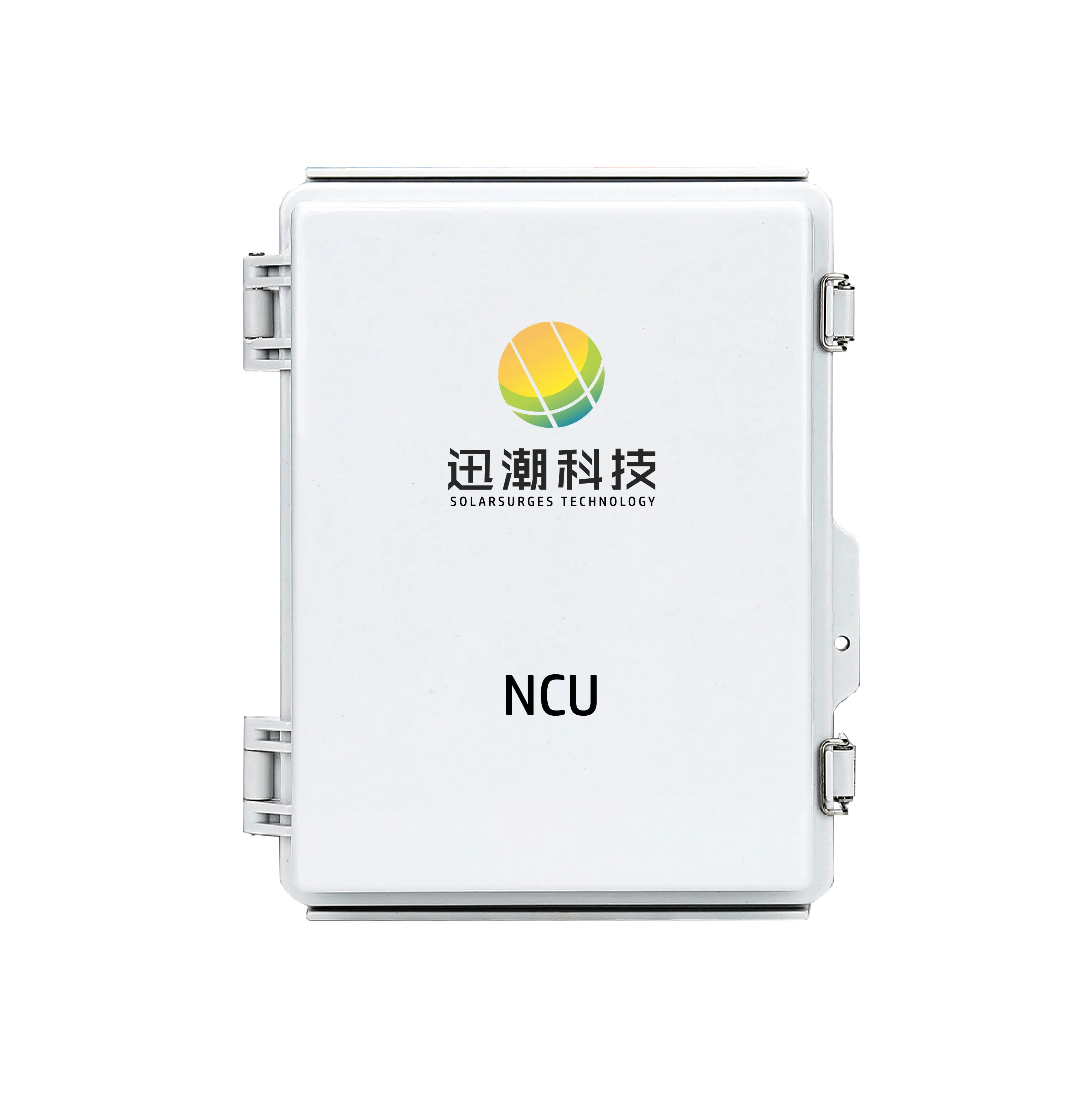
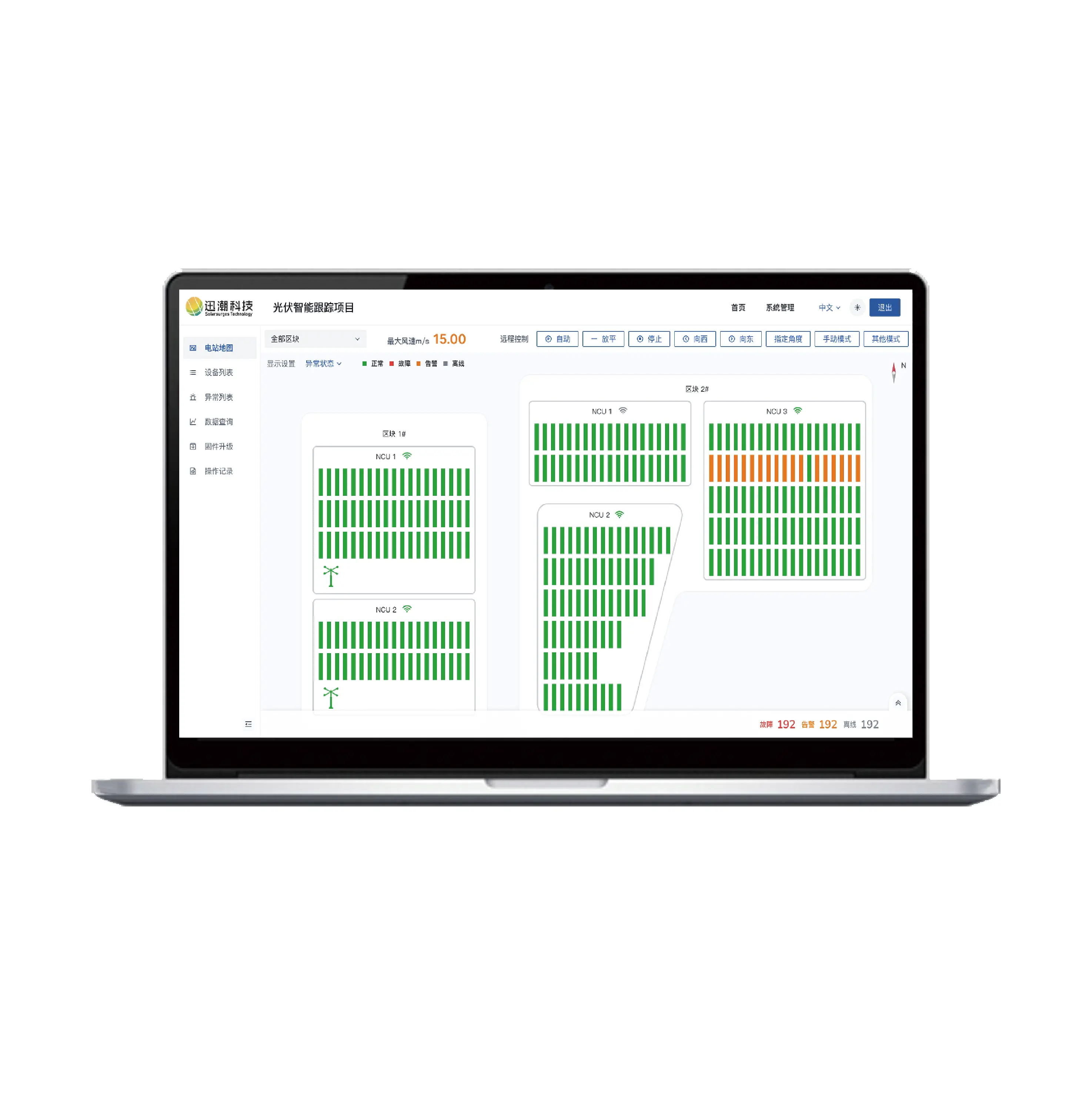
Modern solar tracker systems and their core components—particularly the solar tracker controller, solar TCU (Tracker Control Unit), and solar NCU (Node Control Unit)—are emerging as critical differentiators. Companies equipped with advanced solar SCADA (Supervisory Control and Data Acquisition) systems can optimize tracker performance in real time, reducing LCOE (Levelized Cost of Energy) and creating genuine value that justifies premium pricing. This technological edge becomes the competitive moat in a post-subsidy environment where pure cost competition is no longer viable.
Mid-to-long-term: The PV industry will accelerate "consolidation." Companies with leading technology and overseas production capacity can absorb the impact of rebate cancellation through product premiums and supply chain optimization. Meanwhile, contract manufacturers dependent on rebates for low-price competition, enterprises with severe product homogeneity, and capital-constrained small-to-medium manufacturers may exit the market.
Lianhe Credit Rating analysis indicates that 2026 will transition from "industry-wide losses" to a pattern of "leading players profitable, laggards eliminated." SMEs lacking cost control capability, technological iteration ability, and financial strength will face complete exit. N-type technology becomes the absolute mainstream, and the scaled application of copper-replacing-silver and other technologies will further widen the gap between leading enterprises and smaller players.
Simultaneously, some companies have shifted focus to overseas factory construction to circumvent trade barriers and cost pressures. This represents a deeper transformation: canceling export tax rebates accelerates China's PV enterprises' transition from exporting products to exporting production capacity, technical standards, and services.
In the first two months of 2026, China's PV product export value was $4.29 billion, a 4.1% year-over-year increase—a solid start. Behind this stable beginning lies the proactive expansion of Chinese PV companies into overseas markets. Emerging markets in the Middle East, Latin America, and Africa are becoming core engines of PV capacity growth. Countries like Saudi Arabia, the UAE, Brazil, and South Africa, backed by high electricity demand, superior solar resources, and localized energy transition policy, have become key destinations for Chinese PV overseas layout.
From the international trade perspective, canceling export tax rebates carries another strategic significance. As Europe and the US intensify anti-dumping and countervailing duty investigations against China's new energy products, export tax rebates are easily identified as indirect subsidies. Canceling them strengthens China's defense in international trade disputes and reduces risks of countervailing and anti-dumping measures against the domestic PV industry.
In battery technology routes, P-type battery production lines will be completely phased out; N-type technology becomes the absolute mainstream. The scaled application of copper-replacing-silver and other technologies further widens the gap between leading enterprises and SMEs. BC (Back Contact) technology routes demonstrate stronger profitability. BC technology enterprises represented by Longi Green Energy and Aiko Solar showed significant loss reduction in 2025—Longi Green Energy reduced losses by 25–30% year-over-year, while Aiko Solar achieved a striking 64–77% loss reduction, demonstrating the risk-resistance of differentiated technology routes during industry downturns.
Intelligent tracking systems represent a critical technology battleground. Advanced solar tracker controllers and solar SCADA platforms enable real-time optimization of panel angles, fault detection, and performance monitoring—delivering measurable LCOE improvements that become tangible value propositions in a competitive market. The integration of solar TCU and solar NCU units into unified monitoring ecosystems allows plant operators to maximize energy yield across large-scale installations, directly translating into project economics that justify premium module and system pricing.
Notably, after canceling the "rebate dividend" that supported China's low-price overseas expansion, the saved fiscal funds are expected to be channeled toward supporting technological innovation in frontier fields like perovskite and solid-state batteries, incentivizing development in downstream applications such as advanced energy storage and smart grid technologies. These investments will strengthen China's PV and battery industries' long-term competitive advantages.
Short-term: Cost pressures from rebate cancellation will concentrate in Q2, accelerating industry polarization.
Long-term: As capacity consolidation advances, technological iteration accelerates, and global layout deepens, China's PV industry is steadily moving toward a new stage of high-quality development.
As Lianhe Credit Rating stated in its 2026 PV industry analysis report, with the substantial rebalancing of supply-demand dynamics, the continued deepening of new power system construction, and the profound reshaping of global trade patterns, the PV manufacturing sector will fully enter a high-quality development phase characterized by "industrial clustering, technology-driven growth, and value rationality."
For PV enterprises, 2026 is no longer a year of "eating policy subsidies"—it is the era of testing true capabilities in technology, cost, brand, and globalization. The shift from "subsidy exports" to "value competition" represents not merely a change in policy direction, but an inevitable choice for China's PV industry to pursue high-quality, sustainable development.
- China's PV export tax rebates dropped from 9% to 0% on April 1, 2026, ending 13 years of policy support
- Nine leading PV manufacturers reported combined projected losses exceeding ¥435 billion ($60B) in 2025
- Industry competition is shifting from price-based to value-based, with advanced solar tracker controllers, SCADA systems, and N-type technology as new differentiators
- Global expansion into Middle East, Latin America, and African markets is accelerating as companies pivot from exporting products to exporting production capacity
- P-type battery production lines are being phased out; N-type technology becomes the absolute mainstream in 2026
A solar tracker controller is the electronic brain of a solar tracking system. It processes sensor data (light intensity, position) and drives motors to orient solar panels toward optimal sun angles throughout the day, maximizing energy harvest. Advanced solar tracker controllers integrate with solar SCADA systems for centralized monitoring and performance optimization.
What is the difference between solar TCU and solar NCU?
The Tracker Control Unit (TCU) manages individual solar trackers or small tracker groups, executing angle commands and reporting status. The Node Control Unit (NCU) serves as a local aggregator, collecting data from multiple TCUs and forwarding it to the central solar SCADA system. Together they form the hierarchical control architecture of modern utility-scale PV plants.
What role does solar SCADA play in PV plant operations?
Solar SCADA (Supervisory Control and Data Acquisition) provides real-time monitoring, data logging, alarm management, and remote control capabilities across entire PV installations. It integrates with solar tracker controllers, TCUs, and NCUs to optimize energy yield, enable predictive maintenance, and ensure grid compliance—critical for proving ROI in post-subsidy competitive markets.
Related Solar Tracker Products