English
  中文
中文

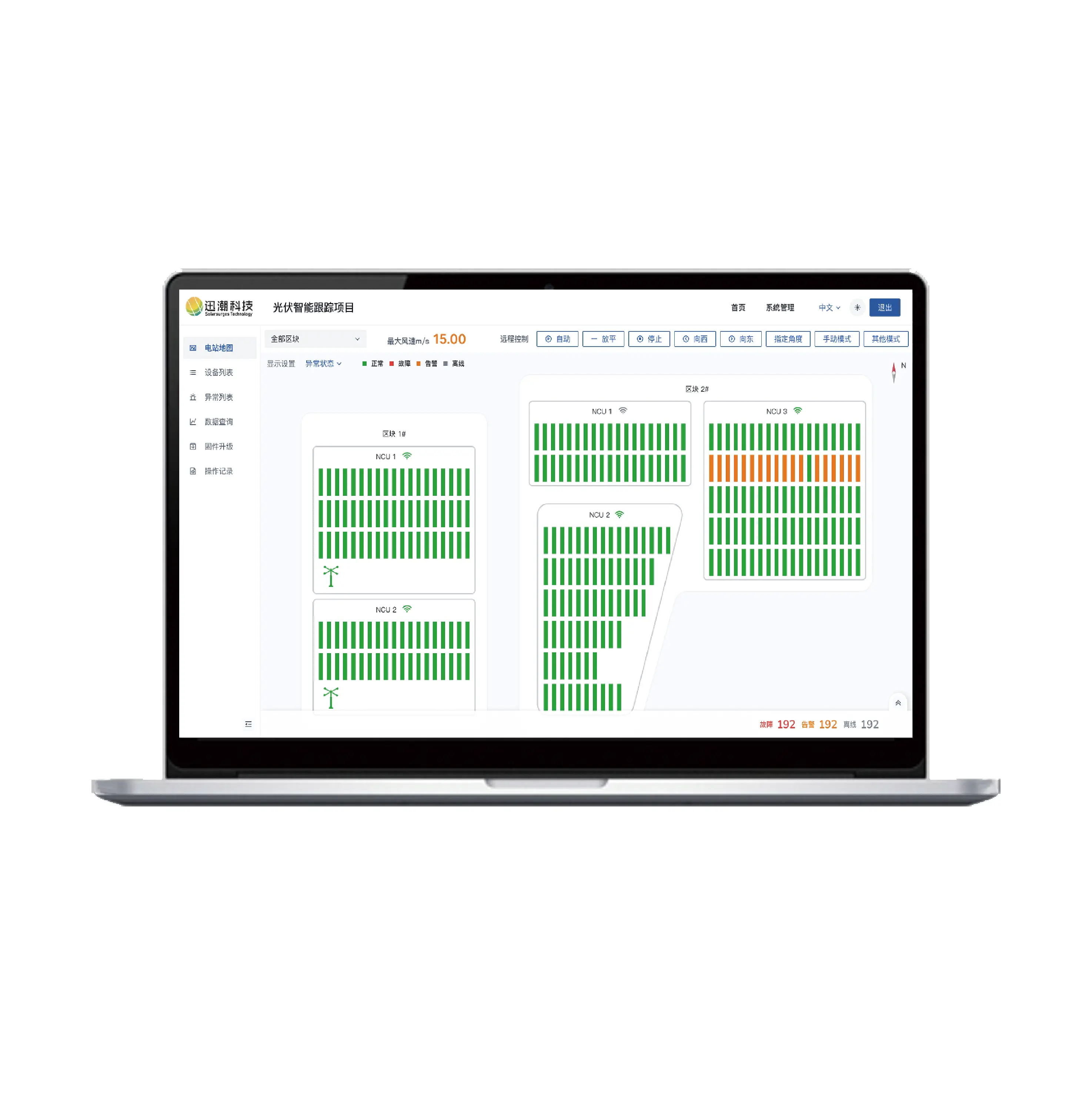

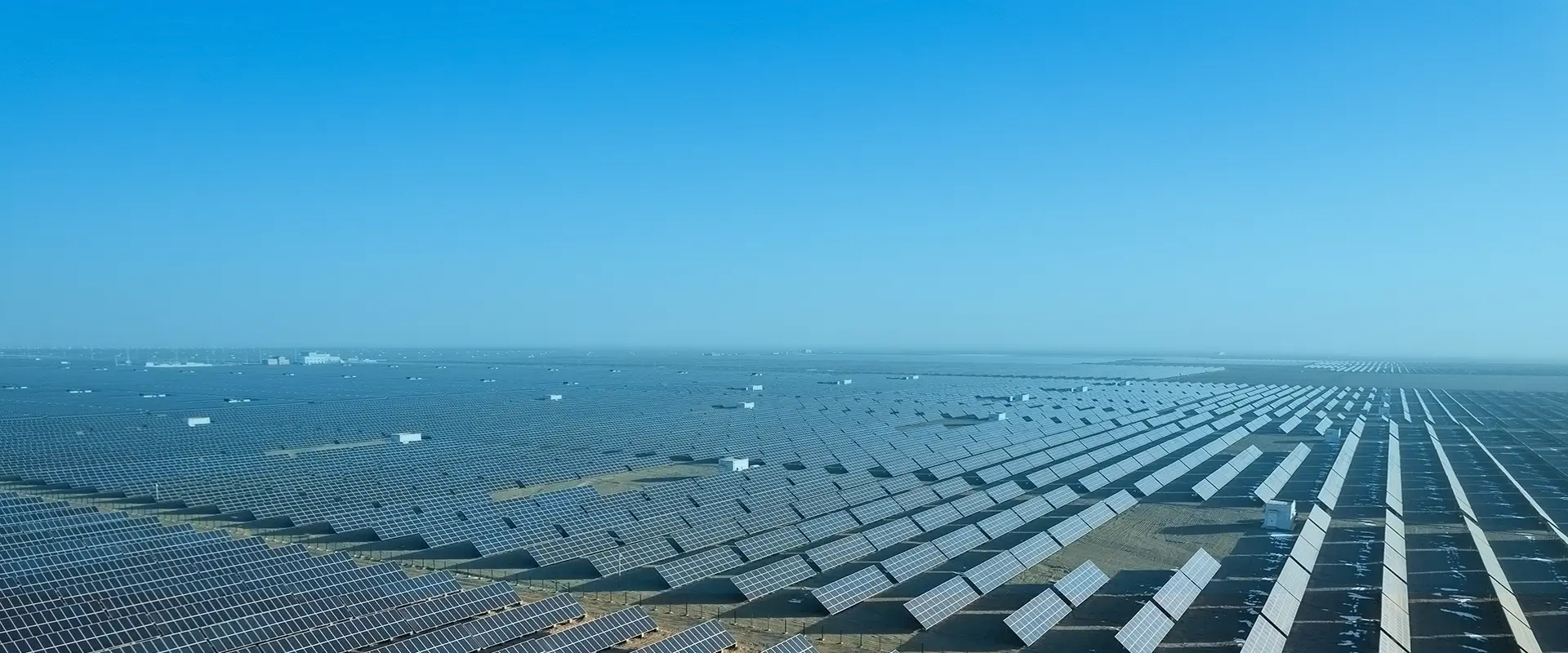
This article draws on data from Euractiv, TaiyangNews, Ember, Pexapark, and SolarPower Europe, current as of May 7, 2026, to map the transition Europe's solar sector is undergoing.
Germany's situation is the most acute. In 2025, Germany logged 573 hours of negative pricing—a 25% rise year-on-year. Germany, France, and the Netherlands collectively curtailed 3.9 TWh of renewable energy. Annual negative-price hours hit new records in all three: Germany 539 hours, France 509 hours, the Netherlands 584 hours. Pexapark data shows Europe exceeded 9,000 total hours of negative pricing in 2025. Markets with the highest renewable penetration—Germany at 6.6%, Spain at 6.3%, Belgium at 5.9%—suffer most. Negative prices have migrated from "rare anomaly" to structural market reality.
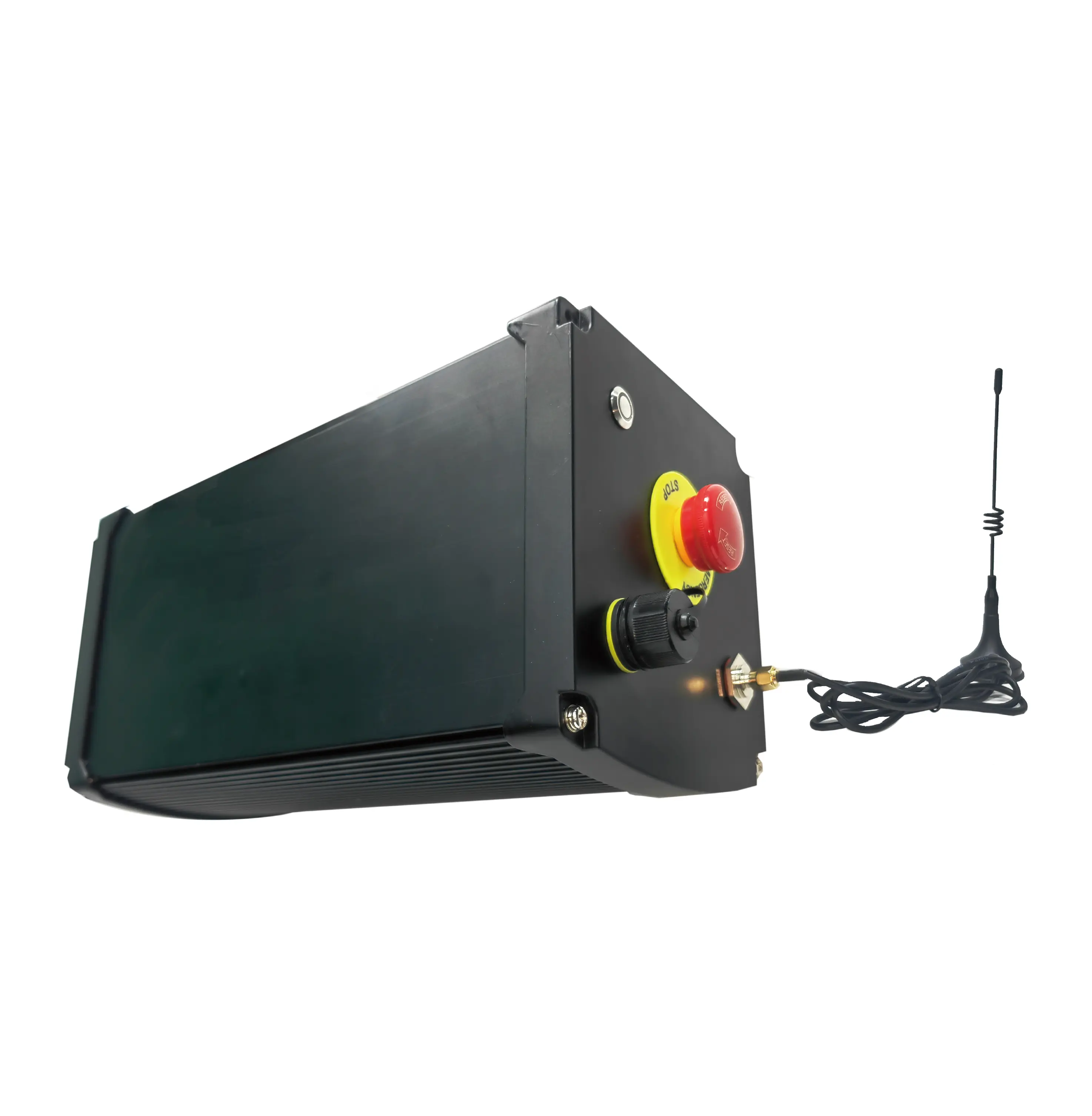
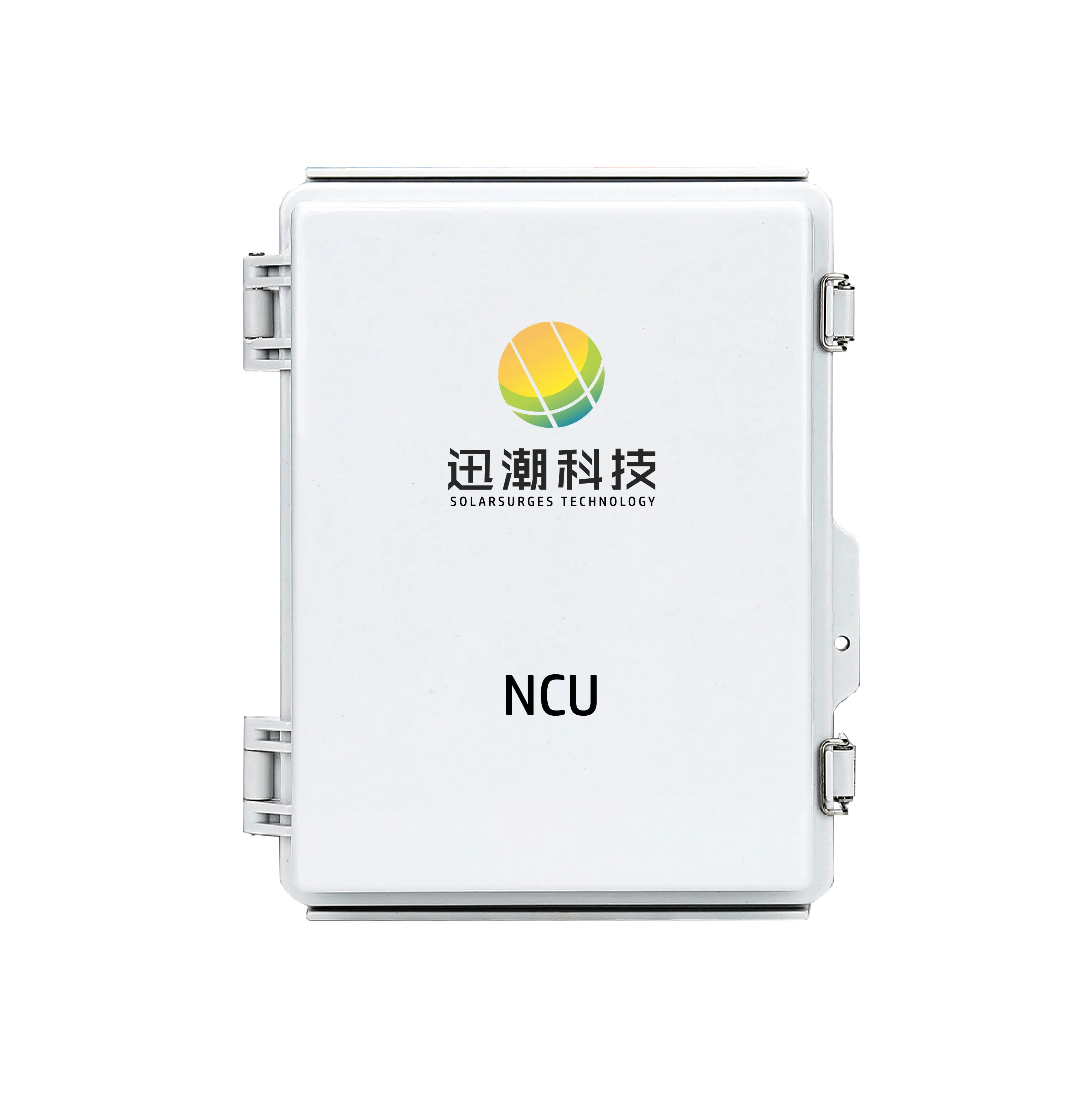
Why does this matter for hardware? Modern solar farms depend on precision control systems to respond to these grid signals. An advanced solar TCU can curtail output on command, while a solar NCU coordinates multiple plant-level responses across a portfolio. Without this intelligence, solar assets remain exposed to price volatility with no adaptive capability.
On the distributed solar side, 6 countries reporting data show that half lack adequate distribution network capacity to absorb small-scale solar growth—over 1.5 million households face delays in rooftop PV grid connection.
In this environment, the difference between a project that connects and one that doesn't increasingly comes down to digital readiness. A solar SCADA platform with real-time monitoring and curtailment signaling is no longer optional. Projects equipped with intelligent solar tracker controllers that can respond to grid dispatch signals—and TCU/NCU systems that communicate those signals to plant-level actuators—stand a far better chance of securing grid access than those running on dumb, fixed-tilt systems.
In 2025, solar power plants in Germany captured just 53% of the benchmark electricity price, down dramatically from nearly 90% just a few years prior. Spain recorded 51%, France 58%. The marginal revenue decreasing effect—where increased generation output drives down selling prices—is increasingly pronounced. Storage co-location is no longer a "nice-to-have"; it is a fundamental requirement for project economics.
This is precisely where modern solar tracker controllers and integrated solar SCADA systems demonstrate their value. By dynamically adjusting panel tilt angles to shift generation timing, a solar tracker controller can align output with higher-value periods, partially offsetting capture rate erosion. Combined with TCU-mediated curtailment responses during oversupply windows, these systems become financial risk-mitigation tools, not merely technical components.
Solar tracker controllers and Solar SCADA platforms play a critical coordinating role in these solar-plus-storage systems, enabling precise dispatch of generation and storage assets to optimize grid injection and maximize asset economics.
Storage deployment is accelerating aggressively. European battery capacity grew 45% in 2025, with utility-scale systems leading. As of early 2026, Europe has approximately 70 GW of storage deployed, with around 97 GW announced or under construction—battery storage accounts for 87% of new additions. Danish company European Energy activated the Nordic region's largest solar-plus-battery integrated park at Kvosted, combining large-scale PV with a 200 MWh battery system. LONGi Green Energy completed Italy's first European integrated storage project, a 50.16 MWh battery system co-located with a 35 MWp solar plant.
The SPE white paper proposes treating storage as a substitute for traditional grid expansion, calling on policymakers to grant households the right to install and connect solar and storage systems for self-generation and storage. This aligns with Ember's analysis—non-wire solutions can unlock up to 185 GW of additional demand capacity without physical grid expansion.
In high-penetration markets such as the Netherlands and Germany, battery energy storage systems are evolving from pure arbitrage tools into multi-revenue platforms providing frequency response, reserve capacity, and other ancillary services. A solar NCU platform managing a co-located storage asset can orchestrate these stacked revenue streams—arbitrage, ancillary services, and capacity contracts—in real time.
In 2026, policy has shifted from encouragement to mandatory enforcement: TSO flexibility assessments are becoming compulsory and quantified, national energy and climate plans embed storage targets as hard requirements, and two-way contracts for difference and capacity mechanisms provide financeable cashflows for storage projects.
The duration of this transition depends on whether electrification rollout, grid investment velocity, and storage deployment can achieve coordinated resonance. As Ember analyst Elisabeth Cremona warns, "Grid bottlenecks are no longer merely technical issues—they are becoming systemic risks at the national security level." Solar's capture rate has fallen to just 53% of benchmark price in Germany. Continuously advancing photovoltaic hardware, intelligent solar tracker controllers, integrated solar TCU and NCU systems, and sophisticated solar SCADA platforms have become essential survival skills for maintaining project economics through this transition.
Europe's power system stands at a crossroads of structural reorganization. For every stakeholder in the solar value chain—from component manufacturers to project developers, from grid operators to investors—the message is clear: the era of "build it and forget it" is over. Intelligence, flexibility, and system-level coordination are now the minimum requirements for participation.
- Negative electricity prices are structural, not cyclical. European markets saw over 9,000 hours of negative pricing in 2025, with Germany, France, and the Netherlands setting new records.
- Grid capacity is the new bottleneck. At least 120 GW of planned renewable projects face delays. Projects with digital readiness—solar SCADA, TCU, NCU—have a structural advantage in securing interconnection.
- Capture rates have collapsed. Solar plants in Germany now capture just 53% of benchmark price; Spain 51%; France 58%.
- Storage is a hard requirement. Europe has ~70 GW of storage deployed and 97 GW in the pipeline. Solar-plus-storage configurations are the new standard for bankable projects.
- Intelligent control is the differentiator. Solar tracker controllers, solar TCU systems, solar NCU platforms, and solar SCADA infrastructure are the technical foundation for navigating a oversupplied, grid-constrained market.
Related Solar Tracker Products