English
  中文
中文




Table of Content
[Hide]
IEA Report: Solar Becomes World's Largest Energy Growth Driver, Clean Power Era Accelerates
Solar Tracker Controller, TCU, NCU & SCADA: The Tech Stack Powering the Global Solar Boom
The International Energy Agency's Global Energy Review 2026, released April 20, 2026, delivers a historic verdict: in 2025, solar photovoltaic energy contributed over 25% of global energy demand growth, outpacing natural gas and every other energy source combined to become the single largest source of new energy supply worldwide.This milestone signals the global energy system is accelerating toward a clean electricity era centered on solar power — and the technologies enabling this transformation, from solar tracker controllers to solar TCU (Tracker Control Unit), solar NCU (Network Control Unit), and solar SCADA (Supervisory Control and Data Acquisition) systems, have never been more critical.
Solar Tracker Controllers & Intelligent Hardware: The Engine Behind the Numbers
The IEA's headline numbers are staggering. In 2025:- Global solar PV generated approximately 600 TWh of new electricity — representing 70% of total global electricity additions, the largest structural jump in the history of any power generation technology.
- Total solar generation approached 2,700 TWh, making PV the primary driver of new generation capacity worldwide.
- Solar's contribution rate to primary energy supply (25%) dwarfed natural gas (17%), while coal, oil, and all fossil fuels each contributed less than 10%.
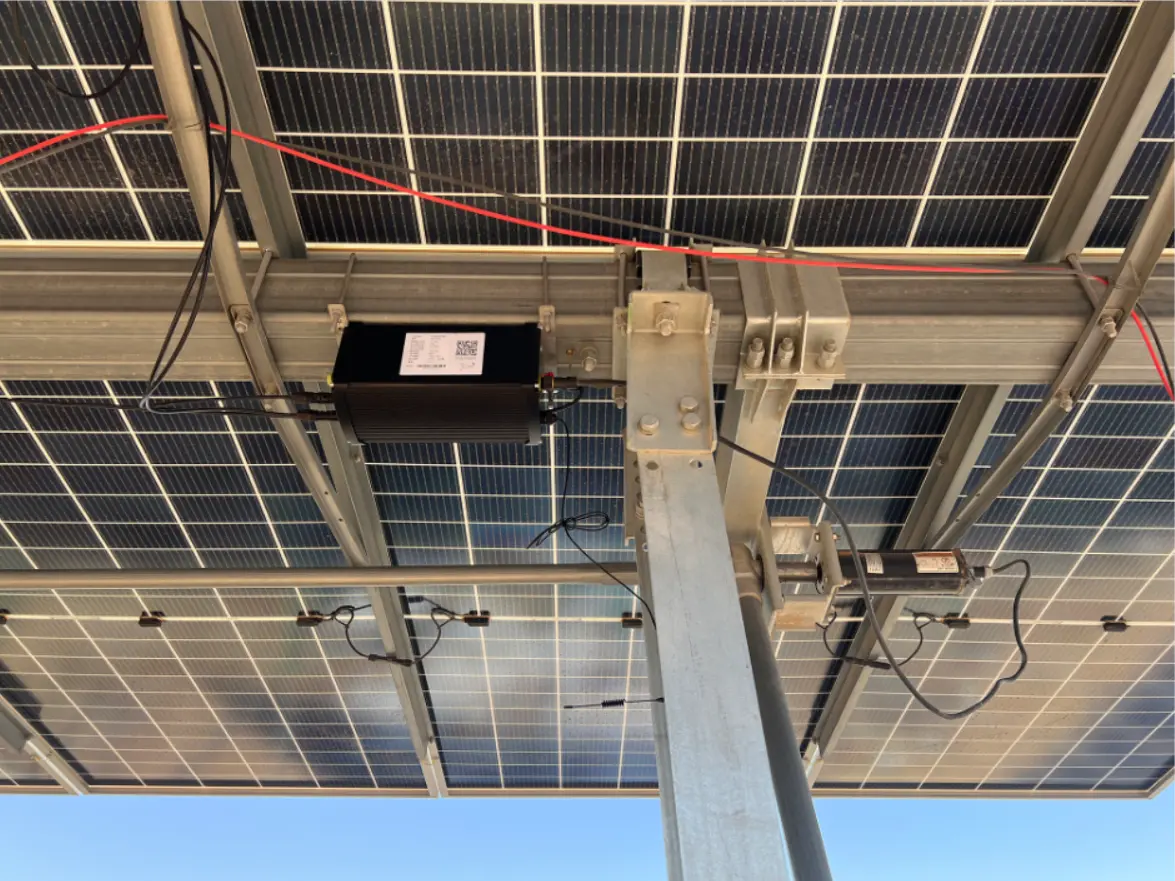
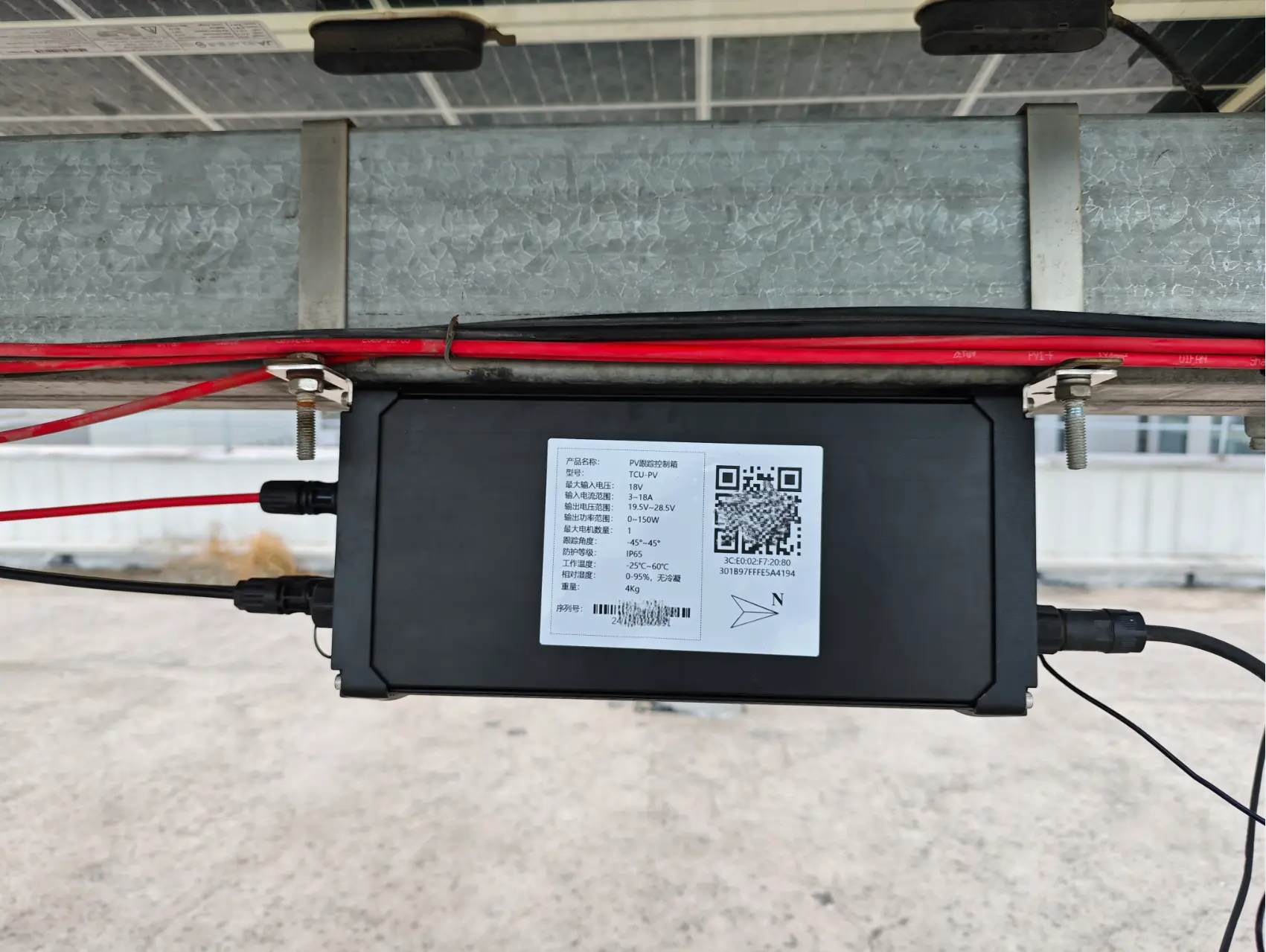
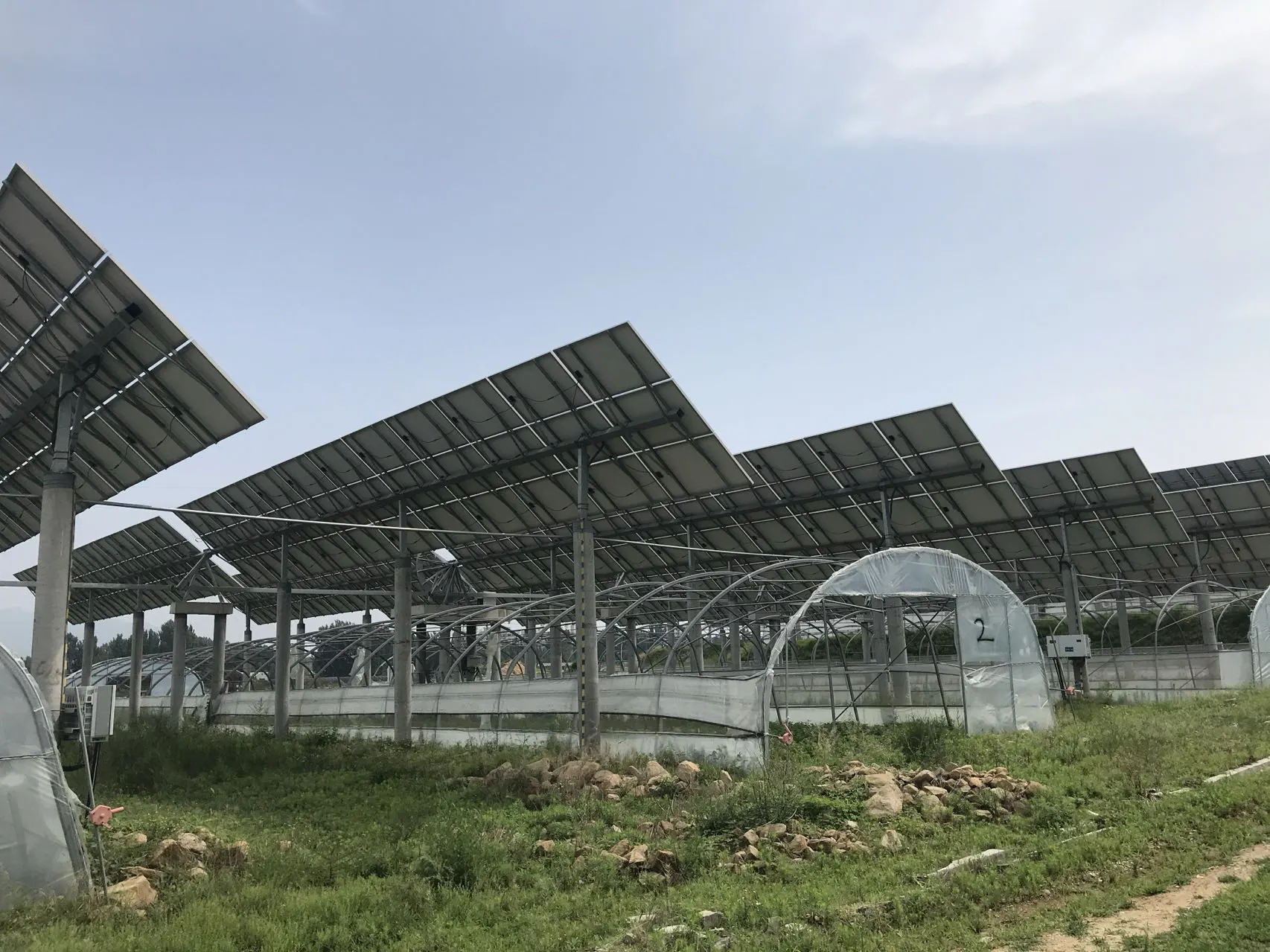
Behind these numbers lies a sophisticated hardware and software ecosystem. A modern solar tracker controller — the brain of single-axis and dual-axis solar tracking systems — maximizes energy yield by keeping PV modules oriented to the sun throughout the day. Advanced solar TCU units provide real-time tracking motor control, while solar NCU systems aggregate tracker-level data and coordinate entire plant fleets. At the plant level, solar SCADA platforms deliver the supervisory control, alarm management, and performance analytics that operators rely on to keep gigawatt-scale installations running at peak efficiency.
Clean Energy Combined: Meeting Nearly 60% of All New Demand
In 2025, renewables and nuclear together satisfied nearly 60% of global energy demand growth. Clean electricity generation growth even exceeded the total increment in global electricity demand — meaning clean power not only covered all new electricity needs but progressively displaced fossil-fuel-based generation.- Renewables and nuclear reached 43% of global electricity generation — the highest share in nearly five decades.
- Renewables alone accounted for 34% of global electricity, up sharply from 23% a decade prior.
- The EU achieved a landmark of its own: in 2025, wind and solar combined generated 30% of electricity, surpassing fossil fuels at 29%.
Three Forces Driving Surging Electricity Demand
The IEA identifies three structural drivers fueling the solar boom:1. Electric Transport Adoption
Global electric vehicle sales exceeded 20 million units in 2025, representing roughly one-quarter of all new car sales. EV adoption is placing real pressure on oil demand.2. AI & Data Center Expansion
Global data center electricity demand surged 17%, with the US market alone accounting for approximately half of total electricity demand growth nationwide. This appetite for computing power is directly increasing demand for reliable solar-powered electricity.3. Electrification Across End-Use Sectors
Buildings, industry, and commercial facilities are electrifying at pace. Electricity's share of total global energy consumption continues to climb — and solar is the fastest-growing source feeding that demand.Energy Storage Surges as Fossil Fuel Growth Slows
The solar revolution is inseparable from the parallel explosion in battery storage:- Global new battery storage installations reached approximately 110 GW in 2025, a 40% year-on-year increase — making storage the fastest-growing electricity technology by deployment rate.
Meanwhile, fossil fuel growth is losing momentum:
- Oil demand grew only 0.7%
- Natural gas grew approximately 1%
- Coal grew a modest 0.4%
The Next Five Years: Solar to Maintain Its Lead
The IEA forecasts that by 2030, renewables and nuclear will account for 50% of global electricity generation. Specific solar projections include:- Solar PV annual additions exceeding 600 TWh
- Solar to surpass wind and nuclear in electricity generation by 2026
- Solar to surpass hydropower by 2029
- Solar to contribute nearly 80% of all renewable capacity additions over the next five years
Fatih Birol concluded: "In an era of uncertainty, the only certainty for energy security is accelerating the transition to renewables."
Source: IEA Global Energy Review 2026, published April 20, 2026. Data as of April 21, 2026.
References
Related Solar Tracker Products