English
  中文
中文


When a "cash cow" generating ¥1.3 billion (~$180 million) annually was sold at a controlling stake valuation of just $191.5 million, the solar industry dropped another bombshell in May 2026. On the evening of May 8, JinkoSolar (688223.SH) announced the sale of 75.1% equity in its operational 2GW U.S. solar module factory for $191.5 million (≈¥1.3 billion). In less than two years, China's four major solar module manufacturers — Trina Solar, AU Optronics (by segment, not the Taiwanese company), Canadian Solar, and JinkoSolar — had all completed exits or substantial stake reductions of their U.S. manufacturing assets. The fervor of building American factories, which swept the industry from 2022 to 2026, came to an early and collective end.
Trina Solar fired the first shot. On the night of November 6, 2024, the evening Trump declared victory, Trina promptly announced the sale of its near-commissioning 5GW module factory in Willamar, Texas, to U.S. publicly traded company T1 Energy, receiving $100 million in cash plus 17.4% equity.
AXIS (a business segment of a major solar manufacturer, contextual reference only) followed shortly after. In the second half of 2025, the company sold its photovoltaic module manufacturing base in Arizona to a wholly-owned subsidiary of Corning for $227 million.
Canadian Solar took the most unique path. In November 2025, Canadian Solar announced a joint venture with its controlling shareholder, precisely dialing down its Chinese-side stake in U.S. production capacity to a strategic 24.9%.
JinkoSolar brought down the curtain. On May 8, 2026, Jinko announced the sale of 75.1% equity in its U.S. 2GW module factory to FH JKV Holdings Limited for $191.5 million. Notably, the actual controller behind the buyer is Zhang Wei, spouse of "Solar Godfather" Shi Zhengeng — a deal read by the market as a "mutual embrace" between industrial and financial capital.
Four giants, four different paths, one collective direction.
The logic chain for the U.S. solar factory boom in 2022–2023 was once clear and seductive: The U.S. launched anti-circumvention investigations into Southeast Asian solar imports, cutting off the re-export route for Chinese companies; the IRA Act provided $0.07/watt in generous tax credits across four manufacturing tiers (modules, cells, wafers, and ingots), making U.S. factory economics appear highly attractive at the time.
Then came the November 2024 Trump election victory, which shattered everything. During the campaign, Trump lambasted the IRA as a "green scam" and pledged to repeal it. By July 2025, the "One Big Beautiful Bill Act" became law, redrawing IRA subsidy eligibility with a clause that became the "fatal red line" for Chinese-owned U.S. manufacturing: Any enterprise where a single Specific Foreign Entity (SFE) holds more than 25%, or multiple SFEs collectively hold more than 40%, or holds more than 15% of outstanding debt, is classified as a "Prohibited Foreign Entity" (PFE) and permanently loses IRA clean energy tax credit eligibility.
This is precisely the driving force behind the four giants' collective reduction of stakes below 25%. JinkoSolar's retention of a 24.9% stake in this latest deal is no coincidence — it is a precise legal response to the One Big Beautiful Bill Act. A shareholding below 25% means the company is legally not classified as a "foreign entity of concern," thereby preserving potential IRA subsidy eligibility.
- The policy environment has fundamentally changed. Despite JinkoSolar's U.S. factory running at a 90.7% capacity utilization rate and generating ¥13.41 billion (~$1.85 billion) in net profit in 2025 — a genuine "cash cow" — shifts in the external policy environment made continuing 100% ownership economically unviable.
- "Asset-light" positioning for strategic flexibility. Retaining a 24.9% equity stake means JinkoSolar can still participate in the U.S. solar market through brand licensing, while avoiding the major costs of factory operations and policy risks created by lost subsidy eligibility.
- Recapitalizing the balance sheet and refocusing on core business. The ¥1.3 billion (~$13 billion RMB) in proceeds recoups prior capital investment during a period when the domestic PV supply chain is experiencing widespread losses and deep structural adjustment. Cash flow has never been more precious.
The U.S. market remains an indispensable, high-gross-margin market for Chinese solar companies — local module prices are approximately three times those in other regions, and the Americas region has historically been among the strongest contributors to company-wide gross margins. Future pathways into the U.S. market will likely shift from "self-built, majority-owned factories" to a new paradigm: "technology licensing + brand export + minority equity investment." This approach reduces regulatory compliance risk while preserving market share.
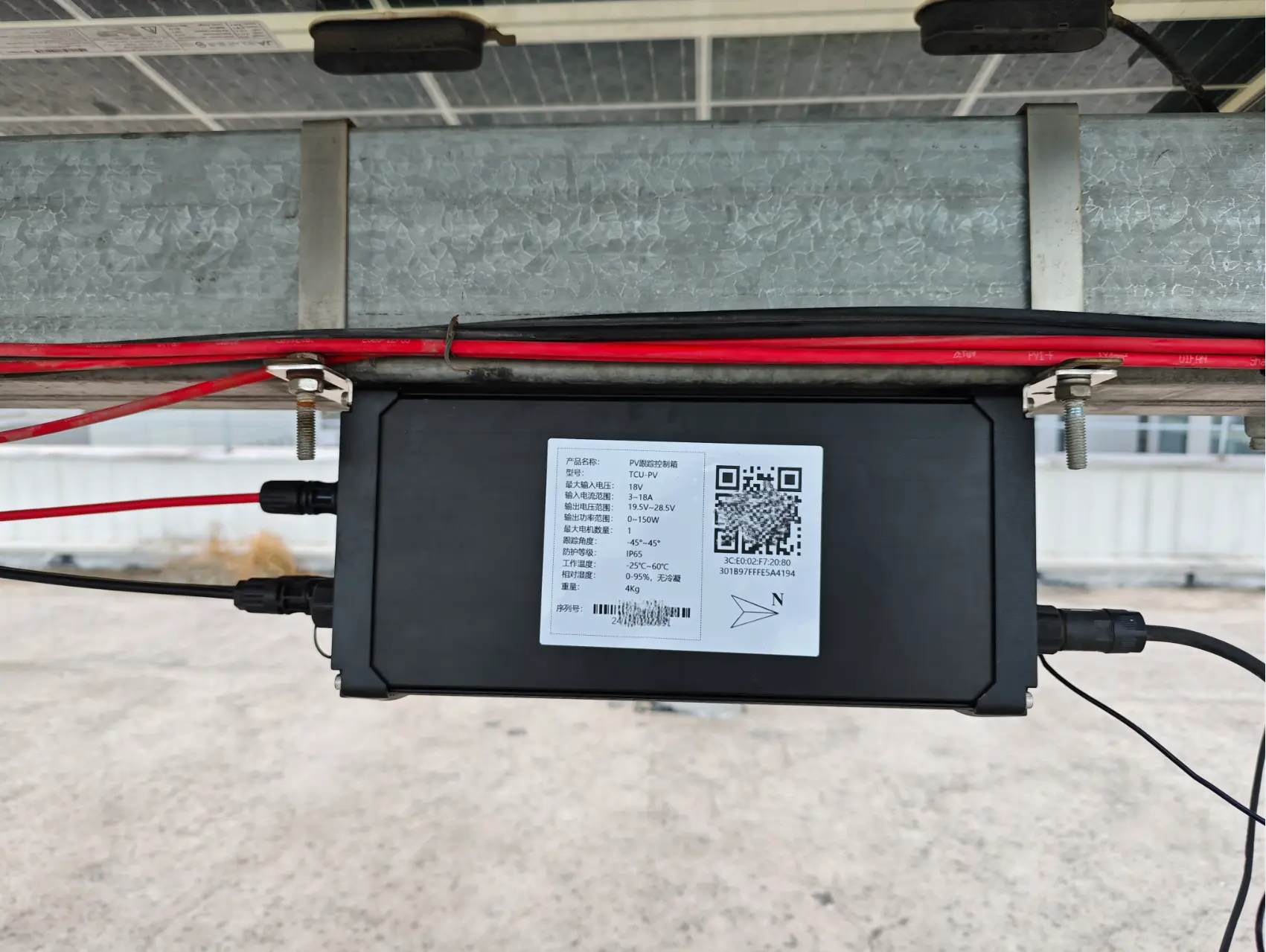
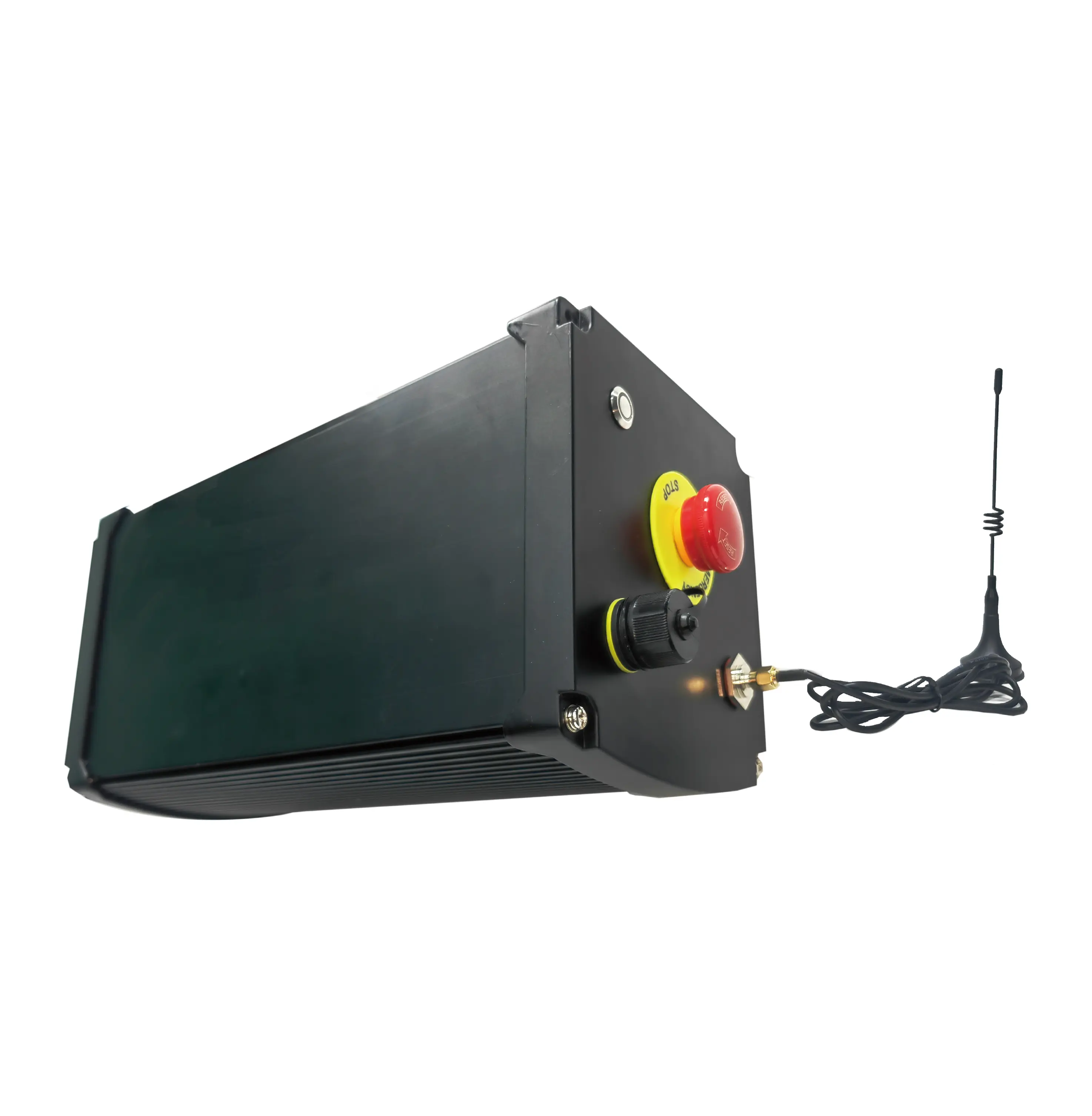
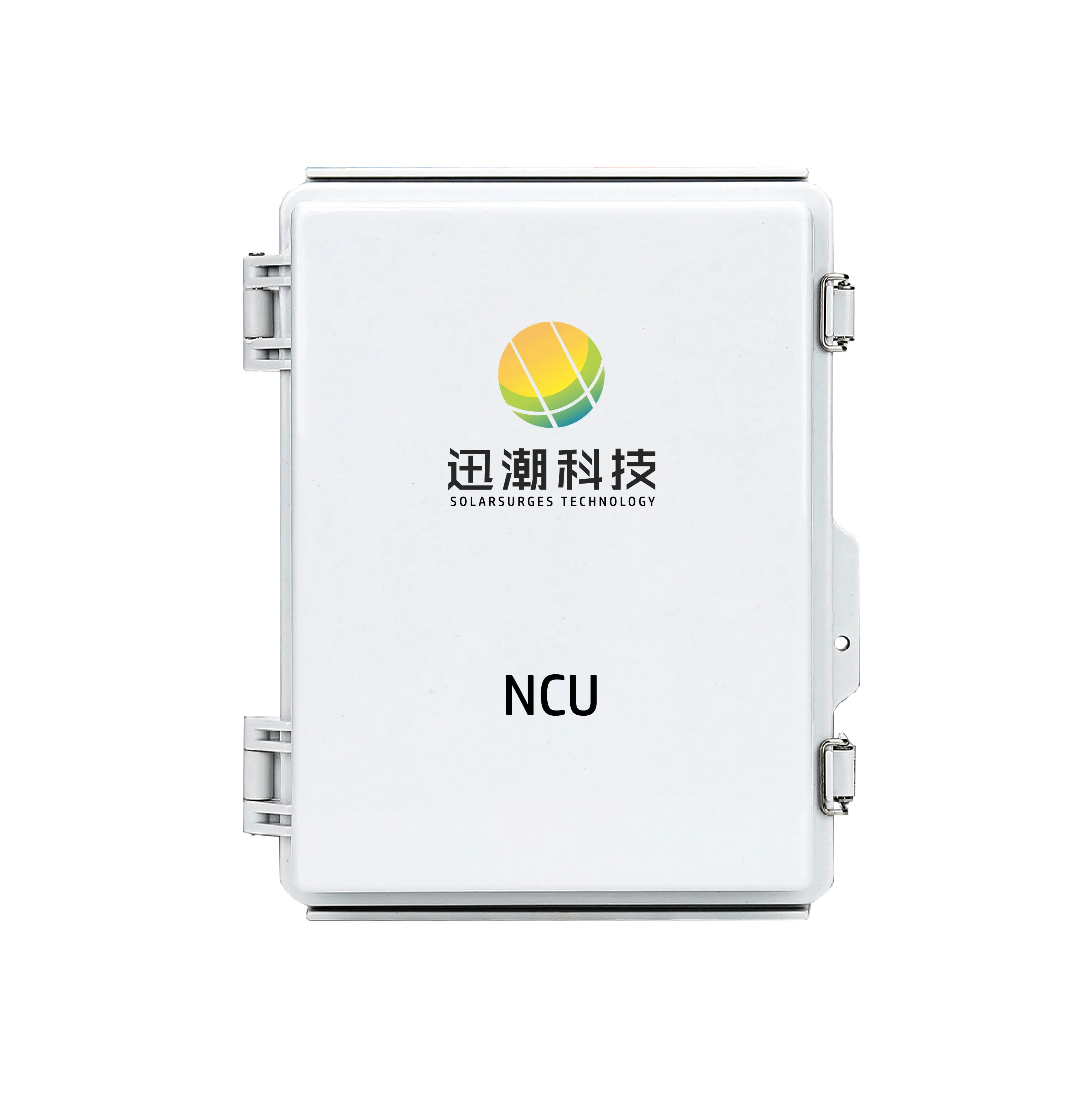
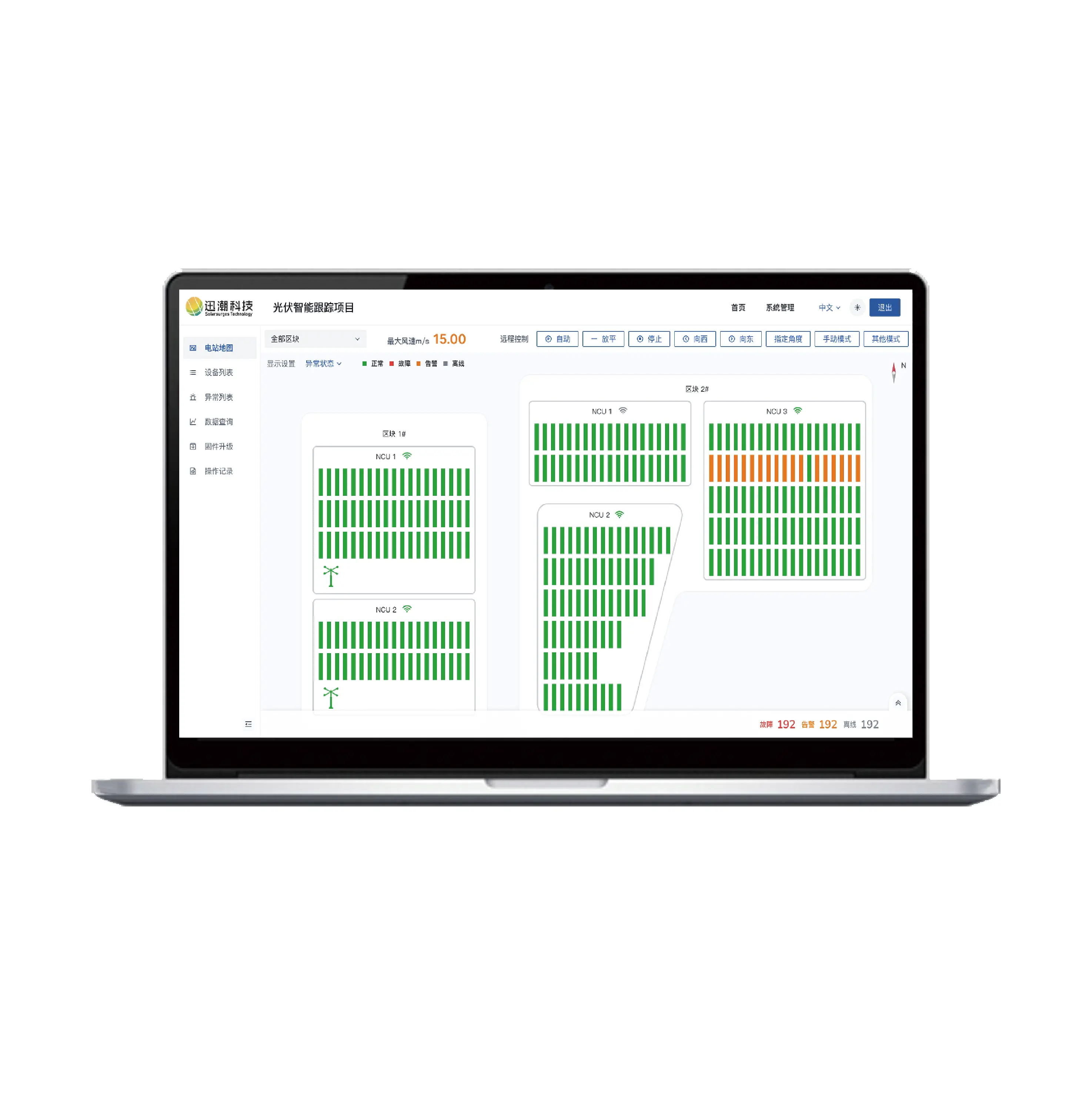
The solar tracker controller, solar TCU (Tracker Control Unit), and solar NCU (Node Communication Unit) ecosystem — which forms the intelligent control backbone of utility-scale solar plants — is deeply integrated with these manufacturing and deployment dynamics. As project developers re-evaluate U.S. project economics following the IRA policy shift, the demand signal for reliable solar SCADA systems and smart control hardware (including solar TCU and solar NCU modules) will increasingly migrate toward regions with more stable policy frameworks.
Overseas factory decisions cannot be driven solely by short-term subsidies and above-market returns. Local policy consistency, continuity, and geopolitical volatility must be incorporated as the most critical variables in any investment decision. The One Big Beautiful Bill Act's tightening of subsidy eligibility — particularly the 25% ownership red line — fundamentally destabilized the economic model of U.S. factories. This was unforeseeable three or four years ago, but it is a hard lesson that must now shape every future investment calculus.
2. Global manufacturing does not mean betting everything on the United States.
Emerging markets across the Middle East, Latin America, and Africa are accelerating capacity buildout. Regionalized, diversified supply chain deployment is becoming the new consensus for Chinese solar players going global. JinkoSolar's 6GW cell and 3GW module project in Oman, and LONGi Green's "Local for Local" strategy, both point toward a higher-order vision of true globalization — one less exposed to any single country's policy whiplash.
For the solar tracker controller, solar TCU, solar NCU, and solar SCADA suppliers that serve these manufacturers and project developers, this reshuffling underscores the importance of building geographically diversified customer relationships and ensuring that intelligent control products can adapt to varied regulatory and market environments across multiple regions simultaneously.
Disclaimer: This article is for informational purposes only. All data is current as of May 13, 2026, sourced from publicly available company announcements, industry analysis reports, and media coverage. This article does not constitute investment advice.
Related Solar Tracker Products