English
  中文
中文

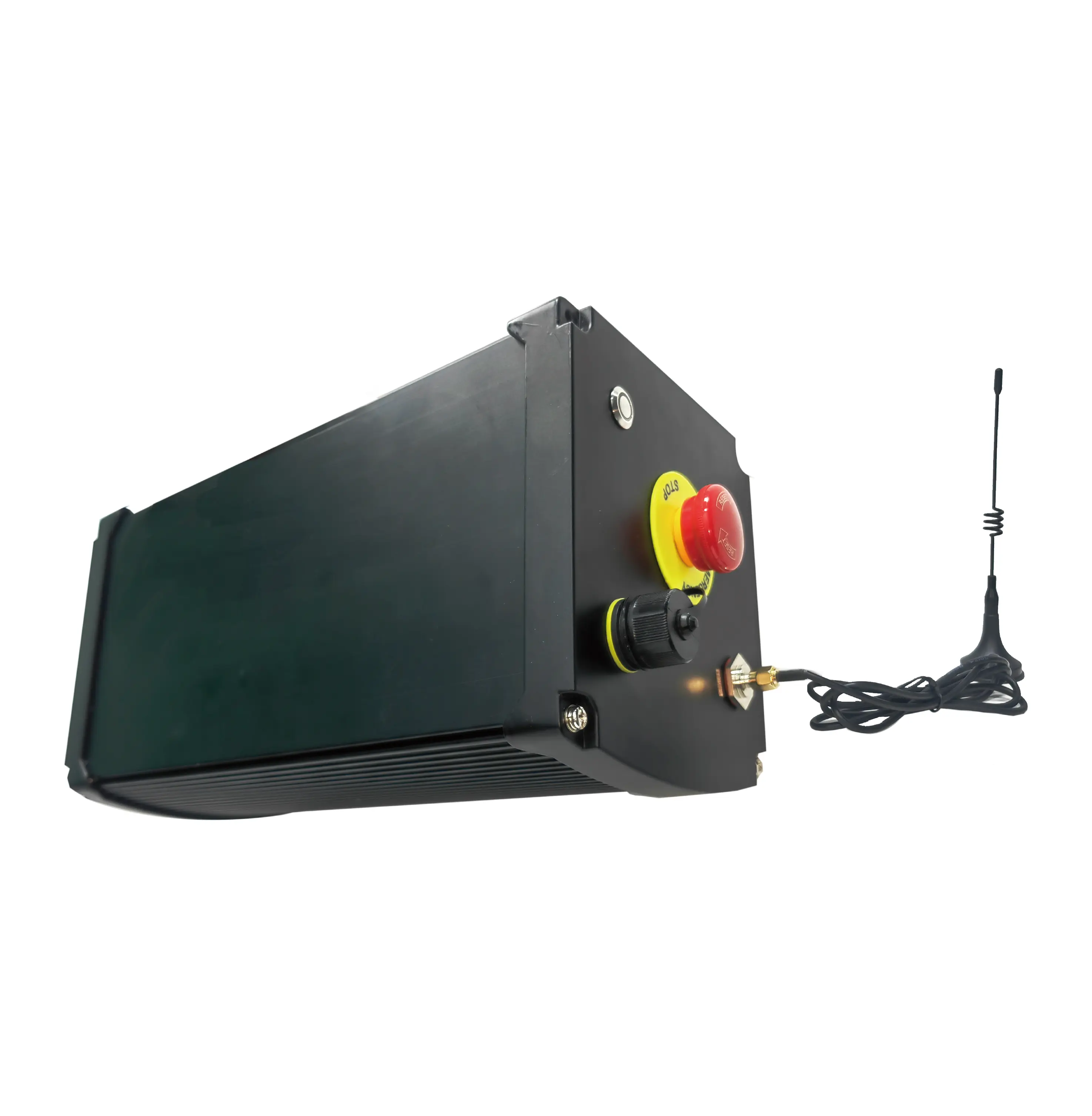

For the first time, growth-type deals eclipsed traditional buyout transactions, signaling that capital is flowing not merely into the acquisition of existing solar and wind assets, but into the technology platforms that power the next generation of renewable infrastructure. At the heart of this technological revolution: the solar tracker controller, the solar TCU (Tracker Control Unit), the solar NCU (Network Control Unit), and the solar SCADA (Supervisory Control and Data Acquisition) ecosystem.
This article breaks down the 2025 clean energy PE landscape, highlights the sectors driving the most capital, and explains what it means for the solar tracking technology supply chain.
In 2025, that model changed decisively. PE growth deals — in which investors take minority stakes and actively participate in a company's expansion strategy — surged to $22.9 billion, a staggering 134% increase year over year. This is the first time growth deals have surpassed buyouts in the clean energy sector.
What changed? The clean energy industry has matured from a pure infrastructure play into a technology-driven growth sector. Investors now see greater value in backing companies that are building the next generation of solar hardware, grid management software, and intelligent control systems — including advanced solar tracker controllers, solar TCU platforms, and integrated solar SCADA solutions — than in simply acquiring finished assets.
- Renewable energy grid integration: As solar and wind penetration increases worldwide, grid infrastructure requires massive upgrades — from transmission reinforcement to advanced load balancing. Intelligent solar SCADA systems and networked solar NCU units are foundational to making this work at scale.
- AI data center power demand: The explosive growth of AI computing is creating unprecedented demand for reliable, clean electricity. Data center operators are not just buying renewable power — they are investing directly in the grid infrastructure that delivers it, including smart solar tracker controller networks that can dynamically optimize power output across distributed installations.
This convergence is creating a new investment category: digital grid infrastructure, where software-defined control of physical solar and storage assets — through solar TCU and solar NCU platforms — becomes a strategic asset.
Advanced solar tracker controller systems go far beyond simple sun-following algorithms. Modern platforms integrate:
- Weather-adaptive tracking algorithms that account for cloud cover, wind speed, and temperature
- Predictive maintenance signals transmitted via solar SCADA dashboards
- Fleet-level coordination through solar NCU units that network multiple tracker controllers across large installations
- Grid-forming capabilities that allow solar farms to respond dynamically to grid frequency signals
PE investors are increasingly recognizing that the intelligence embedded in the solar tracker controller — not just the physical steel and panels — determines long-term project returns. This insight is driving capital toward companies that develop next-generation tracker control software and the associated solar TCU hardware ecosystem.
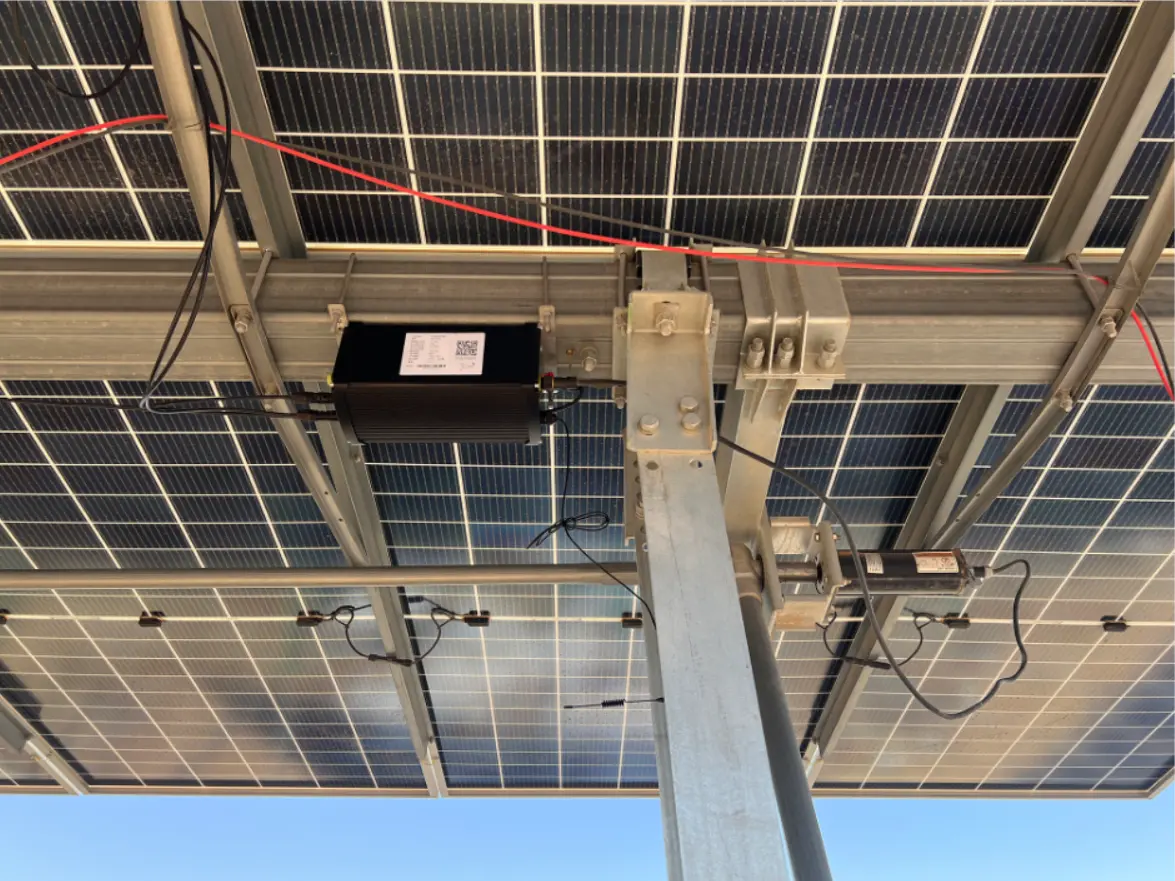
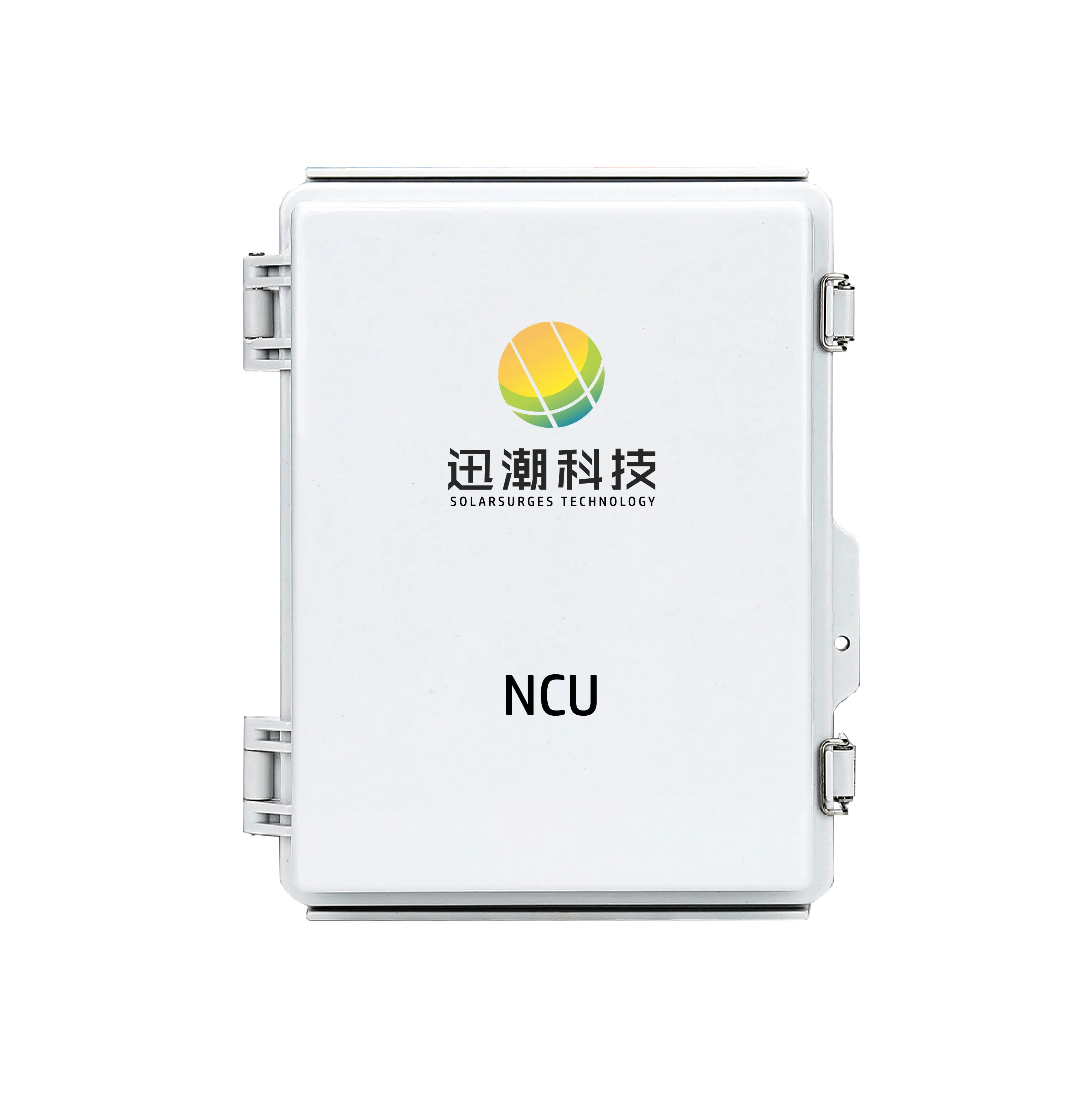
- The solar TCU is the local controller — typically one per tracker row — that executes tracking algorithms, monitors actuator health, and communicates with upstream systems.
- The solar NCU serves as the aggregation layer, sitting between individual TCUs and the central solar SCADA system, handling data concentration, local decision-making, and fault isolation.
India, in particular, has emerged as a hotspot for this type of investment. The Indian government plans to scale renewable capacity from 73 GW to 450 GW, and PE investors are pouring capital into local companies building the solar TCU, solar NCU, and solar SCADA infrastructure to support that expansion.
In Asia, China, India, and Thailand collectively drove 44% of global clean energy M&A volume. India's policy liberalization has made it the most active market in the region, with international PE funds competing for platform-scale acquisitions. The country's push toward 450 GW of renewable capacity is creating substantial demand for solar TCU and solar SCADA systems from domestic and international suppliers alike.
According to Mercom Capital Group CEO Raj Prabhu, despite headwinds from policy uncertainty, trade tariffs, and elevated interest rates, the solar sector demonstrated remarkable resilience, with deal volume reaching multi-year highs and M&A activity in project and corporate transactions remaining robust.
For solar tracker controller and solar TCU companies, this financing environment presents a clear opportunity: investors are actively seeking the software and control intelligence layer of the solar value chain, not just the panels and racking systems.
Looking ahead to 2026, three factors suggest sustained PE activity in the solar sector:
- Battery storage technology reaching commercial maturity: Lithium-ion storage at grid scale is crossing the cost-efficiency threshold, making solar-plus-storage projects far more bankable. Intelligent solar SCADA systems that can optimize hybrid solar-storage dispatch are a natural beneficiary.
- Policy environment stabilizing: As the initial uncertainty around US clean energy policy resolves, institutional capital is expected to return with renewed conviction.
- AI-driven electricity demand never going backward: Data center power demand is a structural, not cyclical, driver — meaning the grid upgrade investment theme has a long runway.
For companies operating in the solar tracker controller, solar TCU, solar NCU, and solar SCADA space, 2026 promises an even more active capital market than 2025.
A solar tracker controller is no longer just a mechanical device. It is a data-generating, grid-interacting, AI-ready platform that determines how efficiently a solar asset performs over its 25-year operating life. The solar TCU is the edge computing node that makes real-time optimization possible. The solar NCU is the network orchestrator that coordinates thousands of trackers across a utility-scale plant. The solar SCADA system is the command center that gives operators visibility and control across the entire fleet.
PE investors understand this. The capital is flowing accordingly.
The solar TCU (Tracker Control Unit) is the local controller assigned to each tracker row, executing tracking algorithms and monitoring actuator status. The solar NCU (Network Control Unit) sits above the TCUs, aggregating data from multiple trackers, performing local data processing, and forwarding standardized data to the central solar SCADA system. The two work together to enable fleet-level intelligent management of large solar plants.
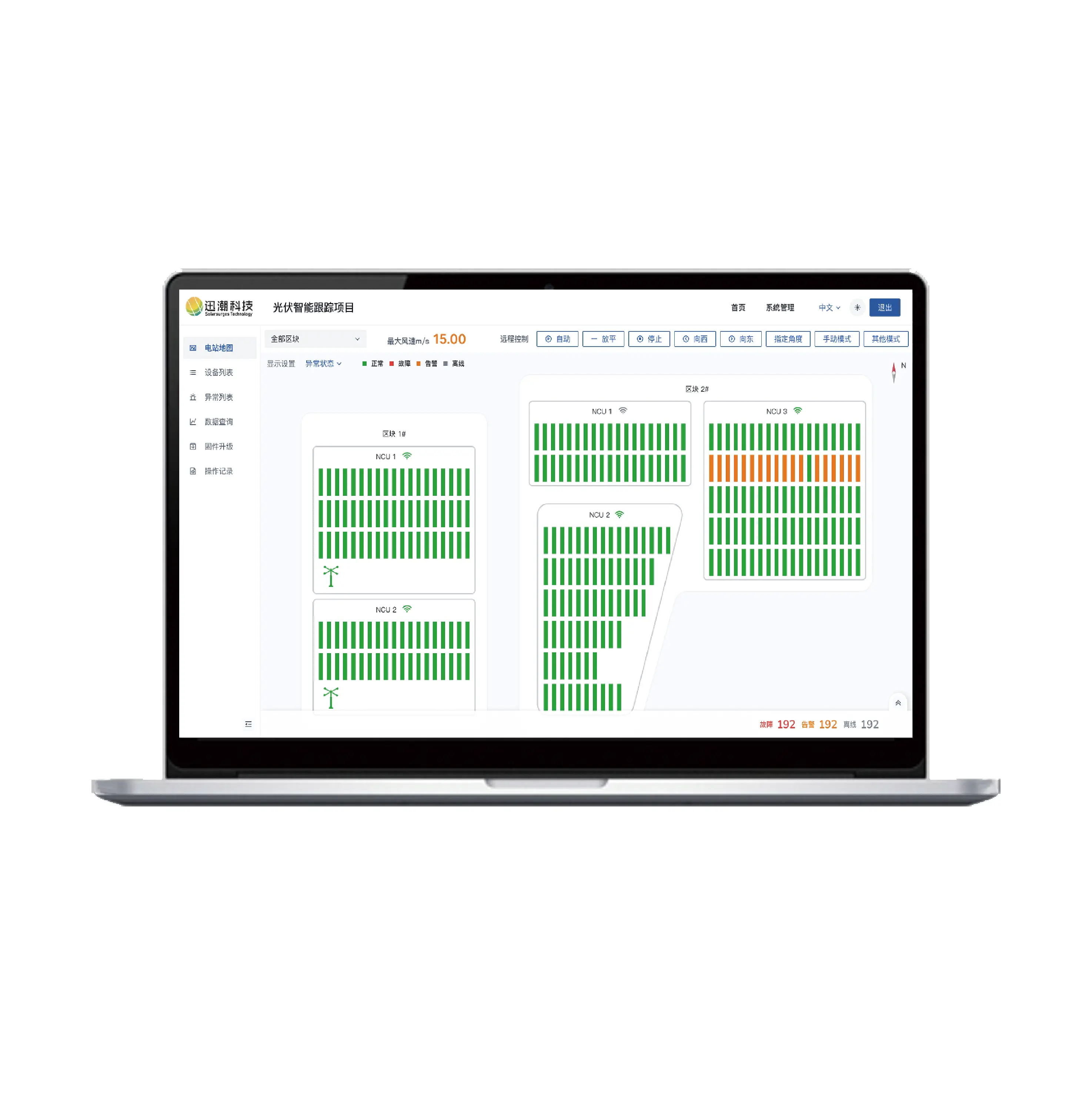
Solar SCADA (Supervisory Control and Data Acquisition) is the central management platform for utility-scale solar installations. It collects operational data from all solar TCU and solar NCU units across the site, provides operators with real-time dashboards, enables remote control of tracker positions and inverter setpoints, and supports grid interaction functions such as frequency response and power curtailment. Advanced solar SCADA platforms integrate with AI-driven solar tracker controller systems to optimize energy yield in real time.
Growth deals allow PE investors to participate in the equity upside of high-growth companies building next-generation technology platforms — such as advanced solar tracker controller manufacturers, solar TCU developers, and solar SCADA software companies. Buyouts, by contrast, generate returns primarily through operational improvements and leverage. As the clean energy sector matures, growth-stage companies with proprietary technology and scalable business models are offering more attractive risk-adjusted returns.
North America leads globally, accounting for 43.8% of clean energy VC deal value in 2025 — its highest share since 2019. The US, China, and Europe together account for approximately 80% of global clean energy PE activity. India has emerged as the most active emerging market, driven by a policy-driven capacity expansion roadmap from 73 GW to 450 GW.
The solar TCU, solar NCU, and solar SCADA stack is emerging as the intellectual property layer of the utility-scale solar industry — the system of systems that determines energy yield, enables grid services, and unlocks new revenue streams from data monetization and AI-driven optimization.
For investors, developers, and technology providers alike, understanding this shift is not optional. It is the foundation of every strategic decision in the solar sector for the years ahead.
Related Solar Tracker Products