English
  中文
中文

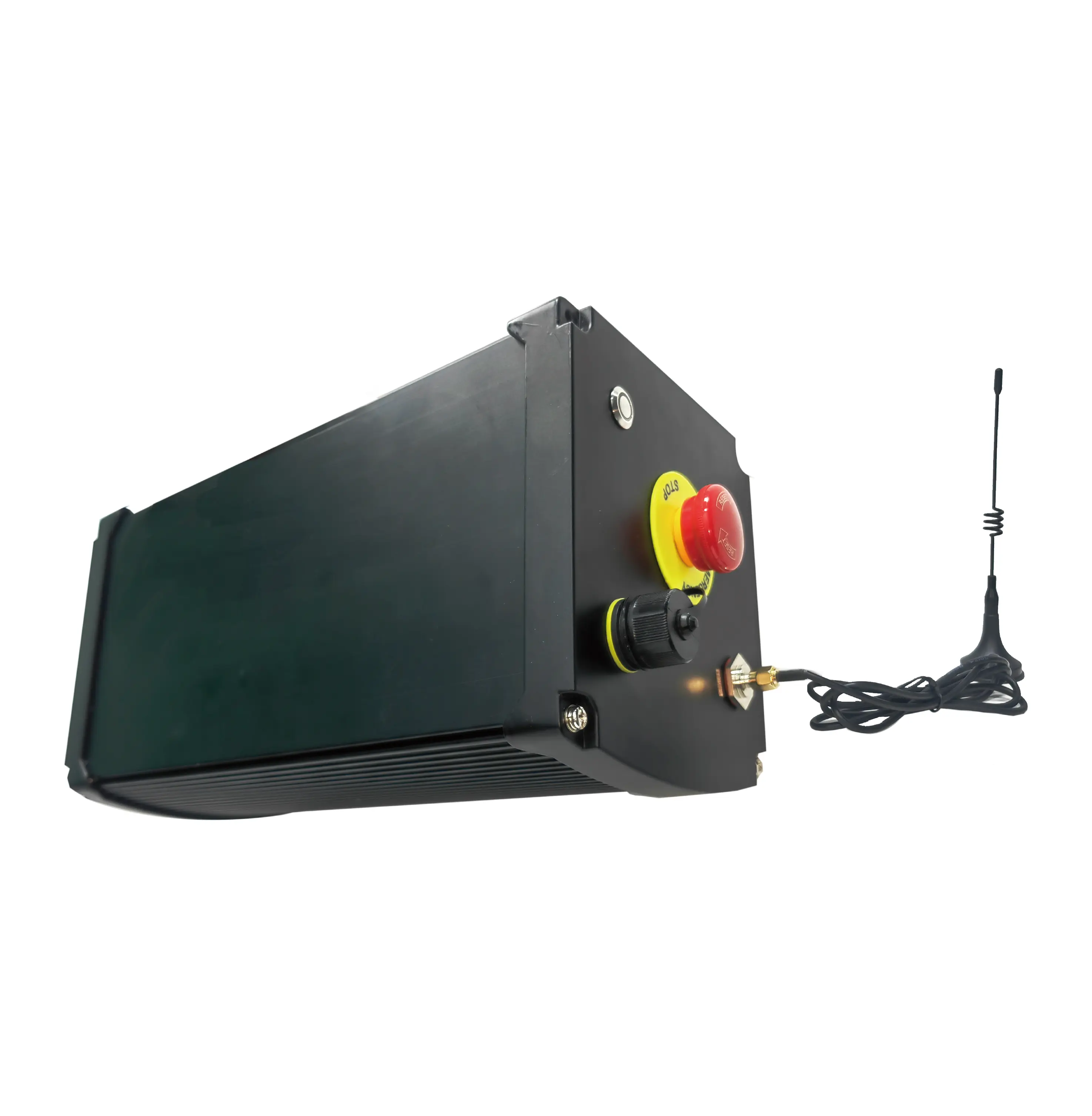
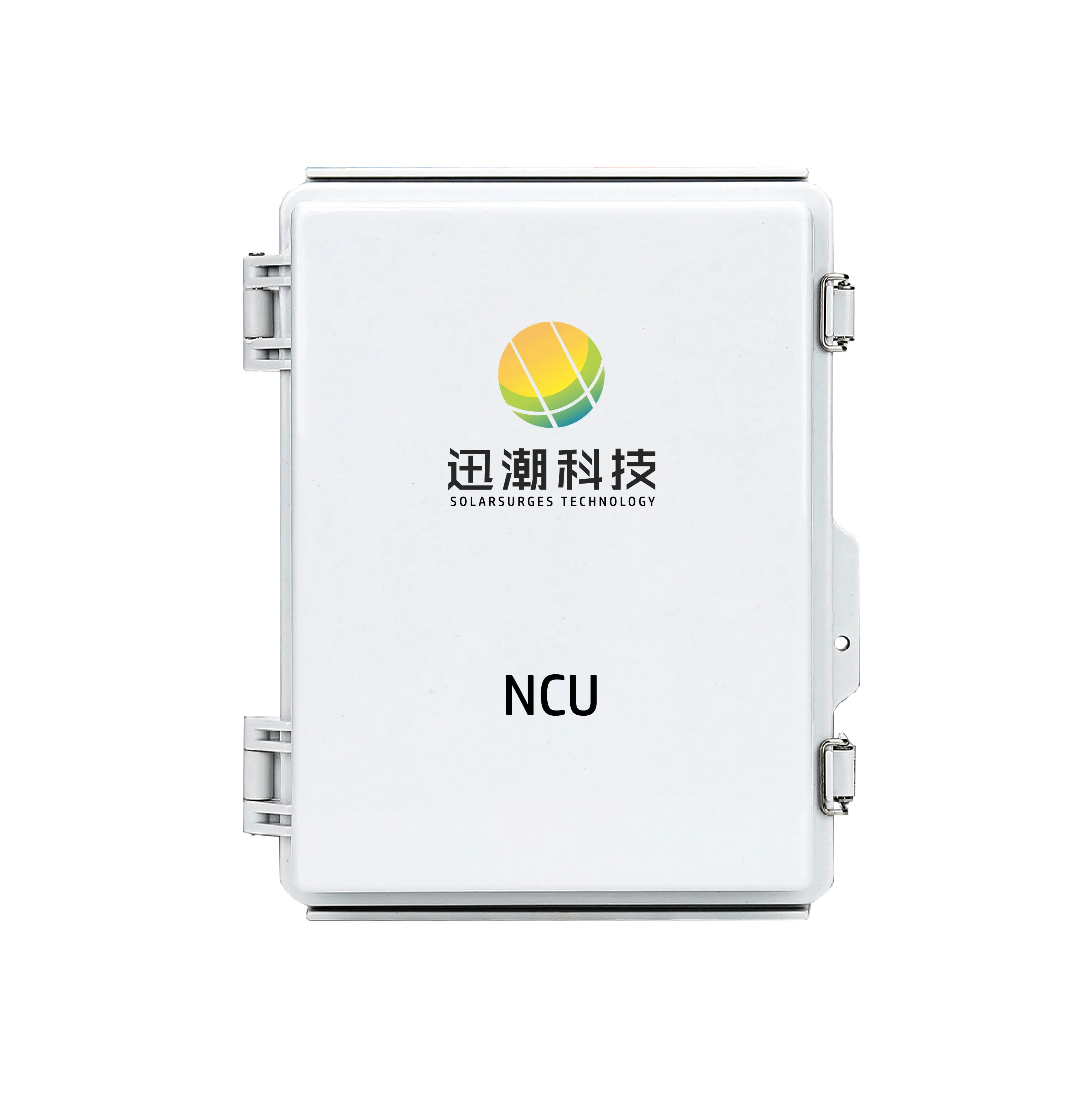
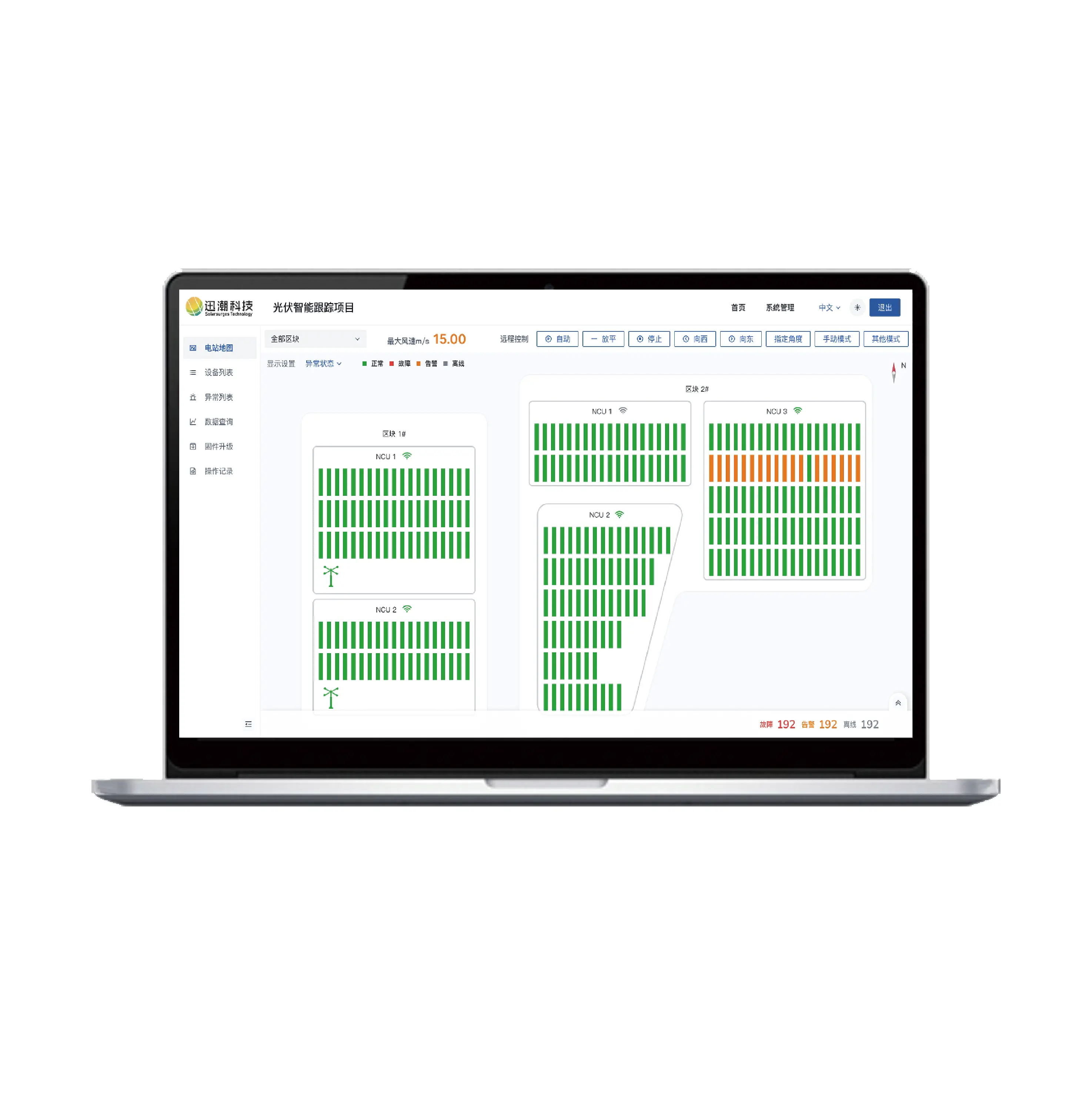

Table of Content
[Hide]
China Solar Cell Exports Surge 60% in April — Overseas Demand Defies All Expectations
China Solar Cell Exports Surge 60% in April, Overseas Demand Defies All Expectations
Against a backdrop of escalating global trade barriers and the complete elimination of export tax rebates, China's photovoltaic export business has delivered a surprise that outperformed market expectations. According to the latest data released by China's General Administration of Customs on May 18, China's solar cell exports surged 60% year-over-year in April 2026, reaching $3.12 billion — far exceeding prior market forecasts. March exports had risen 80% year-on-year, partly driven by a rush of enterprises front-loading shipments before the April 1 elimination of export tax rebates. Most notably, overseas demand did not noticeably cool after export rebates were formally canceled, once again validating the irreplaceable position of Chinese solar products within the global clean energy supply chain.
I. Full Data Picture: The Structural Support Behind the 60% Growth
According to the latest statistics published by China's General Administration of Customs on May 18, April solar cell shipments rose 60% year-over-year, following an 80% year-on-year increase in March — partly attributable to companies front-loading shipments ahead of the April 1 export rebate cutoff. Reuters, citing customs data on May 18, reported that China's April solar cell exports reached 1.34 billion units, valued at $3.12 billion.
The cancellation of export tax rebates did not deter overseas buyers. Data shows April solar cell export values reached $3.12 billion, a robust 60% year-on-year increase that surprised the market. Given the continuous advancement of photovoltaic technology and steadily improving power generation efficiency per unit area, the actual growth in energy output terms may be understated. In the first four months of this year, China's cumulative solar cell export volume grew 43% year-on-year, with expansionary momentum sustained throughout spring.
In terms of export destination, this round of growth was primarily driven by demand from Southeast Asia and Africa. Customs data shows that Southeast Asia's March imports soared 267% year-on-year to $673 million; Africa surged 238% to $438 million. These two regional markets have become the core growth engines for China's photovoltaic export business.
II. The Source of Resilience: A "Dual-Factor" Game of Rebate Cancellation and Geopolitical Conflict
The outperformance of April export data is not an isolated short-term fluctuation but rather the result of overlapping and compounding forces from the pivot in export rebate policy and geopolitical shocks.
On one hand, there is the formal exit of export tax rebate policy. According to a joint announcement by the Ministry of Finance and the State Taxation Administration, starting April 1, 2026, VAT export tax rebates for photovoltaic modules and related products will be fully eliminated. Battery-category products saw their rebate rates reduced first from 9% to 6%, with complete cancellation slated for January 2027. Over the preceding more than a decade, export tax rebates had served as an invisible competitive advantage sustaining the price competitiveness of Chinese PV products in international markets. This cancellation is widely viewed as a watershed moment for the industry to move beyond policy dependency and toward market-based competition.
Wanlian Securities investment advisor Qu Fang noted in an interview that the cancellation of export tax rebates will accelerate industry differentiation and deepen the PV sector's "anti-involution" effort. Wang Bohua, advisor to the China Photovoltaic Industry Association, also pointed out that rebate cancellation is a necessary path for the PV industry to mature. In the short term, it will bring cost pressure, but in the long term, it will optimize the industry's competitive landscape and enhance global competitiveness. After more than a month of market testing, overseas buyers have gradually adapted to post-rebate price adjustments, and their willingness to source Chinese PV products has not experienced a cliff-like decline.
On the other hand, geopolitical conflicts have catalyzed energy security anxieties. Since the escalation of Middle East tensions in late February, concerns over energy supply disruptions stemming from disrupted shipping through the Strait of Hormuz have continuously elevated global demand for Chinese clean energy products. Analysts pointed out that amid concerns over energy supply disruptions caused by the Iran conflict, global demand for China's green energy products has further heated up. The dramatic volatility in oil and gas prices triggered by the conflict has led more countries and regions to view solar energy as a strategic choice for hedging energy security risks.
Against this backdrop, a sophisticated solar monitoring system becomes essential for project developers and investors managing solar assets across high-growth markets. Remote performance tracking and real-time yield optimization across geographically distributed installations — enabled by integrated solar scada platforms — provide the operational visibility needed to maximize returns as global solar deployments scale rapidly.
III. Regional Landscape: Southeast Asia and Africa Lead, European Market Structurally Rebounds
Across the global demand map, the driving forces in different regions show notable divergence. Southeast Asia and Africa are the two fastest-growing regions for China's PV exports. Customs data shows Southeast Asia's March import value surged 267% year-on-year to $673 million; Africa's March import value grew 238% to $438 million.
In Africa, the Democratic Republic of Congo is one of the most rapidly expanding markets. As one of the countries with the lowest electricity access rates globally, the DRC's PV imports soared from 1,352 metric tons in March 2025 to 21,370 metric tons in March 2026, worth $62.73 million. The number of local resellers has grown from 80 in 2022 to over 1,000, with customers from neighboring countries even crossing the border into the DRC to purchase PV modules for project execution. In Southeast Asia, the Philippines has positioned accelerated PV installation as a core pillar of its energy strategy, with March imports growing nearly threefold year-on-year to 109,500 metric tons, worth $228 million.
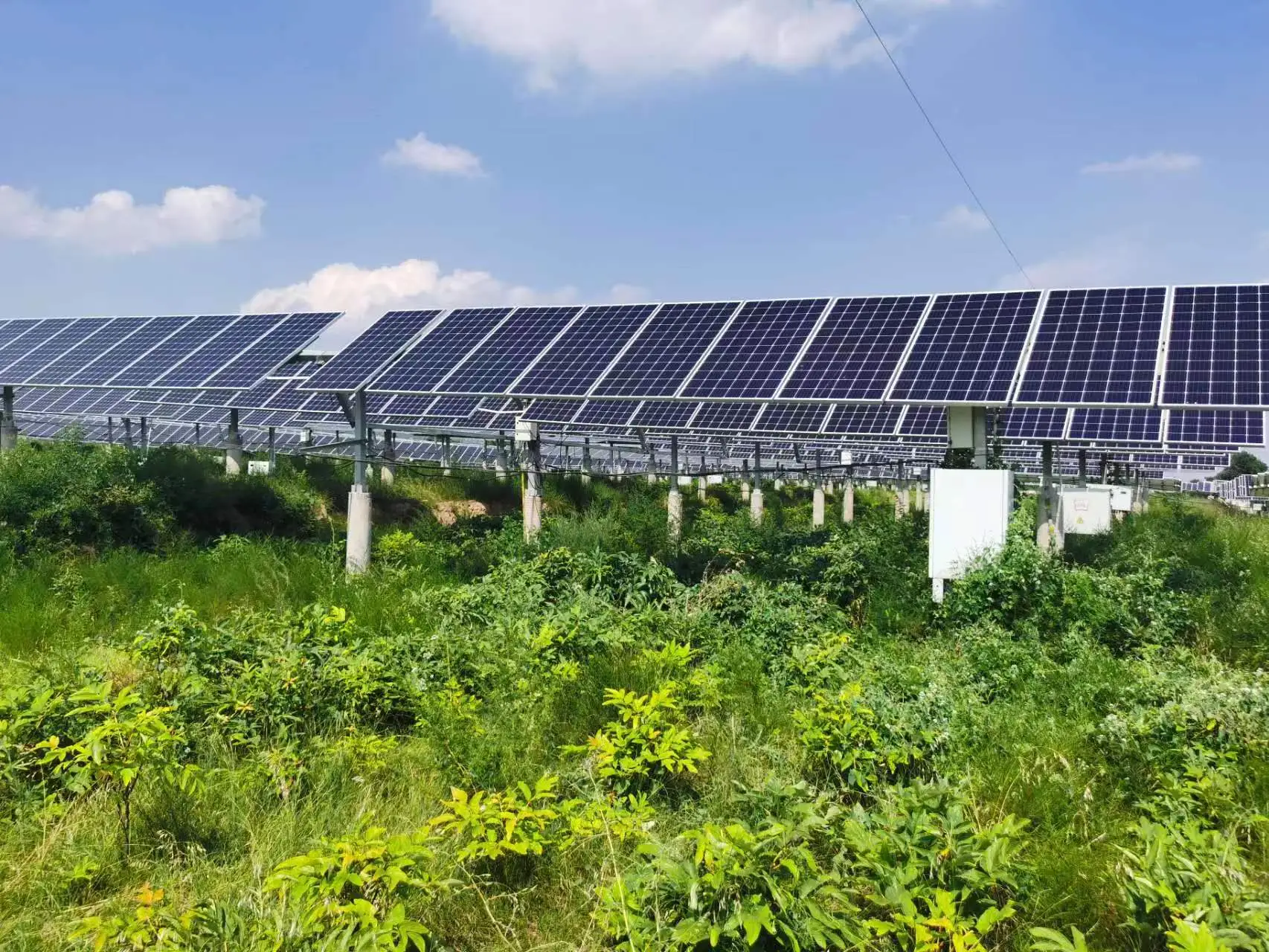
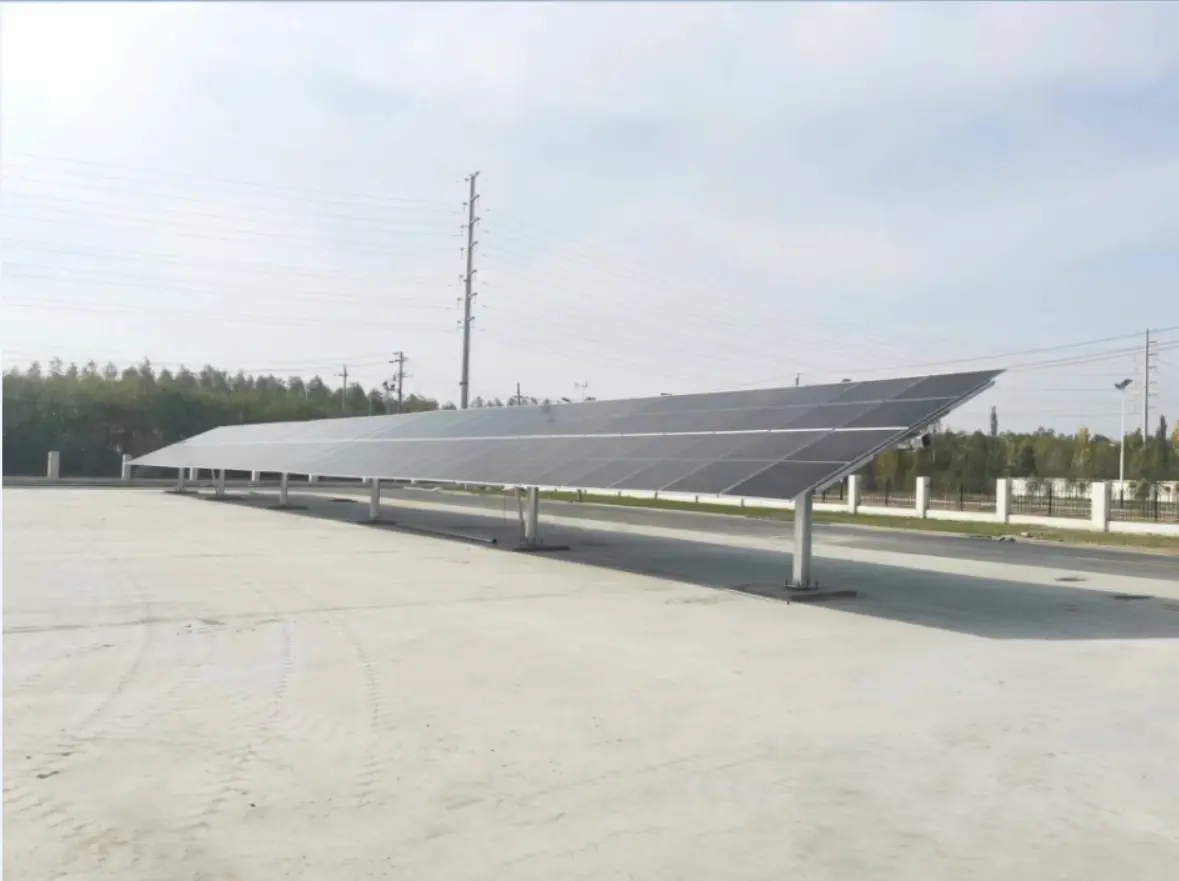
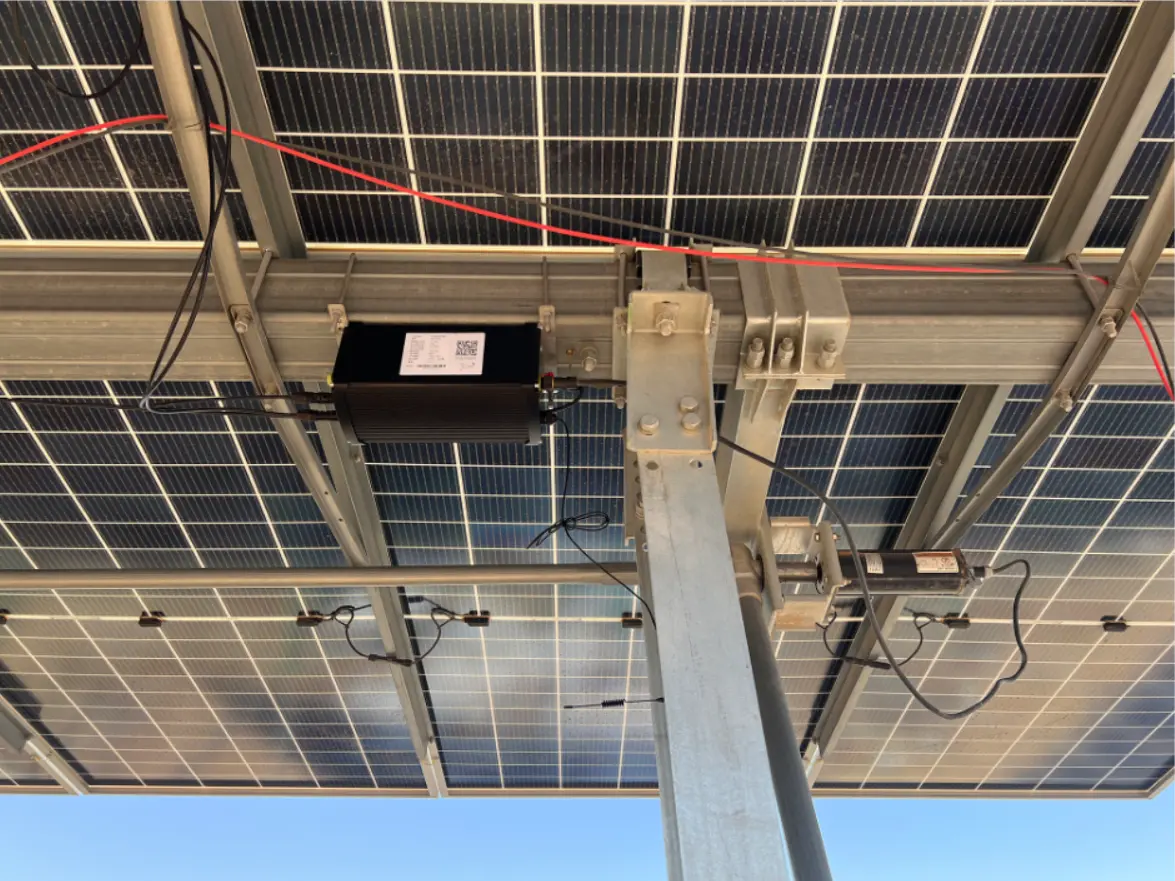
In large-scale PV deployments across these regions, the solar tracker controller plays a pivotal role in maximizing energy yield. Single-axis and dual-axis solar tracking systems — managed by advanced solar tcu (solar tracker control unit) and solar ncu (solar network control unit) modules — can boost annual energy production by 20–40% compared to fixed-tilt systems, making them particularly attractive in high-insolation markets like the Philippines and sub-Saharan Africa.
Meanwhile, European PV demand has also experienced a structural rebound driven by soaring energy prices. Since the outbreak of Middle East hostilities in late February, demand for rooftop solar systems has surged across Europe, as households seek to reduce energy expenditures and hedge against price volatility through rushed PV installations. German PV equipment wholesaler Solarhandel24 saw March net sales grow more than threefold year-on-year, approaching €70 million, with April expected to continue growing substantially year-on-year. German energy company Enpal received €130 million in orders in March, a 30% year-on-year increase, with April projected to grow 33% to approximately €120 million. A senior official from OVO Energy UK directly characterized the surge as "a geopolitical-accelerated structural shift, not a凭空 created trend," noting that their department's April sales were approximately 10 times that of the same period last year. OVO Energy's analysis report pointed out that approximately 13.7 million UK households are suitable for solar panel installation, representing nearly half of all residential buildings. If fully deployed, these could generate 28.5 terawatt-hours of renewable electricity annually. An increasing number of households are opting for "full system" packages — combining solar panels with battery storage and electric vehicle wallbox chargers — with energy storage demand rising 40% to 50% in parallel.
IV. The Paradox: Export Boom vs. Domestic Market Chill
It is worth noting that the fiery export performance stands in stark contrast to the weakness in the domestic market. Data released by China's National Bureau of Statistics on May 18 shows that solar cell production in April fell 26% year-on-year, with domestic demand momentum continuing to slow. Back in March, China's newly added solar installed capacity dropped to a four-year low.
This domestic-international divergence reflects a deep structural contradiction in China's PV industry — domestic production capacity far exceeds local absorptive capacity, and the slowdown in domestic new installations has intensified spillover pressure overseas, where international markets are increasingly serving as a critical "pressure release valve." At JinkoSolar's earnings call in late April, CMO Miao Gen stated that while demand outside China is expected to grow 10%, mainland China demand is projected to decline 20%, meaning global solar panel demand in 2026 could still fall 5%–10% year-on-year.
In utility-scale solar farms, the PV tracker controller is the nerve center of the entire installation. Whether coordinated through centralized solar scada platforms or distributed solar ncu network nodes, intelligent tracking control ensures each panel operates at its optimal angle — a capability that is driving adoption in both emerging markets and rebounding European rooftop segments alike.
V. Market Outlook: Global "Sunward" Momentum Remains, Industry Consolidation Accelerates
The resilience of April export data, stronger than expected, has delivered a shot in the arm for China's PV industry处于深度调整期 but this growth's sustainability still requires careful scrutiny. Analysts noted that the Iran conflict-driven short-term demand boost is insufficient to fully resolve the long-term overcapacity problem in China's solar industry. Part of the reason March exports hit a record was the "rush export" effect — buyers front-loading purchases ahead of the rebate cancellation policy taking effect — and this wave of advance demand had already peaked in March. April export volume环比 retreated from March's historical high to 134 million units, below March's 171 million units.
However, the fundamental factors supporting long-term export growth have not dissipated. Dongwu Securities forecasts that overseas emerging market installation growth could exceed expectations, particularly as project planning in Middle Eastern and Indian markets advances, maintaining high installation growth rates. Global module demand in 2026 is projected at 529–624 GW, and solar remains one of the lowest-cost electricity options among all renewable energy sources. Combined with Africa's 600 million people lacking electricity access, Southeast Asian countries' ambitious energy transition targets, and the large-scale clean energy investment plans under Middle Eastern "Vision 2030" frameworks, the long-term resilience of global solar demand should not be underestimated.
Simultaneously, domestic "anti-involution" policies are accelerating industry consolidation. Through multiple levers — production capacity regulation, price enforcement, quality supervision, and mergers and acquisitions — capacity utilization rates continue to contract, and inefficient capacity faces accelerated elimination. For the PV industry, 2026 is a "floor-setting year." As invalid capacity gradually clears and supply-demand dynamics improve, the next round of competition in China's PV industry will no longer be about price involution, but rather the comprehensive strength of technology leadership, quality excellence, global footprint, and international regulatory compliance.
At the heart of every next-generation solar installation is an intelligent solar tracker controller or solar ncu networked across the plant — controlled, monitored, and optimized through an enterprise-grade solar scada platform — delivering the reliability and performance transparency that international buyers increasingly demand.
Note: All data is current as of May 19, 2026, sourced from China's General Administration of Customs, the National Bureau of Statistics, Reuters, Bloomberg, and publicly available industry media reports. This article is for reference only and does not constitute investment advice.
References
Related Solar Tracker Products