English
  中文
中文


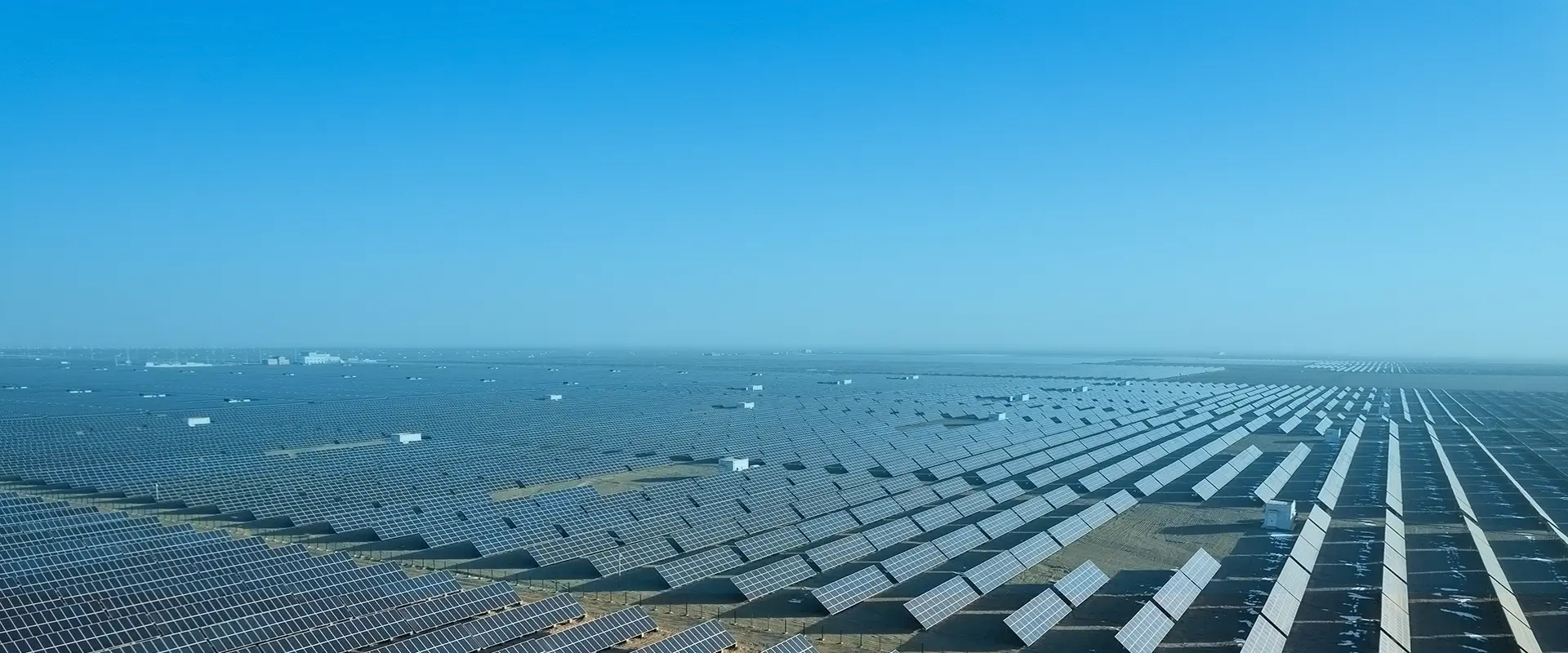
Since the escalation of tensions in the Middle East in late February, European energy prices have risen sharply, and Germany's residential solar market is experiencing a strong recovery. Industry data shows that demand for rooftop solar systems among households in Germany, the UK, and the Netherlands has more than doubled compared to pre-conflict levels. Solar energy is rapidly shifting from an environmental choice to a practical solution for controlling household energy costs and enhancing energy independence.
Electricity procurement costs continue to pass through to end users. Eon CEO Philip Thorn forecasts that electricity prices will remain structurally higher than pre-Iran War levels over the long term. Verivox data shows that natural gas prices have risen from €0.099/kWh at the start of the year to approximately €0.111/kWh. For German households, monthly rising electricity and gas bills are transforming energy self-sufficiency from an "environmental philosophy" into a "rigid necessity on the monthly budget."
German solar equipment wholesaler Solarhandel24 reported that its net sales in March grew more than threefold year-over-year, approaching €70 million; April continued this momentum at approximately €60 million, also representing roughly threefold growth versus the same period last year. To cope with surging market demand, the company plans to hire approximately 85 new employees—a roughly one-third increase. On the supply side, Solarhandel24 has also stockpiled approximately 500,000 solar panels in recent weeks. Co-founder Janik Nörden stated that the company expects 2026 net sales to rise from last year's approximately €250 million to €400 million.
German energy company Enpal has also seen robust growth. Its order volume in March rose 30% year-over-year to €130 million; April maintained approximately 33% growth momentum, reaching around €120 million. Enpal CEO and Founder Mario Köhler explicitly stated that this is not merely commercial growth—it is about Europe's energy resilience. Hamburg-based solar systems provider 1Komma5Grad also reported that order demand has approximately doubled compared to pre-conflict levels.
Europe's largest energy network operator, Eon, also corroborated this trend. Relevant business leaders noted that customer inquiries about solar power generation systems have nearly doubled year-over-year, acknowledging that "this level of activity can no longer be explained by seasonal factors alone."
From a capital markets perspective, German photovoltaic inverter manufacturer SMA Solar's stock price has risen significantly since the conflict escalation, reflecting recovering market expectations for industry conditions. From the Netherlands to Germany, solar industry associations have confirmed a marked demand rebound since late February. The Dutch Solar Energy Association disclosed that storage-related demand has also grown by 40% to 50%.
The "complete system" model equipped with energy storage devices is particularly popular—by storing electricity generated during the day for use at night, households can reduce their dependence on the grid while achieving self-regulated energy consumption curves, significantly improving overall energy efficiency.
Carsten König, head of the photovoltaic industry association, warned: "Even a temporary solar boom cannot substitute for stable investment conditions." He concerns that planned support reductions may exacerbate long-term industry decline risks. The industry association specifically emphasized that suspending feed-in tariff compensation for small-scale systems will severely undermine the investment confidence of tens of thousands of private households and endanger employment in the construction and electrical industries.
Currently, German private residential solar system installations can still access multiple support measures, including 0% VAT, income tax exemptions for small-scale systems, 20-year fixed feed-in tariff subsidies (EEG), and low-interest loans from the KfW Development Bank.
The high growth of "solar + storage" packaged systems indicates that companies are transitioning from single solar module manufacturers to integrated solar-storage system service providers. For inverter and energy storage system suppliers, the storage segment is providing a new growth engine; for wholesalers and retailers, packaged system sales are increasing long-term per-customer profit contributions. The Dutch Solar Energy Association confirmed that storage demand has also risen by 40% to 50%.
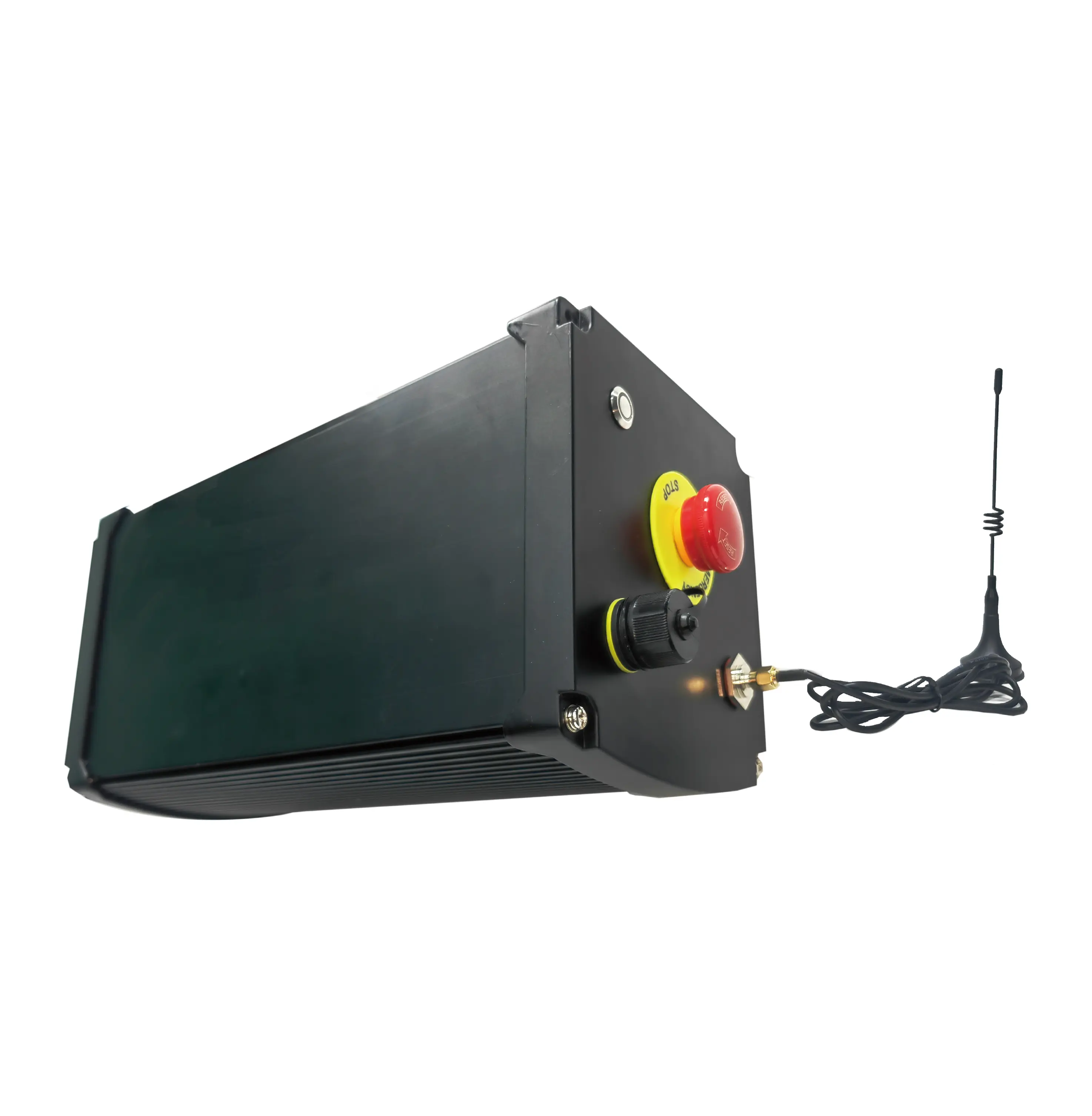
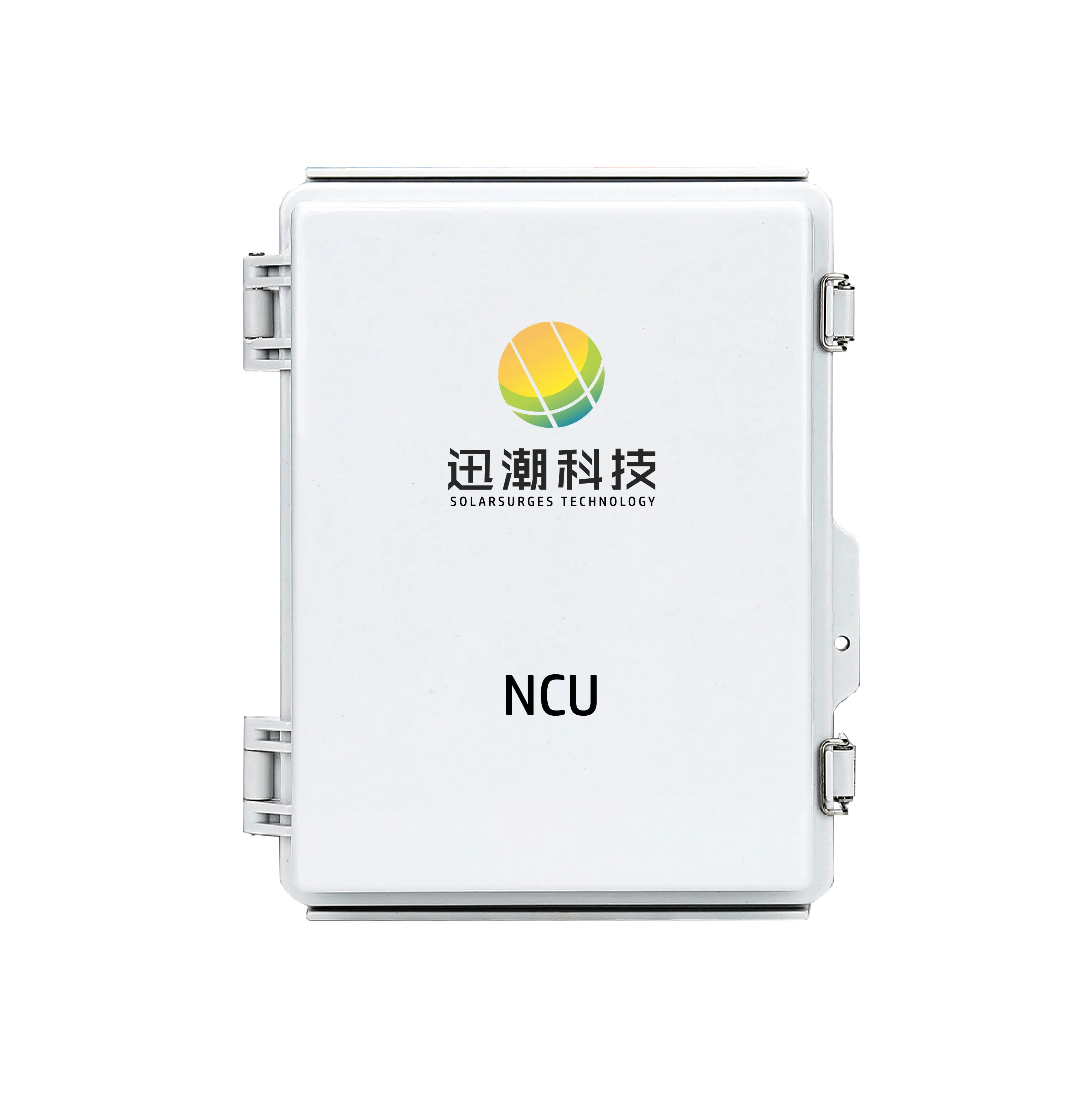
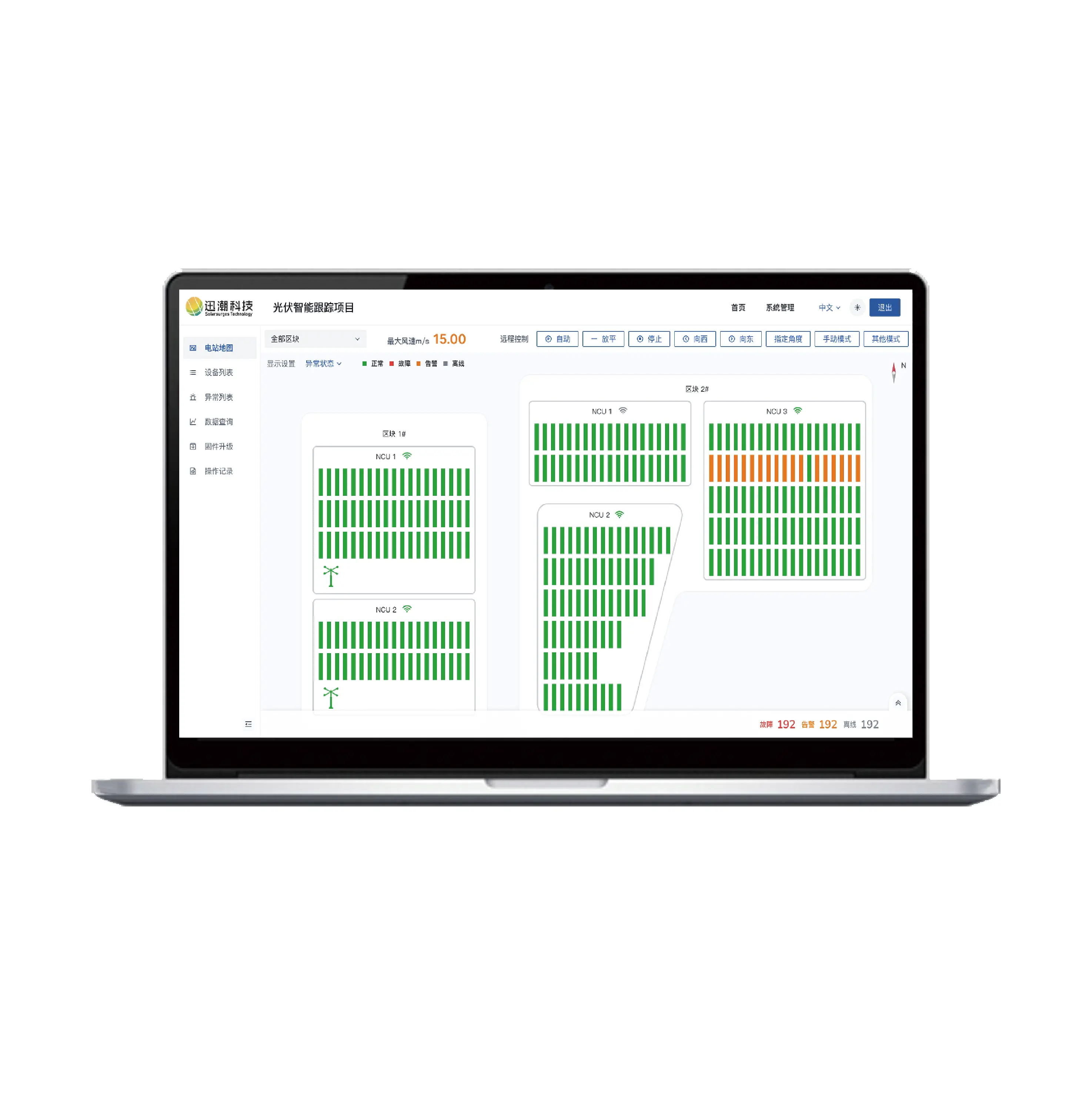
Modern solar installations increasingly rely on advanced solar tcu (thermal control unit) and solar ncu (network control unit) systems to optimize energy flows, manage battery storage integration, and enable remote monitoring through solar scada platforms. These intelligent control systems allow homeowners to maximize self-consumption rates and respond dynamically to grid price signals.
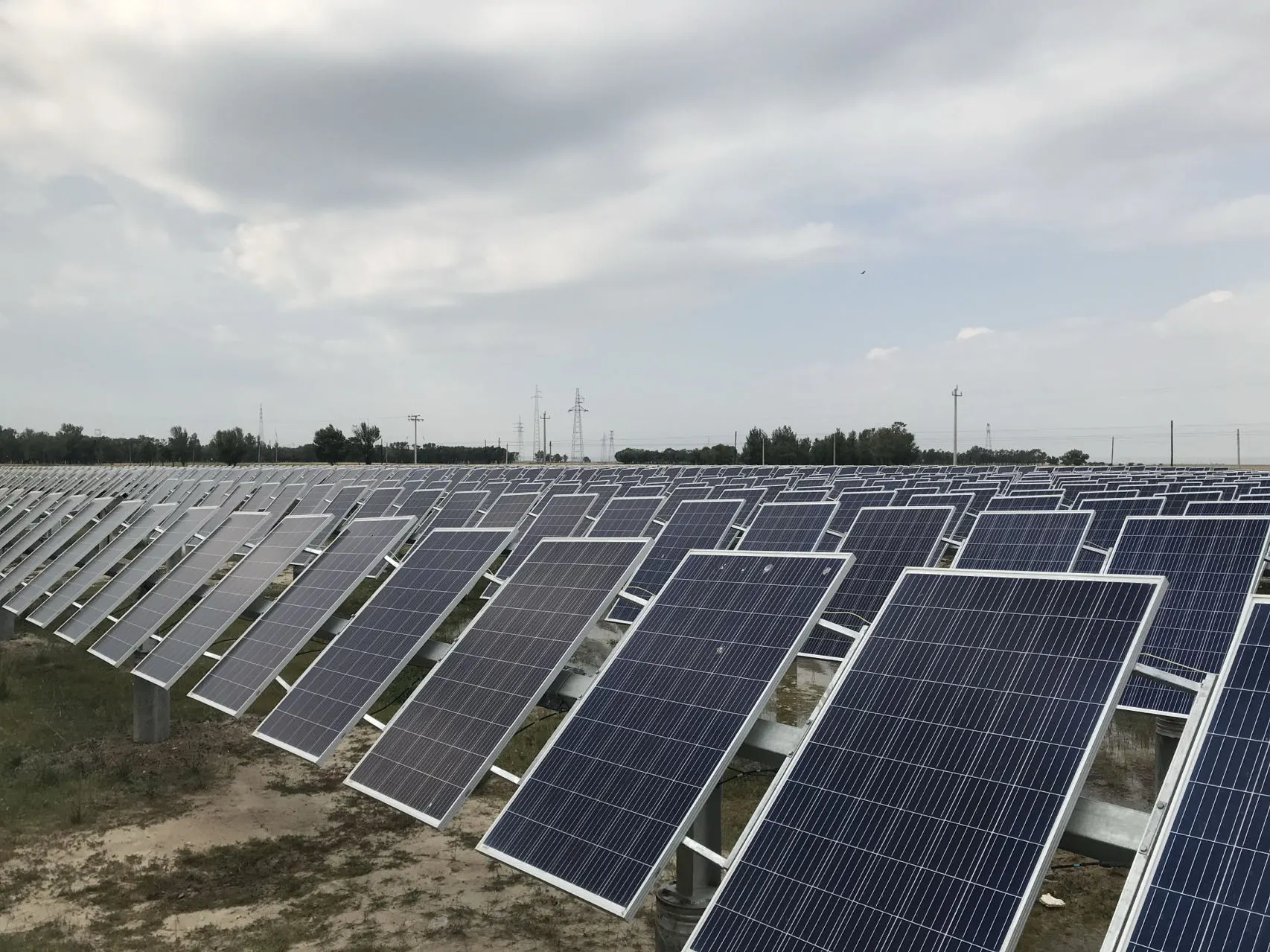
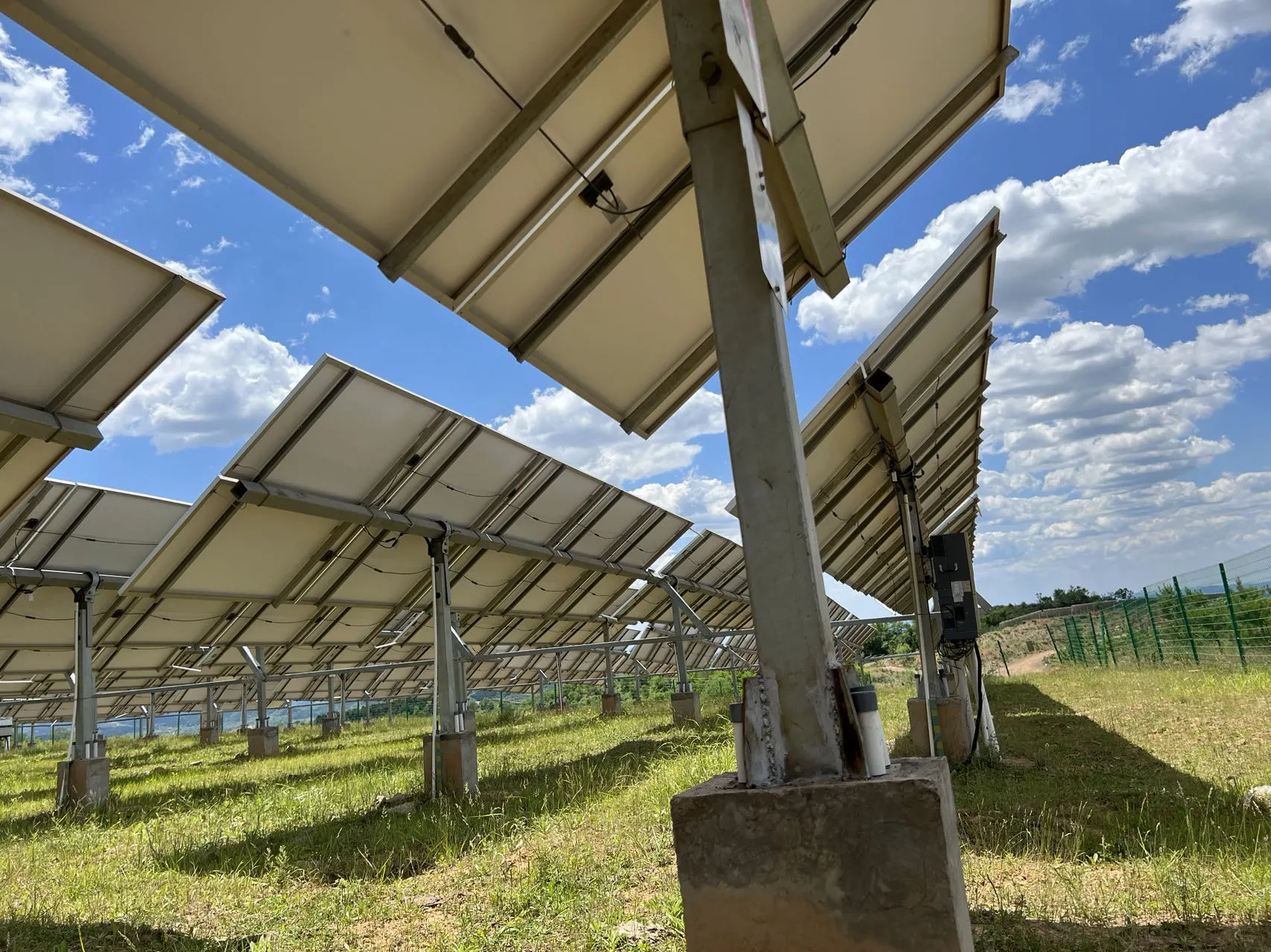
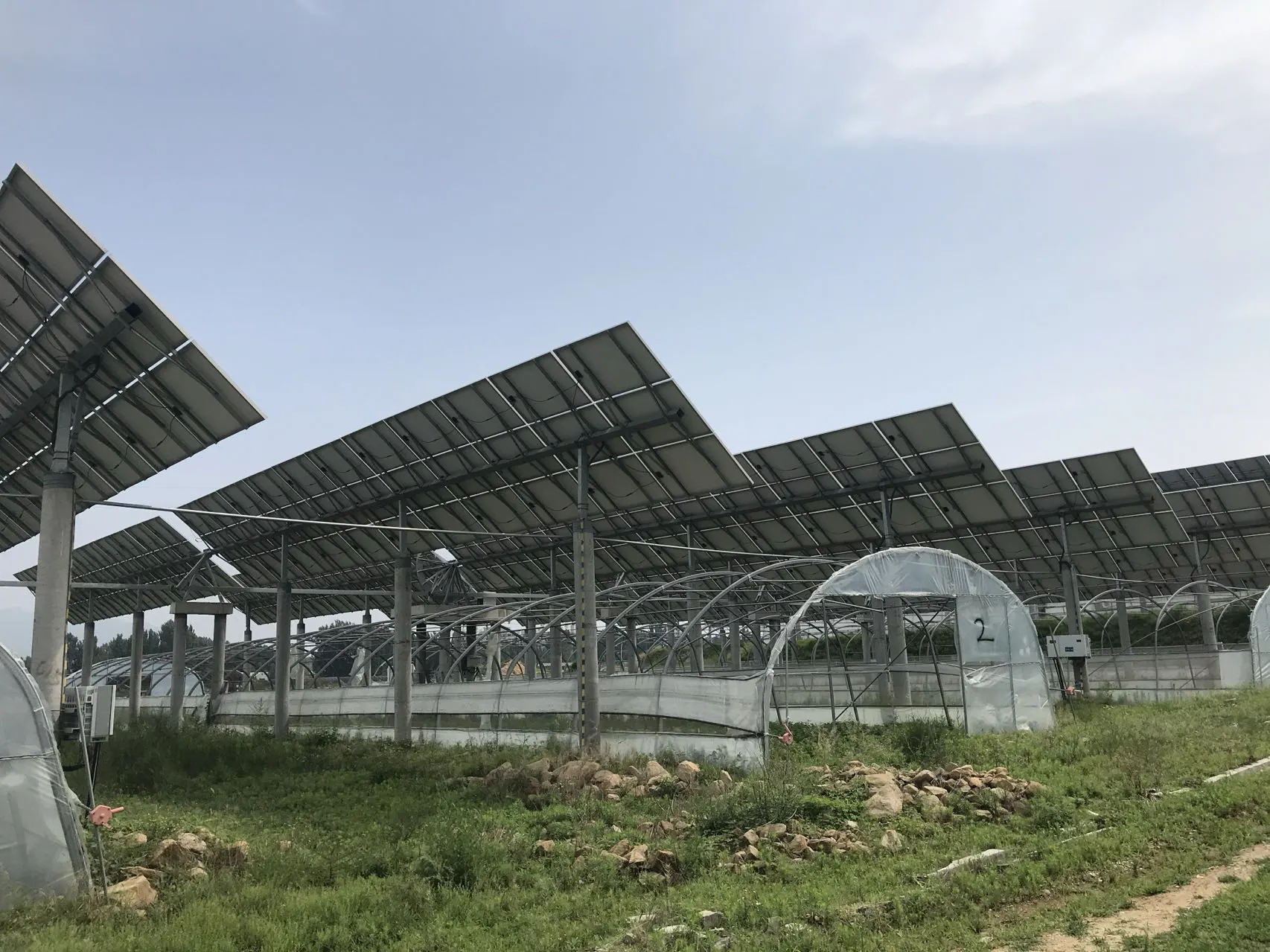
Solar tracker controllers are also gaining attention in the residential segment, particularly for pitched-roof systems where optimal panel orientation can significantly impact energy yield. The integration of PV tracker controller functionality into residential energy management systems represents a notable technology trend, enabling households to automatically adjust panel angles for maximum sunlight capture throughout the day.
The path to sustainable growth is becoming clearer: Germany's Q1 market conditions (3.5 GW total installed capacity, but double-digit declines in both residential and commercial rooftop installations) remind the industry that long-term growth cannot be driven by short-term energy price anxiety alone. A continuously stable policy framework, grid expansion, installer ecosystems, and energy storage complement upgrades are the foundations that will allow German households to benefit from solar's long-term value over time. Against the backdrop of the increasing adoption of solar tracker controllers, intelligent inverters, and Solar SCADA systems, digital energy dispatch and system integration for residential energy use are emerging as the next frontier for differentiated competition.
Related Solar Tracker Products