English
  中文
中文

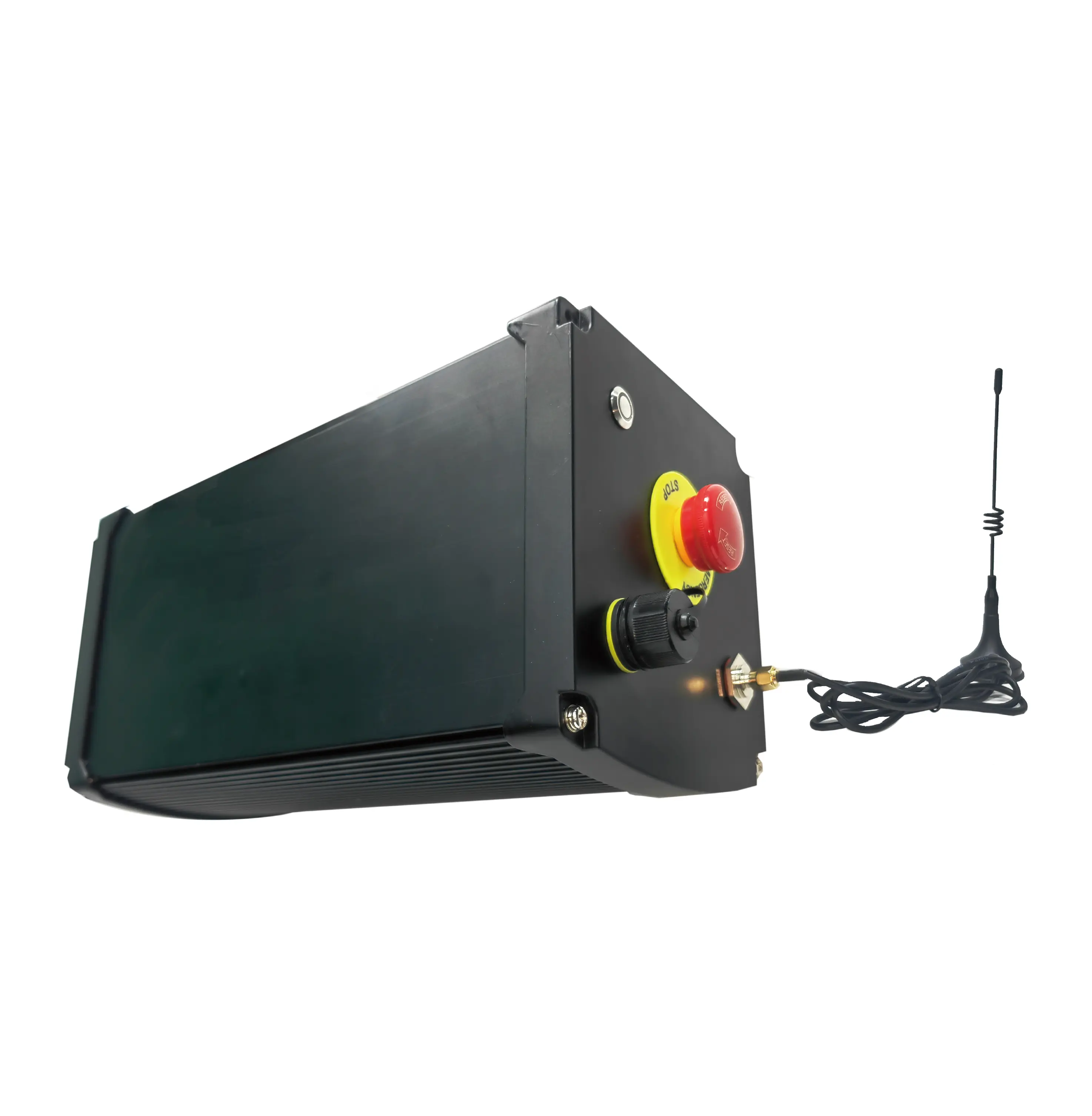


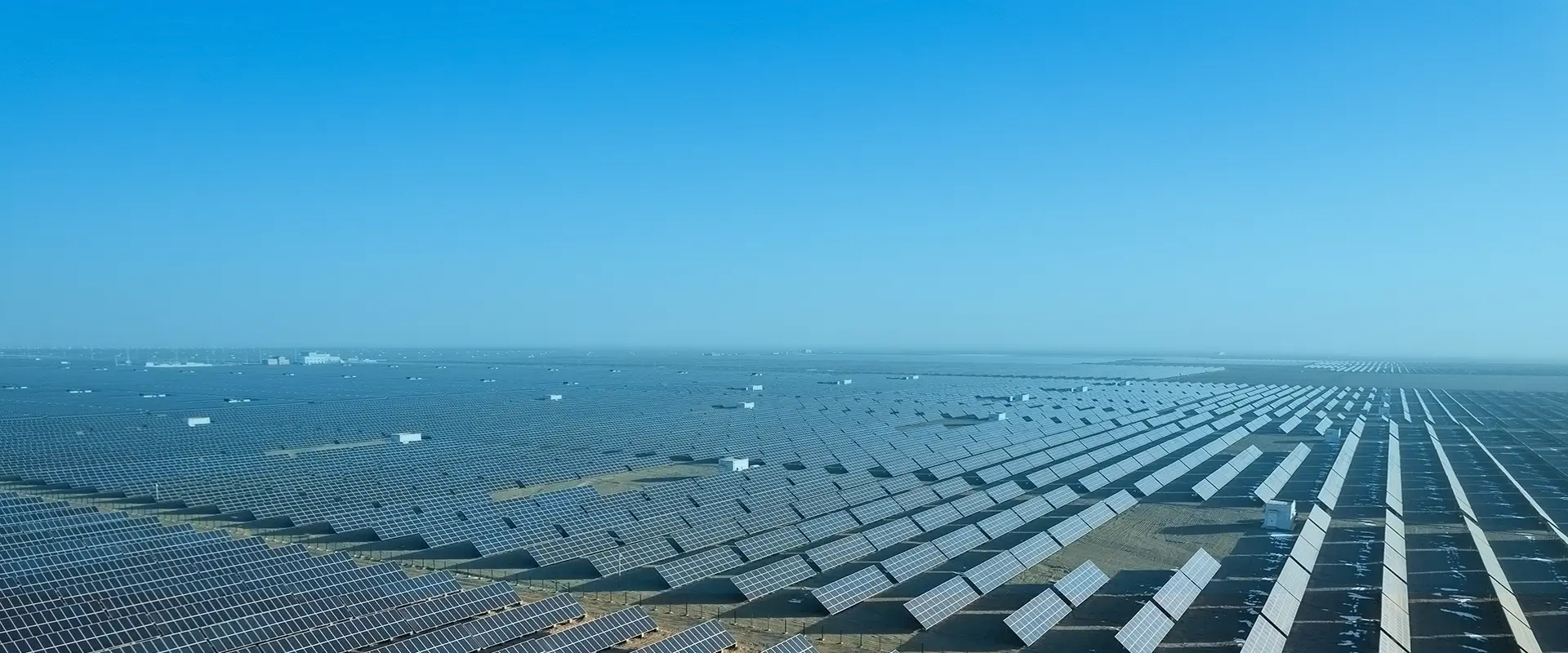
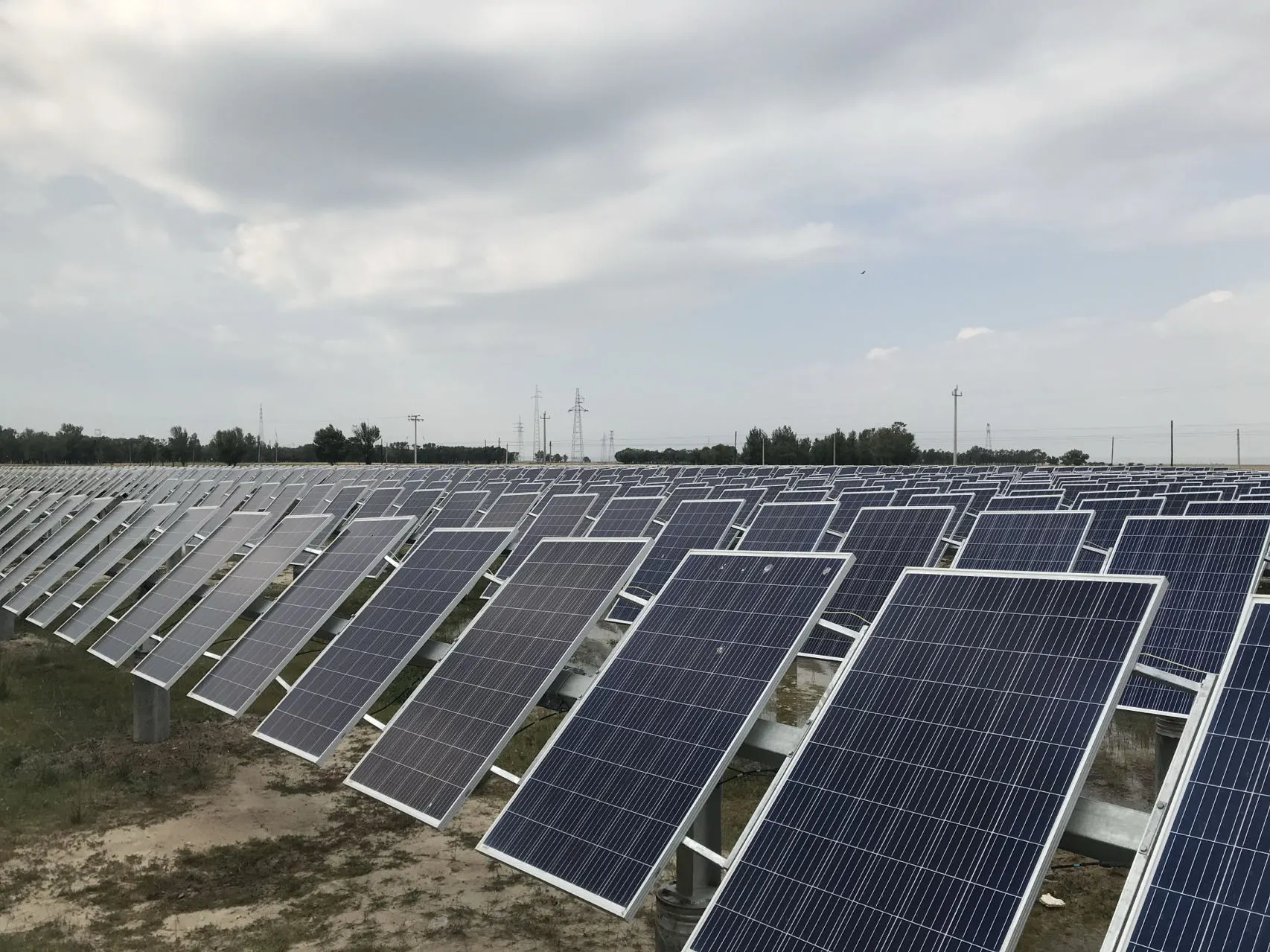
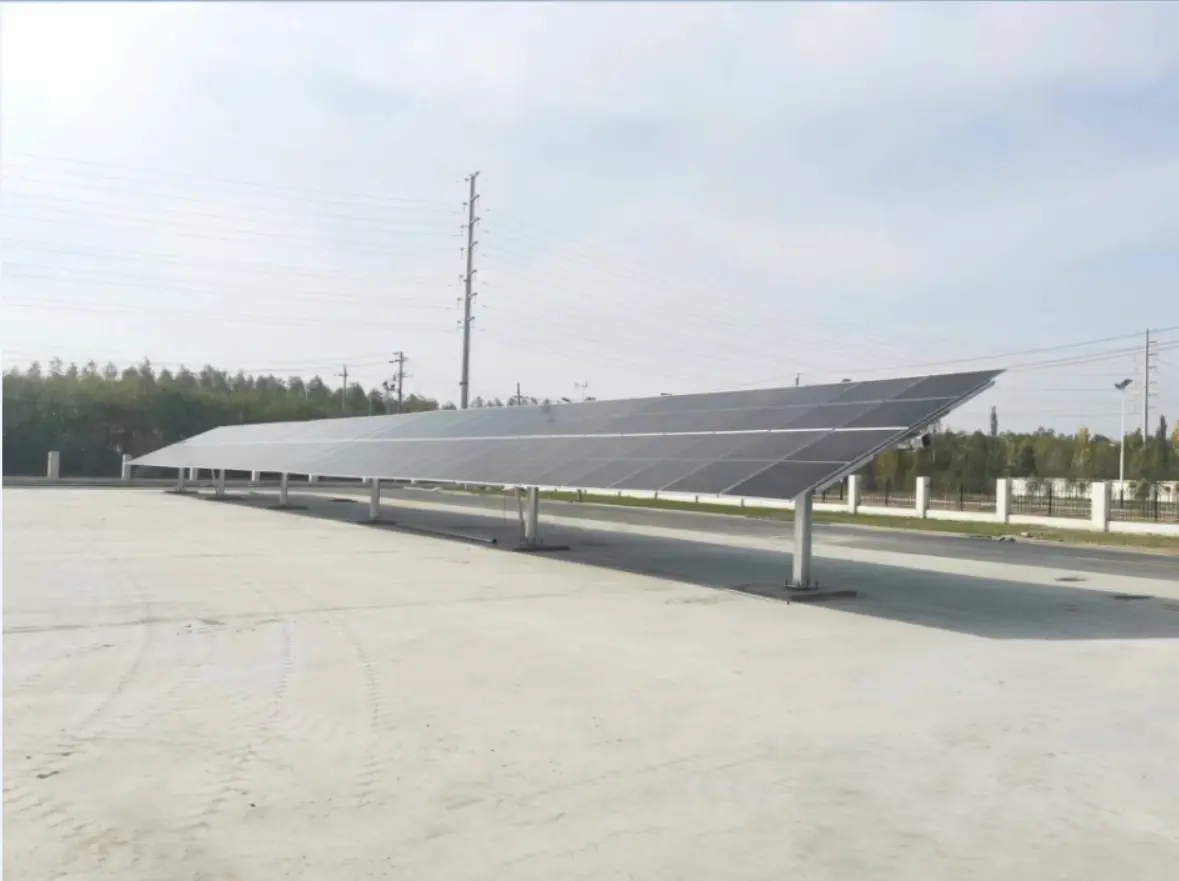
Across the solar industry, 2026 has become a pivotal year of transformation. From inverted perovskite cells to silicon-perovskite tandem architectures, from all-perovskite tandems to emerging thin-film photovoltaics, multiple technology pathways have simultaneously shattered efficiency records. These breakthroughs signal a new era in solar energy—driven by smarter solar tracker controllers, more intelligent solar TCU (Tracker Control Unit) and solar NCU (Node Control Unit) systems, and more integrated solar SCADA platforms that monitor and optimize every watt produced.
A collaborative research team led by Professor Fang Junfeng of East China Normal University and Dr. Li Xiaodong of the Ningbo Institute of Materials Technology and Engineering, Chinese Academy of Sciences (CAMS), achieved a certified 24%+ conversion efficiency on inverted perovskite solar cells, as published in Science. The team constructed a surface heterojunction by depositing a PbS-I layer on the perovskite surface, raising the Fermi level and inducing band bending. This design suppressed interfacial recombination while significantly boosting open-circuit voltage.
After 2,200 hours of accelerated aging at elevated temperatures, the cells retained 91.8% of their initial efficiency. Under continuous maximum power point tracking, efficiency remained above 90% of initial values.
Why this matters for solar TCU and NCU systems: Higher-efficiency cells generate more power per unit area, reducing the number of panels a solar tracker must support. This directly impacts how solar TCU firmware optimizes tracking algorithms and how solar NCU nodes manage power routing across distributed arrays.
These tandem breakthroughs create demand for more sophisticated solar SCADA monitoring systems capable of managing complex MPPT curves.
ECUST researchers developed hydrogen-bond-enhanced self-assembled monolayer contact materials, reaching 29.6% tandem efficiency. After 85°C/1,800 hours, -40°C to 85°C/500 cycles, and 2,000 hours continuous illumination, devices retained >90% efficiency.
Solar tracker controller implications: All-perovskite cells respond differently to spectral conditions. Advanced solar TCU systems must adapt tracking algorithms in real time as the spectral profile shifts throughout the day.
CZTSSe uses abundant elements (copper, zinc, tin) and demonstrates exceptional radiation tolerance—ideal for LEO satellites and space-based energy infrastructure.
Solar NCU relevance: Remote, low-maintenance power conditioning units must operate reliably for years without intervention—exactly the operating envelope CZTSSe modules are designed for.
These cells are already powering utility-scale solar farms managed by solar SCADA platforms—fewer panels, reduced BOS costs, faster payback, all monitored via industrial-grade solar tracker controller systems.
4-(trifluoromethoxy)cinnamic acid as multifunctional additive in PbI₂ precursor simultaneously regulated crystallization and passivated defects, achieving 26.02% efficiency with significantly reduced hysteresis.
- First Solar pushed CdTe thin-film efficiency to 17.3% (NREL-certified), surpassing the previous 16.7% record.
- Japan-Germany team demonstrated ~130% external quantum efficiency using singlet fission technology, exceeding the Shockley-Queisser thermodynamic limit—a fundamental physics breakthrough.
For solar tracker controller manufacturers, TCU and NCU developers, and solar SCADA platform providers, these breakthroughs present both opportunities and engineering challenges:
- Higher efficiency cells reduce the physical footprint of solar arrays, increasing the importance of precise tracking to maximize yield per panel.
- Tandem cell architectures introduce new spectral response characteristics that require smarter MPPT algorithms in solar TCU firmware.
- Flexible and space-grade technologies open new markets for solar NCU nodes in non-traditional installations.
- Longer-lifetime cells raise the bar for SCADA monitoring systems, which must now track asset performance over 30+ year project lifetimes.
Sources: Science, Nature Materials, Joule, JACS, NREL Solar Cell Efficiency Chart. Data current as of April 13, 2026.
Related Solar Tracker Products