English
  中文
中文

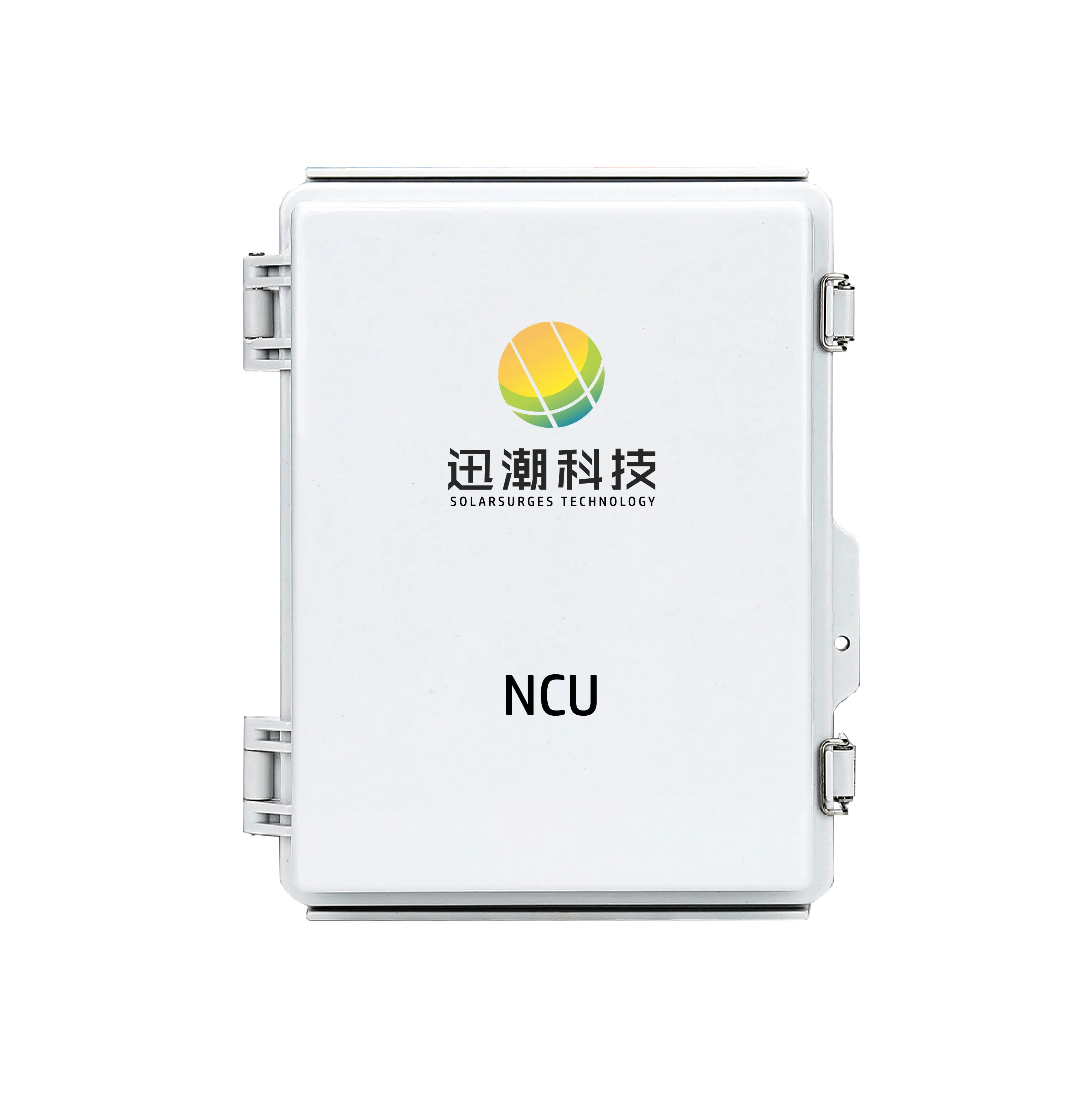
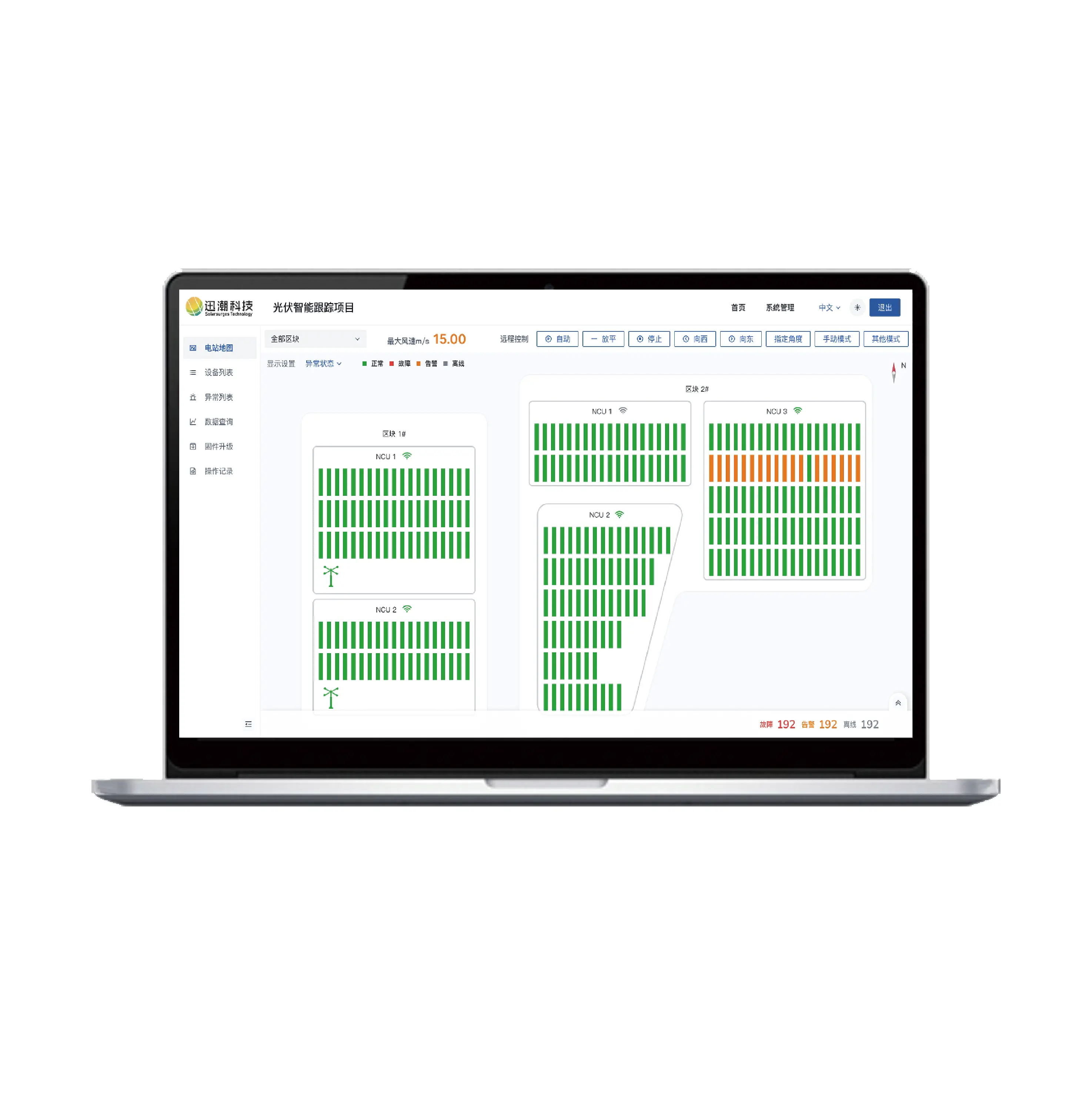

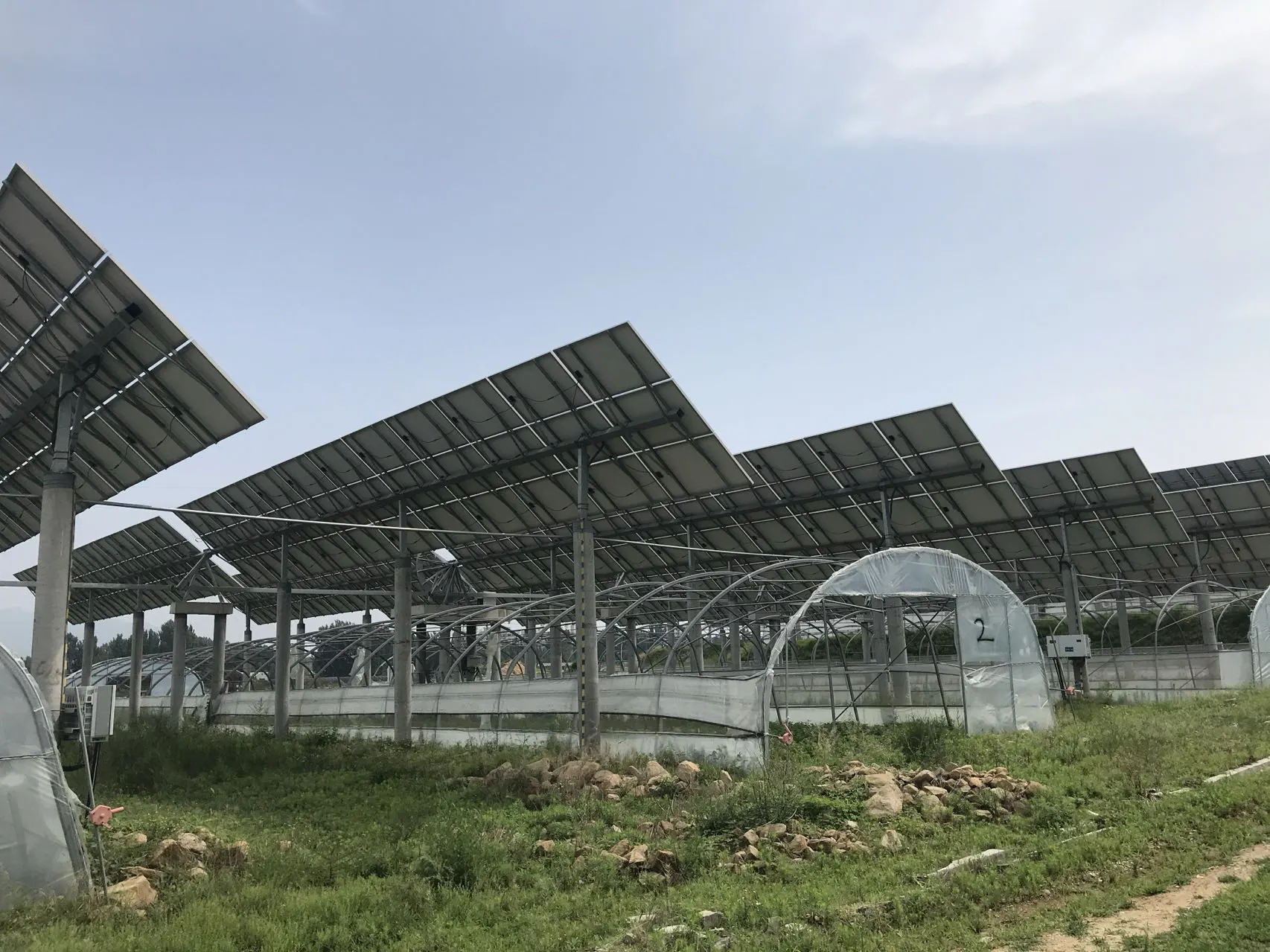
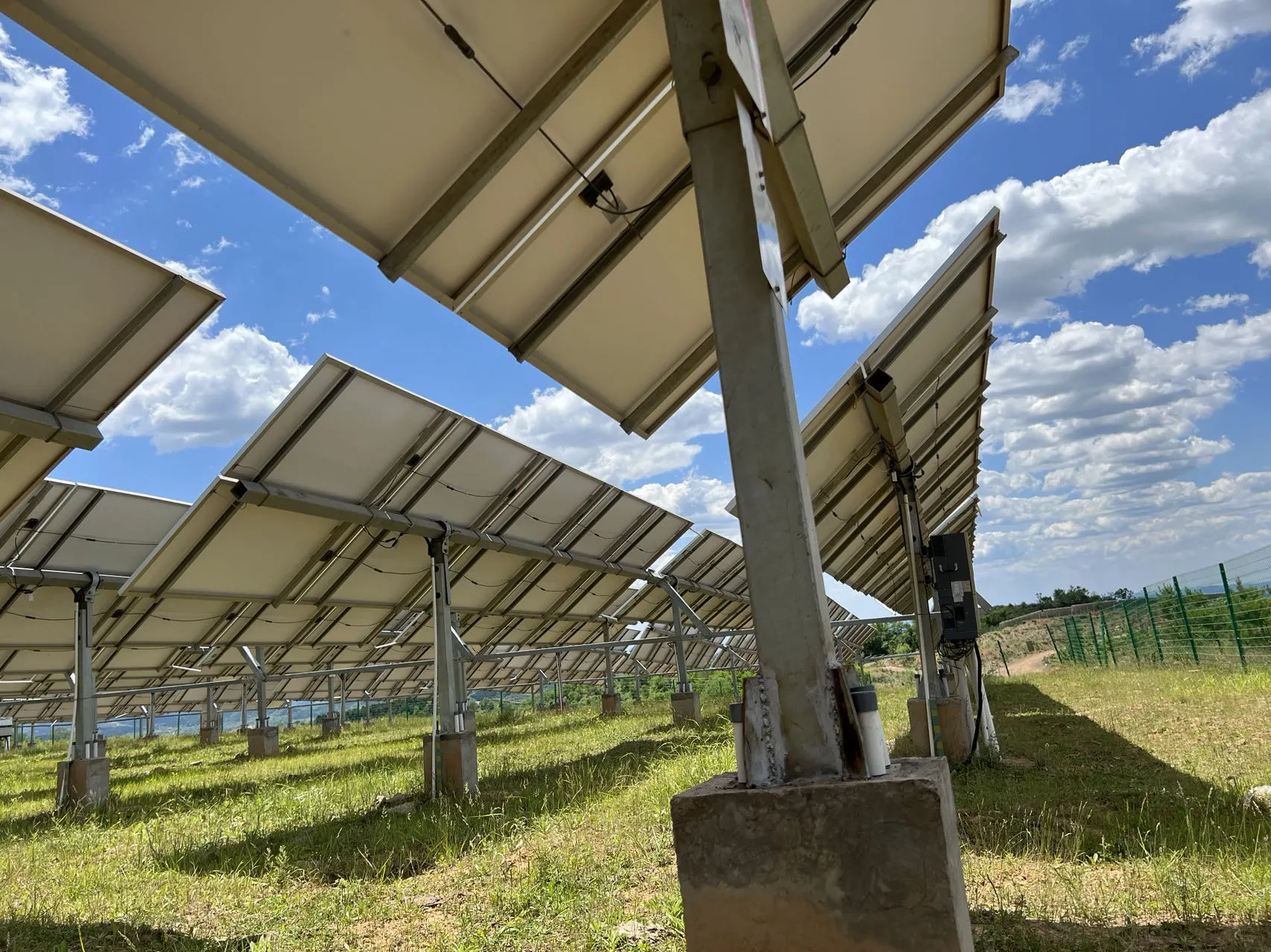
Traditional tracker control relies on astronomical sun-position algorithms — accurate on paper, but not always optimal in real fields where clouds, wind stow events, terrain variation, and mechanical tolerances reduce performance. In 2026, smarter control systems are closing that gap. An AI-enabled solar tracker strategy, powered by a modern TCU solar controller, can improve yield by adapting to site conditions, predicting losses, and tightening closed-loop accuracy across thousands of rows. This guide explains the working logic, key features, and what to validate when specifying a tracker control platform.
TCU Solar Control Basics: How a Solar Tracker Traditionally Follows the Sun
The Standard Astronomical Approach
Every solar tracker begins with the same foundational logic: calculate where the sun is based on date, time, and site coordinates, then move the tracker to that angle.
| Control Step | What Happens | System Component |
|---|---|---|
| Time and location input | UTC time, latitude, longitude entered at commissioning | TCU solar controller configuration |
| Sun angle calculation | Azimuth and elevation calculated from astronomical model | Embedded algorithm in TCU |
| Movement command | Target angle sent to actuator | Motor or linear actuator |
| Position verification | Actual position compared to command (in closed-loop systems) | Position sensor feedback |
| Repeat | Process runs continuously through the day | Control loop cycle time |
Where Real-World Losses Appear
Astronomical calculation is accurate — the error comes from the gap between the calculated target and the actual physical position of the panel.
| Loss Source | Mechanism | Typical Yield Impact |
|---|---|---|
| Mechanical backlash | Gear or actuator play means position lags the command | Consistent angular offset throughout the day |
| Installation angle error | Foundation or torque tube not perfectly aligned at commissioning | Systematic bias in one direction |
| Sensor drift | Position sensor calibration shifts over time | Increasing tracking error as the season progresses |
| Uneven terrain | Row foundations at different elevations affect tilt behavior | Row-to-row variation that the algorithm cannot predict |
| Wind stow recovery | After stow, return-to-track timing may not be optimal | Lost production during sub-optimal recovery periods |
Solar Tracker Optimization: What AI-Driven Control Actually Does
Practical AI Capabilities in 2026 TCU Solar Systems
"AI-driven" in the context of solar tracker control is not about general-purpose machine learning. It means specific adaptive capabilities that improve on open-loop astronomical tracking.
| Capability | What It Does | Yield or Reliability Benefit |
|---|---|---|
| Adaptive angle setpoints | Adjusts target angle based on historical irradiance patterns for the specific site | Captures real optimum angle rather than theoretical — particularly useful at morning and evening |
| Anomaly detection | Compares actual movement and position data to expected patterns; flags stuck rows, slow actuators, or mechanical misalignment | Identifies issues before they become extended production losses |
| Predictive stow control | Uses weather forecast data to initiate stow earlier, reduce reactive stow events, and plan recovery timing | Reduces unnecessary stow cycles and associated production loss |
| Row-to-row optimization | Identifies rows that consistently under-perform and adjusts their control individually | Recovers yield from rows that perform poorly under a uniform control strategy |
Why This Matters for Yield
A well-calibrated astronomical tracker at a uniform, well-installed site may produce 0.5–1% annual yield gain over a fixed-tilt system. An AI-optimized tracker with closed-loop feedback and adaptive control can add a further 0.5–1.5% on top of that baseline — particularly at sites with terrain variation, frequent wind events, or significant seasonal irradiance changes.
TCU Solar Closed-Loop Accuracy: Sensors, Feedback, and Self-Calibration
Closed-Loop vs. Open-Loop Control
| Control Type | How Position Is Managed | Weakness |
|---|---|---|
| Open-loop | Command is sent; no verification of actual position | Backlash, drift, and installation errors accumulate silently |
| Closed-loop | Actual position is measured and compared to target; error is corrected | Requires reliable position sensors; more hardware |
The accuracy of a closed-loop TCU solar system depends on the quality of the sensors feeding it.
Data Inputs That Drive Performance
| Sensor | What It Measures | Impact on Control |
|---|---|---|
| Position encoder | Actual rotational angle of torque tube | Primary feedback signal — corrects actuator errors in real time |
| Inclinometer or tilt sensor | Absolute tilt of the panel or torque tube | Verifies actual panel angle regardless of mechanical backlash |
| Wind speed and direction sensor | Site wind conditions | Triggers stow, modifies movement thresholds, informs predictive control |
| Irradiance sensor (optional) | Actual solar irradiance at the tracker | Enables irradiance-based optimization rather than pure astronomical model |
Self-Calibration Benefits
A modern TCU solar controller with self-calibration capability can:
Detect installation offset and apply a correction factor without manual re-commissioning
Monitor position sensor drift over time and alert when recalibration is needed
Adjust row-specific calibration as foundation settling changes the physical alignment
Maintain tracking accuracy through seasonal temperature changes that affect actuator behavior
Solar Tracker Availability: Wind Stow, Backtracking, and Weather-Aware Yield Protection
Wind Stow Strategy
Wind stow is necessary to protect tracker structure — but poorly managed stow events waste production.
| Stow Approach | Production Impact | AI Improvement |
|---|---|---|
| Threshold-triggered (fixed speed limit) | May stow unnecessarily during brief gusts | Predictive logic reduces false triggers using gust duration and direction data |
| Flat stow to ° | Maximizes safety margin | Partial stow to safe angle may be sufficient in some conditions — reduces production loss |
| Slow return to track after stow | Production recovery is delayed | Optimized return timing based on wind trend data speeds recovery |
Backtracking for Shading Reduction
At low sun angles — early morning, late afternoon, and winter at high latitudes — rows cast shadows on each other. Backtracking rotates rows away from the optimal sun-facing angle to avoid inter-row shading, which typically increases yield at low sun angles because shading loss exceeds the loss from non-optimal tracking angle.
An AI-enabled TCU solar controller can:
Calculate site-specific backtracking curves rather than using generic models
Adjust backtracking based on actual ground coverage ratio and row spacing
Detect when backtracking is delivering suboptimal results for a specific site and propose adjusted profiles
Reliability Outcomes
Smarter stow management reduces the frequency of full stow cycles, which are the highest mechanical stress events for tracker drivetrains
Anomaly detection flags mechanical issues before they escalate to structural failures
Optimized movement frequency reduces actuator wear over the project life
TCU Solar Procurement Checklist: Integration, Cybersecurity, and Fleet Management
Technical Integration Requirements
| Requirement | What to Confirm | Why It Matters |
|---|---|---|
| Actuator compatibility | Confirm motor type, voltage, current rating | TCU must match actuator spec exactly |
| Power supply | Field power availability (12V, 24V, 48V DC or AC) | Defines TCU power module requirement |
| Communications protocol | RS485, CAN, Modbus, Ethernet, cellular | Must match SCADA and monitoring platform |
| SCADA integration | Confirm data format and integration points with the plant SCADA system | Required for centralized monitoring and alarm management |
| OTA (over-the-air) updates | Confirm whether firmware can be updated remotely | Critical for deploying algorithm improvements without site visits |
Fleet Operations Features to Request
Batch configuration: ability to configure hundreds of TCU units from a central platform with a single operation
Performance dashboards: row-level production and availability data visible in the monitoring interface
Fault code library: standardized fault codes with clear descriptions and recommended actions for field technicians
Service log: automatic record of events, stow triggers, and maintenance actions per row
Commissioning and Acceptance Testing
| KPI | Measurement Method | Acceptance Threshold |
|---|---|---|
| Tracking error | Mean angular deviation from target across all rows | Within ±0.5° under stable conditions |
| Stow response time | Time from wind trigger to full stow confirmation | Within defined specification (typically 3–5 minutes) |
| Communication availability | Percentage of rows with continuous communication | Greater than 99.5% |
| Backtracking activation | Confirm backtracking engages correctly at low sun angles | Verified against calculated threshold for the site |
Conclusion
Astronomical tracking defines where the sun should be — AI-driven control helps your solar tracker follow it more accurately in the real world. By deploying a TCU solar controller that supports closed-loop position correction, adaptive setpoints, anomaly detection, and weather-aware stow and backtracking logic, solar plants can improve annual yield, reduce mechanical wear, and increase fleet availability across the project life.
FAQ
Q1: What does a TCU solar controller do in a solar tracker system?
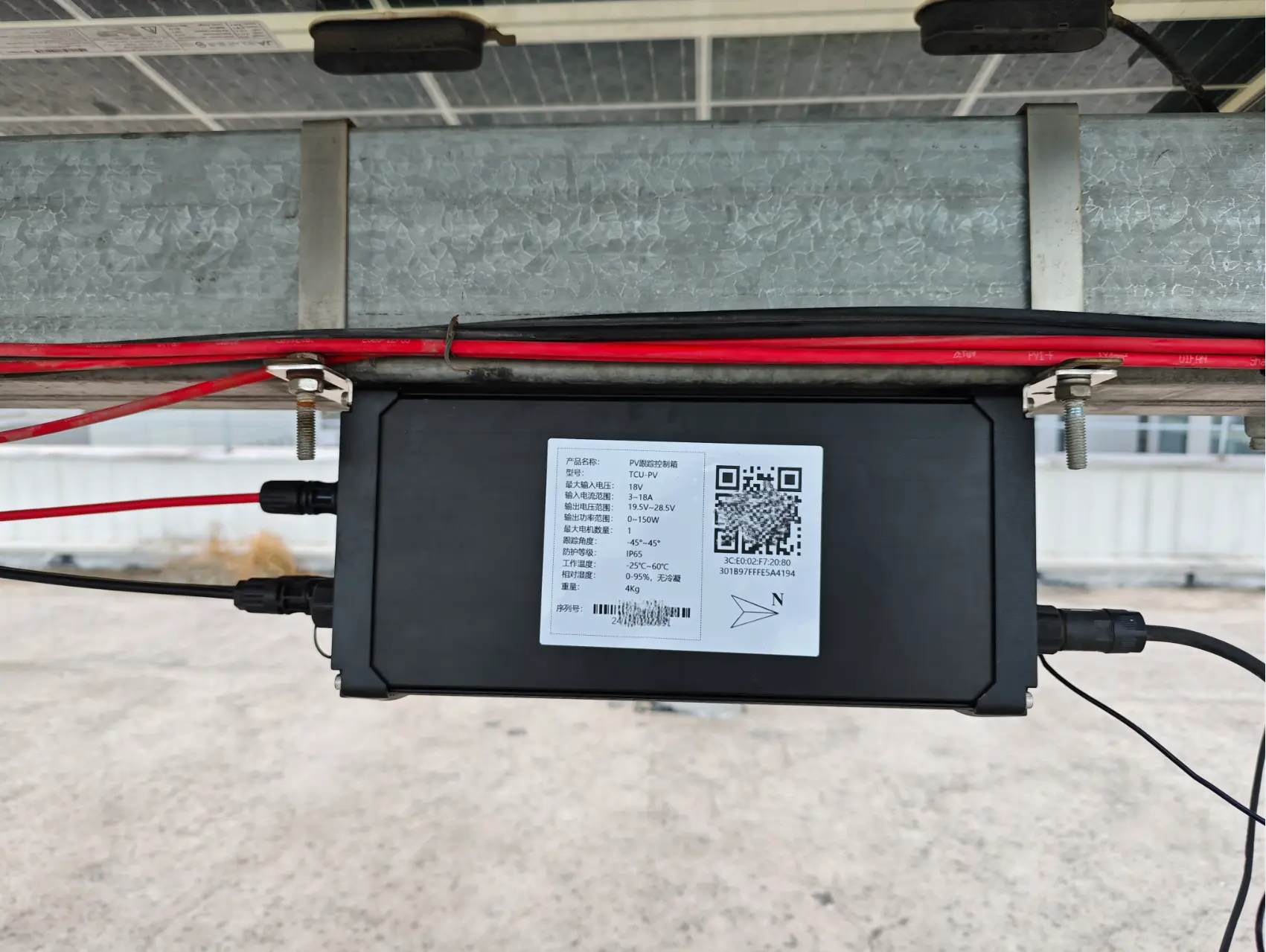
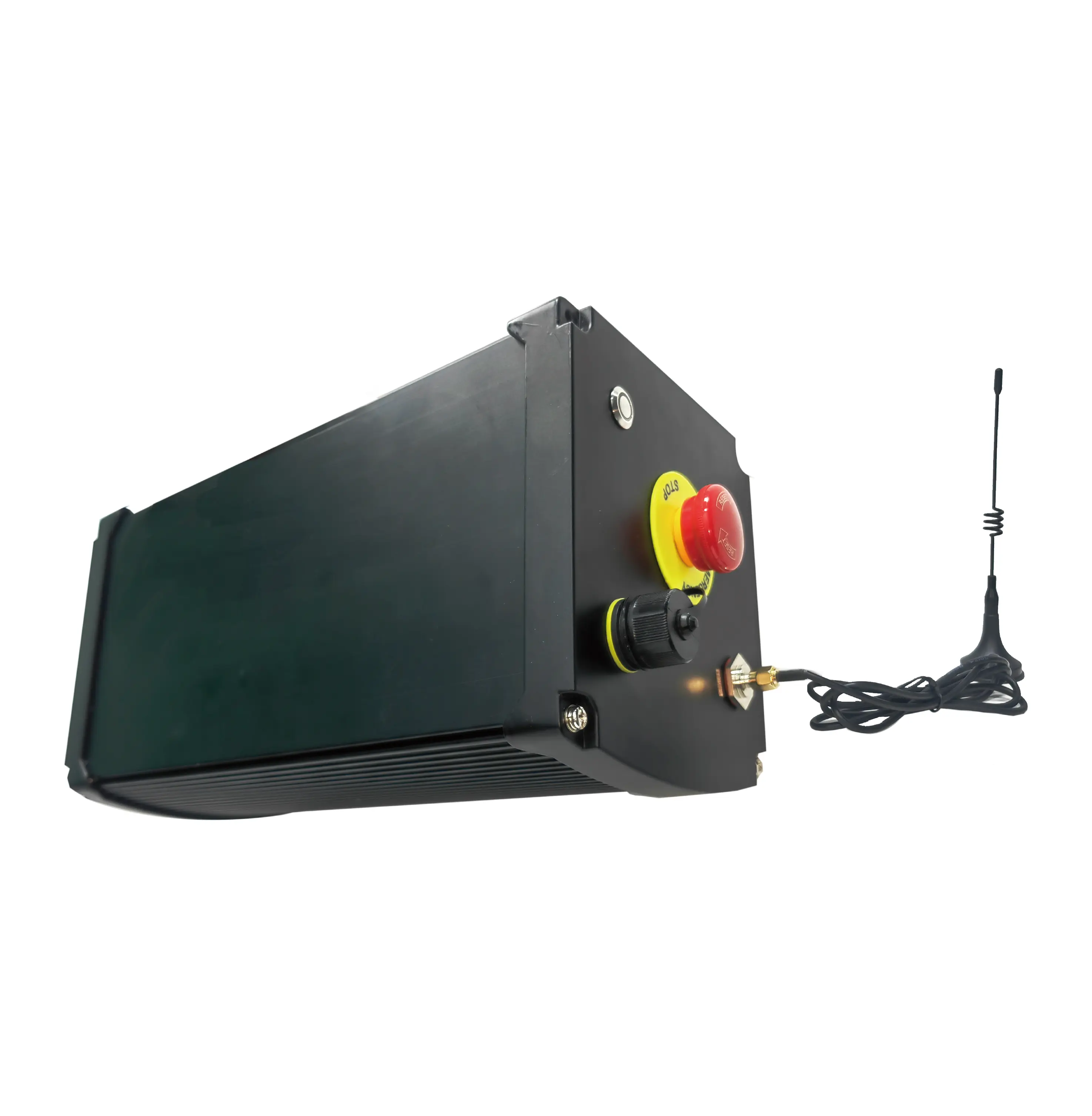
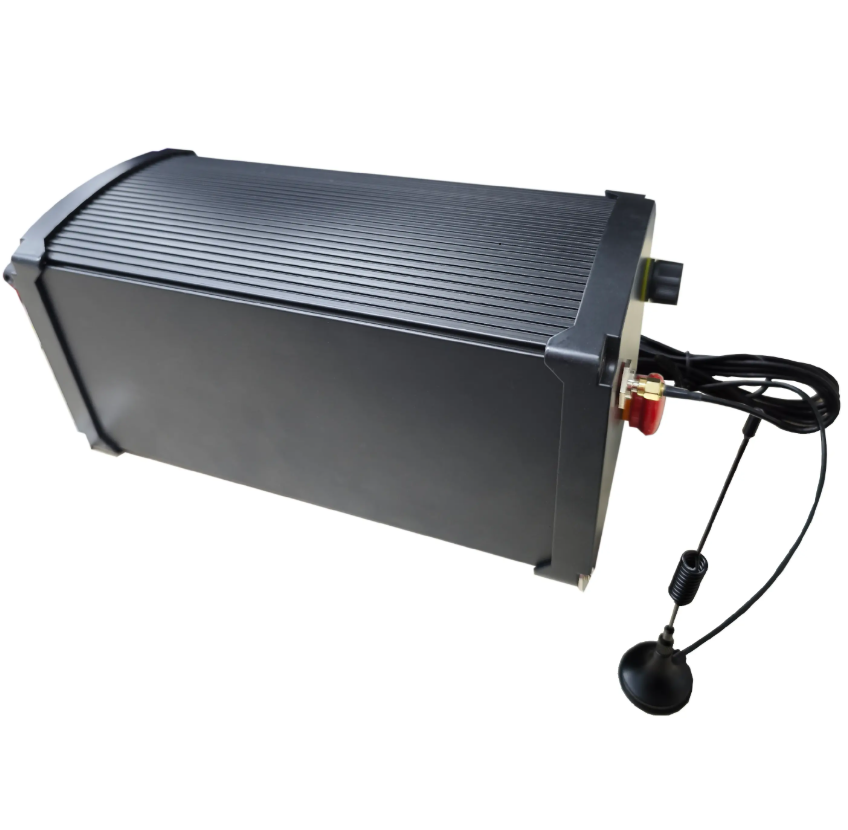
It calculates target tracking angles from astronomical models, sends movement commands to actuators, and in advanced systems uses sensor feedback to correct position errors and manage safety modes like wind stow. A modern TCU solar controller also handles backtracking logic, anomaly detection, and remote communications with SCADA and fleet monitoring platforms.
Q2: How is AI-driven solar tracker control different from standard astronomical tracking?
Standard astronomical tracking uses a fixed sun-position model to generate movement commands — it does not adapt to what is actually happening in the field. AI-driven control adds adaptive setpoints based on real site behavior, anomaly detection that identifies mechanical issues early, predictive stow management that reduces unnecessary production-loss events, and self-calibration that compensates for drift and installation variability.
Q3: Which sensors improve solar tracker control accuracy most?
Position encoders or inclinometers providing closed-loop feedback on actual panel angle have the largest impact on tracking accuracy. Wind sensors enable smarter stow management, which directly affects both yield protection and mechanical wear. Irradiance sensors are optional but can enable setpoint optimization at sites where the theoretical optimum angle differs from the empirical optimum for the specific site conditions.
Q4: Does smarter AI control reduce tracker mechanical wear?
Yes, in two ways. First, predictive stow management and intelligent thresholds reduce the frequency of full stow cycles, which are the highest-stress mechanical events for the drivetrain. Second, anomaly detection identifies developing mechanical issues — slow actuators, position drift, misalignment — before they progress to failures that require structural intervention.
Q5: What information should I provide to get a TCU solar controller recommendation?
Tracker type (single-axis horizontal, tilted, or dual-axis), actuator type and electrical specification, plant capacity and number of tracker rows, site wind conditions and terrain complexity, required communications protocol for your SCADA platform, and the control modes you require — backtracking, stow logic, remote monitoring, and OTA update capability.
Related Solar Tracker Products