English
  中文
中文



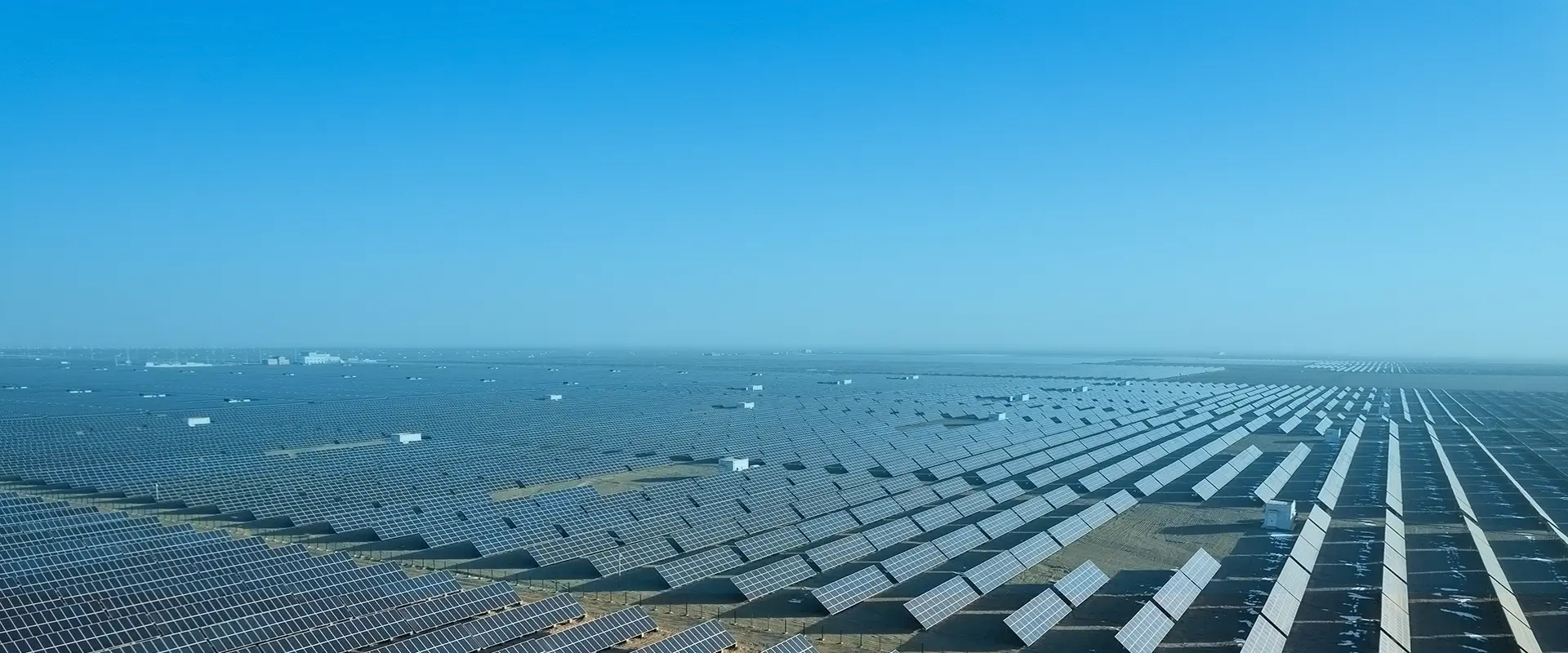
As Tesla's solar roof business continues to contract and its traditional panel business regains strategic focus, the company's photovoltaic manufacturing roadmap has reached a critical milestone. On May 19, 2026, multiple media outlets reported that Tesla is constructing a massive solar panel factory in Houston, Texas — located in Brookshire, approximately 35 miles west of Houston, at the Imperial West Business Park. The facility will share a site with Tesla's ongoing Megapack superfactory construction. Industry observers see this factory as the key production base for Tesla's stated goal of achieving 100GW of solar manufacturing capacity.
The factory's planning direction contrasts sharply with Tesla's previous manufacturing footprint. Electrek's analysis indicates that Tesla plans to achieve fully vertical solar integration at this site — from silicon ingot growth and wafer slicing, through photovoltaic cell production, to final panel assembly — covering the entire production chain. The company is simultaneously advancing multiple highly complex cleanroom-grade manufacturing environments, with related capital expenditures exceeding $250 million.
This fully vertical integration approach stands in stark contrast to Tesla's previous model at the Gigafactory New York in Buffalo. The Buffalo plant initially outsourced production to Panasonic, and after Panasonic's exit, the facility primarily served Supercharger accessories and autonomous driving data labeling operations. In late 2025, Tesla restarted production of the TSP-420 solar panel at Buffalo, achieving commercial delivery in January 2026. However, that factory's annual output is only approximately 300MW — a tiny fraction compared to Tesla's stated ambitions. The Houston factory means the 100GW-level manufacturing ambition finally has a concrete physical home.
January 2026: At the Davos World Economic Forum, Elon Musk announced that Tesla and SpaceX plan to achieve annual photovoltaic production of 100GW each within three years in the United States — a combined 200GW — covering the complete supply chain from raw materials to finished modules. At the time, market reaction to this target was more skeptical than enthusiastic.
March 2026: CNBC reported that Tesla was in negotiations with Chinese solar manufacturing equipment suppliers, including Suzhou Meyer Technology (Mayer), to procure $2.9 billion worth of solar manufacturing equipment. Chinese photovoltaic equipment manufacturers hold a globally leading position in high-efficiency cell production line delivery capability and iteration speed. This large-scale equipment procurement laid the foundation for the vertical integration layout at the Houston factory.
May 2026: Electrek exclusively confirmed that the Brookshire factory had officially broken ground. The project simultaneously plans full-chain capacity from silicon ingots to modules, alongside high-standard production facility infrastructure exceeding $250 million. Previously, on April 23, Tesla disclosed that the Houston-area Energy Superfactory would produce the third-generation Megapack storage system for Megablock, with mass production scheduled to start in the second half of 2026. Combined with the news of the solar panel factory sharing the same site, Houston is becoming Tesla Energy's ground manufacturing hub.
According to media reports, Solar Roof — once positioned by Musk as the next-generation residential solar solution — is progressively stepping back from the core position of Tesla's residential photovoltaic business. The company has stopped disclosing Solar Roof installation data, and new product launches and expansion plans have fully pivoted to conventional solar modules such as the TSP-420. The fundamental reason for retreating from the Solar Roof core battlefield is persistent market failure. By early 2023, Solar Roof's cumulative installations in the U.S. reached only approximately 3,000 units — far from a scale deployment level. In 2025, its user community frequently reported service delays, installation quality disputes, and customer remediation lawsuits, continuously eroding brand image. At the cost level, Solar Roof's average installation cost before tax credits was approximately $106,000, roughly $46,000 higher than a "replace regular roof + install traditional solar panels" combined solution; the payback period is approximately 15–25 years, also significantly longer than the 7–12 years typical for conventional modules.
In contrast, the TSP-420 solar panel relies on Gigafactory New York for mass production and has already begun commercial delivery. The "industry-leading aesthetically pleasing" residential solar product introduced by Tesla Energy Engineering Vice President Michael Snyder during the Q3 2025 earnings call also referred not to Solar Roof, but to conventional solar panels installed on existing roofs. The vertical integration manufacturing layout at the Houston factory will further strengthen Tesla's competitive capability in the conventional module sector.
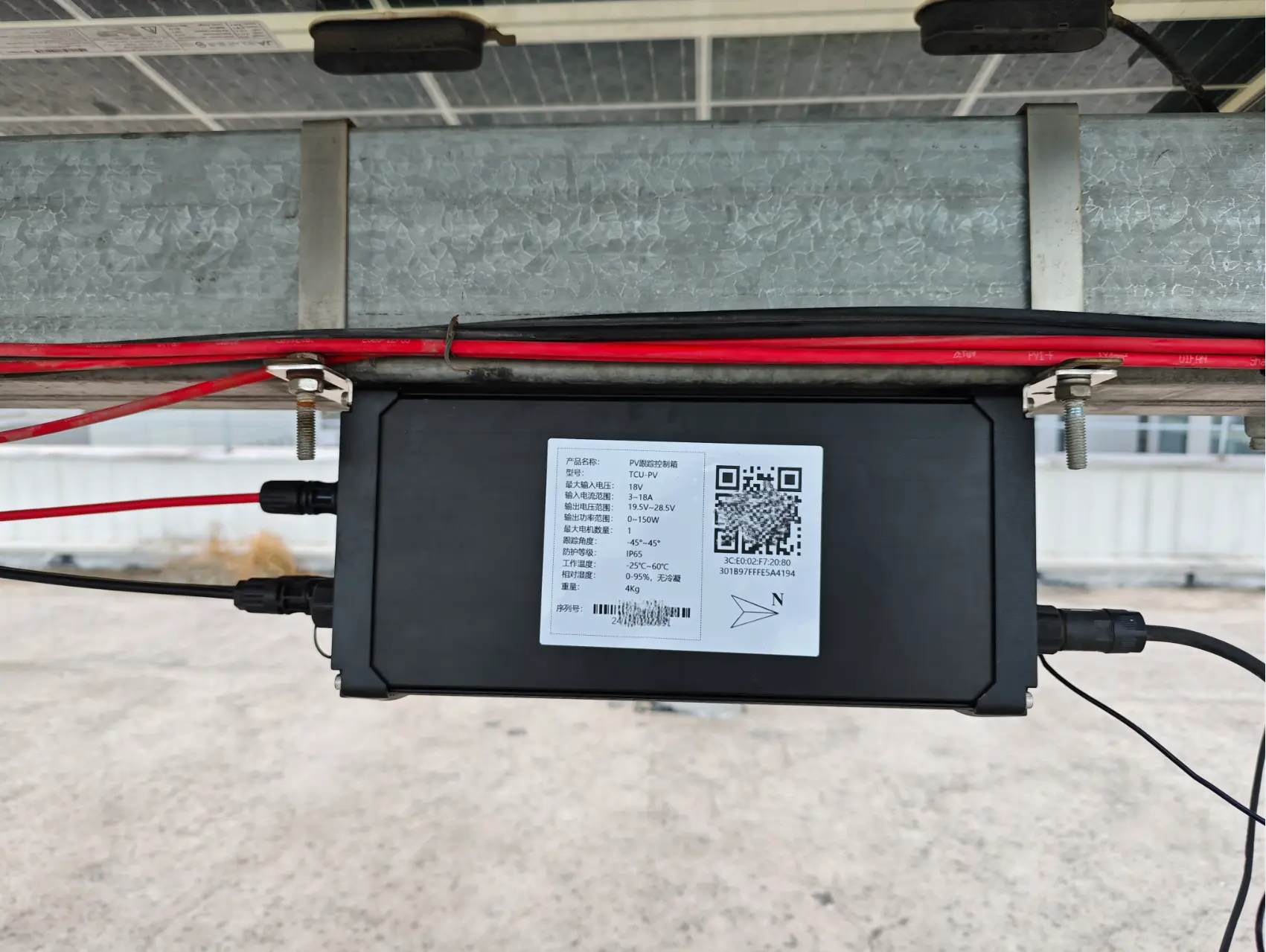
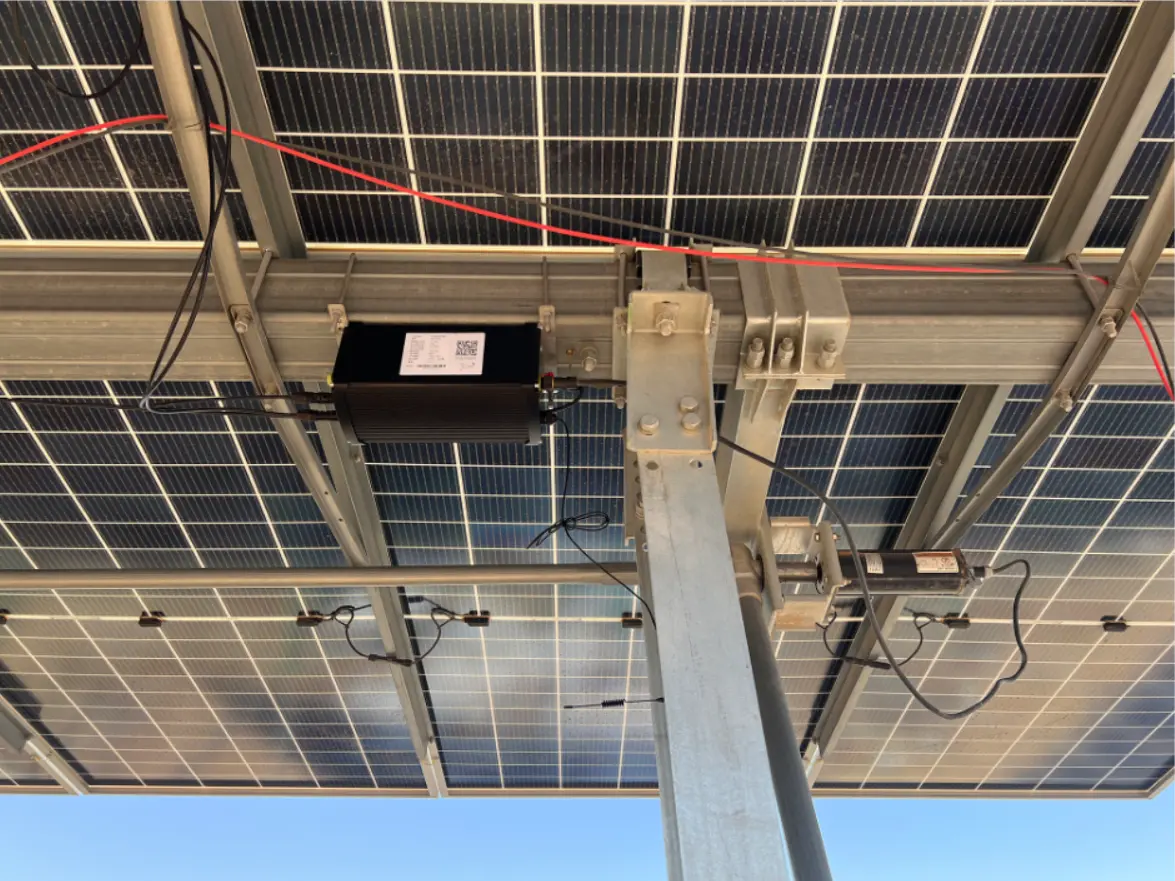
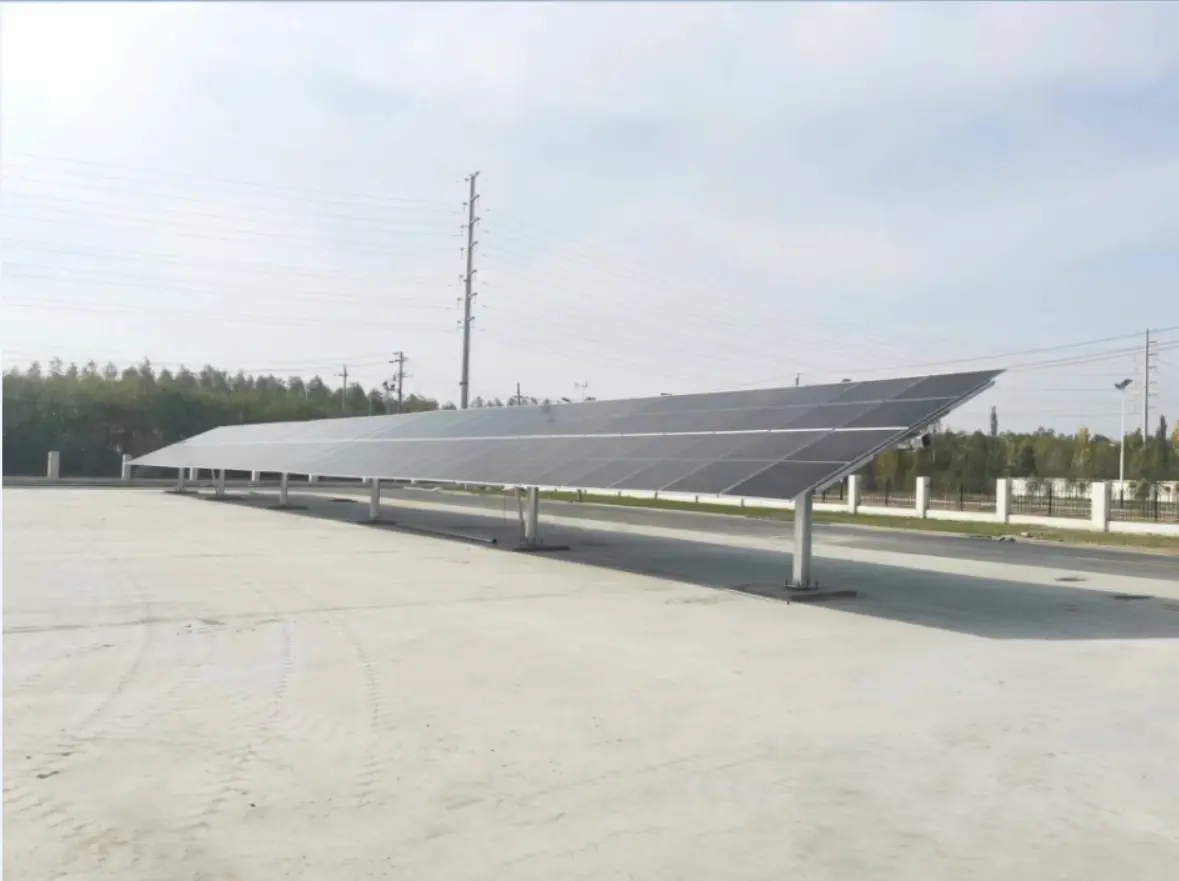
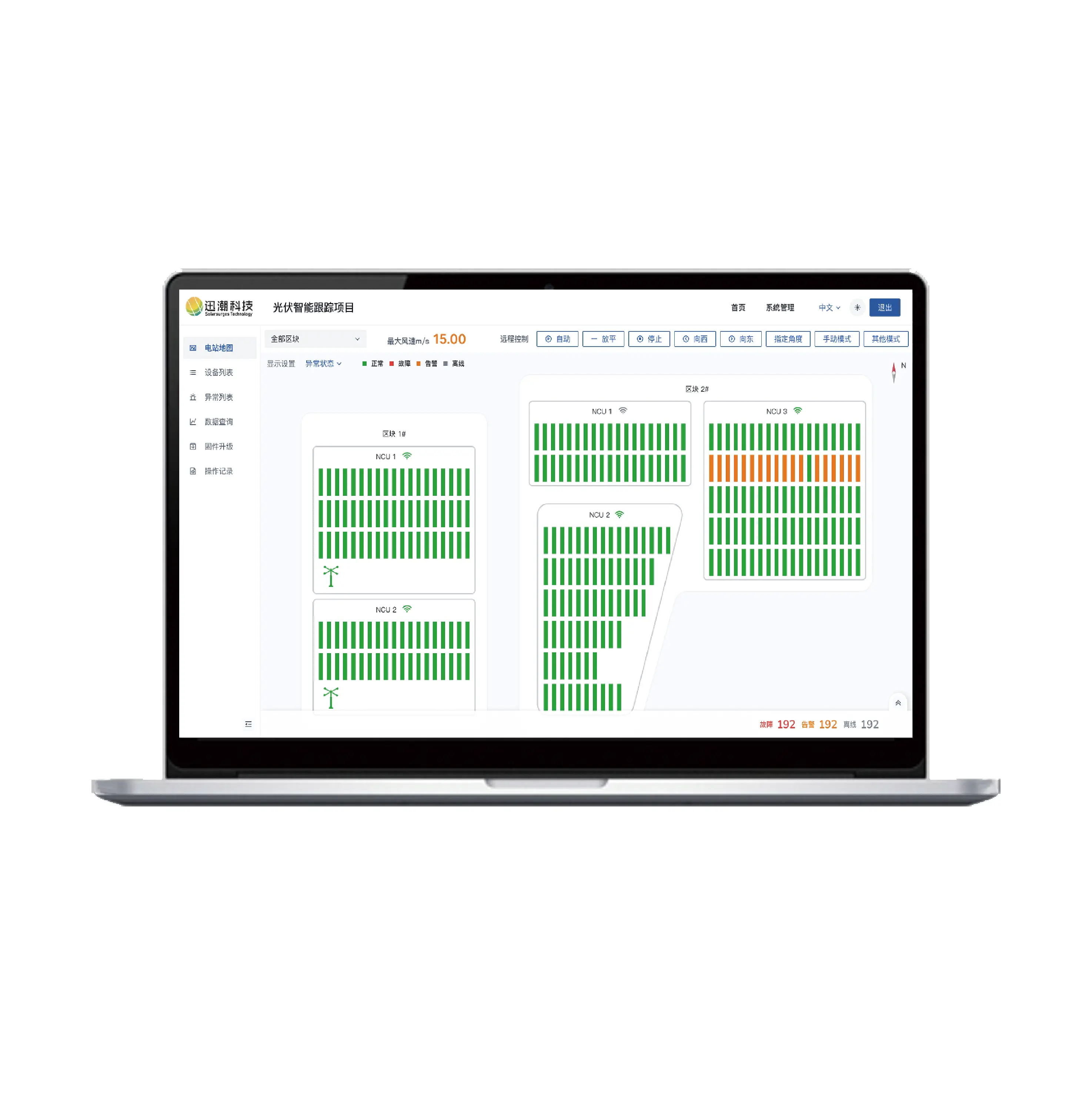
When combined with intelligent solar management systems, these conventional modules are increasingly integrated with solar tracker controllers and solar scada platforms to maximize energy yield across utility-scale deployments.
Section 4: Energy Business — The "Second Growth Engine" Beyond Automotive
Tesla's massive investment in photovoltaic manufacturing is mutually reinforcing with the financial performance of its Energy business.In 2025, Tesla's Energy generation and storage business achieved revenue of $12.77 billion, a 27% year-over-year increase. Full-year energy storage deployment reached 46.7GWh, with Megapack contributing the primary increment. With a 31.4% gross margin, the Energy business has become Tesla's highest-profit-margin segment — nearly double that of the Automotive business (17%). As the automotive business continued under pressure from pricing strategies in 2025, the Energy business has become a critical support for Tesla's financial base.
In 2026, Wall Street projects Energy business revenue will grow to approximately $18.3 billion, with gross margin maintained near 29%. Energy business revenue is expected to account for one-fifth of Tesla's total revenue. Q1 Energy business overall revenue was $2.408 billion, down 12% year-over-year, but this decline is more related to the project delivery pace fluctuates, rather than showing a weakening trend. Morgan Stanley analysts point out that while the Energy business still faces short-term pricing competition and cost pass-through lag from tariffs, the energy product mix is shifting from lower-margin Powerwall to higher-value utility-grade Megapack, supporting overall profitability.
The integration of PV tracker controllers and solar tcu systems within Tesla's energy management ecosystem further differentiates their utility-scale offerings, enabling smarter dispatch and grid services that command premium pricing.
Section 5: Industry Context — The Grand Puzzle of U.S. Photovoltaic Manufacturing Localization
The Houston factory's landing coincided with a crucial juncture in the localization of photovoltaic manufacturing in the United States.
Since the Inflation Reduction Act (IRA) passed in 2022, U.S. module assembly capacity has grown from approximately 8GW pre-IRA to current levels around 65GW. However, progress in upstream segments has severely lagged — actual solar cell production is only about 3.2GW, while silicon ingot and wafer manufacturing are just starting from virtually zero. U.S. photovoltaic manufacturing faces a "top-heavy, bottom-light" structural imbalance, which is precisely the strategic logic behind Tesla's choice to implement fully vertical integration from silicon material to modules at the Houston factory — seizing the window of
the ongoing IRA local manufacturing incentives have enabled the company to establish a complete manufacturing loop from silicon material to modules, and are expected to gain an advantage in the next phase of the photovoltaic localization competition.Under the IRA subsidy framework, domestically produced photovoltaic capacity that breaks ground before mid-2026 can enjoy a 30% base investment tax credit; projects meeting domestic material cost share requirements can receive an additional 10% credit. Since 2026, the domestic material share requirement for tax credits has increased from 40% to 50%. Tesla's vertical integration manufacturing layout fully aligns with this policy direction.At the same time, established U.S. photovoltaic manufacturers are also accelerating expansion. First Solar projects that by 2027 it will achieve approximately 18GW of annual nameplate capacity across six factories in Alabama, Louisiana, Ohio, and South Carolina, having invested approximately $4.5 billion in manufacturing and R&D infrastructure since 2019. Tesla's entry with 100GW-level vertical integration capacity is expected to further reshape the U.S. photovoltaic manufacturing landscape.
The growing prevalence of solar tracker controllers and solar SCADA in utility-scale deployments underscores the importance of pairing high-efficiency manufacturing with intelligent system integration — a combination Tesla is uniquely positioned to deliver through its vertical integration strategy and energy management platform.
The synergy between solar tcu (tracker control unit), solar ncu (network control unit), and PV tracker controller systems will play an increasingly central role as Tesla scales from pilot production toward gigawatt-level output — ensuring that every megawatt of manufactured capacity can be maximally optimized through intelligent tracking and monitoring systems.
Data Note: All data is current as of May 20, 2026. Sources include Electrek exclusive reporting, CNBC, Reuters, Visible Alpha data, and public disclosures from respective companies. This article is for reference only and does not constitute investment advice.
Related Solar Tracker Products