English
  中文
中文

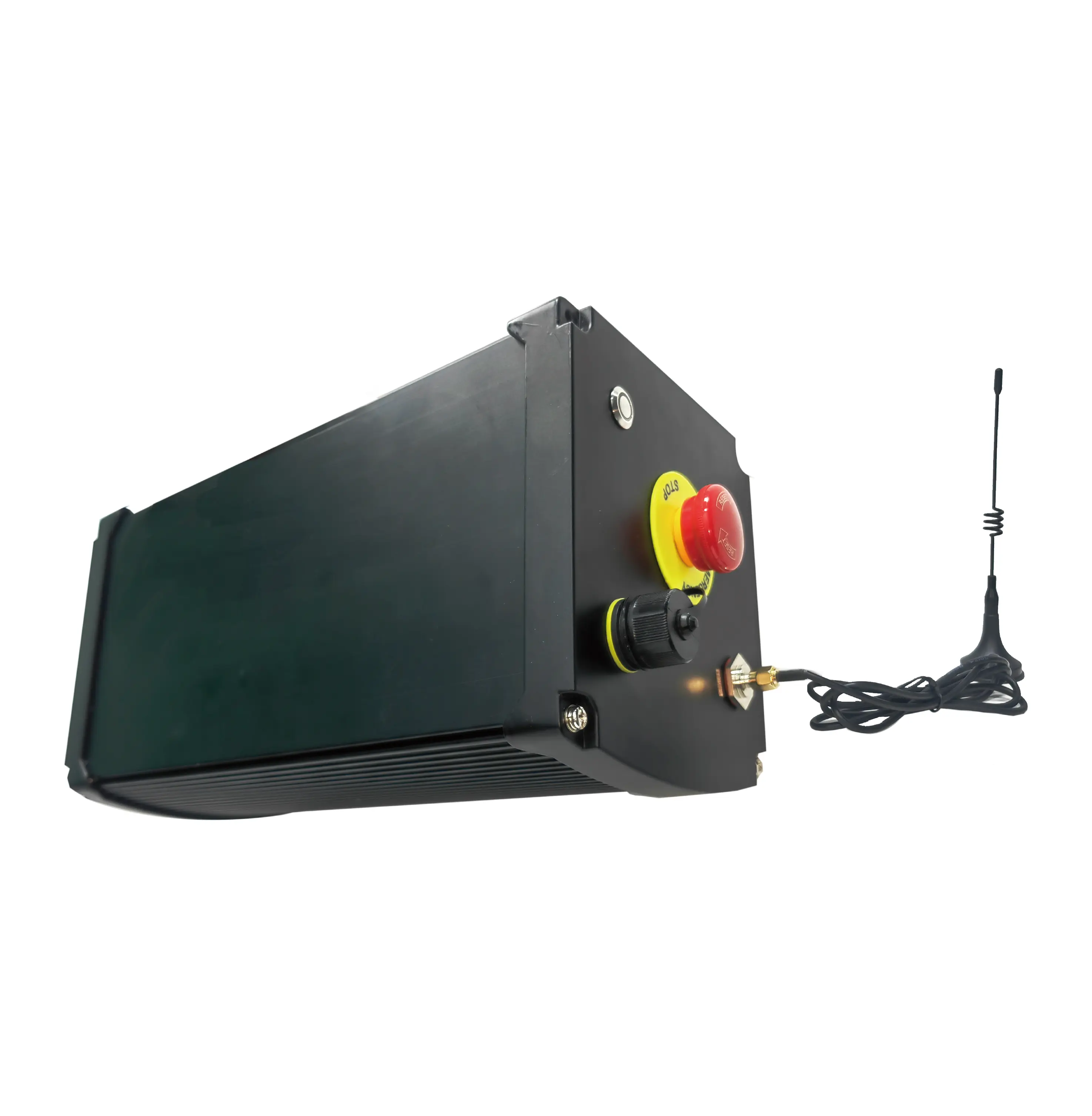
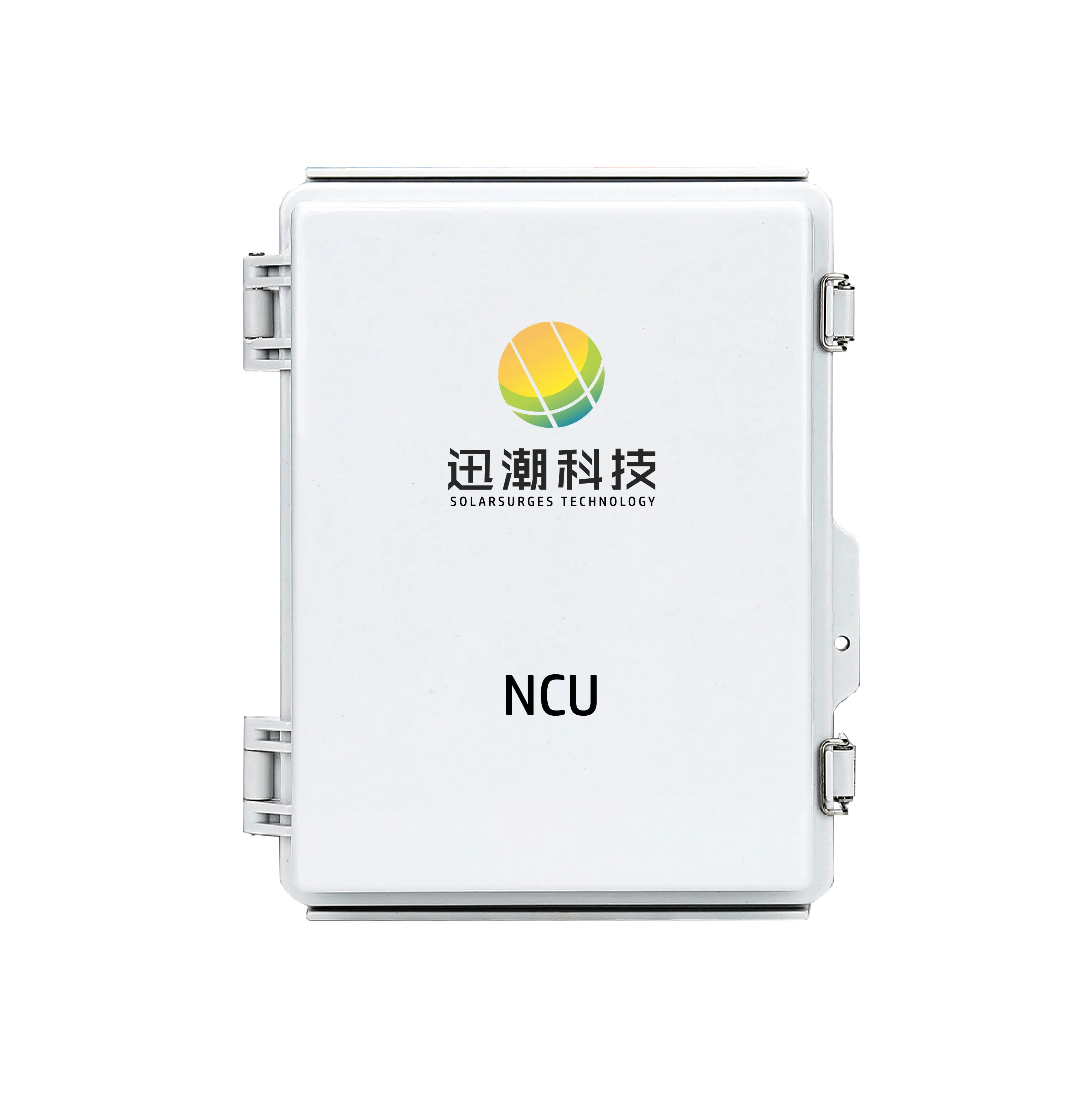
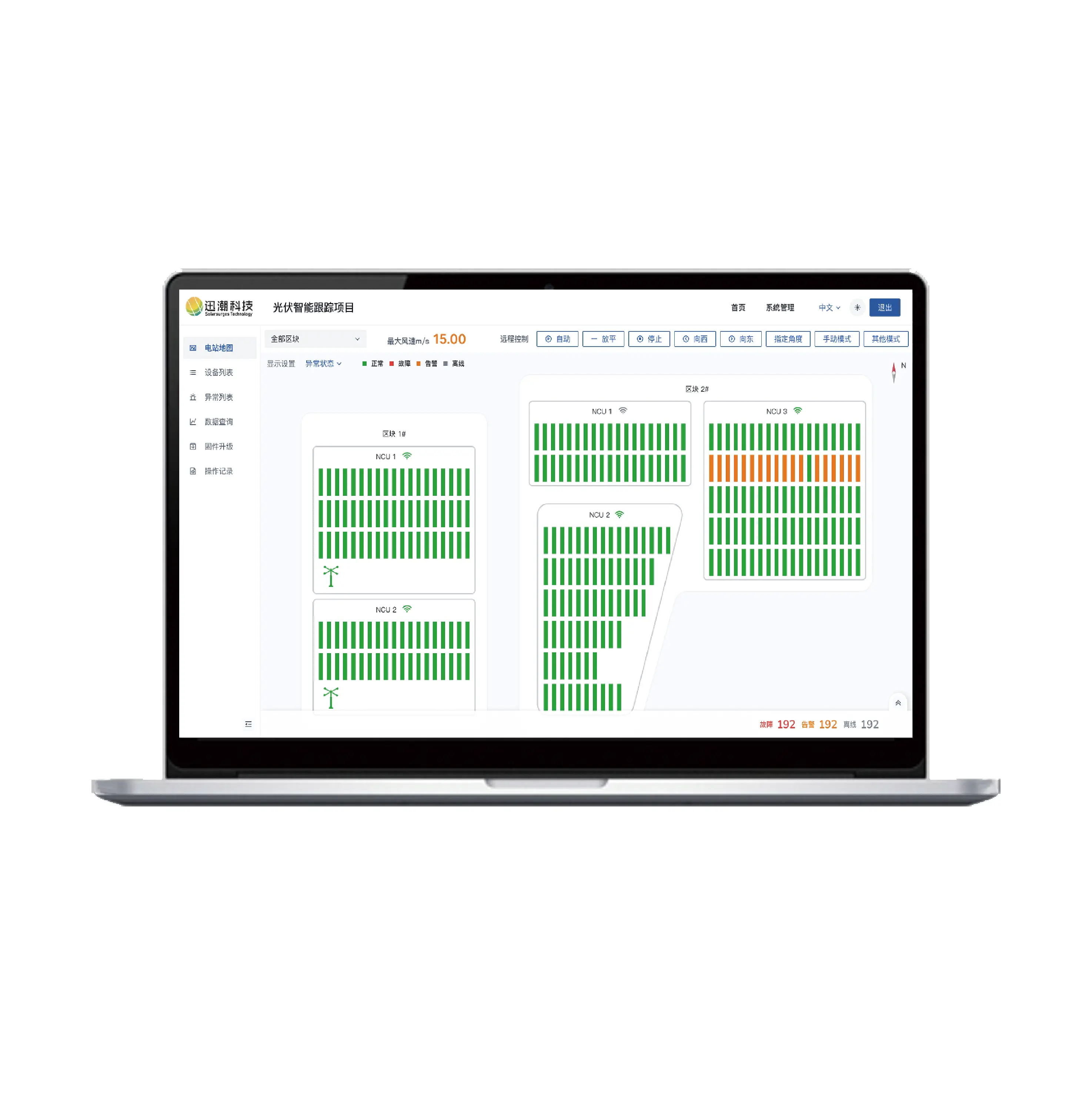

Table of Content
[Hide]
2026 Global PV Tracker Market to Surpass $18 Billion — Smart Controllers emerge as the Core Competitive Factor
Published: March 25, 2026 | Category: Industry Insights
From "Mechanical Following" to "Smart Sensing"
Traditional tracking systems rely on astronomical algorithms to calculate the sun's path and achieve fixed-angle following. But in 2026, the new generation of PV tracker controllers is no longer just "chasing the sun" — they integrate multiple environmental sensing capabilities.Taking Solarsurges' SurgeTrack TCU series as an example, their controllers feature built-in light sensors, weather station interfaces, and AI algorithms that dynamically adjust tracking angles based on real-time data: cloud cover, wind speed variations, terrain reflections, and more. This means panels on different racking rows within the same plant can each "judge" their own optimal angle, rather than moving in uniform synchronization.
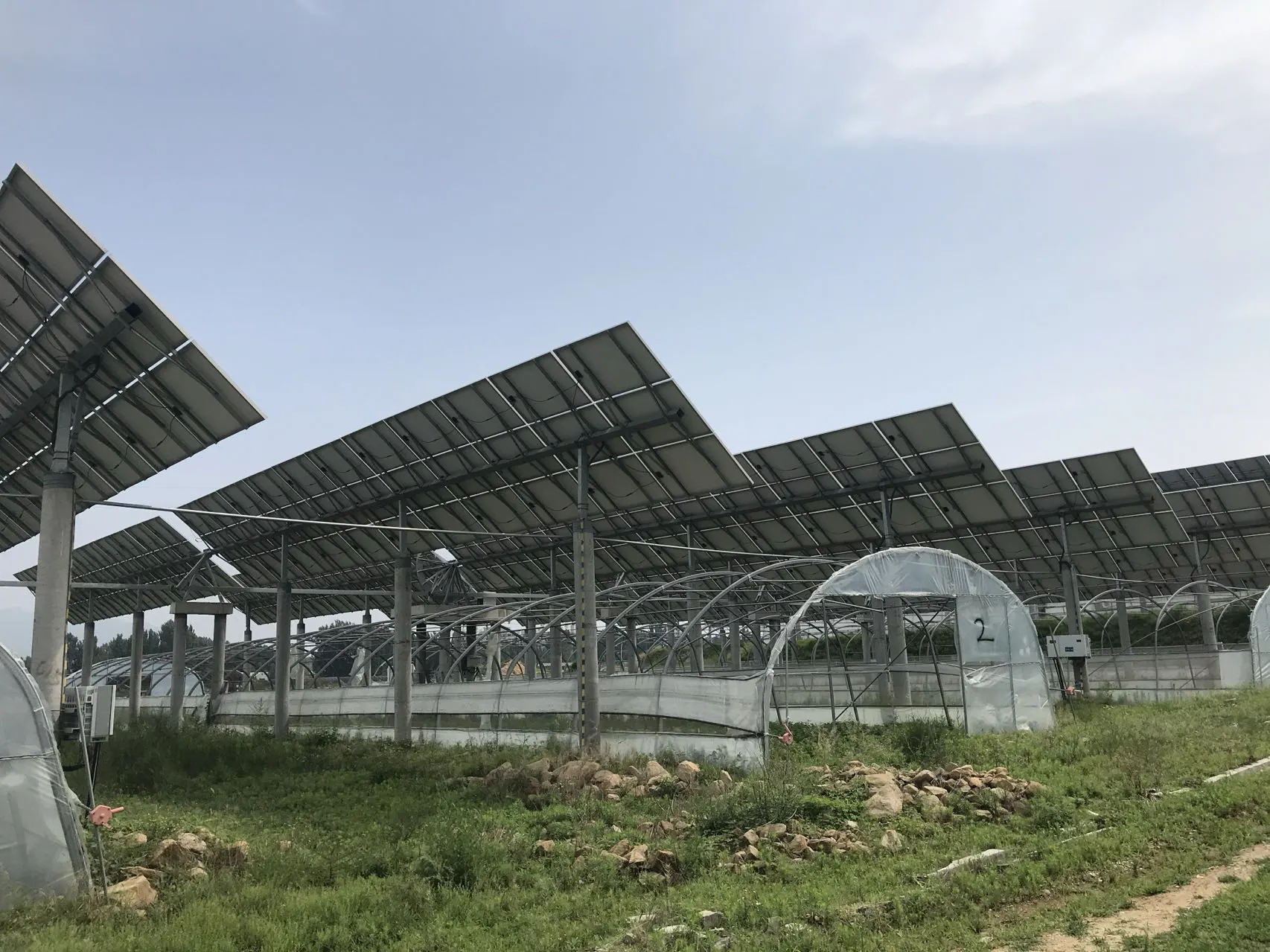
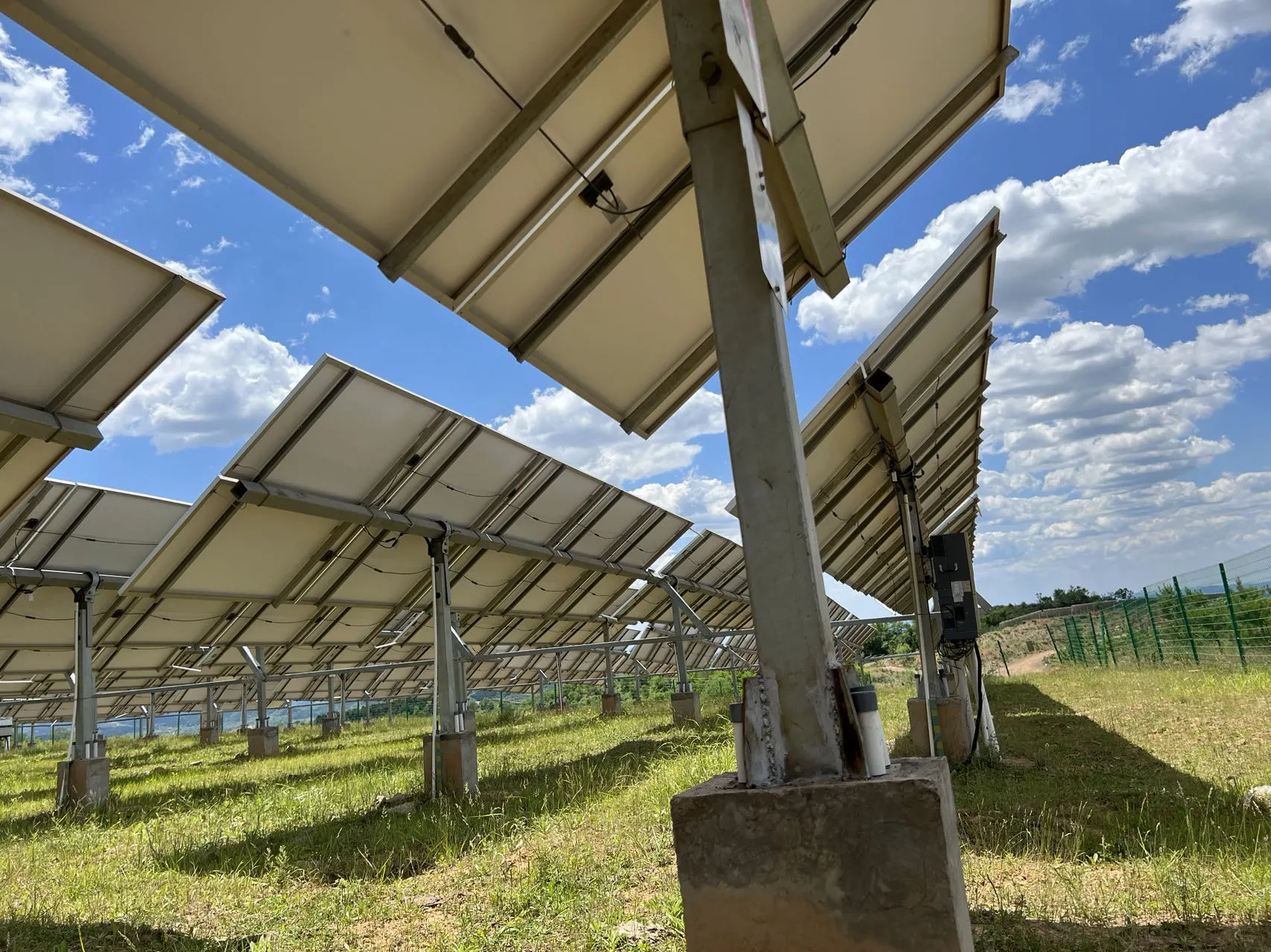
Multi-drive single-axis solutions, which enable flexible motor control for each row independently, represent this trend perfectly. Compared to traditional centralized control modes, this approach distributes solar tracker controller units across every row, achieving true independent tracking. Research indicates that in complex terrain or shaded plants, this solution can increase energy yield by 3% to 5%.
NCU: Building the "Neural Network" of Solar Plants
If the TCU is the intelligent terminal for a single racking row, the NCU (Network Control Unit) is the communication hub for the entire plant.A typical 50MW solar plant may contain hundreds of TCUs and thousands of drive units. The solar ncu aggregates data from all these devices and uploads it to the SCADA system, while simultaneously distributing control commands down to each TCU. In 2026, NCU products widely support 4G/5G, LoRa, and fiber-optic hybrid networking, with edge computing capabilities — when abnormalities occur, the NCU can issue protection commands within milliseconds, without waiting for a cloud response.
This capability is critical to the Smart Plant concept. When a tracking system detects a sudden wind speed surge, the NCU can switch all TCUs to "storm protection mode" within 0.5 seconds, adjusting panel angles to the minimum wind-resistant position. This is nearly 10 times faster than traditional centralized response.
AI Algorithms: The Next Main Battlefield
Solar tracking systems are becoming an important real-world application scenario for artificial intelligence.Leading manufacturers have begun embedding machine learning models into their solar tracker controllers. Based on historical generation data, meteorological data, and terrain data, these models predict the optimal tracking strategy for the next day or even the coming week. Compared to pure astronomical algorithms, AI-driven solar tcu solutions can "remember" local illumination patterns, seasonal shadowing, and module degradation curves — developing a tracking logic unique to that specific plant.
Solarsurges' cloud-based digital twin platform has already implemented a "controller + cloud AI" collaborative architecture. Every TCU's operational data is uploaded in real time, AI models continuously optimize control parameters in the cloud, and updated strategies are pushed back to the NCU and TCUs. This closed loop enables a plant's tracking strategy to become "more precise with every operating day."
Looking Ahead
In 2026, the competitive focus of the solar tracking industry is shifting from hardware performance to intelligent capability. The sensing accuracy of the solar tracker controller, the communication efficiency of the NCU, and the prediction precision of AI algorithms together form the core differentiators of the next-generation PV tracker controller system. For solar plant developers and operators, choosing a controller supplier with continuous algorithm iteration capability will directly impact the plant's Levelized Cost of Energy (LCOE) over its entire lifecycle.
References
Related Solar Tracker Products