English
  中文
中文

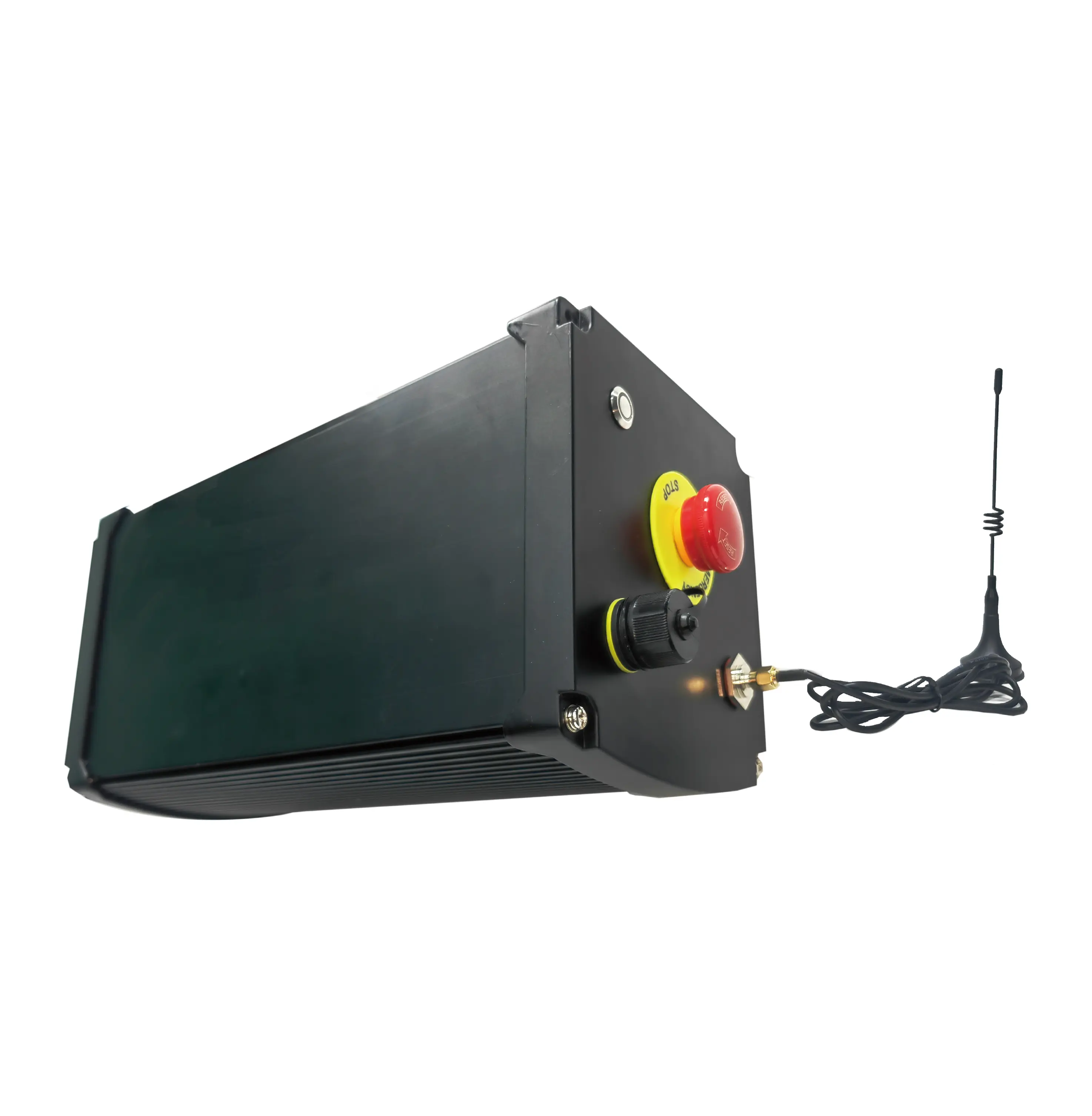
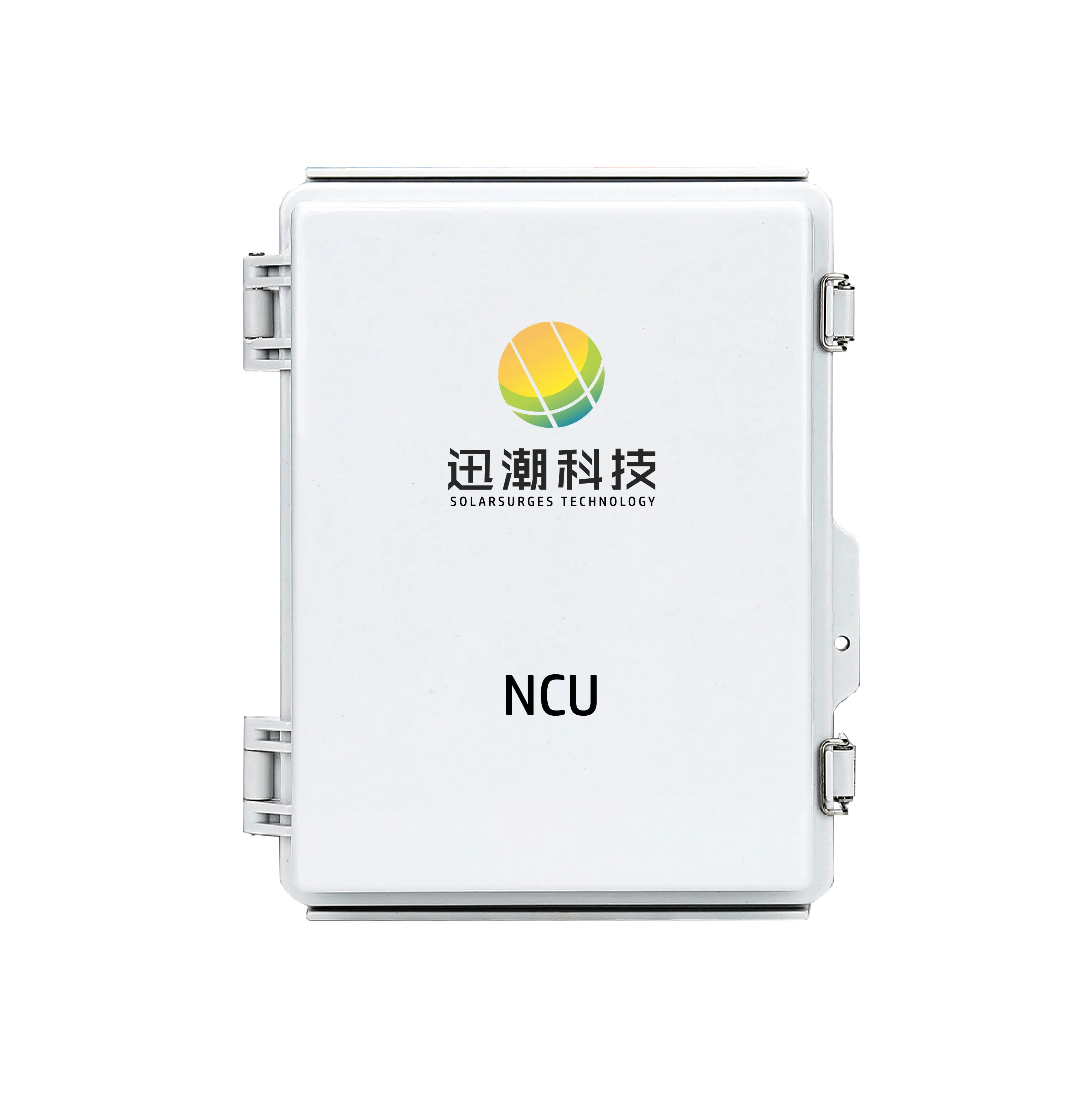
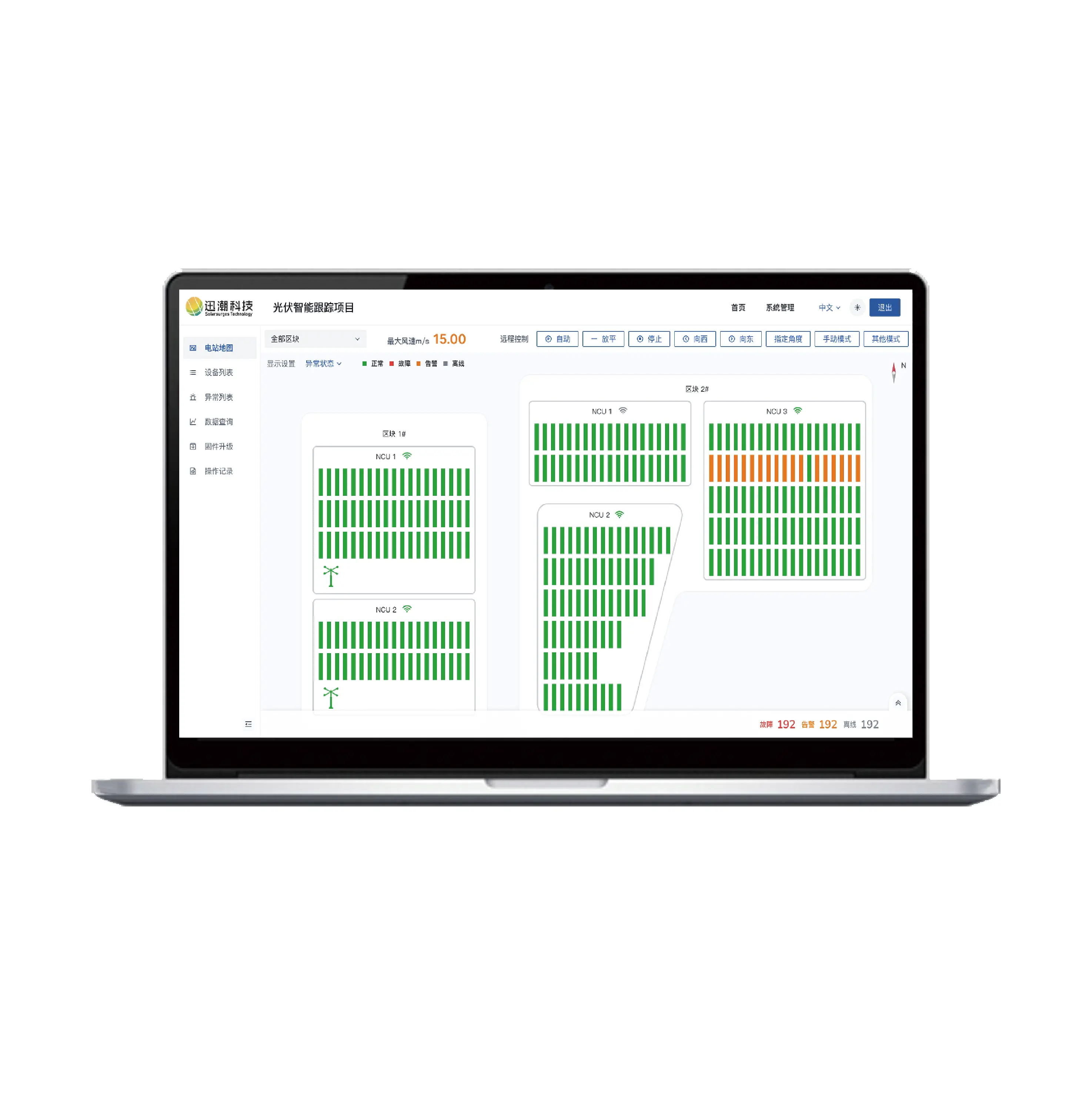

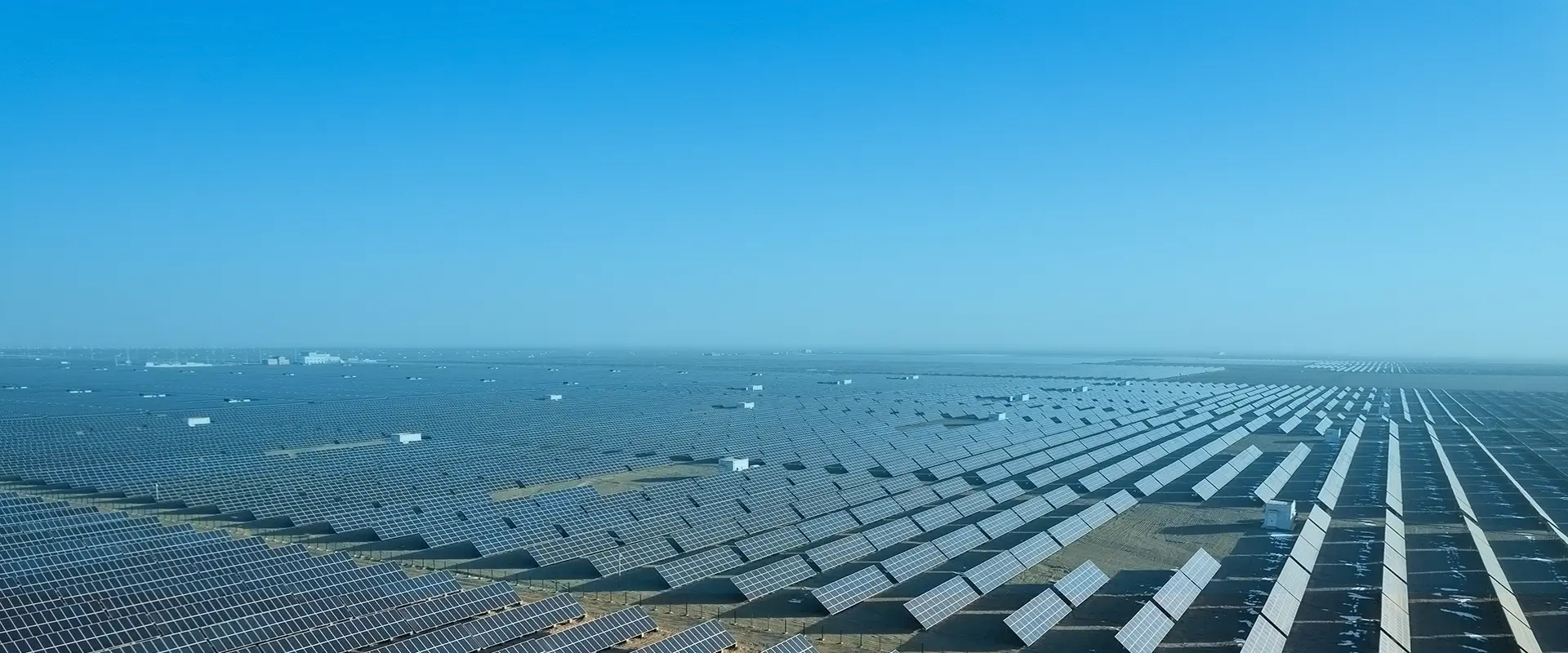
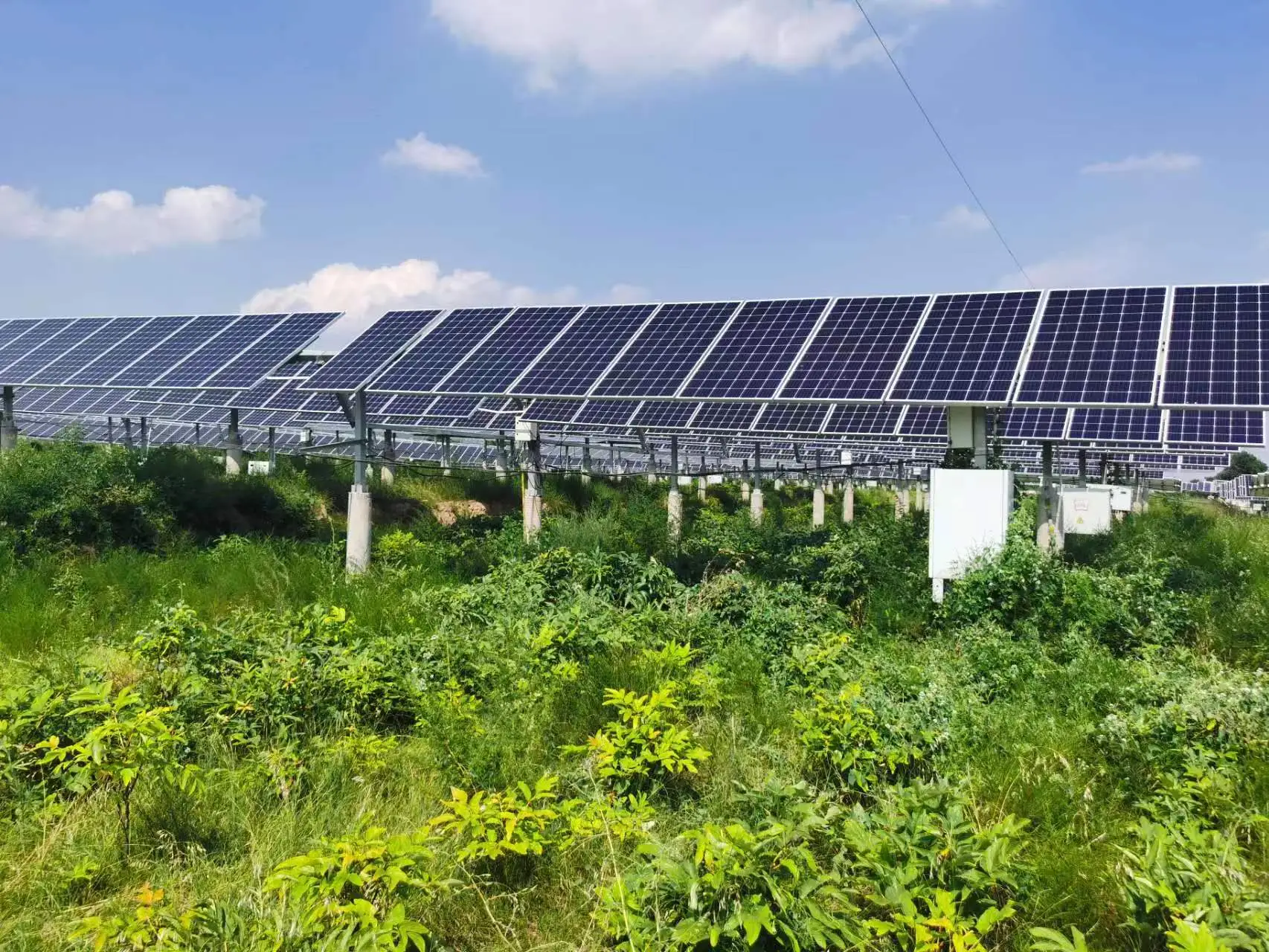
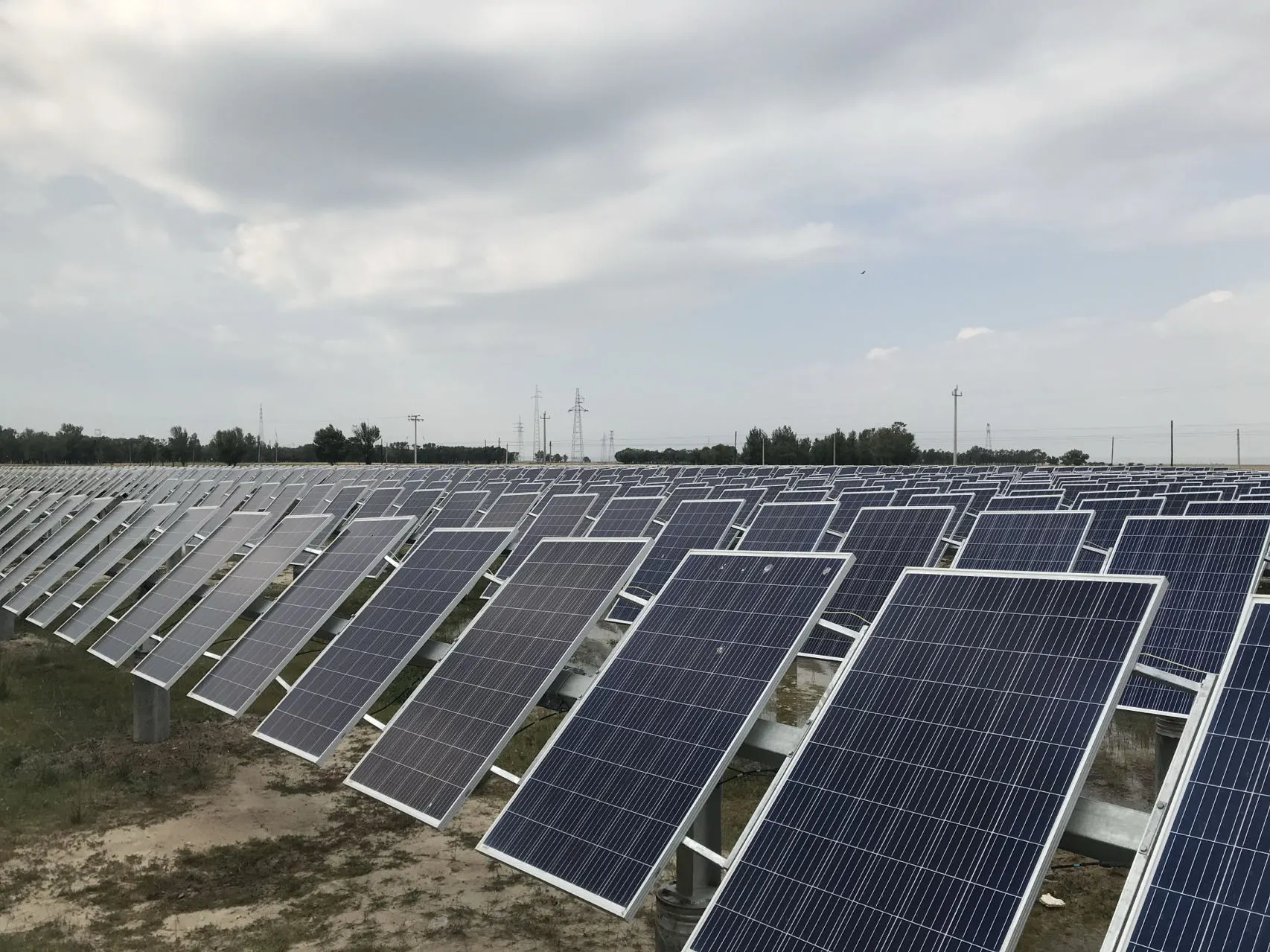
In the rapidly evolving solar energy landscape, the term "Smart Plant" defines a new era in utility-scale solar operations. By 2026, the integration of advanced technologies—like tcu tracker systems and cloud-based digital twins—has enabled the transition from reactive maintenance to fully automated, self-optimizing solar farms. At the forefront of this technological revolution is the SurgeTrack AC450 Tracker Control Unit (TCU), which offers unparalleled performance, seamless data integration, and AI-driven optimization.
This article explores how the SurgeTrack AC450 operates as the backbone of intelligent solar farms, leveraging digital twin technology and advanced AI to unlock efficiencies, minimize operational downtime, and increase energy yield.
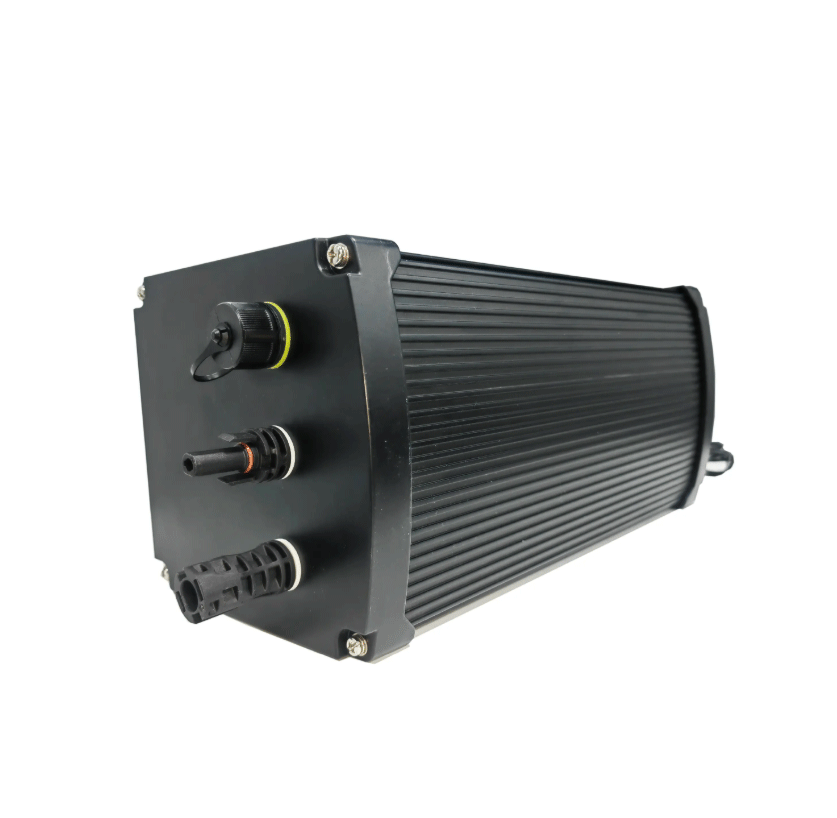
Beyond Simple Tracking: The Architecture of an Intelligent Solar Node
Traditional solar trackers, often called "slave" controllers, were limited to basic functions—primarily following predefined sun paths. The new wave of intelligent tcu trackers, exemplified by the SurgeTrack AC450, transcends those limitations with sophisticated engineering and embedded intelligence.
What Sets the SurgeTrack AC450 Apart?
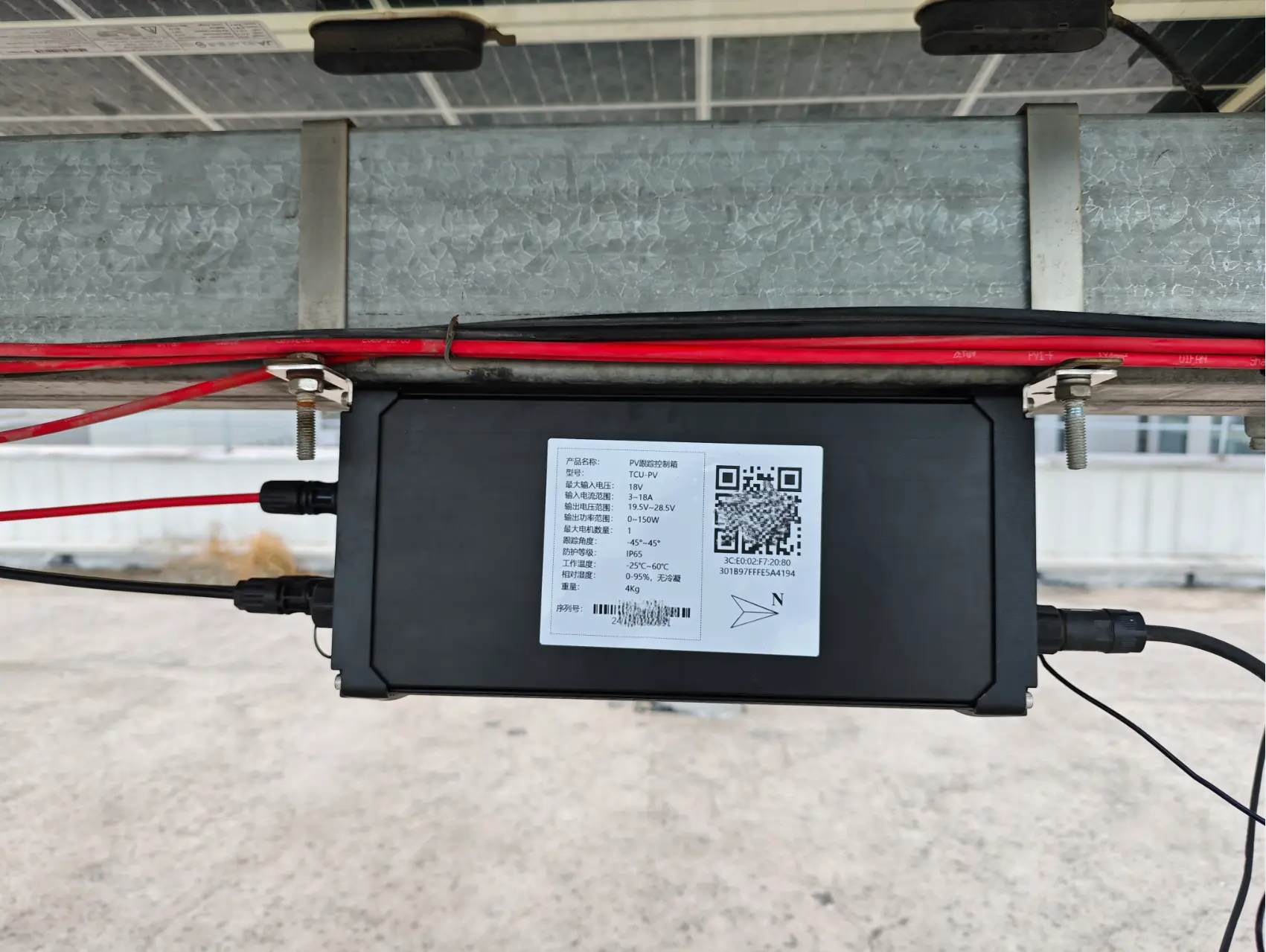
The AC450 isn't just a motor-driving component. It acts as a true "intelligent node" capable of analyzing real-time environmental conditions, including:
Torque & Load Metrics: Using onboard 3-axis accelerometers, the unit can dynamically adjust to wind shear and load variations, ensuring optimized tracking precision.
Wireless & Scalable Communication: Powered by Sub-1GHz wireless mesh networking and Modbus TCP protocols, the AC450 seamlessly integrates with plant-wide systems for real-time coordination across hundreds of trackers.
Heavy-Duty Power: With a robust 450W output, it supports larger bifacial modules and heavier single-axis tracking arrays, ensuring stability under all conditions.
This innovative TCU facilitates real-time decisions, reducing wear and tear while enhancing output efficiency. As solar farms grow in scale, the architecture of intelligent solar nodes like the AC450 becomes indispensable.
The Digital Twin Transformation: Simulating Success in the Cloud
One of the most groundbreaking advancements in solar energy optimization is the integration of digital twin technology with tracker control systems. Unlike standard statistical models, digital twins dynamically mirror real-world conditions, enabling operators to simulate, predict, and proactively respond to potential issues.
How Does the AC450’s Digital Twin Integration Work?
High-Fidelity Telemetry: The SurgeTrack AC450 feeds real-time data—wind speed, stow positioning, and surface stresses—to the Cloud SurgeTrack SCADA system.
AI-Driven Simulations: During critical scenarios such as sandstorms, the digital twin runs "What-if" simulations to test various outcomes, like adjusting to the optimal stow angle that balances durability with power production.
First-Principles Approach: Leveraging first-principles physics, these twins can accurately model and optimize plant operations down to individual module levels.
2026 in Action: An Example
Imagine a solar plant in the desert. A sandstorm is detected on-site. The AC450 communicates with the central cloud platform, which simulates stow strategies to minimize abrasion on bifacial modules. The twin determines a reduced tilt angle (rather than flat stow), protecting surfaces while maintaining partial generation. This real-time response results in reduced O&M costs and sustained energy production.
The Performance Benchmarking of the SurgeTrack TCU AC450
As the industry moves toward utility-scale designs, tracker technology must keep pace with larger systems and more demanding environments. The SurgeTrack AC450 leads the market with performance benchmarks tailored to 2026’s advanced solar facilities.
Core Specifications of the AC450
Output Power: 450W, delivering ample torque for massive bifacial tracker systems.
Advanced Algorithms: Includes Astronomical Algorithms and 3D Backtracking to prevent shading losses in uneven terrain.
Cybersecurity-by-Design: Equipped with encrypted communication protocols to ensure a secure connection between on-site hardware and cloud platforms.
Cloud Integration: Seamlessly syncs telemetry with proprietary SurgeTrack SCADA dashboards for analysis and action.
Modern solar farms require dependable systems resilient to weather extremes and grid volatility. AC-powered TCUs like the SurgeTrack AC450 not only control massive tracker loads but also provide the computational bandwidth needed for AI-driven optimizations.
Reducing LCOE: The Economic Case for AI Integration
Lowering the Levelized Cost of Energy (LCOE) has become a shared goal for Solar EPCs, Asset Managers, and O&M specialists as they scale their projects. Innovations in AI and automation are delivering dramatic reductions in operational costs.
Key Economic Insights
AI Optimization Savings: AI-driven tracking systems can improve energy yield by 15%. Combined with bifacial modules, the synergy of AI tracking and real-time cloud diagnostics slashes the LCOE by 16%.
Operational Efficiency Gains: Remote monitoring and troubleshooting through the SurgeTrack SCADA platform eliminates 40-50% of unnecessary technician site visits, saving time, labor, and fuel costs.
By applying predictive maintenance and optimizing tracking algorithms, operators drive substantial financial value over their deployment's lifetime while ensuring long-term reliability.
Safety as a Priority: Storm, Hail, and Snow Protocols
Every intelligent solar farm must prioritize equipment safety alongside energy production. The SurgeTrack system integrates advanced environmental sensors to protect trackers from extreme weather.
Autonomous Protection Features
Hail Flux Sensor: Detects hailstorms in advance, triggering stow protocols within seconds to minimize impact damage.
Laser Snow Depth Sensor: Monitors snow accumulation on modules and automatically adjusts tilt angles to shed snow without manual intervention.
Wind & Storm Resistance: With built-in high-torque motors, the AC450 tracks and instantly stows positions during high-wind events, preventing tracker or module damage.
FAQ: Why Choose AC-Powered TCUs Over Battery-Powered Solutions?
Q: Why prioritize an AC-powered TCU like the AC450 over self-powered variants?
A: Simple: Stability and reliability. AC-powered TCUs provide consistent torque, even under extended low-light conditions when battery-powered controllers are prone to failure. Whether it's operating massive single-axis trackers or dealing with extreme environmental conditions, the AC450 ensures uncompromised performance.
Conclusion: The Future of Autonomous Energy Production
By 2026, solar farms will have evolved into fully autonomous systems—self-optimizing "living" energy plants with minimal human intervention. This shift requires robust technologies like the SurgeTrack AC450 Tracker Control Unit, which bridges the physical and digital with AI enhancements and cloud-based innovations.
Operating at the intersection of intelligent tracking and predictive technology, the SurgeTrack AC450 sets the standard for reducing costs, maximizing energy capture, and ensuring plant longevity.
Related Solar Tracker Products