English
  中文
中文



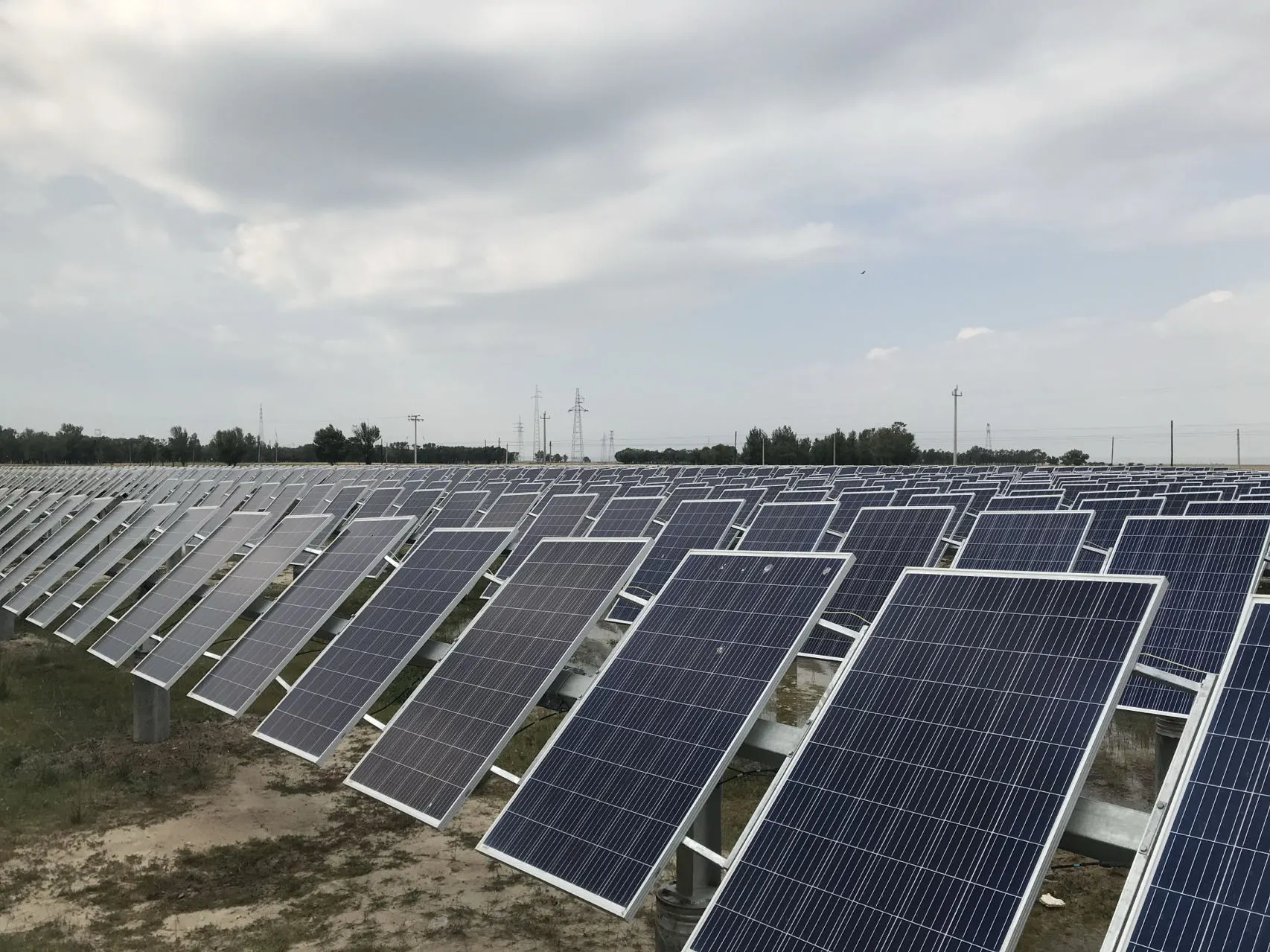
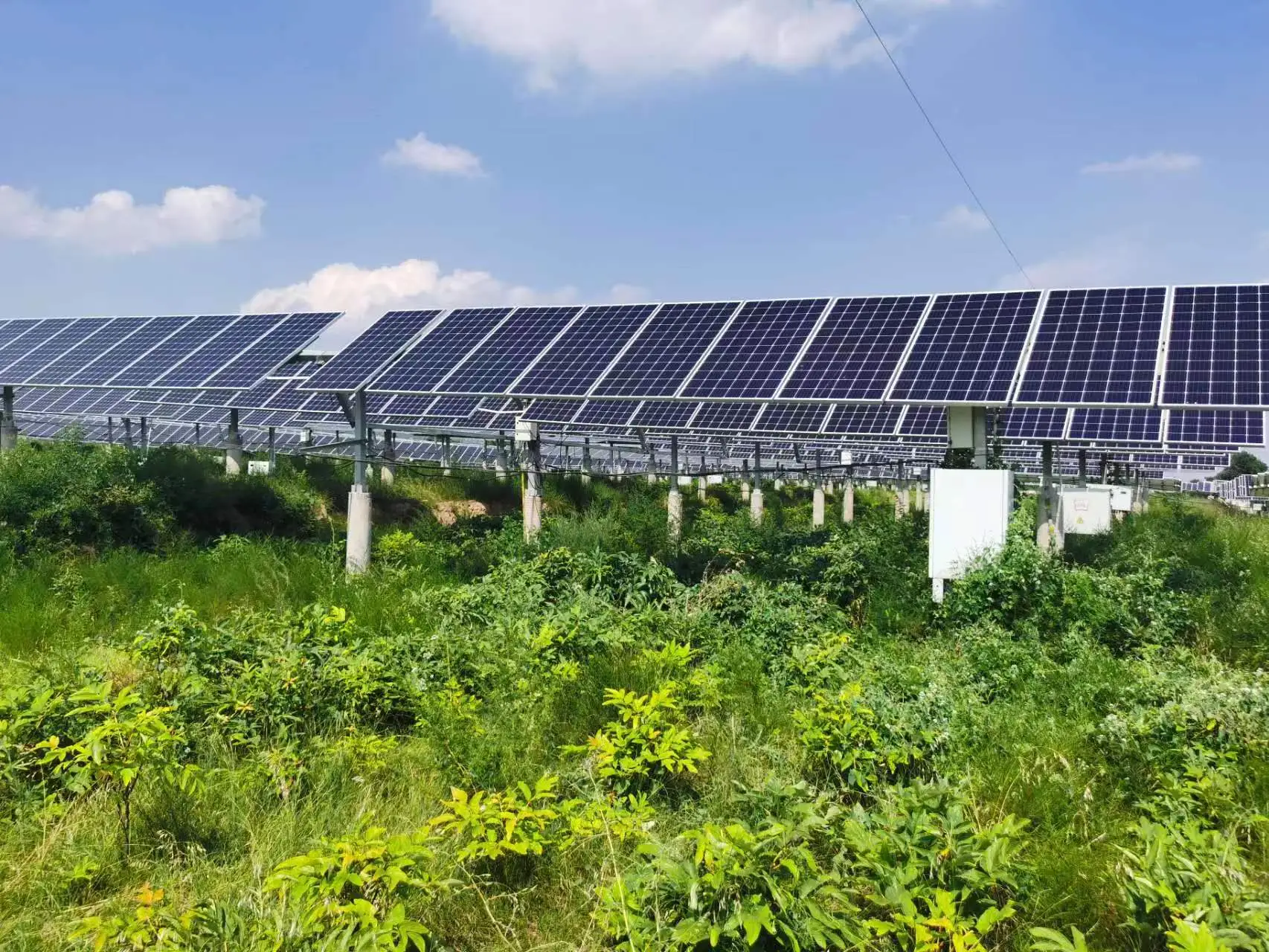
In 2026, Horizontal Single-Axis Trackers (HSATs) have emerged as the gold standard for utility-scale solar projects, delivering unmatched Levelized Cost of Energy (LCOE). By offering a 25–35% yield gain over fixed-tilt systems while maintaining substantially lower CAPEX and OPEX compared to dual-axis trackers, HSATs dominate 94% of solar-viable land globally. For developers and financiers, the choice is no longer about theoretical output—but intelligent, bankable performance.
The LCOE Tipping Point: Balancing Complexity and Yield
When determining the viability of a solar tracking system in 2026, Levelized Cost of Energy (LCOE) reigns supreme. Utility-scale developers must weigh the long-term operational gains against upfront capital expenditures, and this is where HSAT consistently outshines dual-axis technologies.
Analyzing the 2026 Cost Gap
Dual-axis trackers provide approximately 10% more energy yield than HSATs by tracking the sun across two axes. However, this incremental advantage comes at a staggering cost. The additional moving parts, servo motors, and pedestals required for bidirectional movement inflate balance-of-system (BOS) costs by 40–60% when compared to HSATs.
Moreover, increased mechanical complexity in dual-axis systems dramatically magnifies the risk of mechanical failure. According to 2026 industry benchmarks, Mean Time Between Failures (MTBF) for dual-axis systems doubles that of HSATs. Maintenance teams often conduct up to 2.5 times more annual service visits for dual-axis trackers, escalating Operational Expenditure (OPEX) in perpetuity.
Strategic Recommendation
For developers, EPC contractors, and financiers targeting LCOE under $30/MWh, HSATs represent the most bankable solution. With simple linear alignment, fewer motors, and robust construction rated for a 25-year lifespan, HSATs allow projects to minimize O&M costs, avoid technical downtime, and optimize investor confidence.
The "Intelligence" Edge: The Modern Single-Axis Solar Tracker Controller
Gone are the days when single-axis systems were seen as rudimentary. In 2026, the single axis solar tracker controller is the technological mastermind driving efficiency gains in utility-scale plants.
The Brains Behind the Rows
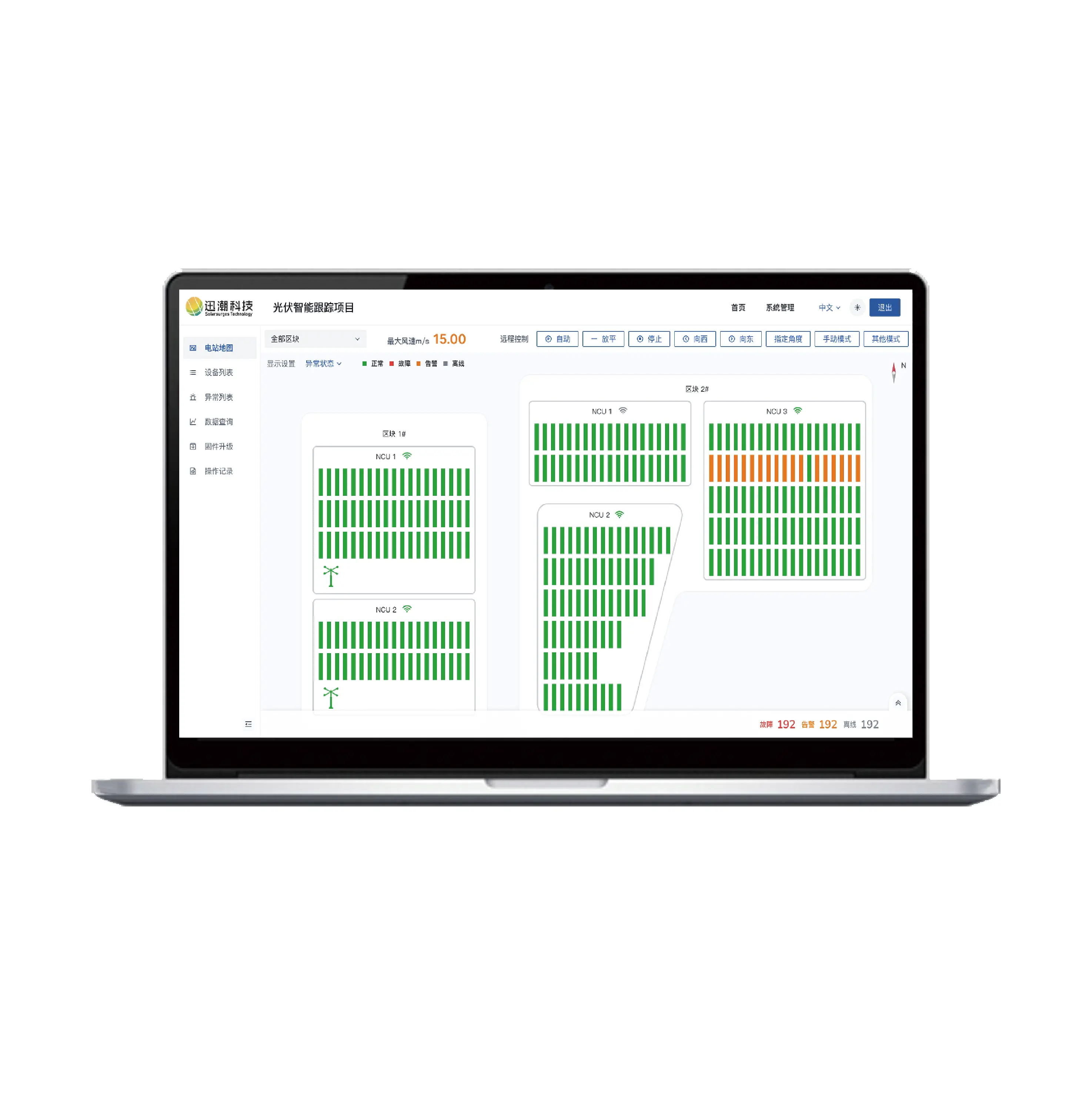
Modern HSAT systems integrate advanced algorithms for precise solar optimization, making them smarter and more resilient than ever before. Controllers now harvest diffuse light during overcast conditions while simultaneously leveraging bifacial albedo optimization for maximized energy yield off rear-facing modules. These capabilities are central to their dominance in the LCOE battle.
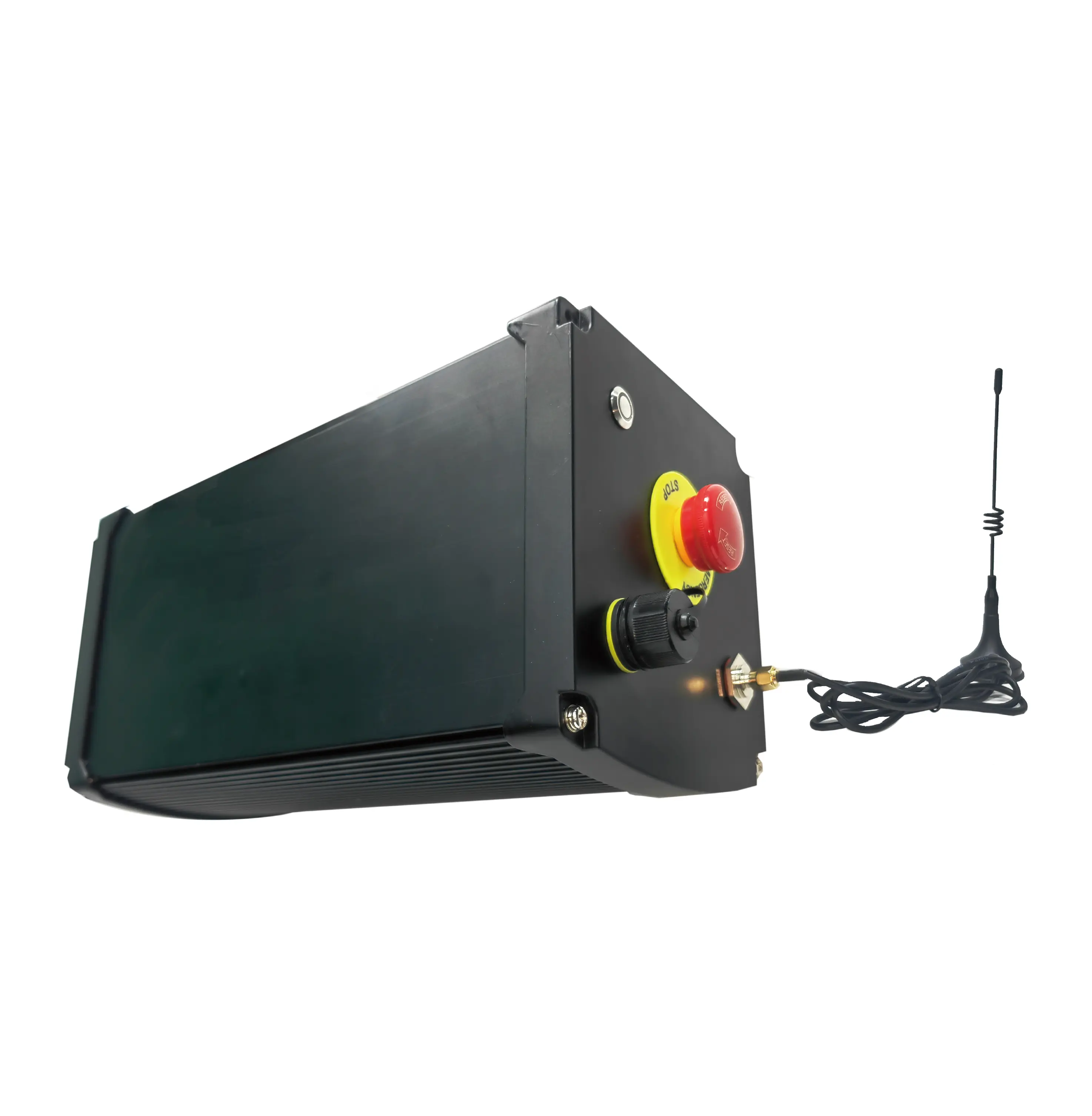
A Leap in Engineering: The SurgeTrack AC450
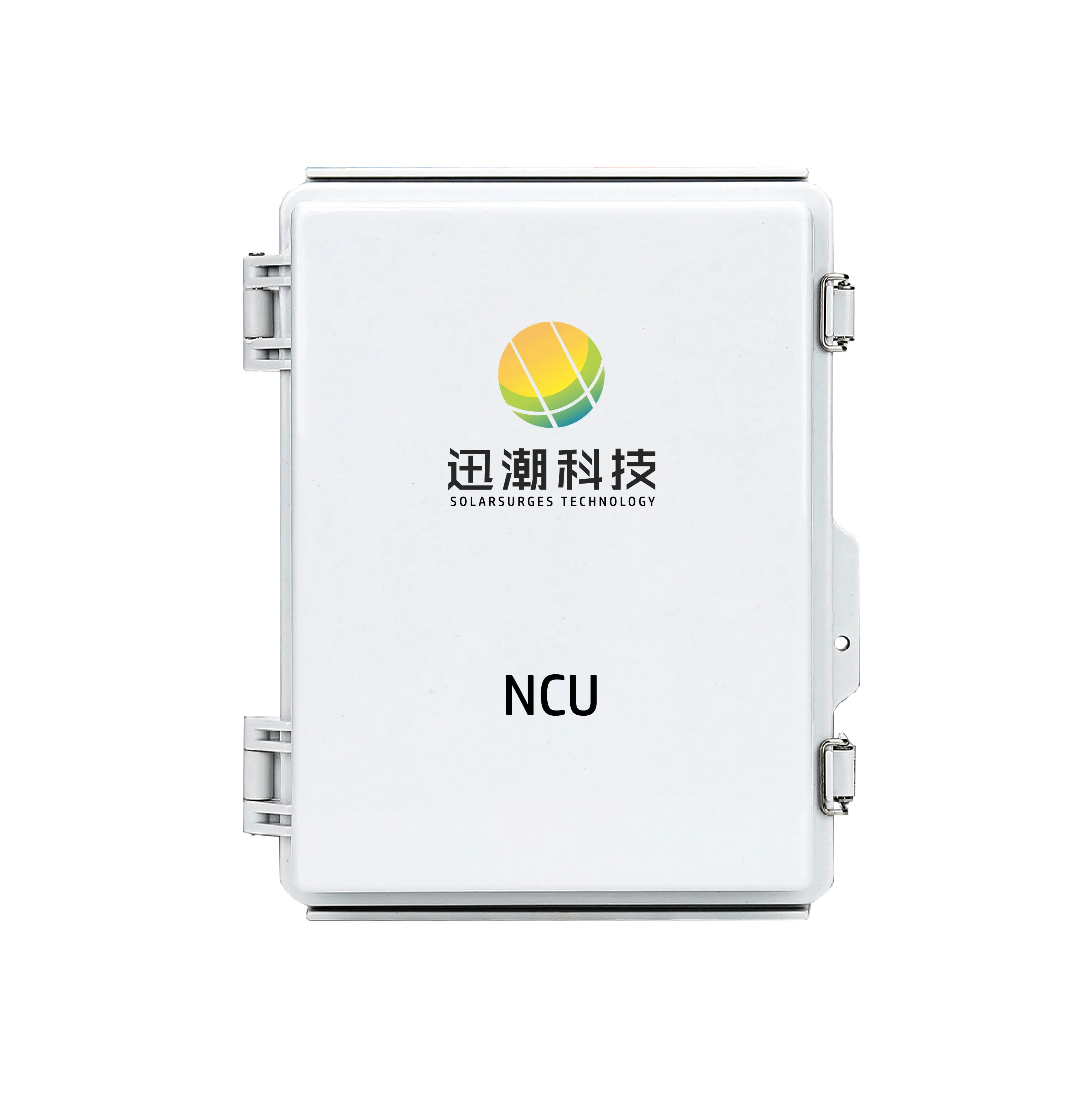
Among the leading controllers is the SurgeTrack AC450, featuring 3D backtracking—a game-changing capability in undulating terrain. By preventing row-to-row shading losses, 3D backtracking ensures consistent energy output even on slopes, enabling versatile site configurations in challenging landscapes. For developers aiming to stay competitive, integrating such intelligent systems is an essential step in meeting or exceeding their LCOE goals.
Why Bifacial Compatibility Won the War for HSAT
A pivotal shift in solar design from 2020 to 2026 has been the widespread adoption of bifacial solar panels, which harvest sunlight on both their front and rear surfaces. HSATs have proven to be the most compatible with this technology.
Rear-Side Irradiance and Shading Avoidance
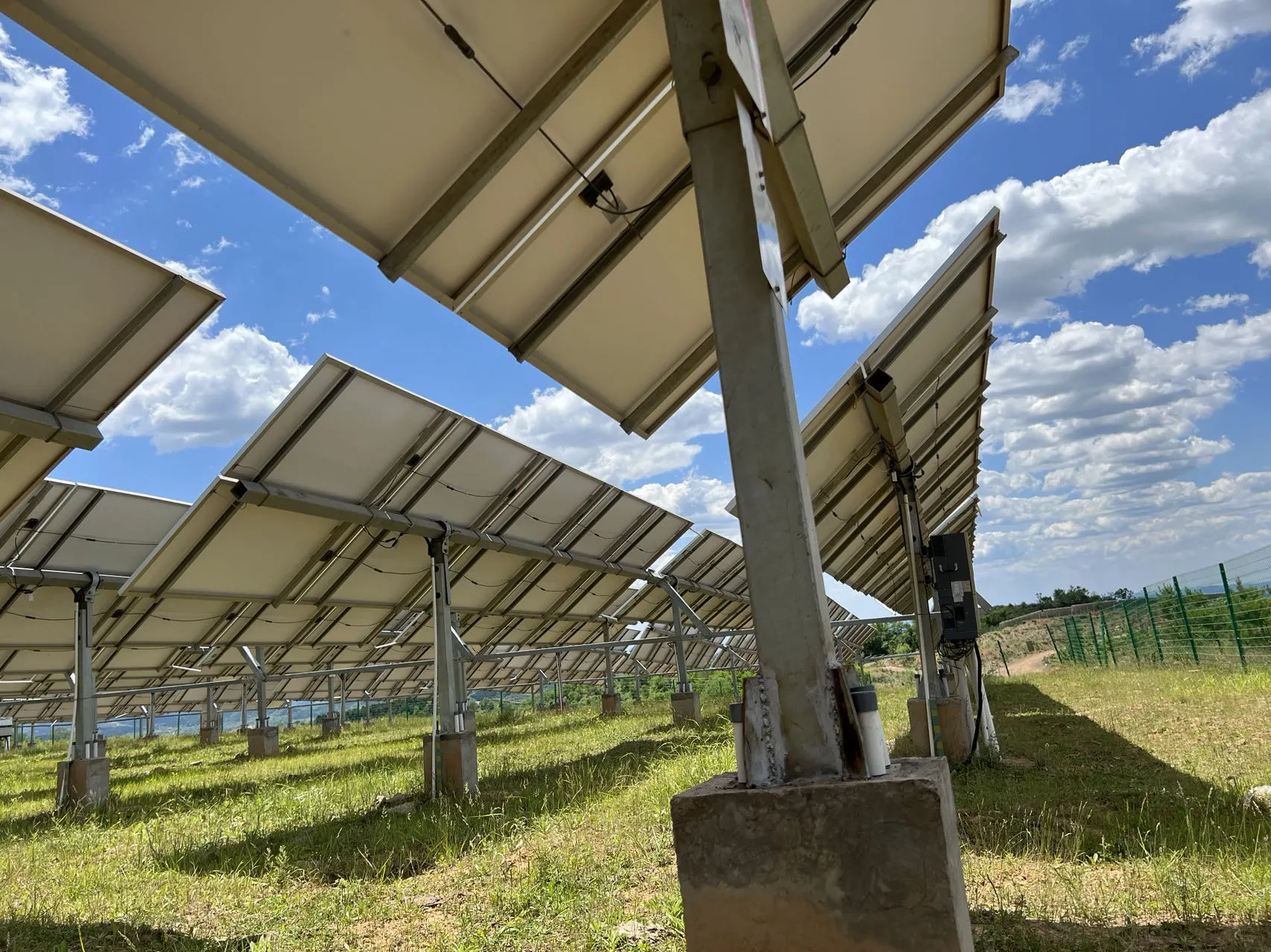
Unlike dual-axis trackers, HSATs use lightweight, linear structures that minimize obstruction on the rear side of bifacial modules. Dual-axis systems, with their pedestal-mounted designs, inherently create more "rear shading," which neutralizes a significant portion of the bifacial panels' gains. Global data from 2026 shows that utility-scale plants with single-axis solar tracking systems achieve a 5–10% additive yield increase from bifacial gains compared to dual-axis counterparts.
This added rear-side efficiency translates directly to LCOE reductions, with utility plants averaging a 16% decrease in total project costs over a 25-year lifespan. As a result, HSAT's seamless integration with bifacial technology has cemented its position as the ROI-maximizing standard for solar developers worldwide.
Climate Resilience: Storm-Stow vs. Tracking Accuracy
As climate events become more frequent, the durability of tracking systems has become a primary consideration for utility-scale financiers.
The 2026 "New Normal": Tracking systems must be as intelligent as they are resilient. HSATs equipped with autonomous protection modes have risen to this challenge. The SurgeTrack AC450 controller, for instance, activates storm-stow mechanisms depending on weather conditions:
Heavy Snow Mode: Modules are stowed vertically to avoid excess weight accumulation.
Strong Wind Mode: Panels move to a low-angle stow position that prevents wind uplift while ensuring system stability.
In contrast, dual-axis trackers are more vulnerable to high-gust "whipping" effects due to their larger surface-to-pivot ratio, increasing the likelihood of mechanical failure during storms.
Maintenance Check: HSAT vs. Dual Axis at Scale
Maintenance needs are a critical cost differentiator between HSATs and dual-axis systems. Here's how they compare side by side in a 2026 context:
| Category | HSAT (Single-Axis) | Dual-Axis Tracker |
| Drive Mechanism | Single High-Torque Tube | Dual Servo Actuators |
| Lubrication Points | 10x per MW | 45x per MW |
| Commissioning Speed | 1 row per day | 1 tracking unit per day |
For installations requiring the least downtime and minimal operational interventions, HSATs dramatically outperform dual-axis solutions.
Geographic Optimization: Where Does Single Axis Reign?
Single-axis trackers are the dominant choice across latitudes ranging between 0° and 50°, where solar radiation tracks a predictable arc. Their lightweight, linear design ensures cost-effective high-performance.
At extreme latitudes (above 70°), dual-axis trackers do find niche use cases, as the solar arc becomes highly variable. However, for the vast majority of utility-scale installations, HSAT is the logical choice to achieve maximum LCOE efficiency.
Conclusion: Defining the 2026 ROI Standard
As the world marches toward greater reliance on renewable energy, the pressure to decrease production costs while increasing grid reliability has never been greater. Utility-scale solar developers targeting global competitiveness by 2026 can rely on single axis solar tracking systems as the industry-proven solution. Their demonstrated ability to pair seamlessly with bifacial panels, harness artificial intelligence, and weather-proof resilience sets them apart.
Related Solar Tracker Products