English
  中文
中文

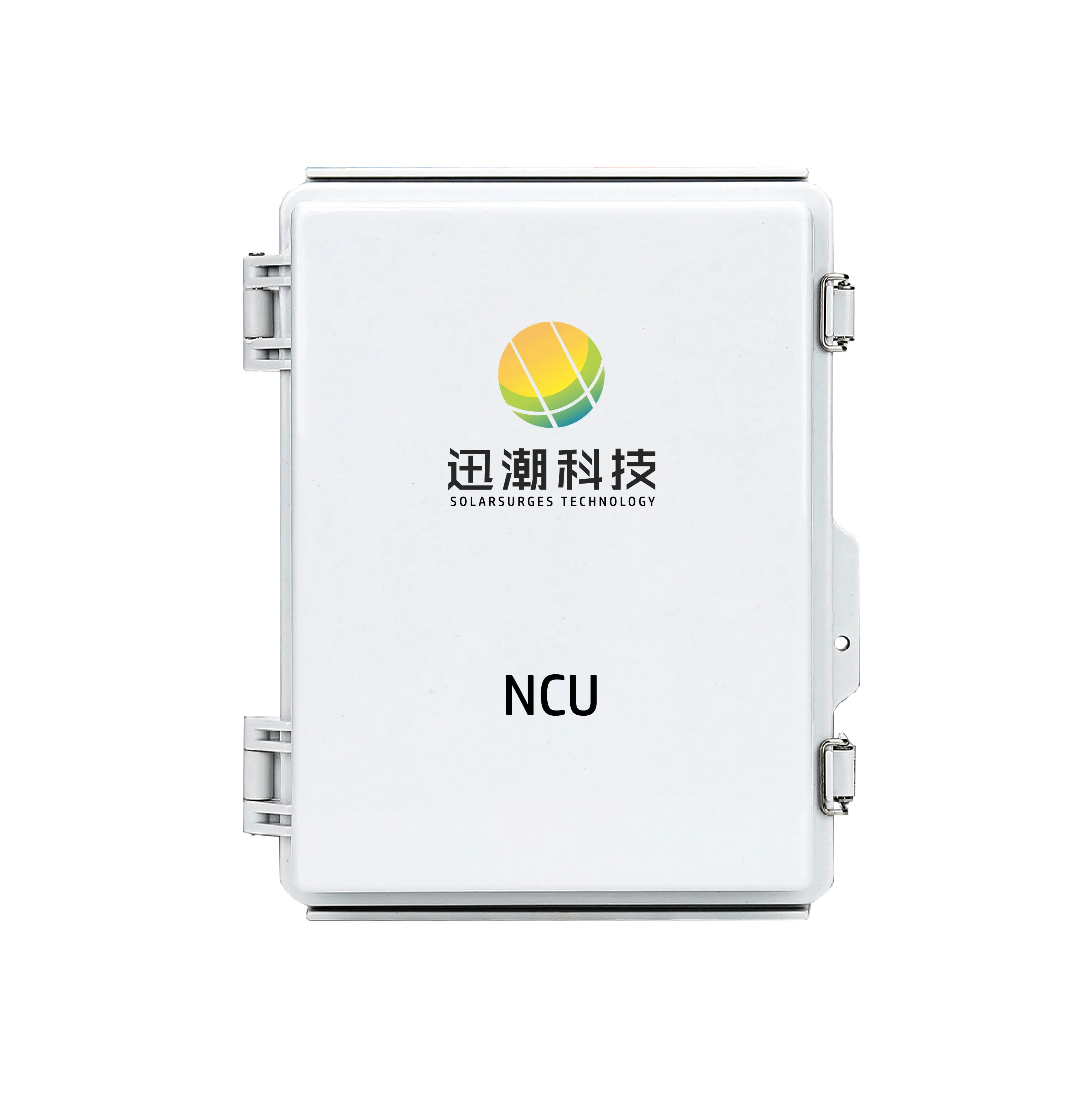
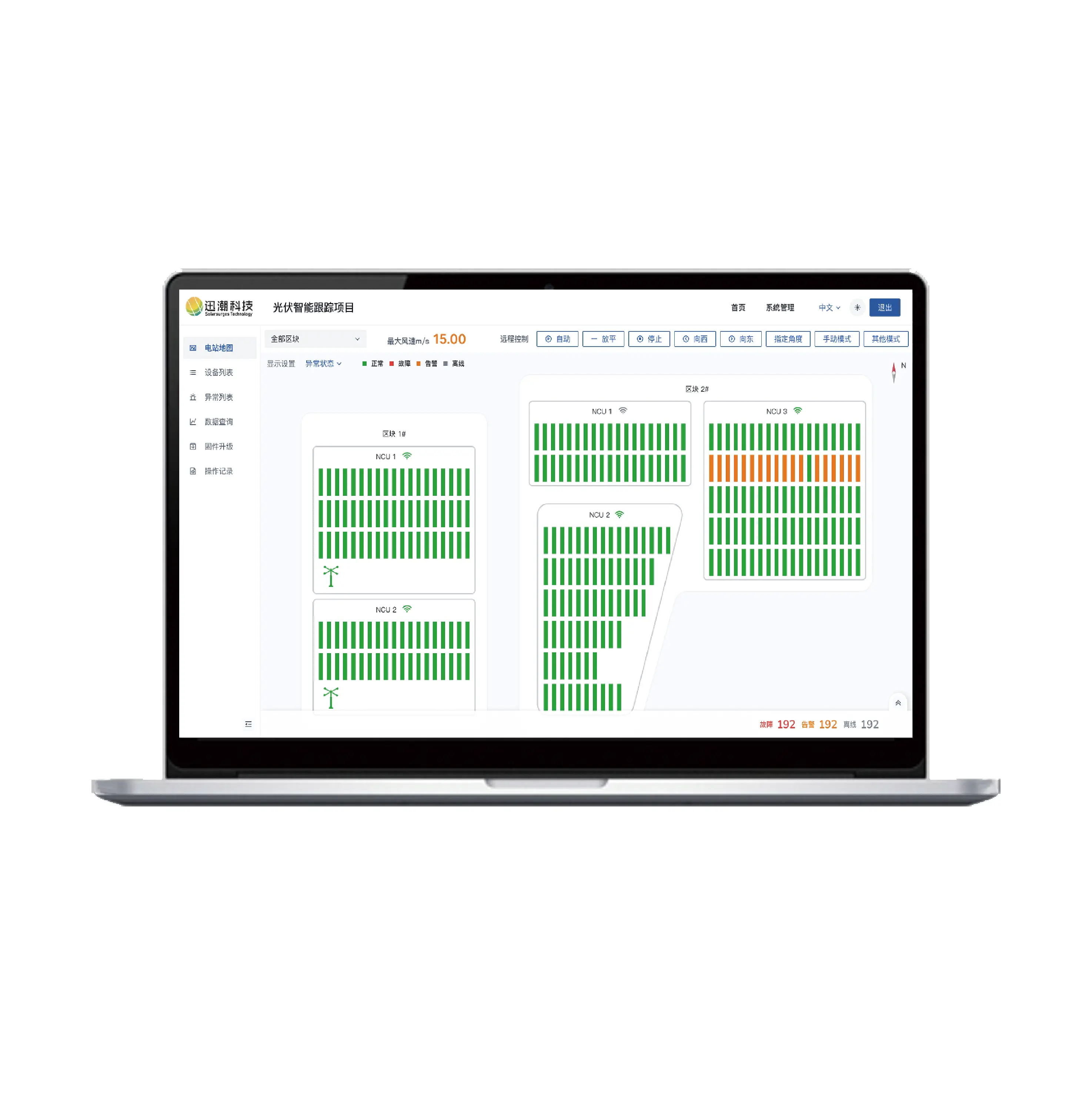

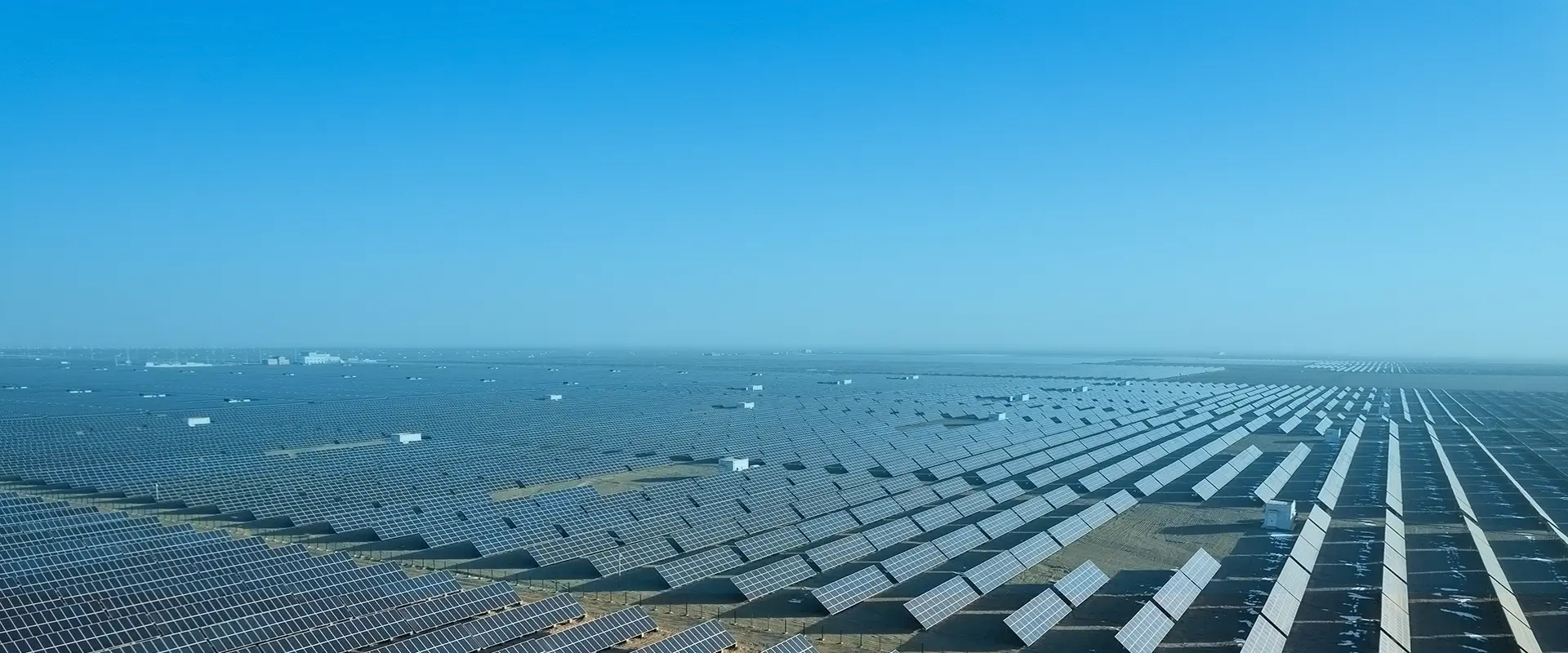
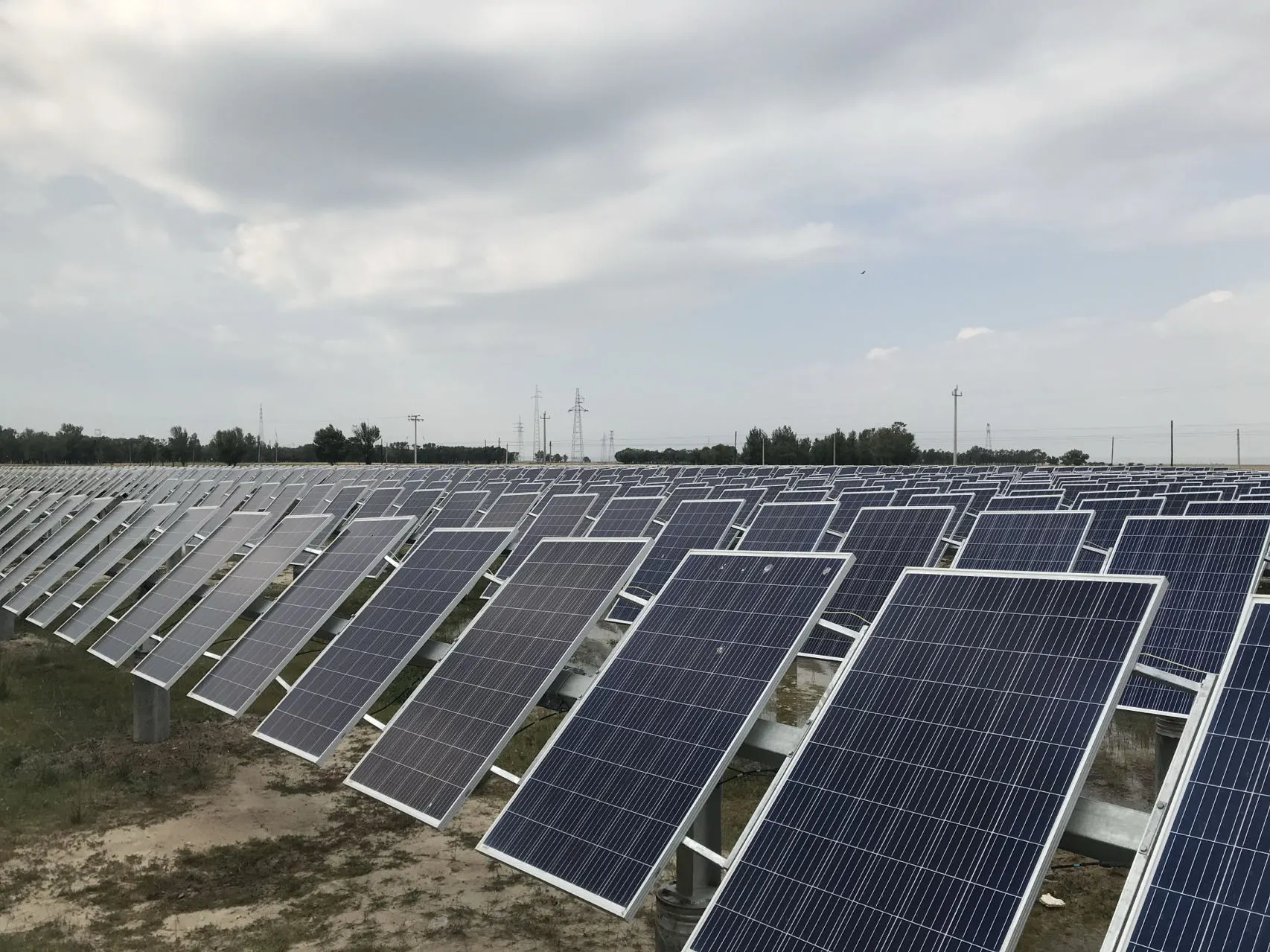
As utility-scale and commercial photovoltaic projects continue to grow in size and complexity, a reliable SCADA system for solar power plant operation has become a core requirement. From real-time monitoring to centralized control, SCADA systems enable solar plant owners and EPCs to improve efficiency, safety, and long-term performance.
At SolarSurges , we provide integrated solar SCADA system solutions designed to work seamlessly with solar tracking systems, inverters, weather stations, and power management equipment.
SCADA System in Solar Power Plant: Definition and Role
A SCADA system in solar power plant environments (Supervisory Control and Data Acquisition) is a centralized platform that collects, processes, and visualizes data from field devices across the entire PV facility.
In a typical SCADA for solar PV power plant, the system communicates with:
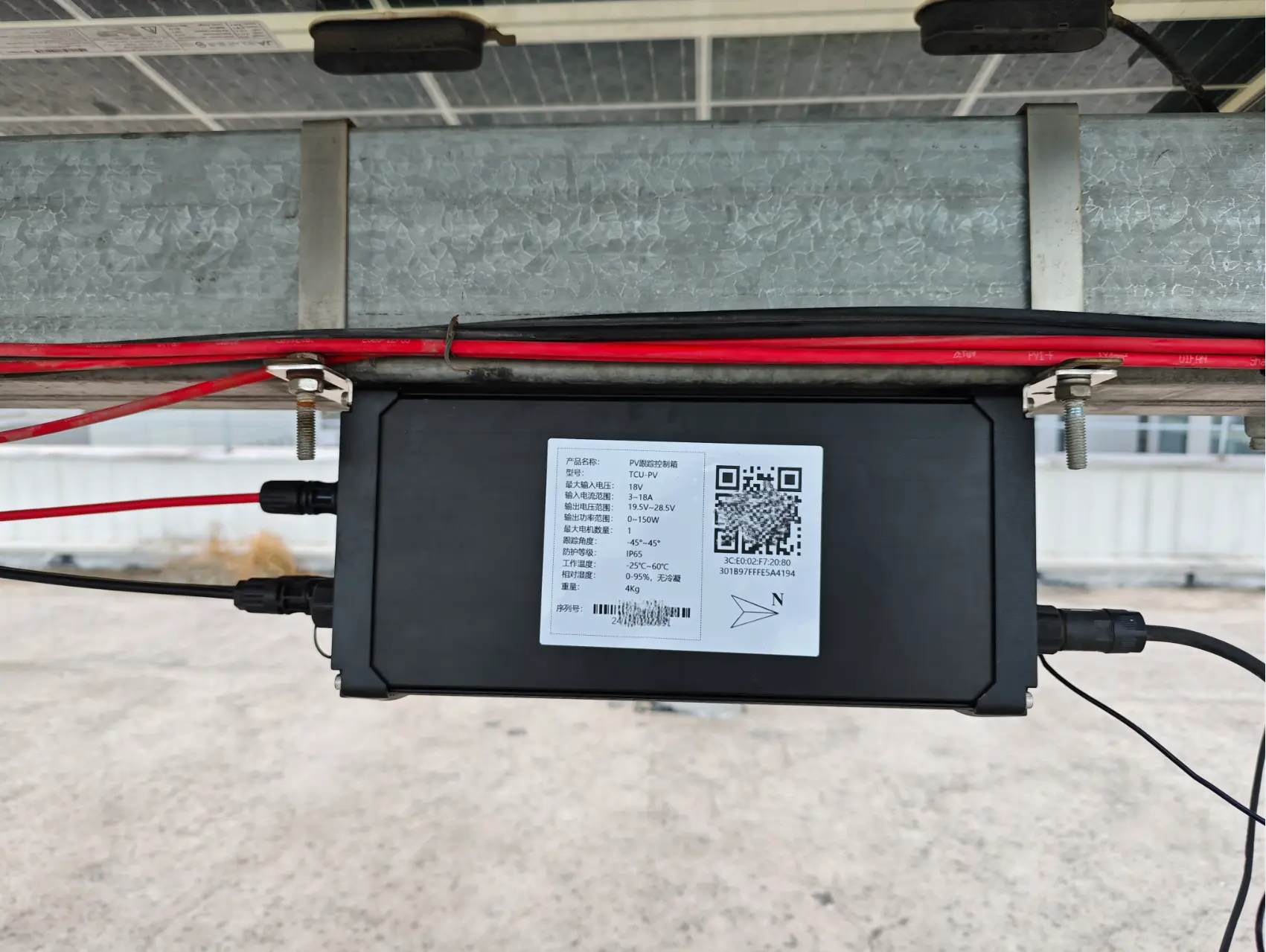
Solar tracker controllers
Inverters and combiner boxes
Weather monitoring stations
Protection and metering devices
This allows operators to monitor plant status in real time and make informed operational decisions.
Solar SCADA System Architecture
A modern SCADA solar system generally consists of three main layers:
1. Field Layer
Includes sensors, tracker control units, inverters, and electrical protection devices that collect operational data.
2. Communication Layer
Uses industrial protocols such as Modbus, IEC 61850, or TCP/IP to transmit data securely and reliably.
3. Control & Monitoring Layer
The central solar SCADA system software provides visualization dashboards, alarms, historical data analysis, and control functions.
Advantages of Solar Tracking System Integration with SCADA
Understanding the advantages of solar tracking system integration with SCADA helps maximize plant performance.
Higher Energy Yield
By integrating tracking data into SCADA, operators can optimize sun-following accuracy and increase power generation by 15–30% compared with fixed-tilt systems.
Centralized Control and Safety
SCADA systems enable unified control of tracking modes, including backtracking, wind stow, and emergency protection strategies.
Improved Operation & Maintenance
Real-time alarms and fault diagnostics reduce downtime and support predictive maintenance.
Data-Driven Performance Optimization
Historical tracking and generation data help identify inefficiencies and improve long-term system performance.
SCADA for Solar PV Power Plant Applications
A SCADA system for solar PV power plant is widely used in:
Utility-scale ground-mounted solar farms
Commercial and industrial PV installations
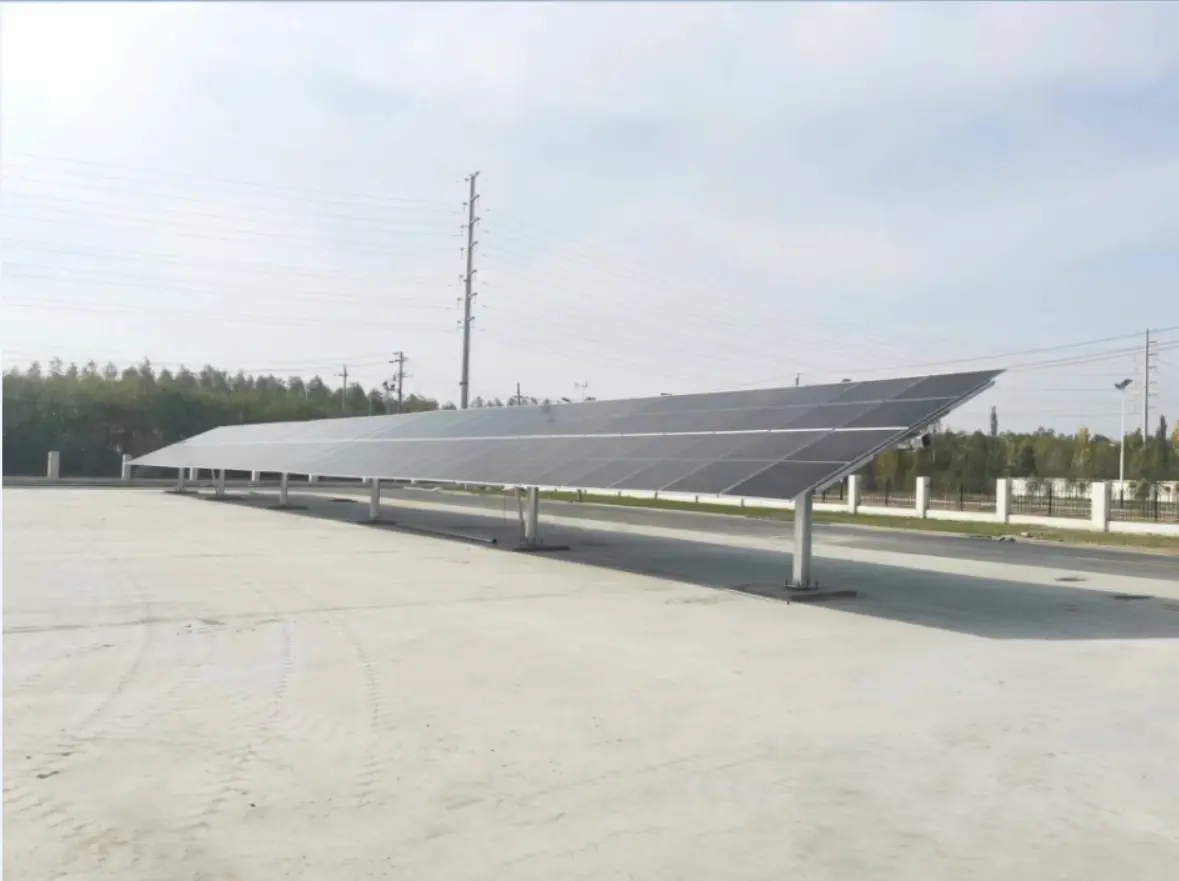
Solar plants with single-axis or dual-axis tracking systems
Projects requiring grid compliance and remote operation
SolarSurges solutions are designed to scale from small commercial systems to large multi-megawatt solar power plants.
Why Choose an Integrated SCADA Solar System?
Selecting an integrated SCADA solar system from an experienced provider offers key benefits:
Seamless compatibility with solar tracking systems
Reduced commissioning and integration risks
Unified data management and visualization
Long-term system stability and expandability
SolarSurges: Professional Solar SCADA System Provider
SolarSurges delivers advanced SCADA solutions tailored for modern solar power plants, including:
Plant-level SCADA system design
Integration with solar tracking and inverter systems
Custom dashboards and alarm logic
Remote monitoring and lifecycle technical support
Our solutions help plant owners gain full visibility and control over their solar assets while maximizing energy yield and operational reliability.
Conclusion
A reliable SCADA system in solar power plant operation is essential for efficient monitoring, control, and optimization. When combined with the proven advantages of solar tracking system technology, SCADA platforms significantly enhance power generation and plant performance.
SolarSurges provides integrated SCADA solutions for solar PV power plants worldwide. Contact us to learn how our solar SCADA systems can support your next project.
Related Solar Tracker Products