English
  中文
中文


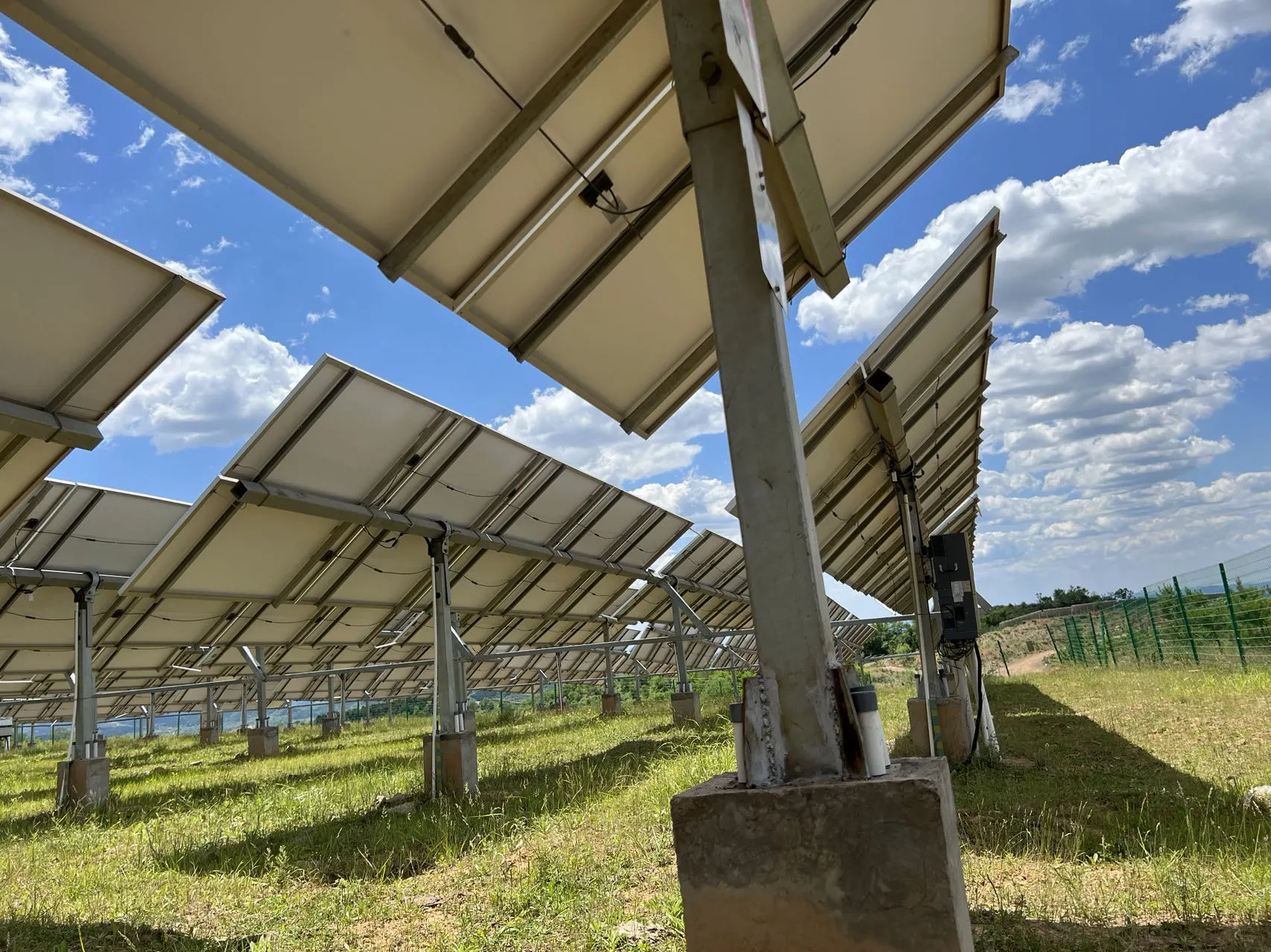
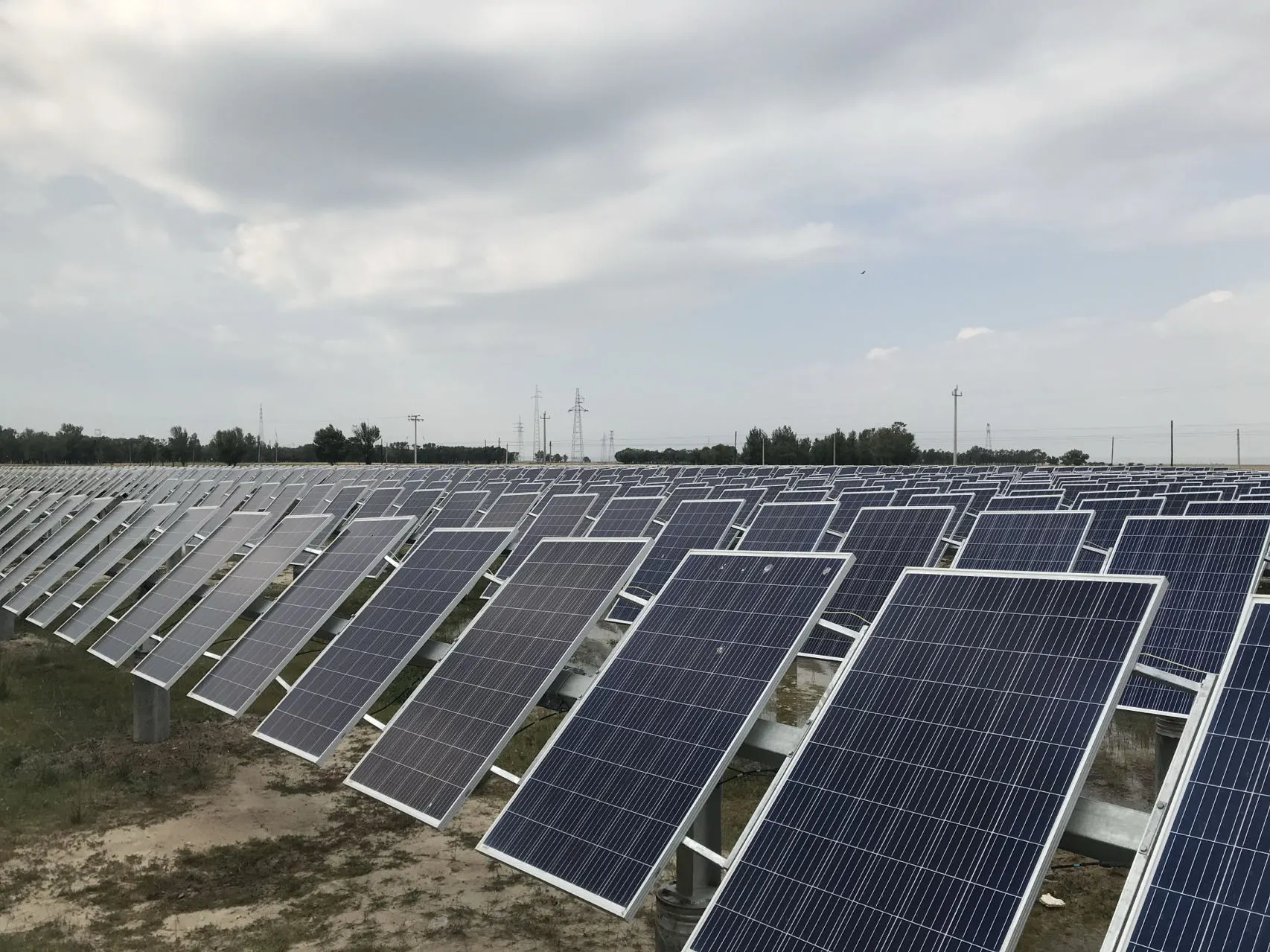
SCADA in Solar Power Plant: A Crucial Tool for Real-Time Monitoring and Control
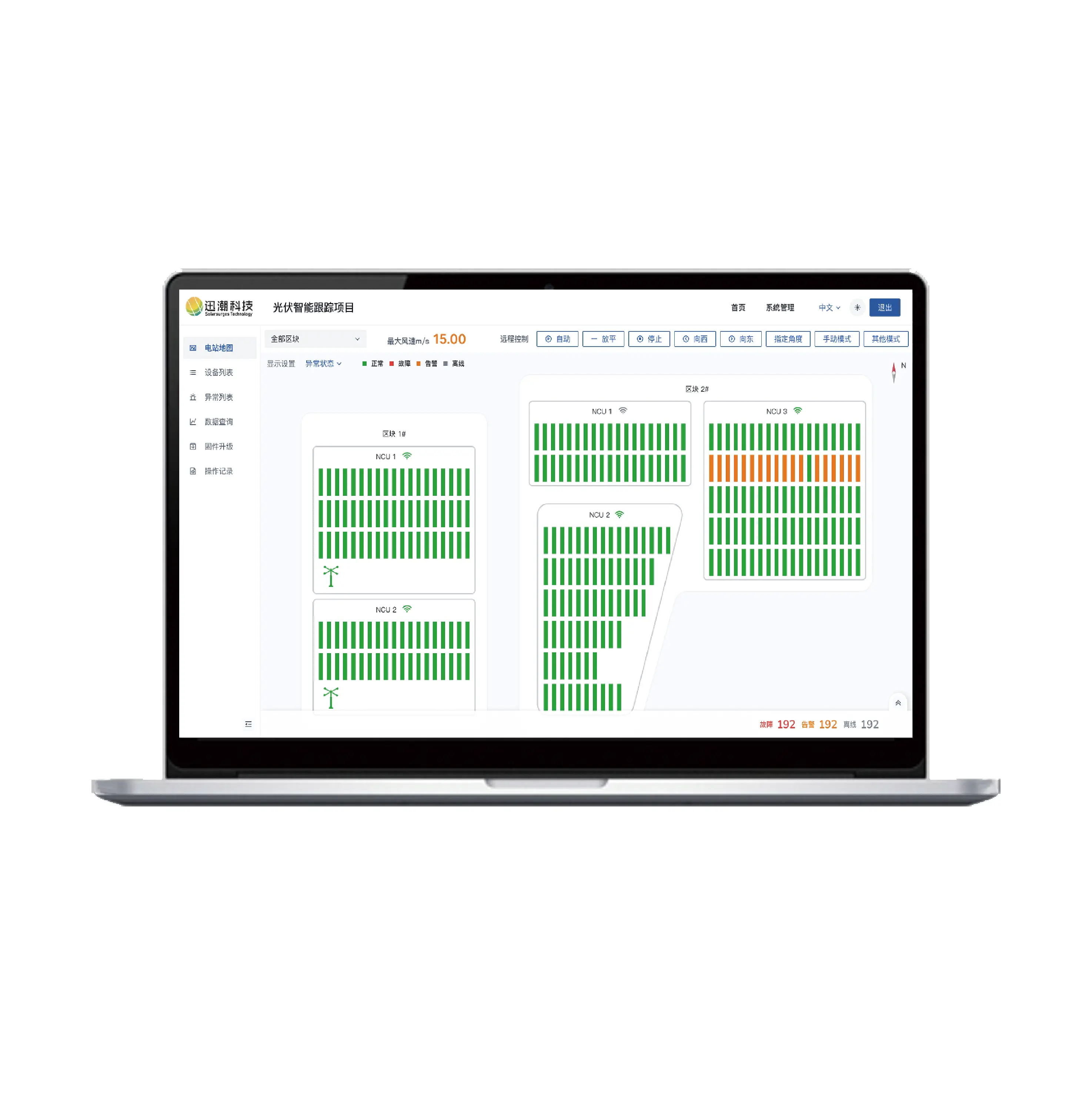
SCADA (Supervisory Control and Data Acquisition) systems have become a cornerstone in the operation of solar power plants, enabling real-time monitoring and control of all critical components. As solar energy generation grows, maintaining optimal performance across large-scale installations becomes increasingly complex. SCADA in solar power plant environments helps address these challenges by providing operators with a centralized platform for monitoring system health, tracking energy output, and ensuring the smooth operation of solar panels, inverters, and other system components. SCADA systems, such as SolarScada, collect data from various sources, including temperature sensors, voltage monitors, and tracking systems, offering valuable insights into how each part of the system is functioning. These real-time data points are essential for making quick decisions, preventing downtime, and ensuring the plant's energy output is optimized throughout the day. By continuously analyzing this data, SCADA systems allow operators to make informed adjustments, improving both efficiency and reliability.
Enhancing Operational Efficiency with SCADA in Solar Power Plants
The integration of SCADA in solar power plants enhances operational efficiency in several ways. One of the key benefits is the ability to monitor and control solar inverters, the heart of any solar power generation system. SCADA systems help operators track inverter performance, ensuring that each unit is functioning within optimal parameters. This real-time control capability reduces the risk of failure or inefficiency due to malfunctions, which can result in significant energy losses. Moreover, SCADA allows operators to adjust the solar tracking system, ensuring that panels are positioned to capture the maximum amount of sunlight based on changing weather conditions. SCADA in solar power plants also aids in predictive maintenance by collecting and analyzing performance data over time, identifying potential issues before they lead to system failures. This proactive approach reduces costly downtime and maintenance efforts, ensuring that the plant operates at peak efficiency.
Improving Data Accuracy and Decision Making
SCADA in solar power plants significantly improves data accuracy, which in turn enhances decision-making capabilities. With real-time monitoring, SCADA systems collect vast amounts of operational data, such as energy production levels, system voltage, current, and temperature variations. This data is critical for understanding how well the solar plant is performing and for diagnosing any anomalies or inefficiencies. Through advanced analytics, SCADA systems can identify trends and provide predictive insights into potential system failures, thus helping operators address problems before they escalate. Additionally, the use of SCADA systems allows solar power plant operators to monitor the plant's performance from a centralized location, providing a comprehensive overview of the entire system. This makes it easier for operators to compare data across multiple sites, track performance over time, and make data-driven decisions that can improve overall efficiency.
The Integration of SCADA with Other Systems in Solar Power Plants
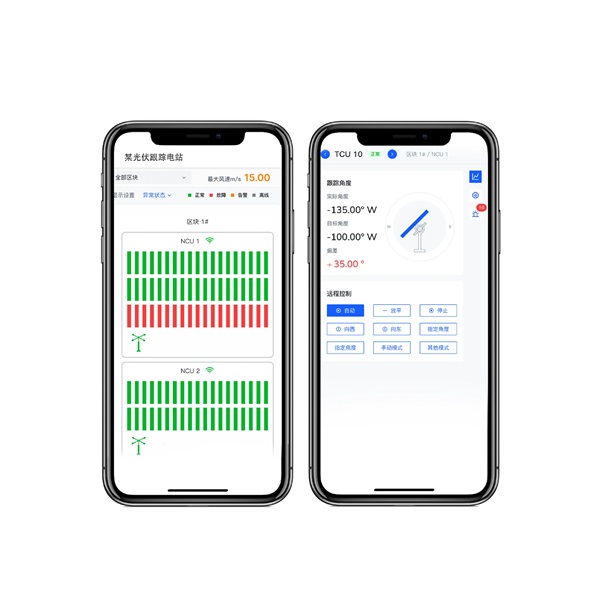
The integration of SCADA in solar power plants with other systems is essential for maximizing the plant’s operational efficiency and reliability. SCADA systems are often linked with energy management systems (EMS), weather prediction tools, and battery storage systems to optimize performance. By integrating real-time weather data, SCADA can adjust solar tracking systems to align with current sun positions, improving energy capture. Additionally, SCADA can be connected with the grid management system, allowing the solar power plant to efficiently supply energy to the grid while adhering to grid stability requirements. Integration with battery storage systems also allows SCADA to manage the storage and release of energy, ensuring that excess power generated during the day can be stored for use during periods of low solar production. This holistic approach ensures that the entire solar power system operates as efficiently as possible, reducing energy waste and improving the overall performance of the plant.
Conclusion
SCADA systems play an essential role in the monitoring and control of solar power plants, providing real-time insights into system performance and helping operators optimize energy generation. From monitoring solar inverters and tracking systems to predicting maintenance needs and integrating with other energy management technologies, SCADA in solar power plants ensures that the system runs efficiently and reliably. With advancements in technology, SCADA systems will continue to evolve, offering even more sophisticated tools for solar power plant operators. The integration of AI, machine learning, and advanced analytics will further enhance operational efficiency, predictive capabilities, and automation, making solar power plants more efficient and cost-effective in the years to come. As the world transitions to renewable energy, the role of SCADA in solar power plants will only become more critical in ensuring that these systems operate at peak performance.
Related Solar Tracker Products