English
  中文
中文


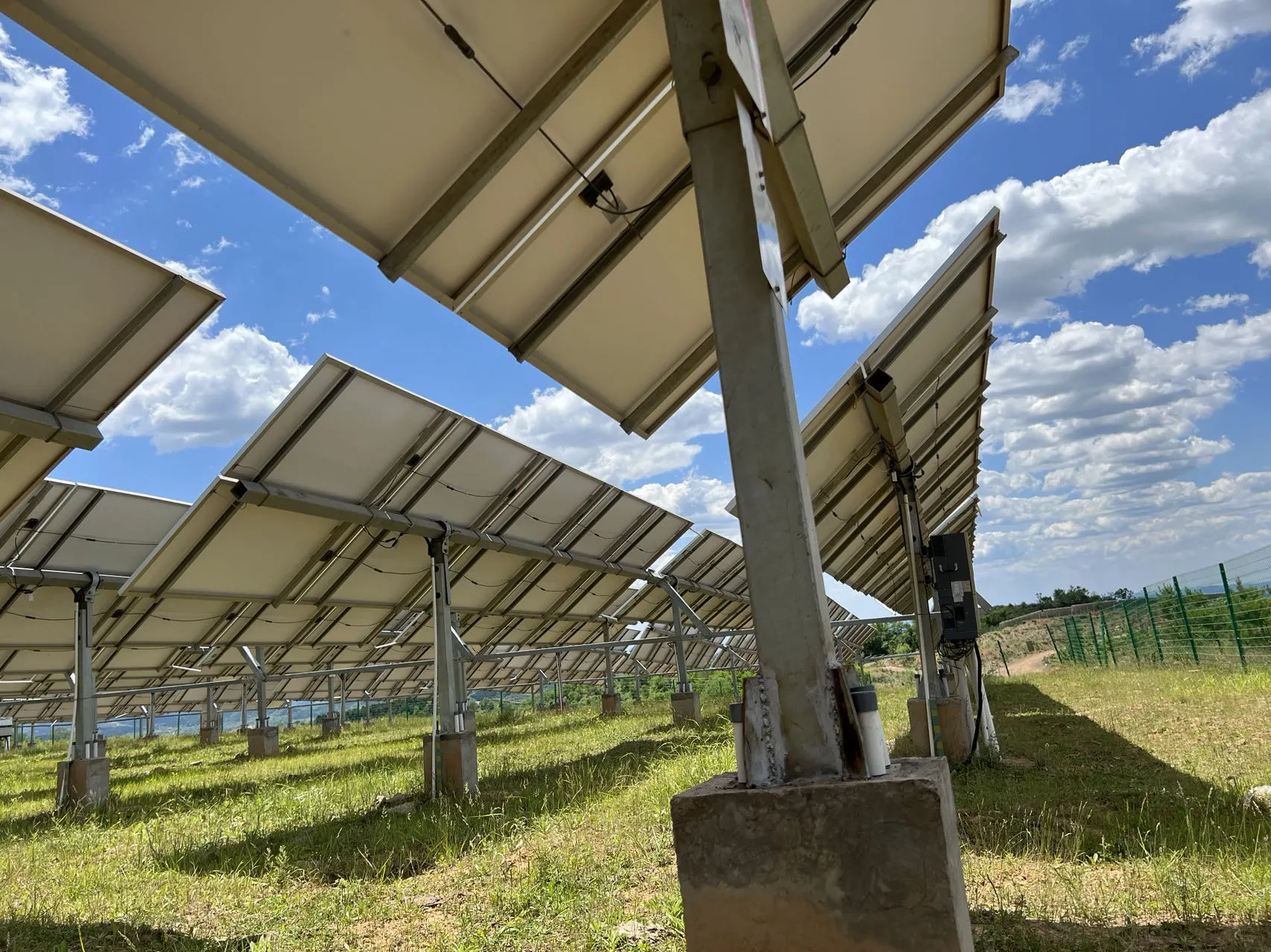
As solar power plants scale up and move toward higher automation, intelligent control and monitoring systems have become essential. From solar tracker controller single axis solutions to full solar plant SCADA systems, advanced control technologies ensure precise sun tracking, stable operation, and optimized energy yield.
At SolarSurges , we provide integrated control systems for solar tracking, combining tracker controllers, communication networks, and SCADA platforms tailored for utility-scale and commercial PV projects.
What Is a Solar Tracker Controller?
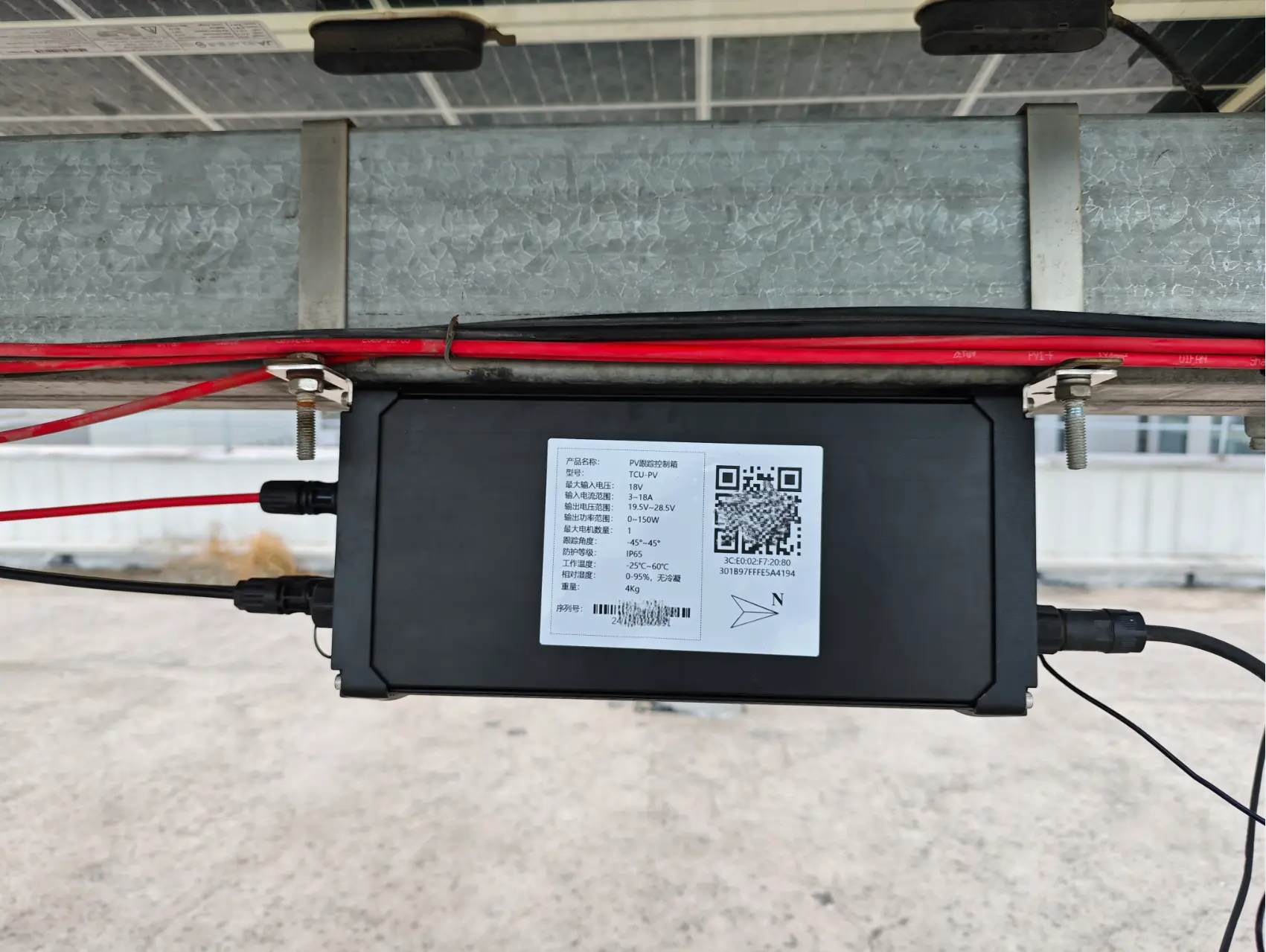
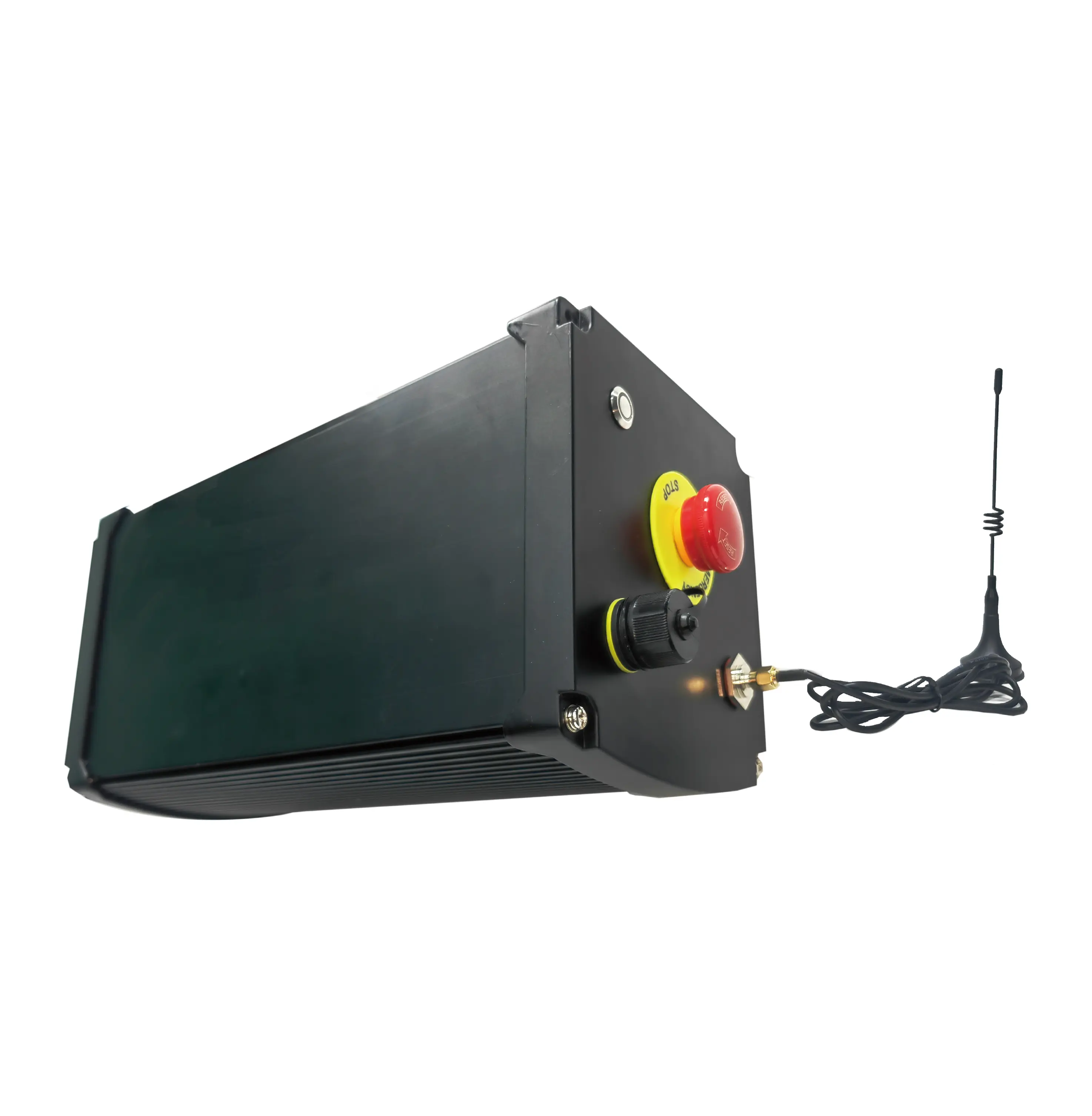
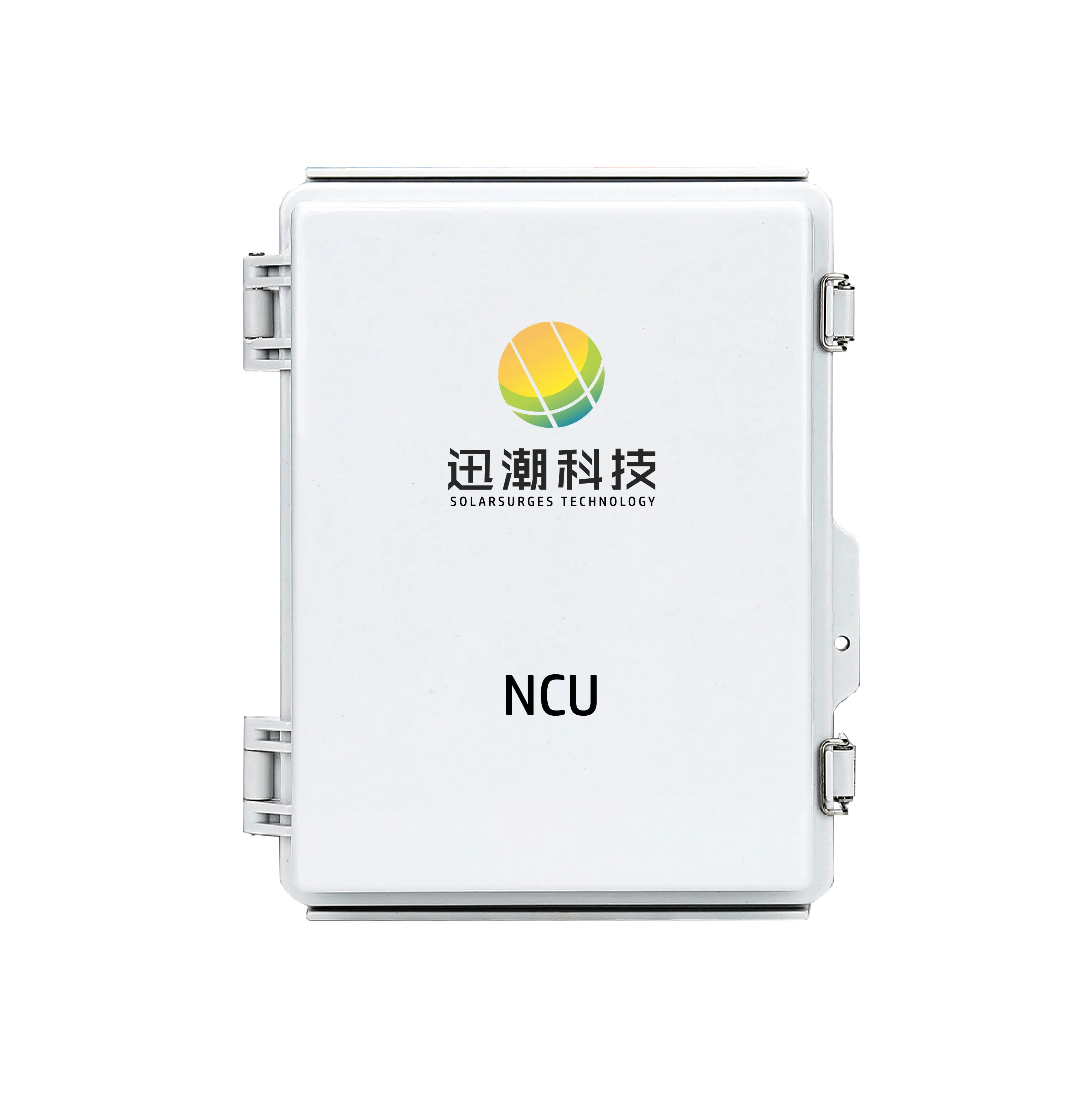
A solar tracker controller is the core control unit responsible for calculating the sun’s position and driving the tracker mechanism accordingly. It sends commands to motors or actuators, enabling PV modules to follow the sun accurately throughout the day.
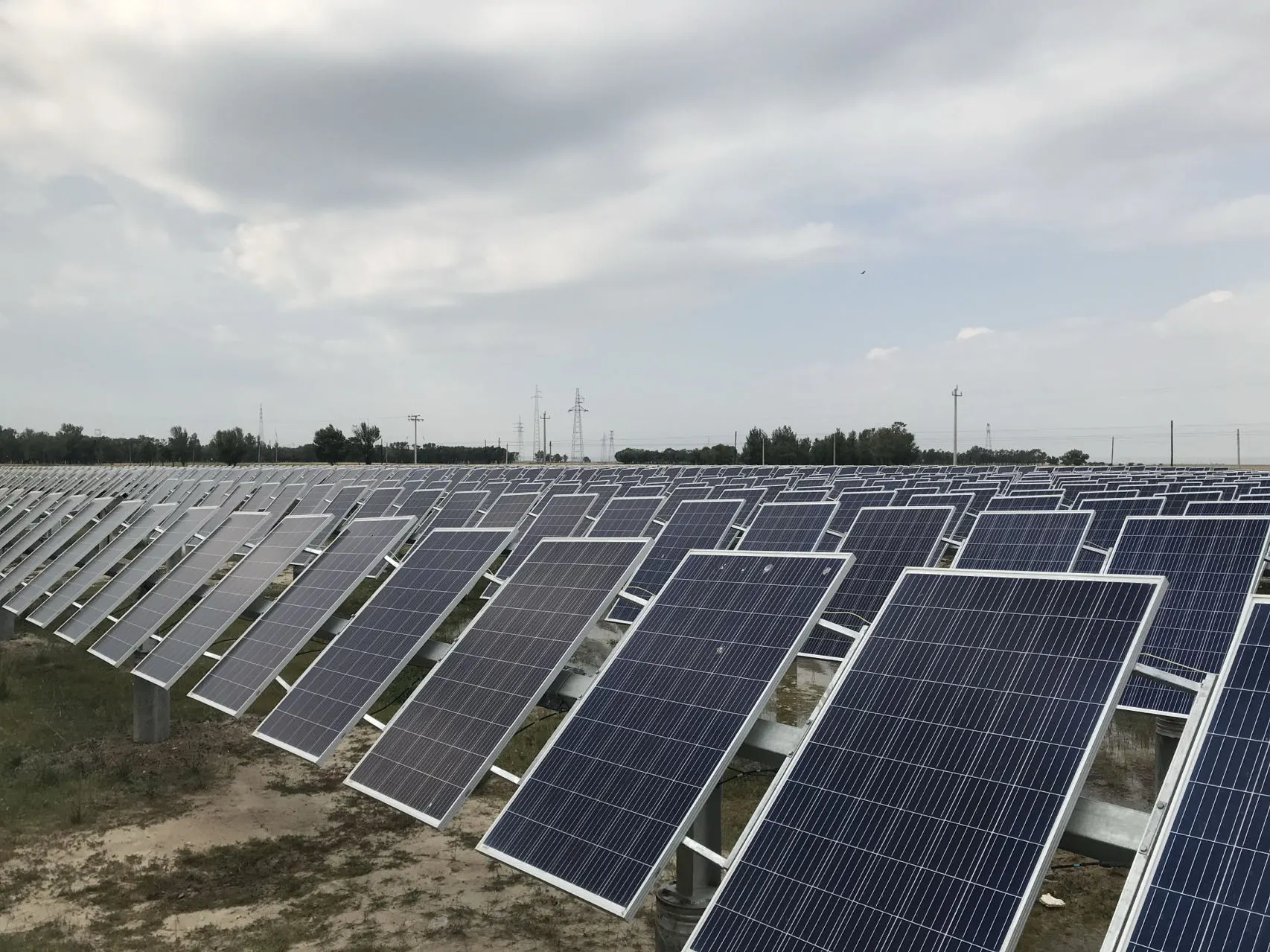
In a single axis solar tracker controller, tracking is performed along one axis—typically east to west—offering a balance between energy gain, system complexity, and cost.
Key Functions of a Tracker Control Unit
Sun position calculation based on time, location, and algorithm
Motor and actuator control
Backtracking to prevent row shading
Wind stow and safety protection
Communication with plant-level SCADA systems
Control System for Solar Tracking: System Architecture
A complete control system for solar tracking generally consists of multiple layers:
Tracker Control Unit (TCU) installed on each tracker row or block
Field communication network (RS485, CAN, Ethernet, or wireless)
Centralized solar plant SCADA system
This architecture allows both localized real-time control and centralized monitoring and optimization.
Solar SCADA System: Centralized Monitoring & Management
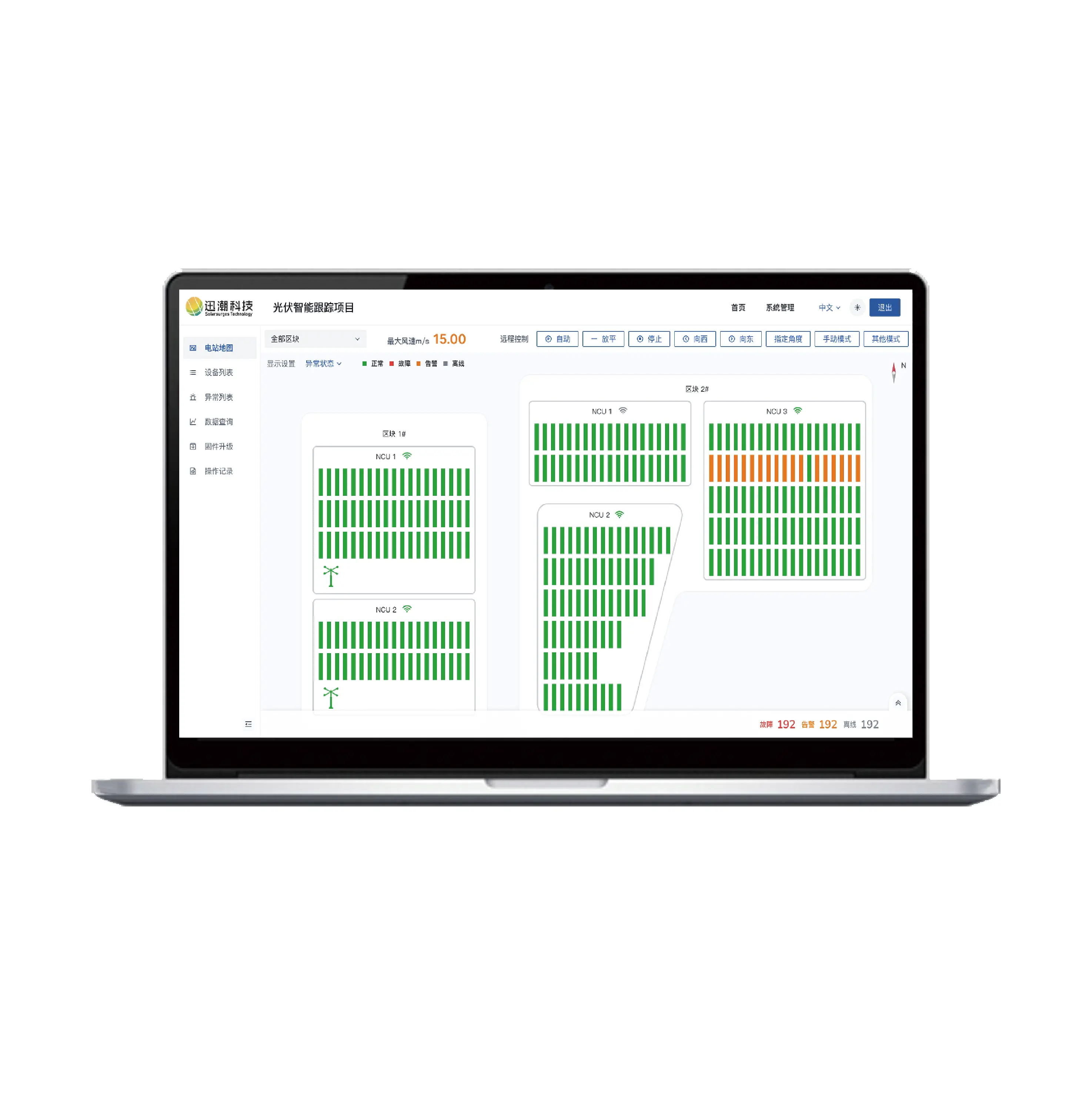
Solar SCADA (Supervisory Control and Data Acquisition) systems serve as the brain of a solar power plant. SCADA platforms collect data from tracker controllers, inverters, weather stations, and protection devices to provide operators with real-time visibility and control.
Core Features of SCADA for Solar Power Plants
Real-time monitoring of tracker status and position
Centralized control of tracking modes and stow strategies
Alarm management and fault diagnostics
Performance analysis and energy yield optimization
Historical data storage and reporting
A robust SCADA for solar power plant improves operational efficiency, reduces downtime, and supports predictive maintenance strategies.
Types of Solar Tracking System
Understanding the types of solar tracking system helps in selecting the appropriate controller and SCADA configuration.
1. Single Axis Solar Tracking System
Most widely used in utility-scale plants
Controlled by single axis solar tracker controllers
High energy gain with optimized CAPEX
2. Dual Axis Solar Tracking System
Tracks both azimuth and elevation
Higher accuracy and complexity
Typically used in specialized or high-value applications
3. Active vs. Passive Tracking Systems
Active tracking: Motor-driven systems with electronic controllers
Passive tracking: Thermal or mechanical movement without electronics
Modern solar plants overwhelmingly adopt active tracking systems integrated with digital control and SCADA platforms.
Integration of Solar Tracker Controllers with SCADA
Effective integration between the tracker control unit and solar SCADA system enables:
Centralized tracking strategy adjustments
Weather-based protection (high wind, snow, storms)
Coordinated operation with inverters and grid requirements
Remote diagnostics and firmware upgrades
SolarSurges designs controller and SCADA architectures that are fully compatible with mainstream inverters and plant management systems.
Why Choose an Integrated Solar Tracking Control Solution?
Selecting a unified solution from an experienced supplier reduces integration risk and improves system reliability. A professional provider ensures:
Seamless communication between controllers and SCADA
Stable long-term operation in harsh outdoor environments
Scalable architecture for large solar plants
Reduced commissioning and maintenance costs
SolarSurges: Intelligent Control Systems for Solar Tracking
As a solution-oriented solar technology provider, SolarSurges offers:
Single axis solar tracker controllers
Advanced tracker control units with safety logic
Plant-level SCADA systems for solar power plants
Customized control system design based on project needs
Our solutions help solar developers and EPCs achieve higher energy output, better operational visibility, and long-term system stability.
Conclusion
From solar tracker controllers to comprehensive SCADA for solar power plants, intelligent control systems are fundamental to modern PV installations. Understanding the different types of solar tracking system and selecting the right control architecture can significantly improve performance and ROI.
SolarSurges delivers integrated solar tracking control and SCADA solutions designed for utility-scale and commercial solar projects worldwide. Contact us to learn how our control systems can enhance your solar plant’s performance.
Related Solar Tracker Products