English
  中文
中文


The "15th Five-Year Plan" for High-Quality Development Begins: 2026 Designated as "Anti-Internal Competition Year," New Efficiency Standards Accelerate Industry Restructuring
Release Date: March 27, 2026
Source: Our Website
As 2026 marks the inaugural year of the "15th Five-Year Plan," China's photovoltaic (PV) industry stands at a historic crossroads, transitioning from "scale expansion" to "value-based competition." In recent days, multiple government bodies, including the Ministry of Industry and Information Technology (MIIT) and the National Energy Administration (NEA), have made clear pronouncements, designating 2026 as the "Anti-Internal Competition Year" for the PV industry. Through a combination of measures—including capacity regulation, mandatory energy efficiency standards, and enhanced quality supervision—the authorities aim to accelerate the phasing out of outdated capacity and guide the industry toward a new phase of high-quality development. With the comprehensive upgrade of efficiency thresholds for high-efficiency cell technologies such as PERC and TOPCon, leading companies with technological advantages are poised to gain a competitive edge in the upcoming round of industry consolidation.
The Critical Year: Top-Level Commitment to "Anti-Internal Competition"
On February 5, the China Photovoltaic Industry Association (CPIA) held its "2025 PV Industry Development Review and 2026 Outlook Seminar" in Beijing. The seminar sent a clear policy signal: in 2026, the PV industry will focus on "anti-internal competition," with the governance of industry-wide cutthroat competition being a top priority for the year.
Wang Shijiang, Deputy Director of the Electronic Information Department at MIIT, stated at the seminar that the PV industry is currently undergoing a new phase of deep adjustment. Deep-seated supply-demand imbalances persist, and enterprises continue to face significant operational challenges. He emphasized that 2026 is a critical year for governance of the PV industry. MIIT will strengthen coordination with relevant departments, align efforts, and comprehensively utilize measures such as capacity regulation, standard-setting, quality supervision, price enforcement, antitrust risk prevention, and intellectual property protection. The goal is to promote a return to rational competition and sound development within the PV industry through market-oriented and law-based approaches.
According to Xinhua News Agency, Yang Xudong, Director of the Electronic Information Department at MIIT, further clarified at the annual PV industry conference held in December 2025 that 2026 would see strengthened capacity regulation, reinforced management of PV manufacturing projects, and an orderly exit of outdated capacity to accelerate the dynamic balance of supply and demand.
New Efficiency Standards: PERC ≥ 24.2%, TOPCon ≥ 25% Set the Bar
Among the "anti-internal competition" policy toolkit, the introduction of mandatory energy efficiency standards is considered the most impactful measure. According to the newly released China PV Industry Development Roadmap (2025–2026) and related policy documents, the new mandatory efficiency access thresholds have been clearly defined:
PERC Cells: The conversion efficiency threshold has been raised from 23.5% to 24.2%.
TOPCon Cells: The conversion efficiency threshold has been raised from 24.5% to 25%.
Module Warranty: The warranty period for modules has been extended to 30 years.
Simultaneously, MIIT is accelerating the release of mandatory national standards covering areas such as quality safety and energy consumption limits. Graded classification standards will also be introduced to curb practices such as falsely claiming power output, lowering quality control standards, and infringing on intellectual property rights.
Data released by the National Photovoltaic Product Quality Inspection and Testing Center (CPVT) reveals that the overall qualification rate for PV modules fell from 100% to 62.9% between 2019 and 2024. Non-conformities found during random inspections primarily involved mechanical load issues, failure to meet photoelectric conversion efficiency requirements, and power output misrepresentation. This alarming data underscores the rationale behind the introduction of the new standards.
Wang Tieshan, Director of the Industrial Development and Investment Research Center at Xi’an Polytechnic University, noted in an interview: "The introduction of mandatory national standards means the safety of PV modules will be elevated from 'corporate voluntary' to 'industry baseline.' It establishes an insurmountable safety red line for the market. Products failing to meet the standards will be barred from market entry, accelerating the elimination of outdated capacity."
Industry Restructuring: Accelerated Exit of Outdated Capacity Benefits Leading Enterprises
The new efficiency thresholds are reshaping the industry's competitive landscape. Zheng Tianhong, Senior Analyst at Shanghai Nonferrous Metals Online (SMM), analyzed: "Enterprises that previously relied on cost-cutting and underpricing to stay competitive will struggle to survive. The logic of industry competition is shifting from low-price internal strife to a comprehensive contest based on technology, quality, and safety performance."
Changes in the bidding market already foreshadow this trend. Some recent centralized procurement projects have set efficiency access standards at 23.8%. To meet these standards, companies must drive their TOPCon products toward higher iterations, inevitably requiring increased R&D investment, production line upgrades, and stricter yield control. The consequences are the accelerated exit of inefficient capacity and a widening disparity in corporate profitability: compliant products command a technology premium, while non-compliant ones face elimination.
InfoLink Consulting’s analysis suggests this "joint force of market and policy" is accelerating technological iteration and differentiation. To succeed in this competitive landscape, companies must focus on areas like advancing TOPCon to its 3.0 version and achieving differentiated breakthroughs in Back Contact (BC) technology.
Concurrently, policy signals also encourage technological innovation. MIIT has indicated it will support the establishment of an "industry-university-research-application" collaborative innovation system, encouraging enterprises to pursue innovative development paths and accelerate breakthroughs in advanced PV technologies. This is particularly true for cutting-edge fields like perovskite tandem cells, where fostering a competitive advantage for next-generation products is key.
Outlook for the "15th Five-Year Plan": From "Scale is King" to "Efficiency Leadership + Technological Innovation"
According to the China PV Industry Development Roadmap (2025–2026), new PV installations in China for 2026 are projected to be between 180 GW and 240 GW. While this represents a slight decline from 2025, average annual new installations during the "15th Five-Year Plan" period are still expected to remain at a high level, between 238 GW and 287 GW.
Wang Bohua, Advisor to the China Photovoltaic Industry Association, stated at the seminar that during the "15th Five-Year Plan" period, the PV manufacturing sector should adhere to the development direction of intelligence, greening, and integration. The industry should transition from "comparing scale and competing on price" to "value-based competition." By applying dual constraints of energy consumption and efficiency across the entire industry chain, the PV sector can shift from a "scale is king" model to one focused on "efficiency leadership plus technological innovation."
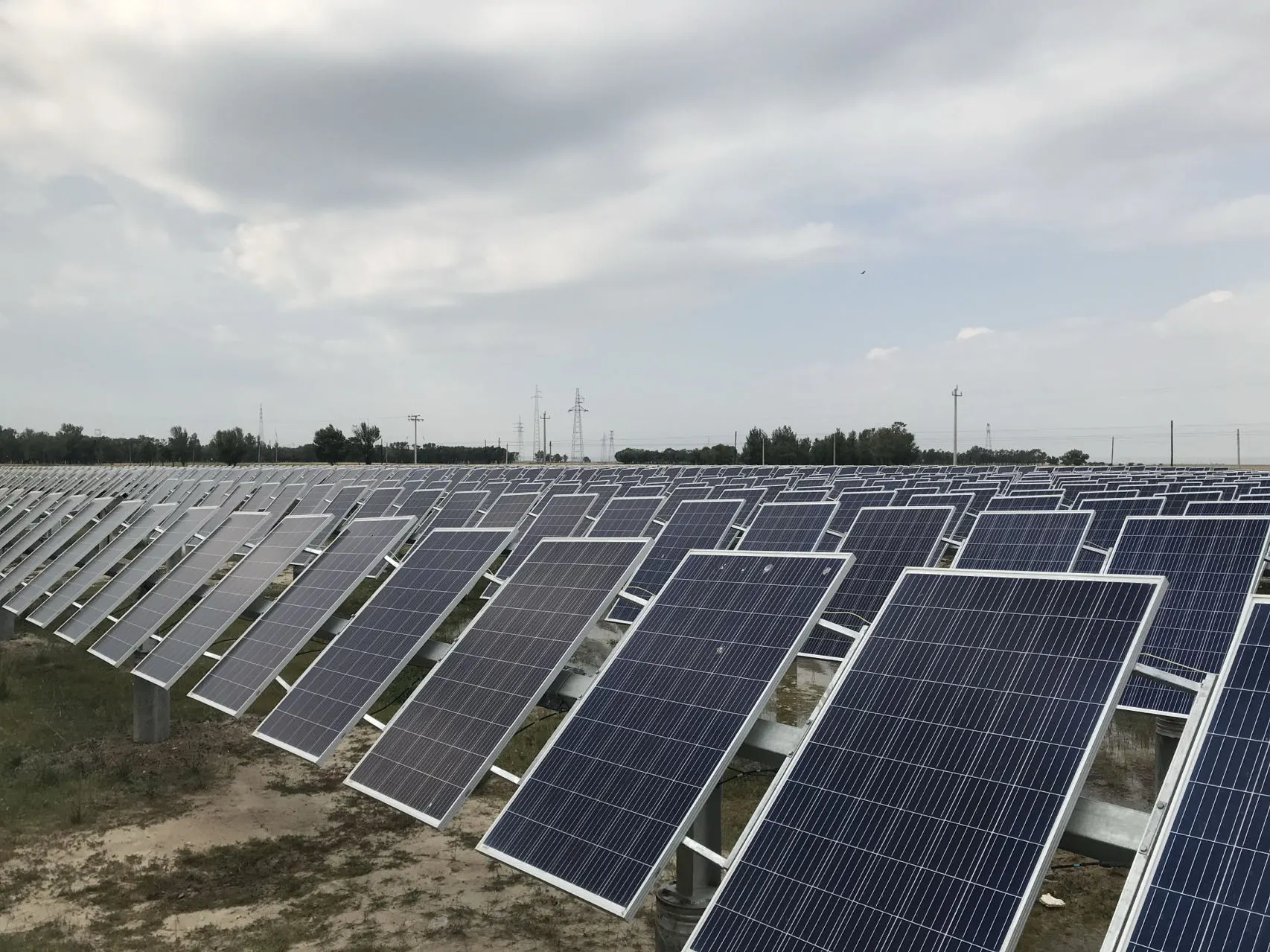
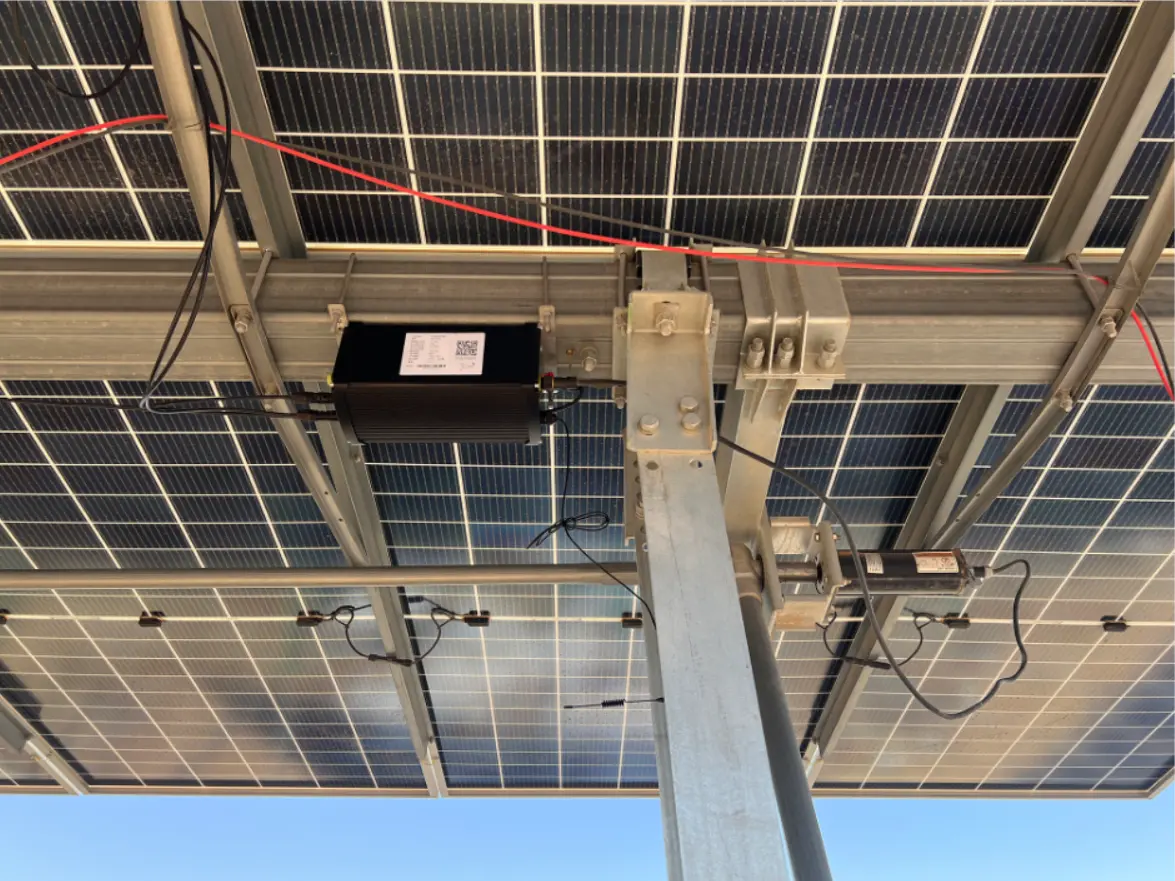
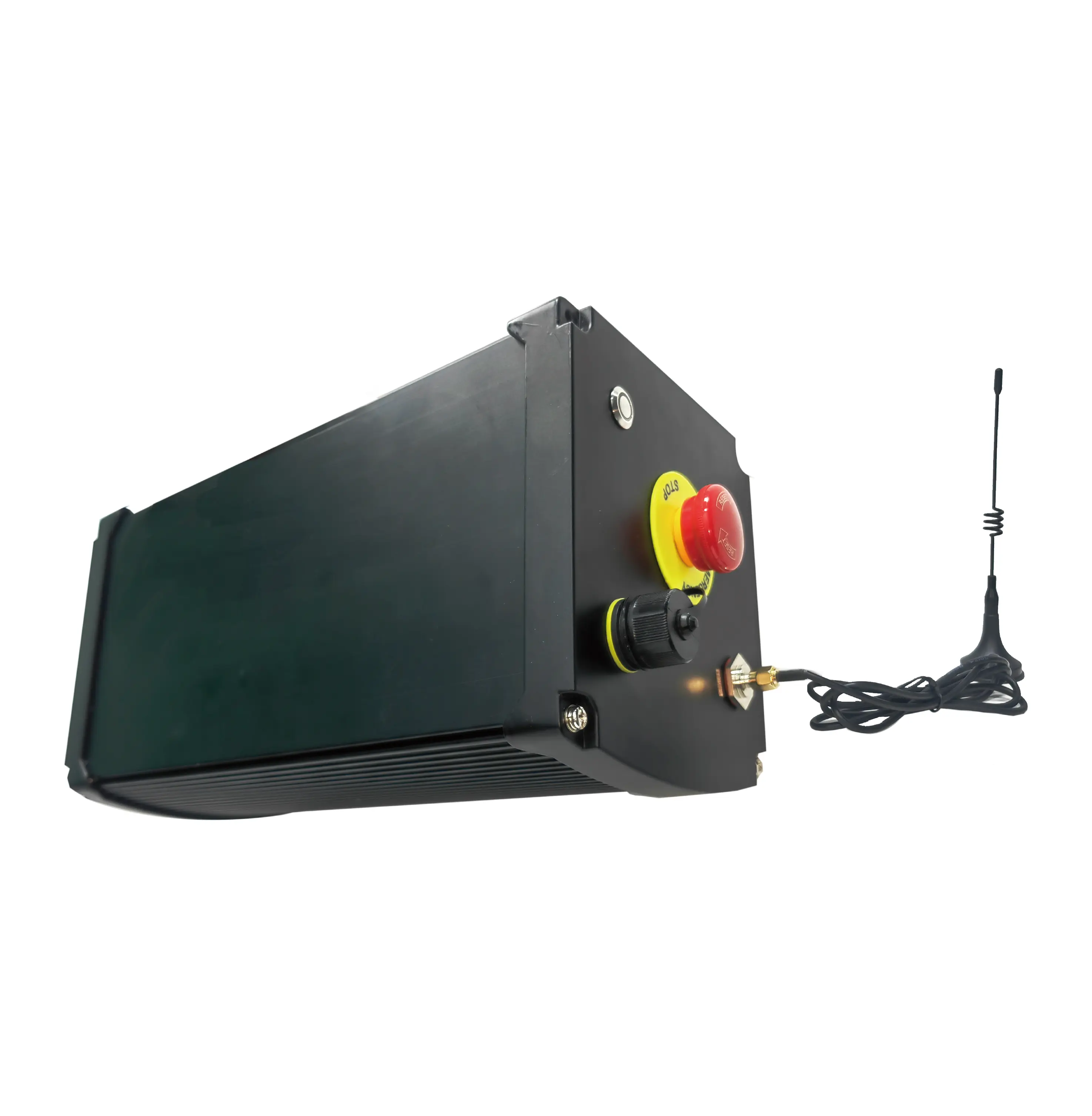
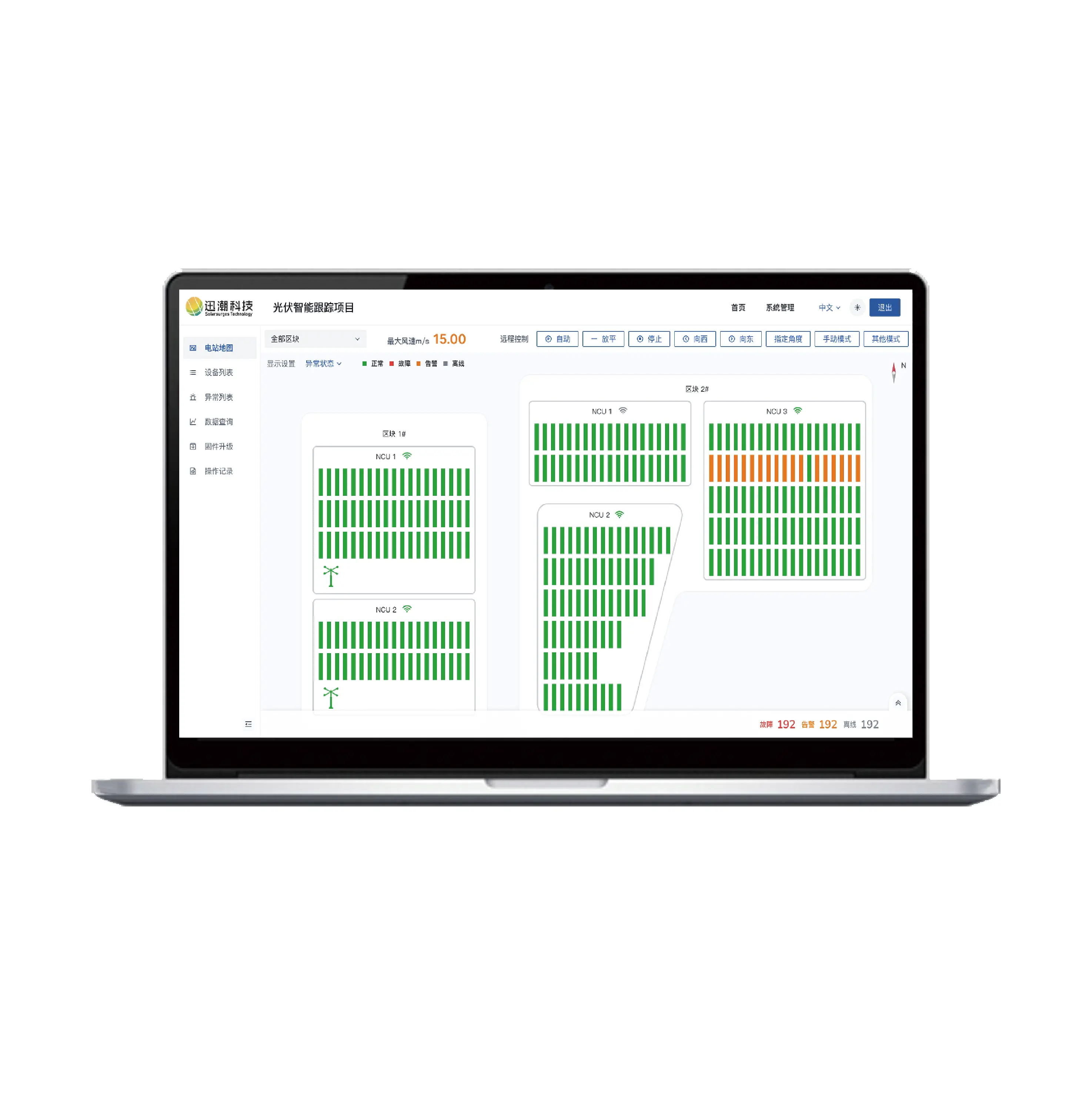
As part of this intelligent transformation, key enabling technologies are gaining prominence. Solar tracker controllers and PV tracker controllers are becoming essential components for optimizing energy yield in utility-scale projects, allowing modules to follow the sun's path with precision. Meanwhile, Solar TCU (Tracker Control Unit) and Solar NCU (Network Control Unit) solutions are enabling more reliable and coordinated tracking system operations. At the plant management level, Solar SCADA systems are being deployed to provide centralized monitoring, data analytics, and intelligent control, supporting the shift toward digitalized and automated PV power plants.
Qian Xin, Marketing Director for the Distributed Business in China at LONGi Green Energy, remarked: "This represents an inevitable transformation for the PV industry, moving from rapid, sometimes unruly growth to a phase where safety is paramount. In the past, the PV industry experienced phases of market leadership and technological leadership; now, it is entering a new stage of quality standard leadership."
Conclusion
As the "Anti-Internal Competition Year" of 2026 unfolds, the PV industry is undergoing profound structural changes driven by a combination of policies including capacity regulation, new efficiency standards, and quality supervision. For leading enterprises with technological advantages and robust quality control, this presents a strategic opportunity for "good money to drive out bad money." For the industry as a whole, it marks the transition from a "price war" to a "value war," embarking on a new journey from scale expansion to high-quality development. With intelligent control technologies such as Solar tracker controllers, Solar TCU, Solar NCU, PV tracker controllers, and Solar SCADA playing increasingly critical roles, the next generation of PV power plants will be smarter, more efficient, and more reliable.
It is foreseeable that with the comprehensive upgrade of efficiency thresholds and the accelerated exit of outdated capacity, China's PV industry will forge a healthier and more sustainable development pattern during the "15th Five-Year Plan" period, contributing even greater strength to the global energy transition.
Related Solar Tracker Products