English
  中文
中文


China's total Q1 2026 merchandise exports reached $977.6 billion (+14% YoY), with clean technology products significantly outpacing traditional goods. The Deputy Director of China's Customs Administration noted that EVs, lithium batteries, and wind turbine components grew 77.5%, 50.4%, and 45.2% respectively — making green products the single largest driver of export growth.
The consequences were immediate and severe:
- Brent crude oil prices rose 6-9%
- European natural gas prices surged ~50%
- Global energy security anxiety spiked to levels not seen since the 2022 Russia-Ukraine conflict
Lin Boqiang, Director of the China Energy Policy Research Institute at Xiamen University, stated: "China's strategic bet on solar, wind, storage, and EVs is, in a sense, a deliberate path to reduce global dependence on the Strait of Hormuz. It is the right policy — addressing both low-carbon development goals and energy security simultaneously."
Euan Graham, Senior Analyst at UK think tank Ember, observed: "This is just the beginning. The ripple effects of high energy prices will persist for months. For consumers, clean technology is an exit ramp from soaring fuel costs. For nations, it is a long-term path to reduce fossil fuel dependence. China is uniquely positioned to meet this growing demand."
Even after Iran announced the reopening of the Strait of Hormuz on April 17, analysts note that normalizing shipping traffic to pre-crisis levels could take months, meaning energy supply uncertainty will remain a structural driver for clean technology adoption worldwide.
- Saudi Arabia's Vision 2030: 100-130 GW renewable capacity target; 50% clean energy share
- UAE's Net Zero 2050 Strategy: 50% clean energy share commitment
- These national targets are translating into concrete projects, tenders, and long-term supply agreements
A standout deal: China Power Construction Corporation (PowerChina) secured a 2.1 GW solar + 7.75 GWh energy storage project in Abu Dhabi, UAE, valued at approximately 13.962 billion RMB. The scale demonstrates how industrial-scale solar deployments are now central to the region's energy strategy.
Additionally, Tesla announced plans to procure $2.9 billion worth of Chinese solar panels and battery equipment, targeting 100 GW of domestic US manufacturing capacity by 2028 — a powerful endorsement of China's technological lead in the sector.
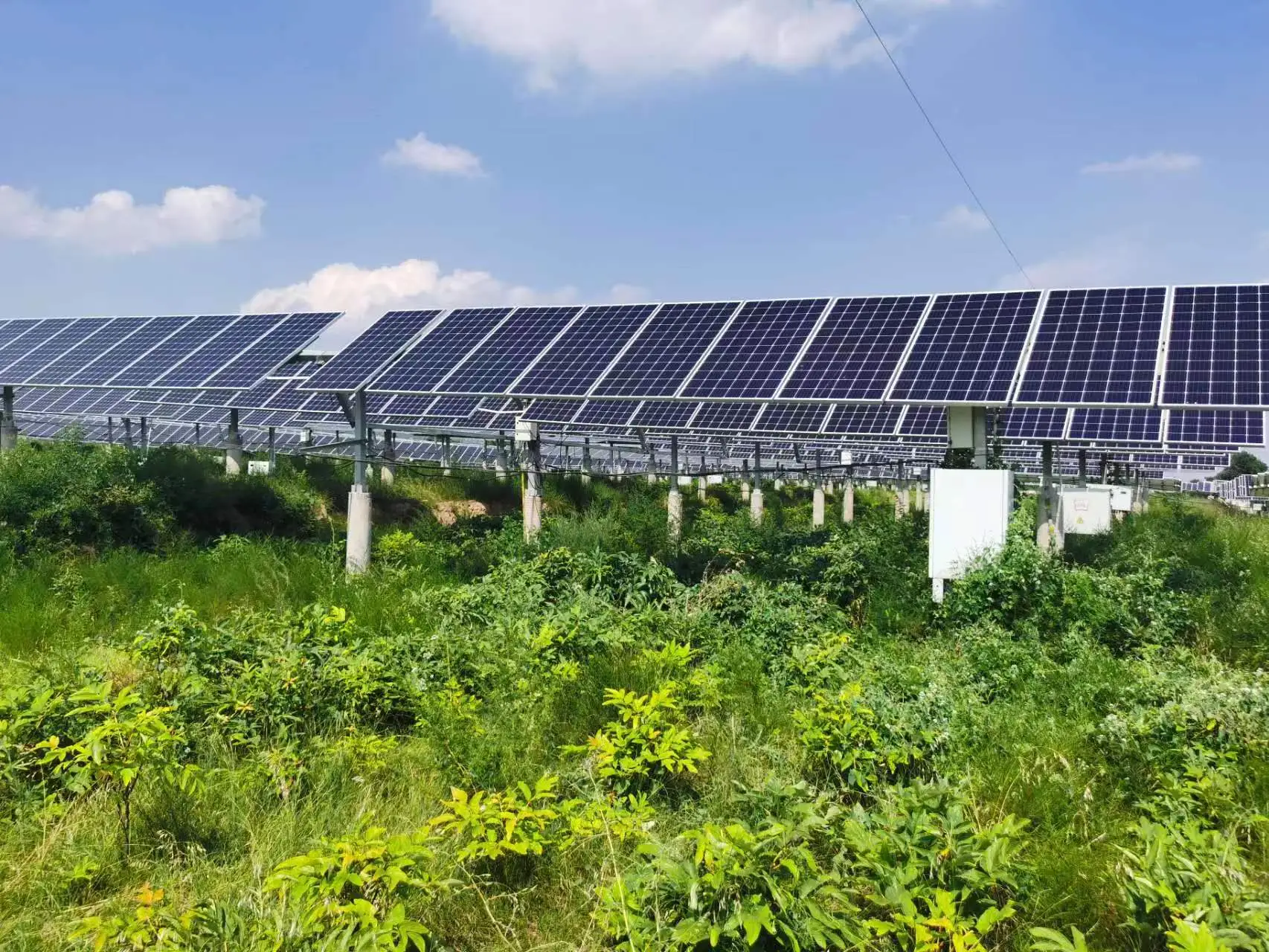
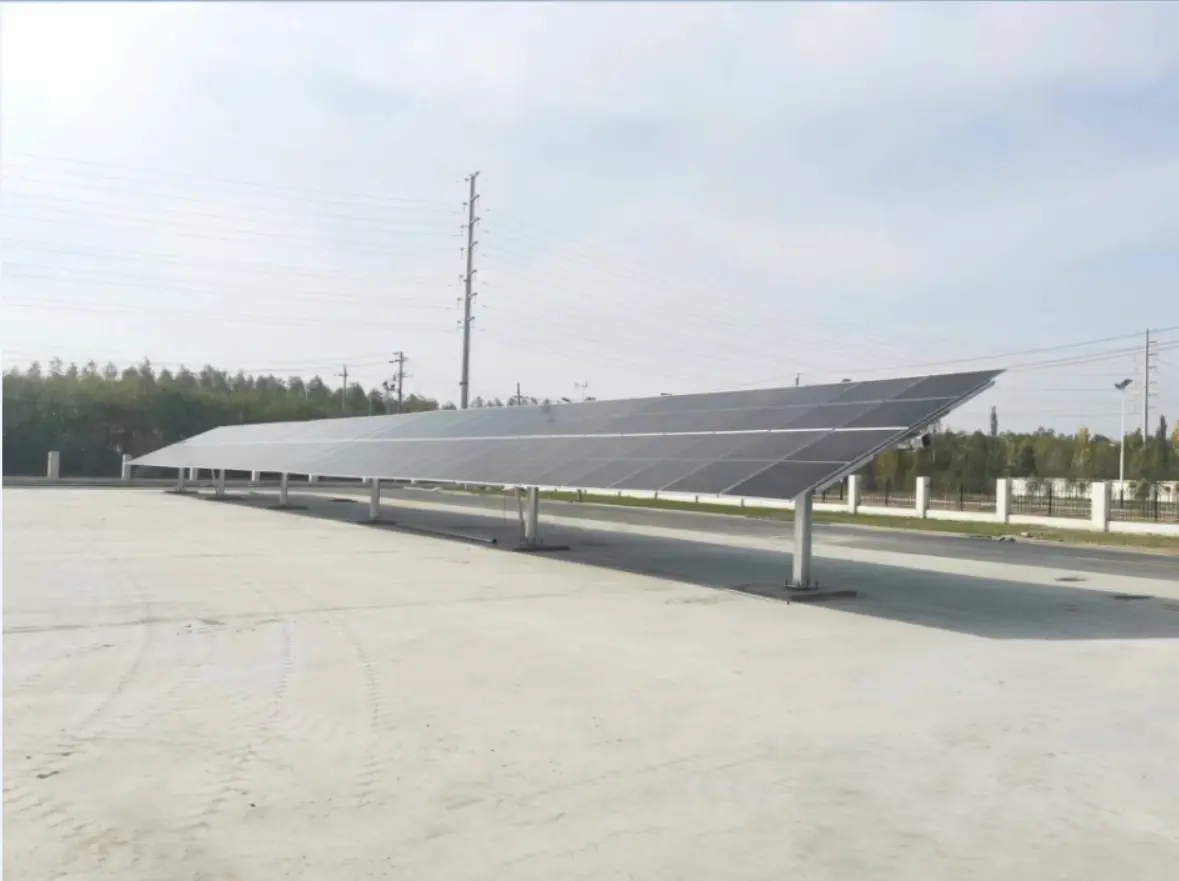
- JinkoSolar: Signed 90.32 MW of Tiger Neo 3.0 TOPCon module orders across Ireland, Georgia, the Netherlands, and Germany in just four days (April 15-18). Followed by a 53 MW supply agreement for a Kazakhstan ground-mounted solar project — all featuring JinkoSolar's Swan bifacial module with advanced solar tracker controller integration.
- LONGi Green Energy: Signed over 1.3 GW of memoranda of understanding with African partners at Solar & Storage Africa 2026, alongside a 500 MW BC product continuation agreement with UK-based CCL Solar.
- Tongwei Co., Ltd: Entered a 1 GW module cooperation agreement with KENO, Poland's largest PV distributor.
- March storage battery exports: 13.8 GWh (+96.9% MoM, +52.4% YoY)
- Sungrow: Secured major storage orders in Japan and South Africa (>1.2 GWh combined), plus a 1 GWh storage contract in Romania
- JinkoSolar Storage: Formed a >1 GWh storage project strategic partnership with a Latin American counterparty
- BYD Storage: Partnered with Spain's Grenergy to supply a 2.6 GWh storage system for a Chile solar-storage project
These deals illustrate a critical shift: from product export to solution export — where Chinese firms deliver integrated systems combining solar modules, energy storage, and intelligent control platforms.
- Annual energy yield (kWh/kWp ratio)
- Mechanical reliability under extreme weather conditions
- Communication and fault reporting for O&M teams
- Azimuth and elevation angle positioning
- Wind stow management (protective positioning during high-wind events)
- Group-level synchronization and calibration
- Real-time monitoring of generation, equipment health, and environmental conditions
- alarm management and predictive maintenance workflows
- Yield benchmarking against design predictions (P50/P90 analysis)
- Grid interconnection compliance monitoring
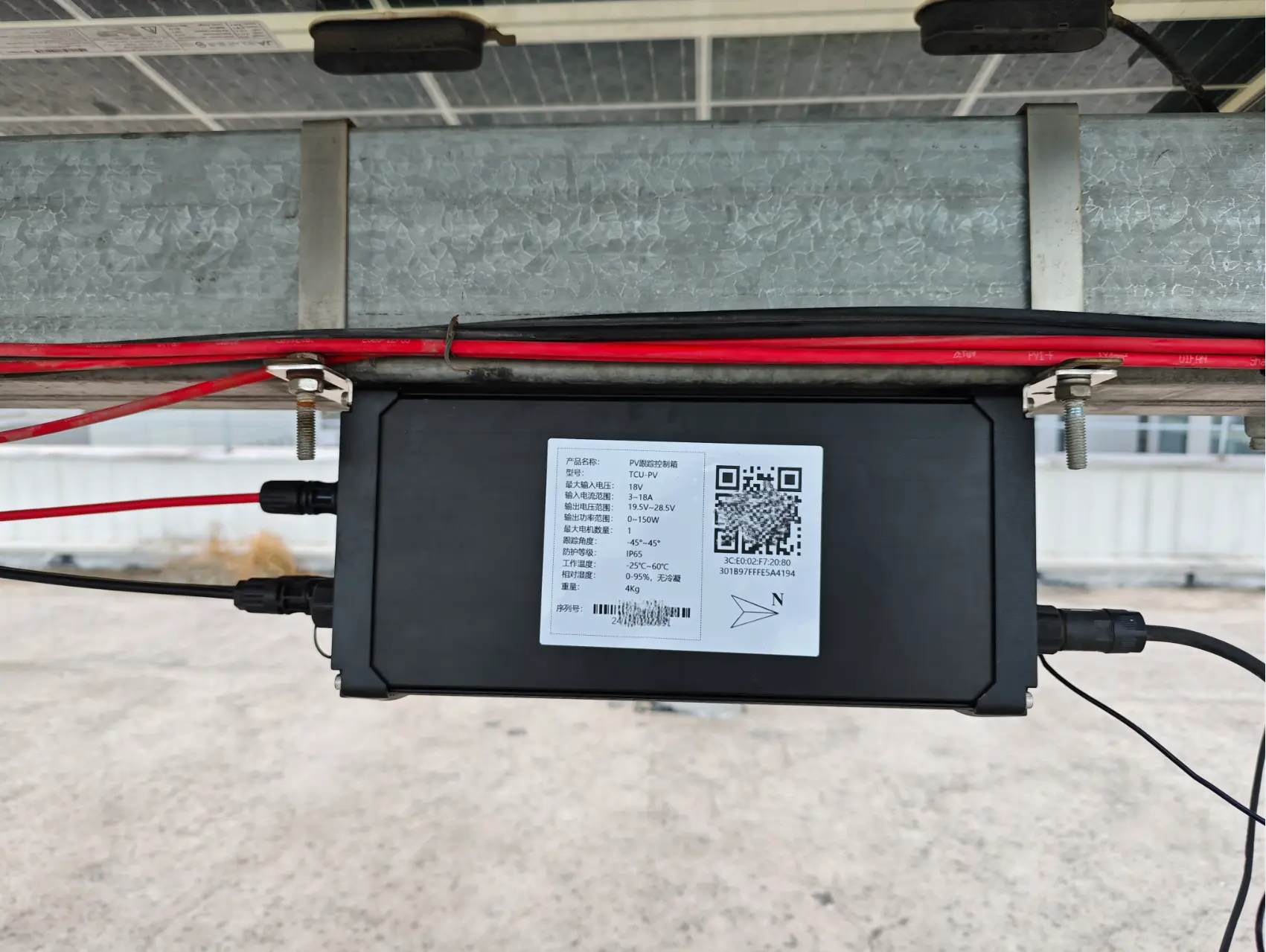
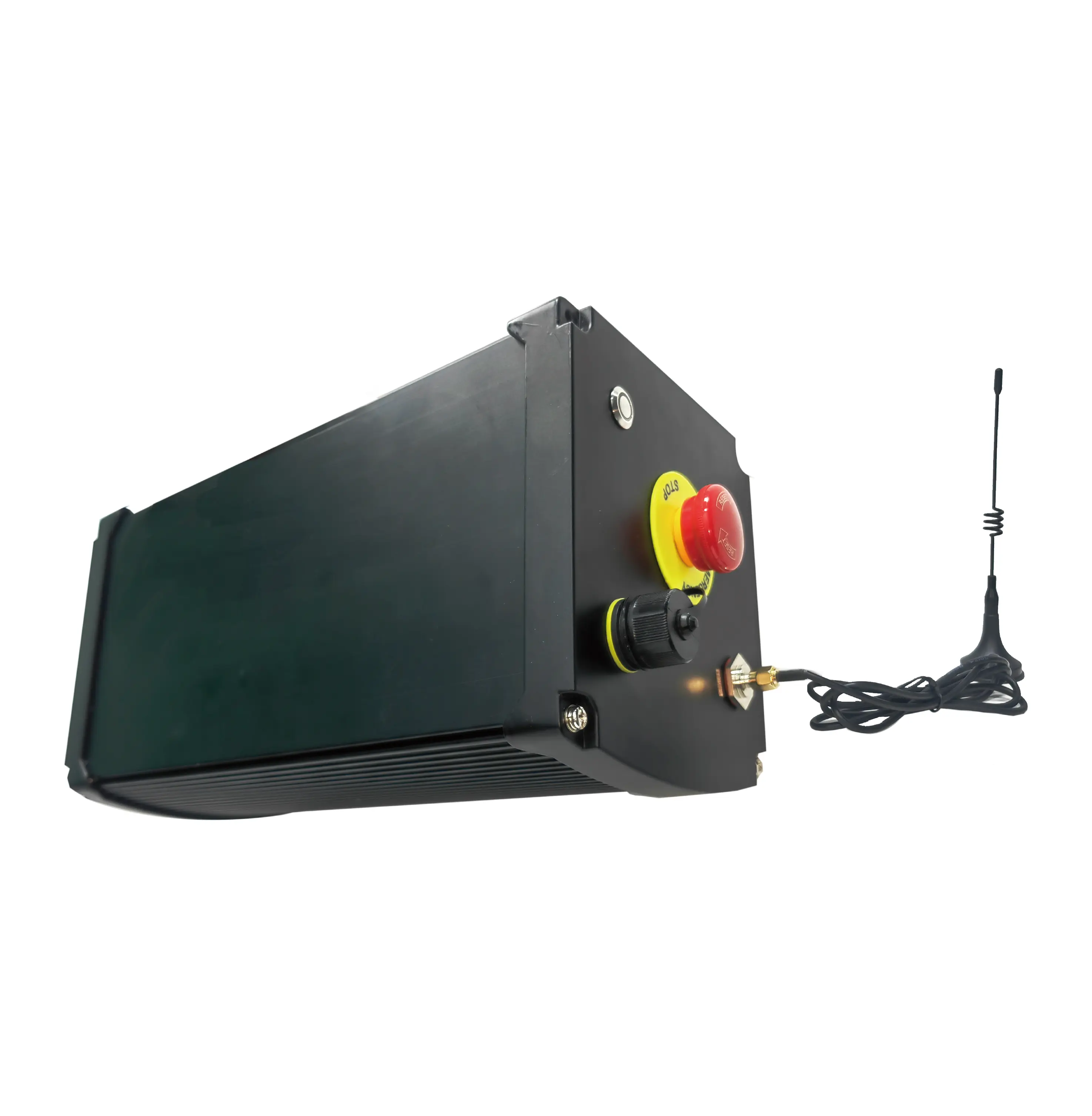
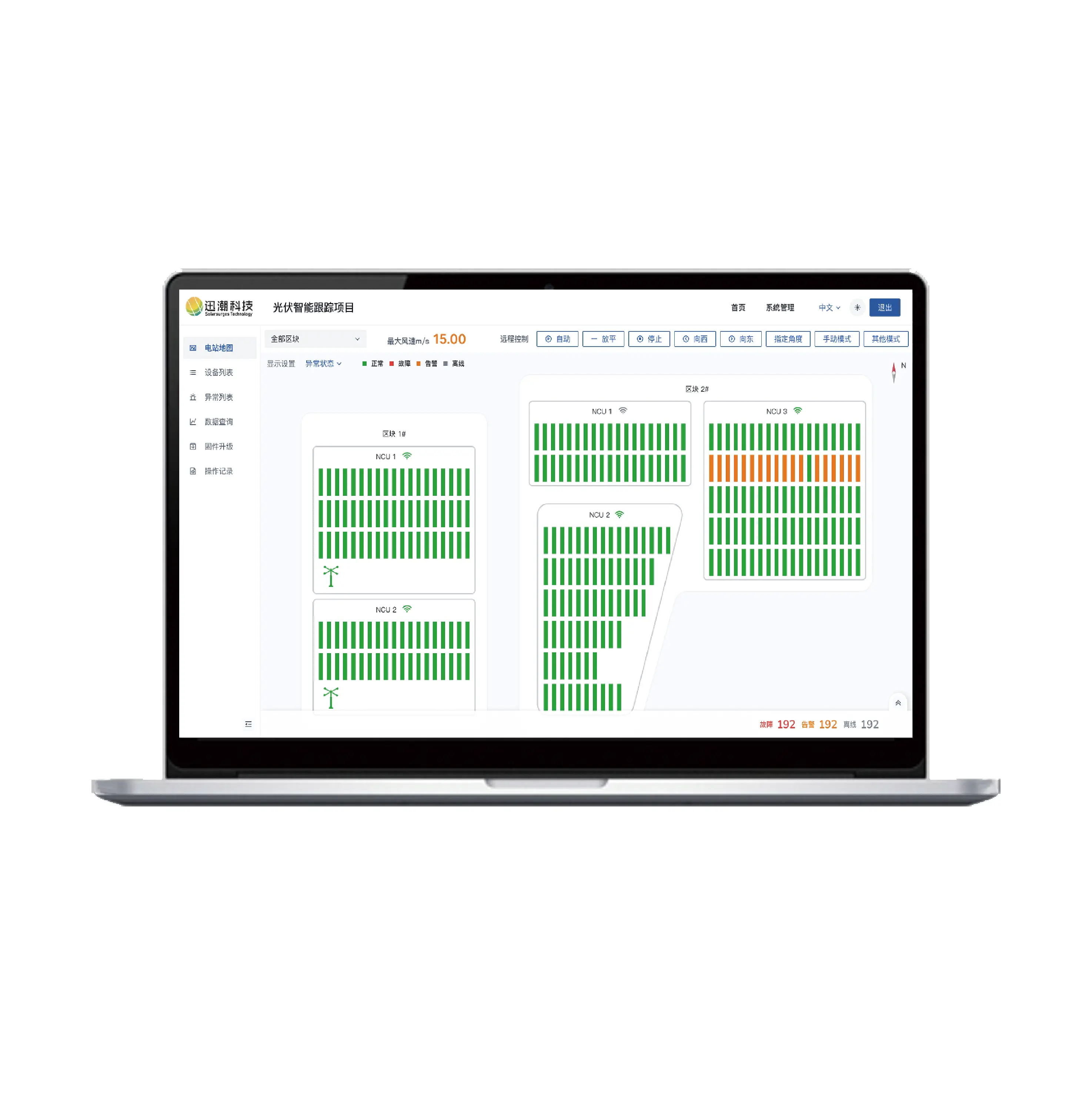
China's dominance in these control systems — developed through years of deployment at home and refined through mega-projects abroad — is a significant factor behind the export surge. When Chinese EPCs and developers win projects in the Middle East, they bring integrated control stacks (SCADA + TCU + NCU + tracker controllers) as part of the package, creating recurring software and service revenue streams on top of hardware exports.
Two parallel crises shaped this shift:
- 2022 Russia-Ukraine conflict → Europe recognized its dependence on Russian natural gas
- 2026 Strait of Hormuz crisis → Global awareness of fossil fuel supply chain fragility via a single chokepoint
As Lin Boqiang of Xiamen University stated: "Every electric vehicle that replaces a fuel-powered car reduces foreign oil dependency. Every solar farm that connects to the grid reduces sensitivity to international gas markets. This is the fundamental solution."
For Chinese manufacturers, this means the crisis window is becoming a long-term structural advantage. Contract examples — JinkoSolar's successive Dutch orders, LONGi Green's three-year renewal with Energy3000, Tongwei's Polish partnership — all demonstrate companies converting short-term demand spikes into multi-year international market presence.
- Global energy transition accelerating under cost-competitiveness of solar and storage
- AI-driven electricity demand (data centers, inference clusters) creating new grid stress and储能 demand
- Middle East and Southeast Asian markets still in early stages of domestic renewable buildout
- Europe continuing to diversify away from fossil fuels post-Russia-Ukraine
- Africa emerging as a high-growth frontier with chronic power deficits
- Export tax rebate changes: Since April 1, 2026, China has reduced or eliminated export tax rebates for solar panels and batteries, which could temporarily accelerate pre-rebate shipments while suppressing exports in subsequent months
- Geopolitical friction: US tariff regimes and potential EU safeguard measures remain risks for Chinese clean tech access to Western markets
- Supply chain overcapacity concerns domestically as global capacity investment accelerates
Despite these headwinds, the structural trend is clear: China is transitioning from exporting products to exporting capacity, technology standards, and services — a maturation that fundamentally strengthens its competitive moat in solar, storage, and EV industries globally.
Related Solar Tracker Products