English
  中文
中文

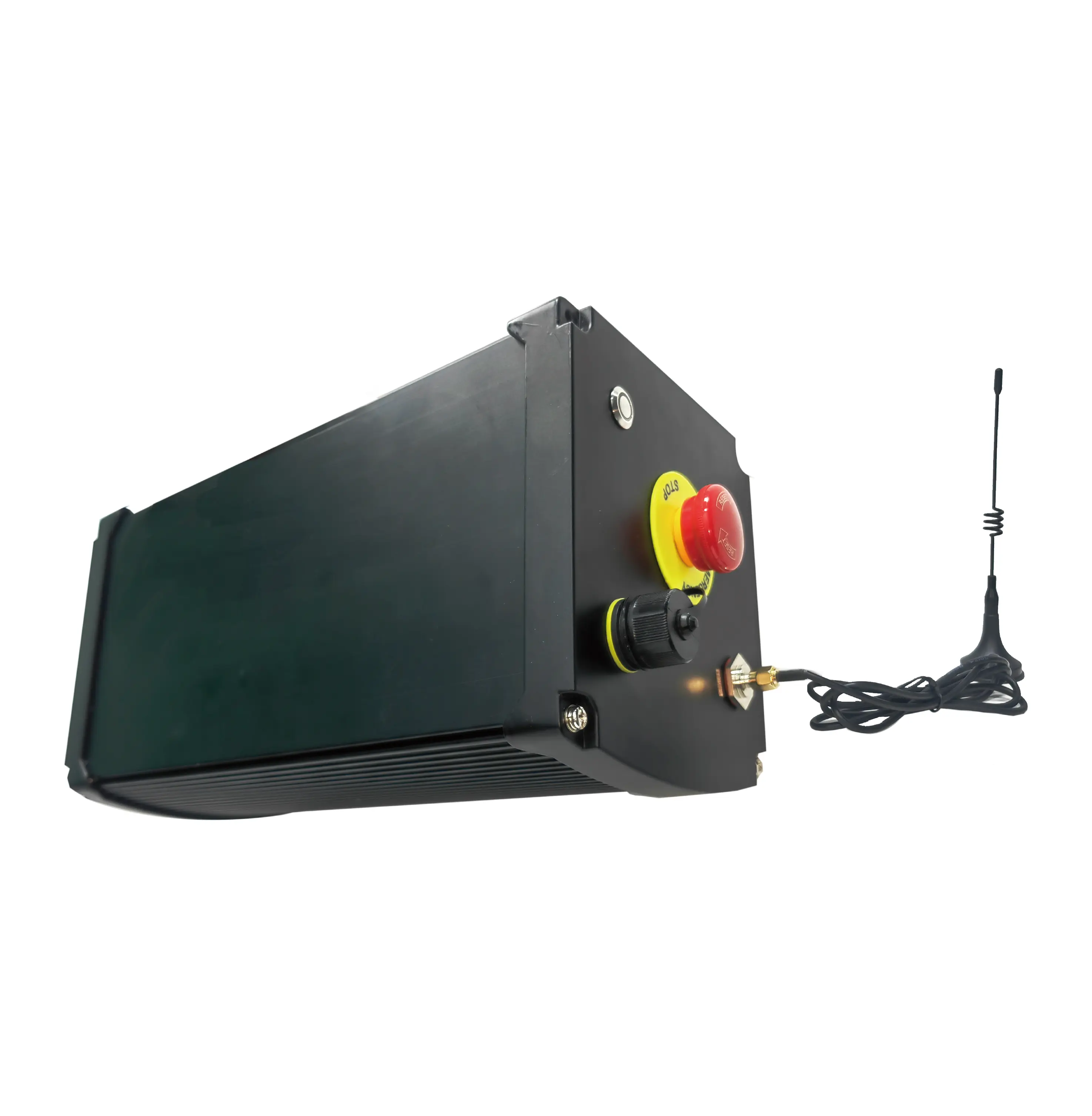
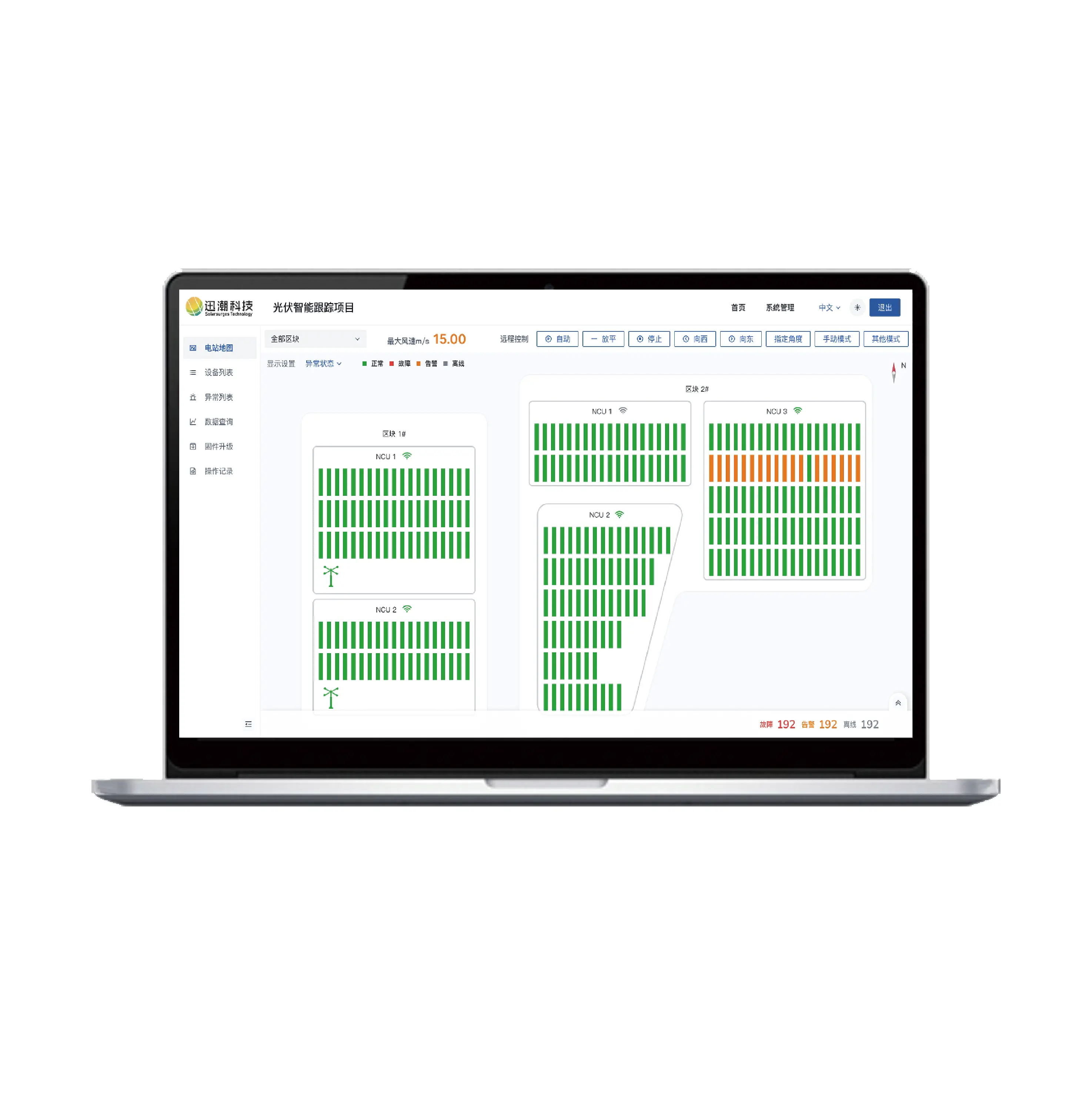

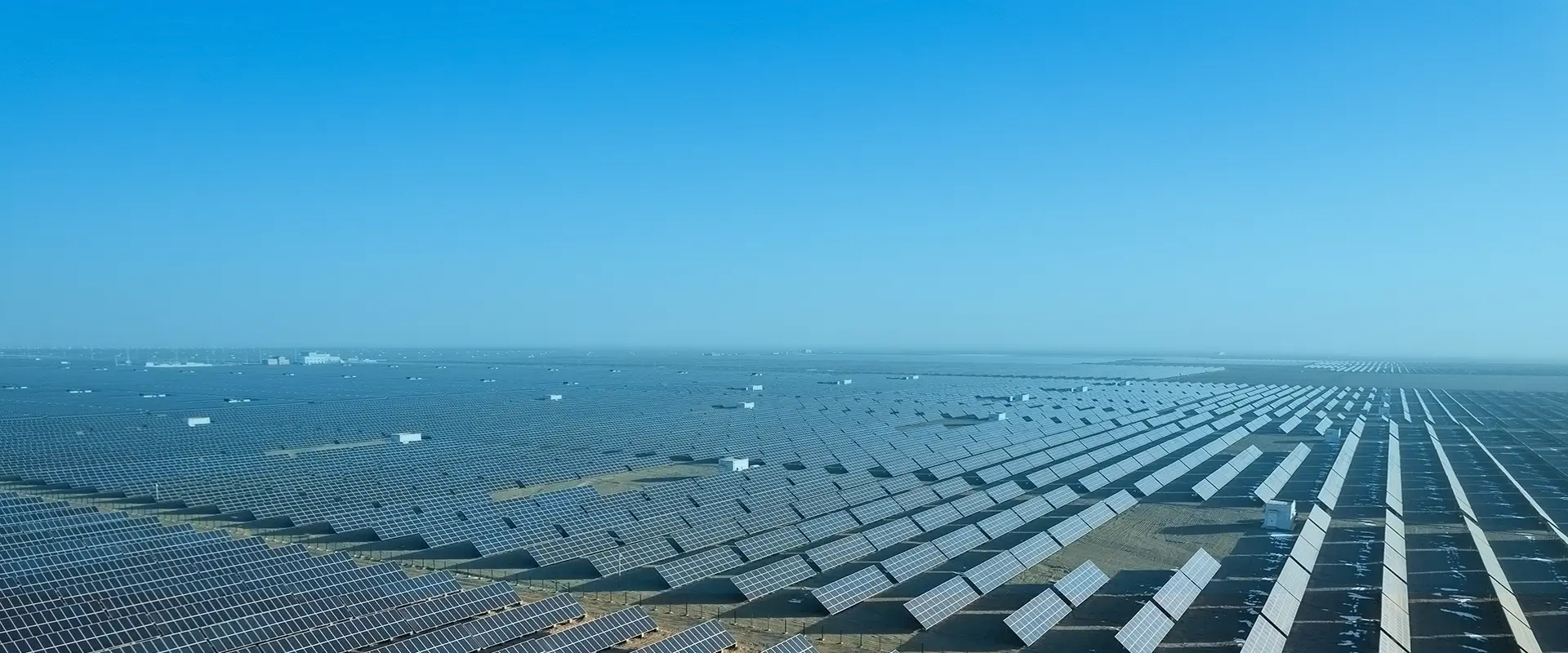
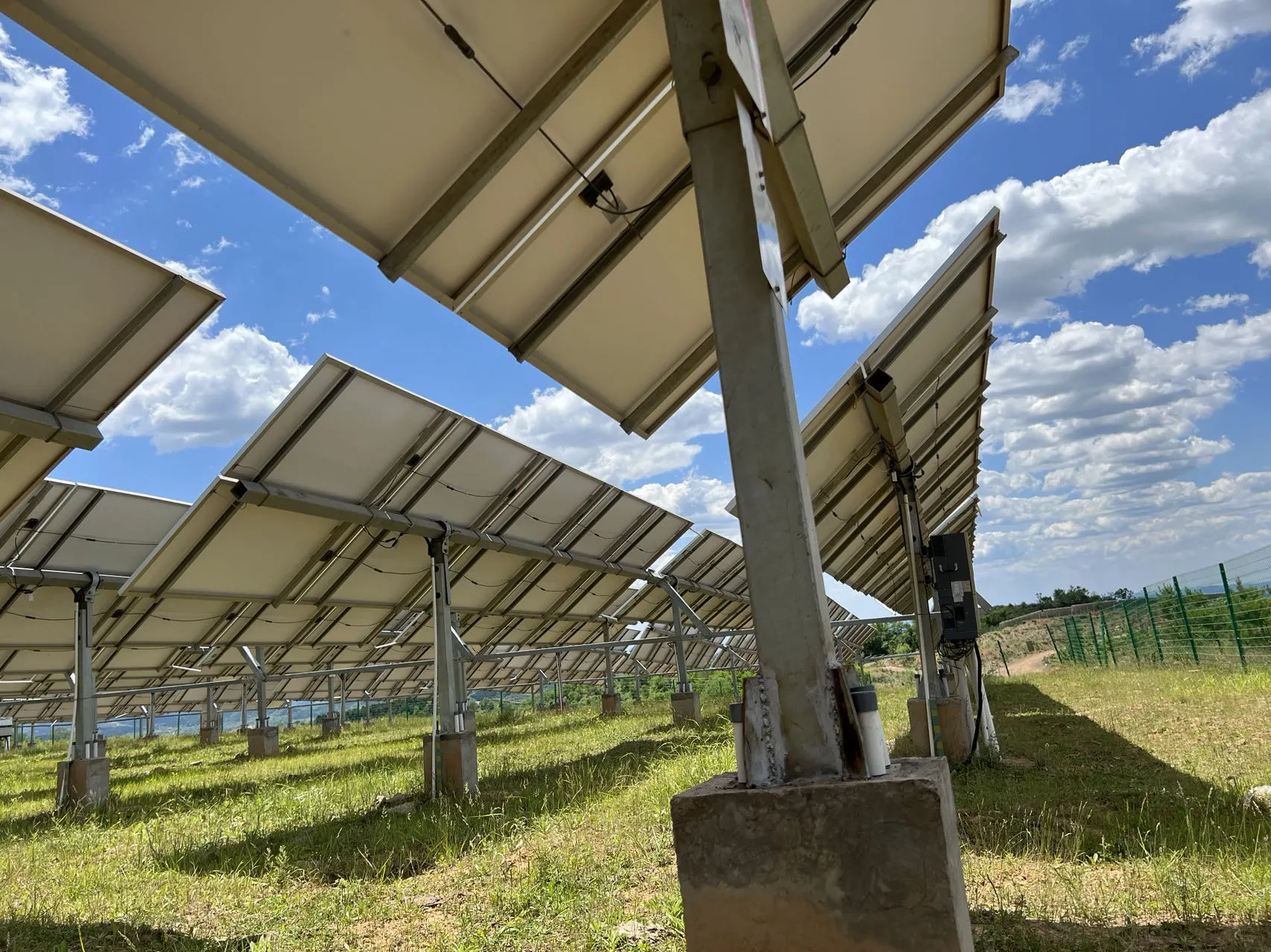
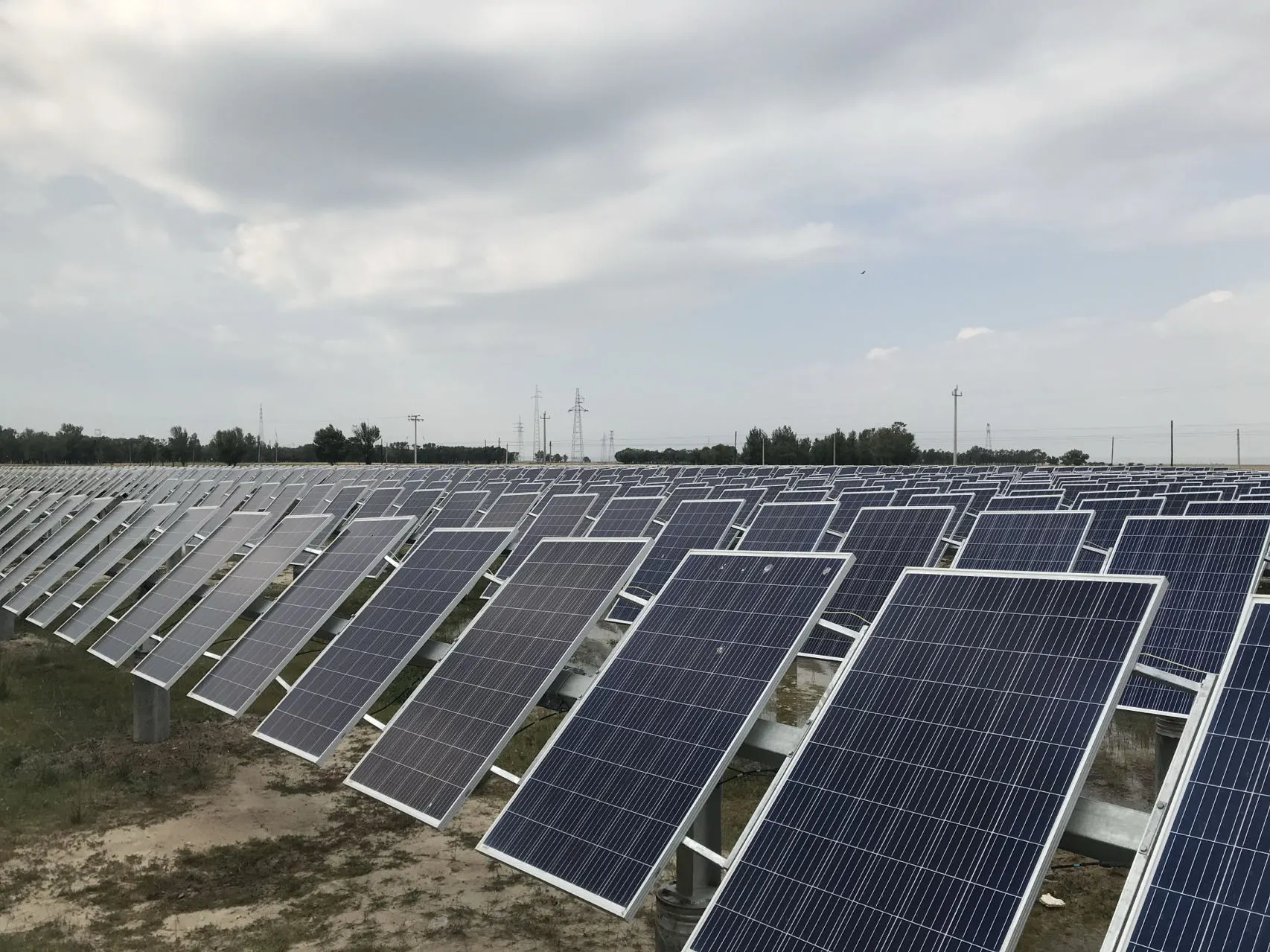
At the heart of this transformation lies sophisticated solar tracking technology. Solar tracker controllers, solar TCU (Tracker Control Units), solar NCU (Node Control Units), and integrated solar SCADA (Supervisory Control and Data Acquisition) platforms are enabling utility-scale projects to maximize energy yield and operational efficiency across vastly different climatic conditions.
According to Bloomberg New Energy Finance, Germany's average solar power generation is expected to reach approximately 16.5 GW from April to September 2026—a 31% increase year-over-year. Simultaneously, natural gas demand for power generation is projected to drop by approximately 29%, equivalent to saving roughly nine LNG cargo shipments. Germany is set to increase its solar panel installations by 15% in 2026, fueling a solar boom that promises significant grid stability improvements ahead of winter.
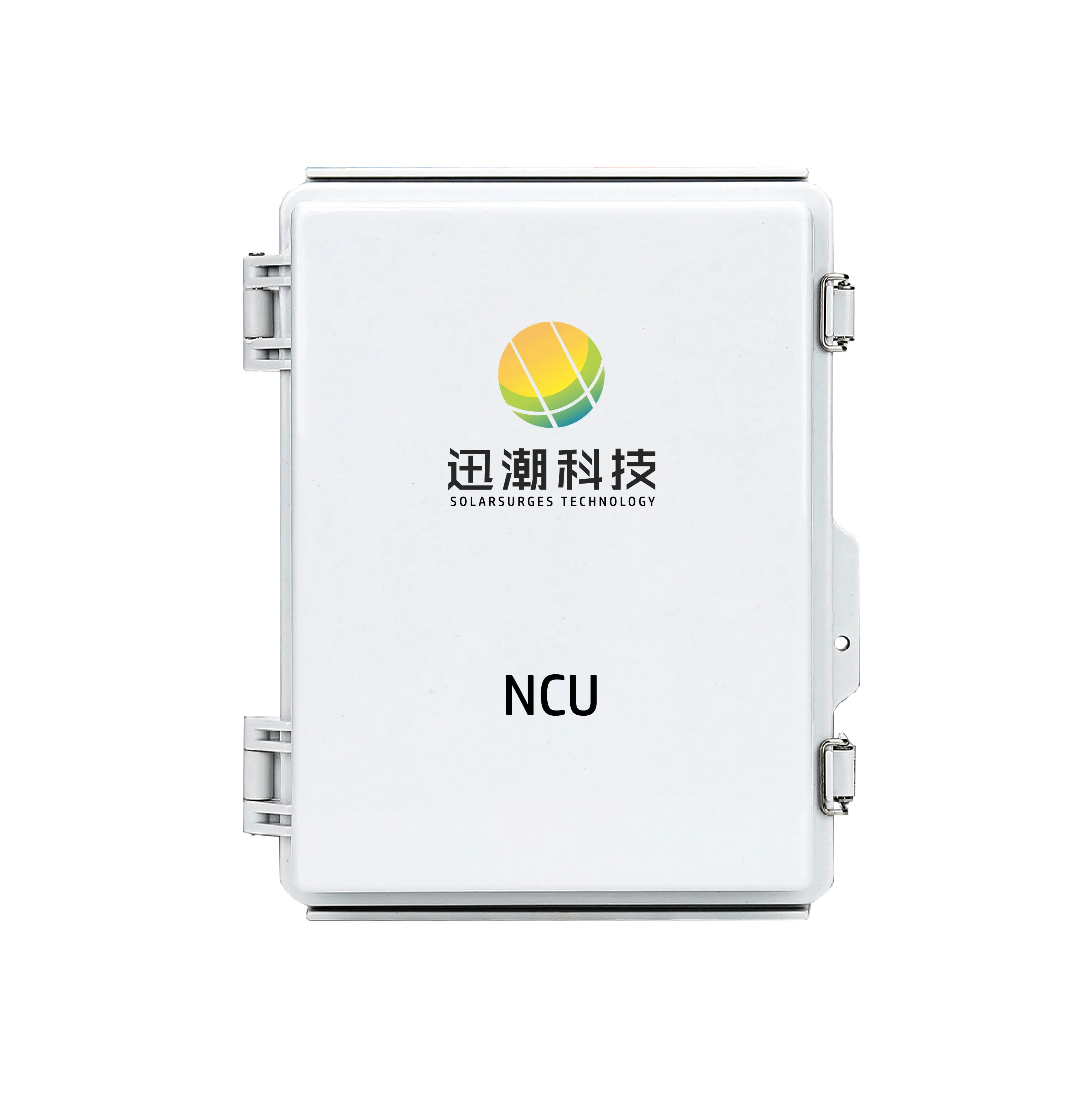
The solar NCU (Node Control Unit) serves as the intermediate communication layer, aggregating data from multiple tracker units within a zone and relaying commands from the central solar SCADA platform. This hierarchical control architecture enables utility-scale plants with thousands of trackers to operate as a unified, intelligent system—maximizing energy harvest while minimizing mechanical stress.
In South Africa, Voltalia commissioned the 148 MW Bolobedu project in Limpopo Province, supplying power under a long-term direct wire agreement to Rio Tinto's RBM mine, displacing approximately 237,000 tonnes of CO₂ emissions annually.
- Côte d'Ivoire raised €65 million through a green bond to finance the 66 MW Korhogo project—the first energy-sector green bond in West Africa's Economic and Monetary Union. The transaction was fully structured and financed by African institutions, creating a scalable template for continental replication.
- Botswana and Oman signed an agreement for a 500 MW solar plus 500 MW storage project in the Maun region of northwest Botswana—a development that would effectively double the country's installed generation capacity.
- Zambia launched a tender for approximately 300 MW of solar plus storage capacity, marking the first substantive financing implementation of Paris Agreement Article 6 mechanisms in Africa. Through a bilateral carbon trading agreement with Norway, the project's emission reduction credits are pre-sold with a fixed carbon price locked in for at least 10 years—transforming carbon credits from "uncertain downstream revenue" into "predictable upstream cash flow."
- The African Development Bank approved $11.3 million for the P-REC aggregation facility, providing financing to micro-grid developers in 14 fragile regions, expected to power 856,000 people and add 71 MW of renewable capacity.
- The Common Market for Eastern and Southern Africa (COMESA) announced a $25 million project preparation facility to provide technical advisory services to developers, enhancing project bankability.
- The World Bank's MIGA and AMEA Power signed an $1.48 billion portfolio guarantee agreement supporting 23 renewable energy and storage projects across Africa, the Middle East, and Central Asia, expected to add 2,766 MW of generation capacity and 2,729 MWh of storage while creating over 17,000 direct jobs during construction.
The scalability of Africa's solar pipeline increasingly depends on robust monitoring infrastructure. A well-implemented solar SCADA platform provides real-time visibility into plant performance across geographically dispersed assets, enabling operators to identify underperformance, manage maintenance crews, and demonstrate operational metrics to lenders and carbon credit auditors. Solar NCU devices at the field level aggregate tracker-level data—irradiance, temperature, azimuth and tilt angles—feeding actionable intelligence to regional SCADA dashboards. This data transparency is essential for attracting international capital to African markets.
Oman and Qatar achieved double growth from lower bases: Oman's renewable capacity surged 138.5% to 1,722 MW, entirely from solar additions; Qatar grew 106.2% to 1,699 MW, also exclusively from new solar. The UAE added 1,054 MW in 2025, growing 15.4% to 7,907 MW.
Total investment required across the GCC to meet 2030 targets exceeds $575 billion.
A solar TCU in a desert installation must communicate reliably under high ambient temperatures that can exceed 50°C, while an solar SCADA platform must integrate with grid operator dispatch systems in real time. As Middle East projects scale to multi-gigawatt installations, solar NCU field controllers serve as the critical bridge—aggregating tracker telemetry from thousands of panels spread across hundreds of hectares and ensuring command latency from the SCADA central system remains within acceptable bounds for two-axis tracker response.
- Europe's energy security imperative is driving accelerated deployment and storage buildout, backed by supportive policy frameworks and record-breaking generation performance.
- Africa's electricity access challenge is unlocking historic installation volumes and innovative financing mechanisms that are making utility-scale solar bankable across the continent.
- The Middle East's Vision 2030 strategic transition is channeling hundreds of billions of dollars into solar, with projects of unprecedented scale demanding the most advanced solar tracker controllers, solar TCU/NCU systems, and solar SCADA platforms available.
As technology iteration accelerates, storage deployment catches up, and green financial innovation deepens, the global solar industry is entering a new stage of high-quality, sustainable growth.
A: A solar tracker controller is the electronic system that manages the positioning of solar panels throughout the day, ensuring they maintain optimal angle relative to the sun. It uses sensors, algorithms, and motor drivers to maximize energy harvest compared to fixed-tilt installations.
Q: What is the difference between solar TCU and solar NCU?
A: Solar TCU (Tracker Control Unit) is the primary controller at each tracker row, handling azimuth and tilt adjustments. Solar NCU (Node Control Unit) is an intermediate aggregator that collects data from multiple TCUs within a zone and communicates with the central SCADA system, managing data routing and command distribution.
Q: Why is solar SCADA important for large-scale PV plants?
A: Solar SCADA (Supervisory Control and Data Acquisition) provides centralized monitoring and control of utility-scale solar plants. It aggregates performance data from thousands of trackers, inverters, and meteorological stations, enabling operators to optimize yield, schedule maintenance, and demonstrate operational performance to investors and grid operators.
Q: How do solar tracker controllers perform in extreme climates like the Middle East?
A: Modern solar tracker controllers designed for desert environments feature high-temperature-rated components, sealed enclosures to prevent sand ingress, and advanced wind-stow algorithms that protect panels during sandstorms. They must also manage thermal expansion of tracker structures and maintain communication reliability under extreme conditions.
Related Solar Tracker Products