 English
  中文
中文


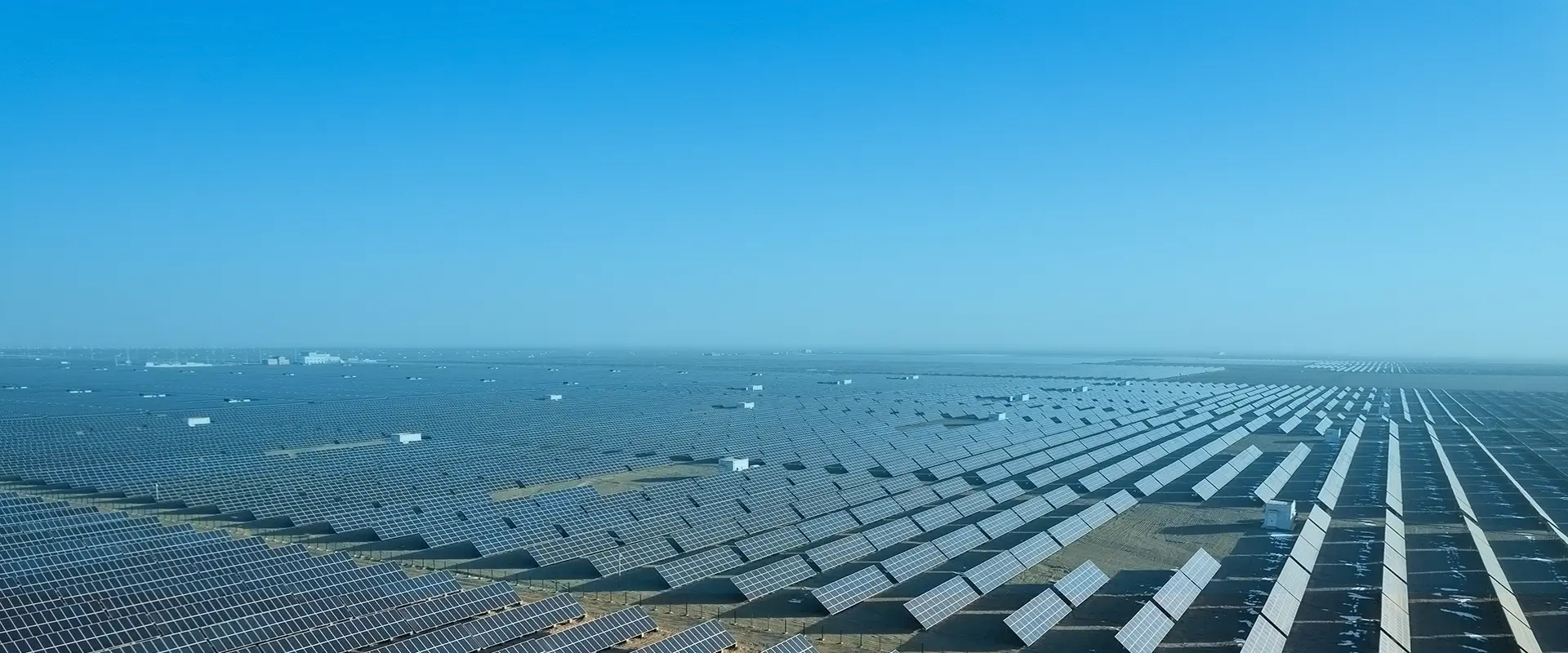
A defining feature of this symposium was the high-level, cross-ministry coordination, marking the upgrade of PV industry anti-involution governance from industry-level advocacy to nationally-coordinated, systemic effort.
A key pillar supporting this governance framework is the accelerated rollout of two mandatory national standards. On March 19, an MIIT special symposium positioned the two upcoming PV national standards as "important measures to eliminate disorderly industry competition" and "an inevitable requirement to build a solid civil safety line and drive high-quality industrial development." On March 24, the Mandatory National Standard for Photovoltaic Module Safety Requirements and Mandatory National Standard for Photovoltaic Module Nameplate Marking Requirements were officially released for public consultation — signaling three major policy moves within just 20 days.
These mandatory (rather than recommended) national standards mark a stark departure from the past. Where previous anti-involution efforts relied primarily on soft constraints such as guidelines and appeals, the issuance of legally binding mandatory national standards now redefines the normalized competitive order with hard rules that "must be enforced." The two standards cover multiple dimensions — electrical safety, fire safety, mechanical load, and hazardous substance restrictions for PV modules — while extending to requirements that nameplate-rated power must be truthfully verifiable, with deviation between rated and measured power not exceeding the marked tolerance limit or ±2%, whichever is smaller. Under the framework of normalized anti-involution oversight, raising the access threshold is the essential path to restoring safety-based and value-driven competition.
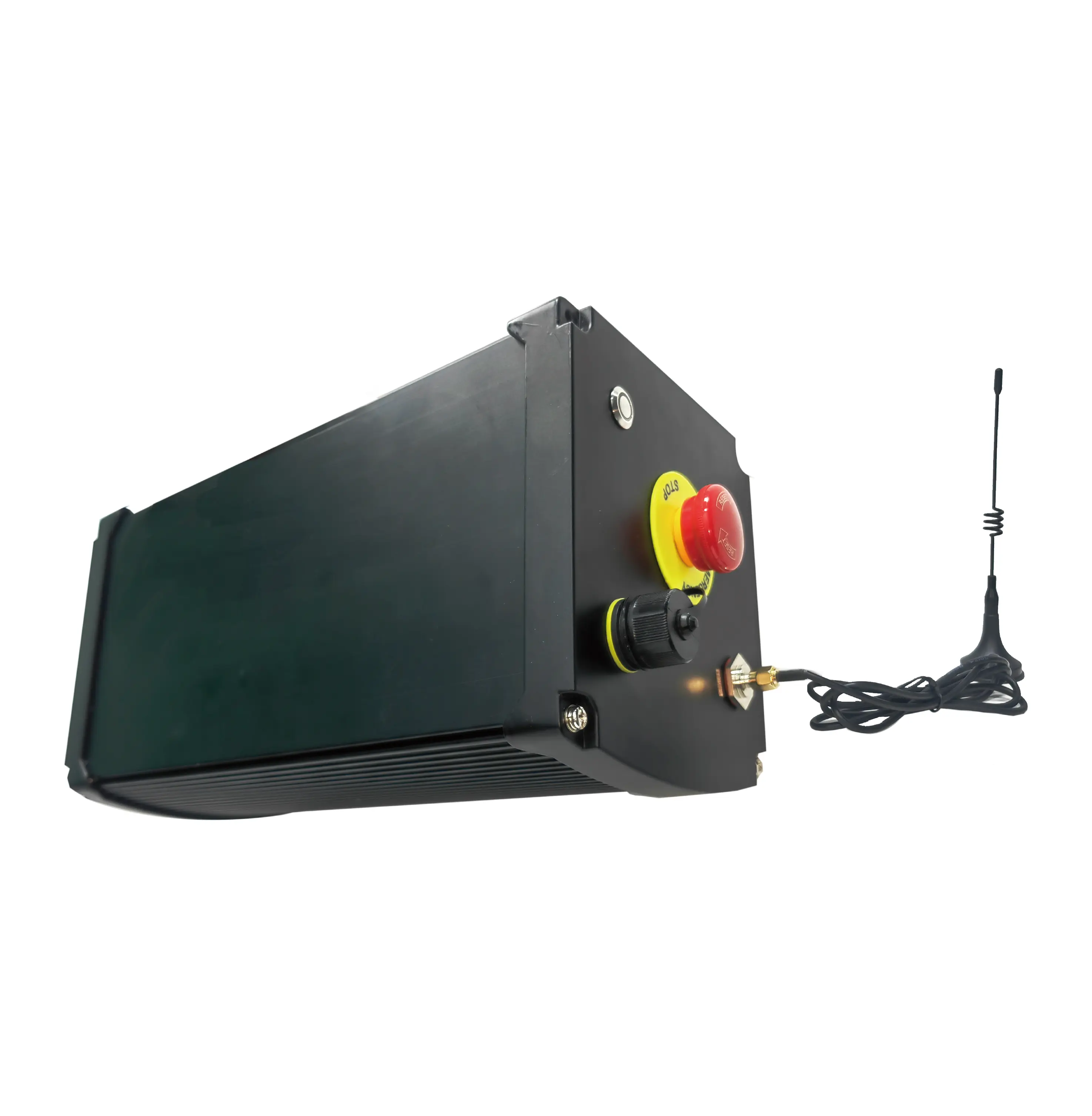
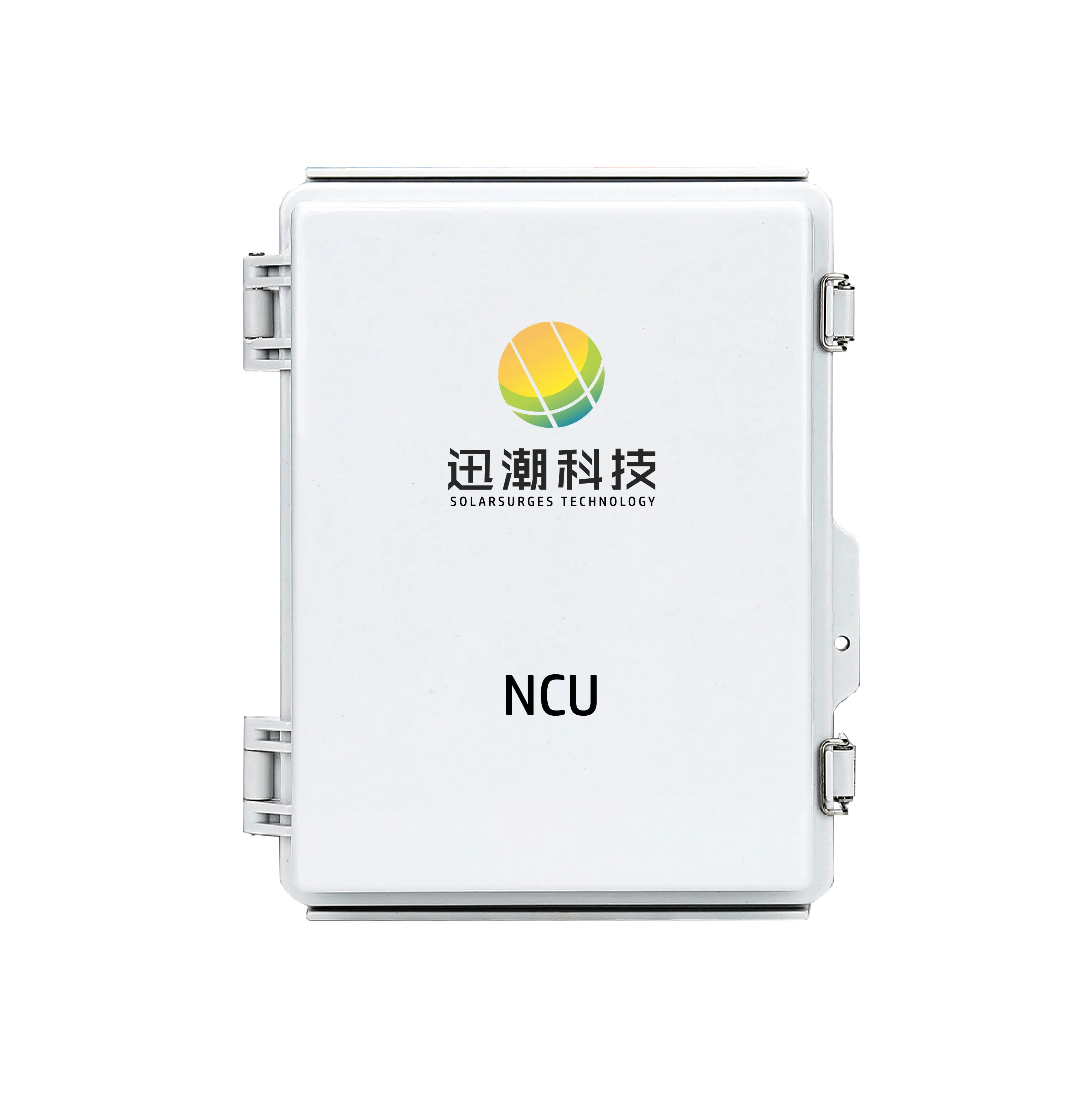
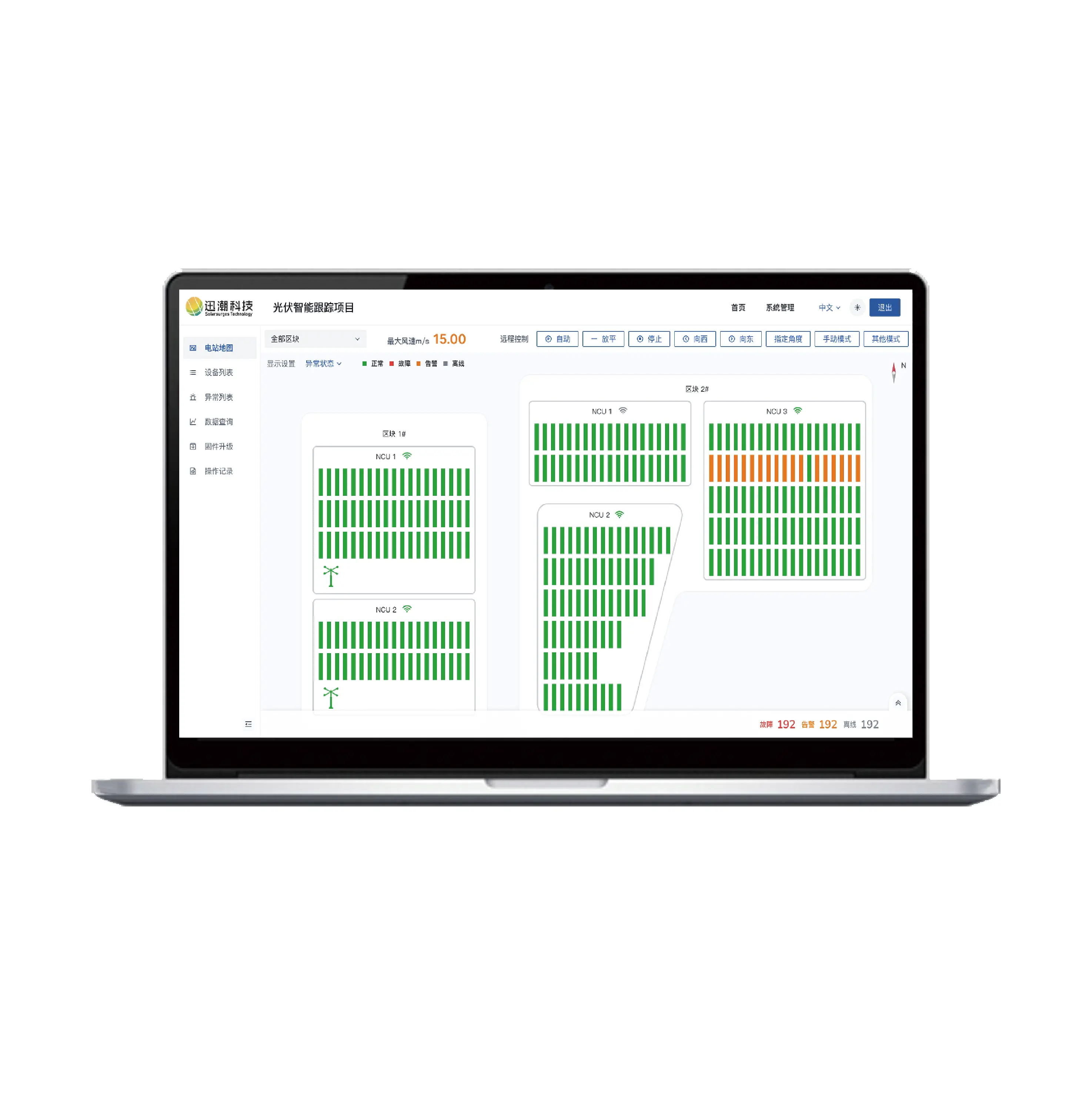
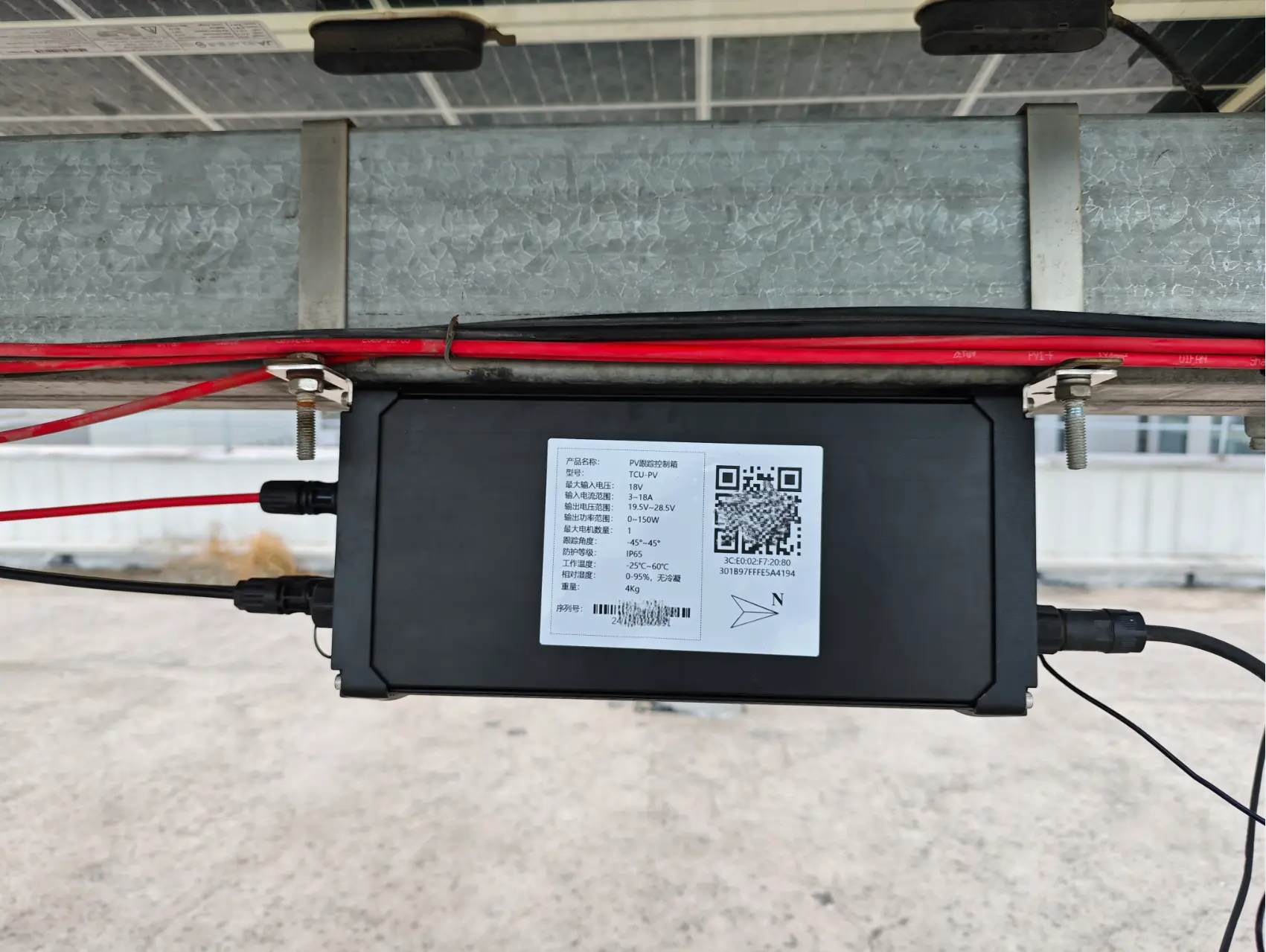
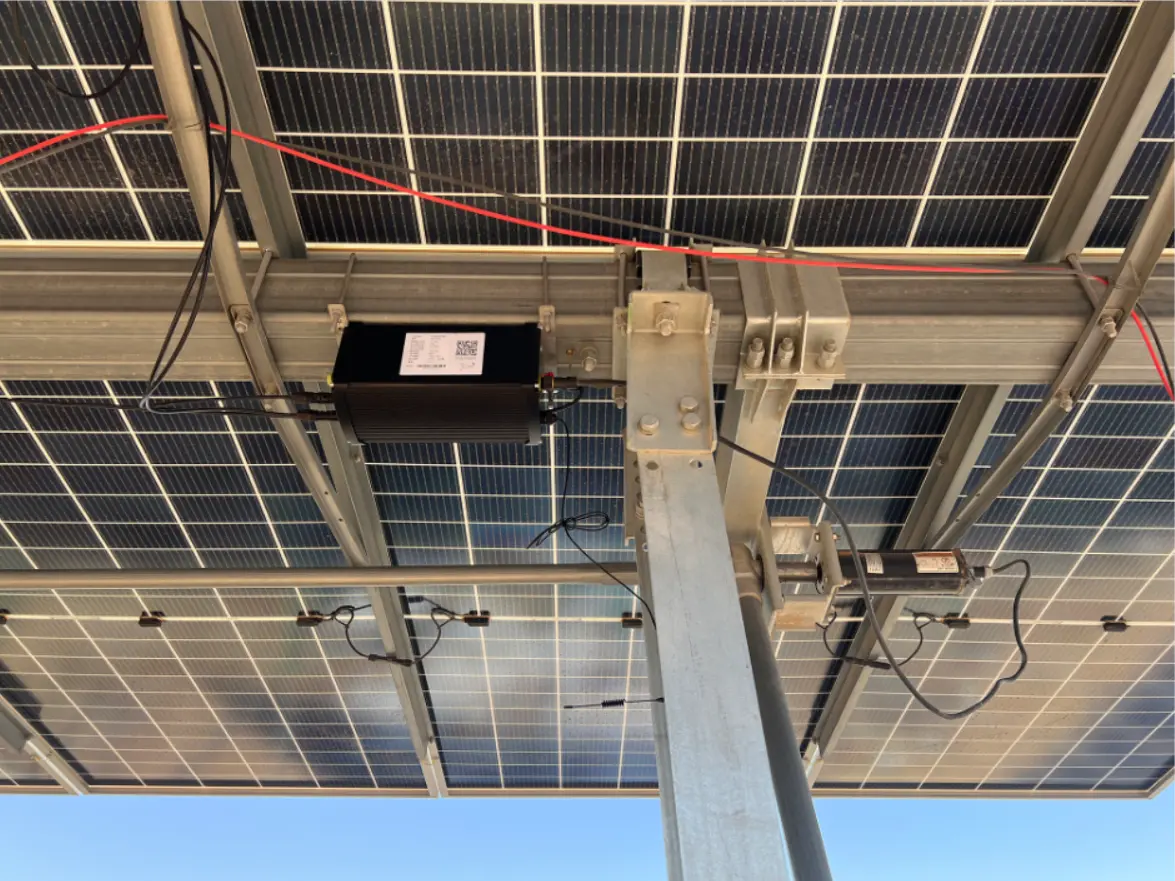
In this new competitive landscape, companies that once relied on undercutting prices now face a different challenge: demonstrating compliance with rigorous safety and performance standards. For solar tracker systems — including solar TCU (Tracker Control Unit), solar NCU (Nodal Control Unit), and solar SCADA (Supervisory Control and Data Acquisition) platforms — this shift toward institutional competition means that product reliability, system integration capability, and long-term operational performance will increasingly differentiate market leaders from laggards. A robust solar tracker controller is no longer just a cost center; it becomes a competitive asset that directly impacts plant yield, O&M efficiency, and project bankability.
Polysilicon: The Bottom of the Cost Curve
Looking at polysilicon — the lowest-cost frontier in the solar industry's price war — industry operating rates plummeted from their peak, with polysilicon output corresponding to an operating rate that once approached a multi-year low of ~39% by late March. Yet even with a significant monthly supply contraction, social inventories continued accumulating to around 500,000 tons, indicating that upstream supply-demand pressures have not yet fundamentally reversed.
Wafer, Cell, and Module: Full-Chain Capitulation
With upstream prices persistently breaking below industry cash cost lines, the wafer sector also has fallen.: average transaction prices for 183N monocrystalline wafers dropped to ¥0.93/piece, and 210N monocrystalline wafers to ¥1.17/piece. Most manufacturers were forced deep into losses, significantly reducing willingness to cut prices and ship. Cell prices declined in tandem, with the ¥0.33/W average price also approaching the industry average cash cost line. At the terminal, module pricing in utility-scale projects was especially competitive; distributed systems, while generally stable, have begun showing scattered signs of quote reductions by some players.
As the entire industrial chain contracted simultaneously, overseas export tax rebate policies were officially cancelled, interrupting the short-term export surge that relied on rebate incentives. Entering Q2, terminal a strong wait-and-see attitude prevails. (wait-and-see sentiment) persists, with demand recovery signals not yet significant. The industry is undergoing a difficult transition from passive production cuts to active price floor formation. Against a backdrop where some companies have posted consecutive quarters of losses, the question of whether market share and technological progress can translate into survival capital is being tested in real time within the framework of institutional competition.
Over the past year, TOPCon cell conversion efficiency has rapidly approached 26.66% — a milestone that, once certified industry-wide, will make further efficiency gains technically difficult and economically strained. Among tier-1 players, Astronergy claims its TOPCon mass-production efficiency has exceeded 26.5%, with lab efficiency reaching 27.4%. Simultaneously, next-generation high-efficiency technologies such as BC (Back Contact) and tandem perovskite are being incorporated into many companies' strategic pipelines.
On this long-term track, BC technology's leap from a "bonus feature" to a "must-have" is the most emblematic. According to the latest TaiyangNews rankings, BC modules have ranked among the top two for highest mass-production efficiency for three consecutive years, outpacing third-ranked products by more than one percentage point. In GW-scale whole-line procurement bidding, BC products demonstrate increasingly clear premium advantages — taking the Beijing Energy Group's 4 GW module centralized procurement as an example: the N-type TOPCon bidding range was concentrated at ¥0.72–0.788/W, while the N-type BC bidding range was at ¥0.767–0.827/W, creating a value differential of approximately ¥0.04–0.05/W and giving BC a pricing initiative in actual bid competition.
Overseas Markets Accelerate Technology Route Divergence
U.S. tariffs on Southeast Asian polysilicon remain elevated, and China's PV export shift toward higher-value products continues to widen technology-model premiums. Simultaneously, Europe's surging residential PV demand — where "complete systems (PV + storage + EV charger)" have become the new normal for household clean energy — places higher demands on PV module brand strength and technical reliability.
For solar tracker controllers and their associated solar TCU, solar NCU, and solar SCADA ecosystems, this technology route shift carries significant implications. BC cells' higher efficiency per square meter and different thermal and electrical characteristics require more sophisticated tracker control algorithms and more precise tracking accuracy. An advanced solar tracker controller must be capable of handling the nuanced power characteristics of BC modules while maintaining the reliability and uptime that European residential and utility-scale projects demand. Companies offering integrated solar SCADA platforms that can monitor both traditional TOPCon and emerging BC module performance will hold a competitive edge in this diversifying market.
Leading Manufacturers Accelerate Integration
Key signals of leading manufacturer integration include a landmark February 24 announcement: Tongwei Co., Ltd. disclosed it was planning to acquire 100% of Lihao Qingneng through a combination of share issuance and cash payment. If completed, Tongwei's total annual polysilicon capacity would exceed 1 million tons, substantially reducing large-scale redundant construction at the source.
Additionally, since last year, global CSPV leader LONGi Green Energy and TOPCon leader Jinko Solar reached a global cross-licensing agreement on core patents, ending nearly two years of "patent involution" gaming. This "co-compete + co-develop" behavior, within the antitrust framework, provides a model for more market-based compliant integration going forward.
Financial Innovation Unlocks Healthier Capital Flows
Beyond capacity-side integration, capital allocation is being redirected through financial instrument innovation. On March 17, Trina Solar's subsidiary "Tianfun Fujia" successfully issued a ¥3 billion residential distributed PV REITs, opening a clear financialization pathway for distributed PV assets. Under the policy direction of asset transparency and compliance traceability, such institutional capital injections will effectively channel social capital toward companies that hold and operate quality operating assets — rather than blindly chasing low-efficiency projects that rely purely on capacity expansion.
For the solar tracker controller and solar SCADA sector, this financial deepening is particularly relevant. As PV assets become financialized through REITs and other instruments, the O&M data provided by solar SCADA systems becomes critical for asset valuation, risk assessment, and investor confidence. A transparent, bankable solar SCADA platform that tracks real-time performance ratio, availability, and tracker efficiency directly influences the perceived quality — and pricing — of PV assets in the secondary market.
Once the door to institutional competition opens, the PV industry can no longer revert to the era of reckless expansion through "selling modules at a loss and stockpiling raw material capacity." For the entire industry, pain and consolidation continue — but beyond the old logic of "any module shipped would earn easy money five years ago," the next decade that PV faces will be a competition of genuine brand quality, product reliability, and full-lifecycle service excellence.
For companies supplying solar TCU, solar NCU, solar tracker controllers, and solar SCADA platforms, this transition from "price war" to "value war" represents both a challenge and an opportunity. The market is no longer rewarding those who simply offer the lowest price — it is rewarding those who deliver the highest value across the entire project lifecycle.
This is the inevitable road from "price war" to "value war" — and the new coordinate for high-quality development that institutional competition has assigned to the PV industry.
Related Solar Tracker Products
Related Solar Tracker News
- Blending Solar Power with Farming: Solarsurges Technology’s Innovative Pilot Project in Germany
- European Solar Oversupply: The Power System's New Transition Phase Meta Description
- Importance of Solar SCADA Systems in Maximizing Solar Plant Efficiency
- Solar Tracker Controller Demand Surges as Clean Energy PE Investment Hits Record $46.5B in 2025