 English
  中文
中文


U.S. Launches $166 Billion Tariff Refund: Chinese Solar Leaders Set to Benefit Indirectly
I. Background: Supreme Court Rules IEEPA Tariffs Unconstitutional
On February 20, 2026, the U.S. Supreme Court ruled 6-3 that the broad tariffs imposed by the Trump administration under the International Emergency Economic Powers Act (IEEPA) were unlawful. Chief Justice John Roberts wrote in the majority opinion that the Constitution vests taxing power in Congress, and the president has no inherent peacetime authority to impose such tariffs. The IEEPA makes no mention of "tariffs," and thus does not grant the president authority to levy them.
Justice Gorsuch added in a concurring opinion that executive agencies have a natural tendency to expand their power, and allowing the president to seize core congressional powers through vague legal text would undermine the constitutional separation of powers.
The case arose from the Trump administration’s April 2025 declaration of a "national emergency" under IEEPA, followed by so-called "reciprocal tariffs" on trading partners. In May 2025, the U.S. Court of International Trade found the tariffs illegal and issued a nationwide injunction. In August 2025, the Federal Circuit upheld the ruling that the tariffs exceeded IEEPA authority. Subsequently, 12 state attorneys general, including New York, and numerous affected companies joined the litigation, ultimately bringing the case to the Supreme Court.
II. Refund Implementation: CAPE System Activated, Largest in History
Following the ruling, the practical implementation of refunds became a key focus. On March 4, 2026, a U.S. Court of International Trade judge issued a nationwide order requiring Customs and Border Protection (CBP) to refund all illegally collected IEEPA tariffs.
On April 20, 2026, CBP officially launched the Cargo Advanced Processing and Entry (CAPE) system to begin returning the estimated $166 billion in tariffs – the largest tariff refund program in U.S. history. According to CBP data, more than 330,000 importers had submitted over 53 million entry summaries and prepaid or paid duties totaling approximately $166 billion. The accrued interest on these funds amounts to about $650 million per month.
CBP plans to process refunds in phases. Phase 1 gives priority to unliquidated entries or those liquidated within the past 80 days. As of April 14, 56,497 importers had registered, with refunds totaling $127 billion, including interest. The refund process from acceptance to payment is expected to take 60 to 90 days.
Notably, refunds are not unconditional. Importers must register with CBP’s electronic payment system, and filings must be accurate and complete – formatting or data errors may lead to rejection. Moreover, Phase 1 covers only unliquidated entries and those liquidated within 80 days; older or more complex entries will be handled in later phases.
III. Solar Leaders Deeply Involved: Multiple Chinese Companies in Lawsuit
The solar industry has played a significant role in this refund process. According to publicly available U.S. Customs information, solar companies involved in the litigation include JinkoSolar, Trina Solar, LONGi Green Energy, JA Solar, Canadian Solar (which manufactures in China), as well as Hanwha Qcells, GameChange Solar, and Merlin Solar.
A common characteristic of these companies is their substantial manufacturing footprint in Southeast Asia. When the IEEPA tariffs were imposed in 2025, modules and cells exported from Southeast Asia to the United States faced additional duties. For leading companies with gigawatt-scale shipments, the overpaid tariffs represented a significant sum.
It is worth noting that Chinese companies played an active role in challenging the legality of the tariffs. From the early days of the tariff policy, many Chinese firms participated in judicial proceedings through compliant operations and legal cooperation in the U.S. market. This underscores a key principle: compliant operations are the foundation for long-term success in the U.S. market, and lawful rights protection is a legitimate business tool.
IV. Benefit Mechanism: Refund Recipients Are U.S. Importers
A critical clarification: The legal recipients of the refund are the importers of record in the U.S. Customs system – the entities that actually paid the duties – not the Chinese exporters.
For Chinese solar companies, there are two potential indirect benefit paths:
First, if a Chinese exporter has a U.S. subsidiary that directly imports and pays duties, that subsidiary – as the importer of record – is eligible to apply for the refund. Leading companies like JinkoSolar and LONGi have established mature local sales entities and customs clearance systems in the U.S.
Second, under Delivered Duty Paid (DDP) terms, the exporter may be considered the importer of record and thus eligible to claim the refund. Additionally, some Chinese companies may have contractual arrangements with U.S. importers that include duty sharing or refund rights, allowing them to indirectly benefit.
Legal experts advise cross-border companies to clearly define in future trade contracts the party responsible for duties, allocation of policy change risks, and ownership of refund rights – clarifying obligations and entitlements from the outset.
V. Industry Impact: Improved Cash Flow, Enhanced Price Competitiveness
Once refunds are received, affected solar companies will see direct improvements in cash flow and, to some extent, enhanced price competitiveness for their products in the U.S. market.
For an industry undergoing deep consolidation – with 2025 marked by severe losses, persistently low polysilicon prices, and prolonged module price pressure – these refunds arrive as a timely boost. The returned funds can help ease profit pressures, support R&D investment, and help companies navigate the current cycle.
However, the actual benefit depends on multiple variables: whether the Chinese company has an independent importer status in the U.S., the total amount of tariffs paid historically, and the speed of CBP’s review process. Companies should assess potential refund gains based on their specific circumstances.
VI. Trade Outlook: Uncertainties Remain
Despite the near-term positive news for solar companies, long-term uncertainties in U.S. solar trade policy persist.
On one hand, U.S. Customs continues to detain some imported solar products under the Uyghur Forced Labor Prevention Act (UFLPA). CBP data shows that between June 2022 and 2026, the total value of detained electronics, including solar products, reached $3.28 billion, with most originating from Southeast Asia. In January 2026, Vietnamese module manufacturer VSUN had components detained due to UFLPA compliance issues, leading to an estimated $30 million reduction in annual revenue for its parent company. This indicates that the Southeast Asian transshipment route to the U.S. remains under intense supply chain scrutiny.
On the other hand, the U.S. administration is seeking alternative legal bases for tariffs after the IEEPA path was blocked. In February 2026, the president invoked Section 122 of the Trade Act of 1974 to impose a 15% global temporary tariff. The direction of future tariff policies warrants close attention. Some analysts warn that frequent and inconsistent tariff policies may further disrupt global supply chains, putting companies that have just seen some financial relief at risk of renewed cost spikes.
VII. Smart Solar Control Technologies: Enabling Efficient Plant Operations
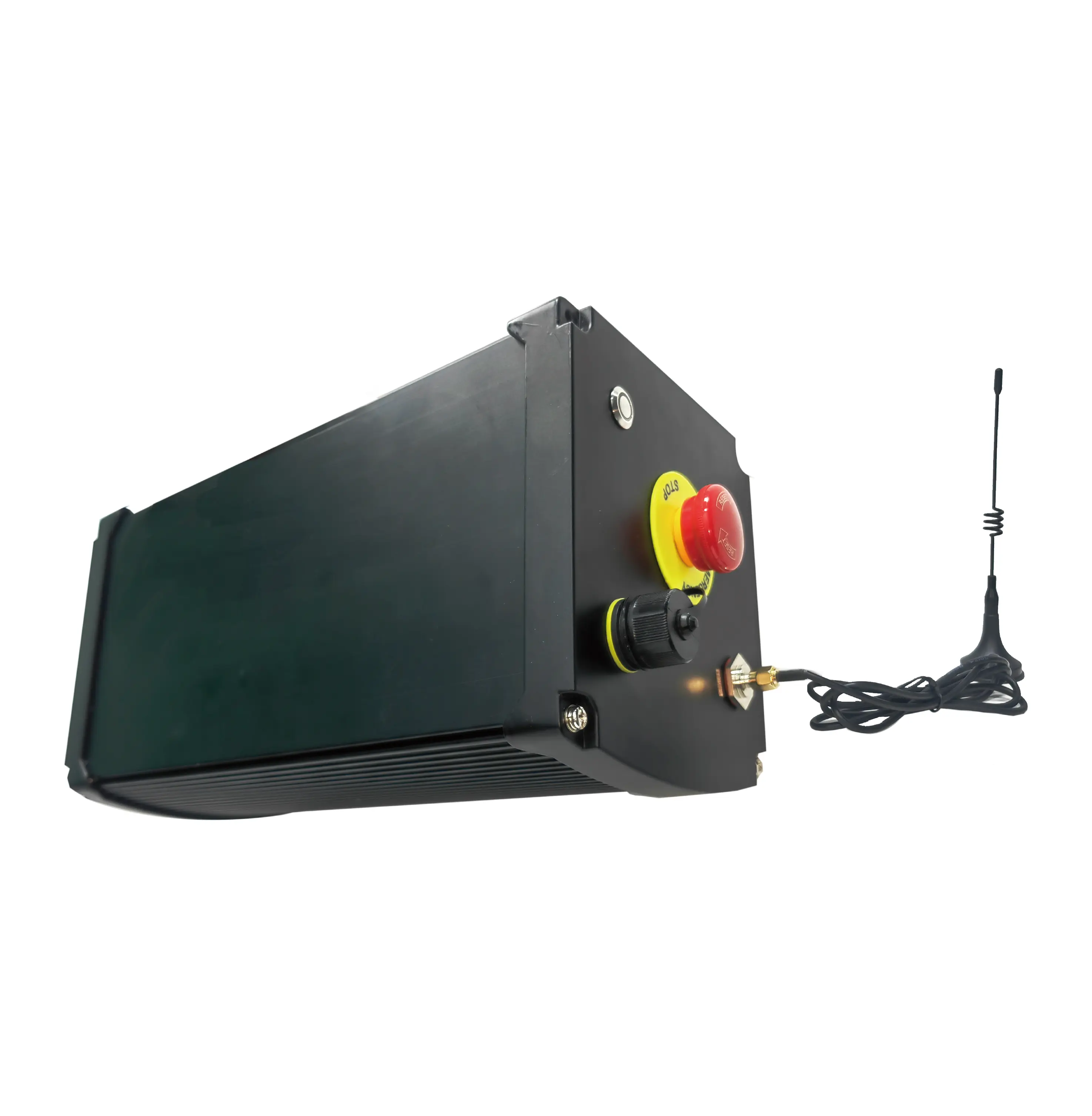
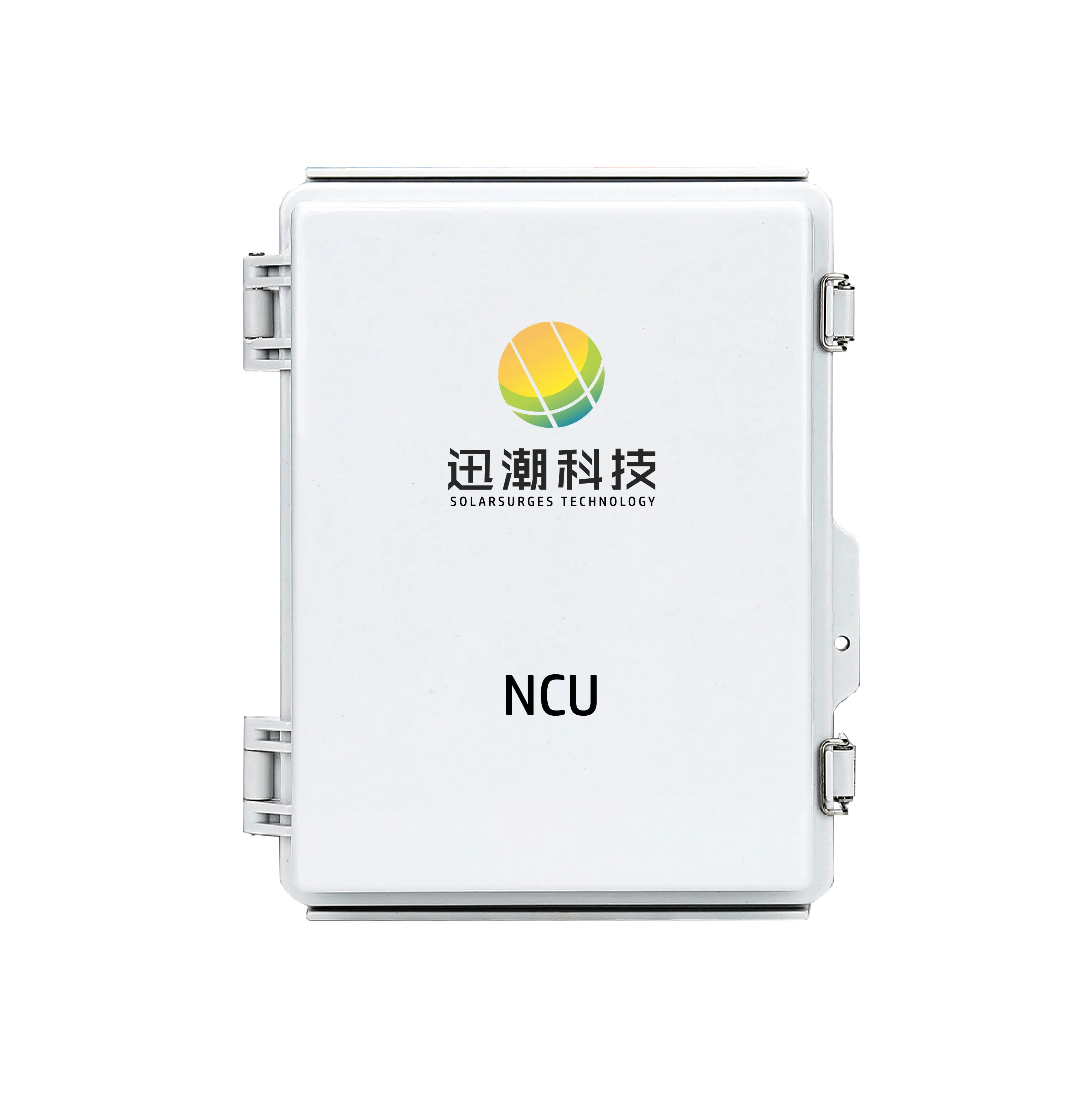
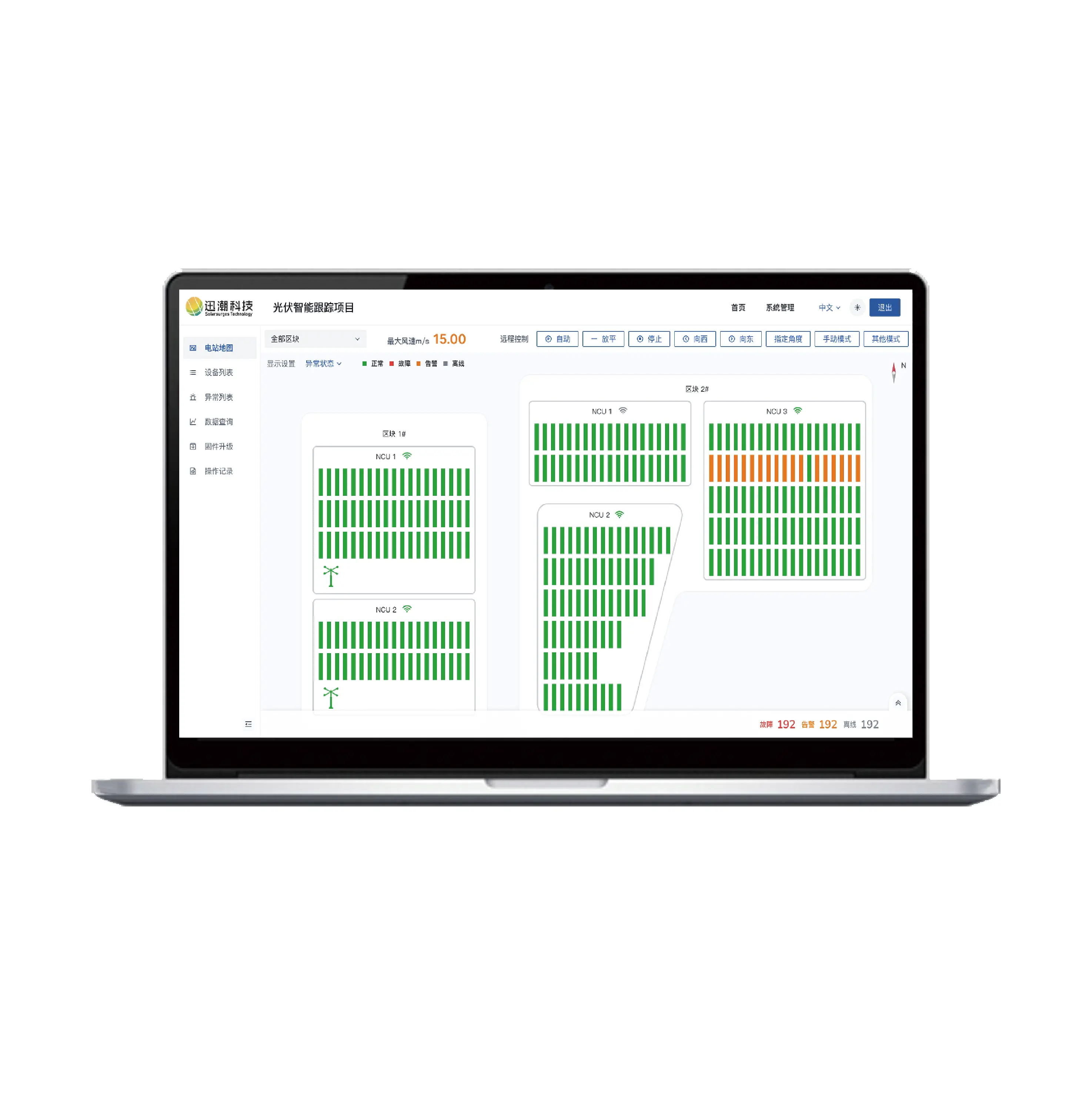
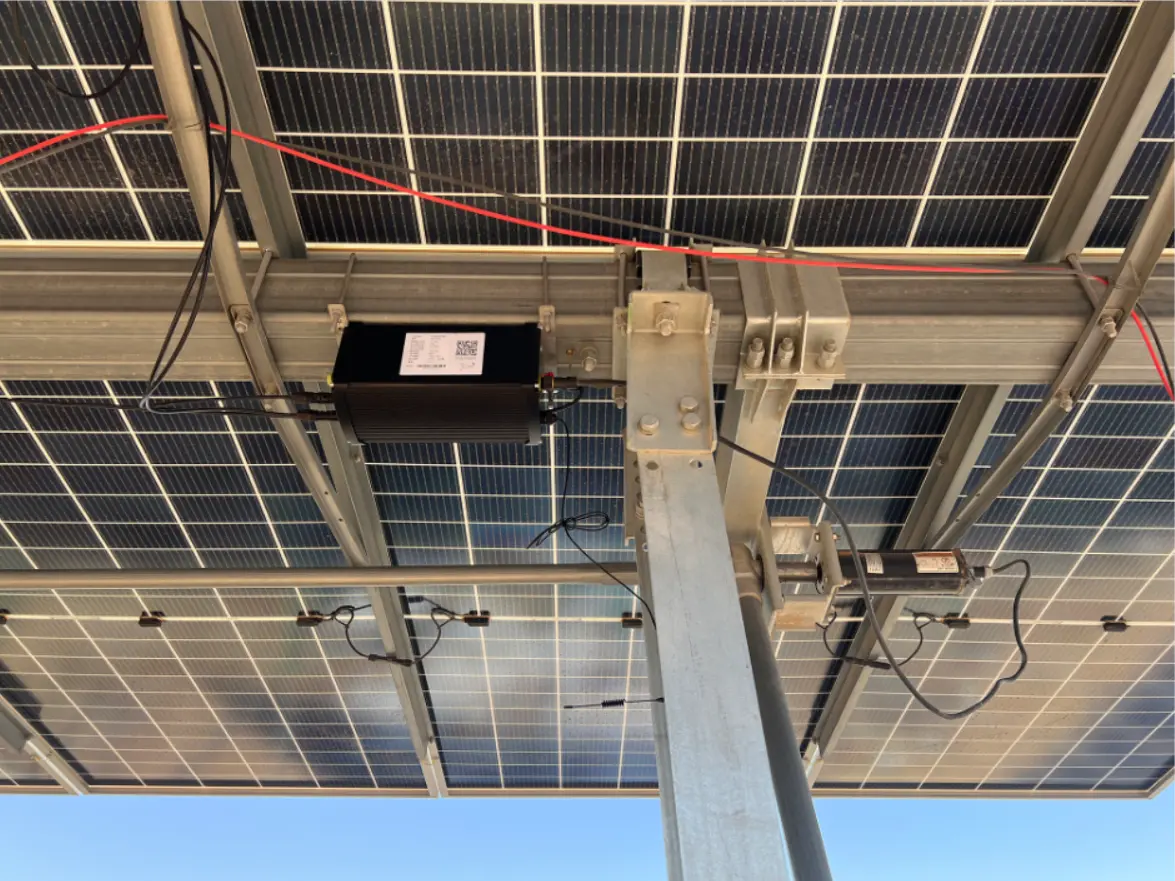
As U.S. utility-scale solar projects ramp up to meet renewable energy targets, the role of intelligent control systems has become increasingly vital. Modern solar farms rely on advanced solar tracker controllers and PV tracker controllers to maximize energy yield per acre. These systems, often managed by a Solar TCU (Tracker Control Unit) and coordinated through a Solar NCU (Network Control Unit), ensure precise panel alignment throughout the day. At the plant management level, Solar SCADA platforms provide centralized real-time monitoring, fault diagnostics, and performance optimization – essential tools for asset managers operating large-scale portfolios. The improved cash flow from tariff refunds may enable more U.S. and Chinese solar developers to invest in such smart control infrastructure, further enhancing the competitiveness of solar power in the American market.
Conclusion
The launch of the $166 billion tariff refund program represents an institutional correction following the Supreme Court’s ruling that IEEPA-based tariffs were unconstitutional. For leading Chinese solar companies that have actively participated in the U.S. market and maintained compliant operations, this refund is expected to deliver tangible cash flow improvements and modestly enhance price competitiveness. However, whether Chinese companies ultimately benefit – and to what extent – depends on their U.S. trade structure and contractual clarity. Amid ongoing trade policy uncertainties, Chinese solar firms must further strengthen their end-to-end compliance and risk management systems to navigate the ever-changing international trade environment.
Note: Information in this article is based on publicly available U.S. Supreme Court rulings, CBP data, CCTV Finance reports, and media coverage as of April 22, 2026. This content is for informational purposes only and does not constitute investment advice.
Related Solar Tracker Products
Related Solar Tracker News
- FAQs about Solar Trackers
- EU Cybersecurity Law Tightens Scrutiny on Chinese Solar Inverters: What It Means for Solar TCU, Solar NCU, and Solar Tracker Controller Manufacturers
- Basic Characteristics of PV Tracking System Design and Advantages in Automatic Control
- Solar Industry Earnings 2025: Profitability Divide as Storage Leaders Outperform Integrated Manufacturers