English
  中文
中文


The result? The U.S. market continued to absorb imports from Southeast Asia, delaying domestic capacity release and suppressing incentives to invest in silicon ingots, silicon wafers, and solar cells production. The landscape began to shift only after anti-dumping duties were imposed in 2024 on products using cells from Cambodia, Malaysia, Thailand, and Vietnam, followed by tariff expansions in 2026 covering India, Indonesia, and Laos.
Why this matters for solar tracker and control systems:
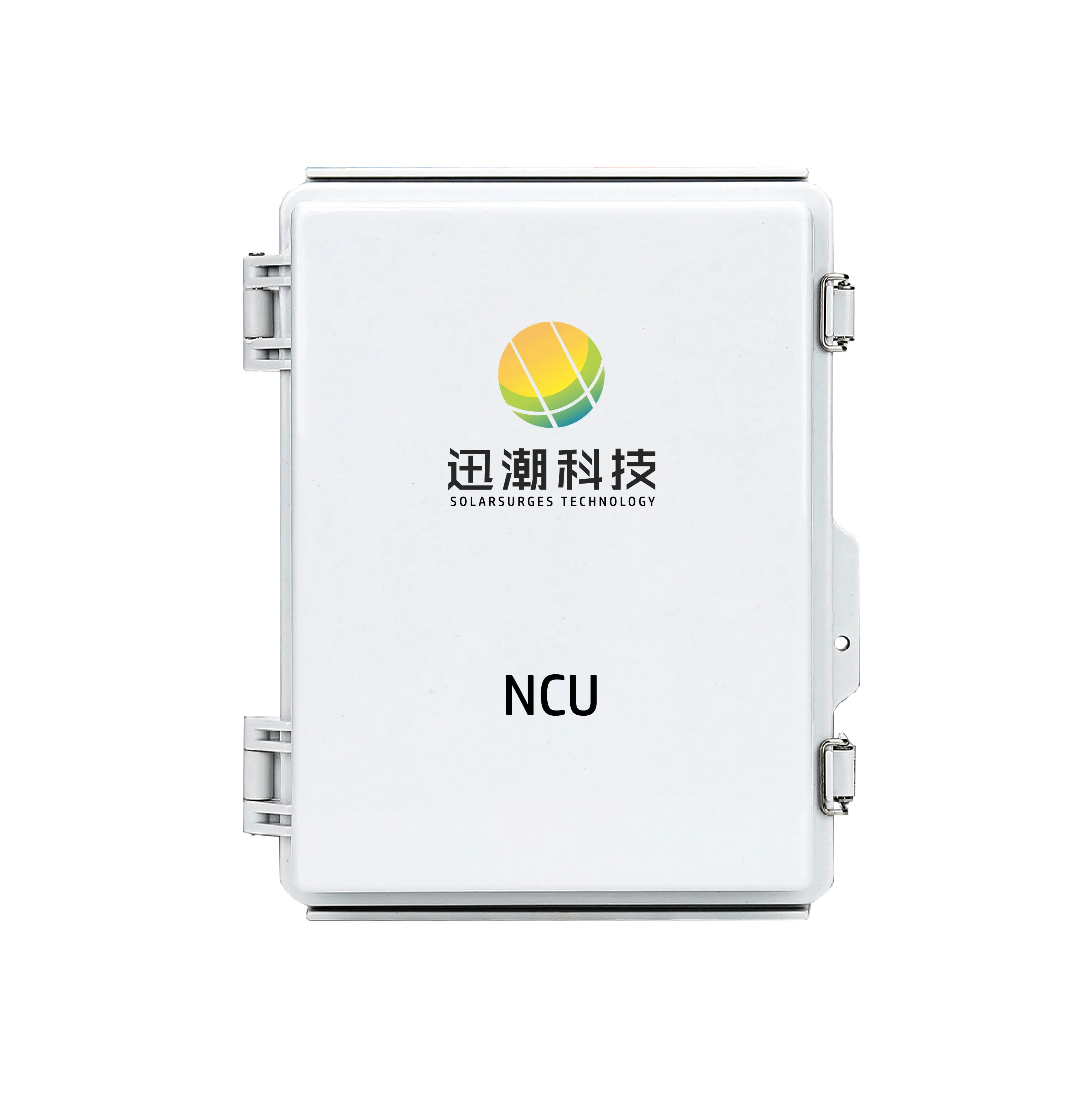
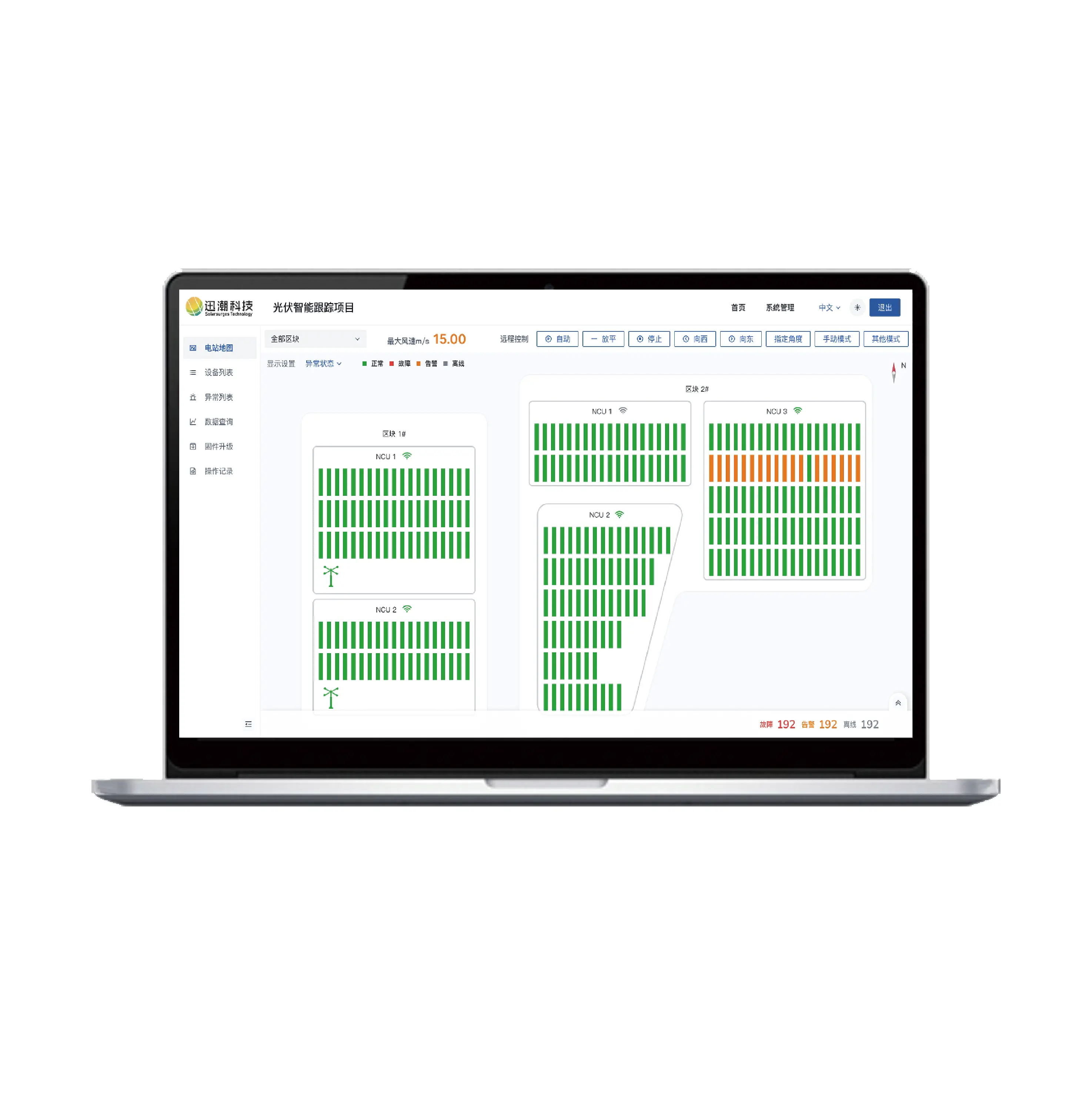
As U.S. factories ramp up full chain production from silicon ingots to modules, demand for integrated solar tracker controllers, solar TCU hardware, solar NCU network management units, and solar SCADA monitoring platforms is set to surge. Domestic manufacturing of these components becomes a strategic advantage.
This holistic approach matters: thin-film diverting domestic crystalline silicon market share and affects demand for polysilicon, ingots, wafers, and cells. Ignoring it produces skewed industry conclusions.
Conference sessions will cover:
- 2026 technology mainstream choice in deployed and under-construction U.S. cell factories
- Capital expenditure trends and factory construction progress
- Updated cell production data against original build-out timelines
3.3 Technology Showdown: BC, HJT & TOPCon on U.S. Production Lines
Selecting a cell technology is the most consequential economic decision for any new U.S. production line. Solar Manufacturing USA 2026 will present real deployment data for three leading technologies:3.4 Solar Tracker Control Systems: The Often-Ignored Variable
As U.S. cell and module factories mature, the conversation naturally extends to downstream deployment. Solar tracker controllers, solar TCU units, solar NCU network platforms, and solar SCADA monitoring systems are the operational backbone of utility-scale solar farms. Sessions will examine:- How U.S.-manufactured modules perform in tracker-integrated deployments
- Solar SCADA standards and interoperability requirements for domestically produced equipment
- Solar NCU advances in network management for large-scale tracker fleets
3.5 Polysilicon-to-Module: Profitability Models and Quality Assurance
With full-chain domestic manufacturing entering its critical implementation phase, the conference addresses the economics and quality standards shaping U.S. solar production:- 45X tax credit efficiency across polysilicon, wafer, cell, and module segments
- Factory operating cost breakdowns and their impact on levelized cost of electricity (LCOE)
- Product compliance and quality verification standards for the U.S. market
Section 4: Why This Conference Matters — A Defining Moment
For years, the solar industry has fixated on capacity announcements. Companies competing to out-announce each other on U.S. manufacturing plans became the norm, yet real execution lagged due to import dependency and upstream supply chain gaps.That era is ending.
The 2024–2026 tariff cascade, combined with mature 45X credit utilization, has finally triggered a turning point: the United States is now at the threshold of a functional domestic silicon-to-module supply chain. As Finlay Colville observes, the most significant change is that the industry can now evaluate U.S. solar manufacturing using concrete metrics—actual production volumes, technology configurations, yield rates, and profitability—rather than headline capacity figures.
Solar Manufacturing USA 2026 fills a long-standing information gap. It provides the first structured arena where investors and technology teams can align on real production data, creating a shared language for decision-making that has been absent from the U.S. solar conversation.
Section 5: What Solar Professionals Should Watch For
Whether you're a manufacturer, developer, investor, or solar tracker controller / solar SCADA system provider, the following signals from Solar Manufacturing USA 2026 will shape the industry in 2026 and beyond:- Domestic cell capacity utilization rates — Are newly built lines reaching designed throughput?
- Technology choice momentum — Which路线 (BC, HJT, TOPCon) is gaining U.S. factory commitments?
- 45X credit stacking efficiency — How effectively are manufacturers optimizing across the full production chain?
- Tracker and control system demand — As domestic module supply increases, will tracker deployment accelerate, driving solar TCU and solar NCU procurement?
- Quality benchmark — What new quality standards emerge for domestically manufactured modules and components?
For solar tracker and control system professionals specifically, the conference offers a first-of-its-kind window into how solar tracker controller demand, solar TCU procurement cycles, solar NCU deployment roadmaps, and solar SCADA integration standards will evolve as domestic manufacturing scales.
2026 is the year of verification. Whether you're already invested in U.S. manufacturing or planning your entry, the data from Solar Manufacturing USA 2026 will define the next chapter of the global solar supply chain.
Related Solar Tracker Products