English
  中文
中文

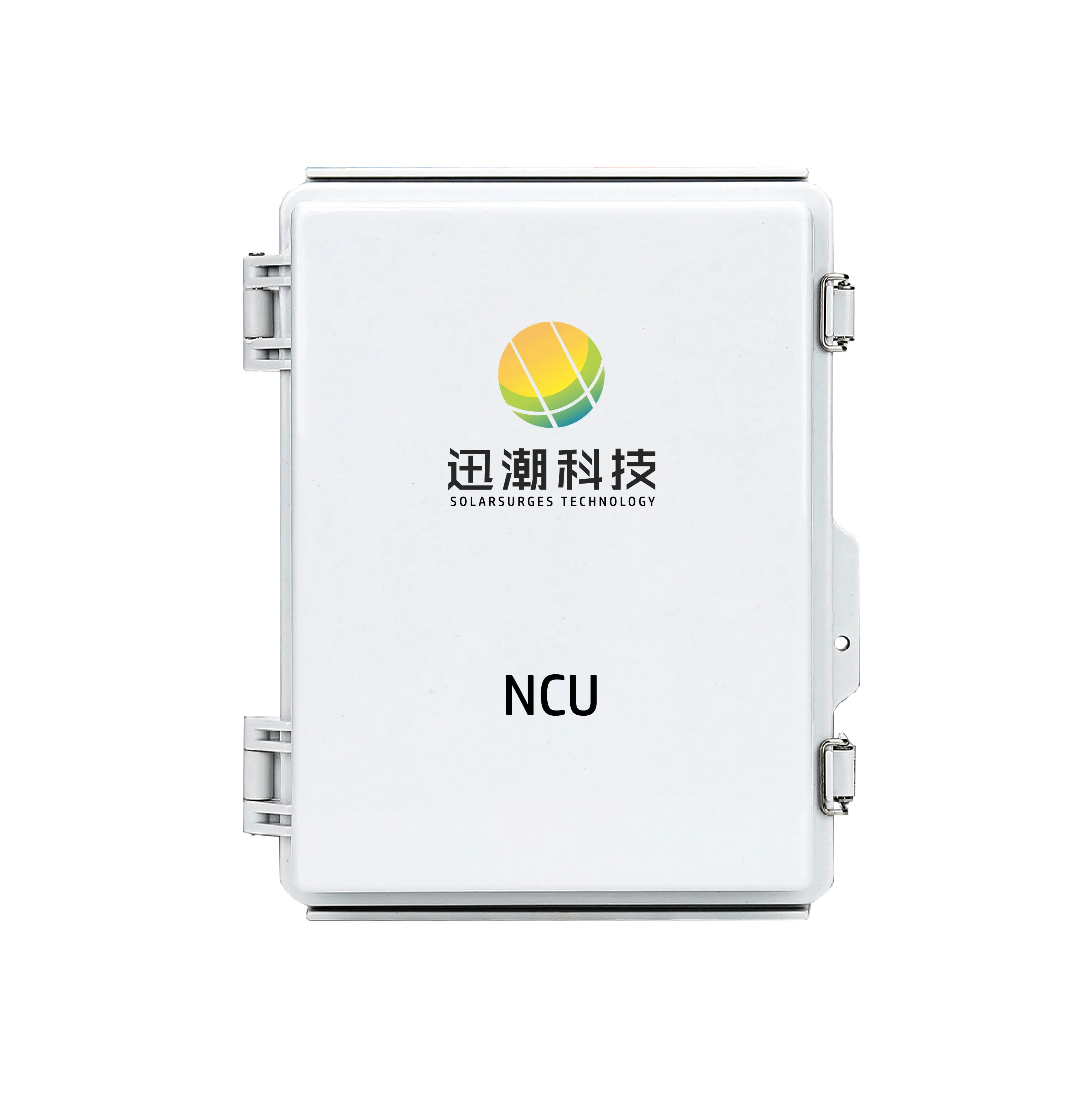

In 2026, the European Union has enacted a sweeping series of cybersecurity restrictions targeting Chinese solar inverters—moving from cutting off market access to choking off funding channels. The restrictions, now in immediate effect, expose the growing geopolitical stakes around core solar components like the solar TCU (Tilt Control Unit), solar NCU (Nutating Control Unit), and solar SCADA (Supervisory Control and Data Acquisition) systems that power modern photovoltaic infrastructure.
The ban covers four "high-risk countries": China, Russia, Iran, and North Korea. However, since virtually all inverters installed in Europe come from China, the actual impact is concentrated on Chinese-manufactured equipment.
The approach is sweeping: no EU-level funding—including European Investment Bank financing—may flow to energy projects using Chinese inverters. Specific timelines:
- Projects in planning but not yet approved: May report to the Commission by November 1; final submission for decision by November 1.
- Operational or planned grid-connected projects: Must phase out high-risk supplier inverters by April 15, 2027.
Earlier reports by the South China Morning Post (April 14) revealed that Commission President Ursula von der Leyen approved a plan in March to block EU funding from clean tech projects containing Chinese inverters, and to restrict Horizon programme research cooperation involving Chinese inverter technology.
III. Why This Matters: The Solar TCU, Solar NCU, and Solar SCADA Ecosystem
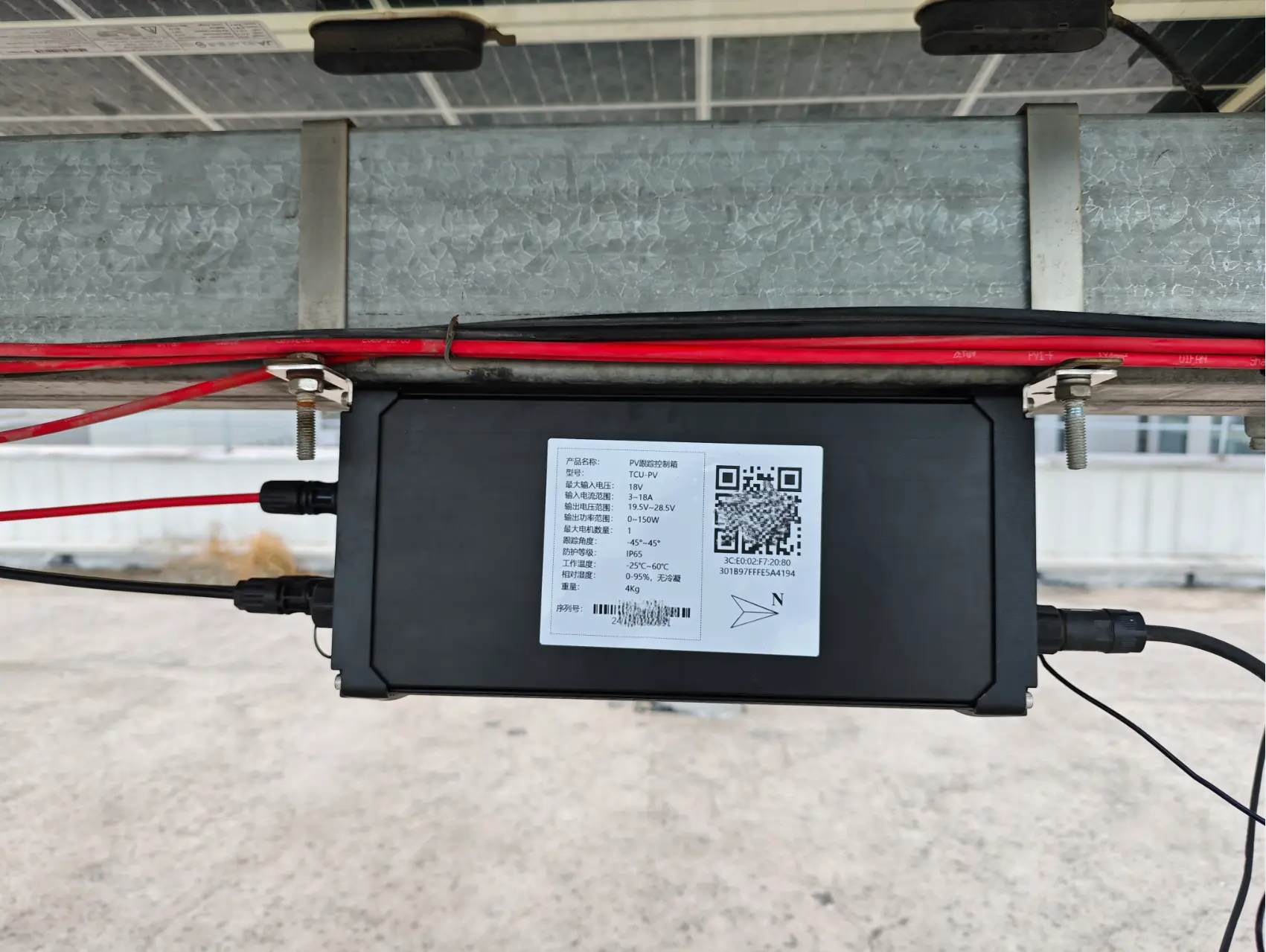
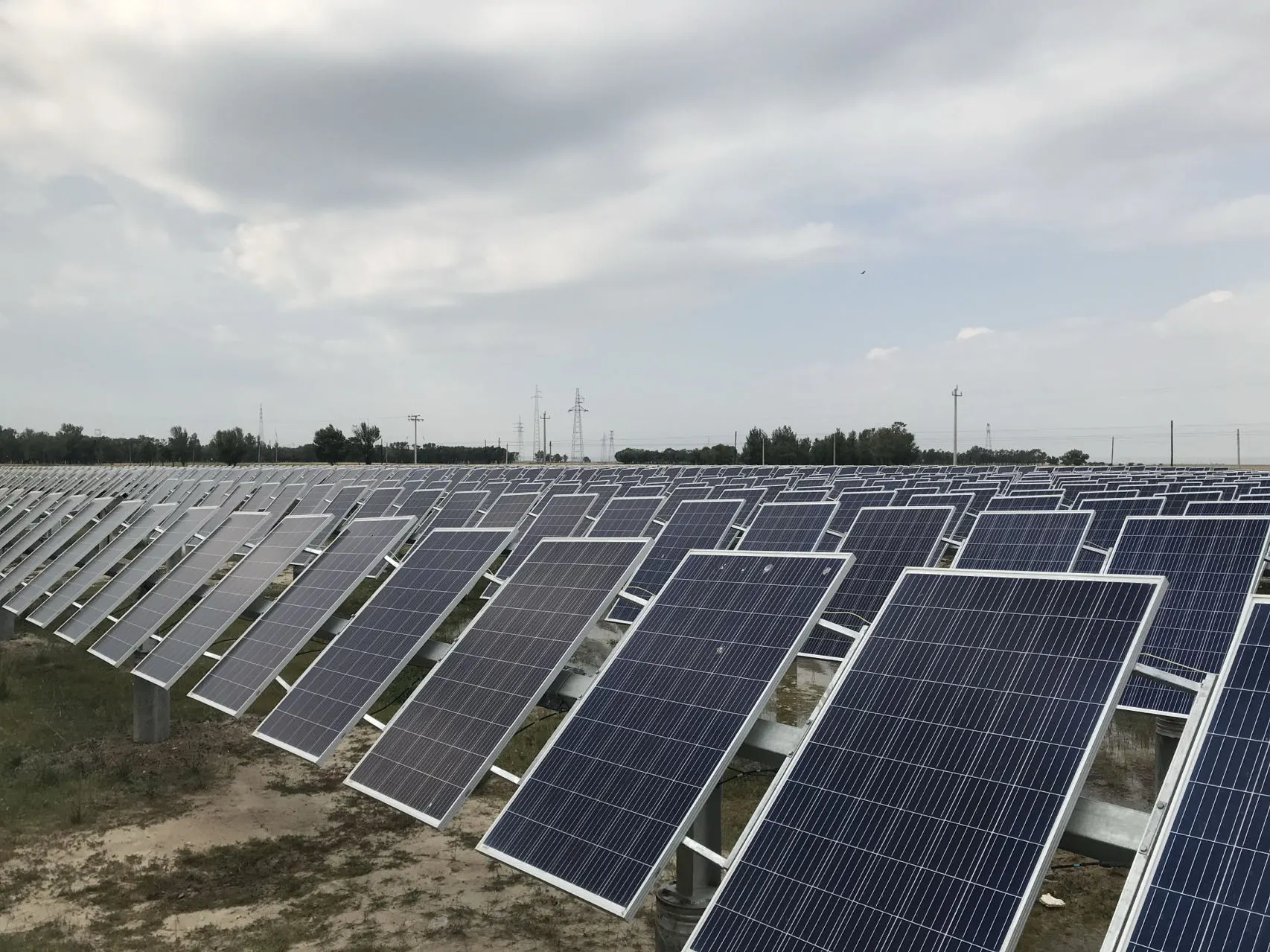
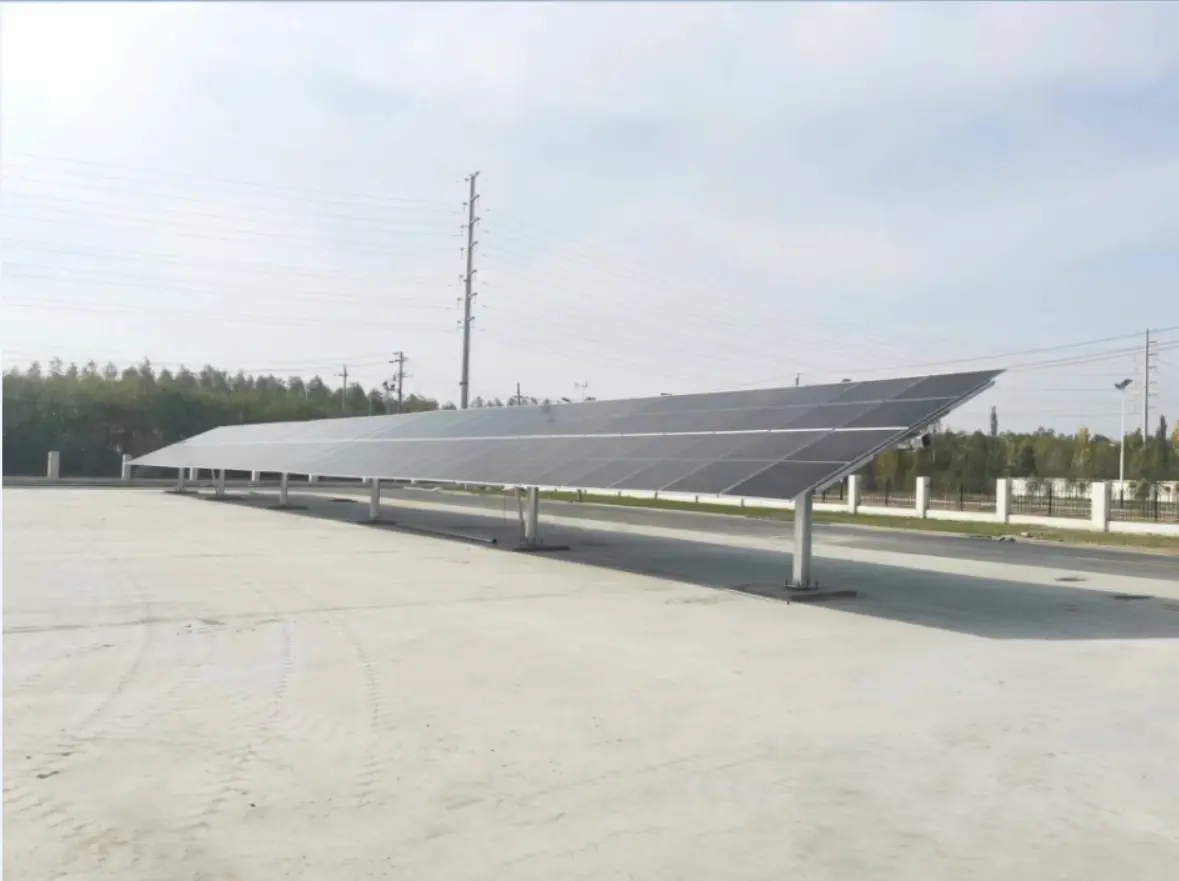
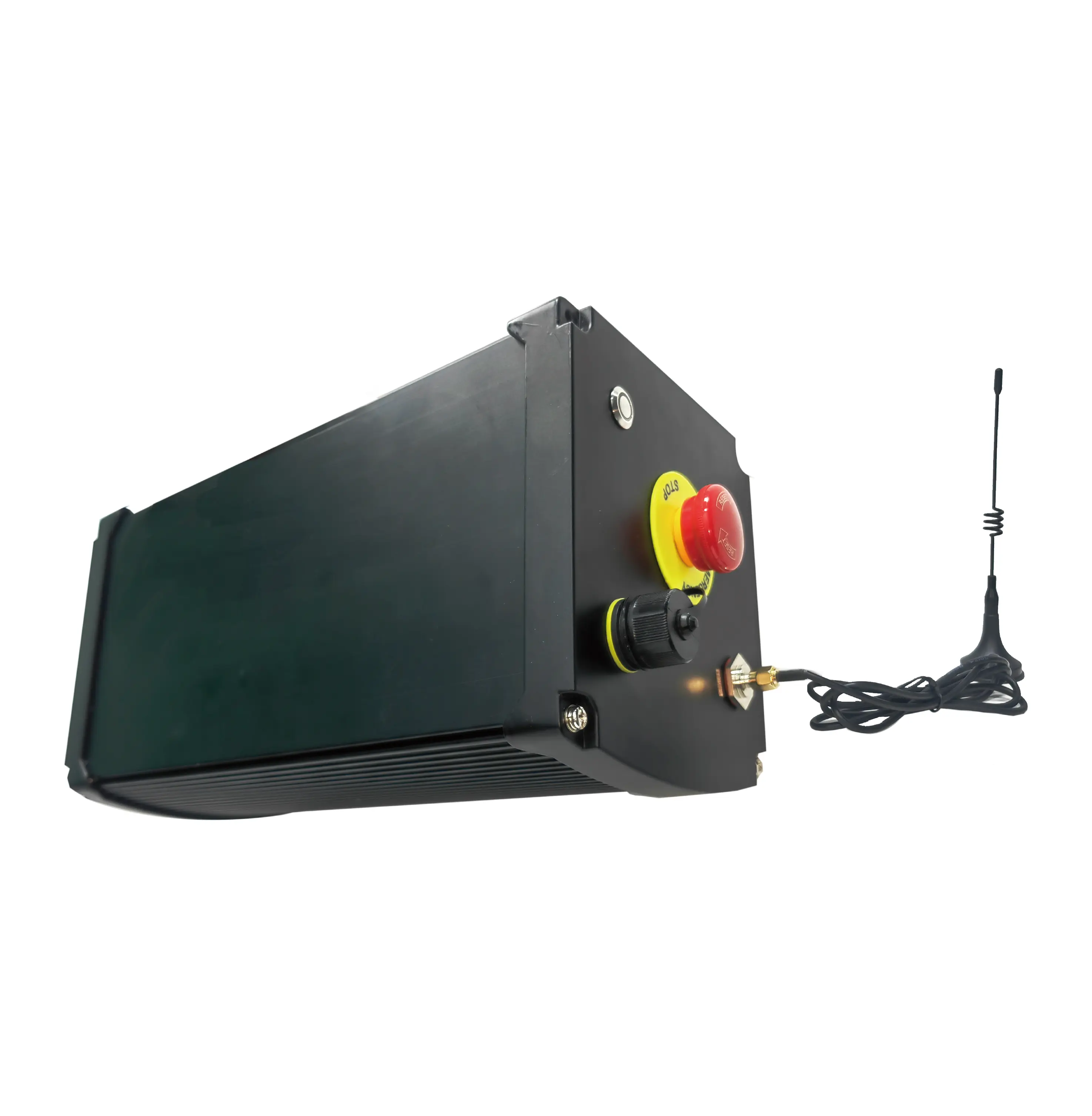
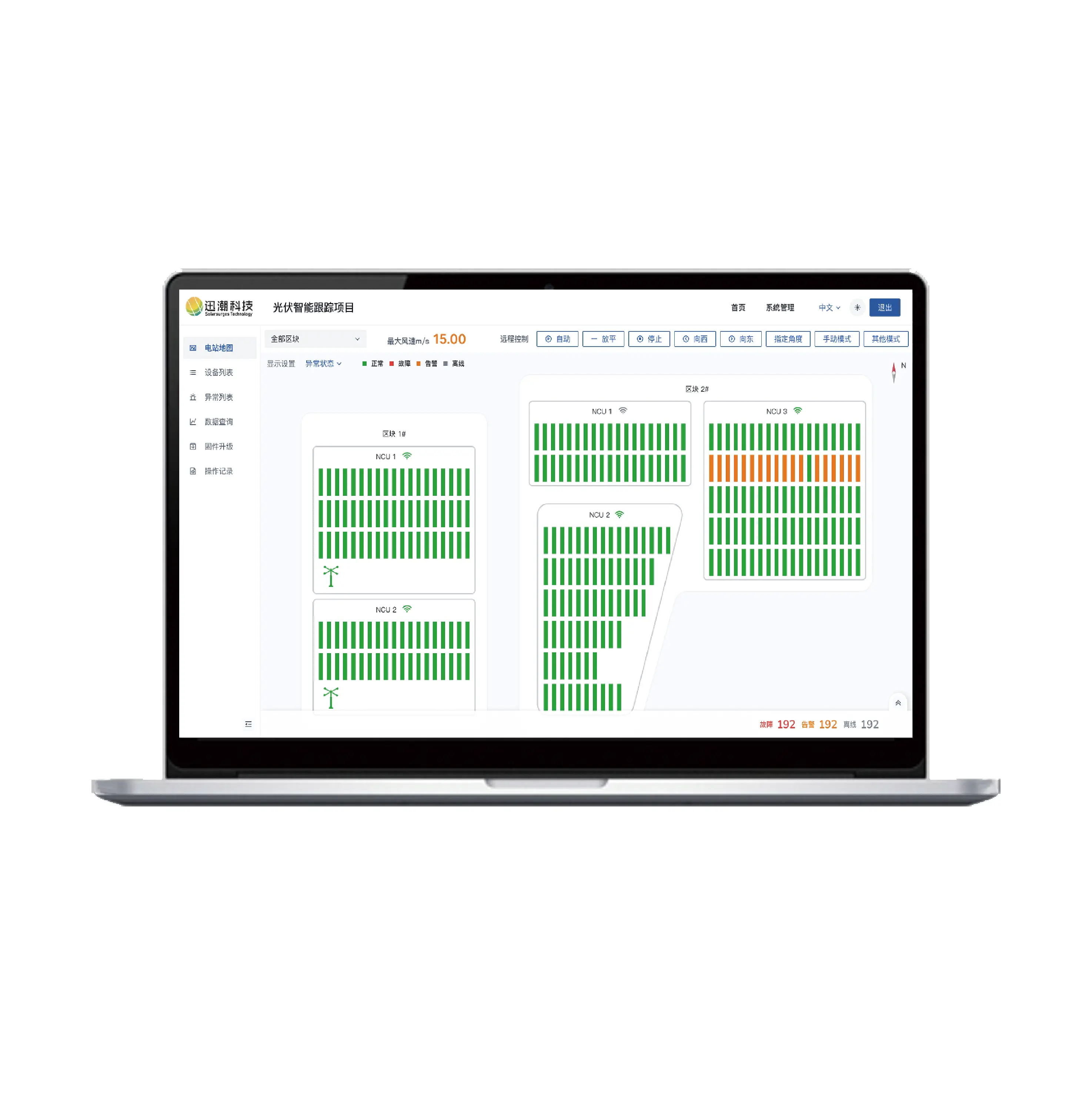
At the heart of this dispute is the inverter's role as the "central nervous system" of solar power plants. Modern solar tracker controller and PV tracker controller systems rely on sophisticated inverter communication stacks, often integrated with solar TCU and solar NCU hardware for panel tilt and nutation control, while solar SCADA platforms aggregate operational data across the entire plant.The EU's concern: if the firmware or remote control systems of inverters—many of which manage solar TCU and solar NCU operations—are compromised, millions of grid-connected solar installations could be simultaneously disrupted, potentially triggering large-scale blackouts.
IV. Impact Assessment: Short-Term Contained, Long-Term Turning Point 2028–2030
According to China Securities (CICC) research (April 28):- Affected scope: The new restrictions primarily cover projects relying on EU-level financing.
- Actual impact: Estimated at ~20–25% of new EU solar-plus-storage installations at most.
- Market-based projects in Western Europe and behind-the-meter residential/commercial storage face relatively limited direct impact.
1. Proactive Compliance
- Sungrow : Opened a new factory in southwest Poland in February 2026, enabling local European supply.
- Ginlong Technologies : Obtained ISO 27001 information security management certification from TÜV SÜD in July 2025.
2. Global Market Diversification
Europe represents only ~11–13% of global annual solar installations (~65 GW in 2025). While EU restrictions will create headwinds for some Eastern European utility-scale projects, the addressable global market remains substantial. A diversified global delivery structure—covering markets in Southeast Asia, the Middle East, the Americas, and Africa—provides a meaningful buffer against single-policy shocks.VI. The Bigger Picture: Solar Tracker Controller and PV Tracker Controller Firms Enter a New Competitive Dimension
From 5G equipment bans to inverter funding restrictions, the EU's technology containment strategy is expanding from communications to clean energy critical components. This marks a fundamental shift in the competitive landscape:As CICC summarized: "Global competitiveness remains the core anchor for Chinese companies navigating policy turbulence. R&D excellence and platform-based product delivery across global markets are the fundamentals sustaining long-term stability in a complex trade environment."
Chinese inverter manufacturers have already demonstrated their resilience through a decade of global leadership. Whether through Warsaw factories, ISO certifications, or diversified global delivery networks, the industry's systematic technical depth and international operating experience position it to navigate this structural shift—without surrendering the market position it spent years building.
Trade barriers may be unpredictable, but the comprehensive competitive moat of China's inverter industry is already in place.
Related Solar Tracker Products