English
  中文
中文


China’s PV Market in 2025: New Installations Reach 32.48GW Amid Falling Polysilicon Prices
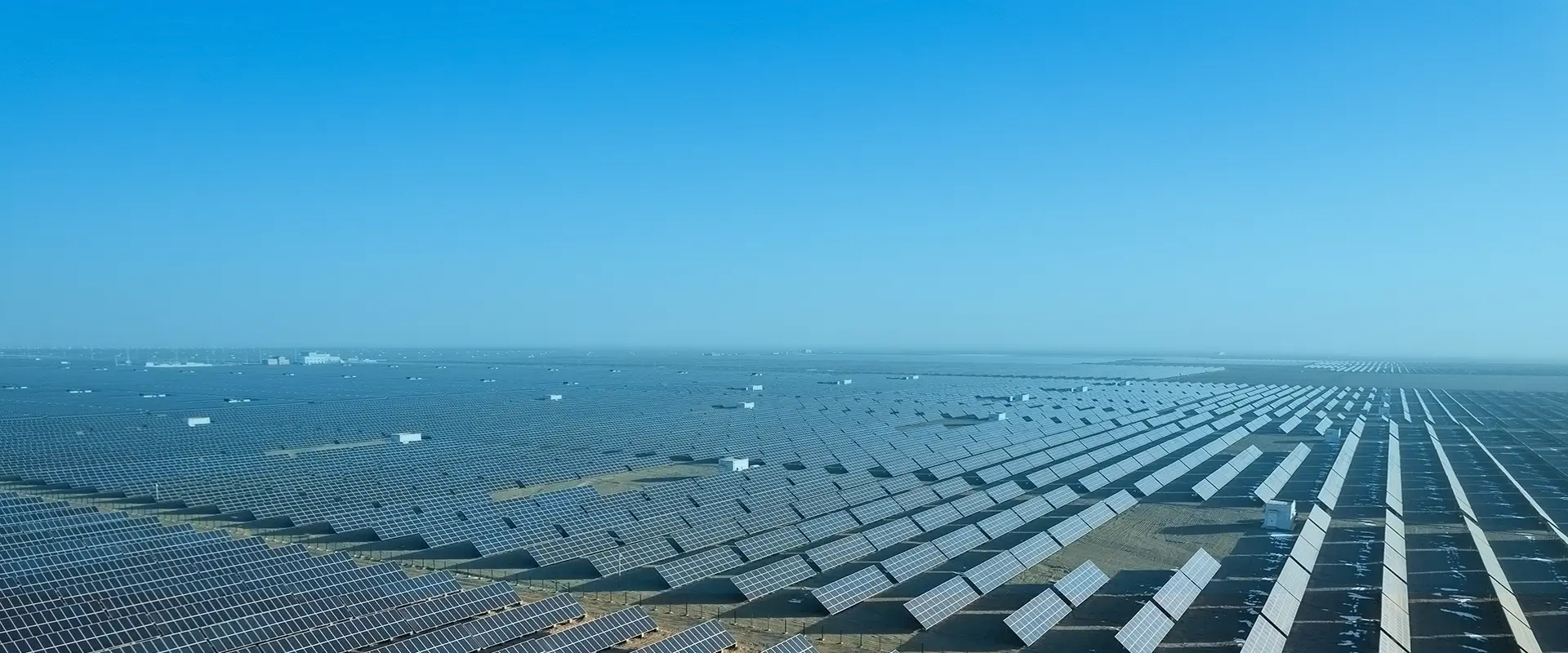
Driven by global energy transition and national low-carbon strategies, China’s photovoltaic (PV) industry maintained robust expansion in 2025, with newly installed PV capacity reaching 32.48GW. Meanwhile, polysilicon prices trended downward amid supply–demand adjustments, reshaping the cost structure and competitive landscape of the entire PV supply chain. Supported by steady policy incentives and technological innovation, the PV sector continued to underpin China’s renewable energy development while accelerating the global uptake of affordable clean power.
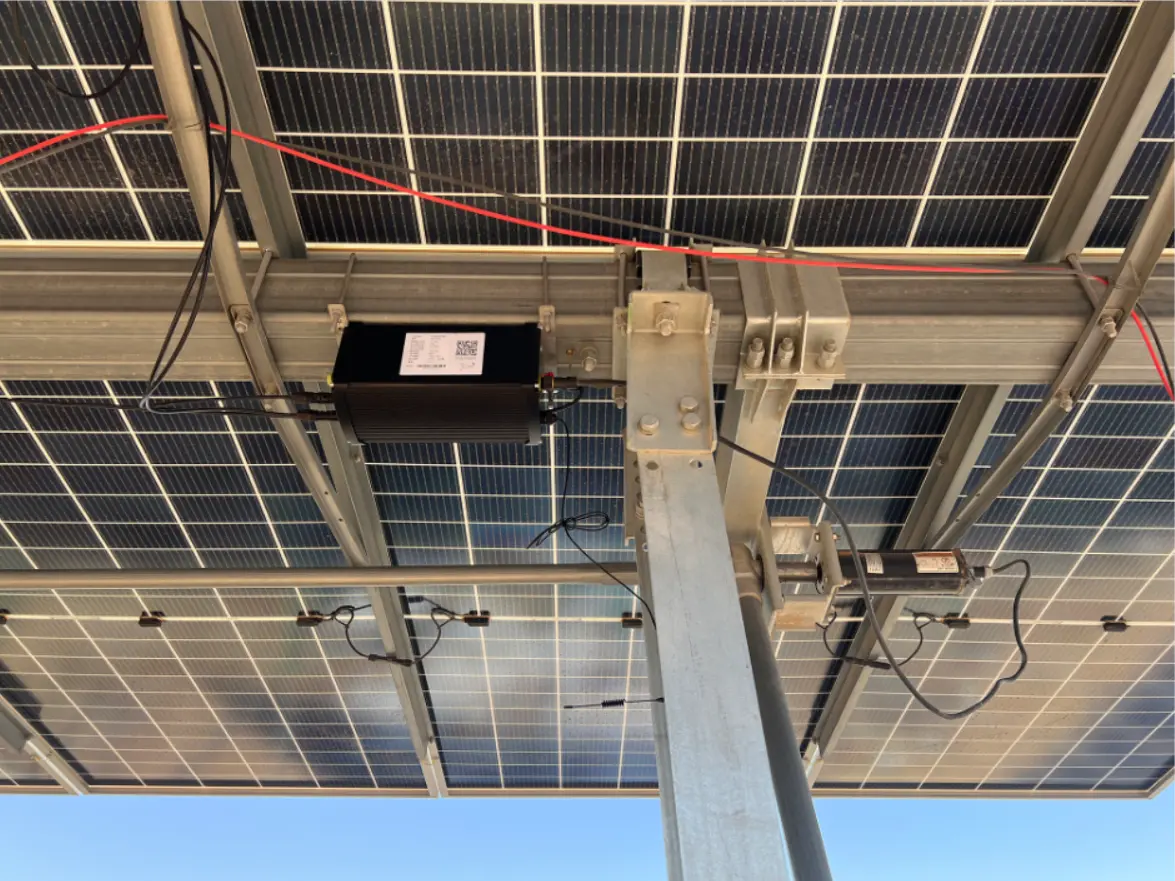
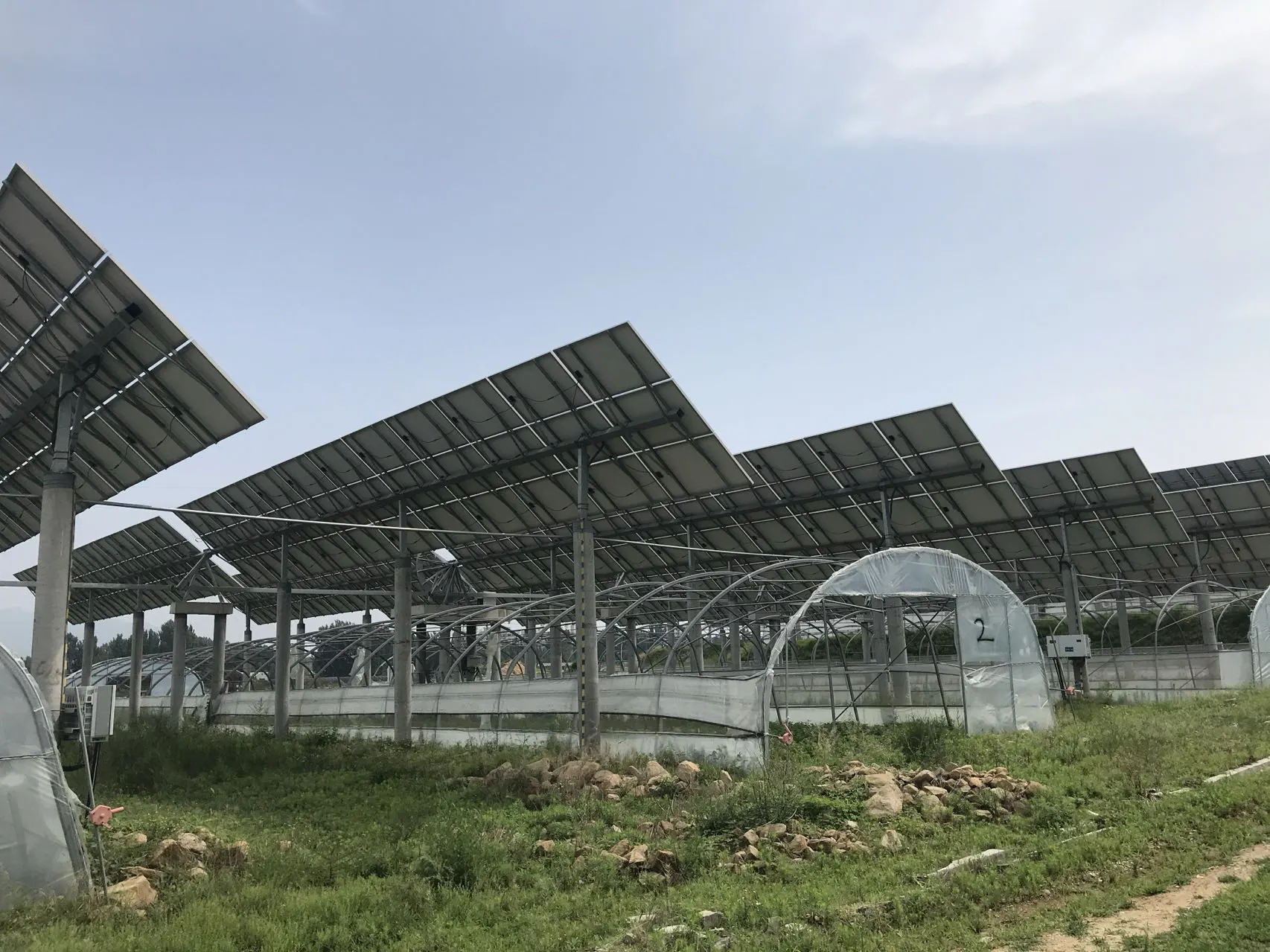
Against the backdrop of carbon peaking and carbon neutrality goals, China’s solar installation maintained strong momentum. The newly added PV capacity of 32.48GW reflected accelerated deployment of utility-scale power plants, distributed PV systems, and renewable energy bases across the country. This growth not only strengthened China’s position as a global leader in PV installation but also boosted demand for intelligent PV supporting systems, including solar tracker controller, PV tracker controller, Solar TCU, Solar NCU and Solar SCADA, which play a critical role in improving power generation efficiency, real-time monitoring and intelligent operation and maintenance.
In contrast to booming installed capacity, the polysilicon segment experienced noticeable price corrections throughout 2025. Affected by expanded production capacity and phased mismatches between supply and downstream demand, polysilicon prices declined significantly, reducing upstream profitability while easing cost pressure for wafers, cells, modules and end-users. Lower component costs further stimulated investment in solar projects, supporting the large-scale application of high-efficiency tracking systems and intelligent management platforms.
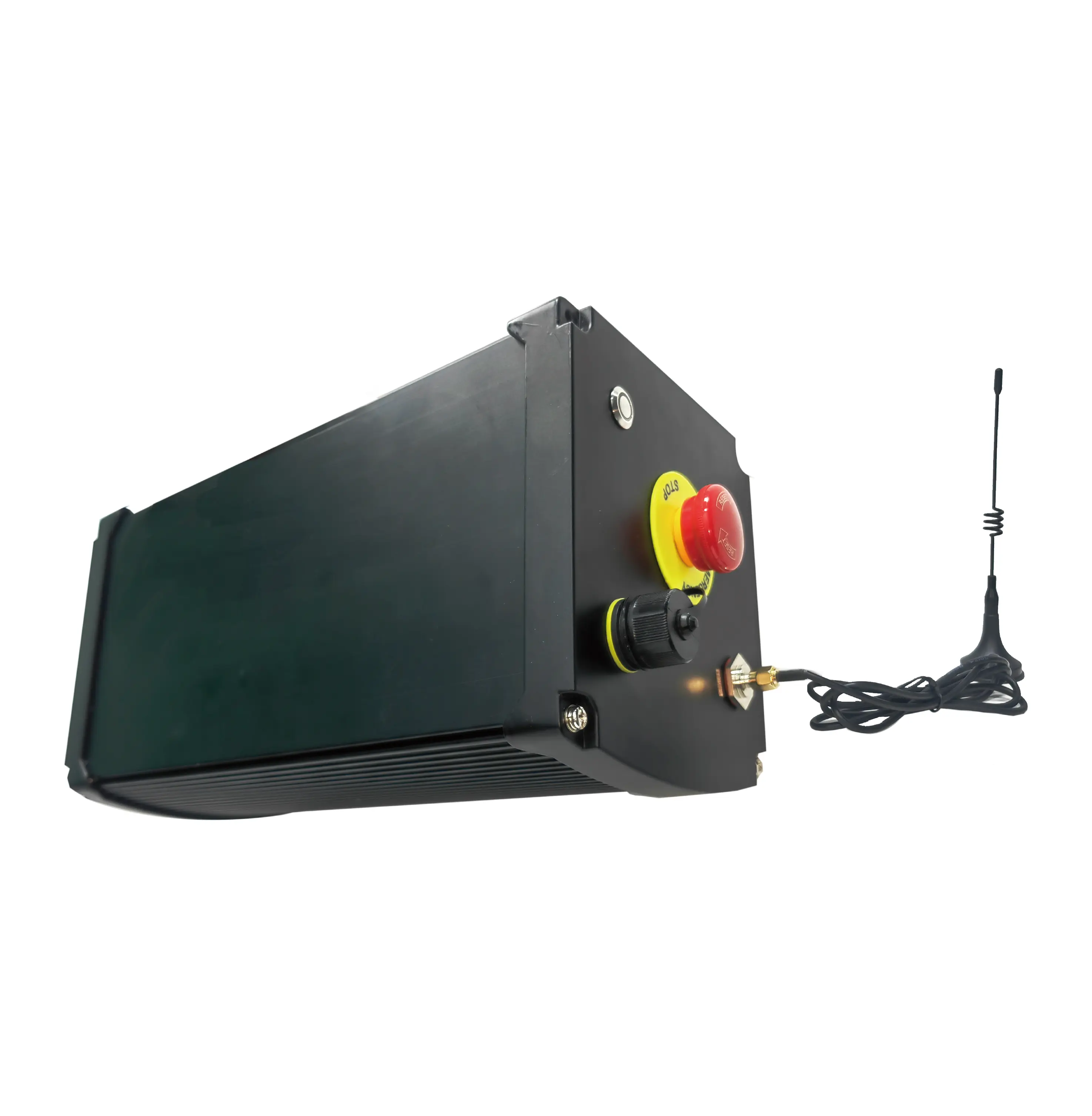
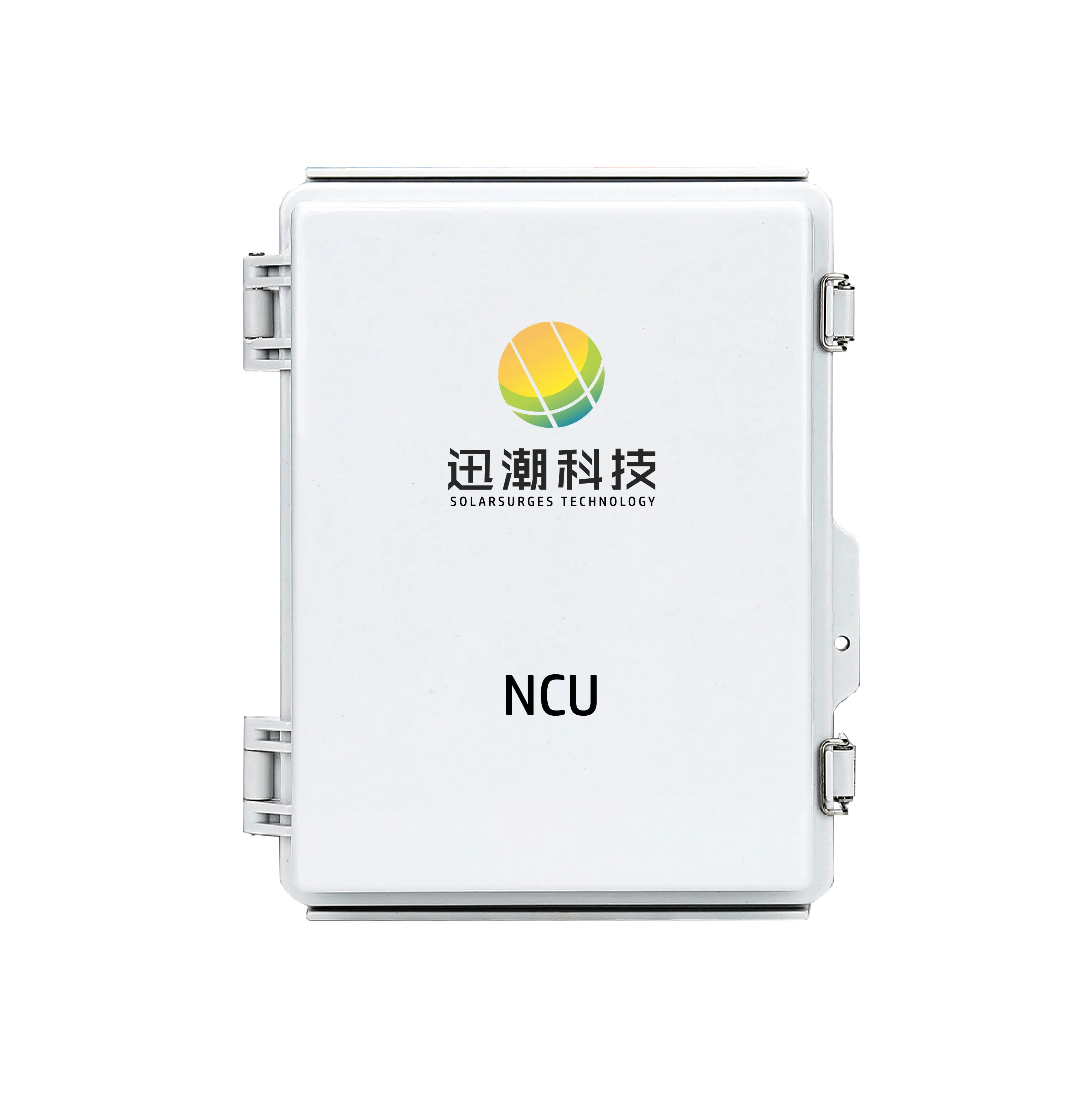
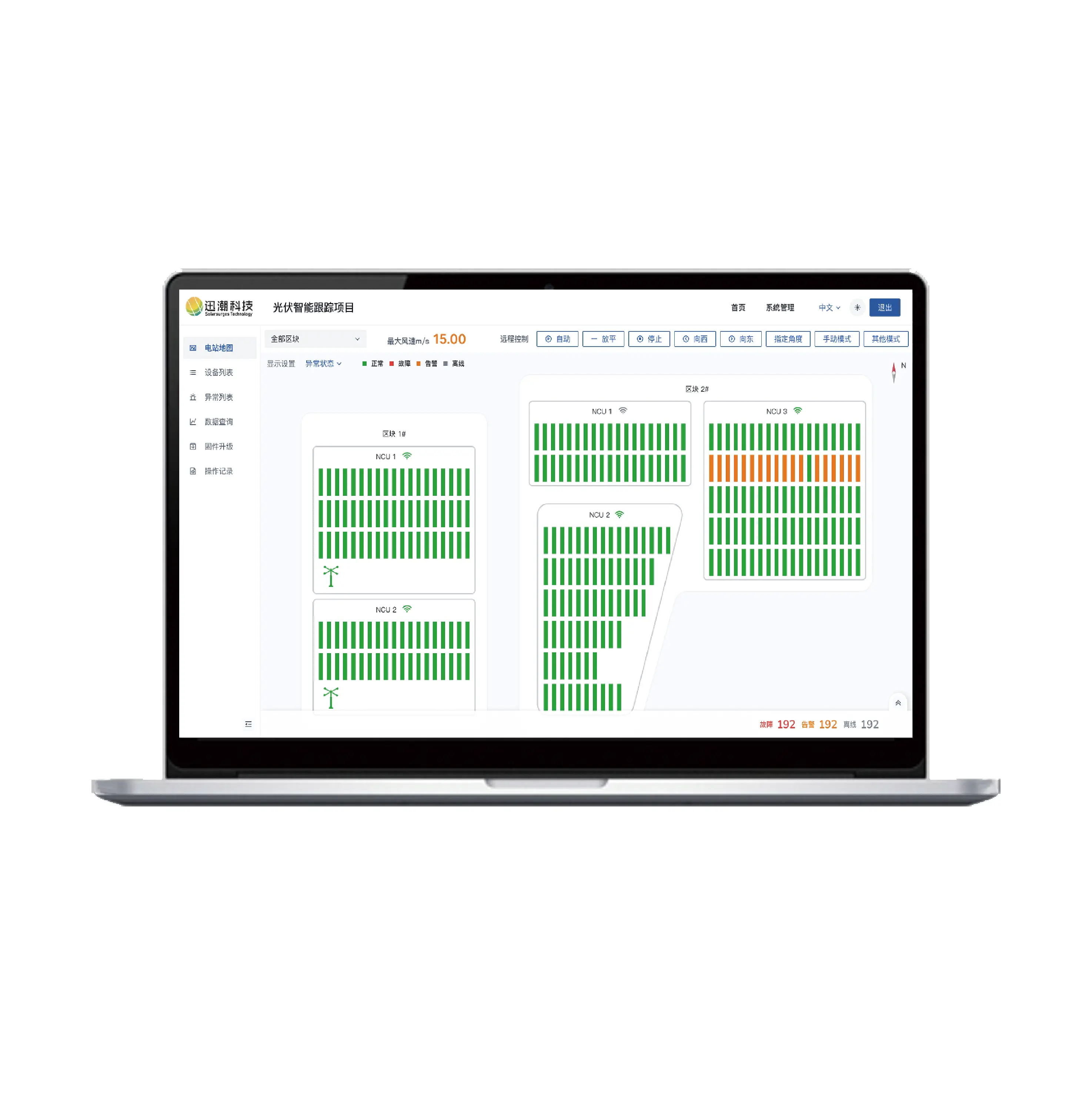
The integration of intelligent control systems has become a key trend in modern PV plants. Advanced Solar TCU (Tracker Control Unit) and Solar NCU (Network Control Unit) enable precise motion control and stable communication for solar tracking systems. Supported by a reliable solar tracker controller and PV tracker controller, PV modules can follow solar irradiation more accurately, significantly improving energy yield. Meanwhile, Solar SCADA systems realize centralized monitoring, data analysis and fault alarm, enhancing operational safety, management efficiency and economic returns of power stations.
Related Solar Tracker Products