In June 2026, the European Commission formally approved Italy's €23 billion national aid package to support renewable electricity generation — one of the largest renewable energy subsidy programs approved under any EU member state since the passage of the Clean Industry Agreement State Aid Framework (CISAF) in June 2025.Named the "FER X" decree, the plan aims to drive a new wave of renewable energy capacity growth in Italy through large-scale public funding. European Commission Executive Vice-President Teresa Ribera stated: "Through this €23 billion plan, Italy will support renewable electricity production across multiple technologies — including onshore wind, solar PV, and hydropower — to deliver on the objectives of the Clean Industry Agreement."
I. Core Target: 37.15GW New Capacity — Nearly Half of Italy's Current Renewable Fleet
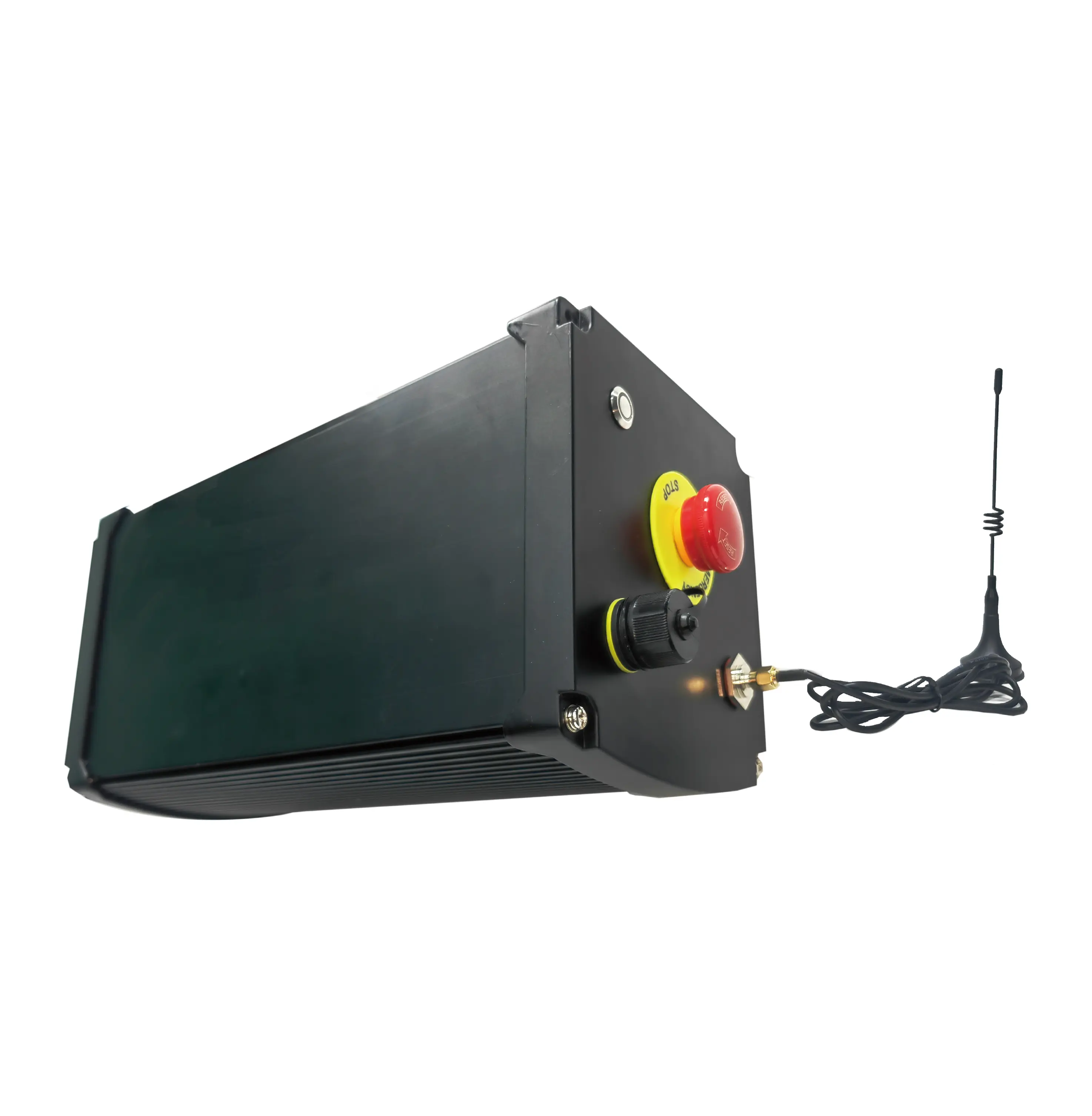
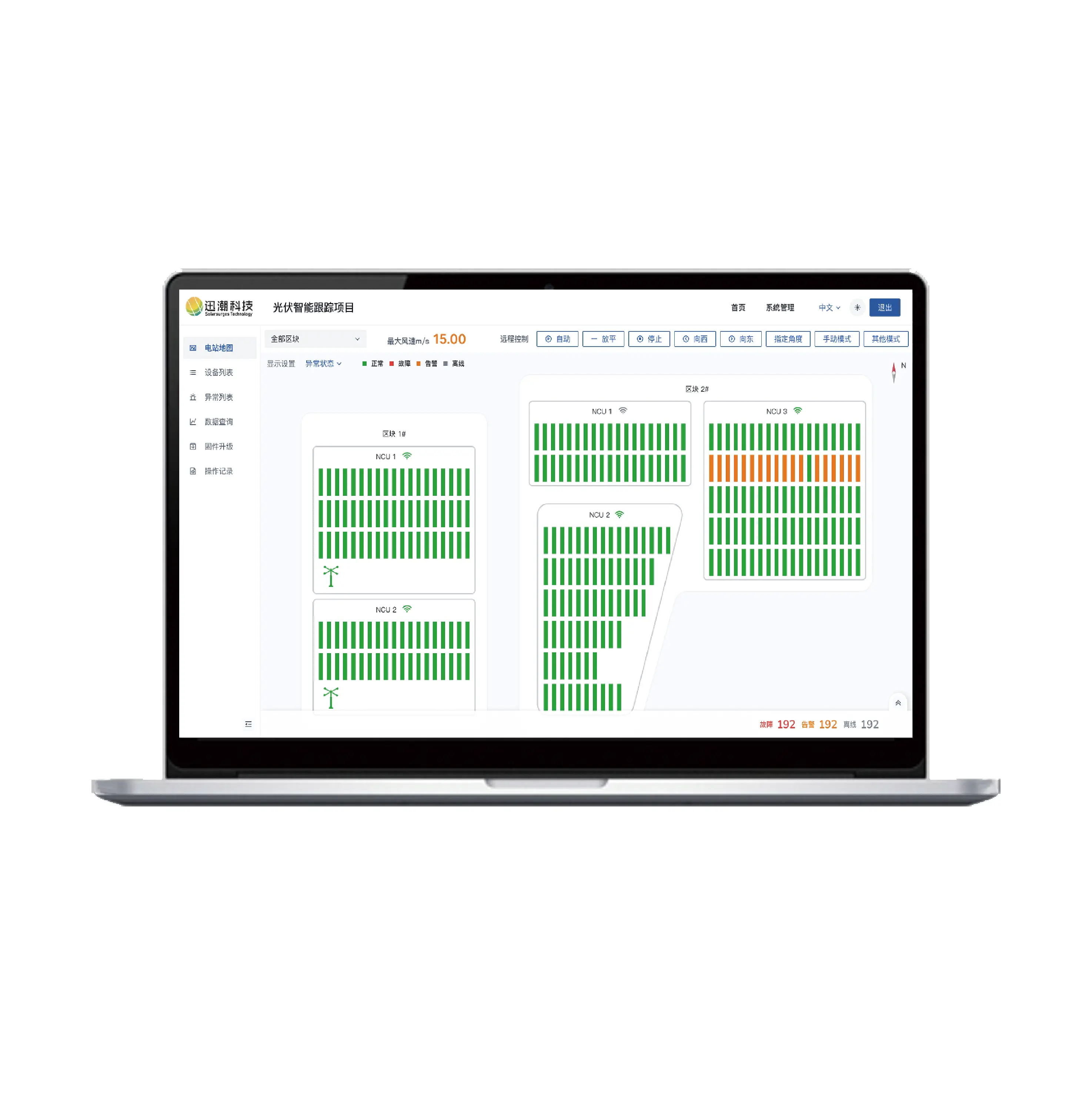
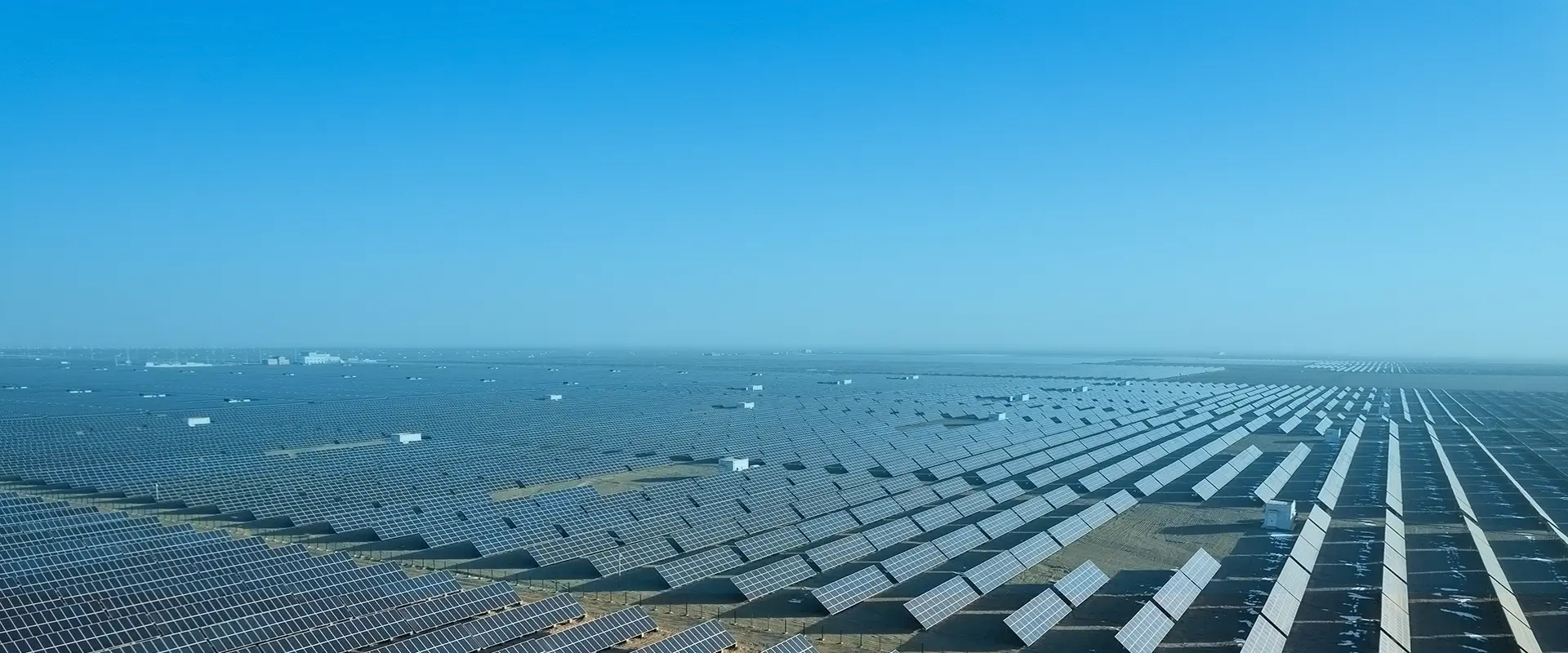
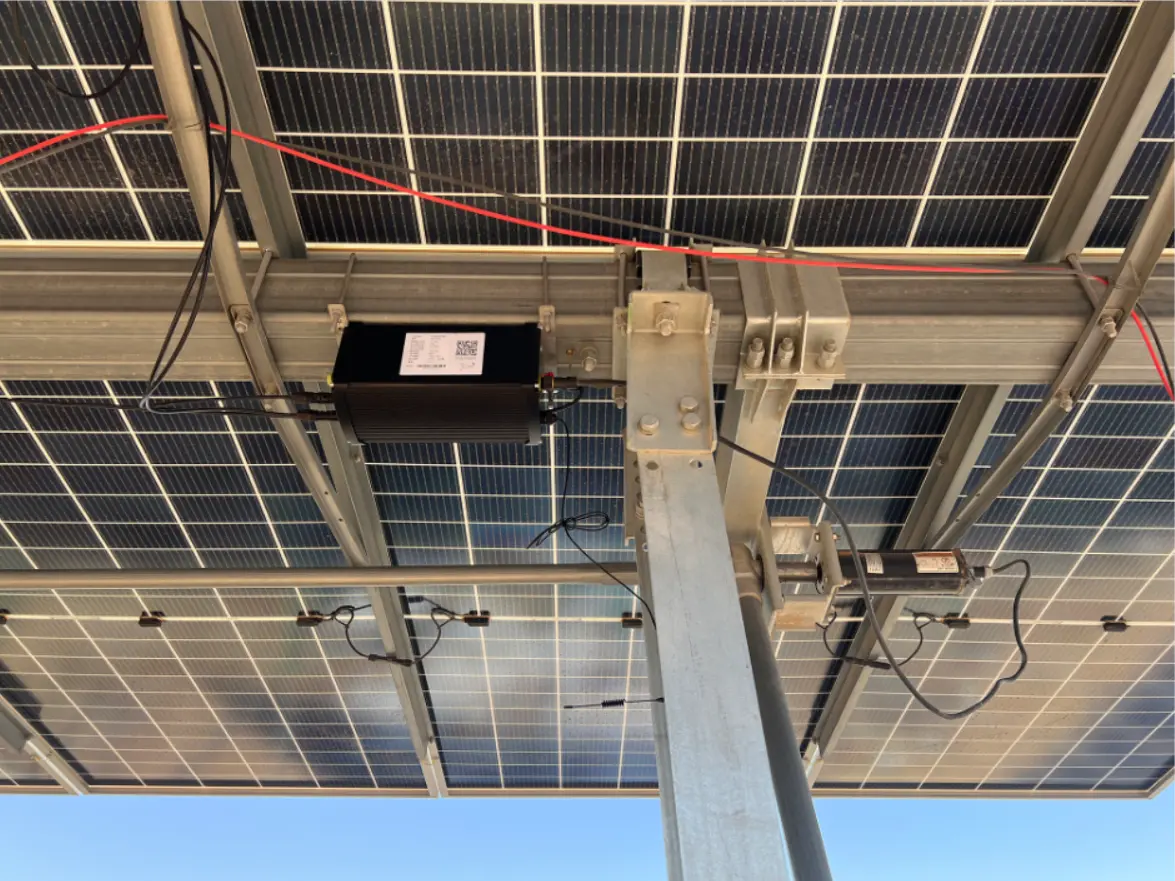
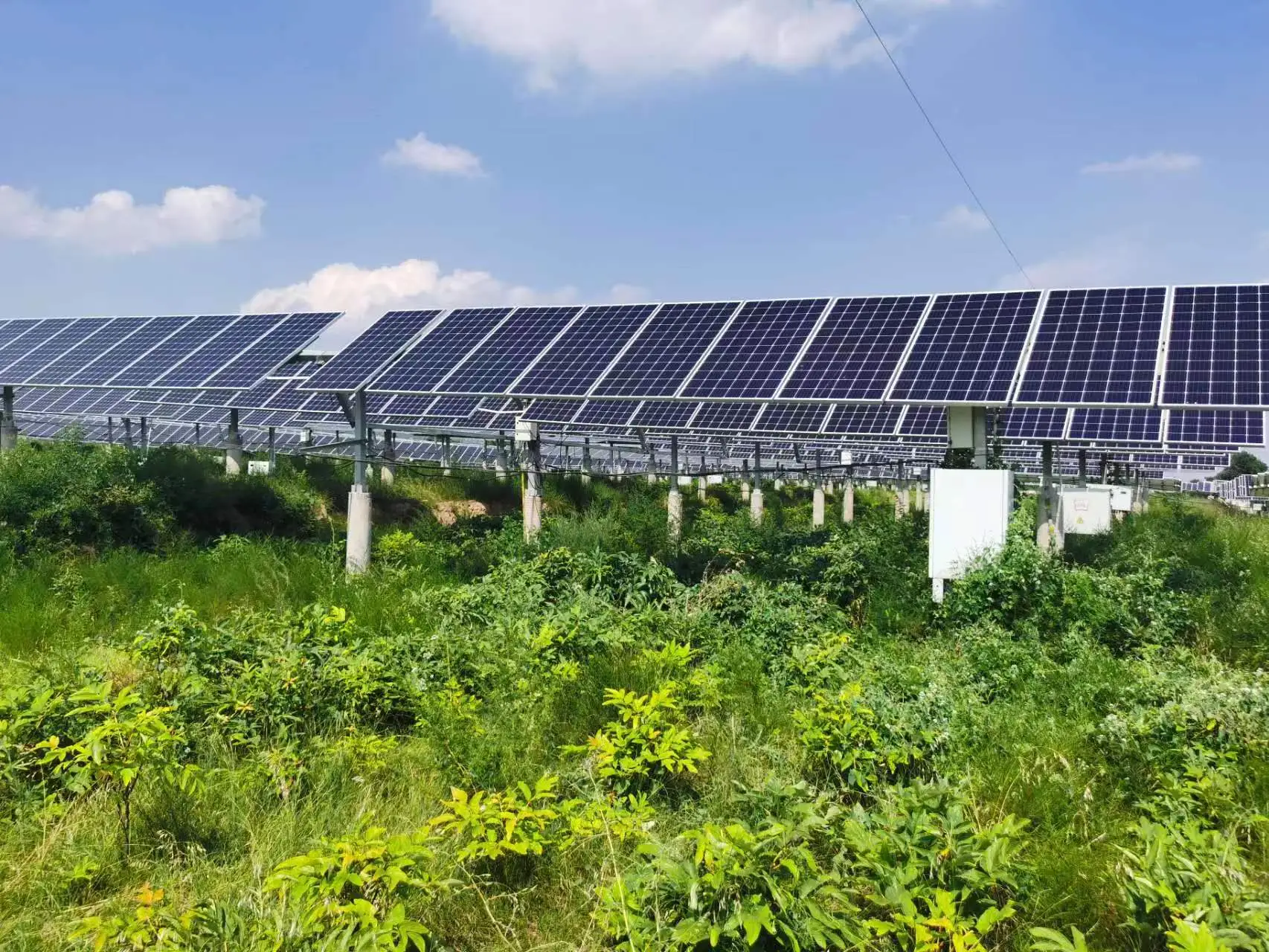
According to the European Commission's official announcement, the aid plan is expected to support approximately 37.15 GW of new renewable energy generation capacity in Italy — roughly 48% of Italy's existing total renewable installed capacity, nearly equivalent to a 50% expansion of the national renewable fleet.The funding covers a broad range of proven clean energy technologies, including onshore wind power, solar photovoltaic (PV) systems, hydropower, and sewage biogas. This means that solar tracker controller systems, central inverters, and PV tracker controller solutions will all play a critical role in deploying these next-generation installations at scale.Italy currently ranks as Europe's third-largest natural gas market and the second-largest gas importer after Germany, with approximately 95% of its gas supply dependent on imports. The FER X plan is widely regarded as a strategic pillar in Italy's push to reduce external energy dependence and strengthen energy autonomy.
II. 20-Year Two-Way Contracts for Difference: Long-Term Revenue Certainty for Investors
The subsidies will be distributed through 20-year two-way Contracts for Difference (CfDs). The mechanism is straightforward: the government sets a benchmark price (the "strike price") per kilowatt-hour of grid-connected electricity. When market electricity prices fall below the strike price, the government tops up the difference to generators. When market prices exceed the strike price, generators return the surplus to the government.This mechanism provides renewable energy developers with long-term, predictable revenue streams, significantly reducing the risk premium embedded in project financing costs. Industry analysts note that state-guaranteed, stable income over two decades will substantially improve project bankability, drawing greater private capital into the renewable energy sector.Notably, the €23 billion budget ceiling is calculated based on current market electricity price assumptions. The European Commission has explicitly stated that if future market prices are higher than projected, actual public expenditure could fall significantly below this figure — reflecting a fiscally prudent approach that does not sacrifice renewable growth incentives.
III. Tiered Access by Project Size: Under 1MW Exempt from Auction; Above 1MW Requires Competitive Bidding
To achieve the dual policy objectives of scalable deployment and fair market access, the Italian government has adopted differentiated support pathways based on project scale.The regulation will be filed with Italy's Court of Auditors for formal registration, after which the full decree will be published on the relevant ministerial websites before entering into force.
IV. Strategic Significance: Anchoring Italy's 39.4% Renewable Energy Target for 2030
The European Commission highlights that the FER X plan will significantly accelerate Italy's progress toward its 2030 decarbonization target — achieving a 39.4% share of renewable energy in final electricity consumption.From a broader perspective, the plan also supports the mission of lowering electricity prices, reducing the EU's collective dependence on energy imports, and strengthening continental energy sovereignty. The European Commission confirmed the plan's alignment with the objectives of both the Clean Industry Agreement and the REPowerEU plan.Italy's Minister of Environment and Energy Security, Gilberto Picetto Fratin, commented: "The EU's approval enables Italy to continue advancing mature renewable energy projects." He added that the policy represents a core instrument for strengthening national energy autonomy and reducing external energy dependency.
V. Industry Impact: Three Clear Signals for Solar and Energy Storage Sectors
For the solar PV and energy storage industries, the approval of this plan sends three definitive market signals:1. A New Policy Dividend Cycle for Italy's Solar MarketThe 37.15GW new capacity target creates a clear and substantial growth runway for solar tracker controller manufacturers, PV tracker controller suppliers, solar tcu and solar ncu providers, and full-solution integrators alike. As of March 2026, Italy's cumulative solar PV capacity had reached approximately 45 GW; this new target would push total national PV capacity to a significantly higher level.2. 20-Year CfD as a Powerful Project Financing ToolThe 20-year CfD mechanism effectively derisks project financing for solar and wind developers. Long-term, stable electricity revenue forecasts will meaningfully reduce financing costs and improve debt service coverage ratios, making projects more attractive to commercial lenders and institutional investors.3. Sub-1MW Exemption Directly Benefits Distributed Solar and C&I Rooftop SegmentsProjects under 1 MW are exempt from complex competitive bidding procedures, dramatically lowering the barrier to entry for distributed solar installations, agricultural solar projects, and commercial & industrial (C&I) rooftop solar systems. This measure is expected to unlock significant development potential across fragmented rooftop and carport solar resources nationwide.
Conclusion
Against a global backdrop of persistent price pressure, tightening trade barriers, and supply chain headwinds facing the solar industry, Italy's €23 billion renewable energy subsidy stands as a significant policy catalyst for European clean energy investment. It offers predictable market growth for equipment manufacturers, EPC contractors, project developers, and solar tracker controller / solar tcu / solar ncu technology providers along the entire renewable energy value chain.
Note: All data in this article is current as of June 18, 2026, sourced from European Commission public announcements, Italy's 24 Ore Solare, ANSA, SMM, TaiyangNews, and publicly available media reports. This article is for informational purposes only and does not constitute investment advice.
 English
  中文
中文