English
  中文
中文

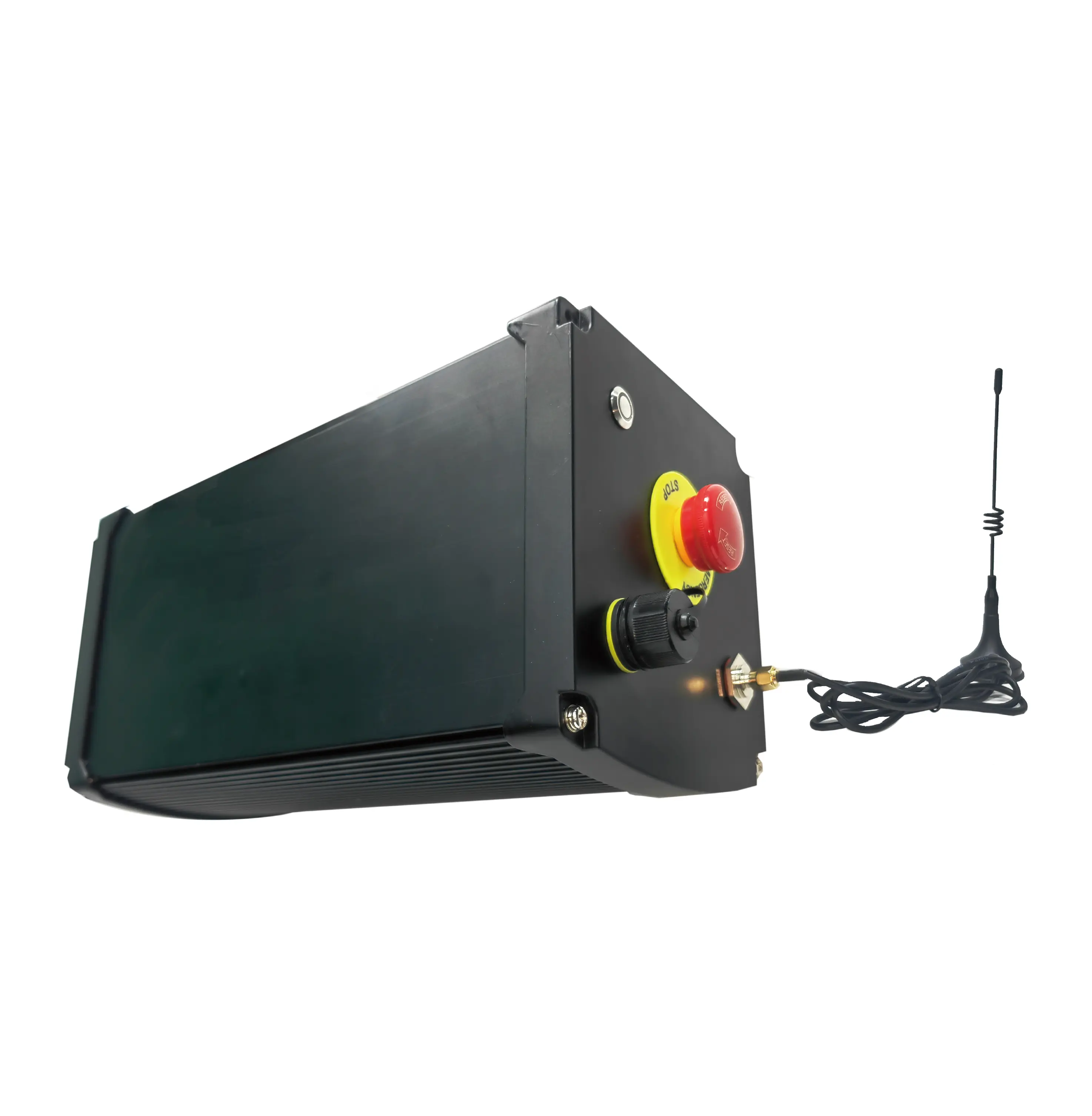
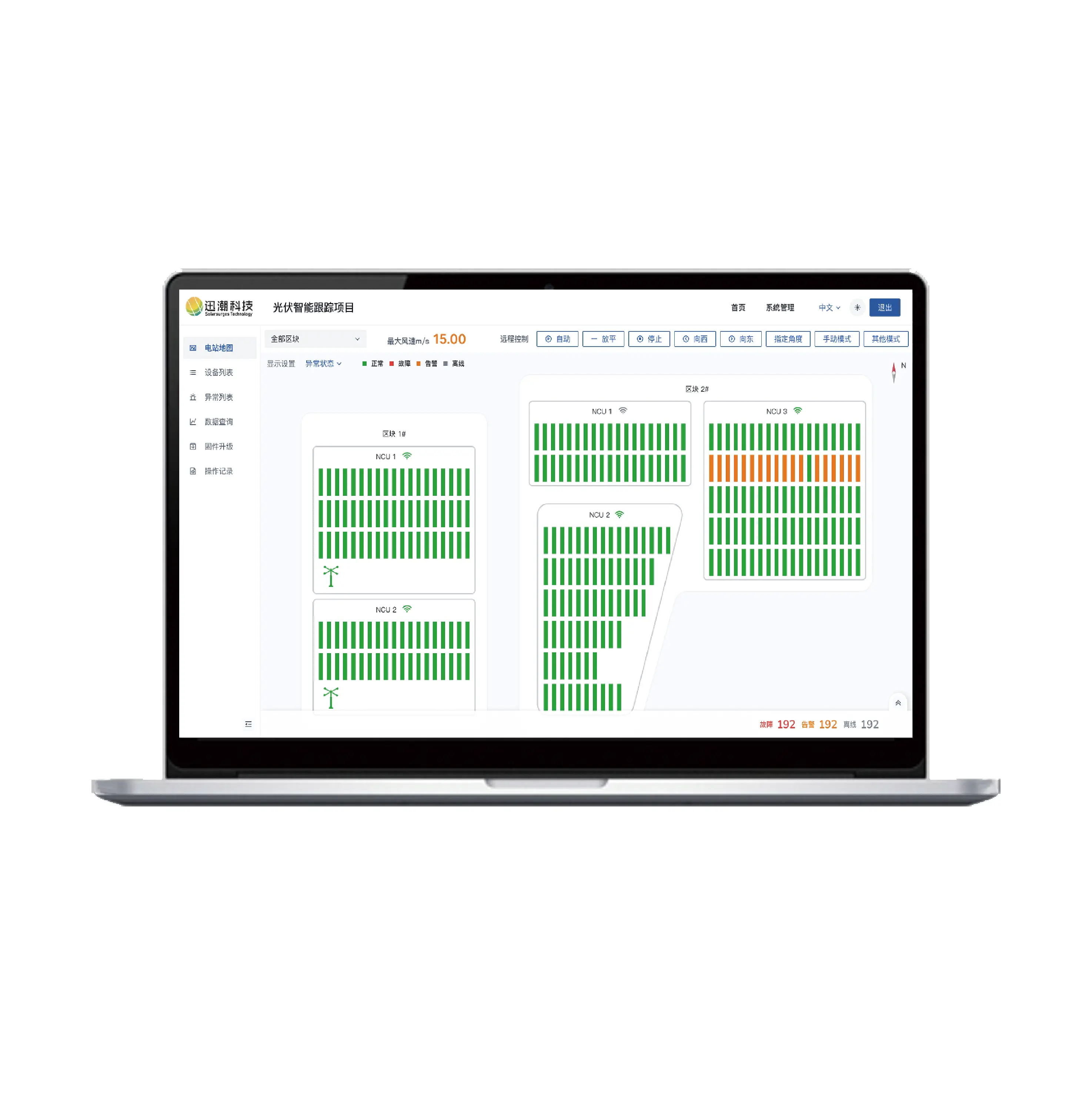

Table of Content
[Hide]
US Solar Probe Targets Africa: Ethiopia Under Scrutiny as New "Tariff Arbitrage" Hub
On May 12, 2026, the US Solar Manufacturers Alliance—led by First Solar and Qcells—filed a formal anti-circumvention petition with the US Department of Commerce targeting solar imports from Ethiopia. The petition targets Japan's TOYO and Origin Solar Manufacturing, alleging that Chinese-made silicon wafers are shipped to Ethiopia for cell processing, then assembled into modules in Ethiopia or Vietnam for export to the US, bypassing anti-dumping/anti-subsidy tariffs on Chinese-origin solar products.
This marks America's solar trade crackdown extending from Southeast Asia into Africa—a full-frontal assault on the global "production shift" model that has kept Chinese solar manufacturers competitive despite years of escalating US tariffs.
By mid-2026, virtually every major Southeast Asian manufacturing hub is under tariff coverage or active investigation. Ethiopia emerged as the next routing node almost immediately after the June 2025 Southeast Asia tariffs took effect.
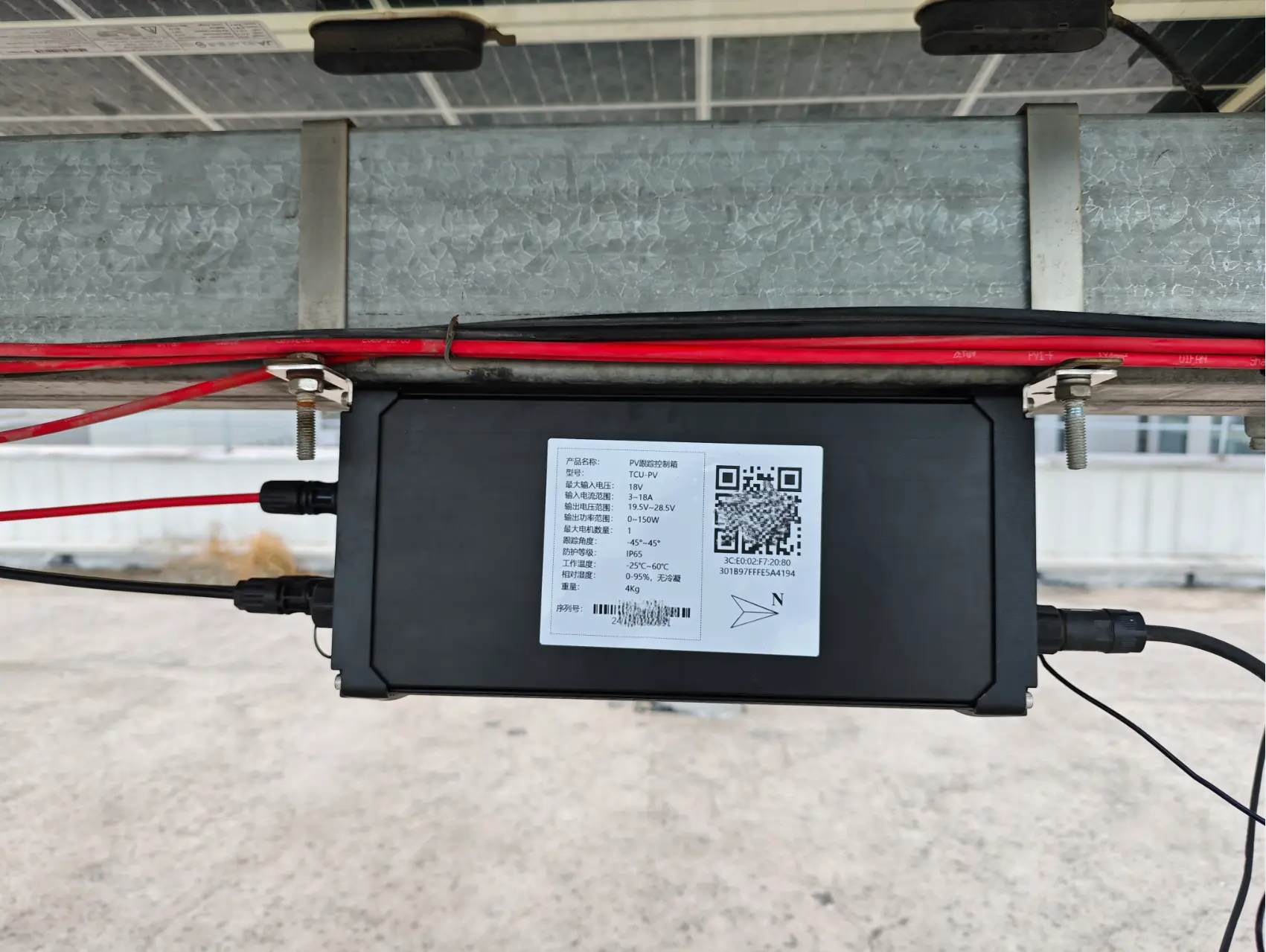
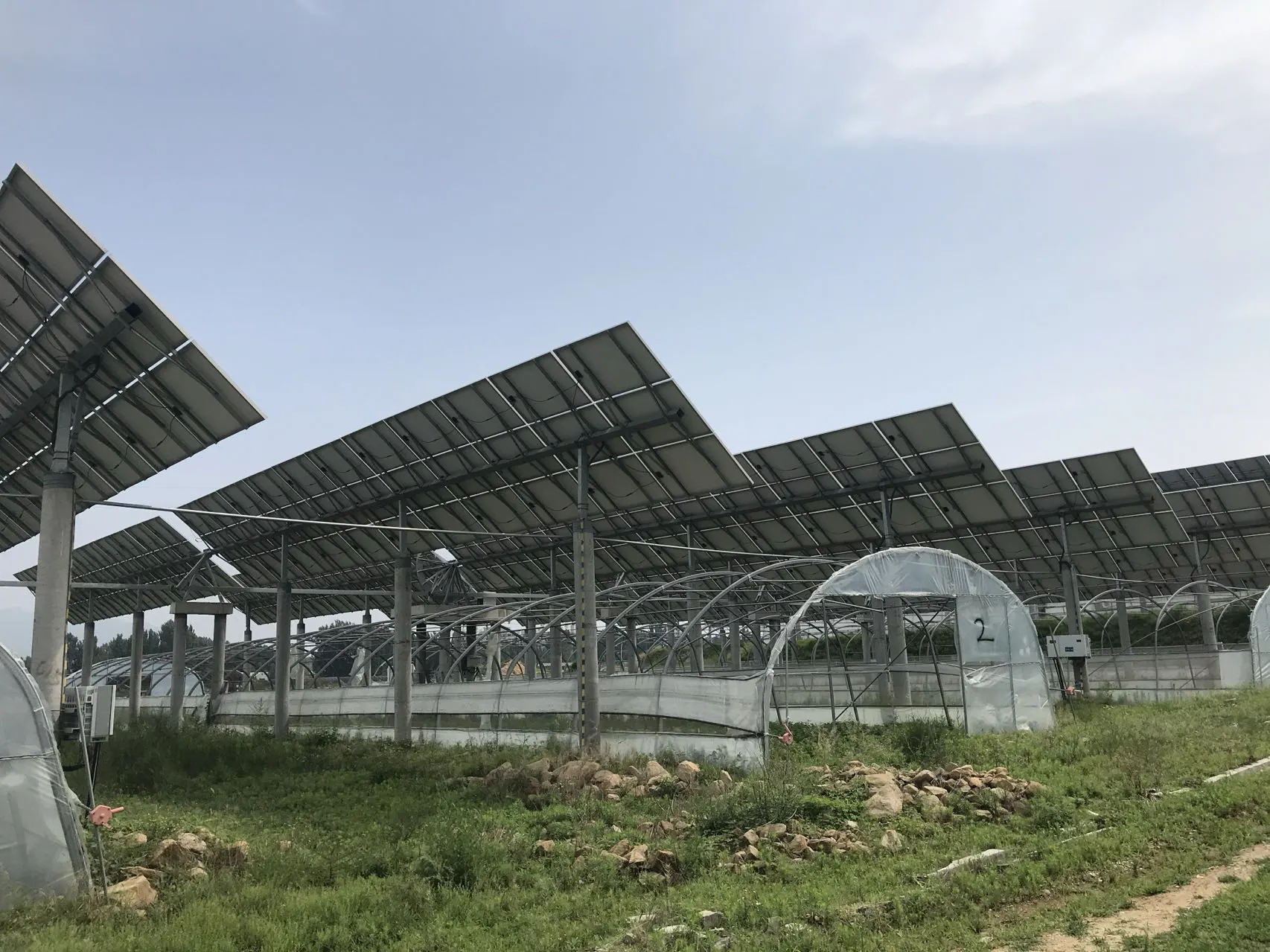
Solar TCU (Tracker Controller Unit) and Solar NCU (Node Control Unit) are the hardware brains of solar tracker systems. These embedded controllers manage panel angle, azimuth tracking, and communication with central management platforms. Meanwhile, Solar SCADA (Supervisory Control and Data Acquisition) systems provide plant-wide monitoring, alerting, and optimization.
A typical tariff-arbitrage supply chain might route:
Regulatory scrutiny is expanding beyond modules. US enforcement agencies have begun questioning whether solar tracker controllers, NCU units, and SCADA configurations are being similarly routed through third countries to circumvent Country of Origin rules. For US project developers and EPCs, this creates a new compliance burden: not just module provenance, but full solar tracker controller and SCADA system supply chain audits.
In the inverter and control systems segment, leading manufacturers have established local assembly bases in Europe and the Middle East, building multi-region supply chains to absorb policy shocks from any single jurisdiction.
If the investigation finds circumvention:
Key upcoming dates:
For Chinese solar companies, survival now requires:
This marks America's solar trade crackdown extending from Southeast Asia into Africa—a full-frontal assault on the global "production shift" model that has kept Chinese solar manufacturers competitive despite years of escalating US tariffs.
By the Numbers
- $0 → $300M: Ethiopia shipped zero solar products to the US before June 2025; by year-end 2025, exports hit $300 million, making Ethiopia the 7th largest US solar import source.
- ~70%: Of the value in Ethiopian-imported solar modules originates from Chinese-origin components and processing steps that should be subject to US tariffs.
- 23 CBP seizures of Ethiopian-origin solar components in 2026 YTD vs. just 4 seizures in all of 2025.
The Cat-and-Mouse Game: Southeast Asia → Africa
The pattern is well-established. When tariffs hit China, production migrated to Southeast Asia. When Southeast Asia got hit, it migrated again.China's Solar Giants Deepen Ethiopia Footprint
Ethiopia's appeal is straightforward: outside US anti-dumping/anti-subsidy scope, low electricity costs, cheap labor, and surging domestic/regional demand. Chinese solar companies have responded aggressively:- TOYO (Japan): Announced 2GW cell factory in Ethiopia (Oct 2024, $60M), operational April 2025. Added 2GW module line (Mar 2025, $47M) explicitly targeting the US market.
- Origin Solar: $55M, 4.2GW cell plant at Hawassa Industrial Park, PERC + TOPCon technology, partnered with CSI (Canadian Solar). Supplies US and European markets.
- CSI (Canadian Solar): Pledged $250M at an Ethiopia investment forum (May 2025) for solar cell, module, and energy storage manufacturing.
- Jiangsu Jintech, Hanergy, Risen Energy: Each establishing or negotiating factory footprints.
- Mingyang Smart Energy: Committed >$10 billion to 8.4GW renewable energy buildout in Ethiopia, including 2.8GW of solar PV.
CBP Enforcement: Already in Motion
This petition follows, not precedes, US Customs enforcement actions. In April 2026, Vietnam manufacturer VSUN had modules bound for the US seized by CBP. Investigators traced the cells to VSUN's affiliate—TOYO's Ethiopian factory.CBP data shows Ethiopian solar-related semiconductor device (HTS code 8541) seizures jumped from 4 cases / ~$1.7M in full-year 2025 to 23 cases / >$16M in 2026 YTD. VSUN expects its annual revenue to drop by ¥3–5 billion as a result.
The enforcement message is clear: "light processing + third-country transshipment" is no longer a viable workaround.The Smart Solar Infrastructure Layer: TCU, NCU, SCADA Under the Microscope
As the trade war accelerates, attention is increasingly turning to the intelligent control layer of solar plants—a segment that often travels separately from modules but is integral to system performance.Solar TCU (Tracker Controller Unit) and Solar NCU (Node Control Unit) are the hardware brains of solar tracker systems. These embedded controllers manage panel angle, azimuth tracking, and communication with central management platforms. Meanwhile, Solar SCADA (Supervisory Control and Data Acquisition) systems provide plant-wide monitoring, alerting, and optimization.
A typical tariff-arbitrage supply chain might route:
- Modules → processed in Ethiopia or Vietnam → US market
- Solar TCU / NCU → often sourced from China directly → installed in US solar farms
- Solar SCADA platforms → configured in third countries → US operations
The New Playbook: Middle East & Europe as "Safe Harbor"
With Southeast Asia and Africa both under pressure, Chinese solar manufacturers are pivoting to Middle East and Europe—markets with clearer compliance pathways and lower political risk from US trade actions:- JinkoSolar + Saudi PIF: N-type cell/module fab in Saudi Arabia, 2026 production start, serving Middle East domestic demand.
- Boday Energy: 4GW integrated cell + module facility in Egypt, serving Middle East, Africa, Europe, and North America.
- TCL中环/Maxeon: Rerouting supply chain toward Mexico and North American local production.
The strategic logic is shifting: from cost-arbitrage-driven offshore manufacturing ("where can I dodge tariffs?") to globally balanced, system-type deployment ("where can I build sustainable market access?").
Solar V: What's at Stake and What's Next
The Commerce Department has 30 days from the May 12 filing to decide whether to launch a formal investigation. If initiated, this becomes the fifth major US solar trade case, industry-dubbed "Solar V."If the investigation finds circumvention:
- Retroactive tariffs could be applied to Ethiopian-origin solar imports.
- A precedent is set: any third-country simple assembly to circumvent US solar tariffs is fair game for investigation.
- Solar tracker controller, TCU/NCU, and SCADA supply chains will face intensified Country of Origin scrutiny alongside modules.
- July 13, 2026: Final ITC rulings on India & Indonesia
- September 9, 2026: Final ITC ruling on Laos
- October 19, 2026: Final ITC damage determination across all cases
Conclusion: The End of Cheap Routing
The era of "ship from the cheapest country, call it local" is over for solar manufacturing. US trade enforcement has become:- Multi-layered: China tariffs → regional anti-dumping/anti-subsidy → country-specific circumvention probes
- Multi-product: Modules, cells, wafers, and increasingly solar TCU/NCU controllers and SCADA systems all in scope
- Multi-region: Southeast Asia covered; South Asia covered; Africa now targeted; Middle East emerging as the next battleground
- Geographic diversification across 3+ regions
- Local value-added manufacturing, not just final assembly
- Full supply chain transparency — from silicon wafer to solar tracker controller to SCADA integration
- Genuine market presence in non-US jurisdictions
Data as of May 14, 2026. Sources: Reuters, PVknowhow, Digital New Energy (DataBM.com), US Federal Register, public media reports. For reference only; not investment advice.
References
Related Solar Tracker Products