English
  中文
中文


Solar Sector Surges: Multiple ETFs Rise Over 3% as Funds Accelerate Deployment
Release Date: April 9, 2026
Source: Our Website
On April 8, 2026, China's A-share solar sector staged a strong rebound driven by multiple positive catalysts. Solar-themed ETFs collectively gained over 3%, with the Photovoltaic Industry Index rising 4.66% for the day. Trading volume reached 169 million yuan for the Tianhong Solar ETF (159857), while the ChinaAMC Solar ETF (515370) rose 2.99% and the Harvest Solar ETF (516290) gained over 3%. According to Wind Financial Terminal data, the Tianhong Solar ETF received 22 million units in subscriptions on April 8 alone, with net capital inflows exceeding 130 million yuan over the past five trading days — ranking first among similar products.
Market Performance: Index Jumps 4.66%, Stocks Rally Broadly
The CSI Photovoltaic Industry Index closed up 4.66% on April 8. Among its constituent stocks, Boway Alloy hit the daily limit (+10%), while First Materials and Robotechnik both rose over 9%. Robotechnik led with a 9.86% gain, followed by Autowell (+6.99%) and Maxwell Technologies (+6.49%). Of the 48 component stocks in the ChinaAMC Solar ETF, all advanced.
The rally strengthened in the afternoon session. The Fuguang Solar ETF (560230) gained 4.37% intraday, the Kechuang Energy ETF (588960) rose 4.18%, and the Battery ETF (561160) advanced 3.53%. The Solar Main Materials sub-index climbed 3%, with Tongwei rising 3.39% to 16.17 yuan, Hongyuan Green Energy up 3.10%, and LONGi Green Energy gaining 2.69%.
On the STAR Market (科创板), solar stocks performed even more strongly. Arctech Solar hit the daily limit, while Trina Solar, GoodWe, and Aiko Solar all rose over 10%. JinkoSolar, Daqo New Energy, and Yunneng Technology each gained more than 7%. In the solar equipment segment, First Materials and Maxwell Technologies rose over 6%, Jing Sheng Electric and Arctech Solar gained over 3%, and Sungrow, Tongwei, and JinkoSolar advanced over 2%.
Main capital inflows exceeded 8.9 billion yuan into the solar equipment sector. Sungrow received over 1.7 billion yuan of net inflow, TCL Zhonghuan over 1.1 billion yuan, and LONGi Green Energy over 1 billion yuan. Several other stocks, including Aiko Solar, also recorded net inflows exceeding 100 million yuan. The Tianhong Solar ETF posted an intraday turnover rate of 6.87% with a premium/discount ratio of 0.22%.
Key Drivers Behind the Rally
1. Southeast Asia's Largest Solar Project Connects to Grid
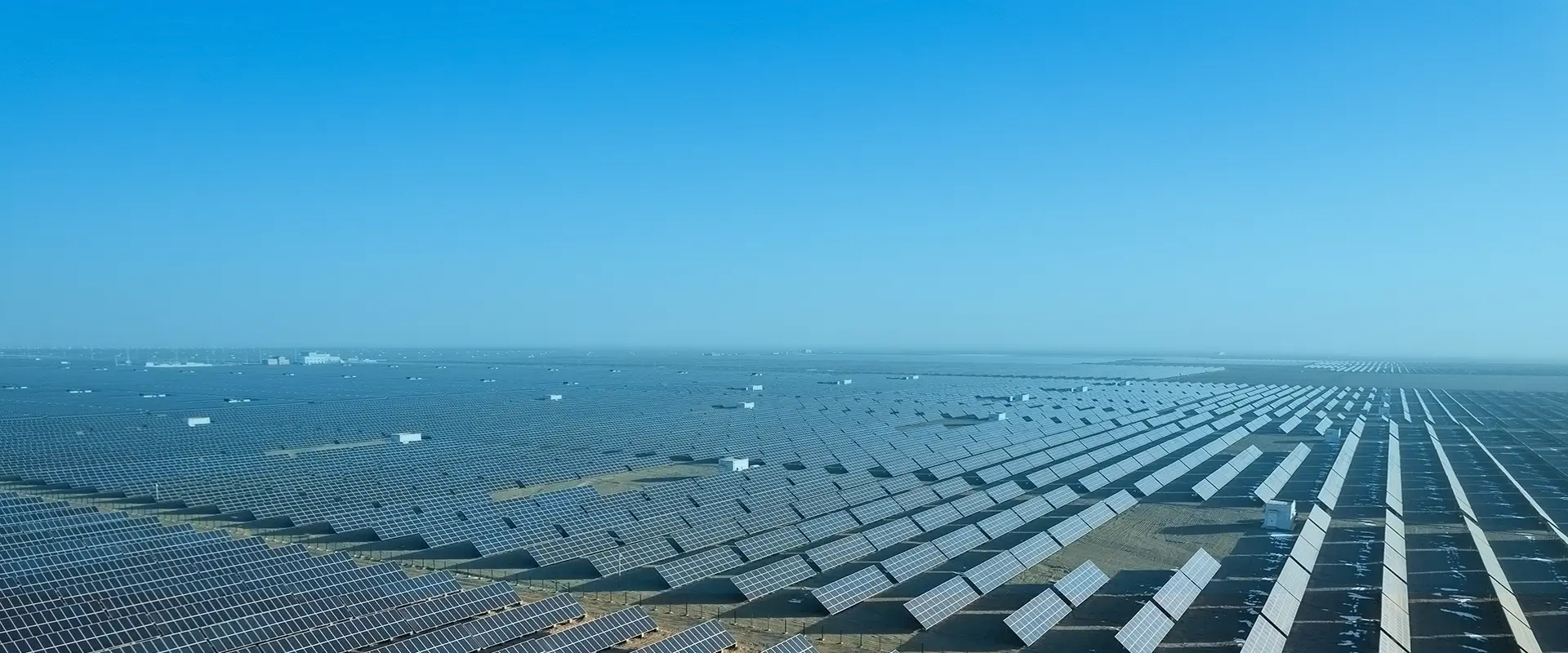
On April 7, Phase I of the CGN Laos Northern Interconnection Clean Energy Base — a 1 GW solar PV project — was officially connected to the grid. It is the largest solar project developed by China in Southeast Asia and China's first independently developed overseas utility-scale renewable energy greenfield project. Phase I is expected to generate approximately 1.65 billion kWh annually, saving about 500,000 tons of standard coal and reducing CO₂ emissions by approximately 1.3 million tons per year.
The project not only demonstrates the global competitiveness of China's full solar industry chain but is also expected to involve over 40 domestic new energy manufacturing and construction enterprises, providing solid support for industry-wide capacity deployment and overseas expansion.
2. Export Tax Rebate Cancellation + Anti-Internal Competition Measures
Effective April 1, 2026, China's 9% VAT export tax rebate for solar products was eliminated, ending a 13-year policy of subsidized exports. At the same time, market regulators have intensified efforts to combat "cutthroat competition" in the solar industry, including sanctions against below-cost selling.
CICC (China International Capital Corporation) noted that leading solar companies are proactively responding to supply-side adjustments, sending positive signals for industrial ecosystem restructuring. Mergers and acquisitions among龙头企业 reduce the number of direct market participants and enhance capacity regulation flexibility — both of which support the industry's anti-internal competition goals. CICC research suggests that while demand may weaken in 2026, supply-side reforms and leading companies' alpha could help some firms return to profitability.
3. Multiple Positive Catalysts
Tesla is reportedly negotiating gigawatt-level purchase orders with Chinese solar equipment manufacturers, with initial shipments expected in May. Musk's TeraFab project further raises the ceiling for solar demand, while space solar commercialization accelerates.
A ceasefire agreement between Israel and Hamas and the temporary reopening of the Strait of Hormuz are expected to lower chemical prices, benefiting solar component costs.
China's first 1 GW-level distributed solar wide-area coordinated optimization demonstration project has been successfully implemented, continuously strengthening solar industry demand.
Guolian Minsheng Securities stated that solar demand — both domestic and overseas — remains robust, with technology iteration accelerating across the supply chain. Manufacturers are expected to differentiate themselves through sustained R&D. Soochow Securities pointed out that the core industry logic is shifting from capacity expansion to "supply-side anti-internal competition," with fundamentals showing signs of bottoming out. Investment should focus on companies with cost advantages and technology leadership to capture inflection-point opportunities.
Valuation and Institutional Outlook
The solar industry index currently offers attractive valuation. Its price-to-book ratio stands at 2.49x, at the 42.23rd percentile of the past five years — meaning it is undervalued relative to 57.77% of that period. Orient Securities noted that as of June 30, 2025, mutual fund holdings in the solar sector were only 1.16%, far below the 5.69% peak seen in mid-2022, indicating significant room for reallocation. Marginal improvements in industry fundamentals could trigger valuation repairs.
Looking ahead, CICC maintains a positive outlook on the solar and storage sector, recommending attention to beta recovery in the main solar产业链, resilient profitability in storage integration, and demand elasticity driven by rising energy costs. Shenwan Hongyuan believes sector fundamentals are sound and continues to favor solar allocation. Huatai Securities points out that "computing-power coordination" was included in the government work report for the first time in 2026, elevated to a national new infrastructure strategy — potentially adding over 50% value to solar projects.
Conclusion: Intelligent Control Technologies Take Center Stage
The strong rebound of the solar sector on April 8, 2026, reflects multiple converging positives: the implementation of export tax rebate cancellation, deepening anti-internal competition measures, and landmark project milestones. The CSI Photovoltaic Industry Index's 4.66% gain, accelerating capital inflows, and ETF premium trading all signal growing market expectations that solar industry fundamentals are bottoming out and poised for recovery.
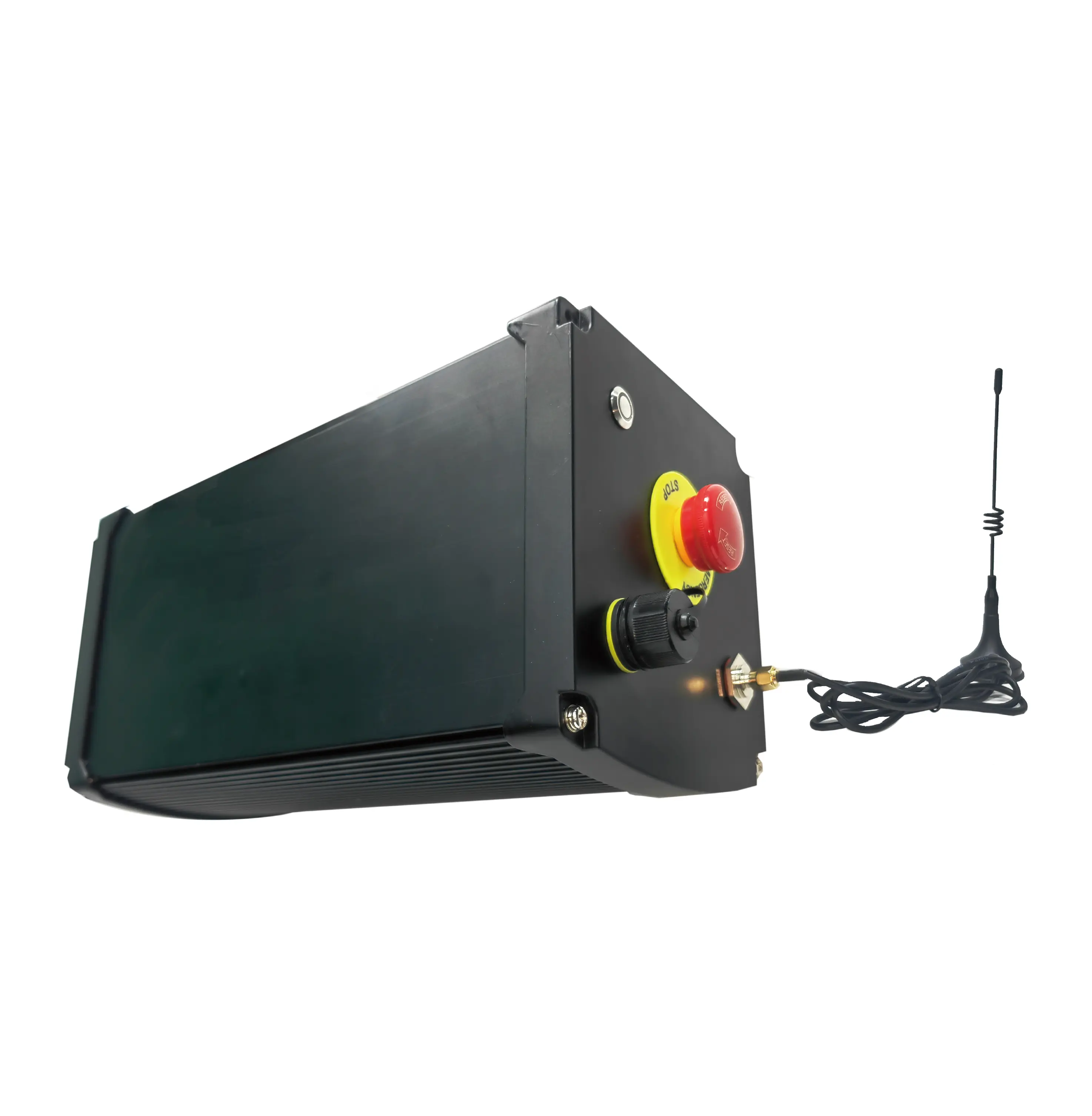
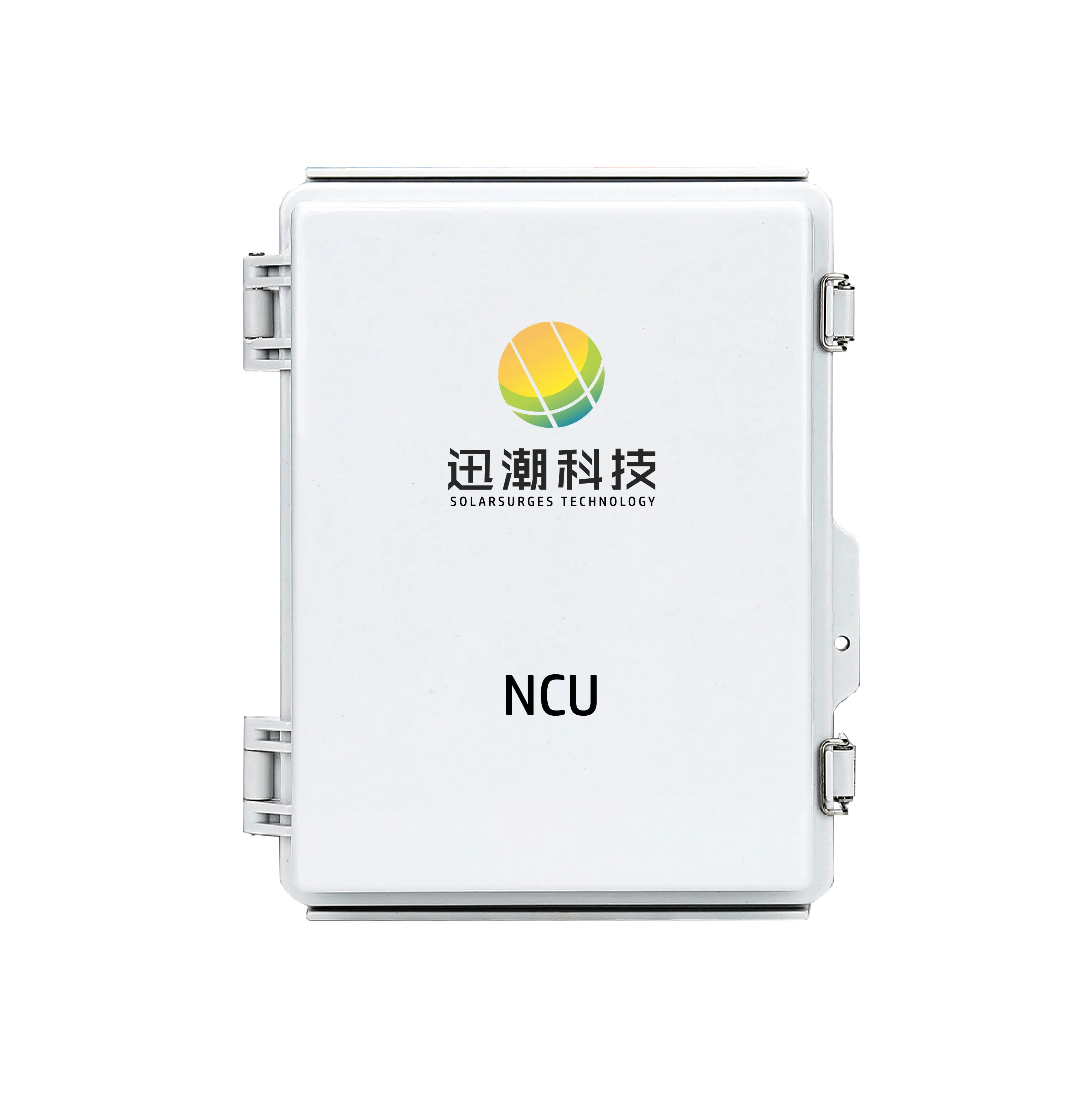
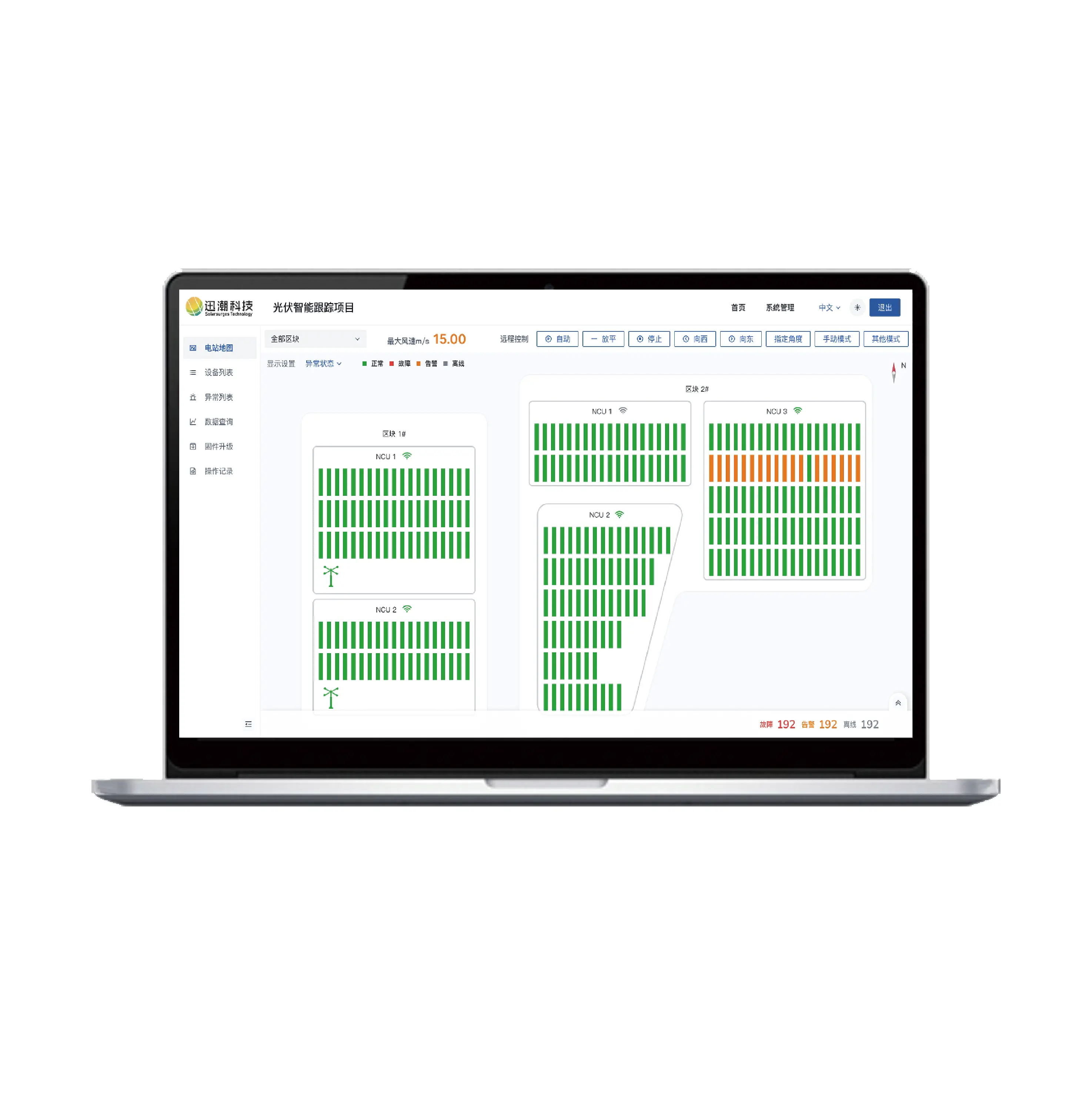
As utility-scale solar plants become larger and more sophisticated, the need for intelligent tracking and monitoring solutions has never been greater. Modern solar farms increasingly rely on advanced solar tracker controllers and PV tracker controllers to maximize energy yield per hectare. These systems, often managed by a Solar TCU (Tracker Control Unit) and coordinated through a Solar NCU (Network Control Unit), ensure precise panel alignment throughout the day. At the plant management level, Solar SCADA platforms provide centralized real-time monitoring, fault diagnostics, and performance optimization — essential tools for asset managers operating gigawatt-scale portfolios.
With capacity rationalization progressing, supply-demand dynamics improving, and technology iteration accelerating, 2026 is poised to be a pivotal year for the solar industry — marking the transition from "price-driven cutthroat competition" to "value-driven high-quality growth."
Related Solar Tracker Products