English
  中文
中文

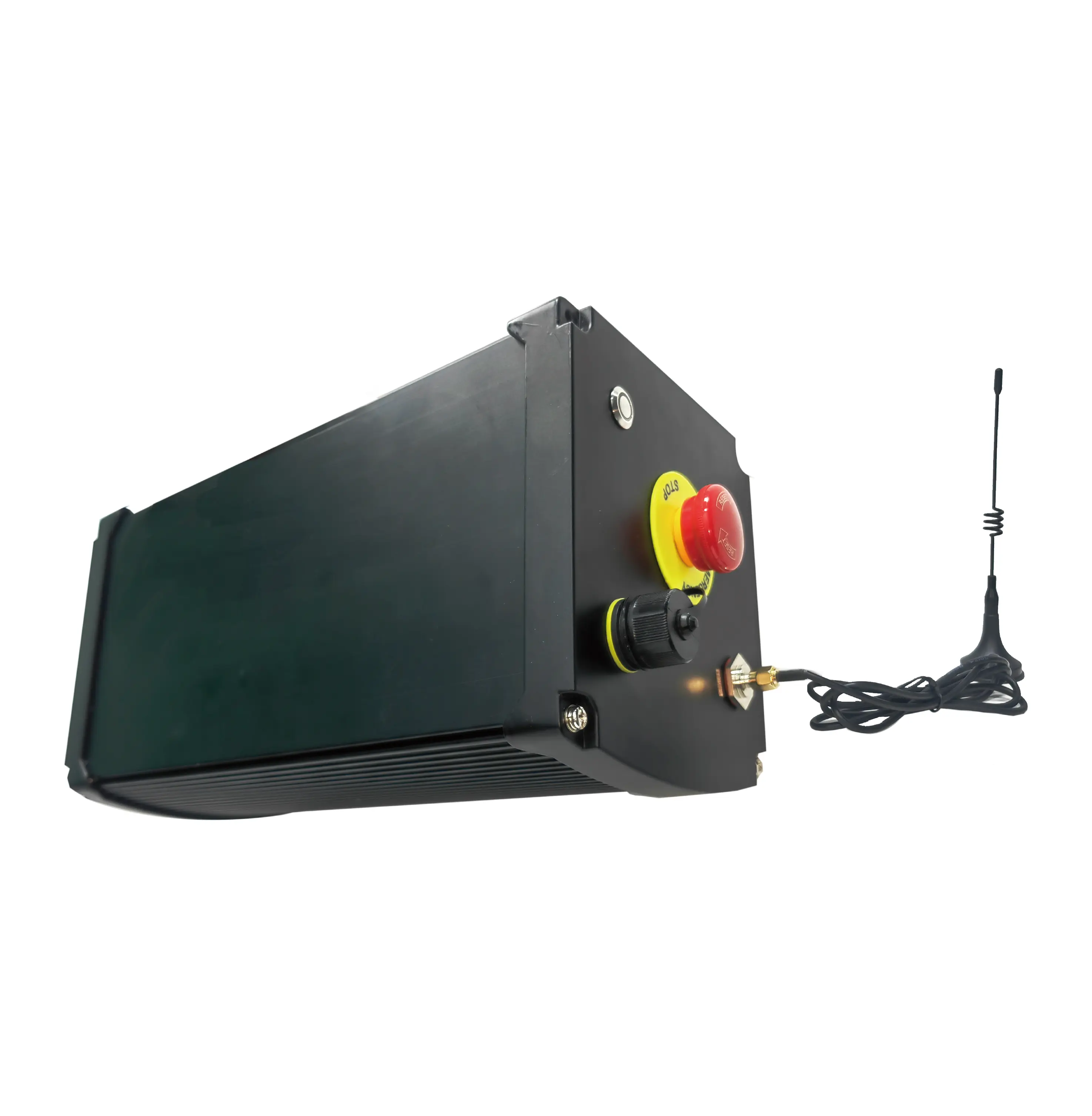
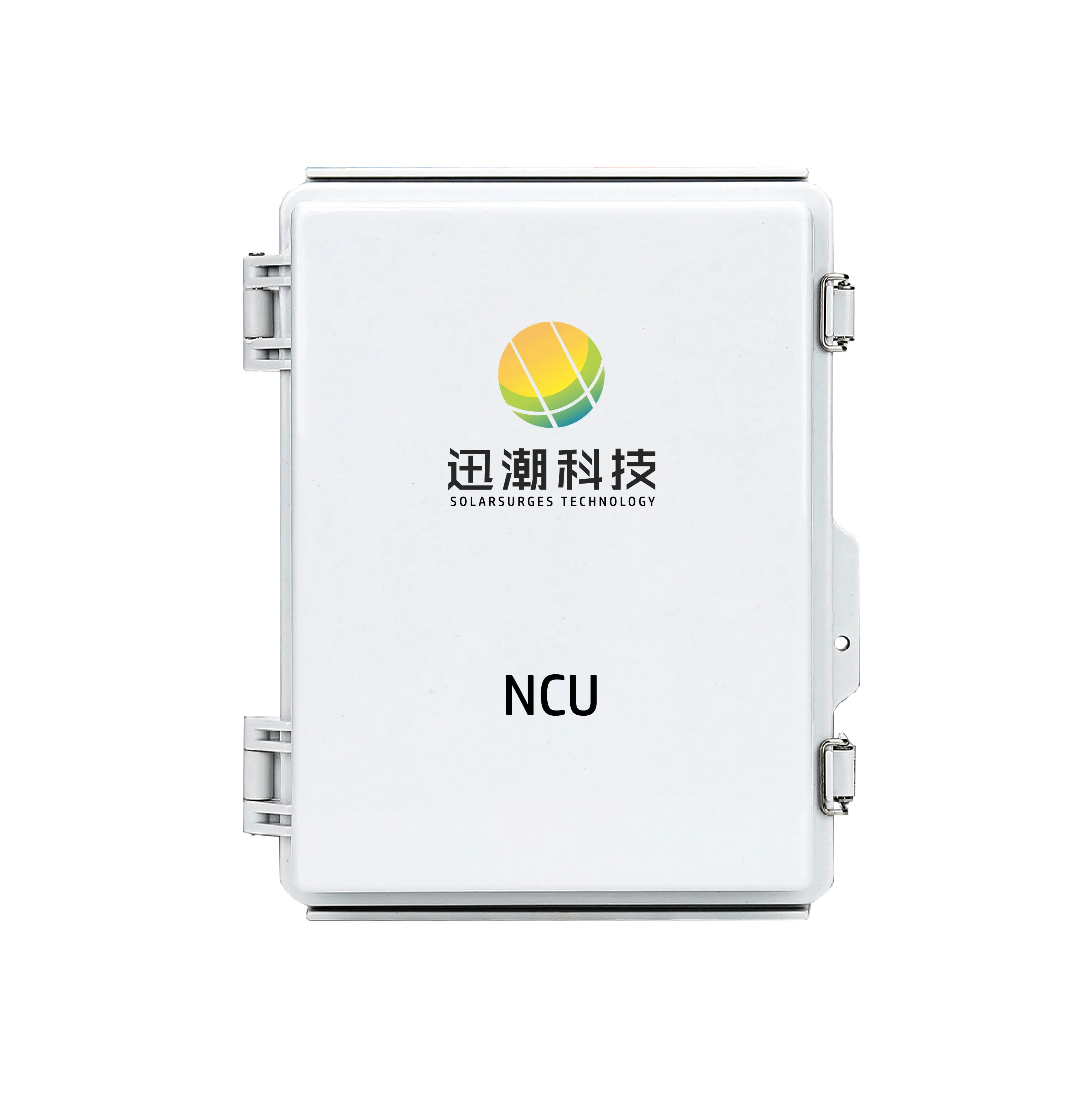
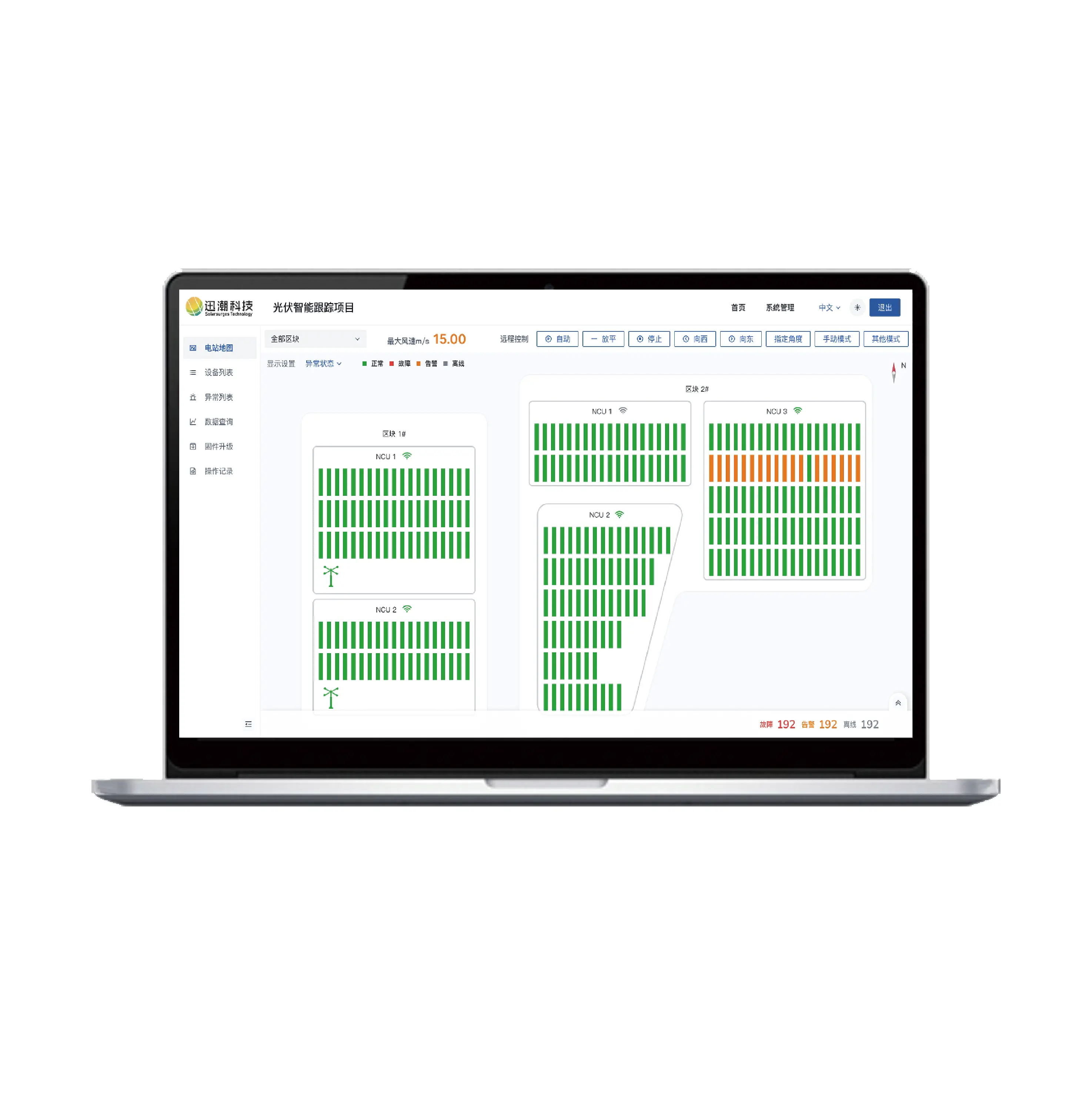

Table of Content
[Hide]
France's €3.8B Clean Tech Manufacturing Plan: EU Backs Solar Tracker Controller and SCADA Infrastructure for Net-Zero Industry
France Wins EU Approval for €3.8 Billion Clean Tech Manufacturing Plan — Here's What It Means for Solar Tracker Controllers, TCU/NCU Systems, and SCADA Infrastructure
Brussels / Brussels, May 9, 2026 — In a landmark decision that underscores Europe's commitment to domestic clean energy manufacturing, the European Commission has officially approved France's €3.8 billion national aid package for clean technology manufacturing. The plan, operating under the EU's Clean Industrial Agreement State Aid Framework (CISAF), provides direct grants and repayable advances to companies investing in net-zero technology production within France, through December 31, 2030.This approval marks the 11th member state clean tech manufacturing support plan greenlit by the EU since CISAF took effect in June 2025. The cumulative approved aid across all 11 member states now exceeds €10 billion, signaling a new era of coordinated European industrial policy for solar, wind, batteries, and green hydrogen.
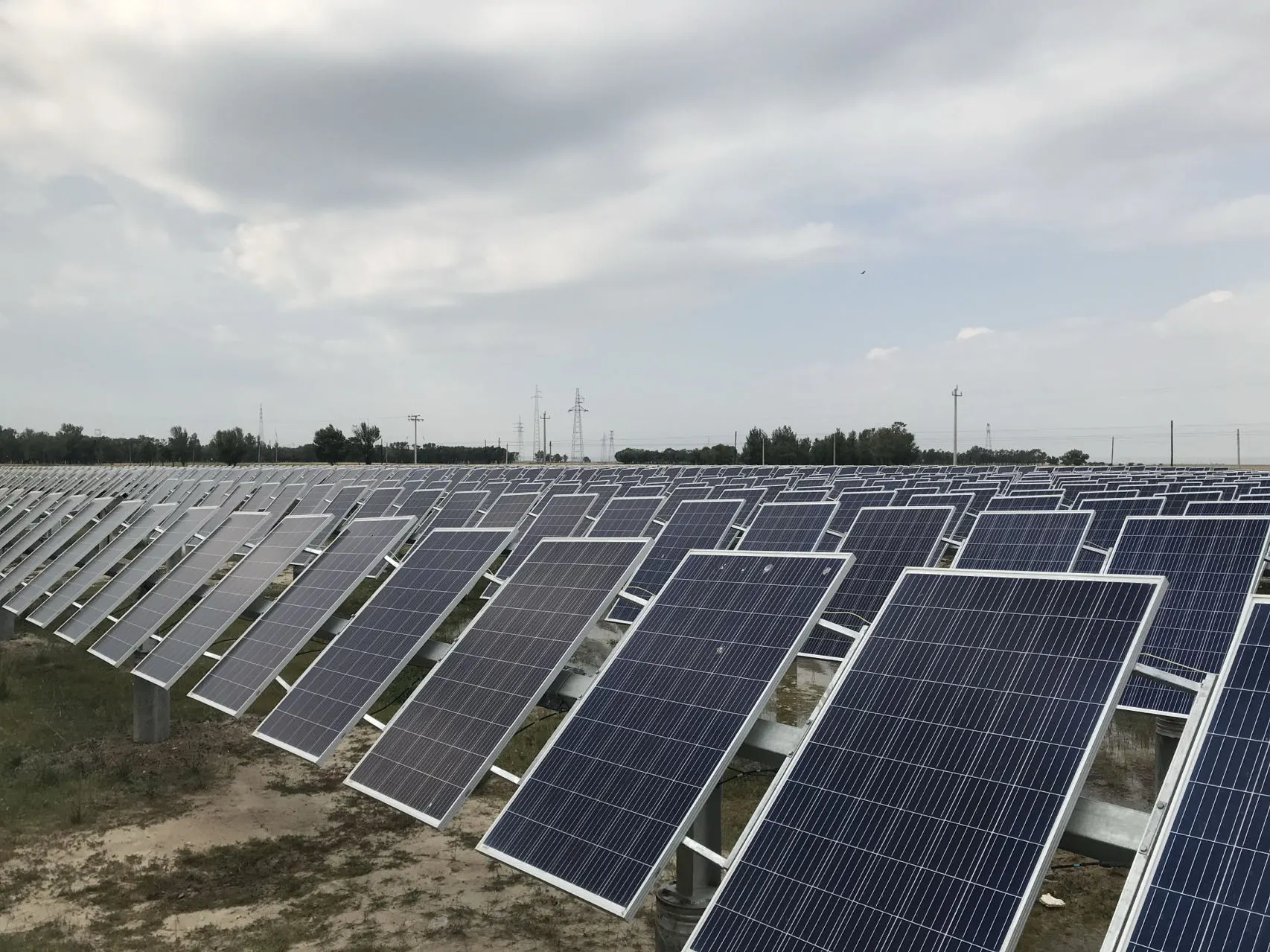
For the solar industry specifically, the plan targets not only PV module manufacturing, but also the critical components and systems that power modern solar farms — including solar tracker controllers, solar TCU (Tracker Control Unit), solar NCU (NCU communication units), and solar SCADA (Supervisory Control and Data Acquisition) platforms. These are the intelligence layer of solar power plants, and Europe's push to manufacture them domestically marks a strategic shift in the global solar supply chain.
What the €3.8 Billion Plan Covers
The French aid package is designed to bridge the cost gap between European-made solar components and cheaper imports, primarily from Asia. Key supported categories include:- Solar photovoltaic (PV) module manufacturing — from silicon to wafer to cell to module
- Solar tracker controller systems — the electronic brain that optimizes single-axis tracker performance
- Solar TCU and NCU hardware — embedded control and networking units for tracker and plant-level communication
- Solar SCADA platforms — software and hardware for real-time plant monitoring, control, and data acquisition
- Battery and energy storage systems — supporting the growing co-location of solar plus storage
- Green hydrogen electrolyzers — expanding into adjacent clean tech manufacturing
- Critical raw material recycling — closing the loop on key inputs
Funding source: French central + regional budgets + EU structural funds
Eligibility: Any company investing in new net-zero manufacturing capacity in France
Duration: Until December 31, 2030
Policy Background: From the Clean Industrial Deal to France's Push for a Solar Tracker Controller Supply Chain
The Clean Industrial Agreement (Clean Industrial Deal)
The €3.8 billion plan is a direct output of the EU's Clean Industrial Agreement, formally adopted in June 2025 when CISAF entered into force. CISAF created a streamlined state aid approval pathway for member states investing in domestic clean tech manufacturing — explicitly to:- Scale up EU clean technology manufacturing capacity
- Strengthen supply chain resilience
- Accelerate the energy transition while competing with US and Chinese industrial policy
The Industrial Accelerator Act and the "Europe Made" Quota
The broader context is the EU's strategic response to global trade competition. In March 2026, the European Commission unveiled its Industrial Accelerator Act proposal, designed to strengthen EU manufacturing by matching the large-scale public support deployed by the US and China.A key provision: up to 70% local content requirements for public procurement and subsidy eligibility in strategic sectors including automotive, batteries, and clean energy technology — including solar PV, trackers, and SCADA systems.
France's Resilience Standards: Tracker Controllers and SCADA in the Spotlight
Building on the regulatory momentum, France has been the first EU member state to implement "resilience standards" in renewable energy tenders starting April 2026:- Solar PV tenders: Battery cells and modules must prioritize European manufacture
- Offshore wind tenders: Chinese-manufactured permanent magnets capped at 50% of turbine content
- Cyber security standards: Starting 2026, French solar tenders (both 288 MW small-scale and 925 MW large-scale projects) will require cybersecurity compliance — directly affecting the solar SCADA systems, tracker controllers, and communication units specified for French solar farms
France's Solar Manufacturing Ambitions: From Deployment Leader to Manufacturing Powerhouse
France's motivation for aggressive domestic solar manufacturing is rooted in a stark imbalance.The Deployment-M manufacturing Gap
France achieved a record 5.9 GW of new solar capacity in 2025 — the highest annual additions in the country's history — bringing total installed solar to approximately 31.1 GW. France's national energy plan targets 111.2 GW of cumulative solar by 2035, a 264% increase from 2024 levels. Solar has officially overtaken hydropower as France's #1 driver of renewable energy growth.Yet France's domestic solar manufacturing capacity is severely underdeveloped. PV module self-sufficiency rates are extremely low. The country is heavily dependent on imported solar components — creating exposure to tariff volatility, supply chain disruption, and energy security risk.
The solution: use state aid to incentivize companies to build solar manufacturing lines in France — specifically targeting the entire vertical chain from critical raw materials through to finished solar tracker controller systems, TCU/NCU units, and solar SCADA infrastructure.
Strategic Projects Already in Progress
France's clean tech manufacturing strategy is already producing tangible results, with multiple flagship projects underway:Solar Tracker Controllers, TCU/NCU, and SCADA: The Smart Layer of Europe's Solar Ambition
For the solar industry, the most relevant dimension of this plan is its focus on the intelligent components that make modern solar power plants work.What Are Solar Tracker Controllers?
A solar tracker controller (also called a tracker controller unit or TCU) is the electronic system that drives single-axis or dual-axis solar trackers, optimizing the angle of PV modules throughout the day to maximize energy yield. Advanced tracker controllers integrate with solar SCADA platforms to enable:- Real-time tracker positioning adjustment based on solar irradiance data
- Fault detection and diagnostics across large-scale tracker arrays
- Communication with central plant management systems
- Weather-responsive performance optimization
What Are Solar TCU and NCU?
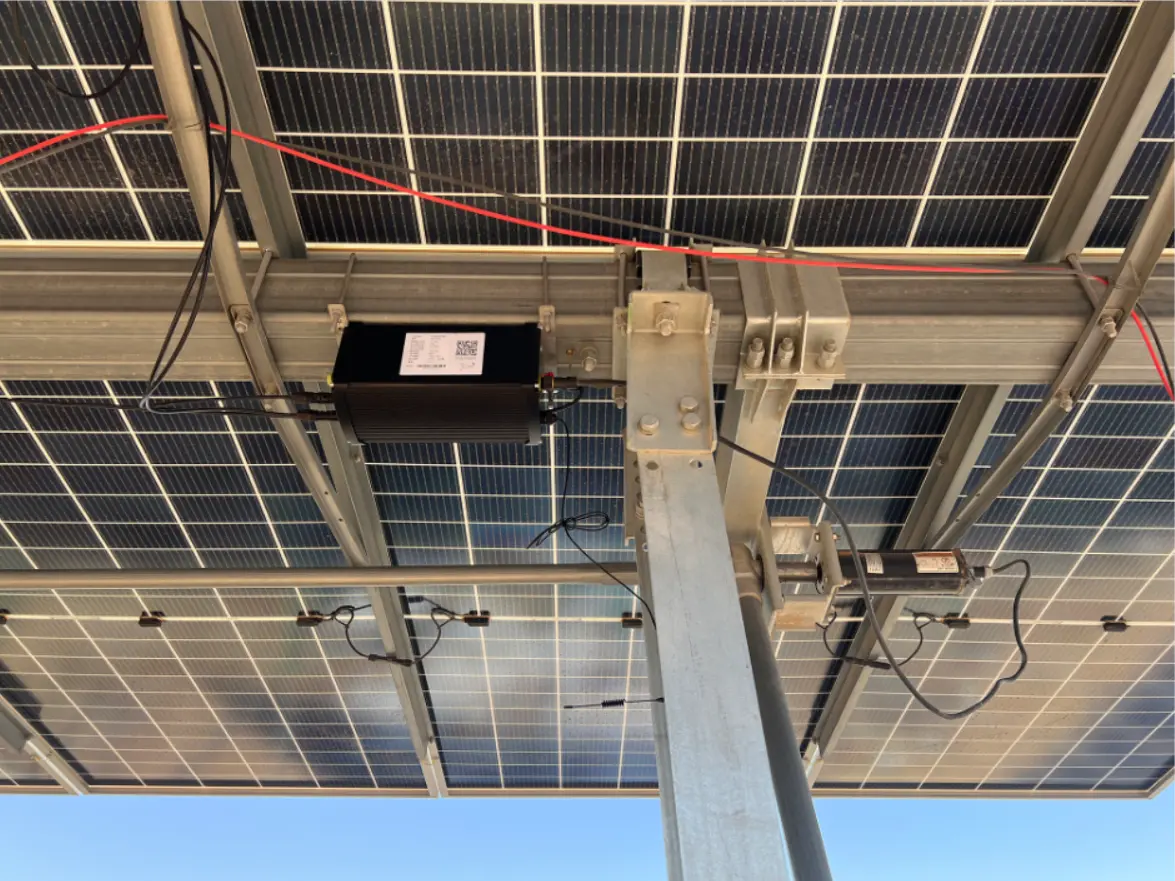
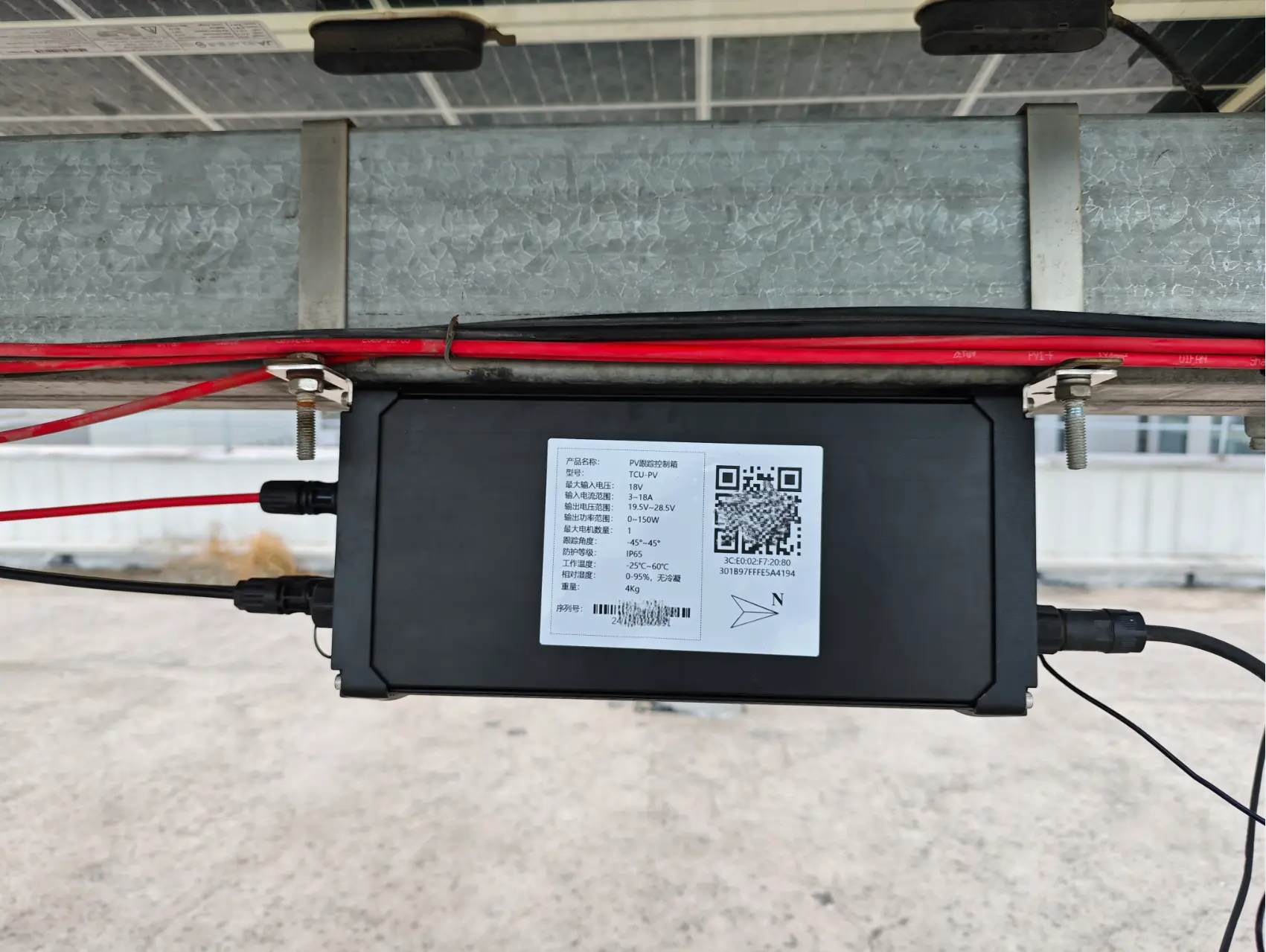
- TCU (Tracker Control Unit): The hardware embedded in each tracker row that receives positioning commands and drives the tracker motor. TCUs are increasingly integrated with IoT sensors and communication modules.
- NCU (Network Communication Unit): The plant-level communication hub that aggregates data from multiple TCUs and interfaces with the solar SCADA system. NCUs handle data logging, alarm management, and protocol translation (e.g., between Modbus and IEC 61850).
What Is Solar SCADA?
Solar SCADA (Supervisory Control and Data Acquisition) is the central software platform that monitors and controls all plant equipment — trackers, inverters, transformers, weather stations, and storage systems — from a single interface. For large-scale solar farms, SCADA systems are mission-critical, and European cybersecurity standards (now required in French tenders) make domestically manufactured SCADA platforms strategically important.France's €3.8 billion plan directly supports the domestic production of solar tracker controllers, TCU/NCU hardware, and solar SCADA platforms, reducing reliance on imported control systems while building a European industrial base in these high-value components.
Impact Analysis: Can €3.8 Billion Actually Move the Needle?
Short-Term Benefits
The direct beneficiaries are companies building or expanding solar tracker controller, TCU/NCU, and solar SCADA manufacturing lines in France. Subsidies can offset:- Equipment procurement costs for tracker controller assembly lines
- Investment in SCADA software development and hardware integration
- Upgradation of TCU/NCU production facilities
- Initial operating costs during ramp-up phases
Key Challenges and Constraints
1. Cost competitiveness gapIndustry data shows EU-manufactured solar components cost 30–50% more than equivalent imports from Asia. While the €3.8 billion subsidy helps, whether it fully closes the gap depends on global market price trends and the level of import protection EU policy ultimately provides.
2. Time-to-scale
Factory construction to full-scale production typically takes 2–3 years. The European solar manufacturing ecosystem — especially for advanced electronics like tracker controllers and SCADA platforms — is still building out the supply chains and expertise needed for large-scale, cost-competitive production.
3. Ecosystem maturity
Solar tracker controller and SCADA manufacturing require sophisticated electronics supply chains (semiconductors, sensors, embedded software). France currently has significant gaps in these vertical supply chains compared to established Asian manufacturers, creating a scale disadvantage.
4. Regulatory tailwinds
The flip side: the EU's Industrial Accelerator Act with its 70% local content requirements, France's resilience standards, and the expanding cybersecurity mandates for solar SCADA systems all create structural market access advantages for European-manufactured tracker controllers, TCU/NCU units, and SCADA platforms. These regulatory tailwinds could be decisive in making the €3.8B investment commercially viable.
The Bigger Picture: Europe Is Building a Domestic Clean Tech Manufacturing Ecosystem
France's €3.8 billion plan is not an isolated initiative — it's one piece of a €100+ billion EU-wide mosaic of member state clean tech manufacturing support approved since CISAF took effect in June 2025. The pattern is clear:- EU creates the framework (CISAF → Clean Industrial Deal → Industrial Accelerator Act)
- Member states design national aid programs targeting strategic clean tech sectors
- EU approves programs, providing state aid clearance and political legitimacy
- Companies respond by investing in domestic manufacturing capacity
For the solar industry, this means a structural shift toward European-produced solar tracker controllers, TCU/NCU systems, solar SCADA platforms, and PV modules — backed by both subsidy and regulatory mandate.
Conclusion
France's €3.8 billion clean tech manufacturing plan, approved by the European Commission on May 7, 2026, marks a decisive turn in Europe's industrial strategy for solar energy. By directly funding domestic production of solar tracker controllers, TCU/NCU systems, solar SCADA platforms, and PV modules, France — backed by the full EU CISAF framework — is attempting to build a vertically integrated European solar manufacturing ecosystem from raw materials to intelligent control systems.The challenges are real: higher manufacturing costs, immature supply chains, and a 2–3 year timeline to scale. But the regulatory tailwinds — 70% local content quotas, resilience standards in French tenders, and cybersecurity mandates for SCADA — are creating structural advantages for European manufacturers that may prove decisive.
For solar industry professionals, developers, EPCs, and investors, the message is clear: the era of purely cost-driven global solar procurement is giving way to a new paradigm of technology capability, industrial ecosystem, and regulatory compliance. Europe's €100+ billion clean tech manufacturing bet is now in execution. Whether it succeeds will define the global solar industry's competitive landscape through 2030 and beyond.
References
Related Solar Tracker Products