Email
Table of Content [Hide]

    Space Solar Power & AI Data Centers: How Solar Tracker Controllers Are Powering the Next Frontier


    Introduction
    In a landmark move that signals the dawn of space energy commercialization, Meta has signed a 1-gigawatt (GW) space-based solar power agreement with Overview Energy—a deal that could fundamentally reshape how the solar industry thinks about solar tracker controllers, solar TCU (Tracker Control Unit), solar NCU (Network Control Unit), and solar SCADA infrastructure.

    Announced April 27, 2026, the agreement will see space-based solar power delivered to Meta's U.S. AI data centers by 2030, marking the largest corporate energy purchase from space solar in history.

    For solar industry professionals, this isn't just a headline—it's a preview of the infrastructure demands to come. As ground-based solar assets increasingly serve as landing zones for space-transmitted energy, the role of solar tracker controllers and solar SCADA systems will evolve from ground-level optimization to space-ground energy integration hubs.


    1. The AI Energy Crisis: Why Tech Giants Are Looking to Space {#1-the-ai-energy-crisis}
    The motivation behind Meta's 1GW space solar deal is stark: AI data centers are approaching the limits of what traditional power infrastructure can deliver.

    Key energy consumption facts:
    • Meta's global data centers consumed over 18,000 GWh in 2024—enough to power approximately 1.7 million U.S. homes for a year.
    • Total tech industry data center electricity consumption is projected to double or even triple by 2028.
    • According to the International Energy Agency (IEA), global data center power demand grew 17% in 2025, with AI-focused high-performance facilities surging 50%.
    • AI model training and operations alone consumed approximately 485 TWh in 2025—a figure expected to double to 950 TWh by 2030, representing roughly 3% of global electricity demand.
    This creates a power trilemma that space solar uniquely resolves:

    Energy Source24/7 AvailabilityESG ComplianceSpeed to Deploy
    Ground Solar (with tracker)
    Night/weather gaps
    Yes
     Fast
    Gas Peakers
     Yes
     Carbon
     Fast
    Nuclear
     Yes
    Yes
    10+ year approval
    Space Solar
    Yes
     Yes
    2028 demo, 2030 commercial


    For AI operators, the appeal is clear: space-based solar can deliver firm, weather-independent power that complements ground solar assets—making solar tracker controller systems and solar SCADA platforms more valuable than ever as the interface between space and ground energy networks.


    2. Space-Based Solar: The Technology Behind the 1GW Deal {#2-space-based-solar-technology}

    How It Works
    Overview Energy, founded in 2022 and headquartered in Virginia, has assembled a team including former NASA administrators and FERC chairmen. Their technology architecture is elegantly complementary to existing ground infrastructure:
    1. Orbital Collection: Satellites in geostationary orbit collect high-intensity, uninterrupted solar energy in space
    1. Wireless Transmission: Near-infrared lasers transmit power wirelessly to existing ground-based solar farms
    1. Grid Integration: The received energy is converted via existing inverters to AC power for the grid
    The Key Innovation: Reusing Existing Solar Infrastructure
    Critically, Overview Energy's system is designed to retrofit existing solar farms rather than build new ones. It leverages:
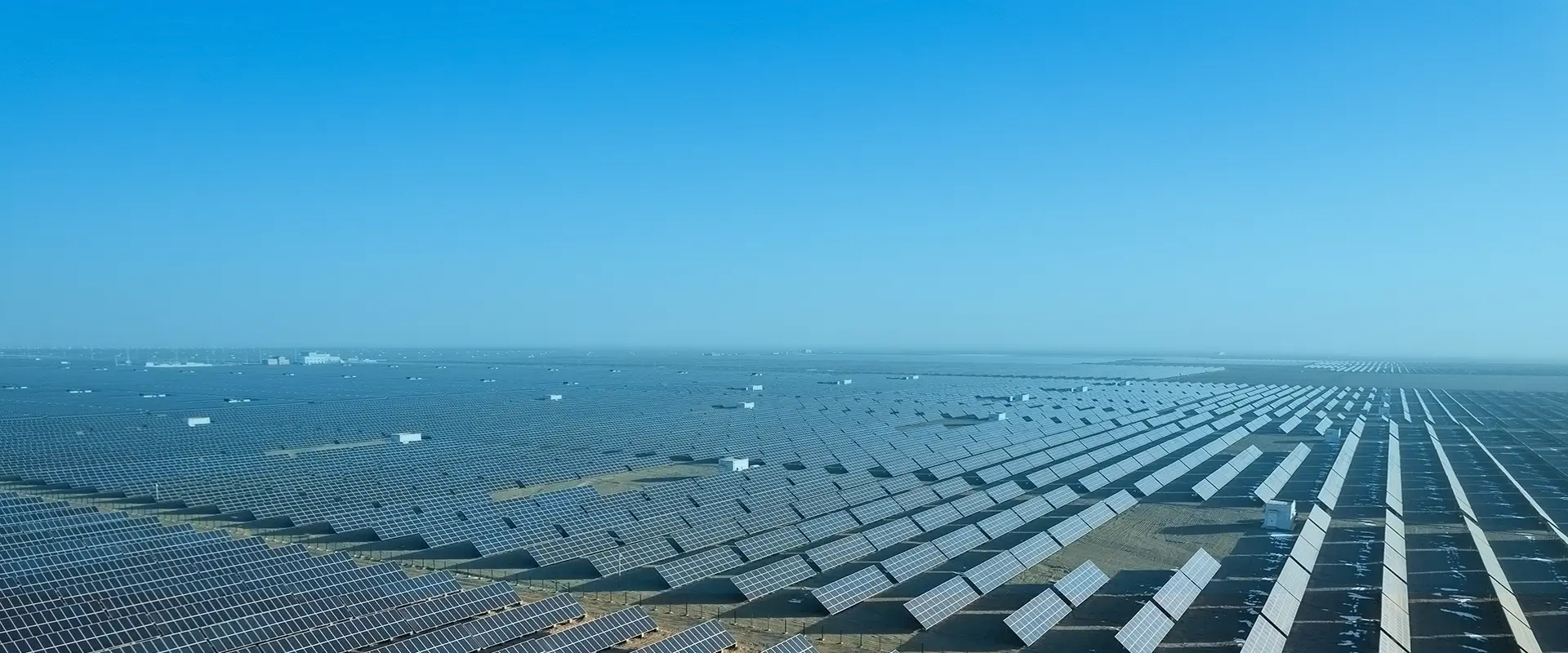
    • Existing photovoltaic (PV) arrays
    • Existing inverters
    • Existing solar TCU and solar NCU control infrastructure
    • Existing solar SCADA monitoring systems
    This dramatically lowers the economic barrier to adoption—ground solar operators can effectively "upgrade" their assets to receive space-based power during nighttime and low-irradiance periods, increasing solar tracker controller utilization rates without building new capacity.
    Solar Insight: When a ground solar plant adds space-based power supplementation, its solar SCADA platform must handle bidirectional power flow data—a new requirement that existing systems were not designed for.
    Battery Technology Roadmap
    The space solar industry is developing in three technological waves:

    TechnologyCurrent StatusRole in Space Solar
    GaAs (Gallium Arsenide)
    Commercial, deployed
    High-stability current demand
    P-type Ultra-Thin Silicon
     Mid-stage deployment
    Medium/low-orbit applications
    Perovskite/Tandem Cells
     Long-term future
    Theoretical efficiency up to 43%; cost ~$0.57/W; space vacuum naturally solves perovskite moisture degradation


    The adoption of tandem perovskite cells would dramatically reduce the cost of orbital solar hardware, creating massive new demand for solar NCU systems to manage more complex, higher-efficiency arrays.


    3. The Solar Tracker Controller Supply Chain Response {#3-solar-tracker-controller-supply-chain}
    Meta's 1GW agreement sends a clear signal to the global solar industry: the bottleneck for space solar commercialization is no longer demand—it's who can deliver reliability and cost at scale.

    For manufacturers of solar tracker controllers, this creates both an opportunity and a challenge:
    Opportunity: Ground Infrastructure as Space Energy Nodes
    As ground solar farms become receiving stations for space-based power, solar tracker controller systems gain a new function: space-energy coordination. This includes:
    • Managing power flow when both ground solar and space solar are delivering simultaneously
    • Integrating bidirectional energy data into solar SCADA dashboards
    • Coordinating with solar TCU hardware that must respond to space-transmitted power fluctuations
    Global Tracker Controller & Tracker Players
    The following companies are strategically positioned to benefit from the space solar buildout:

    CompanySpace Solar Relevance
    Array Technologies
    Primary solar tracker manufacturer; solar tracker controller systems directly applicable to hybrid space-ground farms
    Nextracker 
    Leading single-axis tracker supplier with solar NCU-compatible control architecture
    PVH (Powering, Holding)
    Tracker structural systems for next-gen high-efficiency arrays
    Arctech Solar
    Global tracker manufacturer with solar SCADA integration capabilities
    Technology Evolution: From Tracker to Energy Router
    The solar TCU of the 2030s will look fundamentally different from today's models. A next-generation solar TCU will need to:
    • Handle laser-to-electrical conversion data from orbital receivers
    • Interface with solar SCADA platforms that display both ground and space power inputs
    • Coordinate with solar NCU systems managing multi-farm power pooling

      4. Solar TCU, NCU & SCADA: The Unsung Infrastructure Heroes {#4-solar-tcu-ncu-scada}
      These three systems are the quiet backbone of every solar installation—and their importance will only grow as space solar scales.
      Solar TCU (Tracker Control Unit)
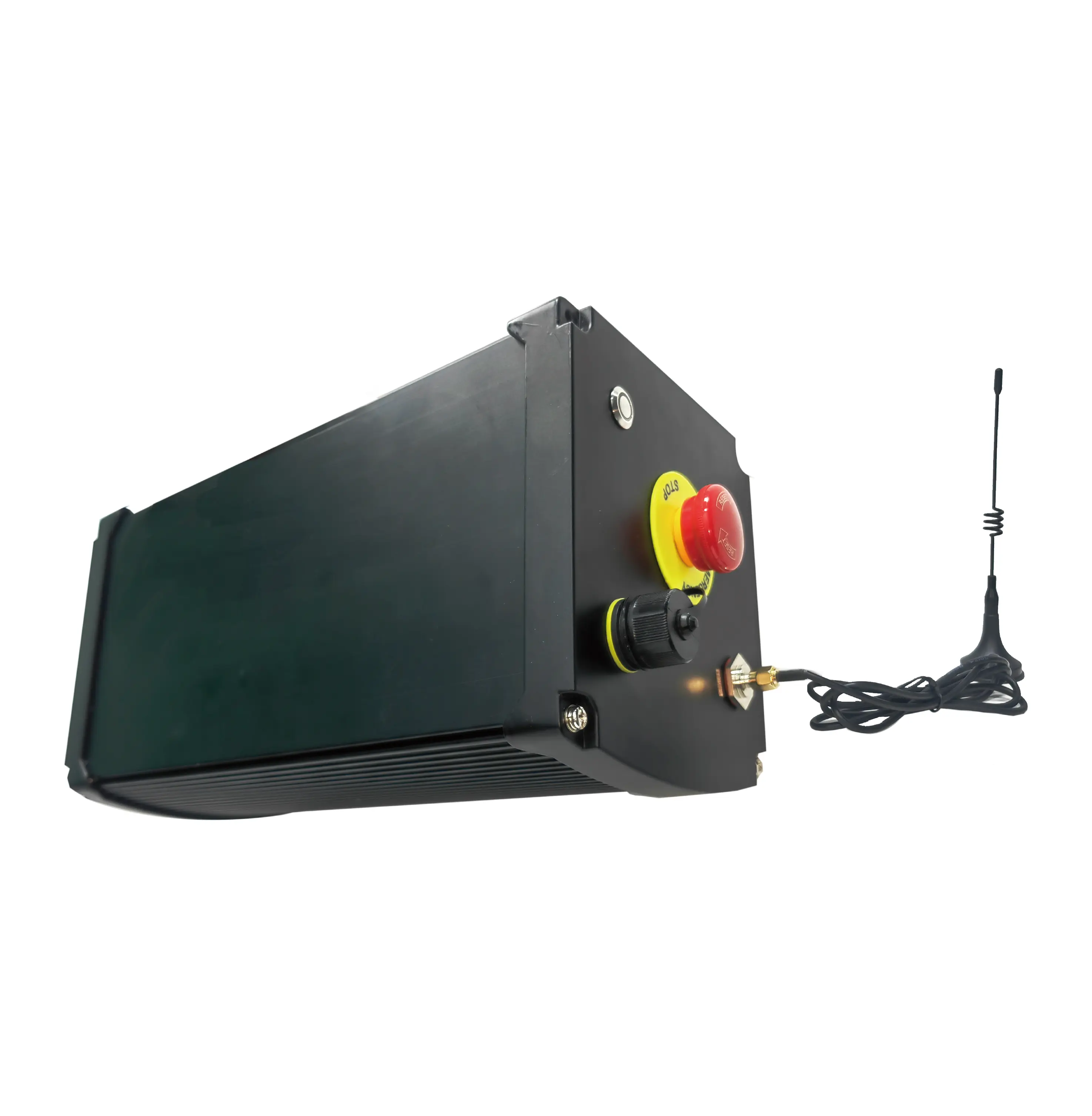
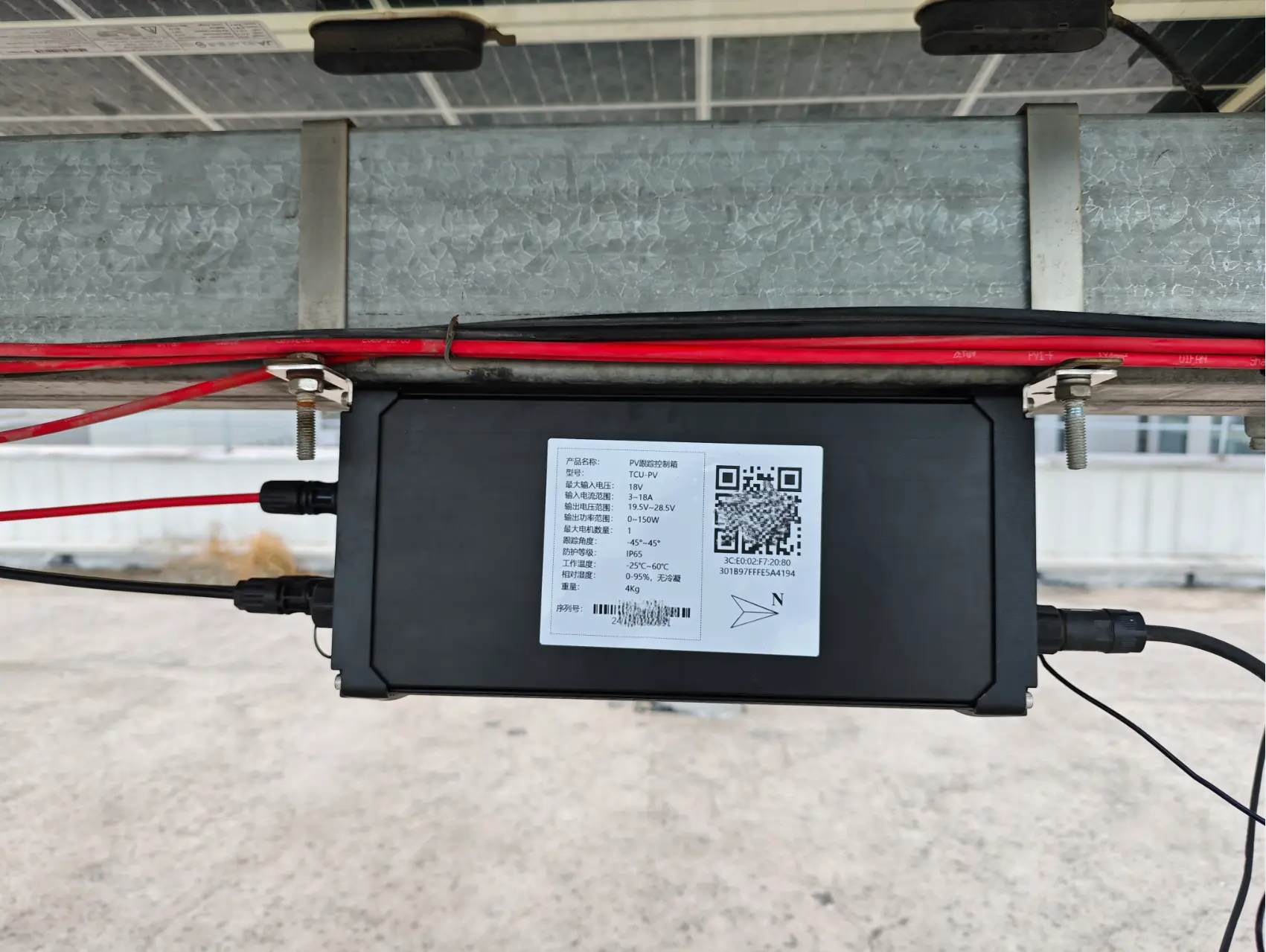
      The solar TCU is the hardware brain of single-axis solar trackers, controlling the motor drives that orient PV panels toward the sun. In a space-solar-hybrid world, the solar TCU gains a new role: managing the transition between ground-solar and space-solar power receipt.

      Current market leaders in solar TCU technology are companies that supply tracker OEMs globally. The TCU must now evolve to handle:
      • Power input data from space-based laser receivers
      • Grid stability signals based on combined space + ground output
      • Enhanced fault detection for hybrid power sources
      Solar NCU (Network Control Unit)
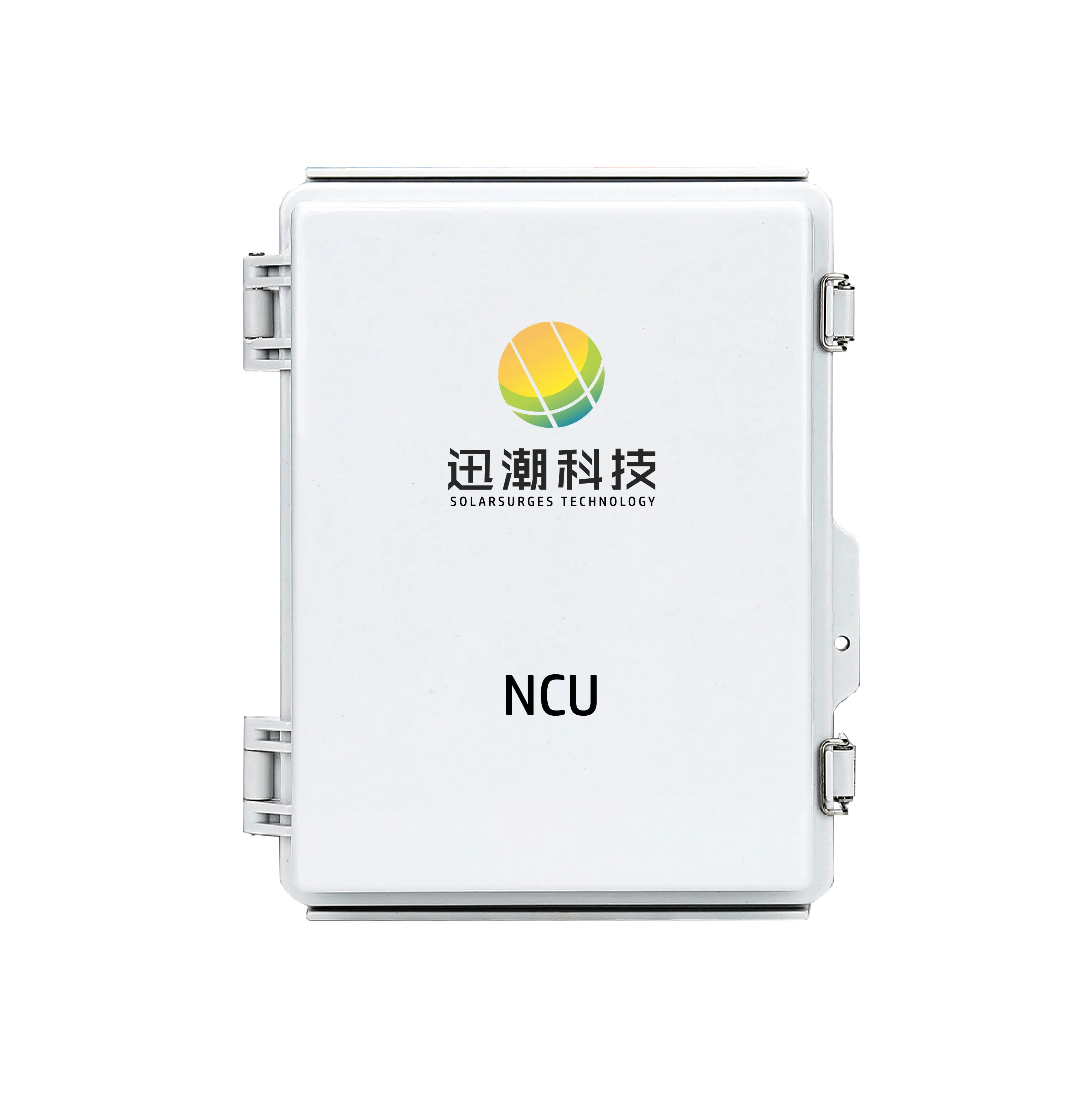
      The solar NCU sits one level above the TCU, managing groups of trackers and coordinating with plant-level systems. As solar farms become nodes in a space-to-ground power network, the solar NCU becomes the aggregation layer—collecting data from multiple solar TCU units and passing it to solar SCADA.

      The NCU's expanded responsibilities will include:
      • Aggregating space-transmitted power data across the plant
      • Coordinating with national grid operators on firm power delivery commitments
      • Managing power purchase agreement (PPA) metering for space-solar contributions
      Solar SCADA (Supervisory Control and Data Acquisition)
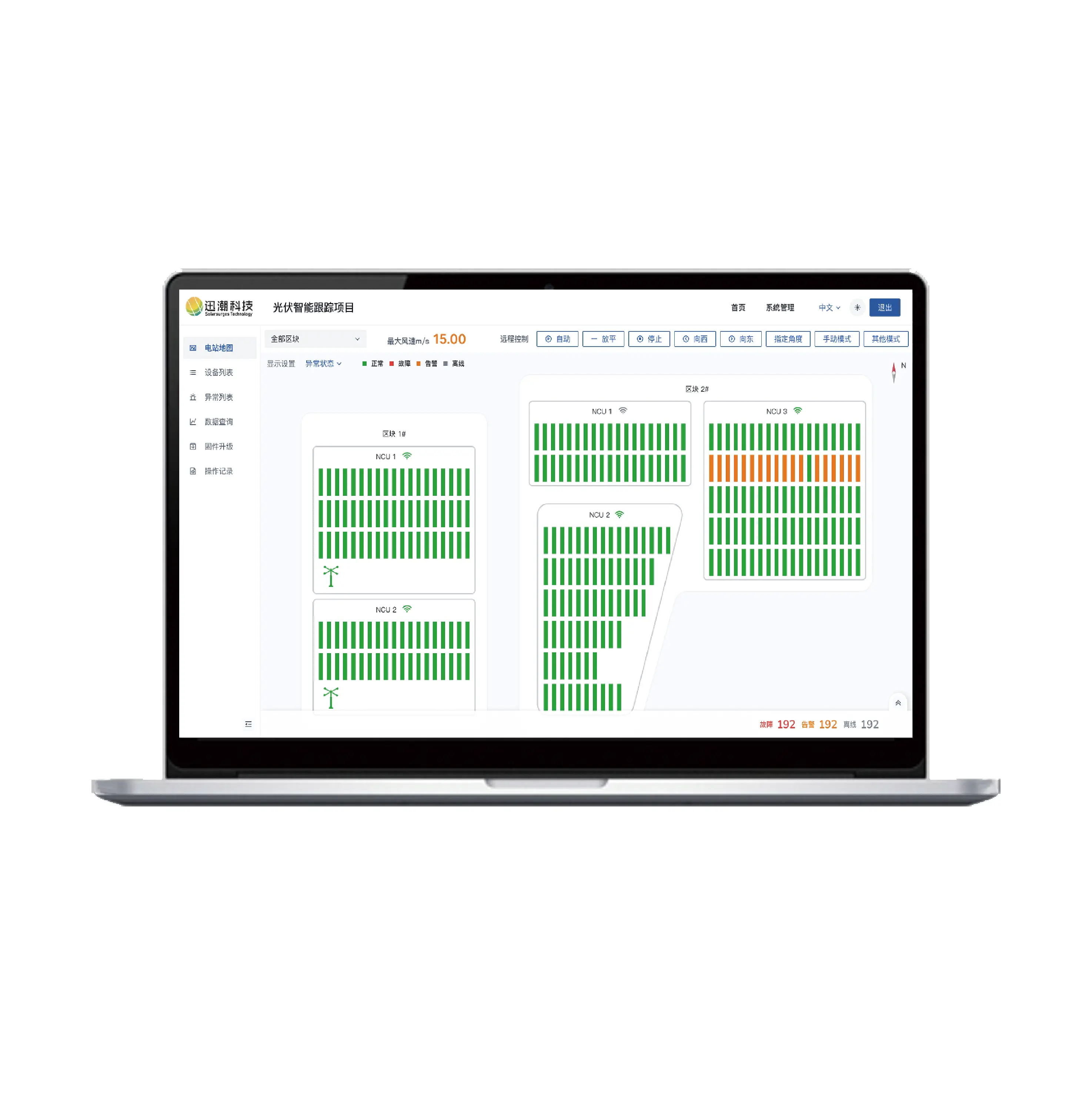
      Solar SCADA is the plant's central nervous system—the software platform that gives operators visibility and control over the entire solar installation. For space-solar-hybrid plants, solar SCADA platforms face a significant upgrade challenge:

      New SCADA requirements for space solar integration:

      | Function | Pre-Space Solar | Post-Space Solar |
      |---|---|---|
      | Power input sources | 1 (ground PV) | 2+ (ground + space) |
      | Data frequency | Minutes | Seconds (laser transmission rate) |
      | Grid stability control | Reactive | Predictive (space delivery scheduling) |
      | Reporting | Generation-focused | Generation + firm delivery + contract |


      Market context: The global solar SCADA market is growing at approximately 12.49% annually, reaching an estimated $1.717 billion by 2032. Space solar integration will be a significant growth driver within this segment.


      5. China's Strategic Position in Space Solar {#5-chinas-strategic-position}
      China occupies a uniquely strong position in the emerging space solar supply chain, with capabilities spanning the entire value chain from satellite integration to ground solar infrastructure.
      Satellite Manufacturing
      China Aerospace Science and Technology Corporation (CASC) subsidiary China Spacesat Undertakes over 60% of the low-orbit satellite development tasks(supplies over 60% of China's LEO satellite manufacturing needs) — making it the most order-certain player in the space solar satellite supply chain.


      Equipment & Materials
      • 迈为股份 (Meyer Burger) & 捷佳伟创 (JGWT): HJT/perovskite turnkey equipment giants now entering 太空光伏设备供应体系 (space solar equipment supply)
      • 瑞华泰 (Ruihuatai): Only domestic supplier of 航天级CPI薄膜 (space-grade CPI film) achieving on-orbit application—critical for flexible solar wings operating across -150°C to +150°C thermal extremes
      Thermal Management
      • 英维克 (Ekwiden) & 高澜股份 (GaoLan): Space-grade liquid cooling technology providing 高可靠性温控方案 (high-reliability thermal control) for on-satellite electronics
      6. Market Outlook & Investment Implications {#6-market-outlook}

      Market Size Projections
      | Metric | Figure | Source |
      |---|---|---|
      | Global space solar market (2025) | $753 million | Market research |
      | Global space solar market (2032) | $1.717 billion | Market research |
      | CAGR | 12.49% | Market research |
      | LEO satellite solar demand (2030) | ~¥29 billion (~$4 billion) | 申万宏源 (Shenwan Hongyuan) |
      | Space computing optimistic scenario | ¥220 billion+ (~$30 billion+) | 申万宏源 (Shenwan Hongyuan) |

      Timeline
      | Milestone | Date |
      |---|---|
      | First orbital demonstration | 2028 |
      | Commercial power transmission begins | 2030 |
      | Space computing profitability inflection | Early 2030s |

      What This Means for Solar Industry Professionals
      For those in the solar tracker controller, solar TCU, solar NCU, and solar SCADA industries, the Meta-Overview deal represents a category expansion, not just a new market segment. Key implications:
      1. Solar SCADA platforms will need substantial software upgrades to handle multi-source power inputs
      1. Solar TCU hardware may need redesign for higher data rates and precision timing synchronization with space transmissions
      1. Solar NCU systems will become aggregation points for geographically distributed space-solar-connected farms
      1. Solar tracker controller manufacturers who embed solar SCADA integration capabilities will have a competitive advantage

      Sources: Meta official statement, Reuters, SpaceNews, International Energy Agency (IEA), Guotai Junan Securities, Shenwan Hongyuan, and publicly available industry reports as of April 29, 2026. This article is for informational purposes only and does not constitute investment advice.


      References
      //