English
  中文
中文


June 11, 2026 – Reuters, citing the latest industry data, reported exclusively that the EU's public funding ban on Chinese-made solar inverters could affect more than 20% of the EU's annual new solar installations, exposing the region's growing fundamental contradiction between energy security concerns and climate targets. Brussels formally banned EU-funded renewable energy projects from using Chinese-made inverters last month, citing "cybersecurity risks," arguing that these networked devices could be used to sabotage European power grids through remote software updates. Officials warned this could provide a backdoor for external actors to "remotely shut down member states' networks or even trigger nationwide blackouts." ESMC Secretary-General Christopher Podwils confirmed to media that this is an "extremely strict" regulation with no power-based exemptions.
I. Core of the Ban: Cutting Funding, Not a Direct Sales Ban
The EIB funded 20% of the EU's solar deployments in 2025. The EIB stated it would "work closely with the Commission and market participants to support a resilient and competitive European inverter industry." Transition exemptions allow only projects with high maturity that can complete approval by November 1, 2026, to qualify; projects still in early stages are not eligible. Huatai Securities believes the overall impact of these restrictions is relatively manageable, but the implementation pace is expected to be rapid.
II. Quantifying the Impact: 14GW of New Capacity Under Threat
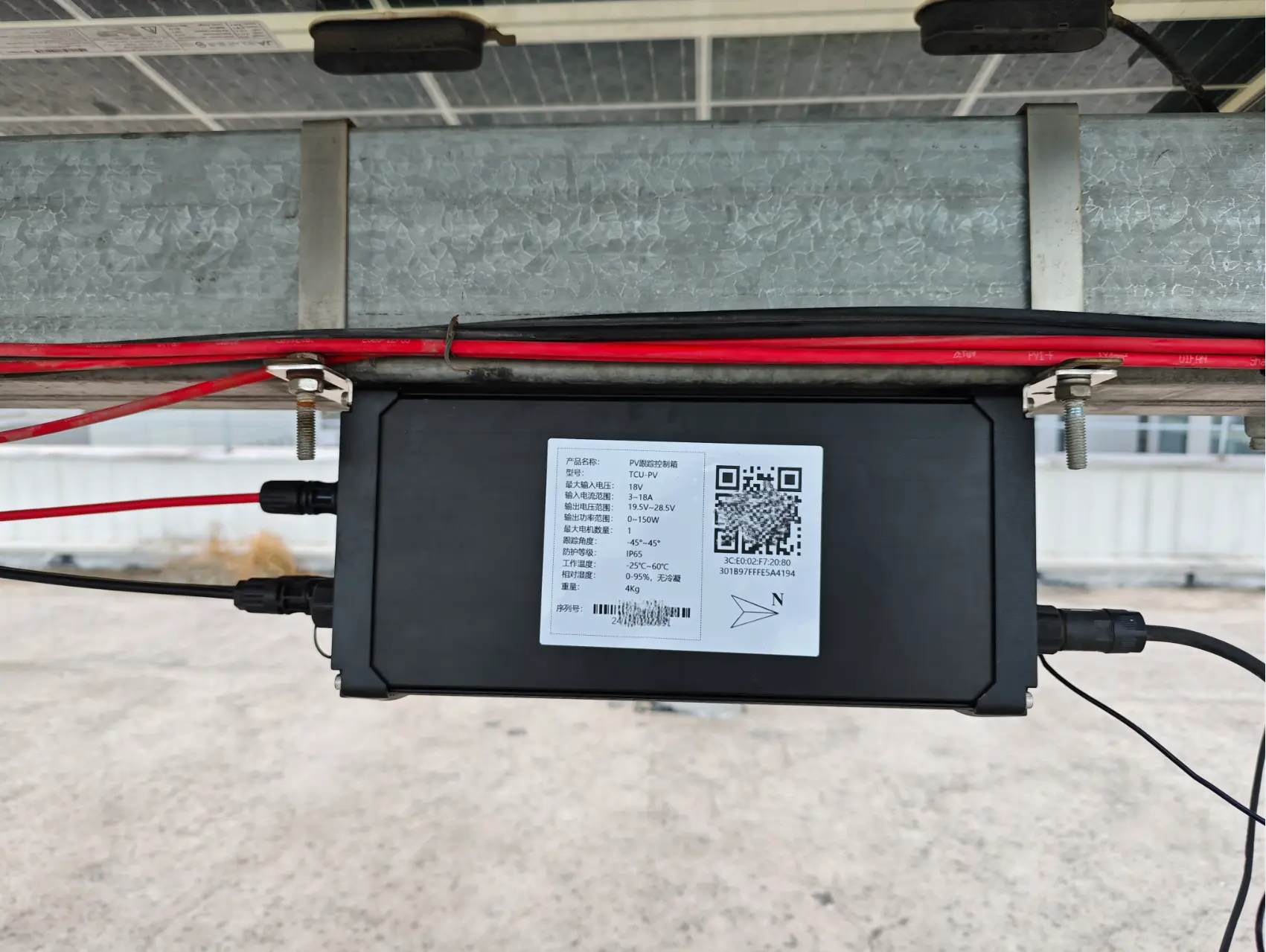
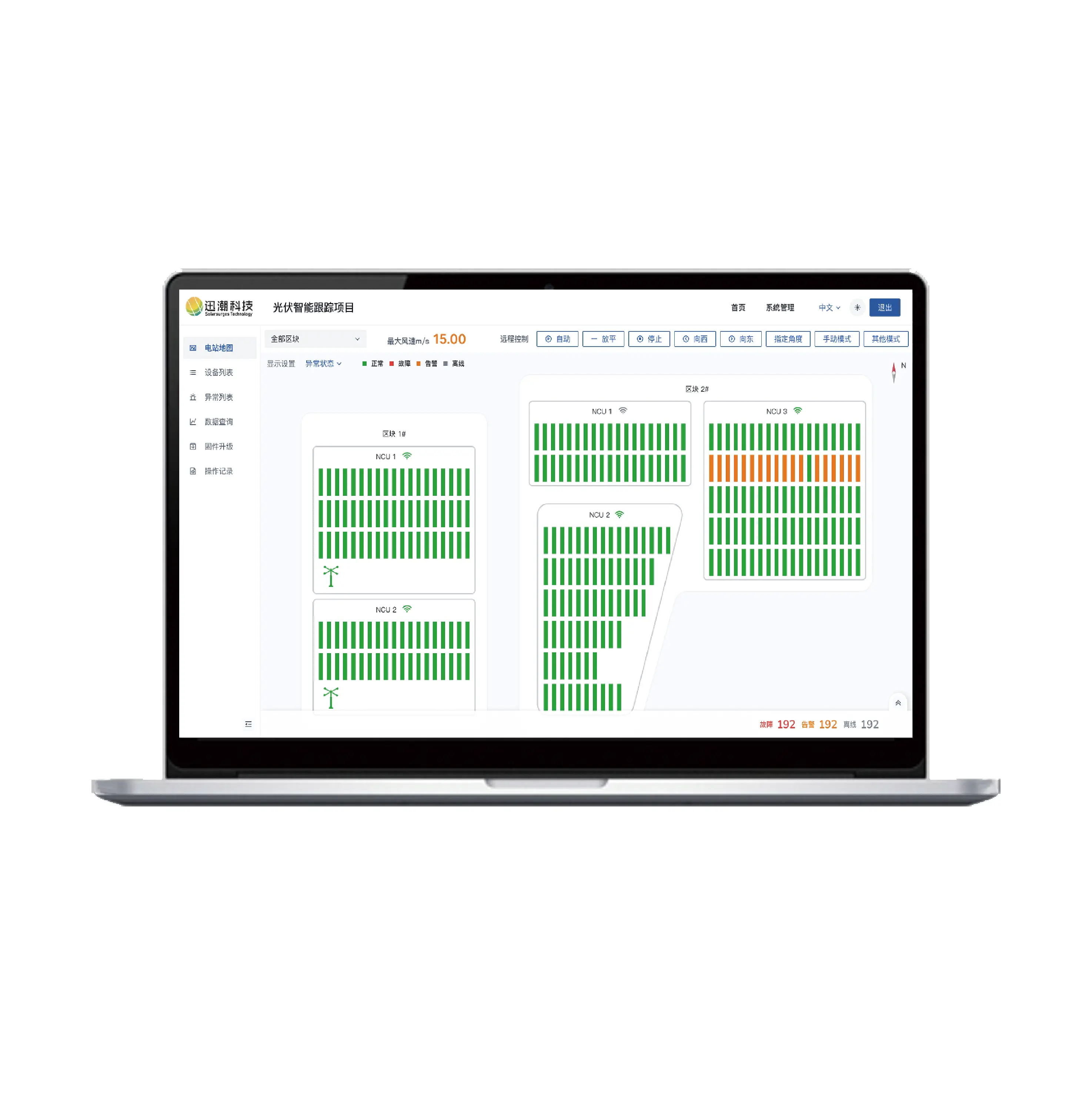
The ban targets networked inverters from "high-risk" countries. Chinese manufacturers led by Huawei and Sungrow have supplied approximately 70% of Europe's inverters in recent years. From 2018 to 2024, Europe's share of inverter imports from China surged from 45% to 61%. EU officials acknowledged the measure could slow solar deployment and drive up costs, while arguing the alternative is the formation of an increasingly serious vulnerability in the heart of Europe's power system. These networked devices often integrate advanced solar tracker controller and solar SCADA functionality, enabling remote monitoring and control of PV installations—a capability that has become standard in utility-scale solar farms across the continent.
III. Cost and Alternatives: European Manufacturing Carries High Price Tag and Insufficient Capacity
Price Gap
Current Alternative Production Capacity
IEA data shows China dominates the global inverter export market. As there is a significant gap between European and Chinese manufacturers in both production capacity and technology levels, the IEA believes disconnecting from Chinese supply will come at a high cost and be difficult to achieve. Even under the ESMC's most optimistic forecasts, European manufacturers need at least 6 to 12 months to scale up production capacity—this will inevitably slow the EU's clean energy transition. Industry analysts note that European manufacturers of PV tracker controller systems and solar TCU (Tracker Control Unit) and NCU (Network Control Unit) components are particularly ill-positioned to absorb a sudden surge in demand, given their limited production scale compared to Chinese rivals.
IV. Industry and Regional Reactions Diverge
Industry Division: European Companies Welcome It, Developers Are Worried
Regional Differentiation and Alternative Prospects
EU officials hinted that stricter measures may follow. A legal framework under negotiation could pave the way for an EU-wide ban on inverters from high-risk suppliers, depending on ongoing security assessments. "This first depends on China's behavior," a senior EU official said. The ESMC has publicly urged Brussels to consider a more thorough ban, while Aurora Energy Research analysts warned that without Chinese technology, achieving Europe's renewable energy targets may be difficult in the short to medium term.
V. China's Response: Dual Strategy of Compliance Enhancement and Market Redirection
On proactive compliance, Sungrow stated it will strictly comply with EU regulations, embedding cybersecurity compliance into its full-system operations. On overseas localized manufacturing, establishing local production bases in Europe has become a key breakthrough. Some leading Chinese inverter manufacturers are actively exploring plans to set up localized assembly bases in Europe to meet the EU's new "local content" requirements while consolidating their brand competitiveness in the European market.
Related Solar Tracker Products