English
  中文
中文


The strongest signal coming out of the event was unmistakable: PV+storage integration is moving from industry vision to large-scale commercial deployment. From hall layouts to exhibitor booths, from conference topics to industry dialogue, integrated "PV + storage" system solutions have replaced single-component showcases as the undisputed centerpiece. The scale and visibility of storage-themed exhibits expanded dramatically, and the boundary between solar and storage is dissolving fast.
According to EU Solar Market Outlook 2025–2030, the most recent report from SolarPower Europe, the EU added 65.1 GW of new solar capacity in 2025, a slight 0.7% decline from 65.6 GW in 2024. This marks the first annual decline in EU solar installations since 2016. At the same time, cumulative EU solar capacity has reached approximately 406 GW, hitting the 400 GW target set in the 2022 EU Solar Energy Strategy two years ahead of schedule.
This rapid scale-up has brought unprecedented pressure on grid absorption. According to energy think tank Ember, wind and solar together supplied 30% of total EU electricity in 2025, surpassing fossil fuels for the first time. But this success has also created a new challenge. On the opening day of the exhibition, the very first sentence on the Intersolar Europe website read: "Europe is once again facing an energy crisis—a reminder of how fragile a fossil-fuel-based energy system truly is."
The mismatch between midday solar generation peaks and evening consumption peaks has become the central contradiction of the European power system. SolarPower Europe research indicates that, by 2030, energy storage capacity will need to roughly quadruple from current levels to 171 GW, with average storage duration extended to 3.5 hours. Achieving this target could halve energy system operating costs, the association projects.
On the geopolitical front, 29% of EU electricity still came from fossil fuels in 2025, exposing the bloc to oil and gas price volatility driven by overseas conflicts. SolarPower Europe noted that, in just the first two months after the latest Middle East conflict, solar generation saved the EU €8.5 billion in natural gas import costs, and annual savings could exceed €50 billion by 2030.
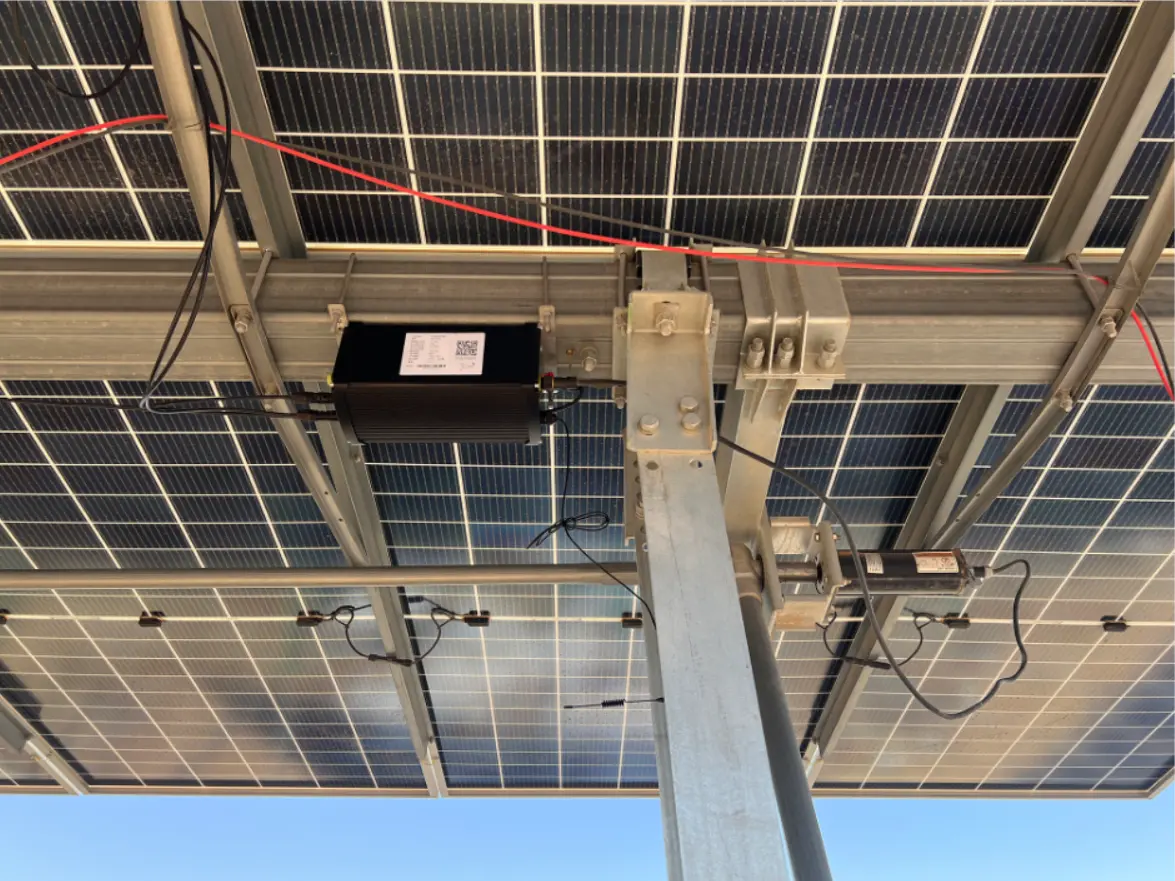
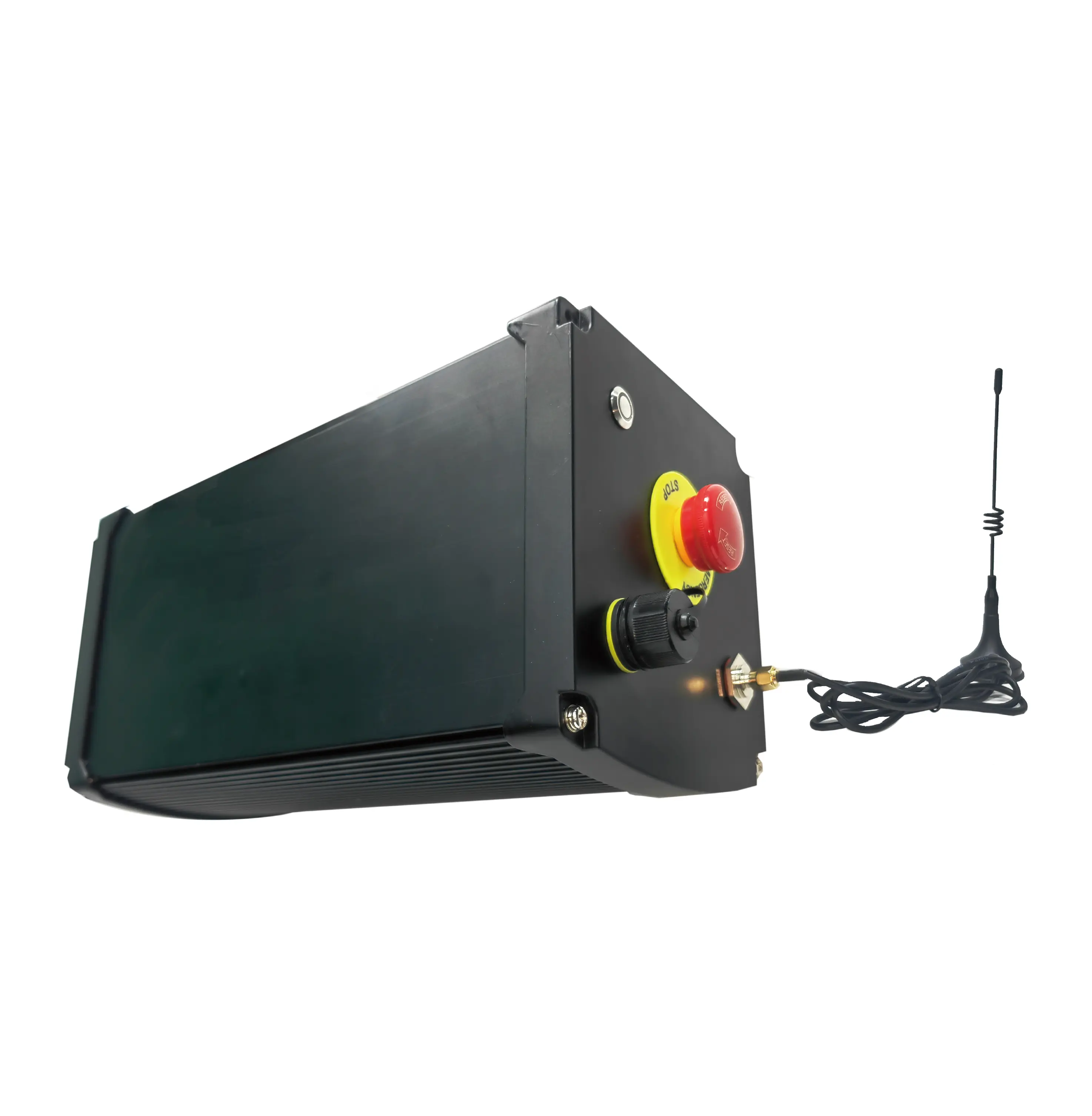
This structural shift has profound implications for solar tracker technology. As more PV plants operate during periods of negative pricing and grid congestion, the solar tracker controller is no longer a simple "follow the sun" device. Modern trackers must coordinate with battery storage, react to dynamic price signals, and dynamically limit output during curtailment windows. In other words, the PV tracker controller has evolved from a mechanical actuator into a real-time grid-edge intelligence node.
The core logic is clean and direct: pair PV generation, battery storage, and grid connection at a single point of common coupling, charge the battery during midday generation peaks, and discharge during evening demand peaks. This dramatically reduces grid stress and helps project operators hedge against negative pricing—negative wholesale electricity prices during European solar peak hours have evolved from a "rare phenomenon" into a structural norm.
At this year's exhibition, several large-scale hybrid power plant projects were highlighted as reference cases. The UK's Cleve Hill project combines a 373 MW PV plant with 150 MW of battery storage. Germany's Gundelsheim Energy Park layers wind on top of solar-plus-storage. Poland's 303 MWp Brzezinka PV park pairs with 106 MW of battery storage.
This trend is backed by solid economics. According to BloombergNEF, the price of stationary storage dropped to $70/kWh in 2025, the steepest decline of any battery segment. The widespread adoption of LFP chemistry, the build-out of Chinese manufacturing capacity, and intense market competition drove this cost reduction.
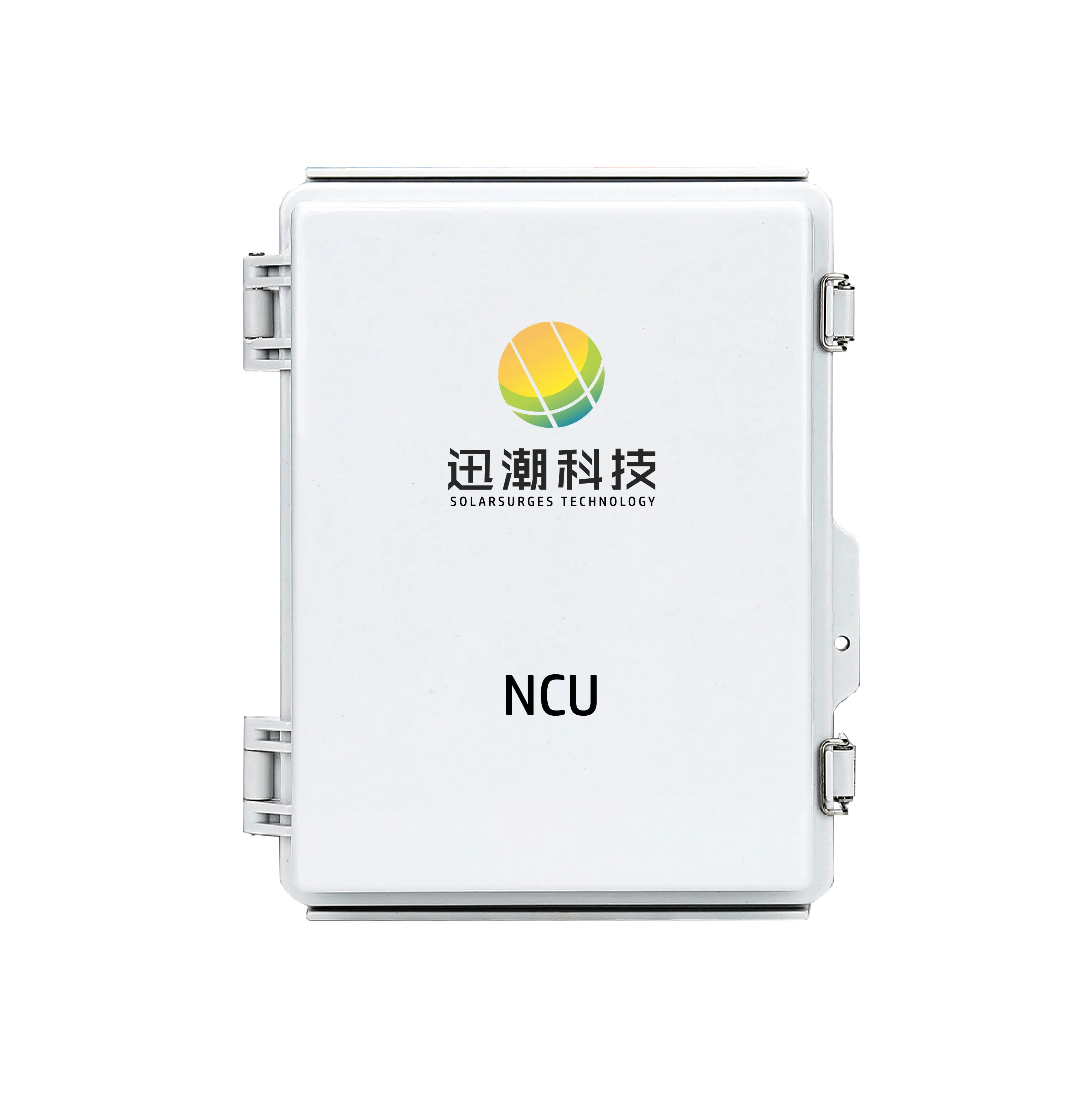
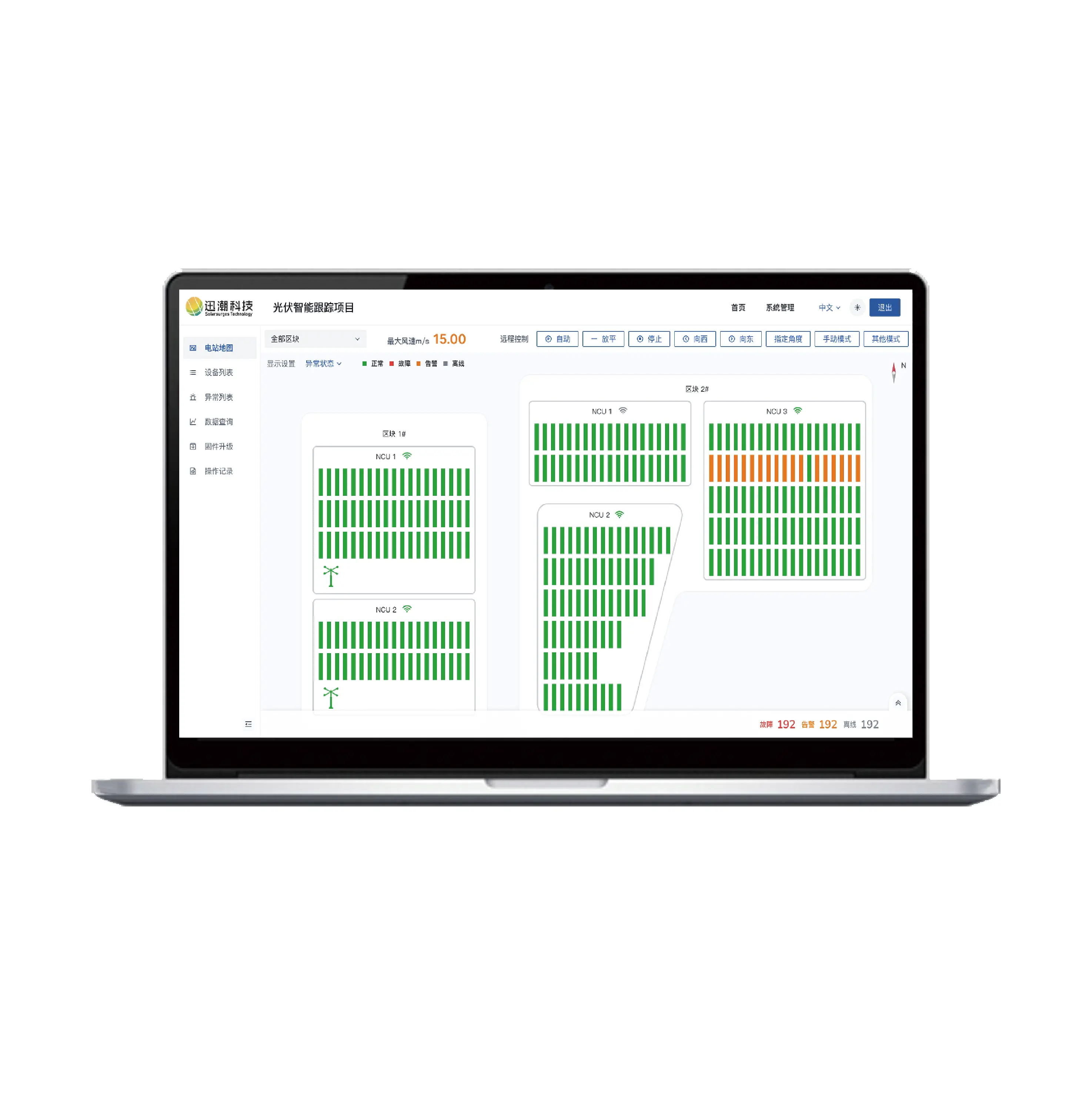
In the commercial and industrial (C&I) segment, a dedicated forum on integrating PV, storage, and EV charging drew strong attendance. Sungrow opened with a PV-storage-charging integrated case study, while Germany's iwell demonstrated how a truck charging hub can coordinate storage and energy management in real time. Rooftop systems on factories, warehouses, and office buildings are being tightly integrated with battery storage, heat pumps, and charging infrastructure—each subsystem coordinated by a central solar NCU that balances generation, storage state of charge, and load.
Germany's EEG-mandated feed-in tariff for renewable energy will officially end in late 2026. Market participants broadly worry that, without the EEG tariff, debt financing for new projects will become significantly harder, and they are calling for reliable framework conditions. Meanwhile, Contracts for Difference (CfD) are replacing traditional fixed-tariff subsidy models in several EU member states, using a strike-price-plus-clawback mechanism to balance revenue and risk.
This structural shift is accelerating the search for new business models and technical solutions. Hybrid power plants open up a new revenue stream through arbitrage—charging when prices are low and discharging when prices are high—in a marketized electricity environment. The logic of European solar is undergoing a fundamental change: from a "build-more-and-win" scale race to a "system-equals-value" operating discipline.
For developers and EPCs, this shift changes the procurement logic. A solar tracker controller is no longer evaluated purely on mechanical accuracy and price. Procurement teams now ask: Can the PV tracker controller integrate with the plant's SCADA and battery EMS via open protocols? Does the solar TCU support over-the-air firmware updates and remote diagnostics? Can the solar NCU expose real-time telemetry to the utility for ancillary services such as frequency response? Hardware that cannot answer these questions is being deprioritized in tender evaluations across Europe.
On opening day (June 23), Huawei unveiled its 2026 Smart PV Strategy and a new generation of grid-forming energy storage platform, LUTERRA™, under the theme "Building the green power engine of an intelligent world", focusing on grid-forming, AI, and PV+storage integration. Huawei's SUN2000-506KTL smart string inverter won the The smarter E AWARD, with power density approaching 1.5 MW per cubic meter and maximum efficiency above 99%.
Envision Energy Group launched three flagship energy system solutions: an AI Power System, the Gen 8 4.X MWh long-duration energy storage system, and an integrated wind-solar-storage solution. The AI Power System fuses wind-solar-storage integration, solid-state transformers, 800 V DC supply, storage systems, and AI-driven dispatch, built to deliver next-generation power infrastructure for AI data centers. Envision's Gen 8 long-duration storage system supports 8 to 16 hours of duration, with 91% round-trip efficiency.
Trina Solar exhibited industry-standard-format perovskite-silicon tandem modules with peak power output of 886 W, and launched the next-generation Vertex N G3 modules with up to 760 W output and 24.5% efficiency. Trina also showed its terrain-adaptive solar tracking system—a key application area for advanced solar tracker controllers—and utility-scale storage systems. Trina is celebrating 20 years in the European market.
Sigenstack presented integrated residential PV+storage systems (SigenStor Neo) and a new cabinet-style C&I storage system, organized around residential, C&I, and utility-scale scenarios. Haier Energy made its Intersolar debut, showcasing the E-Tower Ultra integrated residential storage system and the HEnvision AI energy management platform. Hinen Technology focused on "high efficiency, intelligence, and safety," launching a lightweight balcony micro-storage solution. Shenzhen Senergy targeted European market needs with new grid-tied and storage inverters plus ODM customization.
On the module side, Aiko's ABC Gen 4 modules took the spotlight on the Intersolar website advertising slot before the show opened. LONGi, Sungrow, and other Chinese companies broadly showcased integrated PV+storage solutions. REPT Battero made a high-profile appearance, with international football legend Lothar Matthäus as brand ambassador.
The 2026 edition focused on hybrid PV power plants and innovative financing models, demonstrating the落地 results and frontier trends of Europe's market-oriented, system-based energy transition. When solar generation no longer enjoys fixed feed-in tariffs, when the grid can no longer absorb every kilowatt-hour unconditionally, the system integration capability of "PV + storage" will replace pure module efficiency as the core variable that determines project investment returns.
The solar tracker controller sits at the heart of this integration story. It is the device that translates a forecast, a price signal, and a battery state of charge into a precise tracker angle, updated every few seconds, for thousands of structures across a plant. A fleet of well-tuned solar TCUs, orchestrated by a capable solar NCU, is what turns a solar field from a passive generator into an active grid asset. As hybrid plants proliferate and ancillary services become a meaningful revenue stream, the PV tracker controller is moving from a commodity component to a strategic differentiator.
As this year's exhibition made clear: in the second half of the solar industry, the competition is no longer about who generates more electricity—it is about who can ensure every kilowatt-hour generated is used at the right time and at the right price. In this transition from "installation race" to "system integration," the companies that combine PV+storage technology capability, AI-driven dispatch systems, and global service networks—and that build intelligent, NCU-orchestrated PV tracker controller platforms—will be the first to seize the initiative in the next round of competition.
Related Solar Tracker Products