English
  中文
中文


The number alone rewrites the record books. Saudi Aramco's 2019 IPO raised $29.4 billion; SpaceX's offering is more than 2.5× that figure—the largest IPO in the history of global capital markets.
On day one, SPCX opened at $174 (a 29% premium to the IPO price) and closed up 19%, lifting the company's market capitalization to $2.1 trillion—the sixth-largest listed company in the world. At the IPO price, SpaceX was already valued at $1.77 trillion, surpassing Tesla to become the seventh-largest U.S. company by market cap. The underwriter syndicate retains a 30-day option on an additional 83.33 million shares; if fully exercised, total proceeds could reach $86 billion.
SpaceX was founded in 2002 in Hawthorne, Texas (later relocated to Texas) with the mission of cutting the cost of space transport and ultimately enabling permanent human settlement on Mars. Over 24 years, Musk vertically integrated launch vehicles, low-Earth-orbit satellite broadband, and artificial intelligence into what is now a three-pillar commercial space enterprise.
A long-time skeptic of public markets, Musk finally pushed SpaceX onto the public stage on May 20, 2026, when the company filed its S-1 prospectus with the SEC. In a move almost unheard of in modern IPO practice, SpaceX skipped the typical price-range discovery process and adopted a take-it-or-leave-it fixed-price model: $135 per share, no negotiation.
First, repay a $20 billion transitional bridge loan. Within six months of listing, the company must use IPO proceeds and debt financing to retire part of this facility.
Second, scale AI compute infrastructure. In Q1 2026, SpaceX's capital expenditure hit $10.1 billion, doubling year-over-year, of which $7.7 billion went directly into AI. The acquisition of xAI formally brought SpaceX deep into the AI race.
Third, upgrade launch infrastructure and expand the Starlink constellation. As of June 2, 2026, Starlink had 10,375 satellites in orbit, with an approved constellation ceiling of 42,000.
Yet the company remains deeply unprofitable in aggregate. Q1 2026 net loss was $4.28 billion; full-year 2025 net loss was $4.94 billion. Cumulative losses since the 2002 founding stand at roughly $41.3 billion. The prospectus explicitly warns investors that the company may never achieve overall profitability. Veteran short seller James Chanos, founder of Kynikos Associates, has publicly stated that SpaceX's valuation "cannot be justified under any reasonable set of business assumptions."
Musk himself became the world's first trillionaire. At the IPO price, his SpaceX stake is worth approximately $867 billion; combined with his Tesla holdings, his equity in the two companies exceeds $1.1 trillion. Although Musk holds only ~42% of SpaceX's equity, his 93.6% holding of Class B super-voting shares (10 votes per share) gives him 85.1% absolute voting control post-IPO.
At the 2026 World Economic Forum in Davos, Musk disclosed that Tesla and SpaceX each plan to build 100 GW of annual solar cell manufacturing capacity in the United States within three years. In May 2026, SpaceX filed building permits in Bastrop County, Texas, for a 10 GW-per-year solar cell fab.
The more ambitious vision is orbital. In November 2025, Musk announced a plan to deploy 100 GW per year of orbital data-center compute capacity within four to five years. According to the SpaceX prospectus, the first orbital AI compute satellites are scheduled for in-orbit deployment as early as 2028. Each AI1 satellite will carry a 70-meter-wingspan solar array capable of supporting a 120 kW continuous / 150 kW peak compute load. Positioned in low-Earth orbit, the constellation will leverage the abundant solar irradiance and ultra-low thermal vacuum of space to solve two of the most stubborn problems facing terrestrial AI infrastructure: energy supply and heat dissipation.
Closer to Earth, China's space-PV sector is already attracting significant capital. According to Wind data, China's Space Solar Index has risen 64.11% over the past year. JinkoSolar, Risen Energy, Junxun, and JA Solar have all disclosed space-PV programs, with several launching in-orbit validation tests. At SNEC 2026, the "Space Energy Development Alliance" was officially inaugurated.
With a single $75 billion IPO, SpaceX has demonstrated the commercial viability of the space economy—and solar is the indispensable energy substrate of that journey.
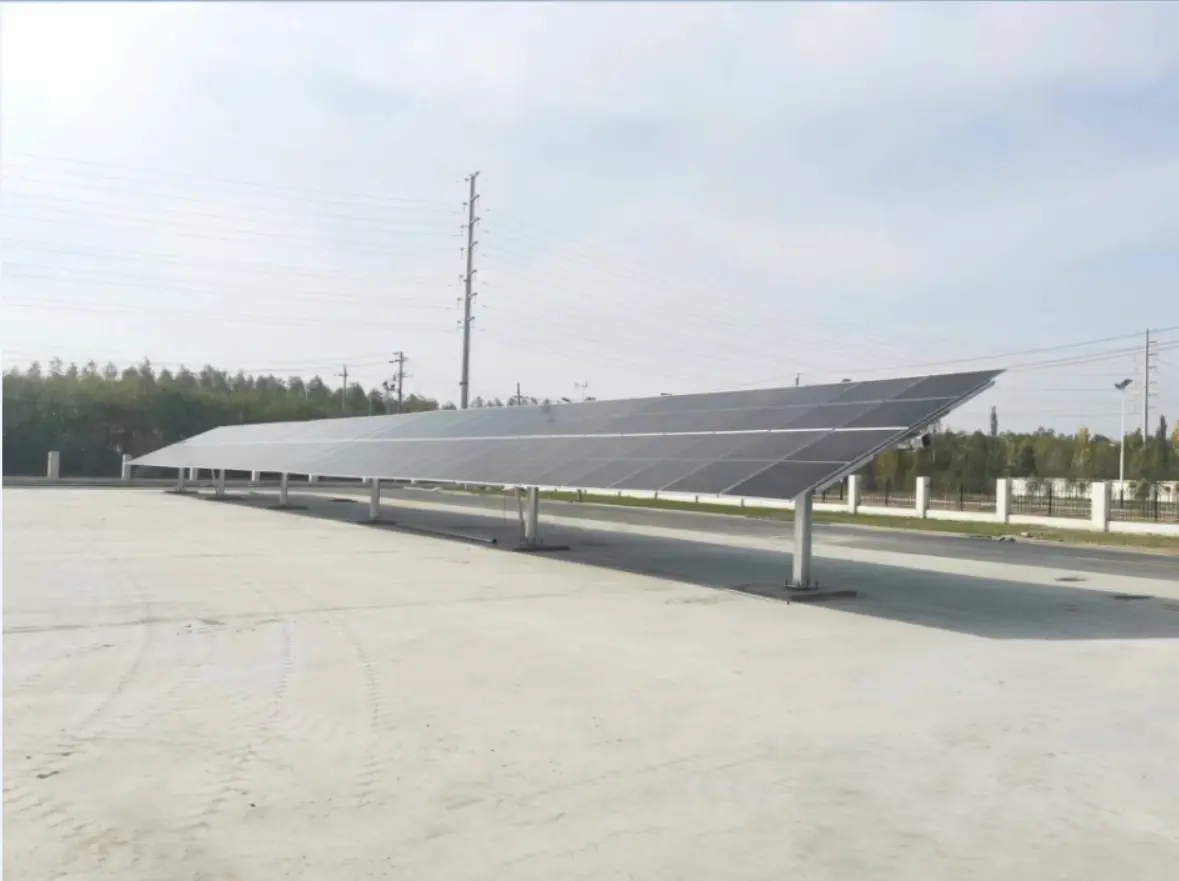
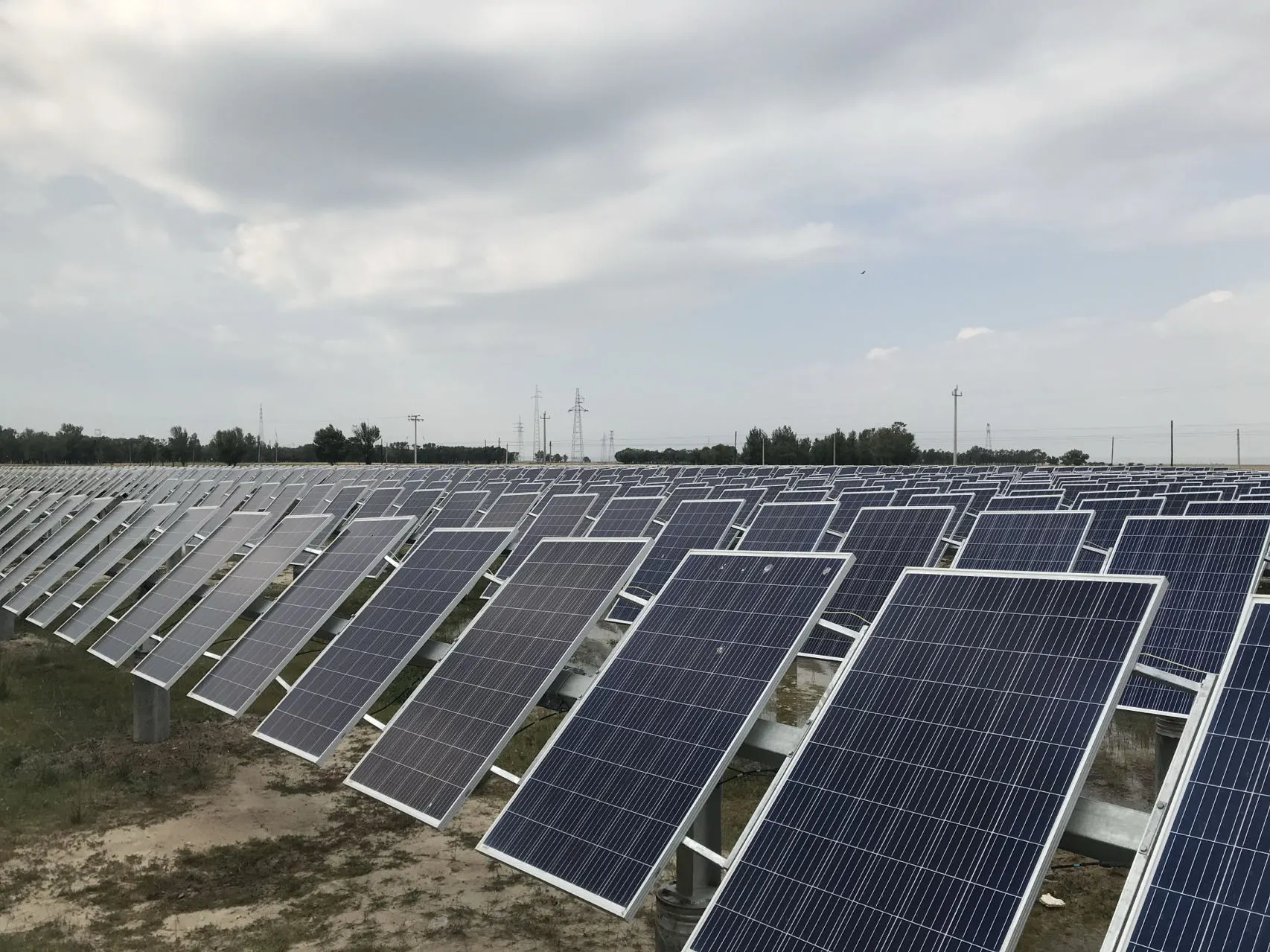
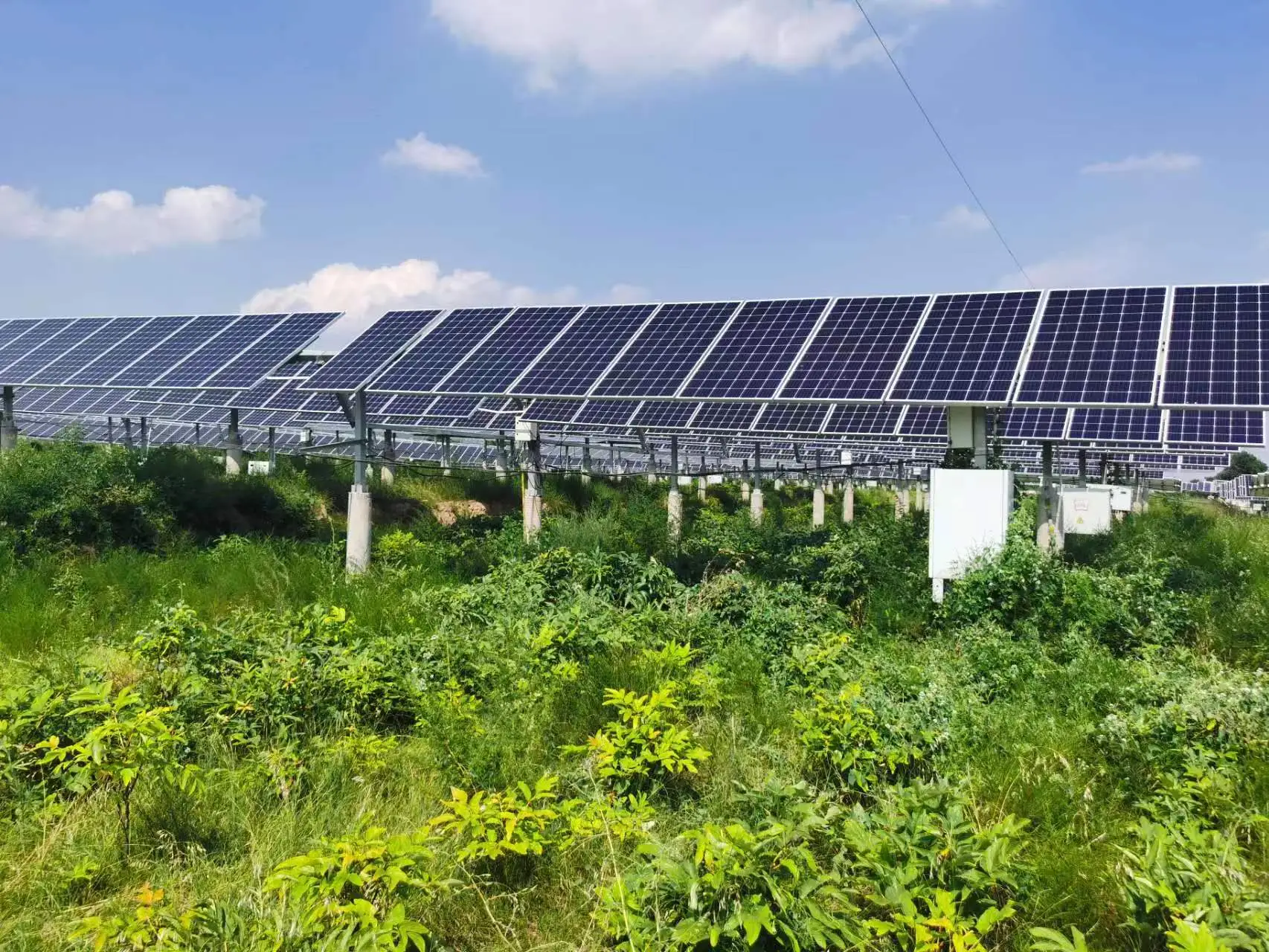
SpaceX's AI1 satellite is, in essence, a single-axis tracker scaled to orbit. The math is unforgiving at this scale: a 1° pointing error costs megawatt-hours per satellite per year. The control theory a solar TCU (tracker control unit) uses to keep a ground panel aligned is the same control theory that keeps an orbital array pointed at the sun—only the actuators, the radiation environment, and the consequence of failure are different.
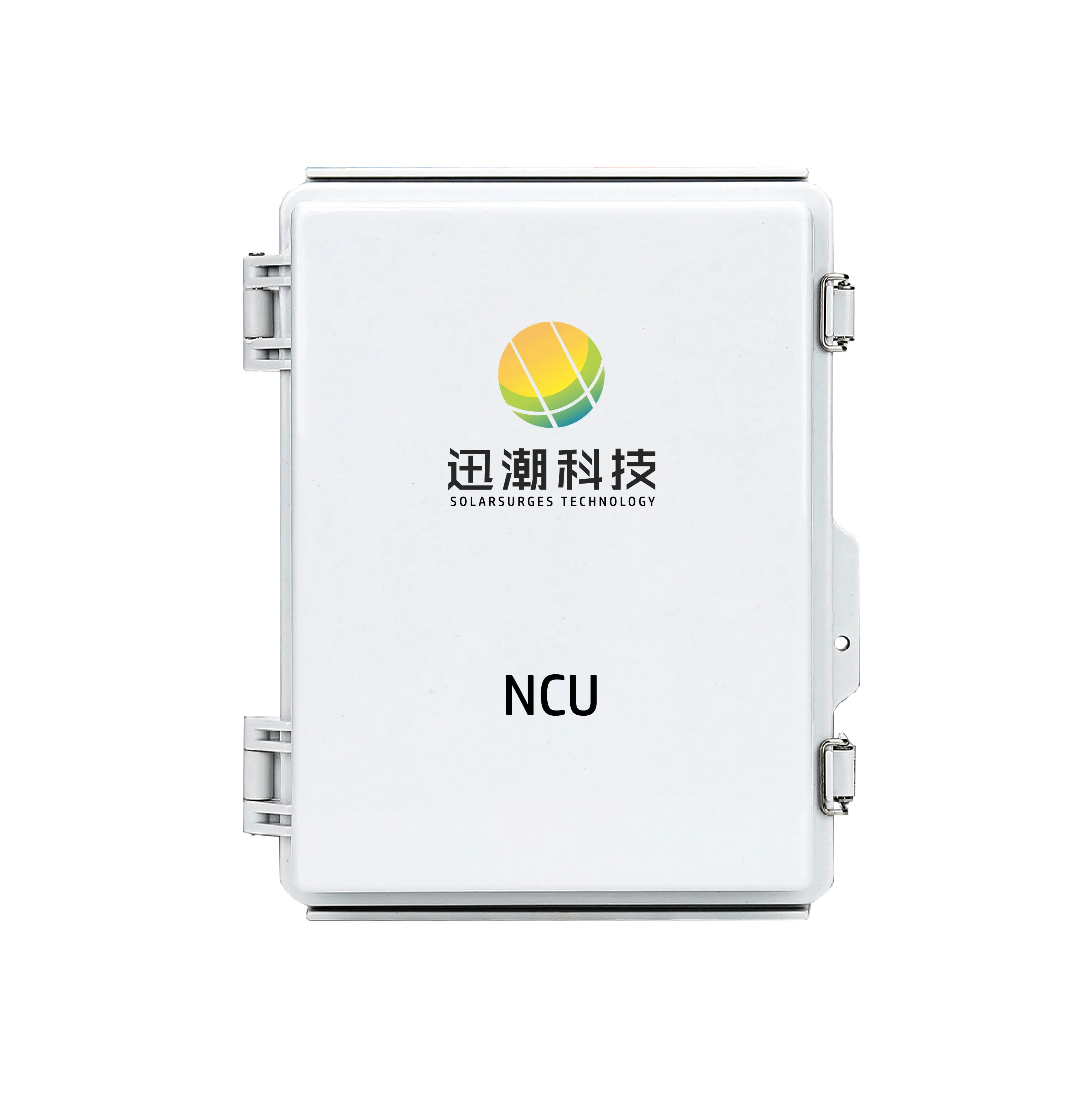
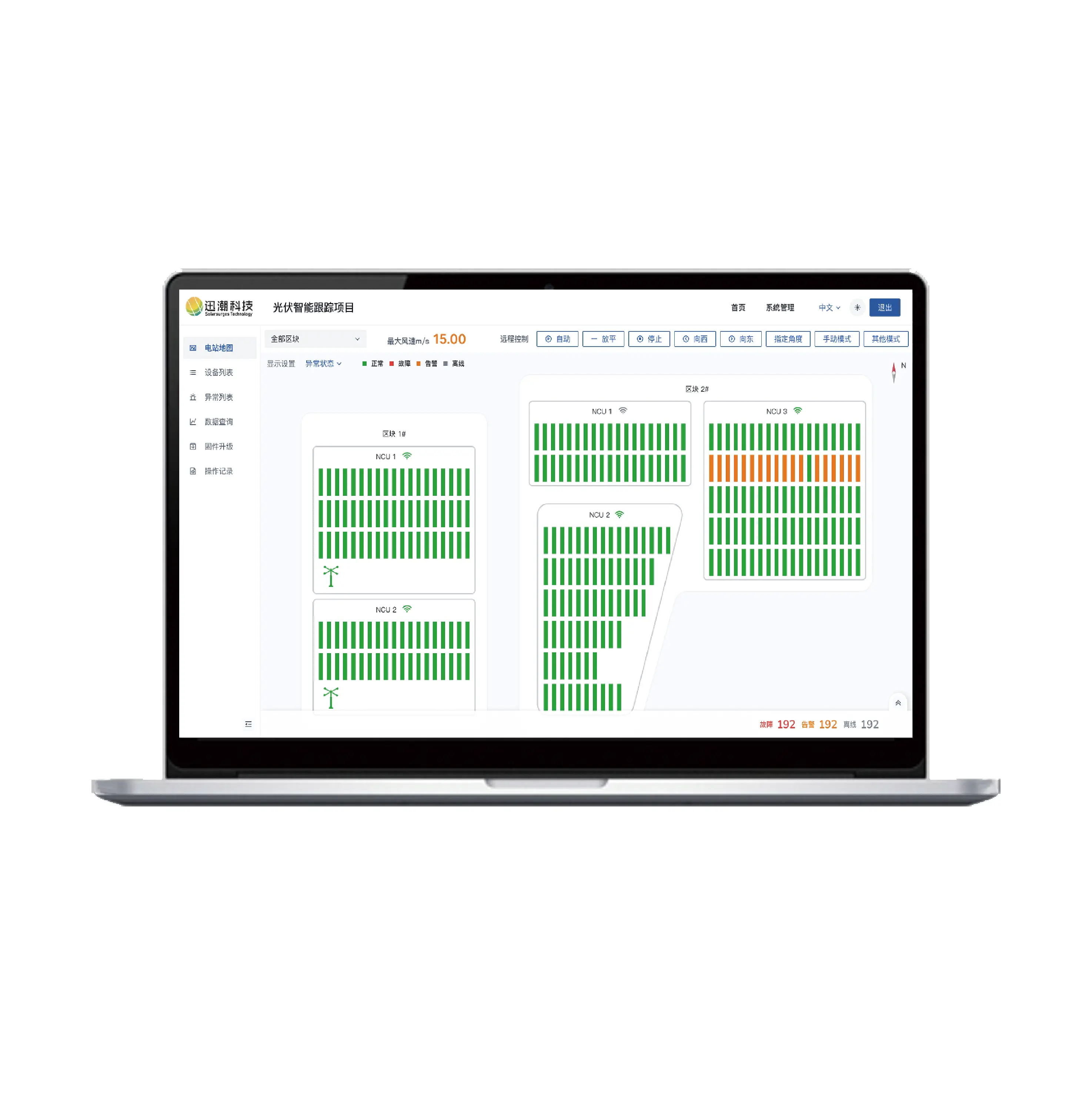
SpaceX's approved ceiling of 42,000 satellites—and its 100 GW-per-year orbital compute target—imply a control architecture that mirrors, at vastly larger scale, what an NCU does inside a modern utility-scale PV power plant. The principles are the same: hierarchical control, distributed actuation, fleet-wide state estimation.
- A solar tracker controller for each row (or wing) of panels
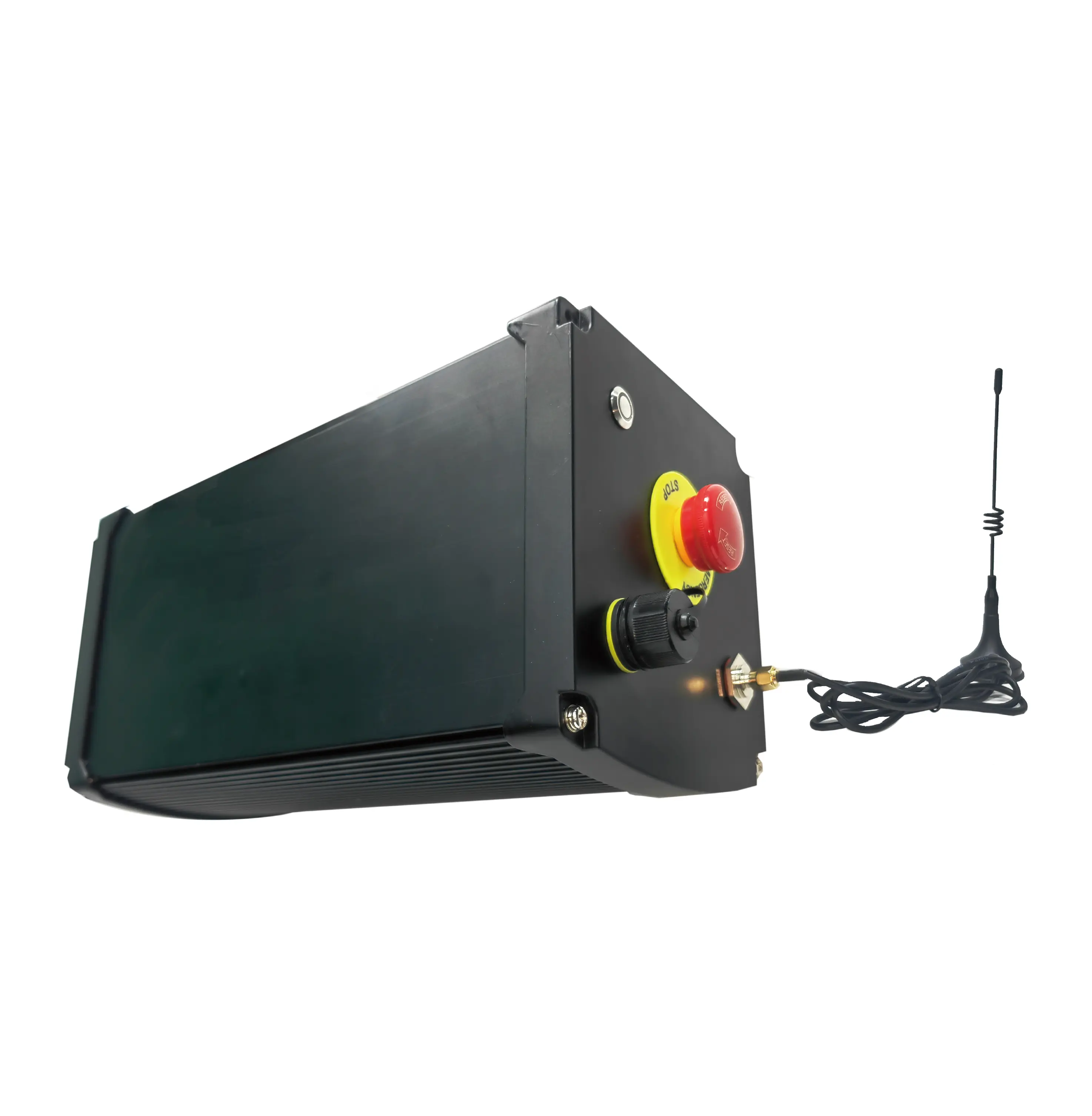
- A solar TCU at the array level for local optimization
- A solar NCU at the plant (or constellation) level for fleet-wide coordination
- Communication backhaul compatible with SCADA / Modbus standards
Related Solar Tracker Products