H1: China's Solar PV Installations Drop 69.9% in Jan–May 2026: Industry Enters a "Rational Adjustment Period"
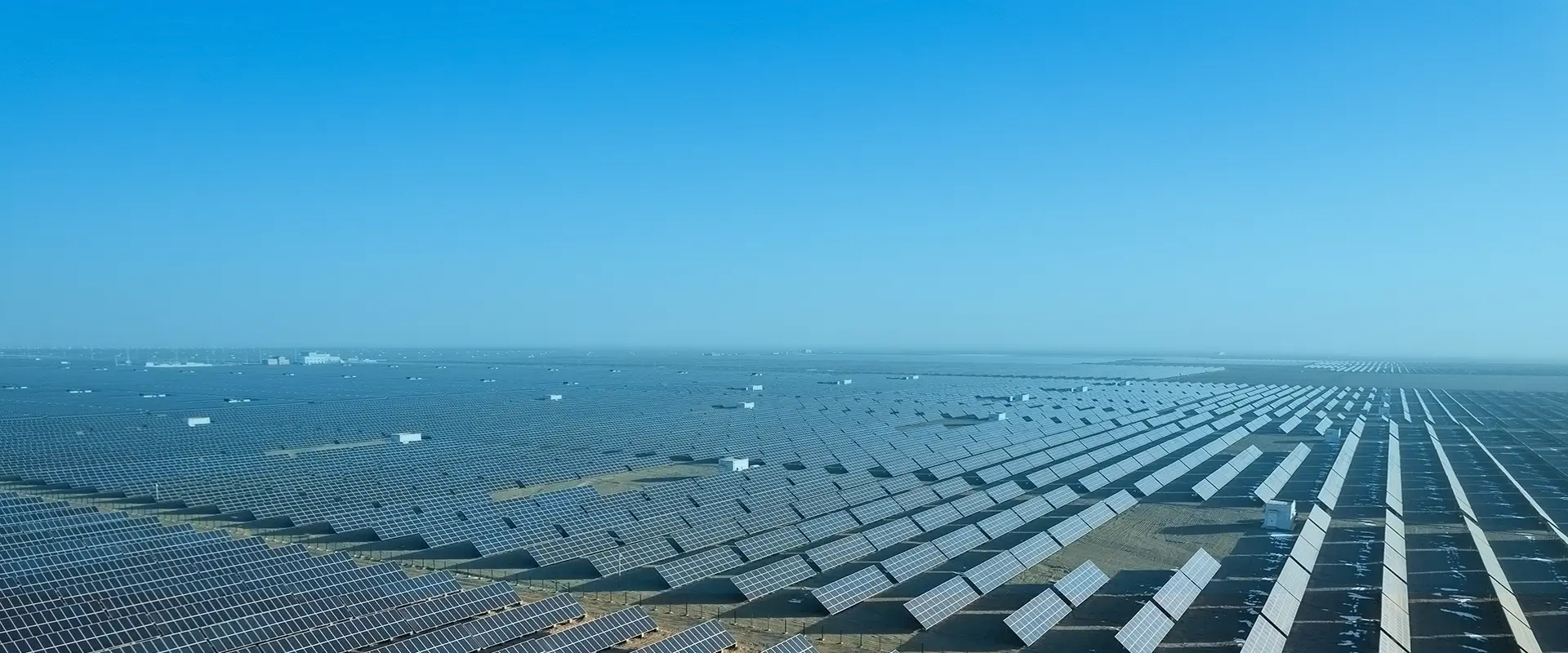
The Chinese solar PV industry is undergoing a profound transformation. According to data released by the National Energy Administration (NEA) on June 25, 2026, China's newly installed solar PV capacity reached 59.59 GW in the first five months of 2026, a year-on-year decline of 69.88%. May alone saw just 8.68 GW of new installations, down 90.66% year-on-year. Compared with the 197.85 GW added in the same period of 2025, cumulative installations have effectively been "halved, then halved again."This sharp pullback does not signal a collapsing market. It marks a structural transition from scale-driven expansion toward value-driven competition. At the 2026 SPIS (2nd) Crystalline Silicon PV Industry Innovation Summit held on July 3, the China Photovoltaic Industry Association (CPIA) stated clearly that the industry is moving from scale expansion to high-quality development focused on consumption and efficiency, with installation growth now entering a "rational adjustment period."
H2: Two Major Drivers Behind the Installation Decline
The cliff-like drop in installation data is the result of multiple overlapping factors, not a sudden collapse in demand.H3: A High Base Effect from 2025's "430/531" Policy Rush
The primary cause is the exceptionally high base set in 2025. Driven by the "April 30" and "May 31" policy deadlines, the industry saw a massive project rush in April and May 2025, with single-month installations surging to 92.92 GW — a historic high that will be hard to match for years.
H3: Market-Oriented Reform and Export Tax Policy Shifts
Second, the market-oriented reform of new-energy feed-in tariffs is reshaping project economics. The "Document 136" issued in February 2026 fully pushed new energy into market-based pricing, layered with "Document 114" clarifying capacity compensation mechanisms. As a result, solar PV project revenue models are shifting from fixed tariffs to floating returns. Residential PV business models are moving from a build-and-transfer light-asset approach toward refined, long-term operations.In addition, adjustments to export tax rebates have created short-term disturbances. Since April 1, 2026, the VAT export rebate for solar PV products has been fully canceled, pulling forward earlier export orders and front-loading part of the demand. Behind the phased installation adjustment lies an inevitable transition as the industry shifts from policy-driven to market-driven growth.
H2: Distributed PV Stages a Counter-Trend Breakout
Against the backdrop of overall pressure, distributed PV has emerged as the bright spot.In Q1 2026, new distributed PV installations reached 21.57 GW, surpassing centralized PV for the first time in any single quarter and accounting for 52% of total new capacity. Within that, residential solar added 9.53 GW in Q1, a year-on-year increase of 89%, nearly half of all distributed installations. The central plains region, led by Henan province, stood out with 2.609 GW of new residential installations in a single province.By contrast, centralized PV added 19.62 GW in Q1, down 16% year-on-year. Distributed PV — especially residential solar — is becoming a critical pillar of new PV installations. This shift also raises the bar for intelligent, low-maintenance control systems: every newly added residential array is a potential deployment site for a smart solar tracker controller or networked PV tracker controller designed for small-scale, high-reliability operation.H2: From Scale Competition to System Competition
The phased pullback in installation data should not be read as a broad decline in industry health. The slowdown offers a chance to squeeze out the bubble. The industry is not retreating — it is shifting gears from "scale expansion" to "value competition." Solar PV is no longer obsessing over "how much is installed" and is now focused on "generating, delivering, and using each kilowatt-hour efficiently."H3: Policy Reinforcement at the National Level
From a policy standpoint, the strategic positioning of the solar PV industry has not weakened — it has been strengthened. The "15th Five-Year Plan for a New Energy System" issued in June 2026 set rigid targets for the first time: wind and solar power capacity will exceed 50% of total installed capacity by 2030, with non-fossil energy accounting for 50% of total generation. CPIA forecasts that from 2027 onward, new solar PV installations will return to an upward trajectory.H3: Rising Technology Thresholds
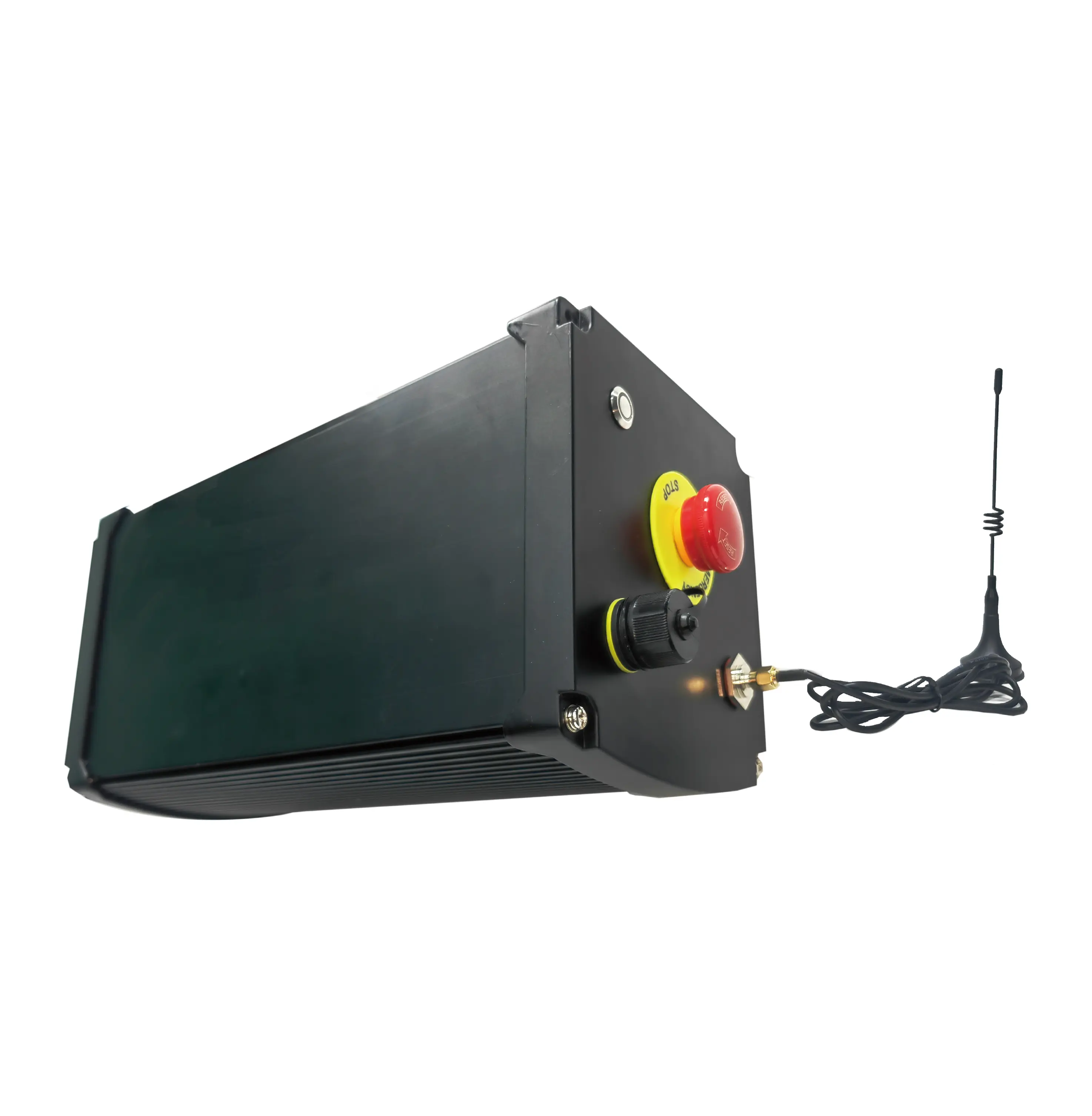
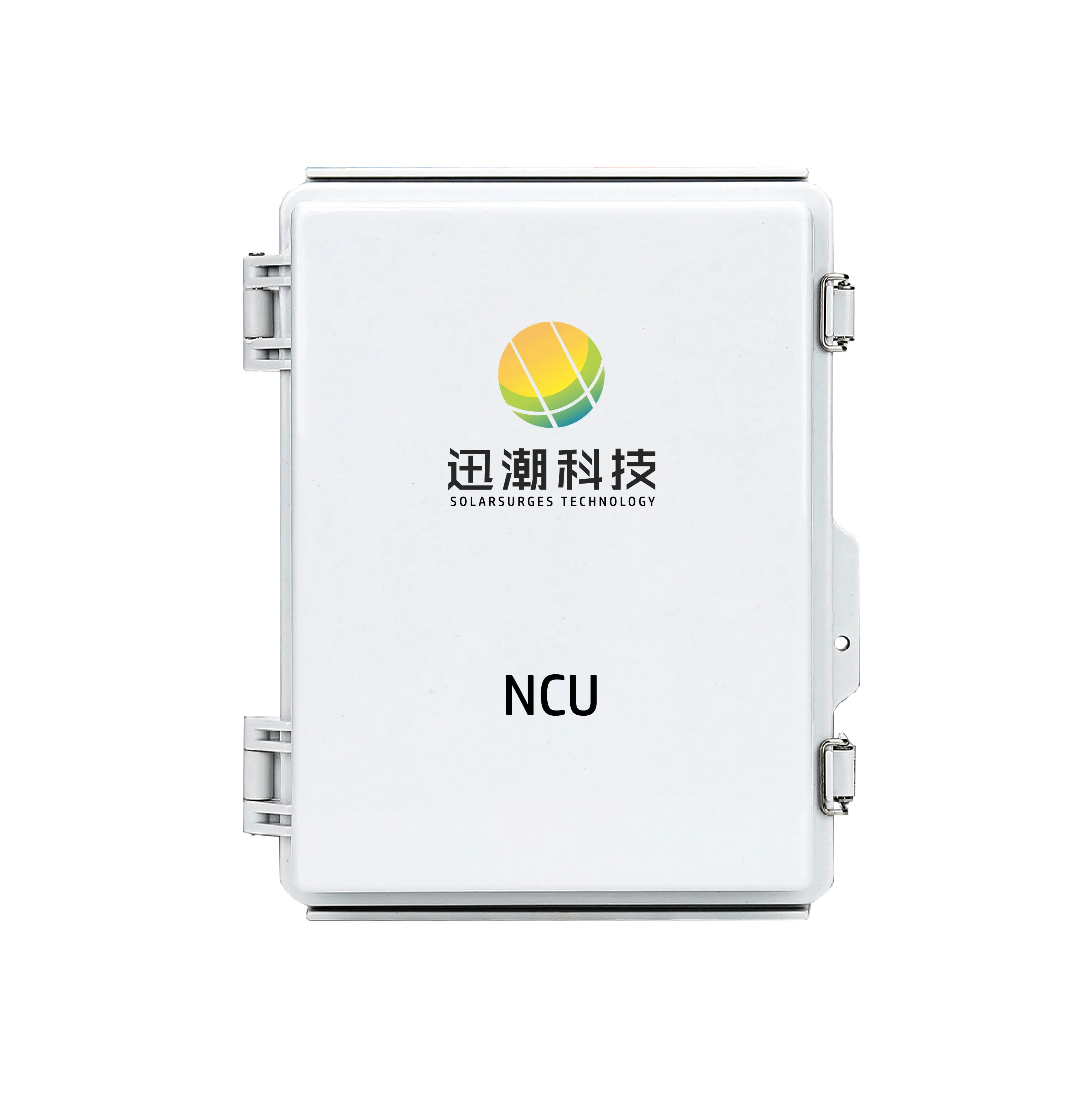
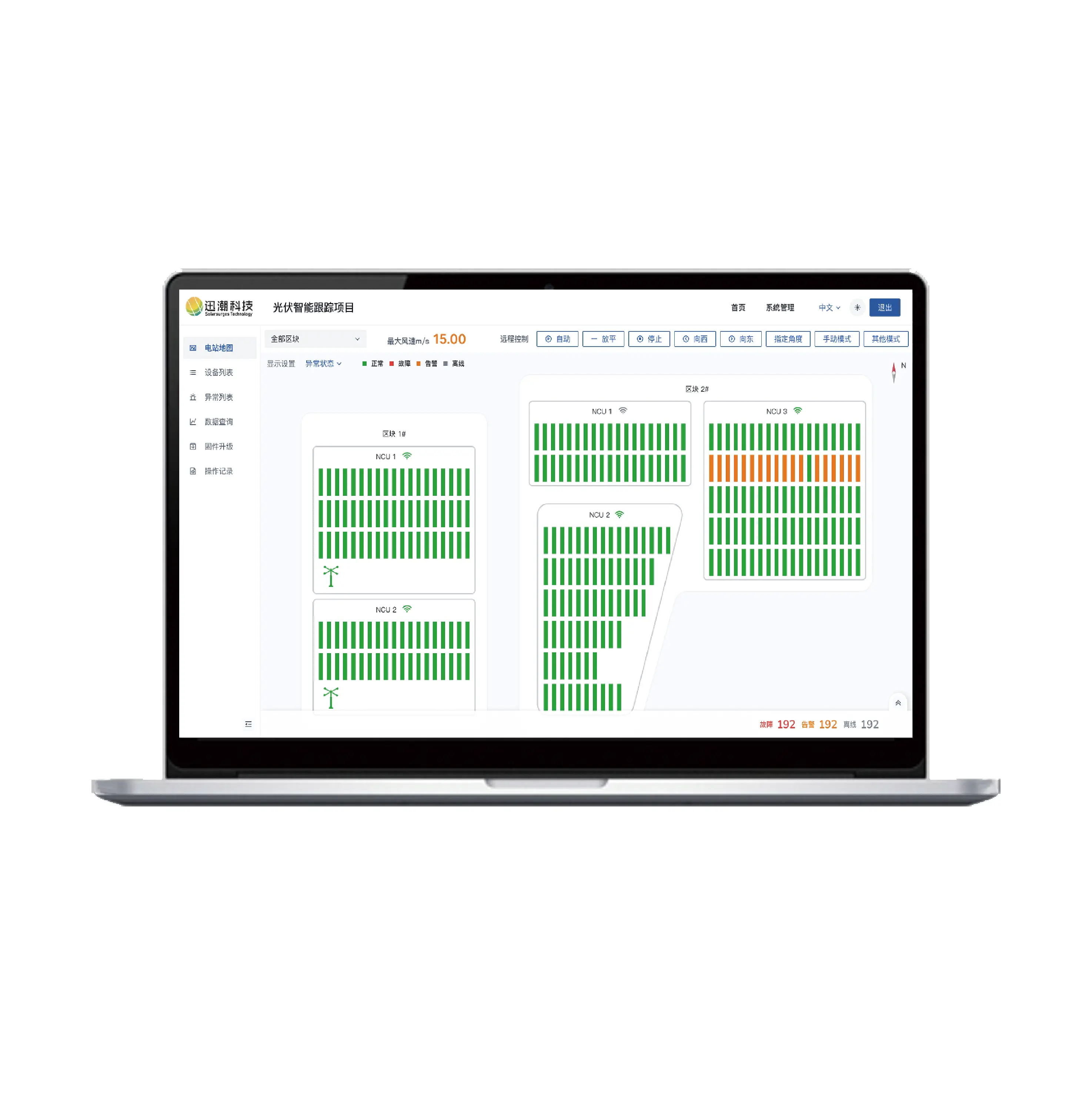
From a competitive landscape perspective, technology barriers are rising fast. The Ministry of Industry and Information Technology's draft "Solar PV Product Classification" divides modules into four grades — A+, A, B, and C — and lifts the minimum TOPCon efficiency threshold to 23.4%. Three mandatory national standards on PV energy consumption and efficiency will take effect on January 1, 2027, and are expected to eliminate 20%–30% of existing capacity that cannot meet the standards even after technical upgrades. Capacity that once won orders on low price alone now cannot even qualify to bid.These tightening standards reshape demand across the entire PV value chain. Higher-efficiency modules and bifacial tracking architectures require more precise, more responsive tracking control — directly increasing demand for high-performance solar tracker controllers, modular solar TCUs, and centralized solar NCUs capable of coordinating large plant fleets with sub-second response times.H2: Outlook — The Future Belongs to Smarter Control
The China Photovoltaic Industry Association stated that the industry is currently at a critical stage of capacity restructuring, technology iteration, and accelerated global expansion — moving from scale expansion into a high-quality, refined development cycle. Short-term installation adjustment is a necessary path from early brutal growth to mature, high-quality development. The future competition in solar PV will not be about "who installs more," but about "who generates each kilowatt-hour more efficiently and sells it at higher value."For tracker manufacturers and EPCs, this shift creates a clear opportunity:H2: Conclusion
China's solar PV industry is not in retreat — it is pressing the gear-shift button. The 69.9% year-on-year drop in installations in the first five months of 2026 reflects a normalization of the base effect combined with deep, structural reform. While centralized utility-scale growth slows, distributed and residential PV are entering a structural growth phase. With rising technology thresholds, mandatory efficiency standards on the horizon, and the national 50% non-fossil energy target locked in by 2030, the next phase of competition will be decided at the system level — in the intelligence, reliability, and grid-friendliness of the solar tracker controller, solar TCU, solar NCU, and PV tracker controller stack that sits behind every solar array.For solar professionals, the takeaway is clear: the winners of the next cycle will not be those who install more panels, but those who control them better.
Sources :Data current as of July 6, 2026. Sourced from the National Energy Administration (NEA), the China Photovoltaic Industry Association (CPIA), and public media reports. For reference only — not investment advice.
 English
  中文
中文