English
  中文
中文


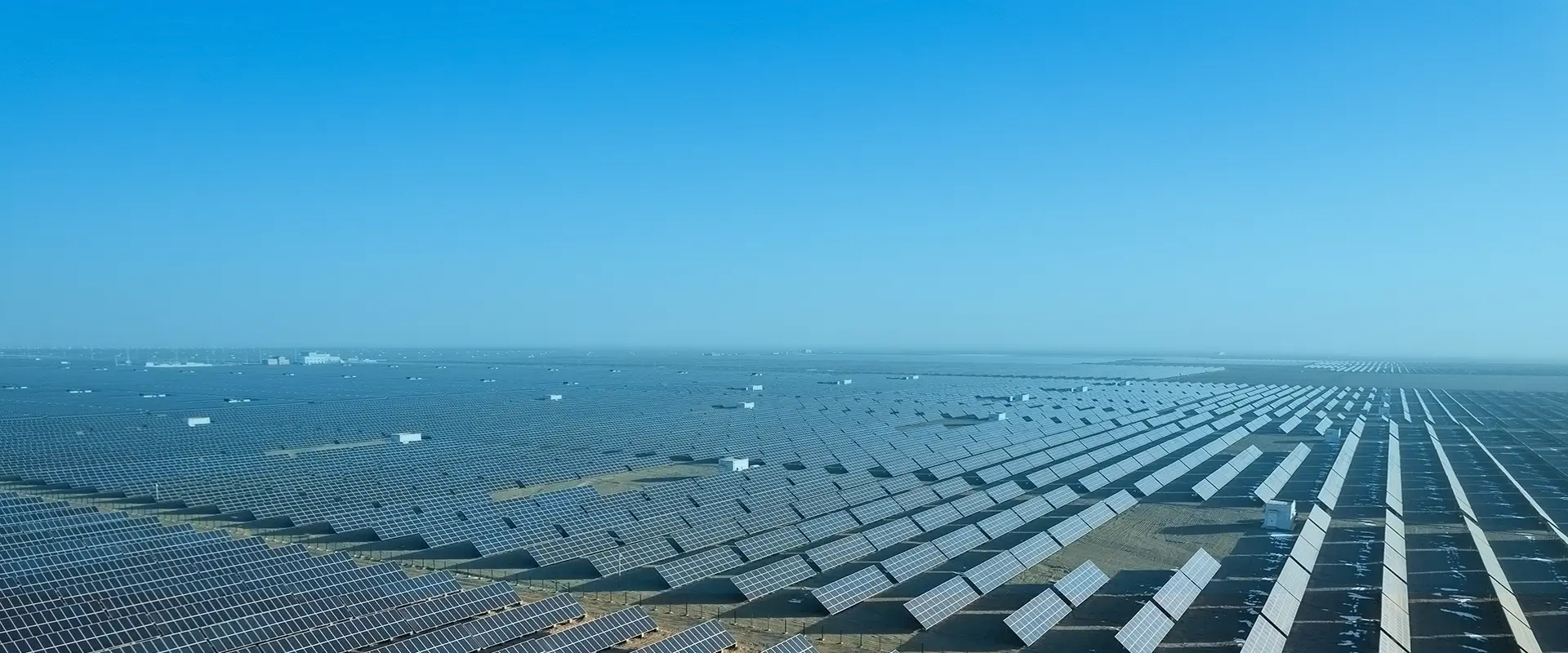
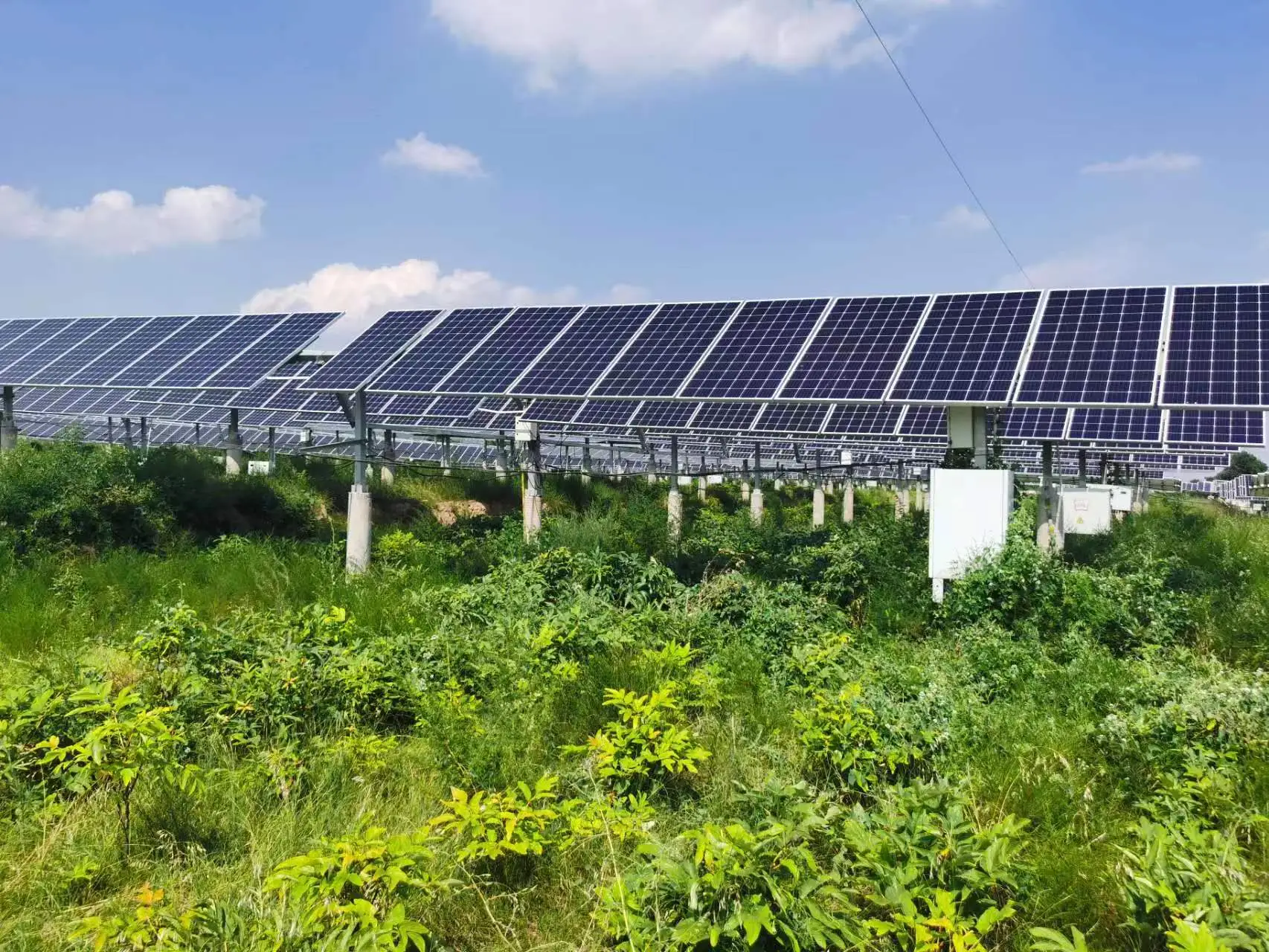
On June 28, 2026, China Huadian Corporation's Qinghai branch disclosed that China's first high-altitude integrated solar-hydrogen-storage project — the Huadian Delingha 1 GW PV-Storage and 3 MW PV-to-Hydrogen facility — has cumulatively generated over 4 billion kWh of electricity. This milestone marks the country's transition into large-scale stable operation of the "PV + energy storage + green hydrogen" integrated model in high-altitude regions.
This project is part of China's first batch of large-scale "sandy desert–gobi–wasteland" wind-PV base projects, and represents China's first attempt at green hydrogen production in high-altitude regions. As a national "first-batch mega-base" project and a designated "Open Competition" initiative, it carries the strategic mission of exploring efficient renewable energy utilization and green hydrogen production pathways in extreme environments.
Delingha enjoys over 3,000 hours of annual sunshine and experiences diurnal temperature swings exceeding 30 °C. To address these harsh conditions, China Huadian developed an innovative "PV–Hydrogen–Storage" coordinated control system, tackling world-class challenges such as electrolyzer efficiency degradation and equipment weather resistance at high altitude.
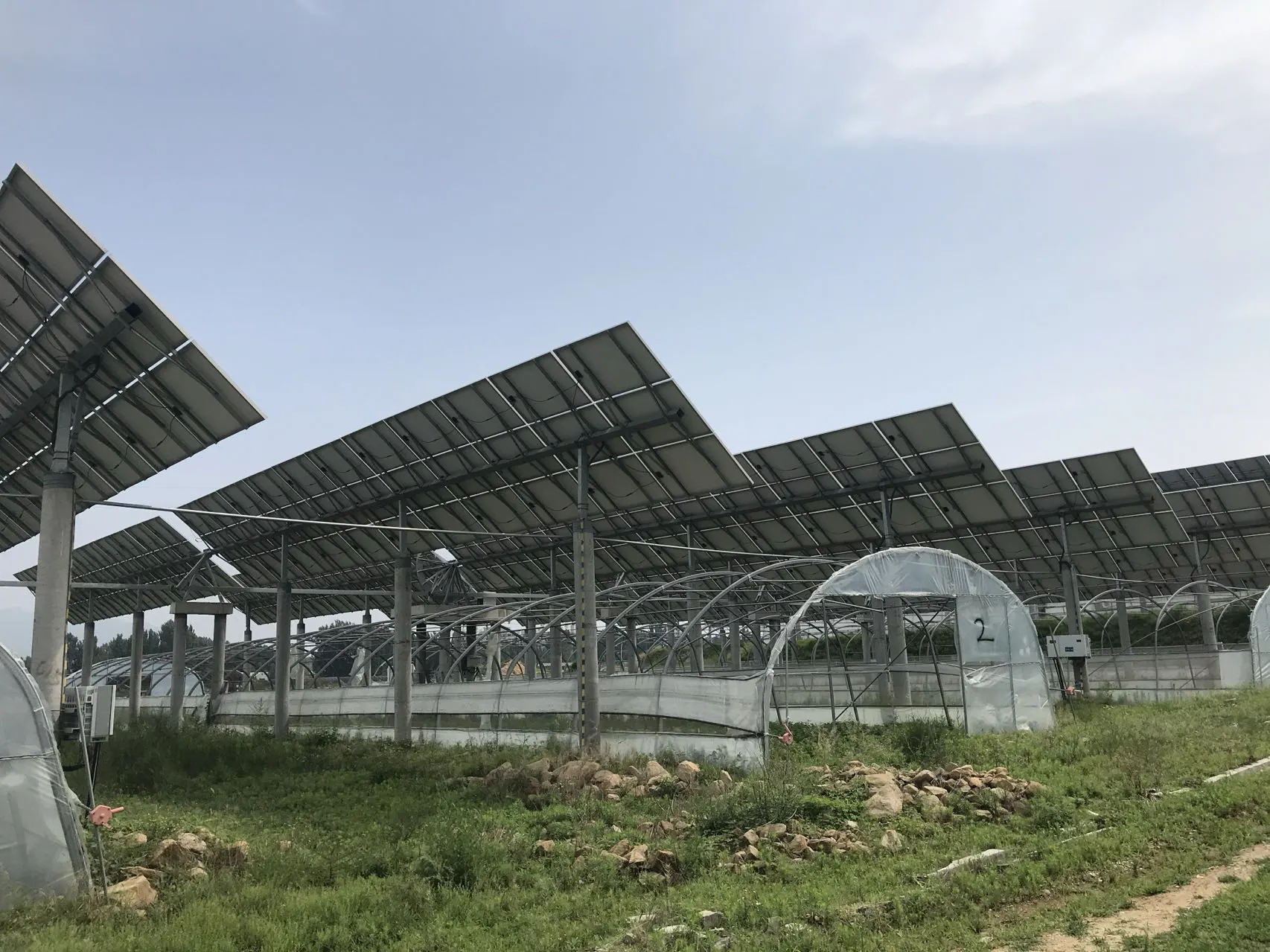
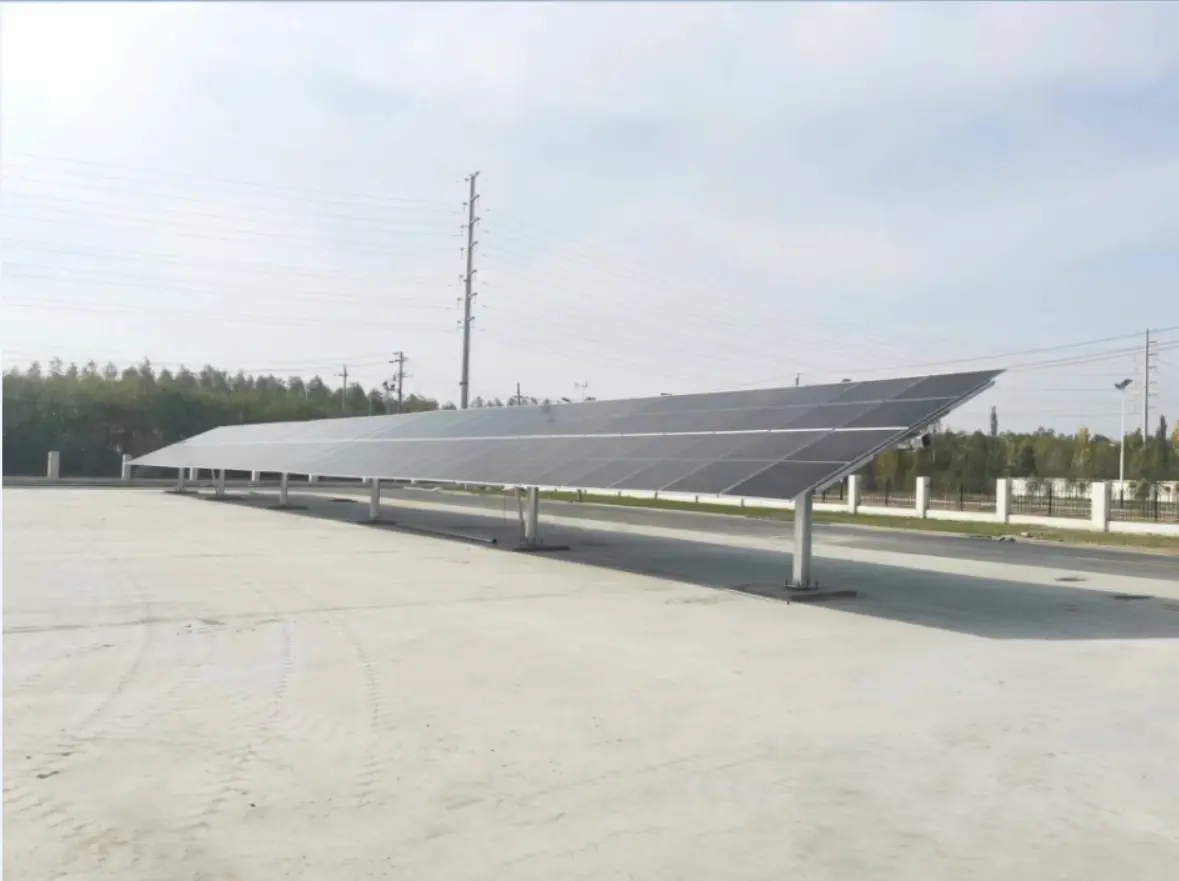
At 1 GW of installed PV capacity, this project operates at a scale where solar tracker controller precision becomes mission-critical. The terrain of the Delingha plateau demands advanced PV tracker controller architectures capable of handling steep inclination angles, sub-zero nighttime temperatures, and intense UV exposure. Every percentage point of tracking accuracy translates to multi-megawatt-hour daily yield gains — and over a 25-year asset lifetime, those gains compound into hundreds of millions of kWh.
- Avoiding approximately 1.29 million tons of standard coal combustion
- Reducing CO₂ emissions by over 3.36 million tons
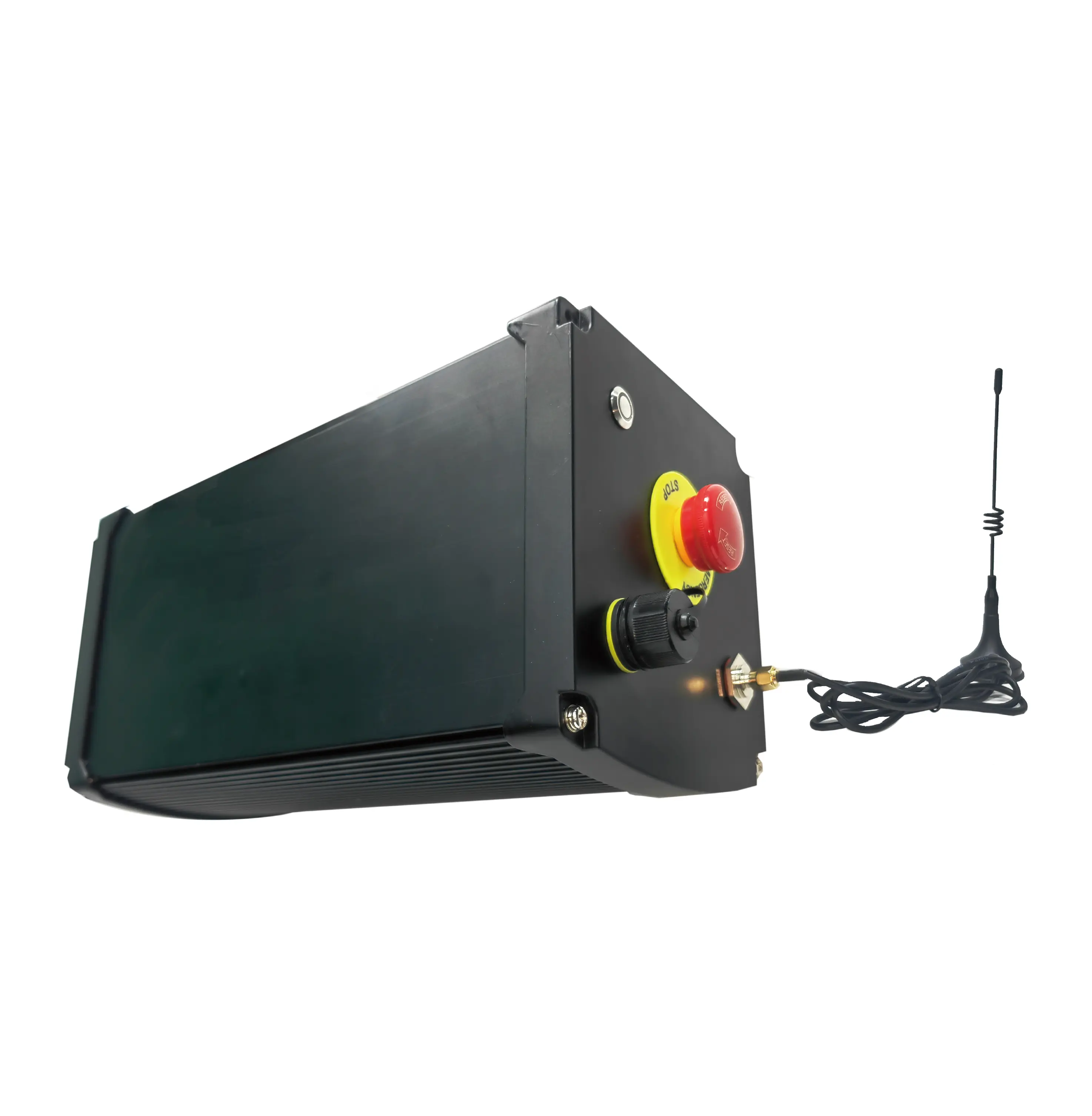
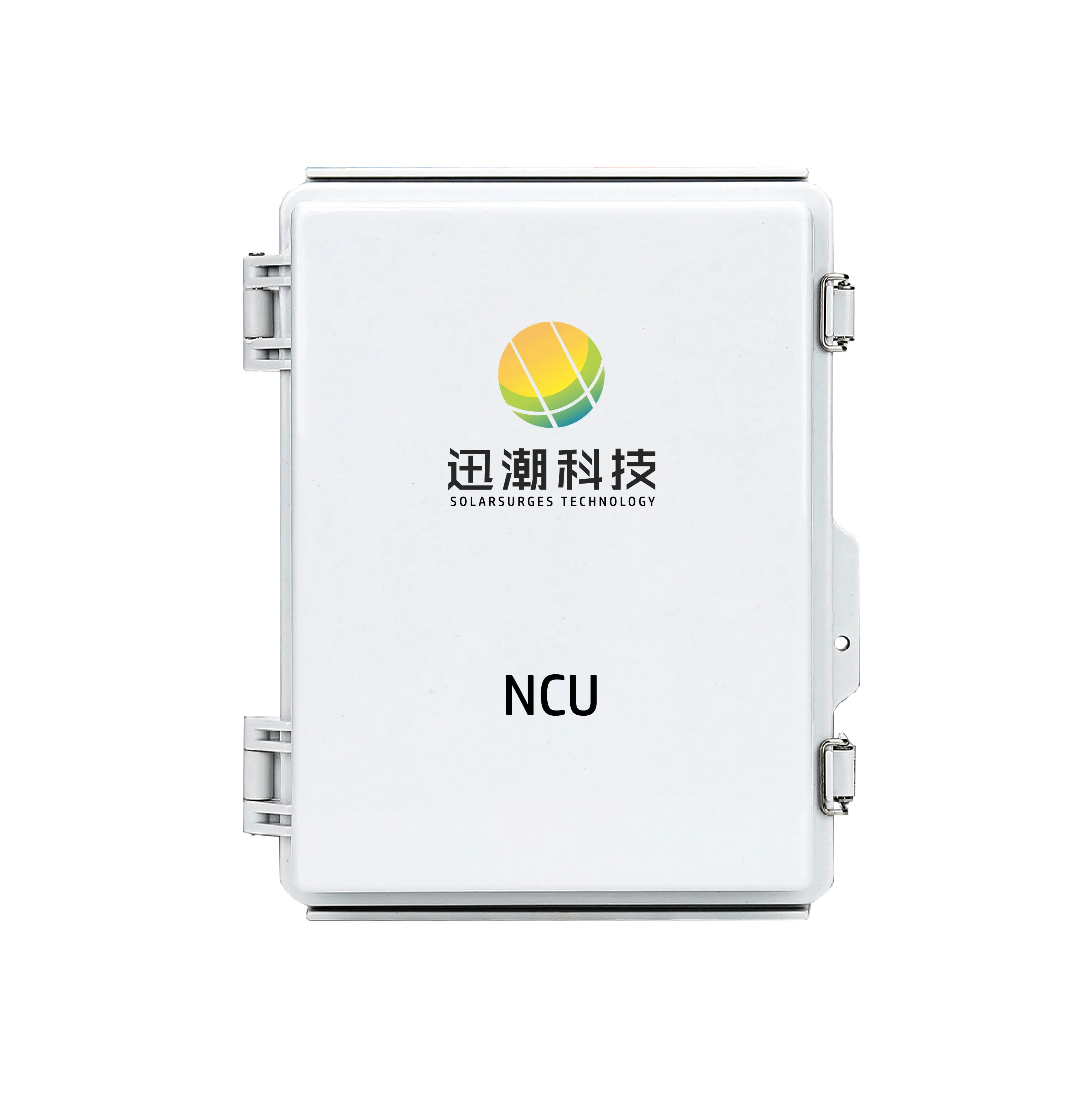
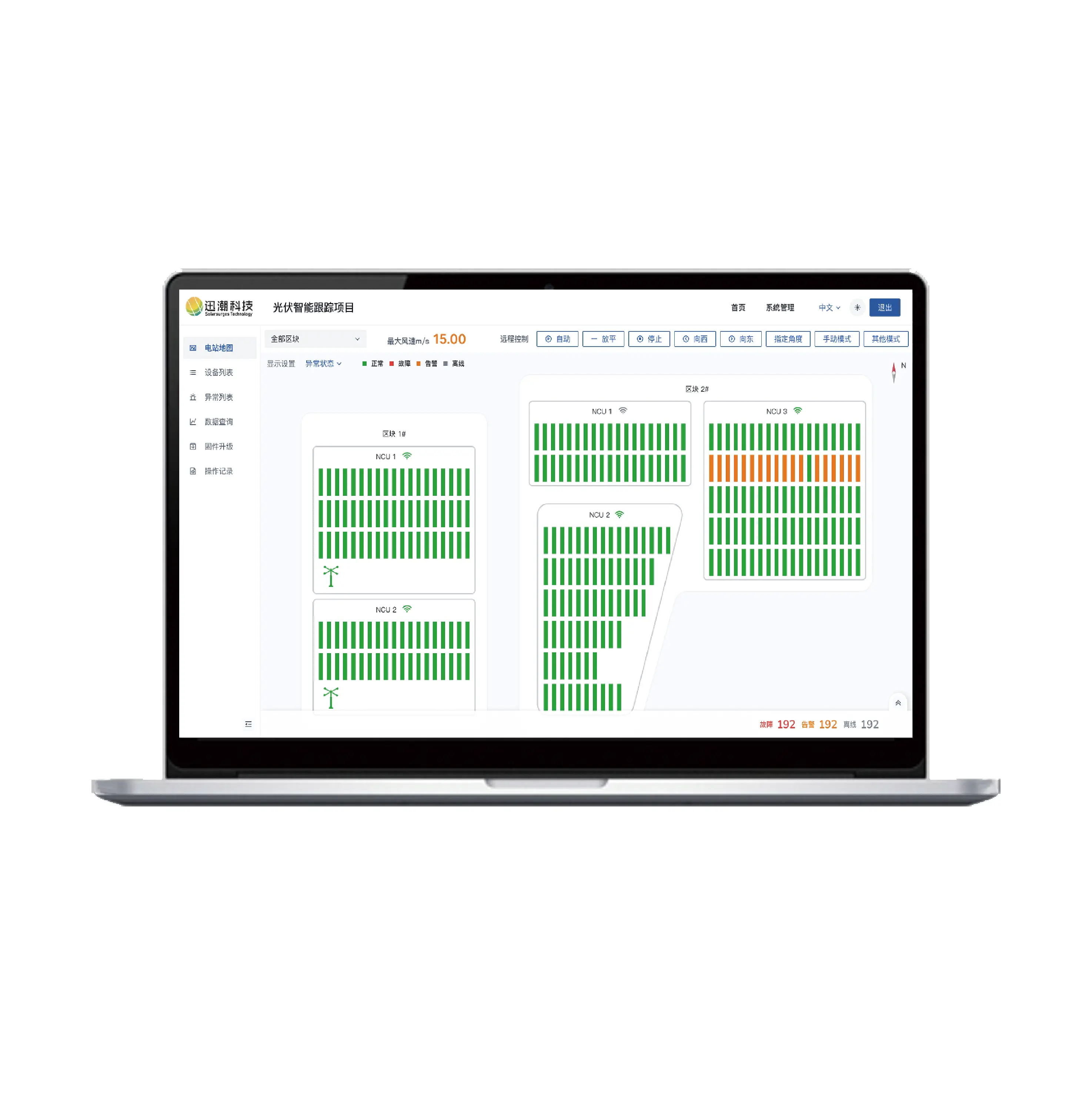
A 1 GW PV plant with integrated storage requires highly distributed, real-time control — and this is where the solar TCU (Tracker Control Unit) and solar NCU (Network Control Unit) architecture proves its worth. At the Delingha site, hundreds of tracker rows each carry a dedicated solar TCU executing sun-position algorithms every few seconds, while aggregated solar NCU nodes aggregate telemetry from thousands of strings back to the plant-level control room. Without robust solar TCU and solar NCU coordination, the kind of dispatchable, controllable output this project achieves would simply not be possible.
The technical value of this model is reflected in three dimensions:
First, significantly improved renewable utilization efficiency and stability. The project's 270 MW / 1,080 MWh energy storage plant effectively addresses the intermittency of PV power, smoothing the output curve and transforming solar electricity from "weather-dependent" to "dispatchable and controllable."
Second, green hydrogen production provides a pathway for zero-carbon fuel substitution. By using PV power to drive PEM electrolysis, the project converts surplus electricity during "PV curtailment" periods into high-purity green hydrogen, solving the dual dilemma of "green power consumption difficulty" and "high industrial hydrogen cost" in Northwest China.
Third, it accelerates energy structure transformation. The project provides a replicable technical pathway for large-scale renewable development and green hydrogen production in high-altitude, cold regions, and has been recognized by the Qinghai Provincial People's Government as "the largest single solar-hydrogen-storage integrated project in operation nationwide."
Coordinating PV generation, battery storage, and PEM electrolyzers in real time requires a sophisticated solar SCADA backbone. At Delingha, the solar SCADA platform aggregates data from string-level inverters, tracker NCUs, BMS arrays, and electrolyzer PLCs into a unified operational view. Operators can throttle active power, dispatch storage, and ramp electrolyzer load from a single HMI — a level of integration that simply did not exist at this scale five years ago.
Against the backdrop of the "15th Five-Year Plan" new energy system construction fully launching, the integrated solar-hydrogen-storage model is expected to be replicated at scale across western sandy-gobi-wasteland regions, providing critical reference for new energy development in high-altitude, high-irradiance areas such as Qinghai, Xinjiang, and Gansu.
On the financing side, the project has also received institutional support. In June 2026, guided by the People's Bank of China Haixi Branch, the Agricultural Development Bank of China Haixi Branch issued a 600 million yuan long-term low-interest loan to Huadian (Haixi) New Energy Co., Ltd., specifically for the Delingha PEM electrolysis hydrogen demonstration project. The project has been certified as compliant with the "Biodiversity-Friendly PV Power Generation" standards under the Biodiversity Finance Catalog (Trial), with a loan term of 20 years and an interest rate as low as 2.3%.
From the "sandy-gobi-wasteland" mega-base to the "green hydrogen anchor," the Huadian Delingha project is illuminating the future of clean energy on the plateau with the light of technology. On this land of over 3,000 hours of annual sunshine, China's integrated solar-hydrogen-storage industry is running toward the "Dual Carbon" goal — starting from the "Roof of the World."
For the global solar industry, the message is clear: as PV plant capacities push into the gigawatt range, the solar tracker controller, solar TCU, solar NCU, and solar SCADA stack becomes not a back-office concern, but the operational backbone of every megawatt-hour delivered.
Related Solar Tracker Products