English
  中文
中文


The single most consequential line for tracker manufacturers, EPCs, and inverter+tracker solution providers is this: wind and solar will exceed 50% of total installed power capacity and become the "main" generation source by 2030, while non-fossil fuel generation will reach 50% of total electricity output. Combined with a 300 GW new-type energy storage target, this is the most tracker- and storage-friendly energy policy China has ever published.
- Wind + solar installed capacity: >50% of total power capacity by 2030
- Non-fossil fuel generation: 50% of total electricity output by 2030
- Coal and oil consumption: peak simultaneously by 2030 (a first for the two to be linked)
- Non-fossil share of final energy consumption: 25% by 2030
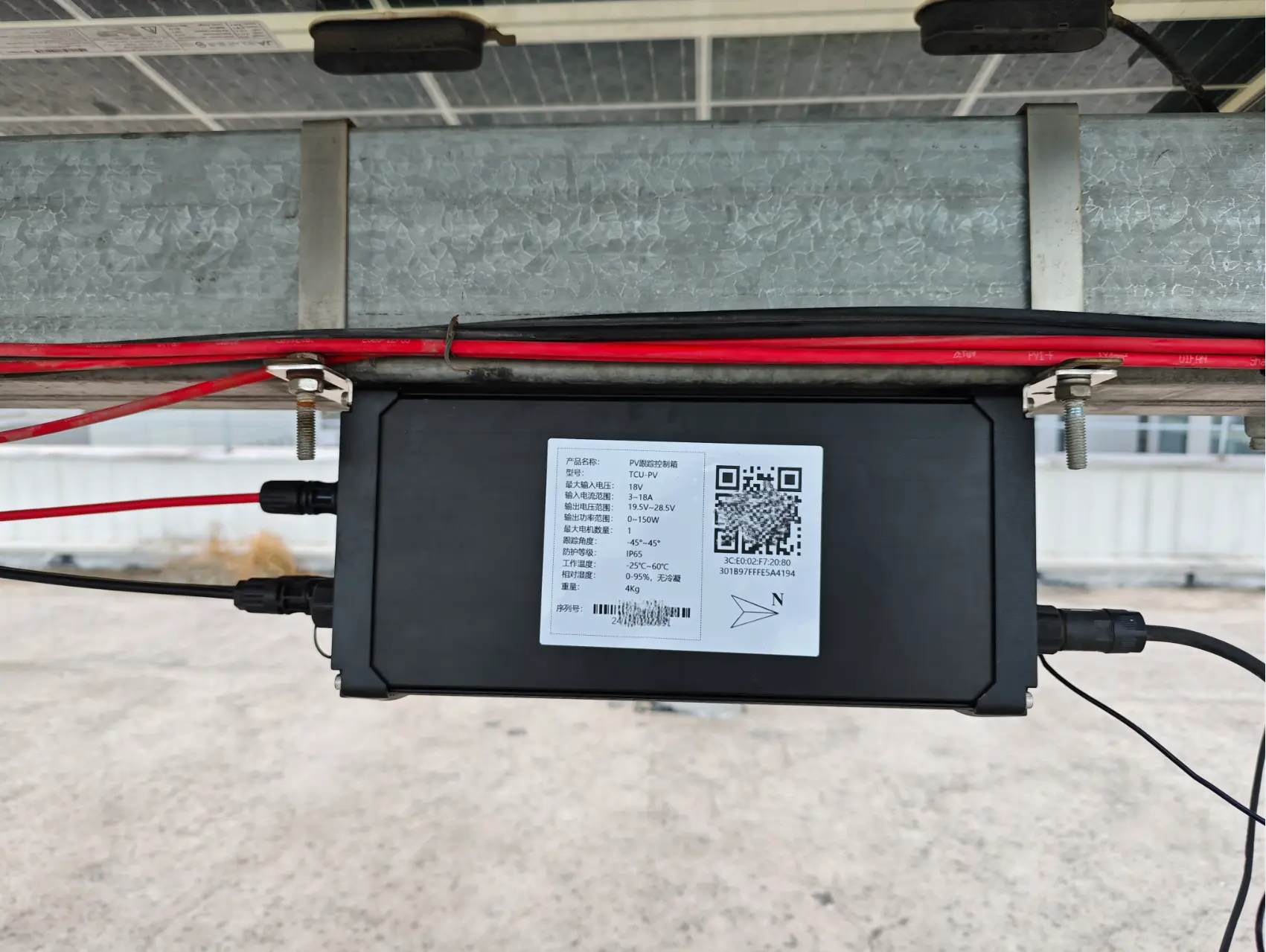
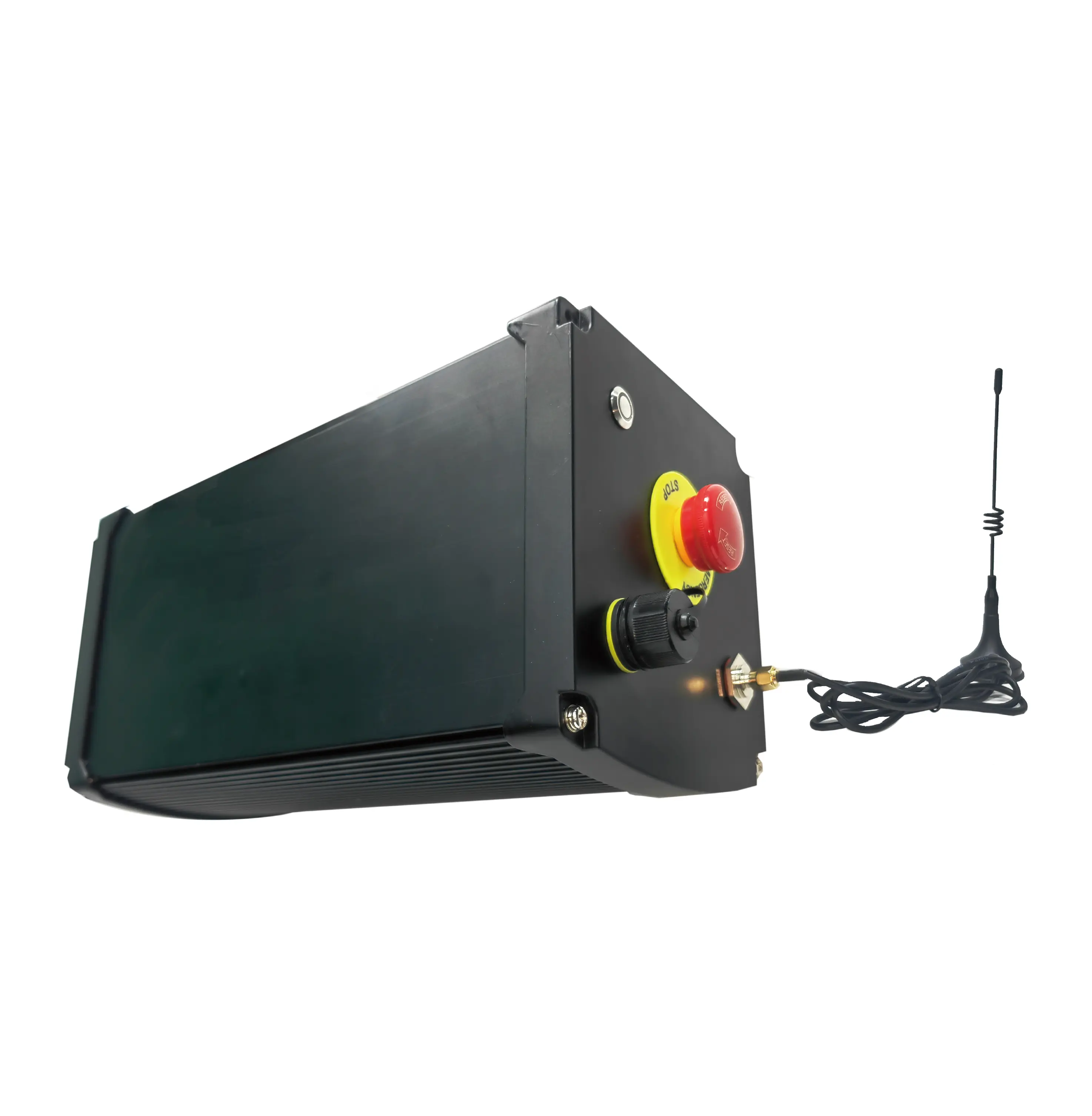
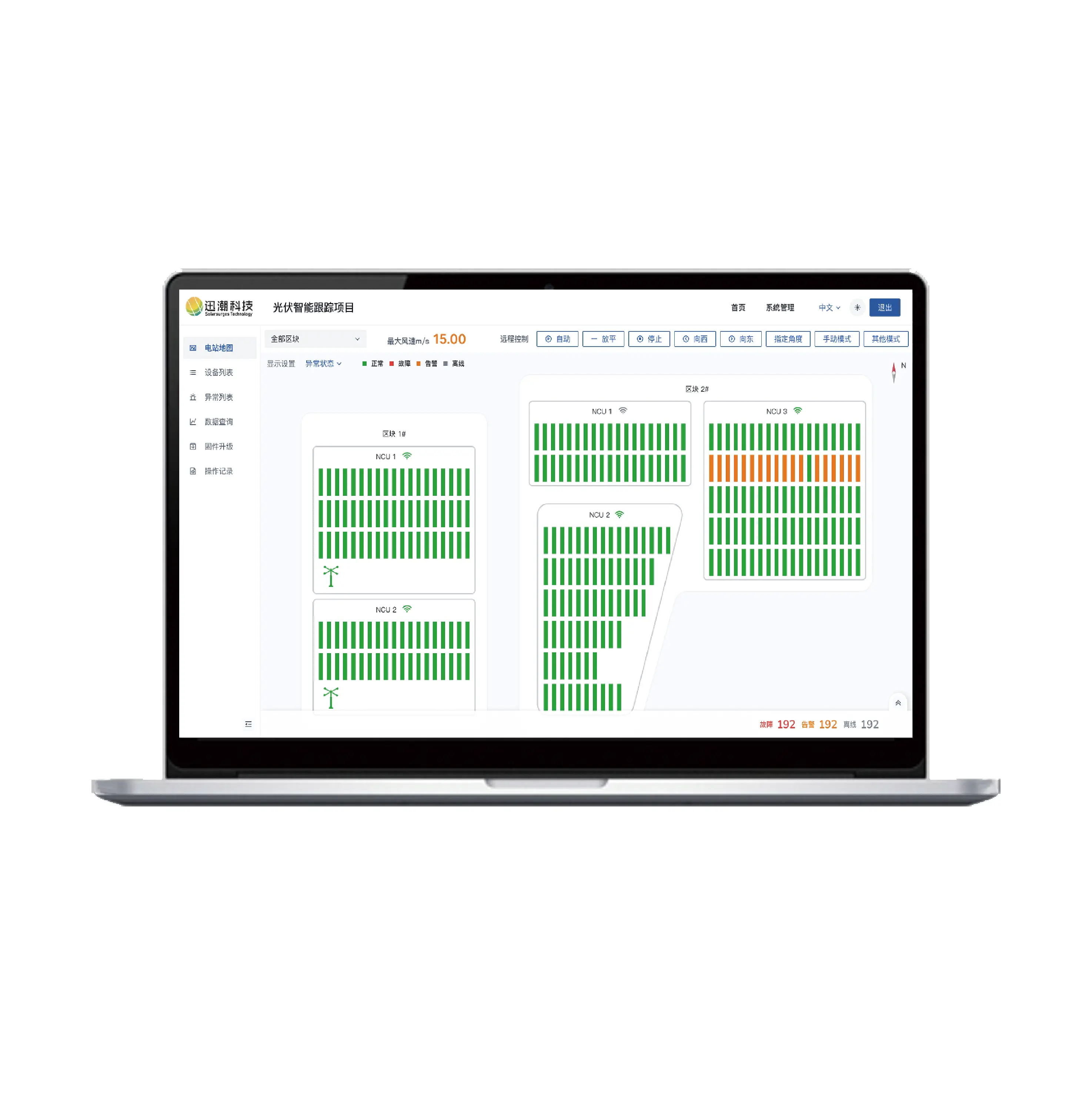
Every GW of new utility-scale solar in China now requires at least one solar tracker controller per row of trackers — and in newer string architectures, one solar TCU per 2–4 modules for module-level MPPT and rapid shutdown — plus a solar NCU per plant to coordinate the array, the storage system, and the grid signal. The 1.51 TW of net new capacity implied by the table translates directly into multi-million-unit demand for solar tracker controllers, solar TCU modules, and solar NCU gateways.
For the PV tracker controller ecosystem, three lines stand out:
1. Distribution grid capable of hosting 900 GW of distributed new energy. Distributed PV at this scale will lean heavily on string inverters paired with tracker-mounted or rooftop-optimized solar tracker controller boards for module-level MPPT and rapid-shutdown compliance.
2. Virtual power plant dispatch capacity of 50 GW. A 50 GW VPP fleet is impossible without fast, reliable, two-way communications from the array edge — precisely the role of the solar TCU (per-tracker control unit) talking to the solar NCU (plant-level network control unit) and onward to the aggregator.
3. 40 million EV chargers and 50 GW of V2G. When V2G is dispatched, distributed PV fleets must ramp in coordination. The solar NCU becomes the orchestration node that reconciles PV output, storage state-of-charge, and EV charging demand in real time.
But the more strategic line for the tracker supply chain is this: the plan explicitly elevates "compute–power synergy" — coordinating gigawatt-scale data center loads with new energy and storage. AI compute is now treated as a controllable load that follows the solar curve, not the other way around. That changes the duty cycle of every solar tracker controller in a co-located PV + storage + data-center plant: tracking algorithms must optimize for afternoon peak matching the data-center load profile, not just for maximum instantaneous yield.
The plan also names the next-decade frontier technologies: controlled nuclear fusion, space-based solar power stations, high-temperature superconducting transmission, wireless power transfer, and polar / deep-sea energy systems. Most of these are still in research, but each one — if commercialized — implies a step-change in the role of the PV tracker controller as the lowest-level actuator in a much larger, faster, more autonomous grid.
- Energy security "baseline" projects: +10% vs. the 14th FYP
- Green transition projects (renewable generation + grid): renewable share of total generation capex rises to ~60%; grid investment alone grows >30% vs. the 14th FYP
- New business lines (green hydrogen/ammonia/methanol, multi-user direct green power supply, new energy storage, integrated energy services, virtual power plants, compute–power synergy): over 2 trillion yuan
- Dr. Laser : +14%+
- TCL Zhonghuan, Luxshare Tech: limit up
- Qibin Group, Autowell: +9%+
- Solar ETF Penghua (159863): +1.4%
- Solar ETF Huaxia (515370): +2.09%
- Re-baseline volume forecasts. 5.4 TW of total capacity, >50% renewable share, 300 GW of new storage, 50 GW of VPP — every one of these numbers feeds directly into solar tracker controller and solar NCU unit demand.
- Pre-build V2G and dispatch-ready firmware. With 50 GW of VPP and 50 GW of V2G by 2030, the solar TCU must support sub-second curtailment and ramp signals out of the box.
- Bundle storage coordination into the NCU. Compute–power synergy is now policy. A solar NCU that natively speaks to battery PCS and DC-coupled storage wins the spec.
- Localize the China supply chain for "compute + power" sites. Western data-center hubs co-located with utility-scale PV are the highest-margin deployment profile of the next five years.
- Position for the 14th → 15th FYP transition narrative. Procurement, financing, and policy teams all need a clear translation of what the "Double 50%" and 300 GW storage targets mean for their specific product line — and a credible, well-documented PV tracker controller roadmap is now table stakes for any serious China play.
The 15th Five-Year Plan for a New Energy System is the first Chinese energy plan to explicitly position wind and solar as the main source of generation, not a marginal supplement. The 50% / 50% / 300 GW / ¥20T targets are binding, funded, and increasingly visible in market pricing. For the solar tracker controller, solar TCU, solar NCU, and broader PV tracker controller value chain, the next five years are not a forecast — they are a contract.Data as of June 29, 2026. Sources: NDRC, NEA, State Council Information Office press conference, Xinhua, and institutional research notes. For reference only; not investment advice.
Related Solar Tracker Products