English
  中文
中文





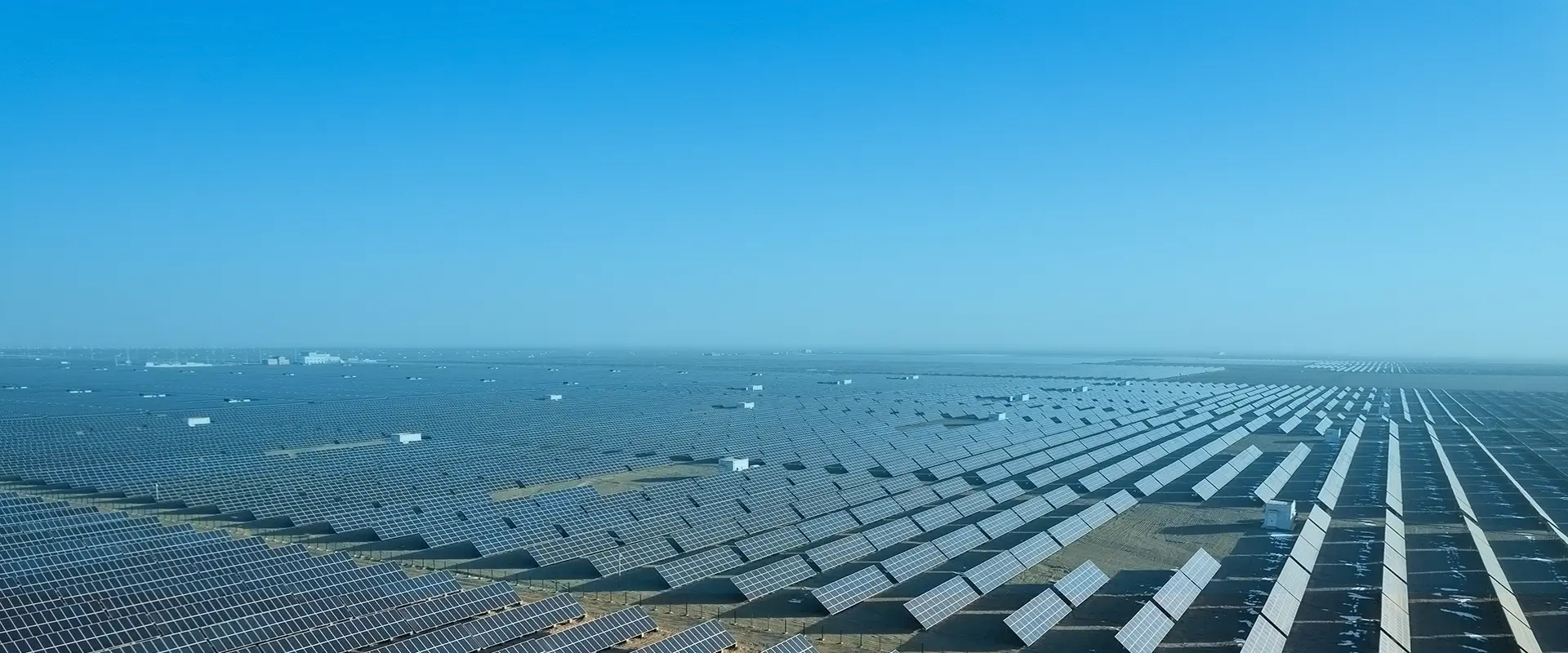
On July 4, 2026, the United States will mark its 250th anniversary. Across those 250 years, America's energy map has cycled through whaling ships out of New Bedford, the Appalachian coal seams from Pennsylvania to Alabama, the East Texas oilfields, the great Western dams, the Gulf Coast petrochemical complexes, the 20th-century nuclear build-out, and the shale gas revolution. Today the nation stands at the threshold of a new energy transition — and solar power is taking its place as the defining energy source for America's next 250 years.
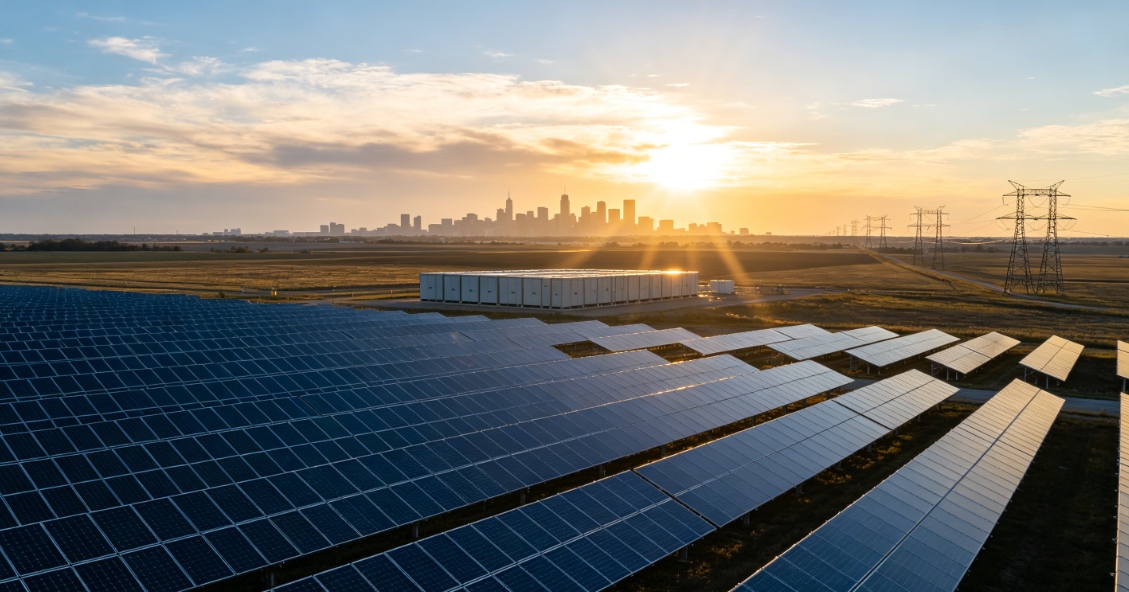
I. 250 Years of Energy: From Coal to the Sun
Every economic leap in America's first 250 years has been shadowed by a shift in energy dominance. Whaling ships out of New Bedford fueled early lighting and lubrication. The Appalachian coal seam stoked the steel furnaces of the industrial revolution. East Texas crude and Gulf Coast refineries supplied the aviation fuel that won World War II and the gasoline that paved postwar suburbia. The 20th-century nuclear build-out and the shale revolution then vaulted U.S. natural gas production to the top of the global rankings.In a recent column, T1 Energy CEO Dan Barcelo framed it bluntly: "The next energy to step up and continue this 250-year tradition of prosperity is solar." He went on: "America built the largest oil industry in the world and the largest natural gas industry in the world. Now it is time to build the largest solar industry in the world."
Capacity is accelerating. According to Wood Mackenzie, U.S. solar installed capacity is projected to grow from 279 GW in 2025 to 769 GW by 2036 — nearly tripling. Wood Mackenzie's solar lead, Michelle Davis, put it plainly: "Solar will continue to be the dominant source of new generation capacity in the United States." GlobalData forecasts U.S. solar capacity will reach 737.8 GW by 2035.
Solar has overtaken coal. According to energy think tank Ember, in May 2026 solar contributed 12.8% of U.S. electricity generation while coal supplied just 12.2%. Five years ago solar's share was less than half that, with coal still at 20%. Solar has effectively completed its journey from supporting player to leading actor.
AI is fueling the next leg of growth. Analysts point to artificial intelligence, advanced manufacturing, data centers, and broader domestic industrial expansion as the forces driving an unprecedented surge in U.S. electricity demand. As one industry voice put it: "We need more power generation than ever to revitalize America — and we need it now."
Domestic manufacturing is being rebuilt. The United States is rebuilding its domestic solar manufacturing base. T1 Energy operates a 5 GW solar module plant just outside Dallas, employing more than 1,200 people, and is currently building a $425 million solar cell factory northeast of Austin. These and similar facilities are creating skilled jobs, reviving manufacturing communities, and helping lock in the energy infrastructure needed to support future economic growth.
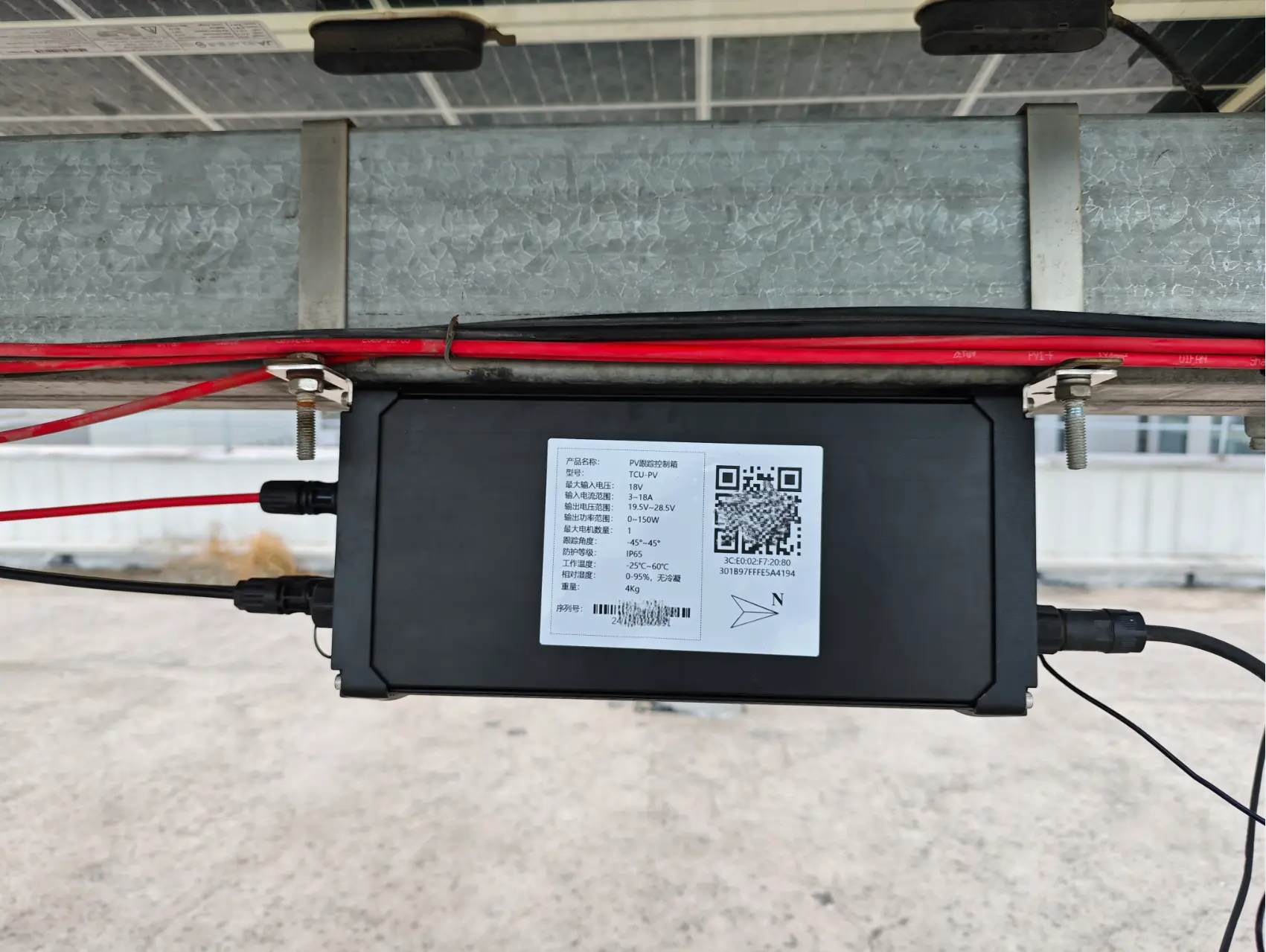
Behind every megawatt of new utility-scale solar sits a layer of critical balance-of-system hardware — from racking and combiner boxes to the solar tracker controller units that orient each row of panels through the day, and the PV tracker controller networks that coordinate them across entire sites. As deployment scales toward the hundreds of gigawatts, domestic demand for high-reliability solar TCU (Tracker Control Unit) and solar NCU (Network Control Unit) hardware is climbing alongside it, opening fresh opportunities for U.S. suppliers.
Investment is flowing to red states. According to SEIA data, a disproportionate share of solar manufacturing investment has flowed to Republican-leaning states, giving solar manufacturing rare bipartisan economic support across the country.
Permitting and interconnection reform. The U.S. grid was built on a layered, often conflicting patchwork of local, state, and federal policy. As "speed-to-power" becomes a binding constraint on economic growth, permitting and grid interconnection must be streamlined, and connection costs must come down.
Utility business-model reform. The U.S. utility model still leans heavily on rate-base and cost-of-service incentives — a structure that, even when new technologies can cut costs and accelerate deployment, actively discourages the scaling of innovative solutions.
Multi-energy coordination. As Barcelo notes: "This is not about replacing one energy with another. America will need every reliable domestic energy source available to meet rising electricity demand and keep the grid stable."
Whether solar truly carries America's next 250 years will depend on whether policymakers can match the celebration of the past with the resolve to drive permitting reform, modernize the grid, and rebuild domestic manufacturing capacity. But one thing is already clear: in the new wave of electricity demand driven by AI and data centers, solar is the most consequential piece on America's energy chessboard.
Related Solar Tracker Products