English
  中文
中文


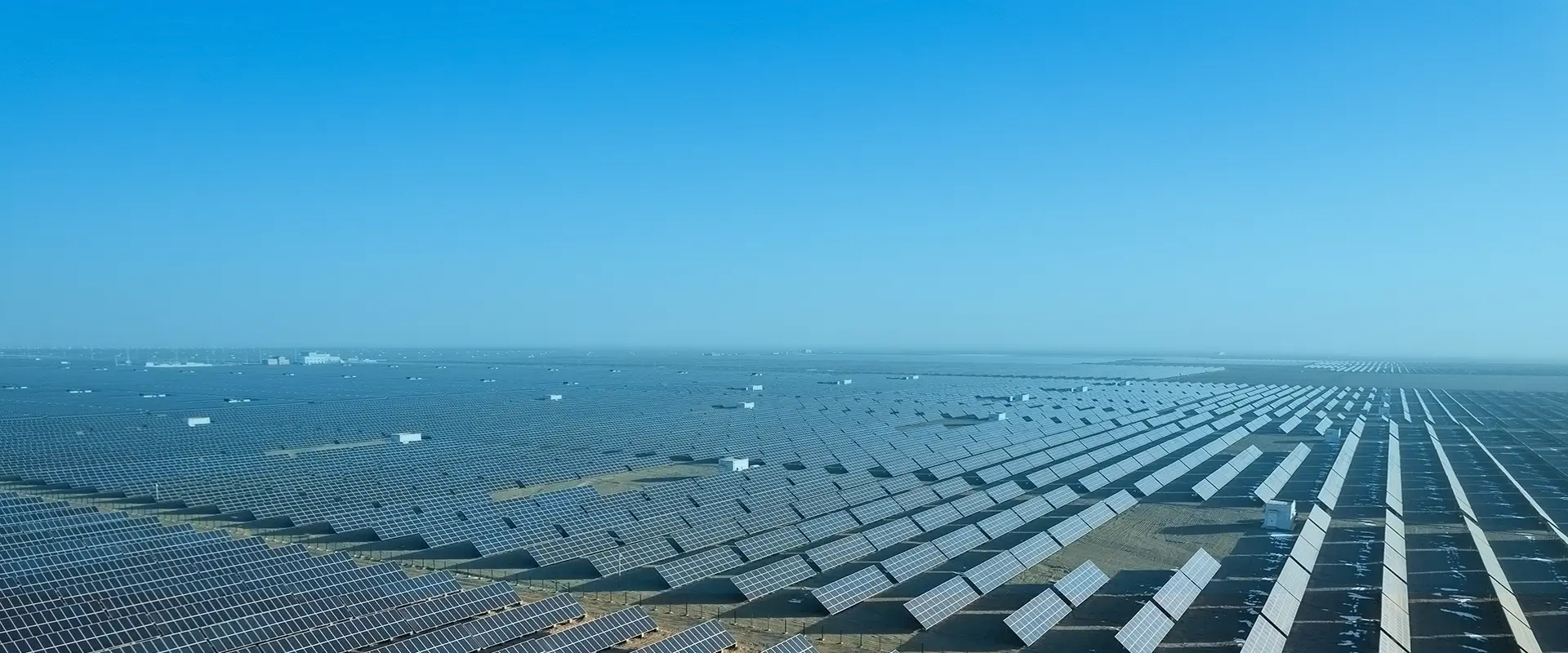
This article explores how Germany's solar revolution is reshaping the European energy market, reducing reliance on liquefied natural gas (LNG), and setting a global benchmark for renewable energy deployment.
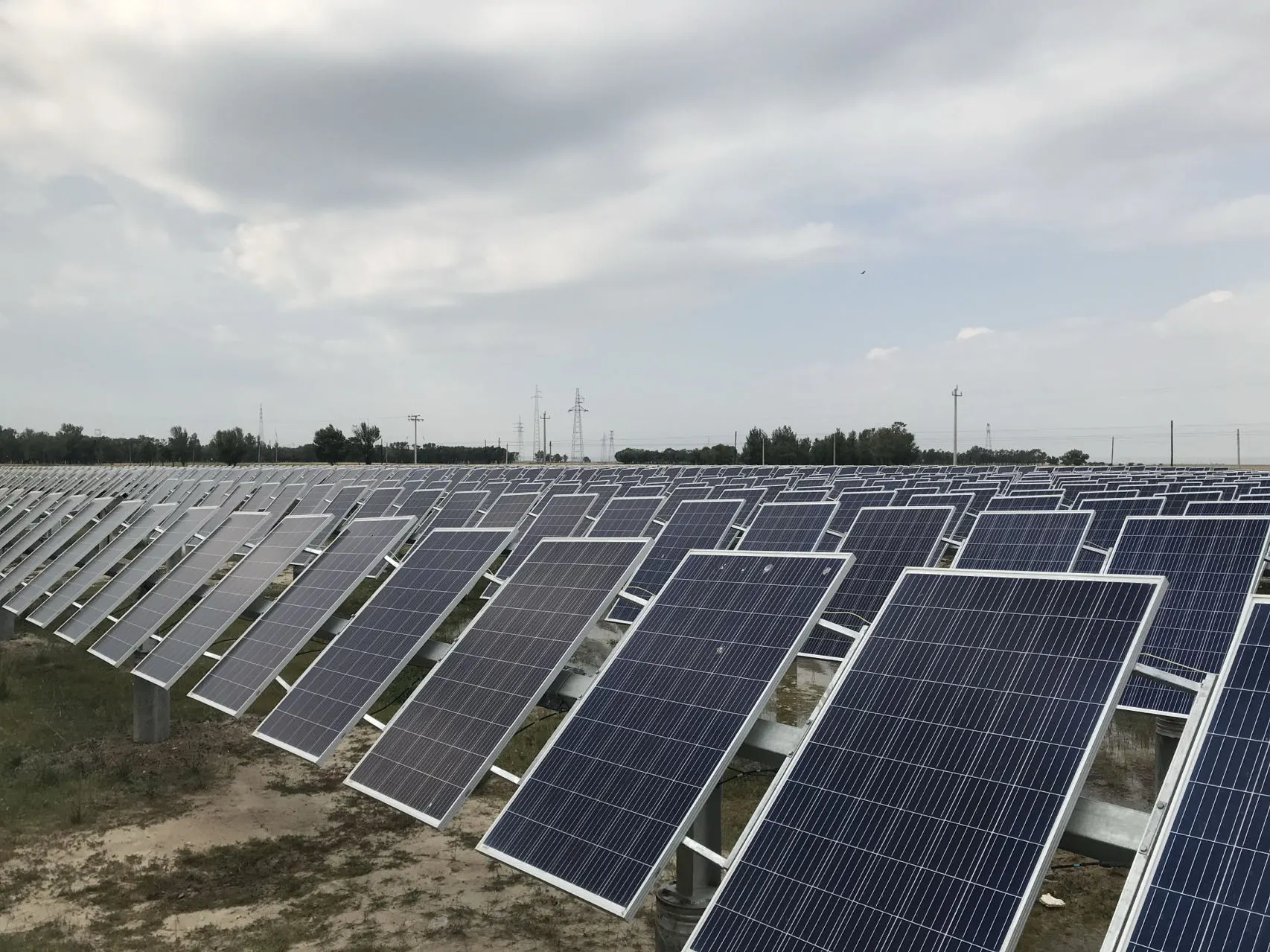
The core driver behind this growth is the continued expansion of installed capacity. Germany is set to increase its solar panel installations by 15% this year alone. This growth trajectory aligns directly with the German government's long-term energy transition targets: 22GW of new solar capacity annually from 2026 onward, split evenly between ground-mounted and rooftop solar systems.
Key Stat: Germany's solar installations will grow by 15% in 2026, with annual new capacity targets of 22GW.
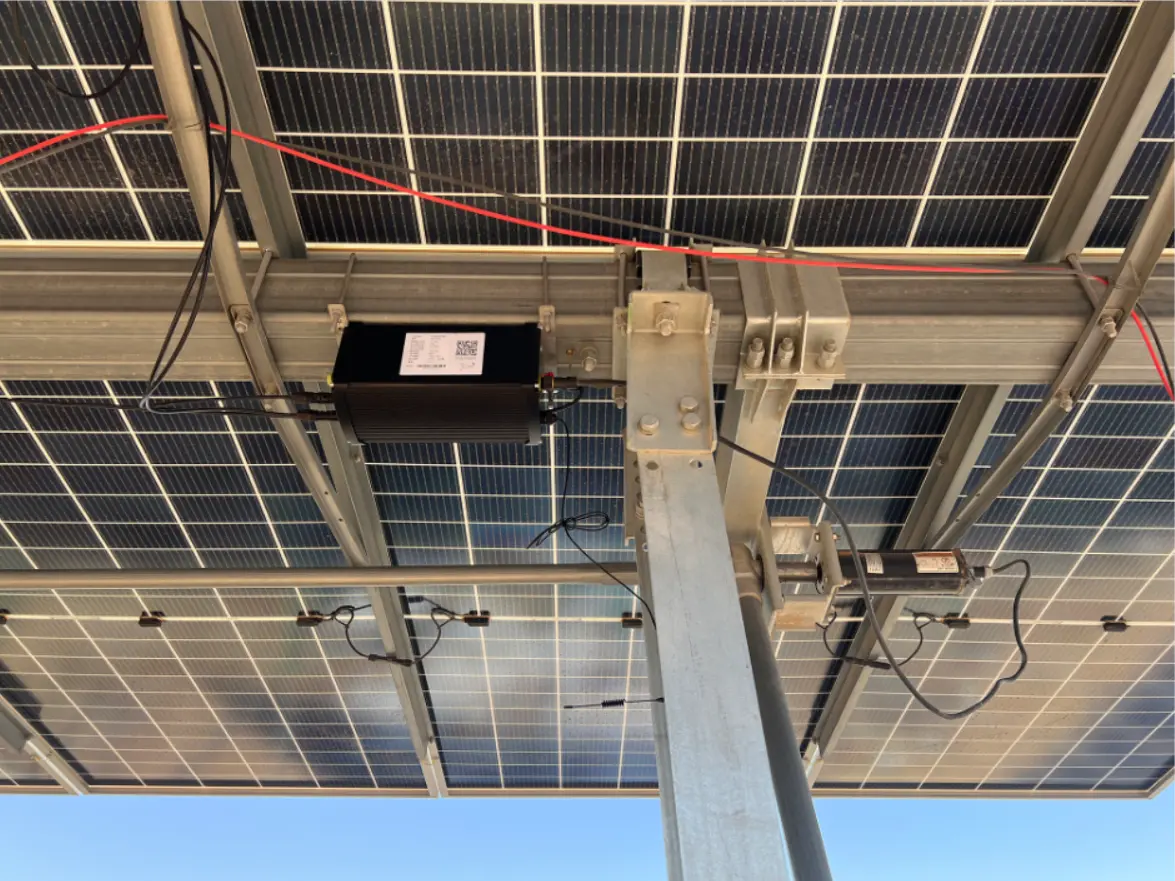
- Dual-axis tracking for maximum sun-following accuracy
- Backtracking algorithms to minimize shading between rows
- Fault detection and diagnostics for predictive maintenance
- Low-power consumption designs for off-grid reliability
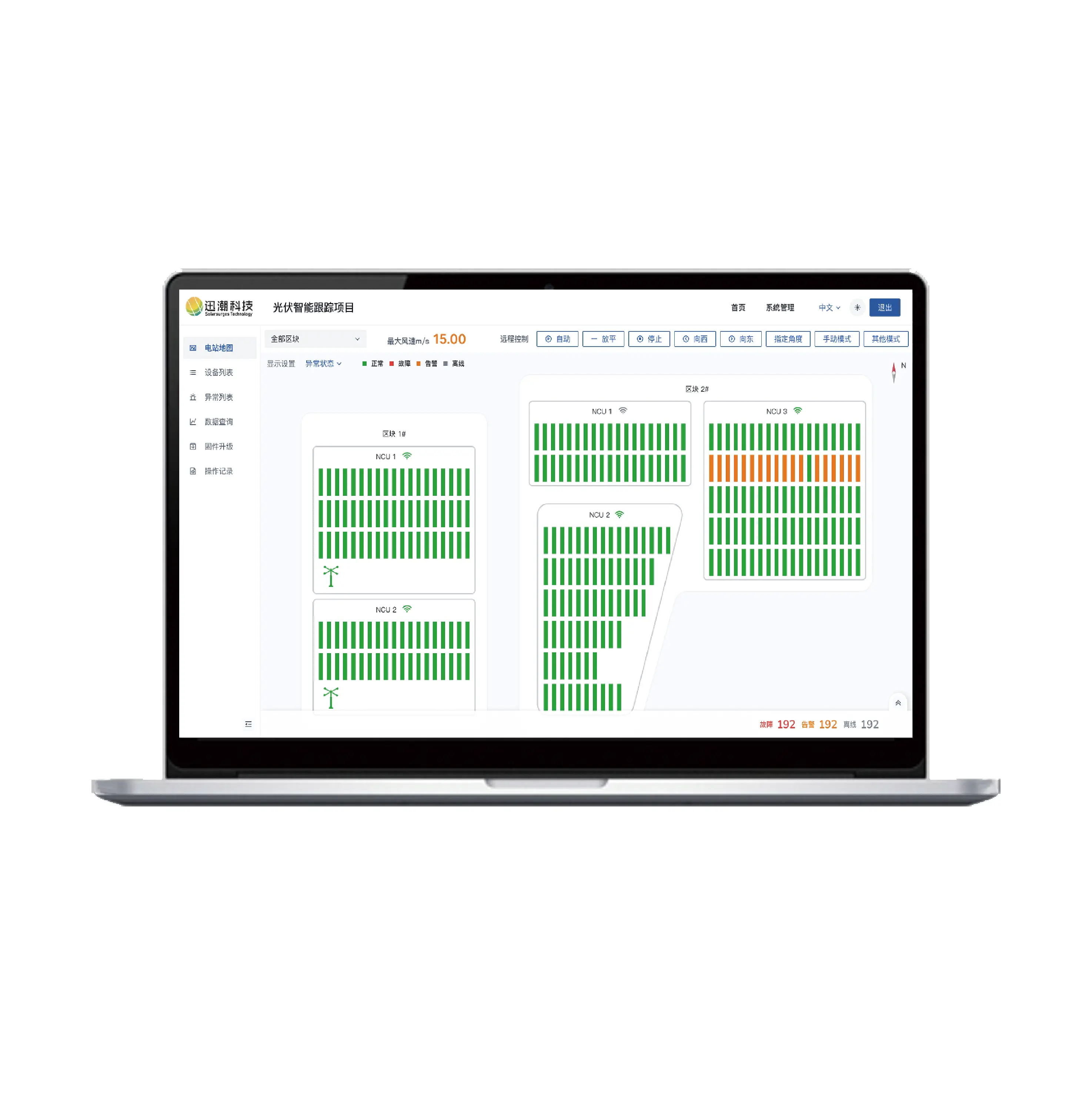
A Solar SCADA system integrates:
- Real-time monitoring of all tracker controllers and inverters
- Performance analytics and yield optimization algorithms
- Grid interconnection management and power output forecasting
- Alarm management and fault escalation workflows
- Historical data storage for regulatory reporting and trend analysis
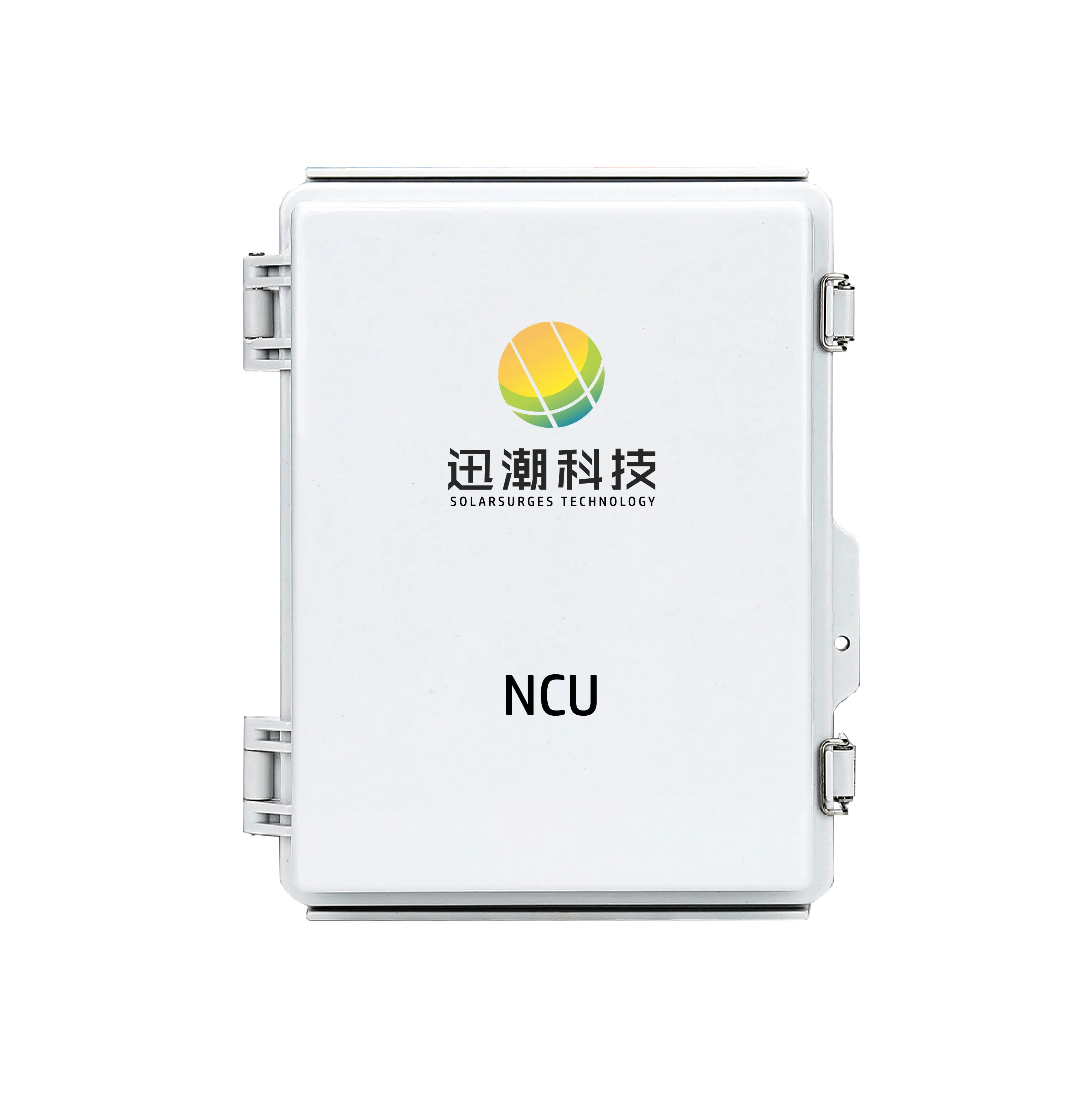
Through Solar SCADA platforms, operators can achieve unified dispatching of entire solar stations, significantly improving operational efficiency and reliability. German solar plants equipped with SCADA-integrated solar TCU and solar NCU systems are setting new benchmarks for efficiency and uptime in the European renewable energy sector.
Monthly data reveals the peak substitution effect:
- July 2026: Gas-fired power generation in Germany is projected to drop to approximately 2.5GW
- Coal generation is expected to fall by approximately 63%, to around 3.2GW during the same period
By reducing import demand during periods of global supply tightness, Germany's solar-driven displacement of gas consumption gives Europe a stronger negotiating position in the international LNG market.
- By 2030: At least 80% of Germany's electricity consumption from renewable sources
- By 2035: Near-complete decarbonization of the economy
- 2030 photovoltaic (PV) cumulative capacity target: 215GW
To achieve these targets, Germany has dramatically streamlined the registration process for balcony solar systems, raised the system power cap from 600W to 800W inverter / 2,000Wp module capacity, and legally established tenants' rights to install balcony solar—unlocking massive residential installation potential.
In February 2026, Germany introduced the PV Peak Act to manage the rapid growth of solar projects. New installations exceeding 2kW capacity are required to suspend EEG subsidies during periods of negative electricity pricing. This policy shift indicates Germany's solar sector is transitioning from pure subsidy-driven growth ("Stage 1") to a sustainable "Stage 2" model co-driven by market forces and policy refinement.
Germany's storage policy framework is highly systematic:
- Solar generation in Europe reached a record 369 TWh in 2025, up approximately 20% year-over-year
- In Germany, solar alone now covers 18% of electricity consumption
- Renewable energy's share of Germany's total energy supply has reached 60%
As new German solar projects come online and storage systems scale up, the substitution effect of solar on fossil fuels will intensify further. Large-scale solar farms leveraging modern solar tracker controllers and integrated Solar SCADA platforms are not only driving efficiency and reliability—they are constructing a robust, green energy barrier for Europe heading into every winter season.
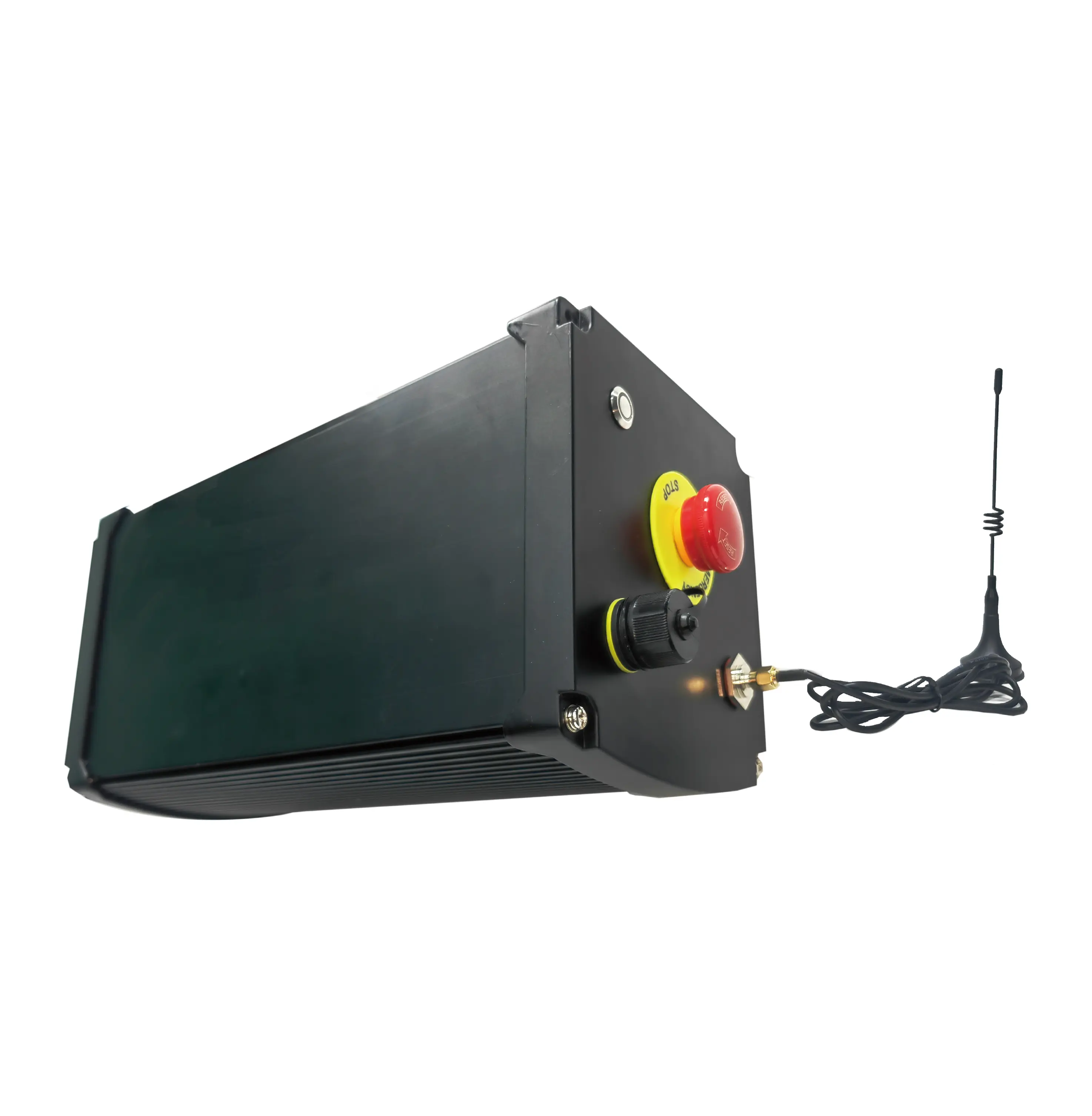
A Solar TCU (Tracker Control Unit) is an intelligent controller that precisely adjusts solar panel angles in real-time using GPS, astronomical algorithms, and weather sensors, maximizing energy harvest throughout the day.
What role does Solar SCADA play in solar power plants?
Solar SCADA (Supervisory Control and Data Acquisition) platforms provide centralized monitoring and control of all trackers, inverters, and grid connections across a solar installation, enabling unified dispatching and performance optimization.
How much has Germany's solar generation grown?
Germany's solar generation averaged 16.5GW during summer 2026—a 31% increase year-over-year, with 15% growth in installed solar panel capacity.
What is Germany's renewable energy target?
Germany aims for 80% renewable electricity by 2030 and near-complete greenhouse gas neutrality by 2035, targeting 215GW of cumulative solar PV capacity.
Related Solar Tracker Products