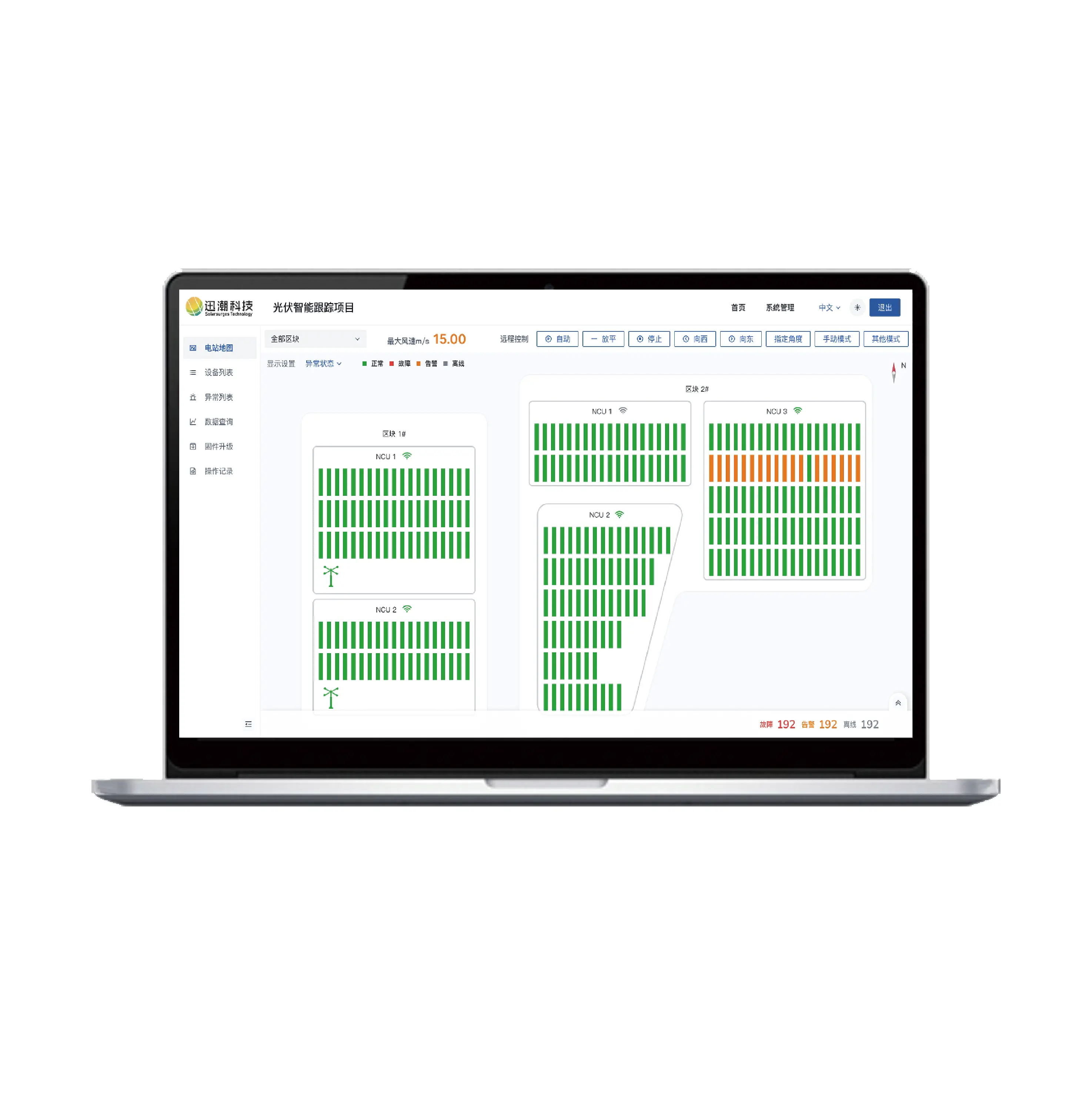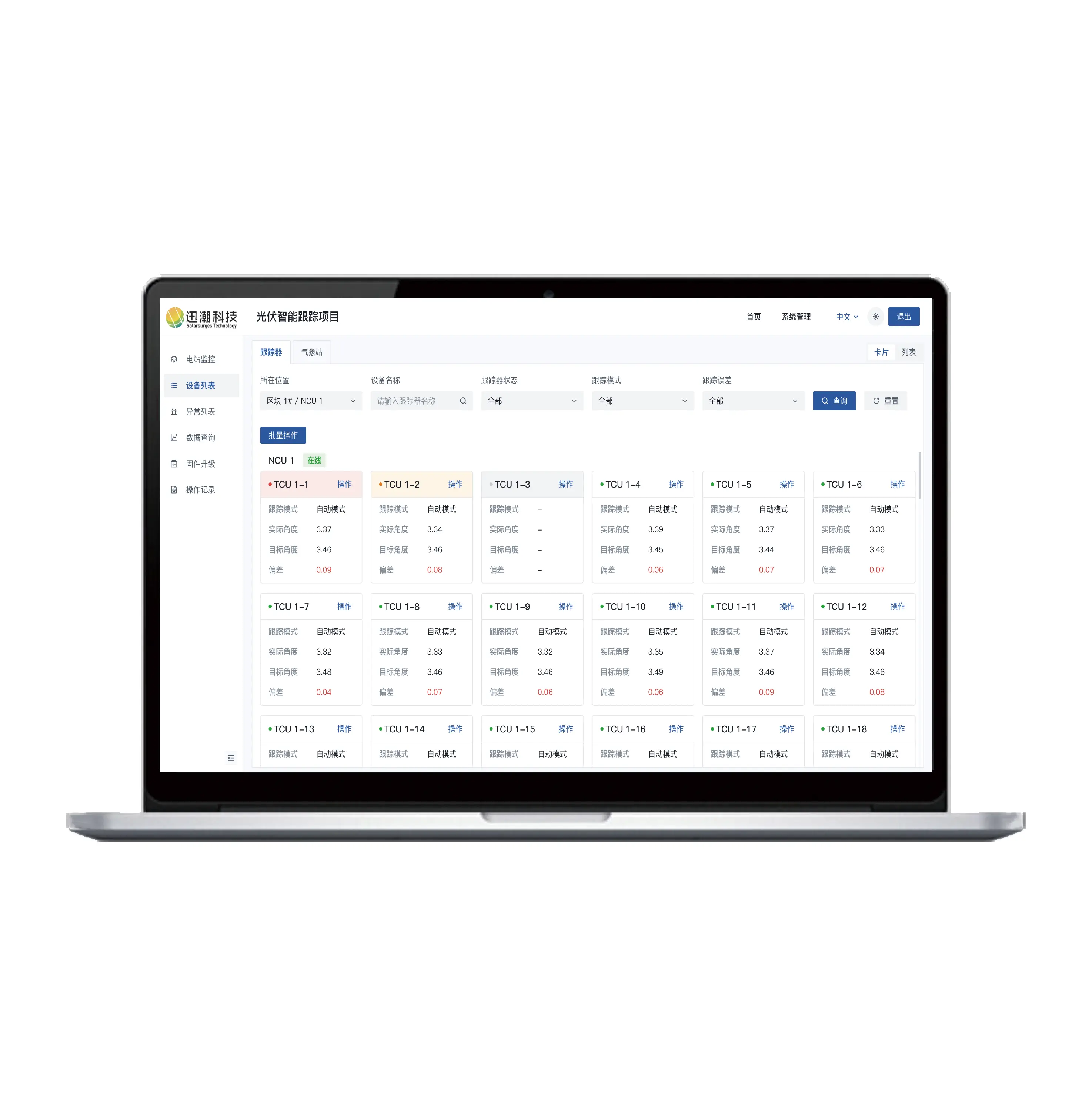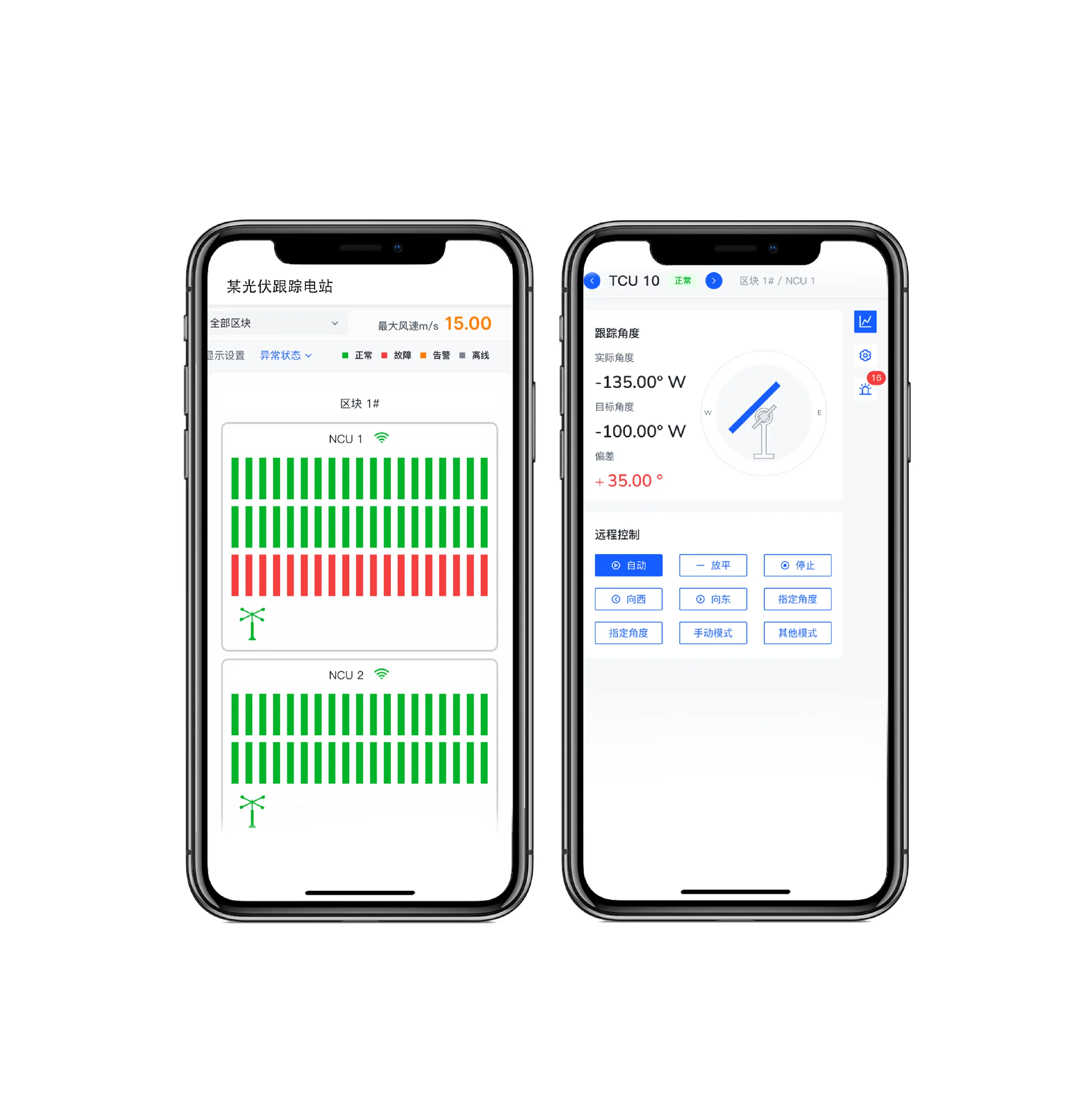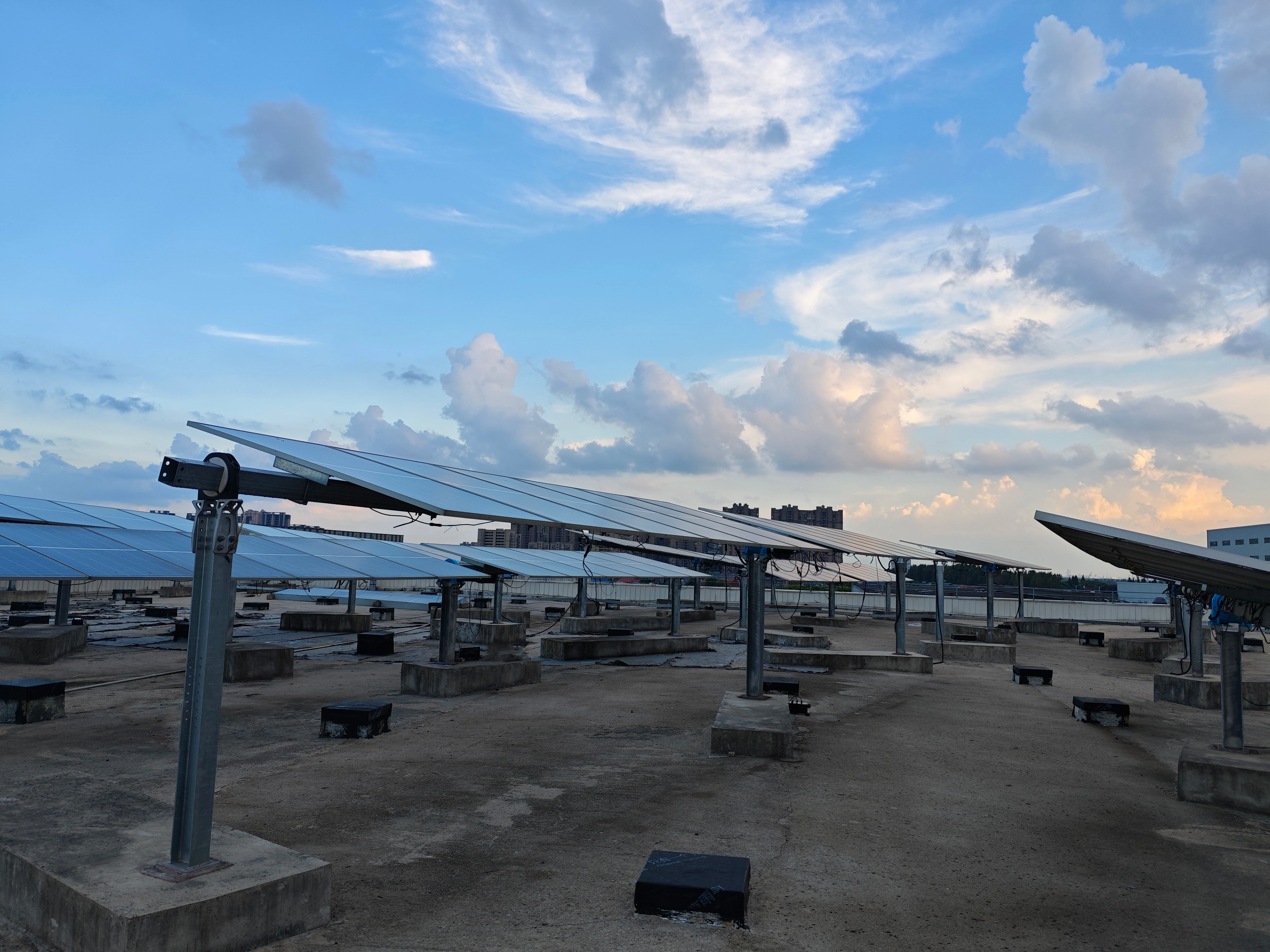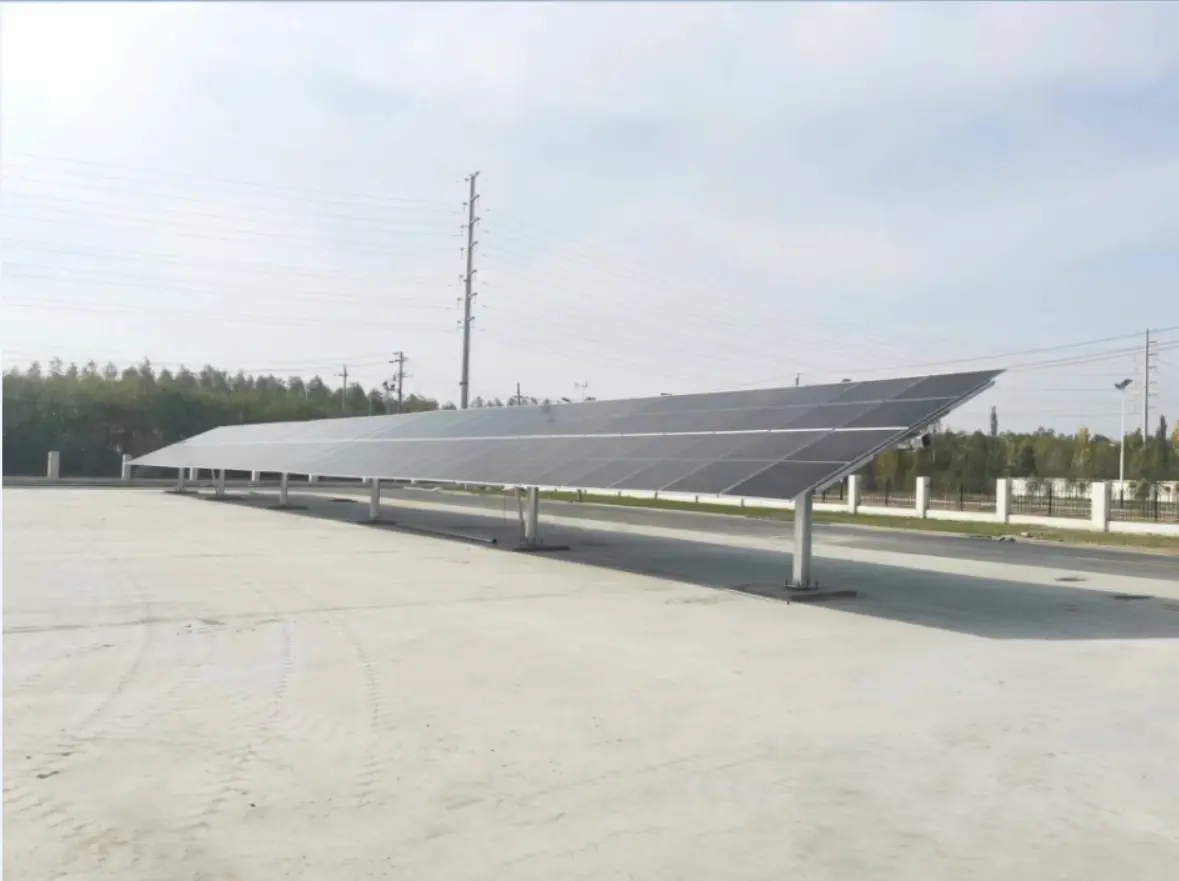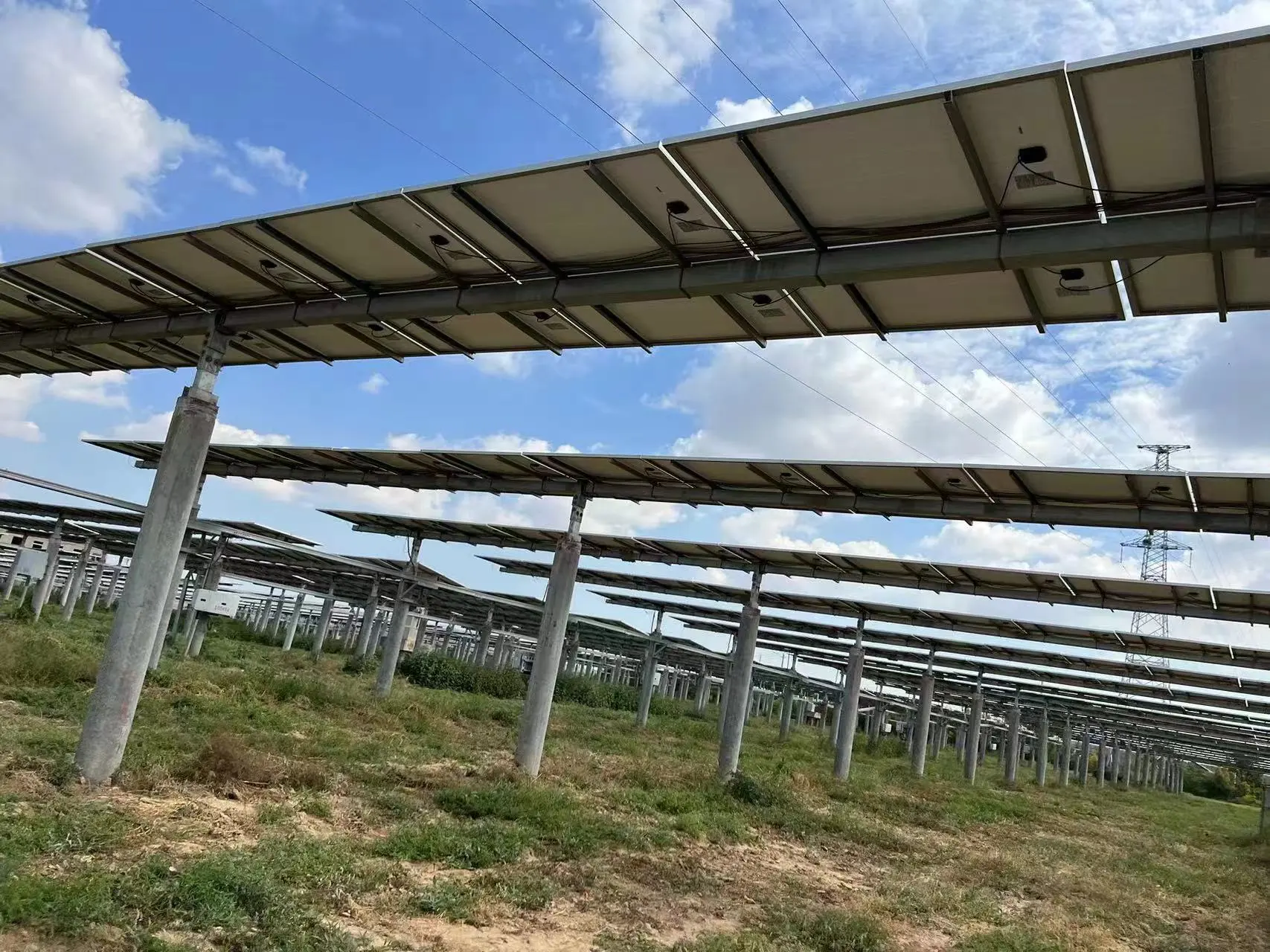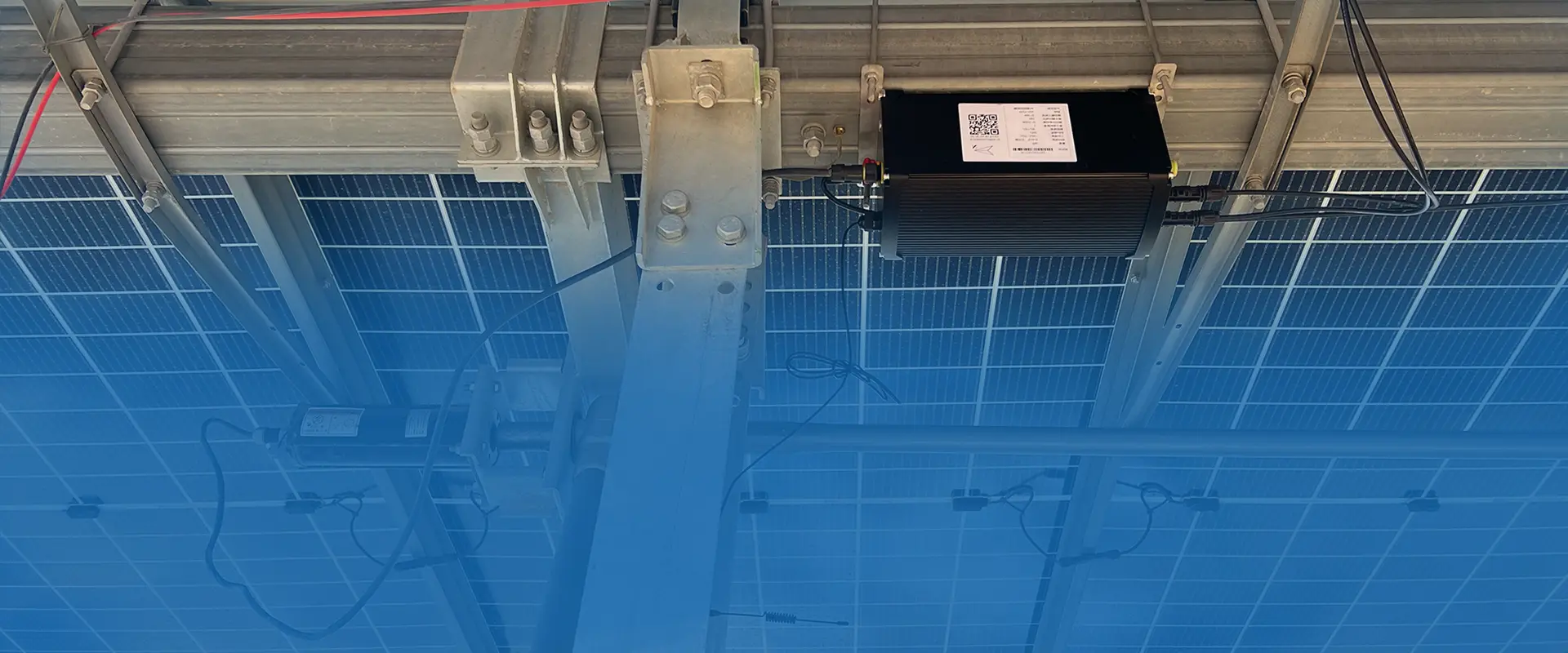
The SCADA adopts the international industry standard encrypted communication protocol to ensure the integrity and security of data. The software architecture adopts B/S modular and scalable design to ensure the intensive and economical deployment of the system. At the same time, an industrial-grade real-time data management system is adopted to realize digital and intelligent unified and flexible management of the tracking controller.
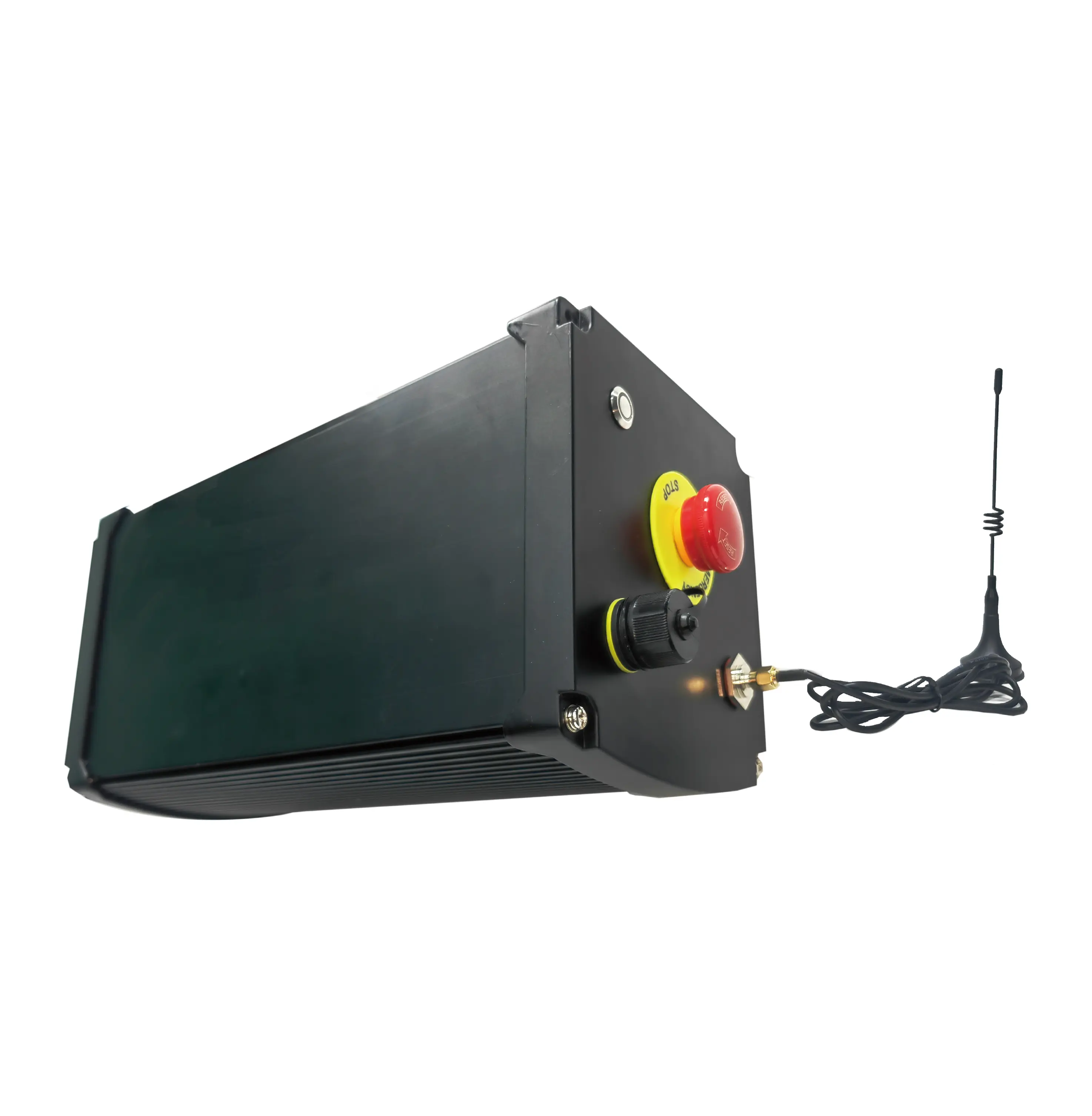
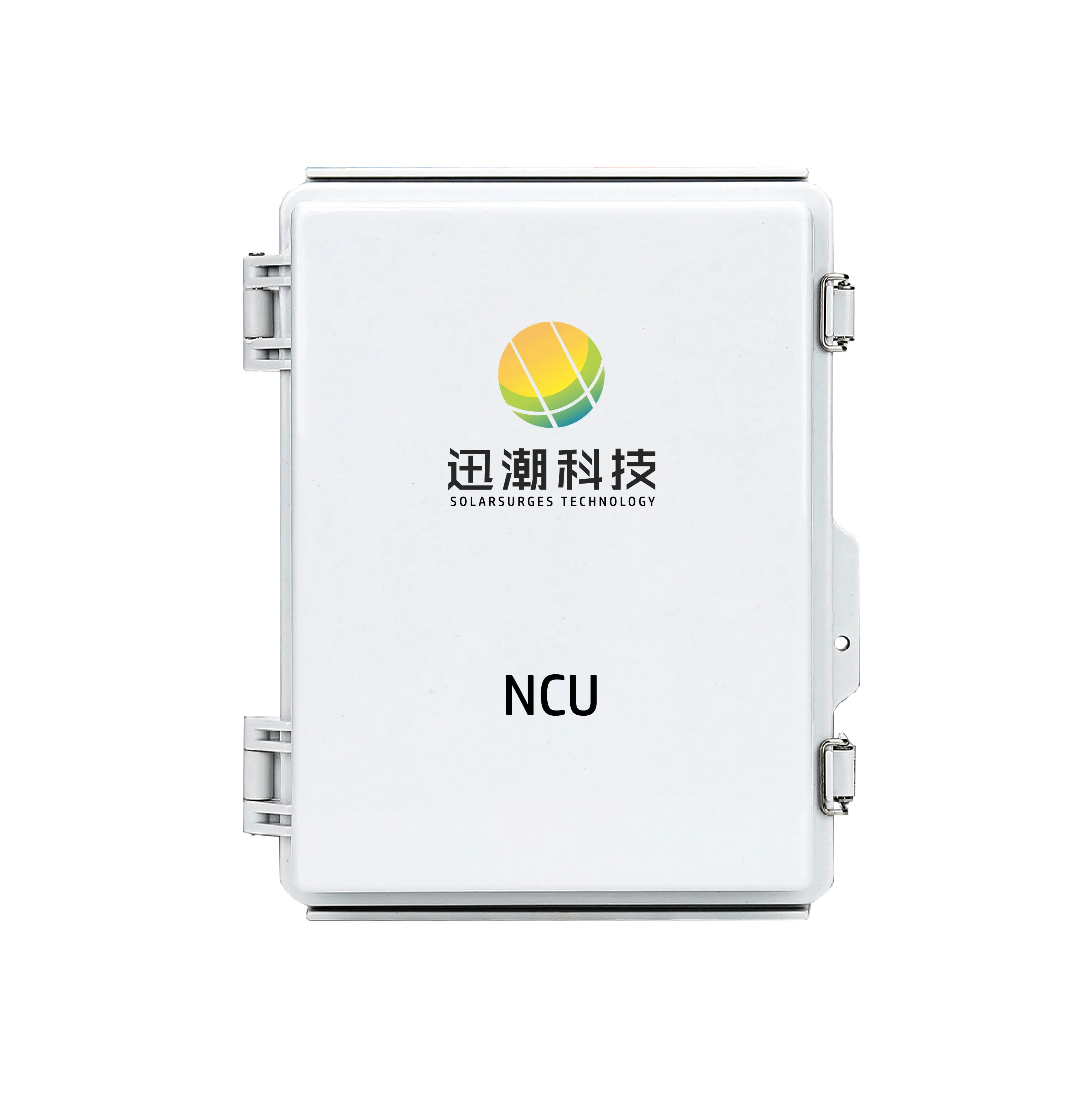
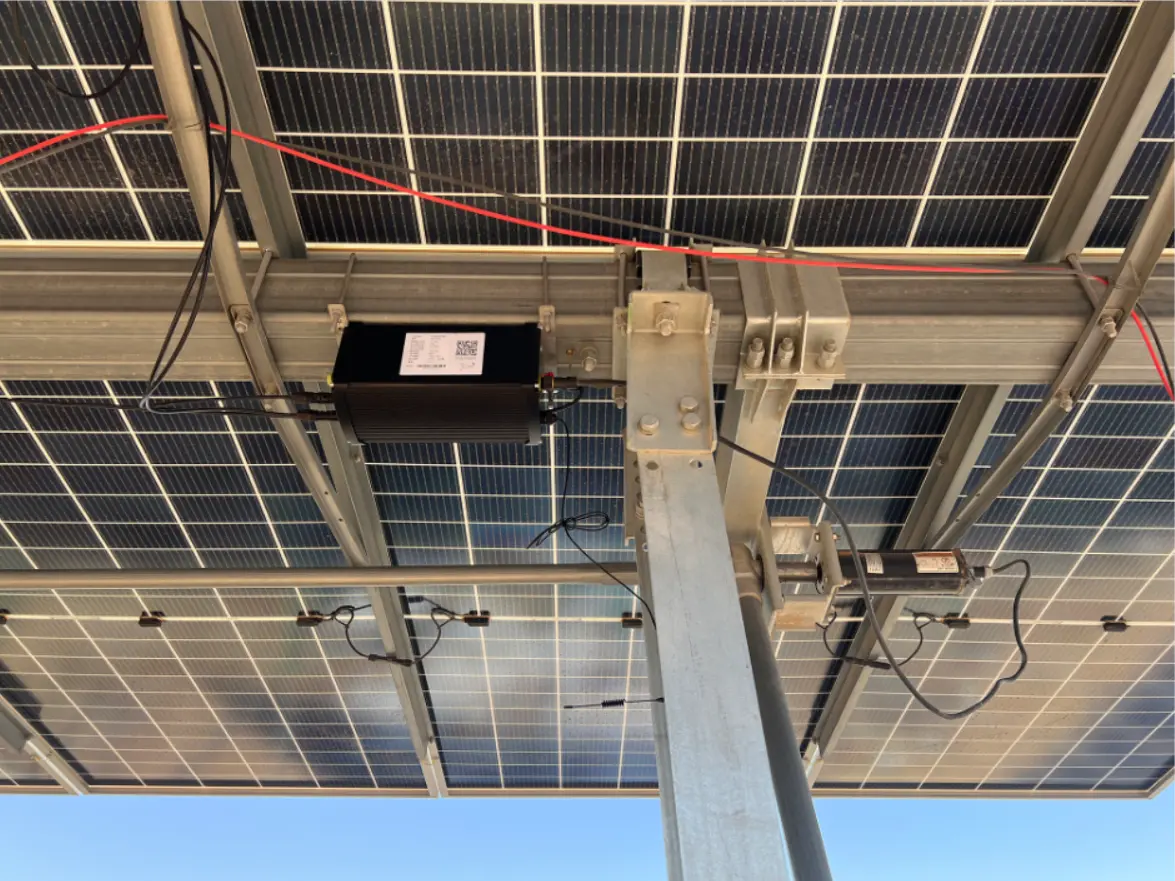
The hardware layer includes critical components like Terminal Control Units (TCUs), Network Control Units (NCUs), weather stations, and sensors. These devices collect field data from inverters, trackers, and meteorological stations, such as Global Horizontal Irradiance (GHI) and temperature levels, and relay it to the SCADA system.
The SCADA software for solar power plants plays a pivotal role in data visualization and analytics. It provides real-time dashboards showing string-level performance, inverter status, and weather trends. Users can also configure automation settings based on pre-specified thresholds, significantly reducing the need for manual intervention.
The communication backbone of a solar plant SCADA system includes high-speed fiber optics, Ethernet, or wireless mesh networks. Through communication protocols like Modbus/TCP and DNP3, SCADA systems can consolidate vast amounts of scattered data into actionable insights displayed in seconds. This interconnected ecosystem ensures reliable data transfer between various components.
Solar power plants often integrate components from multiple manufacturers. A high-performance solar SCADA should be compatible with various inverter brands, trackers, and meteorological sensors to ensure seamless operations.
Cybersecurity is paramount, especially for grid-connected assets. Ensure your SCADA system comes with robust encryption and security protocols to prevent breaches.
As solar projects expand, the SCADA system should be flexible enough to accommodate additional capacity without requiring a full system overhaul. Look for providers with scalable infrastructure and upgrade-friendly solutions.
Modern SCADA for solar PV power plants offers real-time data monitoring and diagnostics at the string and inverter level. This allows plant managers to quickly identify issues like inverter clipping or malfunctioning panels, ensuring minimal downtime.
An advanced solar SCADA system goes beyond monitoring—it empowers operators with remote capabilities, including tracker stow operations during high winds or angle adjustments to optimize energy capture.
With AI-driven tools, SCADA enables predictive maintenance, helping operators address potential issues before they escalate. For instance, it can analyze inverter data trends and predict failure probabilities, avoiding costly downtime and reducing O&M expenses.
Hierarchical Structure: SurgeTrack utilizes a top-to-bottom management hierarchy, integrating data from string inverters up to grid-level operations.
Real-Time Monitoring: With latency under one second, it offers nearly instantaneous insights into plant performance.
Advanced Analytics: From granular string-level analytics to AI-driven predictive modeling, SurgeTrack turns raw data into actionable intelligence.
Enhanced Control: SurgeTrack enables full remote control, from tracker adjustments to fault isolation, significantly reducing manual interventions.
Let's compare traditional monitoring with SurgeTrack in the table below:
| Feature | Basic Monitoring | SurgeTrack Solar SCADA |
|---|---|---|
| Data Latency | 5-15 Minutes | Real-time (<1 second) |
| Control Capabilities | View Only | Remote Stow & Configuration |
| Analytics | Historical Charts | AI-Driven Predictive Modeling |
Solarsurges Insights in Solar Tracker
May 24 2026
Solar Monitoring System: Why Large-Scale Assets Need Solar SCADA Instead of Standard MonitoringMay 20 2026
Tesla's Giant Solar Panel Factory in Houston: A Major Step Toward 100GW Photovoltaic ManufacturingMay 20 2026
Solar Tracker: How AI-Driven TCU Controllers Maximize Solar Yield Beyond Astronomical Algorithms English
  中文
中文