English
  中文
中文


EU Inverter Ban Threatens 14% of Solar Demand: 28 GW Market Faces Restructuring, Central and Eastern Europe Hit Hardest
In July 2026, energy consultancy Wood Mackenzie released a new analysis indicating that the European Commission's funding ban on photovoltaic inverters and power conversion systems (PCS) from "high-risk countries" such as China is expected to impact approximately 14% of the EU's forecast solar PV demand between 2026 and 2030, affecting over 28 GWdc of inverter demand. During the same period, roughly 12% of projected energy storage deployments will also be affected, with utility-scale storage projects facing the highest risk. This marks the first systematic quantitative assessment of the ban's impact since the European Commission formally advanced the restrictions on cybersecurity grounds in April 2026.
I. Core of the Ban: Cutting Public Funding, Targeting Chinese Dominance
In April 2026, the European Commission officially launched plans to restrict EU funds — including those from the European Investment Bank (EIB) and European Investment Fund (EIF) — from flowing to solar and storage projects using inverters from "high-risk countries" such as China. The policy rests on cybersecurity concerns: inverters serve as the critical interface between PV plants, battery storage, and the power grid, typically allowing remote access for software updates and maintenance. EU officials have warned that this could provide a backdoor for external actors to "remotely shut down member states' networks or even trigger nationwide blackouts."
Wood Mackenzie notes that the ban aims to address Chinese suppliers' dominance in the European inverter market — in 2025, Chinese suppliers accounted for over 80% of inverter shipments in Europe. Nine of the world's top ten inverter suppliers are based in China, with Huawei and Sungrow alone commanding 55% of the global market. By cutting off public funding access, the ban seeks to push Chinese inverters out of officially-backed EU energy projects without imposing an outright sales ban.
According to earlier Reuters estimates based on current deployment levels alone, the ban would affect at least 14 GW of new solar capacity, representing over 20% of the EU's annual installations. Wood Mackenzie's five-year cumulative forecast now quantifies this impact at up to 28 GWdc.
II. Epicenter of Impact: Central and Eastern Europe Under Maximum Pressure
Wood Mackenzie's analysis identifies Central and Eastern European (CEE) countries as the region facing the most severe disruption. Romania, Bulgaria, Czechia, the Baltic states, and Greece are listed as markets with the highest exposure risk.
This geographic distribution is no coincidence. CEE countries rely heavily on EU public funding for renewable energy projects, while Chinese inverters — with their compelling price-performance ratio — dominate these cost-sensitive markets. Once the ban takes effect, these countries will face the most immediate risk of supply chain disruption.
On July 7, 36 companies and investors from CEE countries jointly wrote to European Commission President Ursula von der Leyen, warning that restricting Chinese inverters would disrupt the expansion of solar and wind projects across the region. The letter stated bluntly that these countries already lag behind Western Europe in phasing out fossil fuels, and "this risks slowing — and in some markets, halting — the energy transition across the entire region." They cautioned that European-made supply is not yet sufficient to replace Chinese components, which would lead to rising costs and project delays; meanwhile, the uncertainty around how the ban will be enforced is "freezing financing decisions across the region."
The ban's impact also extends beyond EU borders. Wood Mackenzie notes that utility-scale solar projects in North Africa, the Middle East, and the Caspian region that receive EU institutional financing are equally restricted.
III. Costs and Challenges: Modest Equipment Premium, Soaring Procurement Complexity
While European-made inverters cost significantly more than their Chinese counterparts, Wood Mackenzie's analysis finds the ban's impact on overall project costs to be relatively moderate — an increase of approximately 2% to 8%, depending on the market segment.
However, cost is not the only disruptive factor. Joe Shangraw, research analyst at Wood Mackenzie, observes: "Procurement complications, design changes, and the forced unbundling of integrated battery-inverter systems will create additional challenges, particularly in price-sensitive Eastern European markets." Many projects had adopted integrated "battery + inverter" solutions; with the ban in effect, developers are forced to dismantle these systems, seek alternative suppliers, and redesign — significantly increasing procurement timelines and engineering complexity.
IV. Beyond Inverters: Broader Supply Chain Implications
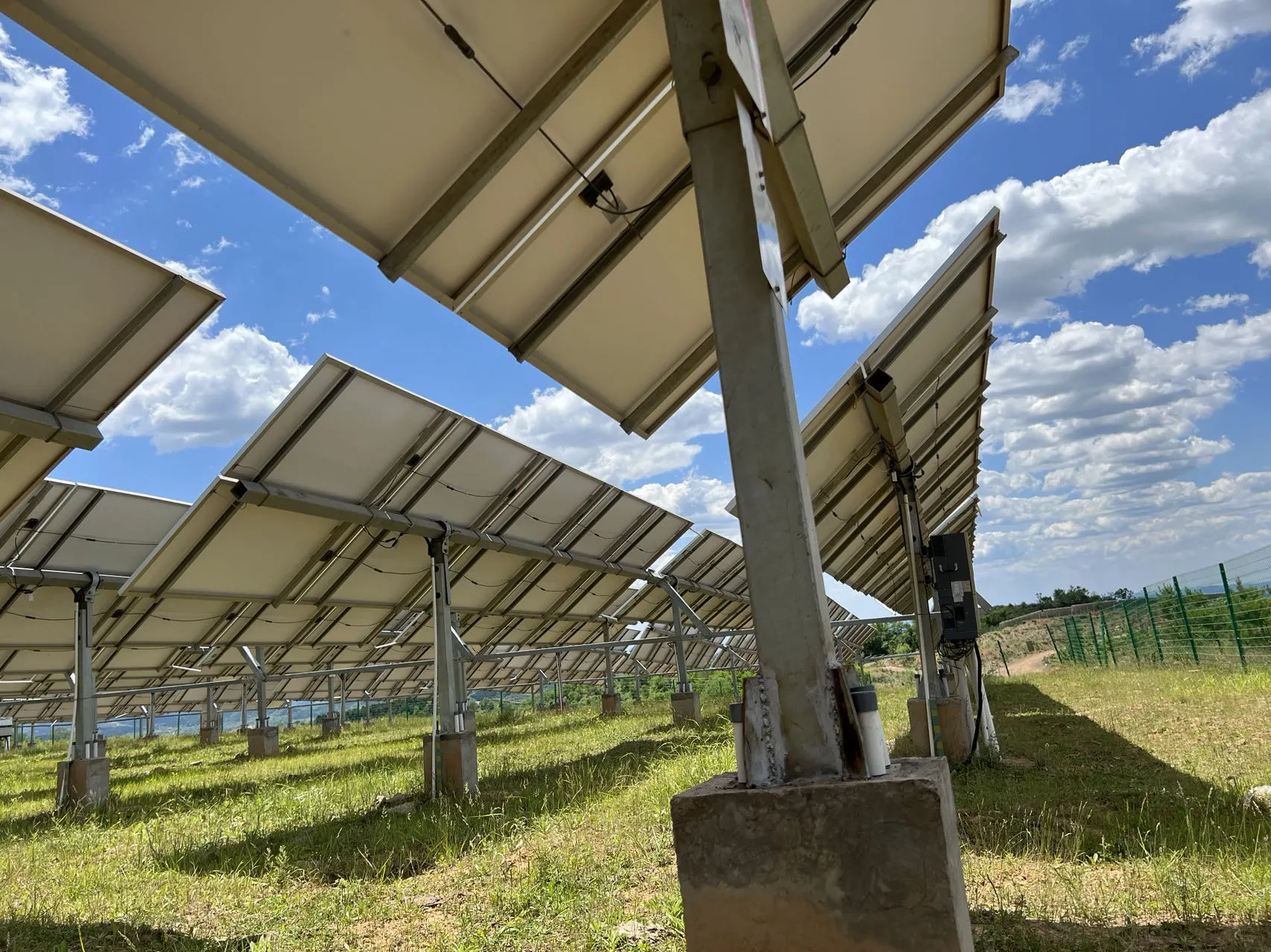
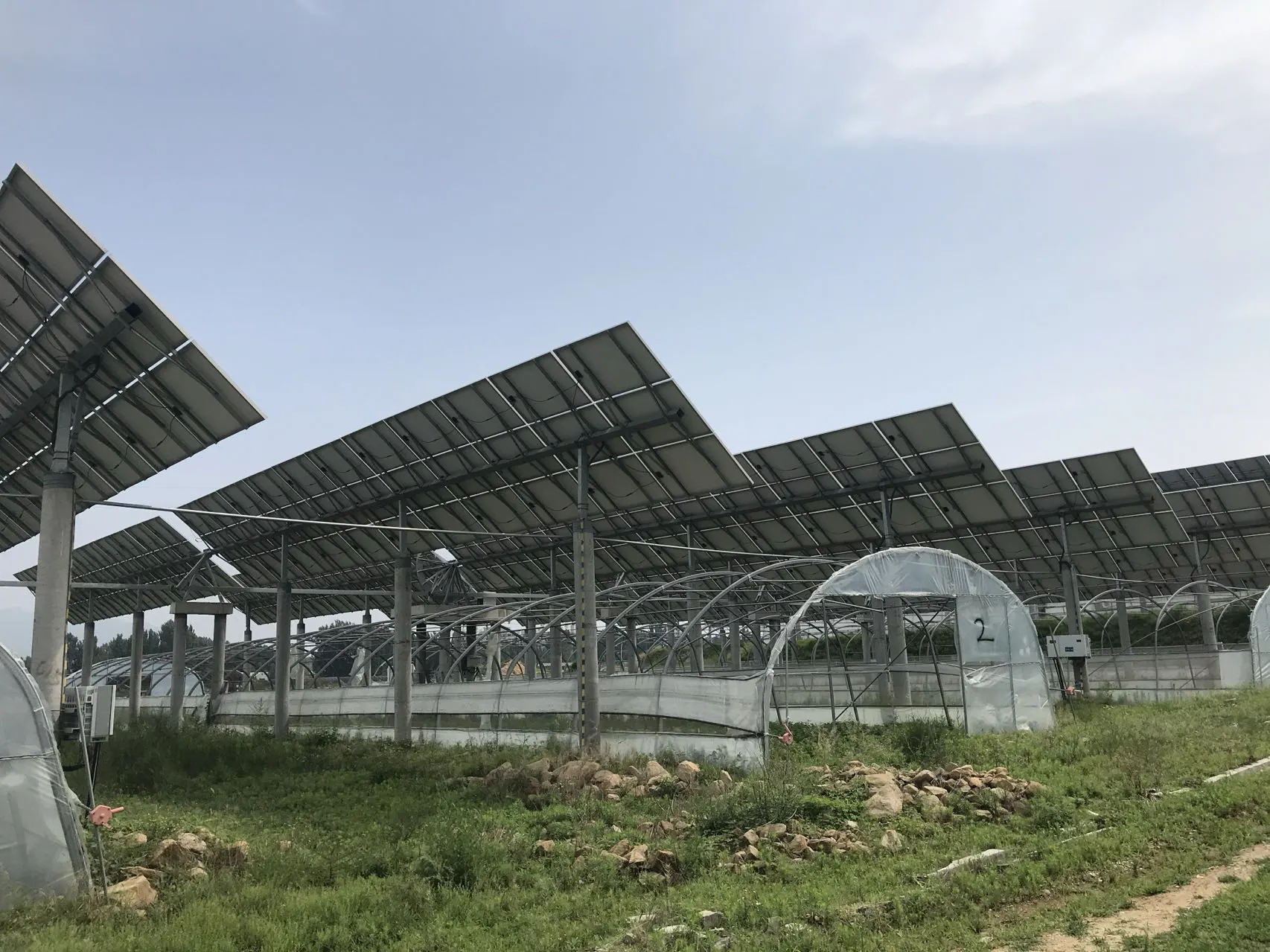
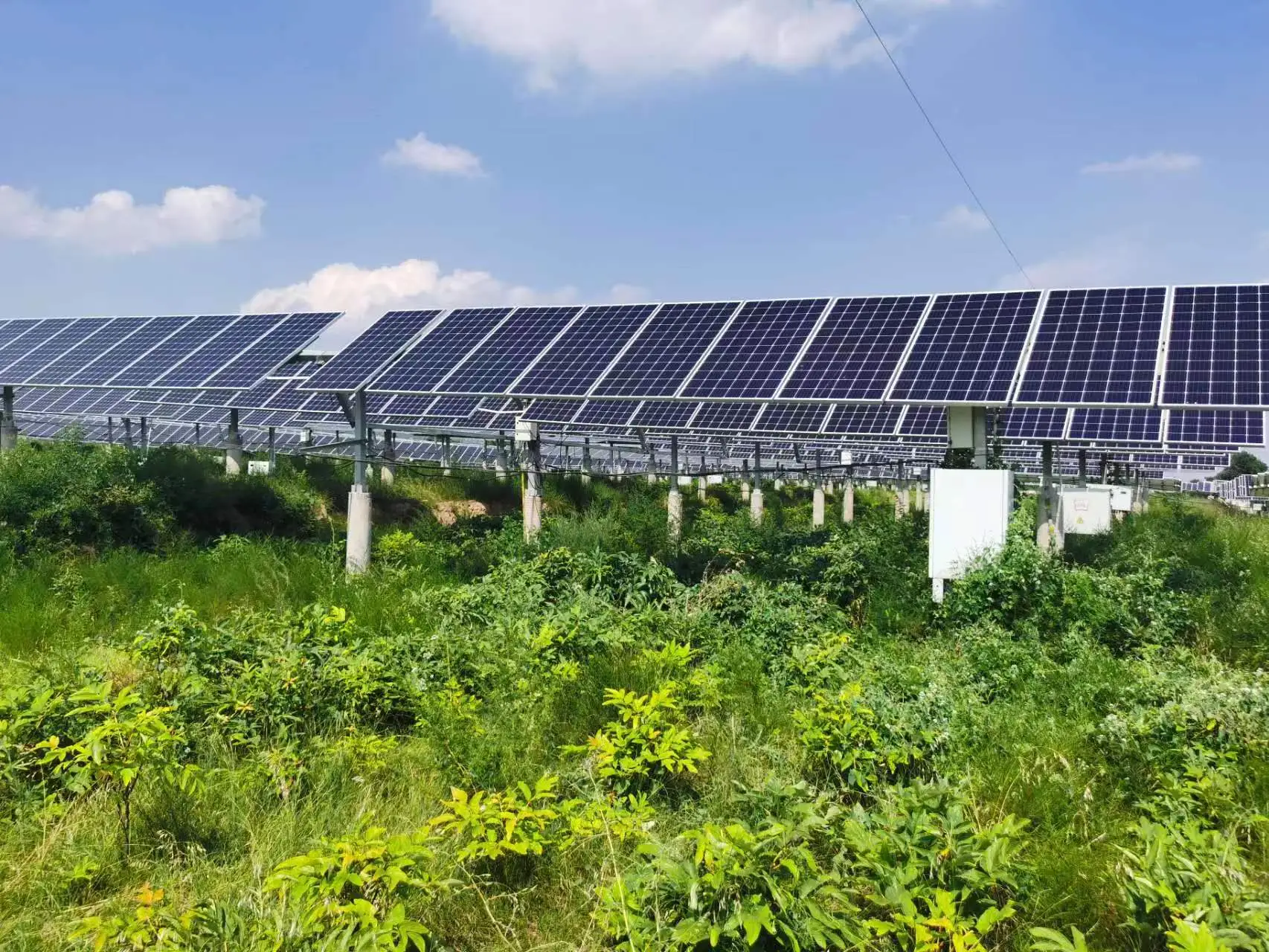
While the current ban specifically targets inverters and PCS, the ripple effects across the broader solar PV supply chain merit close attention. Utility-scale solar plants are complex systems comprising multiple interdependent components — from inverters and modules to mounting structures and solar tracker controllers . As European developers scramble to reconfigure their supply chains, component-level procurement strategies are being reassessed across the board.
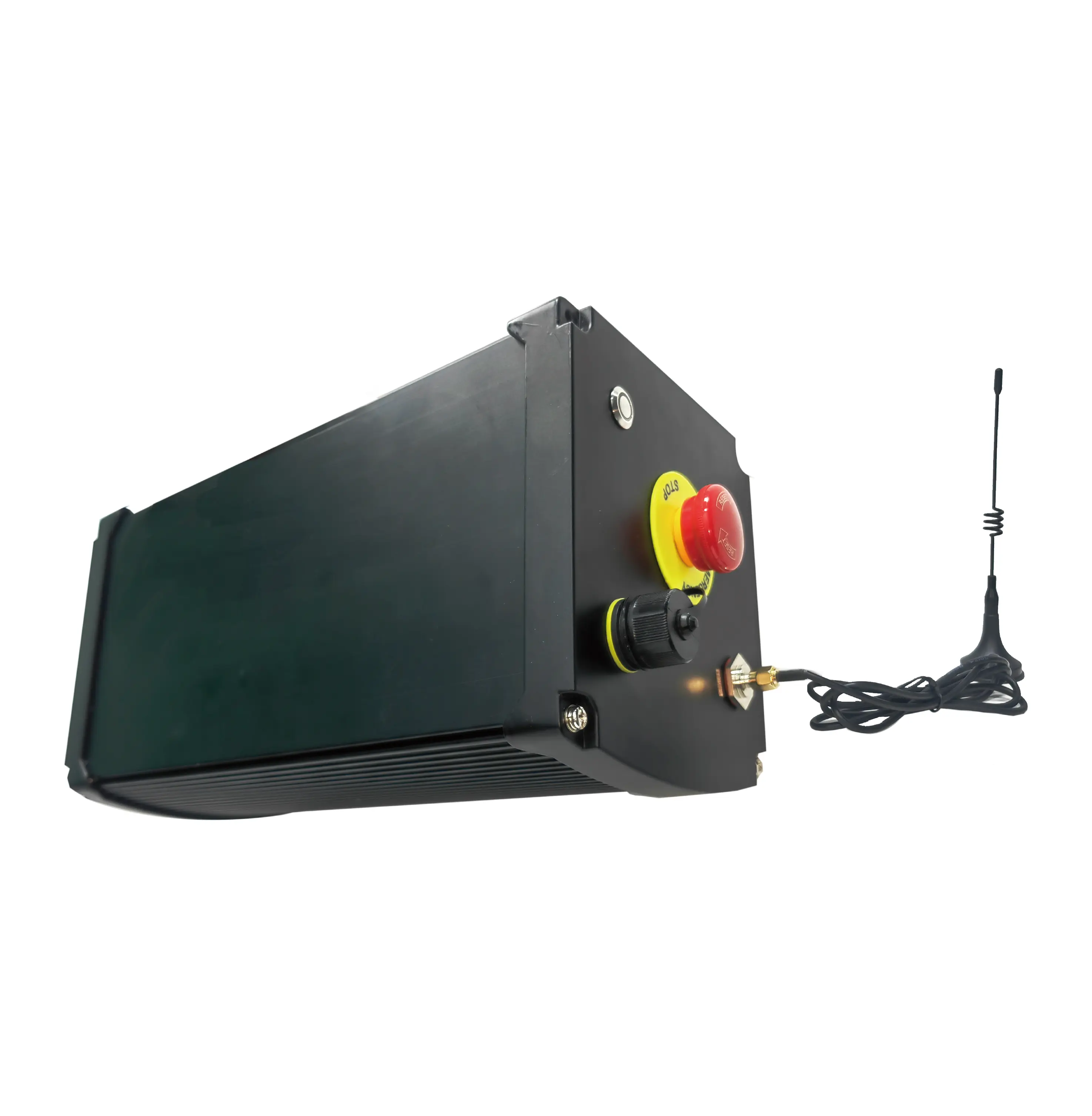
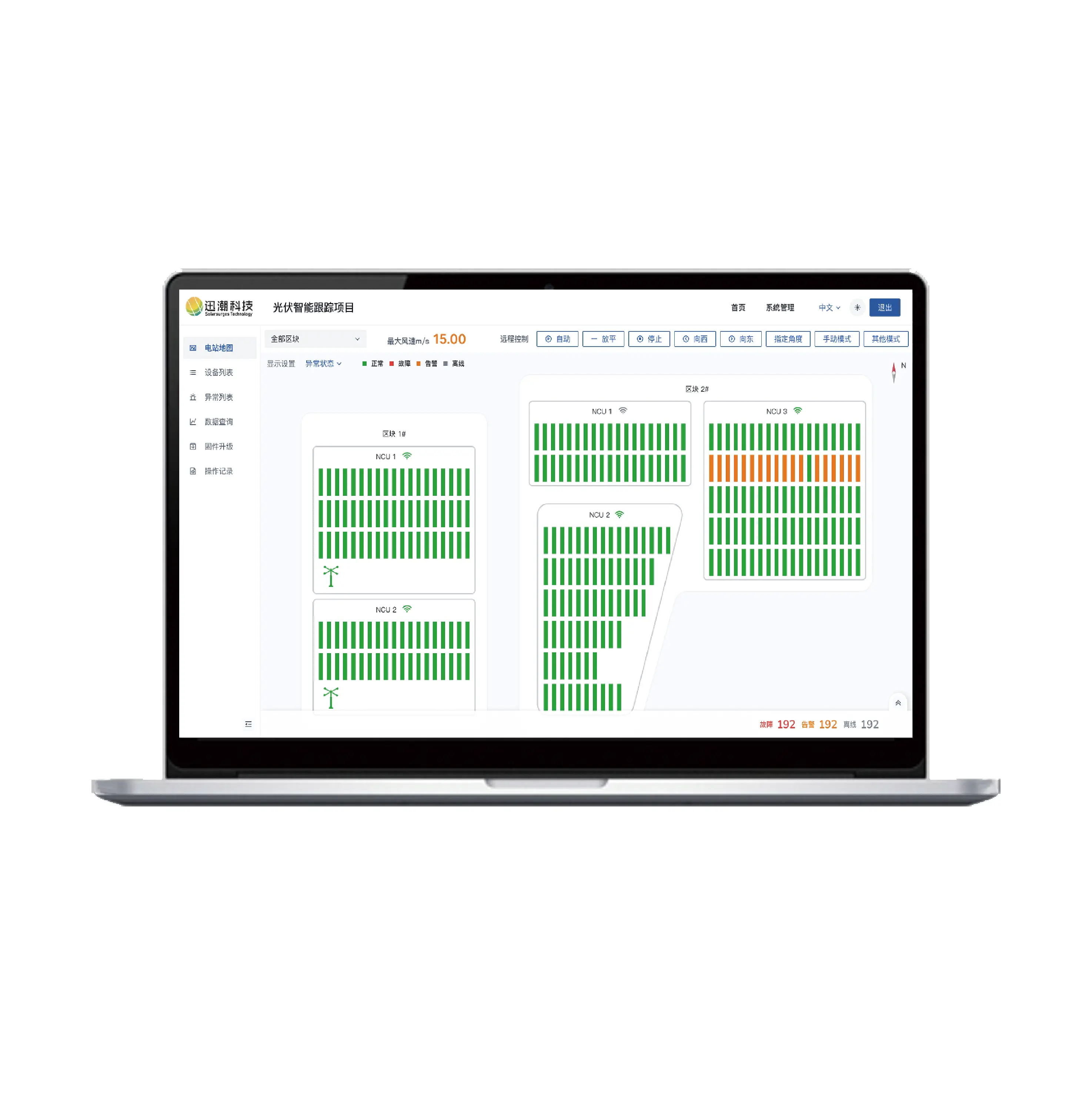
For Chinese manufacturers supplying critical balance-of-system components — including solar TCU (Tracker Control Units), solar NCU (Network Control Units), and PV tracker controller systems — the evolving regulatory landscape raises important strategic questions. While these products do not currently fall under the same cybersecurity scrutiny as grid-connected inverters, the precedent set by the inverter ban suggests that any intelligent electronic device with remote communication capabilities could eventually face similar regulatory attention. A solar tracker controller that supports cloud-based SCADA monitoring and remote firmware updates, for instance, shares certain functional characteristics with inverters in terms of network connectivity.
Industry analysts note that the EU's growing emphasis on "digital sovereignty" and critical infrastructure protection means that manufacturers of solar tracker controllers , solar TCU devices, and solar NCU communication units should proactively evaluate their compliance posture. European project developers are increasingly conducting supply chain risk assessments that extend beyond inverters to encompass all intelligent electronic components within the PV plant ecosystem.
V. Potential Escalation: Member State Follow-Up and Cybersecurity Law Revision
Wood Mackenzie specifically flags two key variables that could significantly expand the ban's impact.
Variable One: Member state follow-up. The European Commission is requesting that member states apply the same restrictions to solar and storage projects funded by their respective national budgets. Wood Mackenzie warns: "If member states comply, the share of affected capacity will significantly exceed current estimates." Currently, approximately 80% of European solar and storage demand flows through private and nationally-funded channels.
Variable Two: Cybersecurity Act revision. The European Commission initiated discussions in January 2026 on amending the Cybersecurity Act to classify solar inverters as critical infrastructure. Juan Monge, lead analyst at Wood Mackenzie, notes: "The real question is how the Commission will update the Cybersecurity Act to treat solar inverters as critical infrastructure, and whether member states will follow the Commission in extending restrictions to nationally-funded projects. If they do, the scale of disruption will be entirely different."
VI. Structural Impact: 4–5 GW Annual Demand Shift, Short-Term Dominance Unshaken
Wood Mackenzie projects that following the ban's implementation, approximately 4 to 5 GW of inverter demand per year will shift away from Chinese suppliers to alternative sources through 2030.
However, Monge also emphasizes that Chinese inverters' dominance in Europe will not be fundamentally shaken in the near term. Around 80% of European solar and storage demand still circulates through private funds and nationally-funded channels, where Chinese inverters will maintain their strong position on cost-performance grounds.
In the longer term, however, if member states extend restrictions to the national level and the EU Cybersecurity Act designates inverters as critical infrastructure, the operating space for Chinese inverters in the European market will be further compressed. The ultimate scope of this cybersecurity-titled trade dynamic remains far from settled.
Conclusion
The EU inverter ban's impact on 14% of solar demand represents both a stress test for Europe's "energy autonomy" strategy and a significant piece in the ongoing restructuring of the global PV supply chain. Against the backdrop of 28 GW of inverter demand facing reallocation, CEE countries' energy transition stands at a crossroads — caught between the short-term pain of rising costs, project delays, and financing freezes, and the long-term vision of supply chain diversification and enhanced domestic manufacturing capacity. The period from the second half of 2026 through 2027, encompassing the EU Cybersecurity Act revision and member state follow-up decisions, will be a critical window for determining the ultimate trajectory of this strategic contest.
Note: Data current as of July 10, 2026. Sourced from Wood Mackenzie, Reuters, pv magazine, PV-Tech, and public media. For informational purposes only, not investment advice.
Related Solar Tracker Products