English
  中文
中文

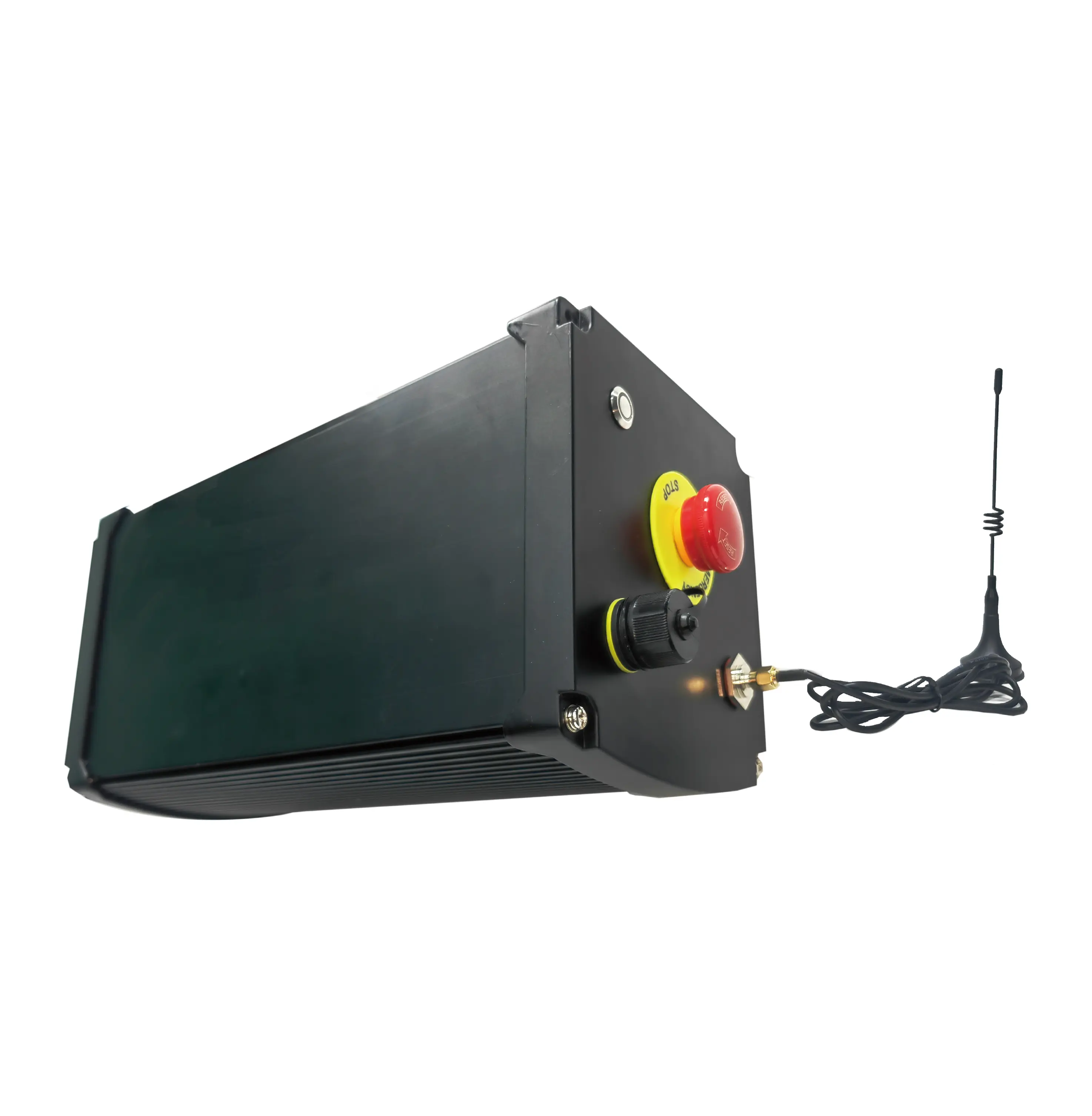
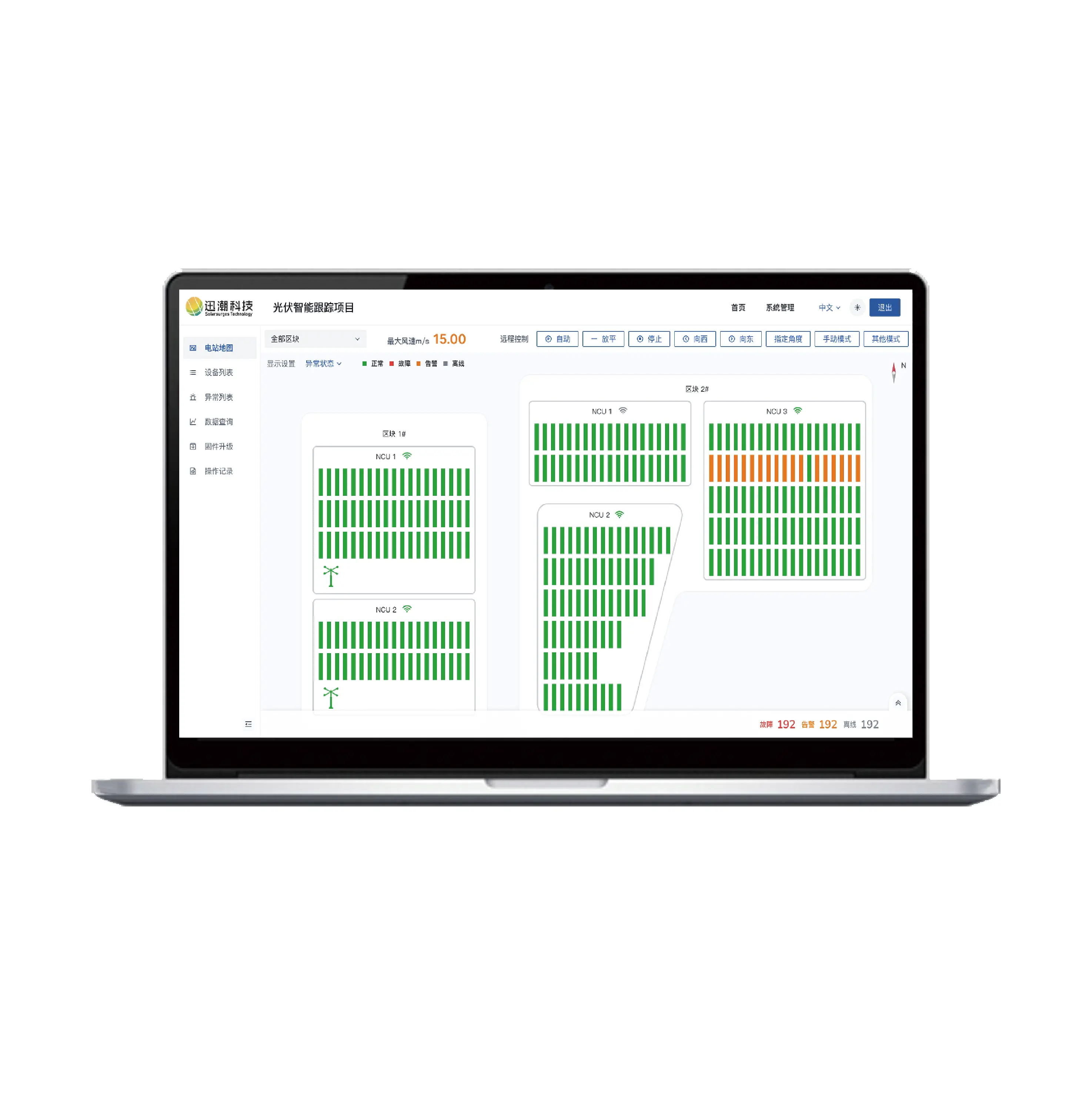

Table of Content
[Hide]
Philippines Becomes China's Largest Single Overseas Market ║ for Solar PV Modules ║
In 2026, an unexpected dark horse has emerged in the global solar export landscape. According to the latest report by energy think tank Ember and trade data from Trade Data Monitor, the Philippines has overtaken traditional solar-importing powerhouses such as Pakistan, Brazil, Spain, and France to become the single largest overseas market for Chinese solar modules. Currently, the only country importing more PV products from China is the Netherlands, but the Netherlands primarily functions as a transit hub through the Port of Rotterdam serving most of Northern and Western Europe—not a true end-consumer market. Stripping out the re-export factor, the Philippines has effectively claimed the top spot as a genuine end-consumer market for Chinese module exports.
───────────────────────────────────§1. Data Overview: Exports Double in First Five Months; Spending Exceeds USD 500 Million───────────────────────────────────
Trade Data Monitor data shows that in the first five months of 2026, China's solar module exports to the Philippines grew by more than 100% year-on-year. In March alone, Philippine imports surged 262% YoY. Since the start of 2026, Philippine buyers have spent over USD 500 million on Chinese solar modules.
By monthly cadence, China's PV module exports to the Philippines show a sustained ramp-up: 471 MW in January, 729 MW in February, over 2 GW in March, and 1 GW in April. From January to April 2026, the Philippines imported more than 4 GW of Chinese PV modules cumulatively—ranking second globally, behind only the Netherlands, which serves as Europe's transit hub.
The growth trajectory is clear from historical trends. Drawing on official Philippine customs data, the Philippines' net solar module imports stood at 3,130 MW in 2024, climbed to 5,068 MW in 2025, and reached 4,133 MW in just the first four months of 2026. Net import value grew from approximately USD 365 million in 2024 to USD 483 million in 2025. Because of continued declines in module prices, the import value grew less than the capacity—capacity grew roughly 62%, from about 3.1 GW to 5.1 GW.
In 2025, the Philippines' imported solar module capacity was more than five times its centralized PV newly-grid-connected installations, indicating substantial inventory accumulation that will translate into actual deployment growth. Ember noted that the import surge heralds a "significant acceleration" for the Philippine rooftop solar market.
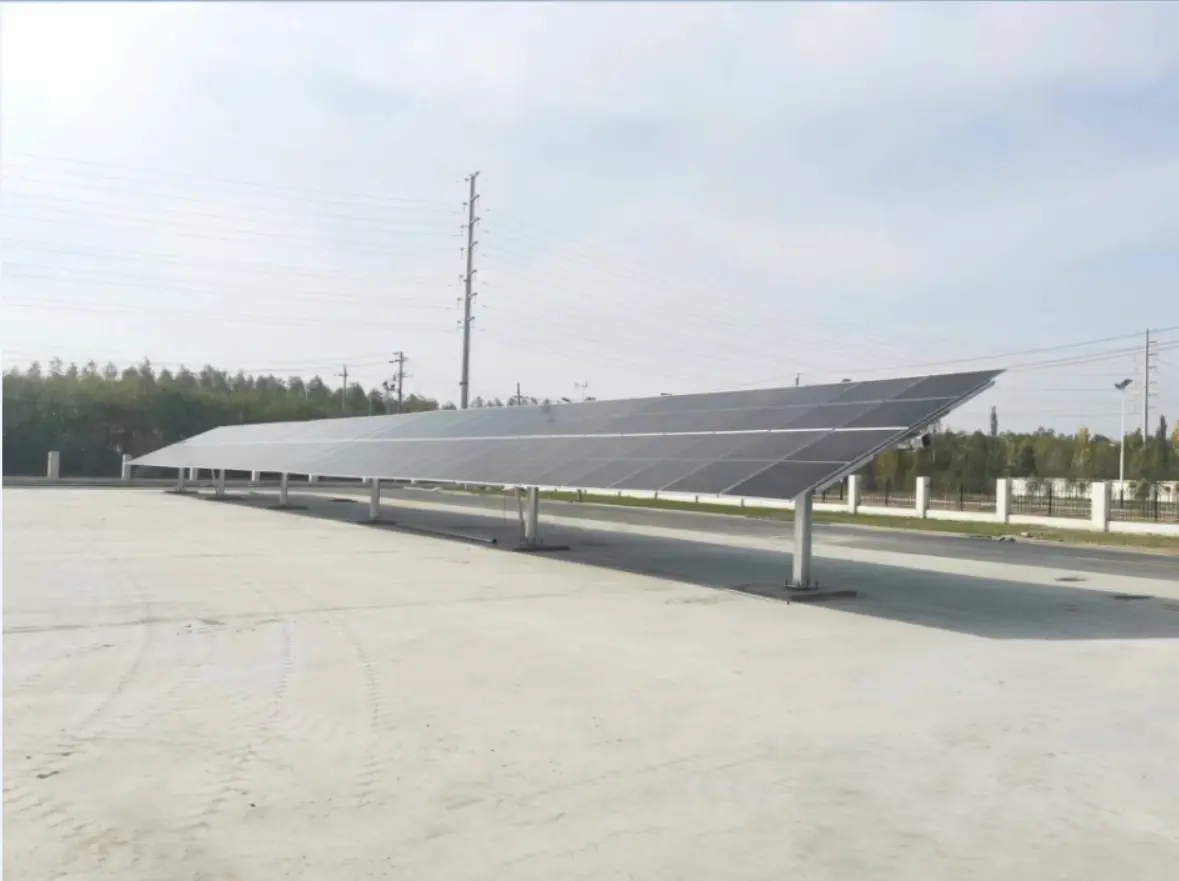
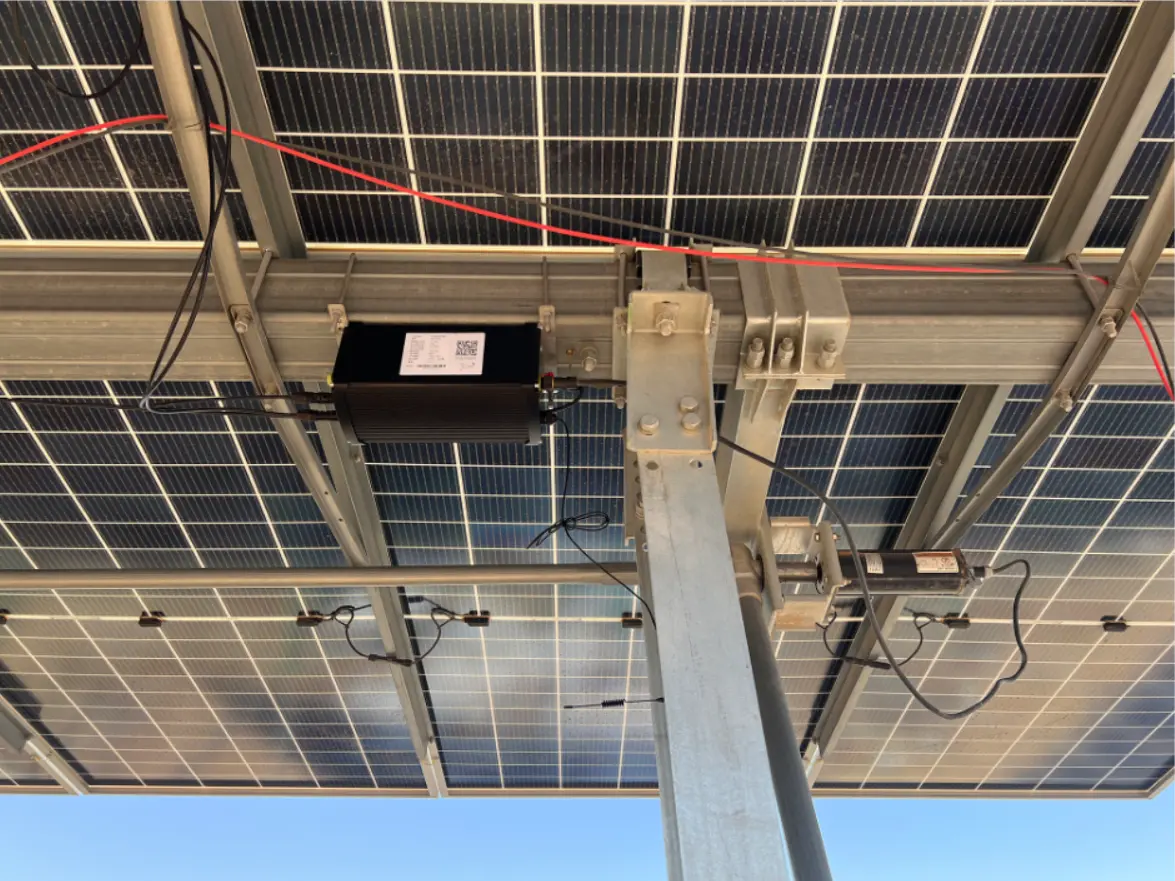
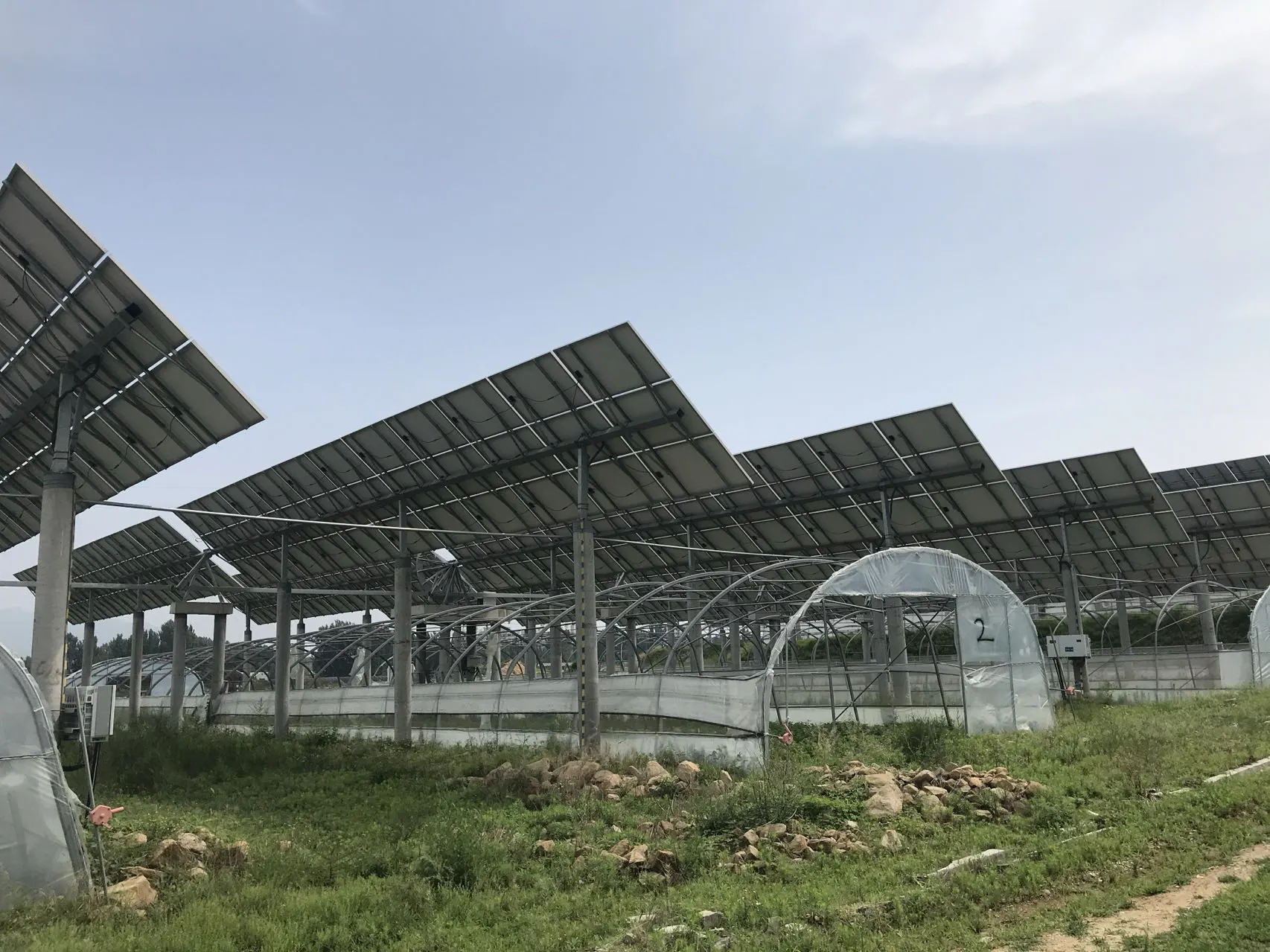
Beyond modules, the Philippines' solar build-out is also pulling in balance-of-system hardware. Chinese exporters are increasingly bundling solar tracker controllers, solar TCUs (Tracker Control Units) and solar NCUs (Network Control Units) into utility-scale tenders, with the PV tracker controller stack emerging as a meaningful new line for Chinese suppliers looking to move up the value chain.
───────────────────────────────────§2. Twin Engines of Demand: Soaring Electricity Prices and Geopolitical Conflict───────────────────────────────────
The Philippine solar boom is no accident. It is the inevitable result of two engines running in parallel: "soaring electricity prices" and "geopolitical conflict shock."
Engine One: The highest electricity prices in Southeast Asia force an energy transition. The Philippines has the highest electricity prices in Southeast Asia. Its power supply relies heavily on imported coal and natural gas, so fluctuations in international energy prices transmit directly to end-user tariffs. In May 2026, Meralco—the Philippines' largest electric utility—raised retail rates sharply versus the same period in 2025: residential rates up 17%, commercial rates up 18%, and industrial rates up 14%. After this round of increases, Philippine residential electricity rates rank first in Southeast Asia, commercial rates rank second, and industrial rates rank third.
High prices have rewritten the economics of solar. Data shows that between May 2025 and May 2026, the payback period for residential rooftop solar in the Philippines compressed from 4 years to 3.1 years; commercial and industrial rooftop solar shrank from 3 years to 2.3 years; and industrial solar projects dropped from 3.9 years to 3.1 years. This dramatically shortened payback period has elevated solar from an "environmental choice" to a full-fledged "economic choice."
Engine Two: Middle East geopolitical conflict triggers energy security anxiety. Following the outbreak of US–Israel–Iran military conflict in early 2026, shipping through the Strait of Hormuz was disrupted and global oil and gas markets swung wildly. The Philippine government promptly declared a national energy emergency, stating that Middle East tensions had caused severe energy supply shortages. Facing soaring electricity bills and blackout threats, local residents rushed to install rooftop solar. Data shows that since the conflict erupted, weekly solar panel installations in the country have surged 70%. Philergy German Solar, a Manila-based solar installer, said that customer inquiries in the first five months of this year jumped more than 2.5× versus the same period last year, peaking at around 3,000 inquiries per day.
An Ember analyst noted: "The Iran situation has indeed influenced the Philippines' transition to renewables, because it has served as a wake-up call. Ordinary citizens and businesses alike have fallen into energy anxiety and are choosing to install rooftop solar products to secure their own energy supply."
───────────────────────────────────§3. Policy and Market Forming a Combined Force───────────────────────────────────
While end-market demand explodes, the Philippine government's policy end is also moving in tandem.
In February 2026, the Philippine Department of Energy announced multiple reforms to the solar net-metering system, including faster approval processes, multi-site and aggregated net metering, and permission for qualified end users to retain renewable energy certificates for market trading. In May, the Philippine Department of the Interior issued a memorandum circular establishing streamlined application guidelines and clarifying renewable energy project approval procedures. On the quality regulation front, the Philippine Bureau of Standards has submitted, through the WTO, draft regulations for mandatory product certification of solar systems—covering PV modules, inverters, battery energy storage systems, and other products.
On the government side, as of April 2026, 233 government agencies have installed solar PV systems, totaling 18.82 MW of installed capacity.
Ember's chief analyst Dave Jones stated bluntly that the rapid rise of Philippine rooftop solar is "an unstoppable trend." He believes the Philippines can carve out its own energy transition path via rooftop solar, fully escaping dependence on fossil fuels. The report proposes that within the next 24 months, the Philippines can deploy 3.5 GW of rooftop solar projects paired with 4.5 GWh of energy storage batteries. Ember expects Philippine distributed solar installation capacity may grow to 3,500 MW within the next two years—nearly matching the country's current installed utility-scale solar capacity.
Dave Jones added: "Rooftop solar economics are more attractive than ever, and its rapid rise is inevitable. The government has an opportunity to carve its own path in the rooftop solar space—pulling the Philippines out of fossil fuel dependence and onto a path of cheap, abundant electricity."
───────────────────────────────────§4. Implications for China's Solar Industry───────────────────────────────────
The explosive growth of the Philippine market carries multiple strategic values for China's solar industry.
First, emerging markets are picking up the growth baton. As the European market slows and US trade barriers continue to rise, Southeast Asian markets are becoming a new growth pole supporting Chinese solar exports. In April 2026, China's monthly module exports to Southeast Asian markets grew 267% year-on-year.
Second, end-consumer markets carry higher intrinsic value. Unlike the Netherlands' role as a transit hub, the Philippines is a core market where Chinese modules truly reach end users. This elevation marks a qualitative leap in the penetration of Chinese solar products into Southeast Asian end markets.
Third, Chinese manufacturing's technological competitiveness is gaining market recognition. Cesar Arriaga, a consumer living in a suburb of Davao in the Philippines, said when selecting a solar system: "I like Chinese products, not just because they're cheap, but because their technological competitiveness is strong." Against the backdrop of continued module price declines, technological competitiveness is becoming the core moat for Chinese solar products in overseas markets.
Notably, even though China cancelled the 9% VAT export rebate for solar products from April 1, 2026, solar panel exports to the Philippines in May still grew nearly 30% against the trend—highlighting the strong resilience of local demand.
───────────────────────────────────Conclusion───────────────────────────────────
From net imports of 3.1 GW in 2024 to breaking 4.1 GW in just the first four months of 2026, the Philippine solar market is rewriting the global solar trade map at an astonishing pace. The economics born of high electricity prices, the energy security anxiety triggered by geopolitical conflict, and the institutional dividend released by policy reform—these three forces have stacked and resonated, pushing the Philippines into the top seat for Chinese module exports. For China's solar industry searching globally for new growth poles, the Philippines story may only be the beginning—across Southeast Asia and the entire Belt and Road, more markets are standing at the starting line of their own energy transition.
═══════════════════════════════════════════════════════════════════
Note: Data current as of July 13, 2026. For reference only; not investment advice.
References
Related Solar Tracker Products